Loading video…


 13 Concepts
 47 views

Video Summary: What are Derivatives of Vector Functions
Ever wonder how engineers at NASA calculate a spacecraft's exact velocity mid-trajectory? That's where derivatives of vector functions come in. This concept, the foundation of derivatives of vector functions basics, shows how a secant vector between two positions on a curve transforms into a tangent vector as the time interval shrinks to zero. This tangent vector captures both speed and direction instantly. Watch the full video on JoVE Coach to master this concept with expert-led visuals and step-by-step explanations.
In single-variable calculus, the derivative of a function tells you the rate of change of a quantity. Derivatives of vector functions extend this idea into two or three dimensions, where position, velocity, and acceleration are all vectors, quantities with both magnitude and direction. Instead of tracking just how far something moves, vector derivatives track *how* and *where* it moves. This makes them essential tools in physics, engineering, and computer graphics.
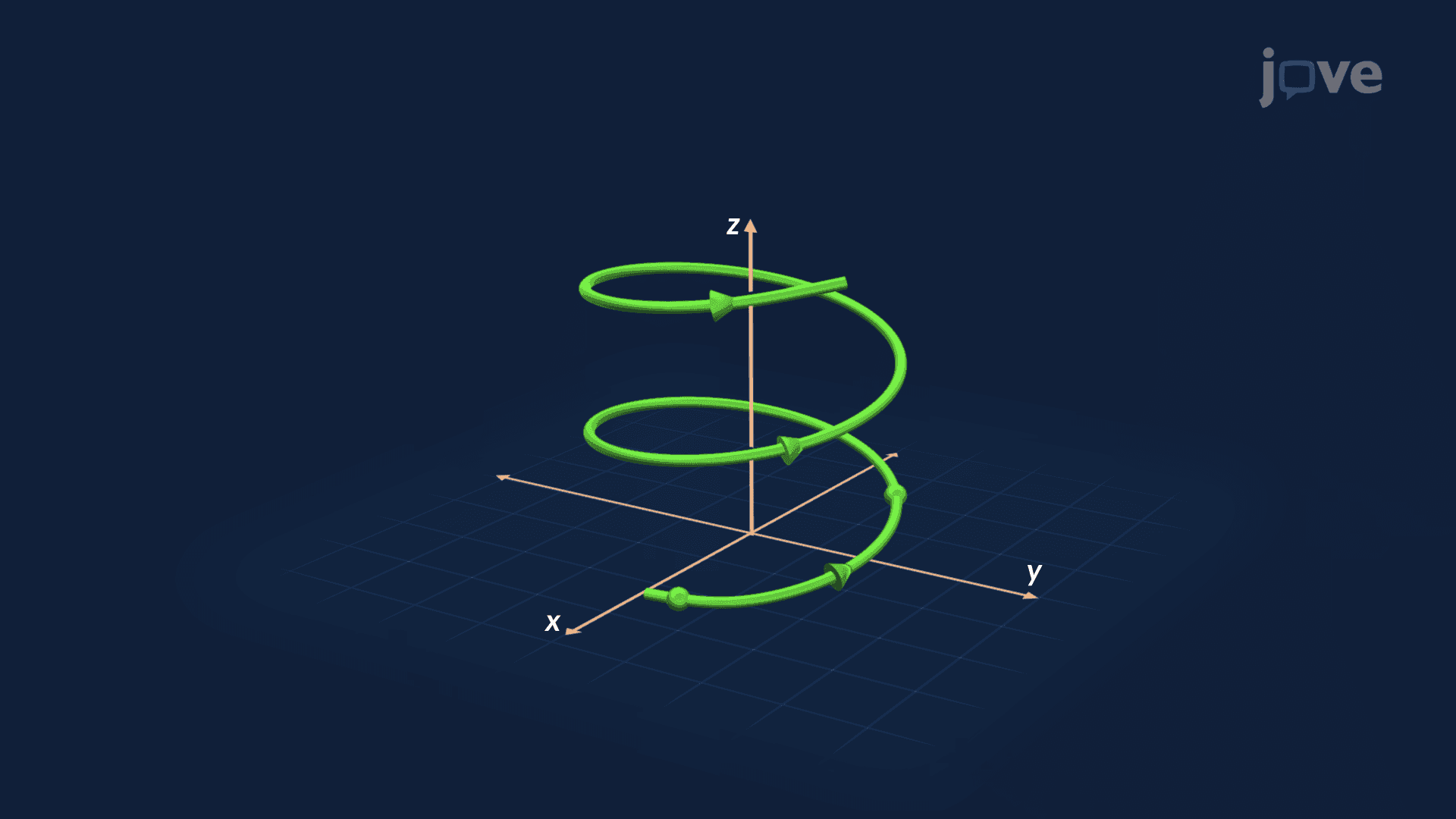
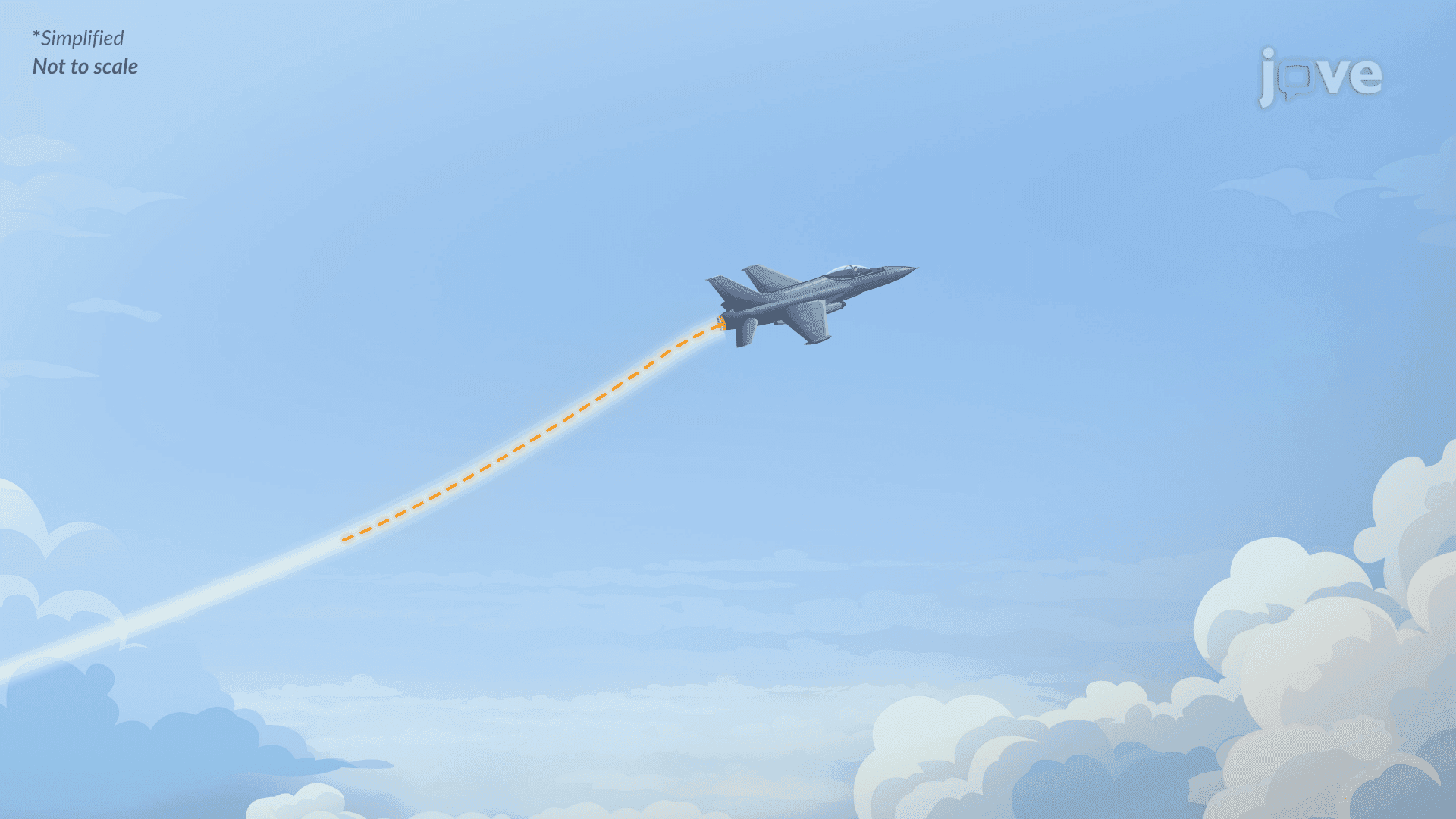
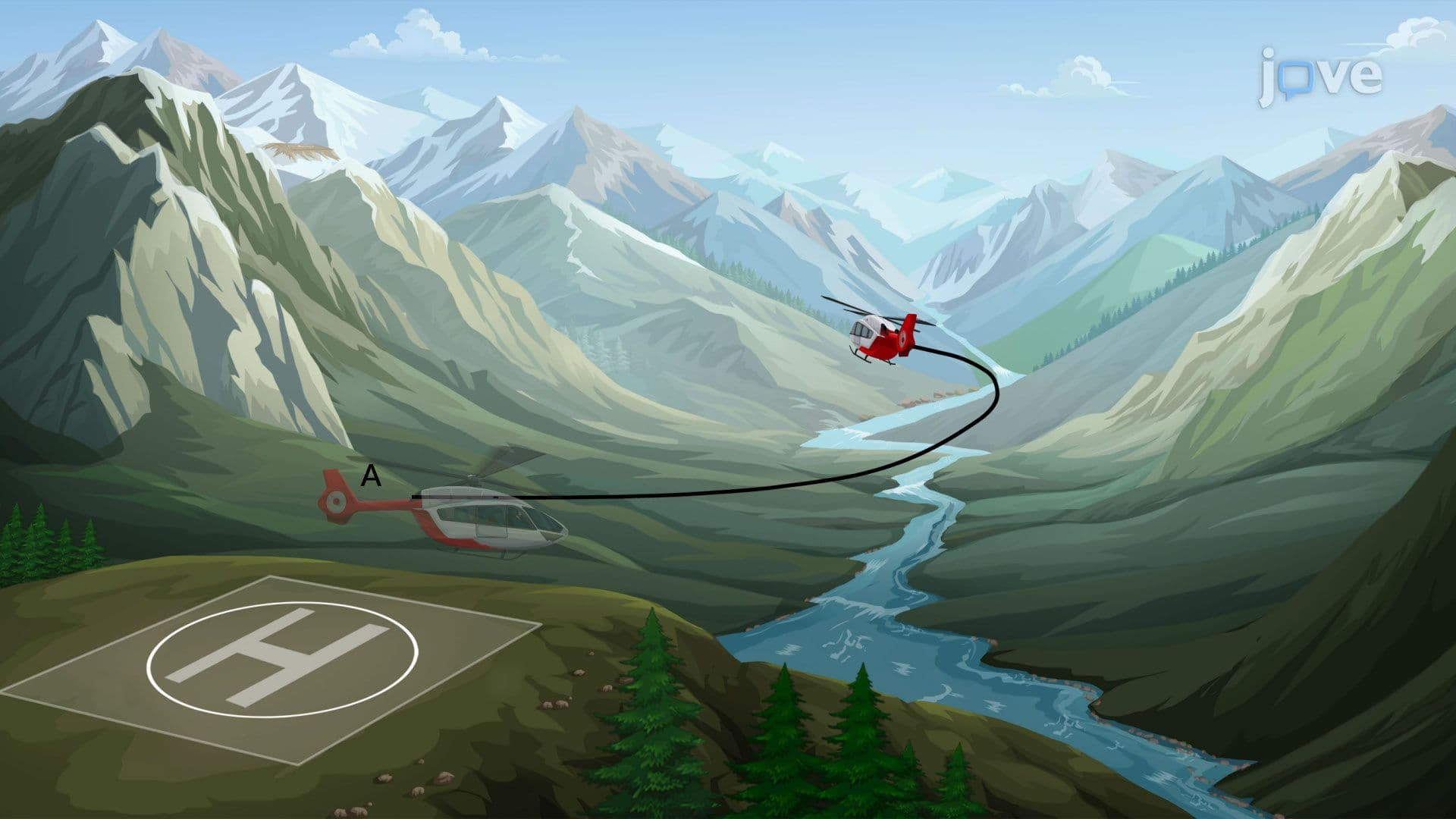
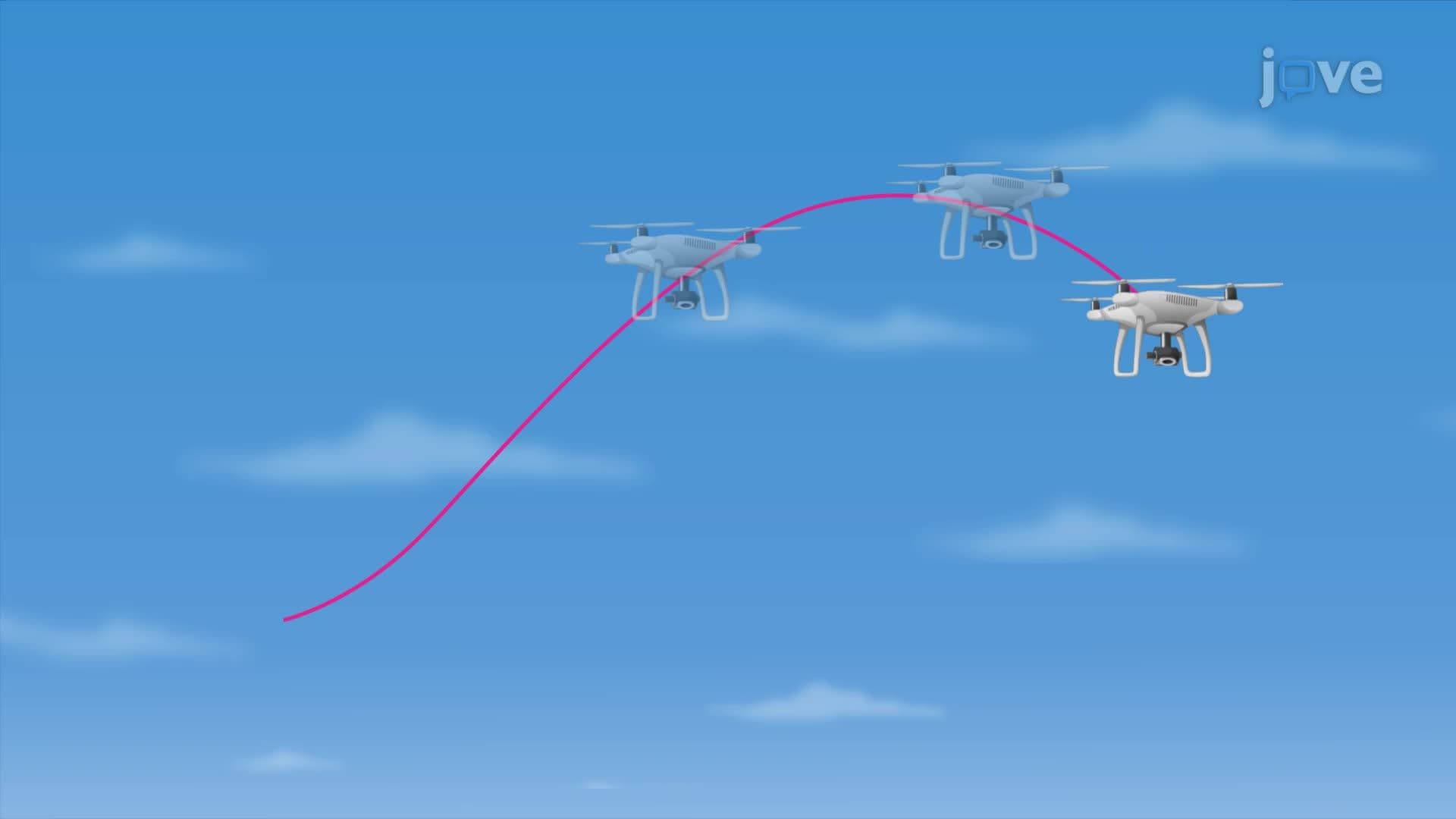
Consider a particle moving along a curved path in space, described by a vector function r(t) = ⟨x(t), y(t), z(t)⟩. At time t, the particle is at position r(t). At time t + h, it is at position r(t + h). The vector connecting these two points, [r(t + h) − r(t)], is called the secant vector. It approximates the direction of travel over that time interval.
To find the derivative, divide this difference vector by h and take the limit as h approaches zero:
r'(t) = lim(h → 0) of [r(t + h) − r(t)] / h
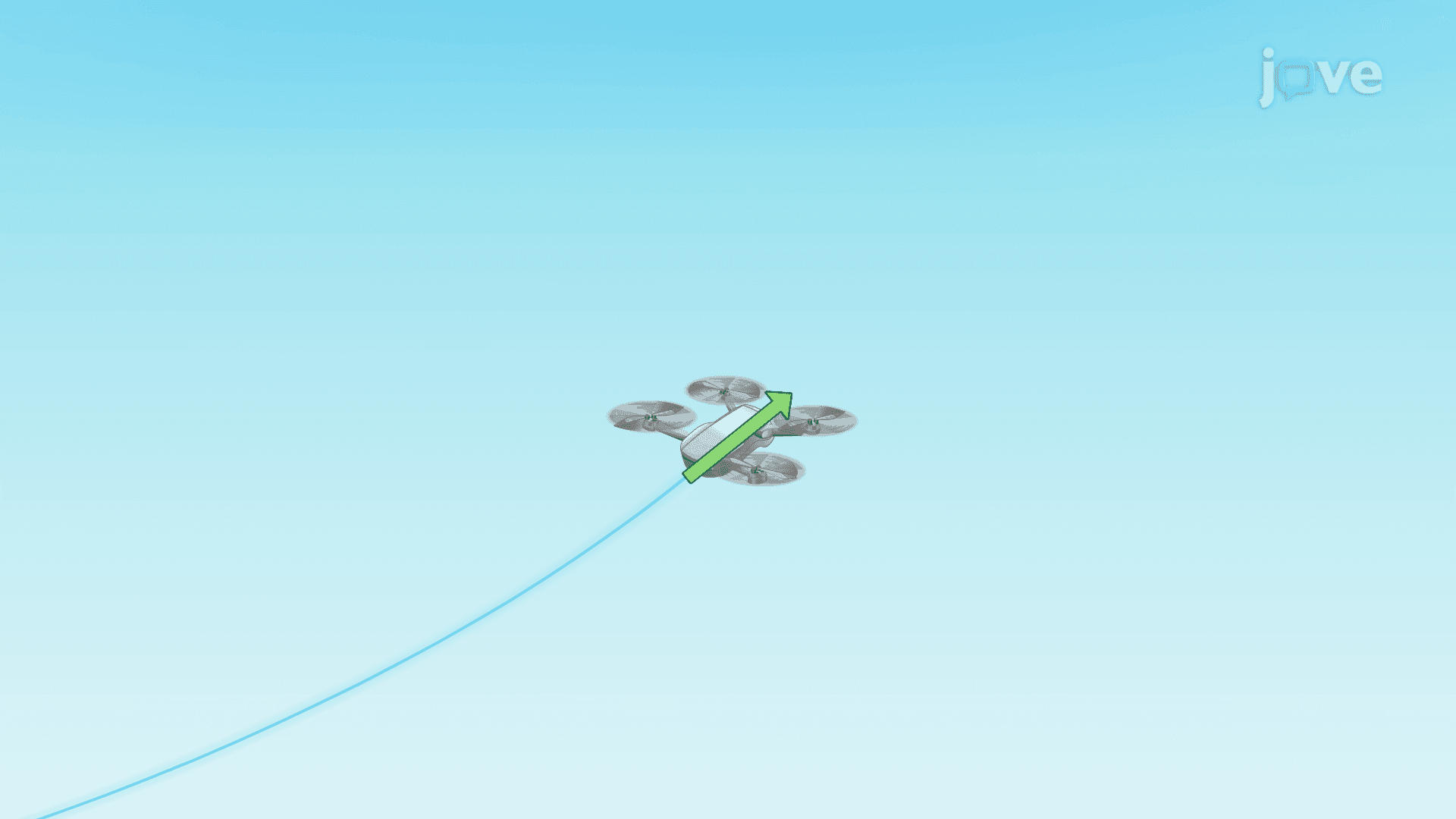
This limit, when it exists, produces the tangent vector r'(t). Geometrically, it points in the direction the curve is heading at that exact instant, which is why it's also called the instantaneous velocity vector in motion problems.
A key practical rule: because the limit is taken component by component, you can differentiate vector functions simply by differentiating each component separately. If r(t) = ⟨f(t), g(t), h(t)⟩, then r'(t) = ⟨f'(t), g'(t), h'(t)⟩.
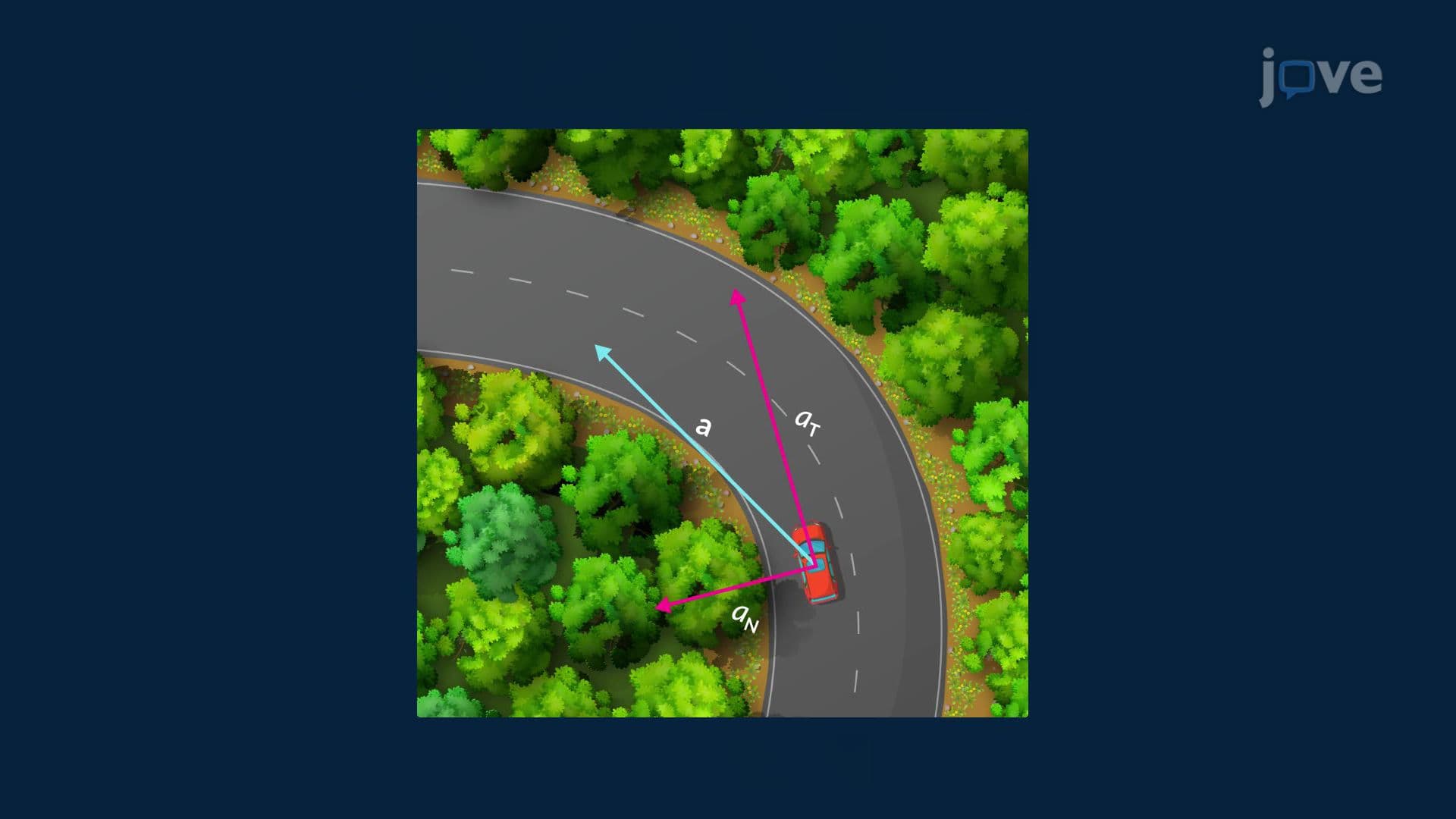
Aerospace and automotive engineering rely heavily on this concept. When a vehicle navigates a curved freeway interchange, such as the stack interchange in Dallas, Texas, its onboard navigation system continuously computes velocity vectors from position data. The derivative of the position vector gives engineers the precise speed and heading at every moment, enabling safer curve design and real-time route correction.
In sports analytics, tracking systems used by NFL teams compute player velocity vectors from GPS position data sampled many times per second. Each velocity reading is essentially a derivative of a position vector function evaluated at a specific time.
Understanding derivatives of vector functions unlocks a cascade of related concepts that appear in college-level Calculus III courses and on AP Calculus BC exams:
Derivatives of vector functions are a core topic in AP Calculus BC, college Calculus II and III, and introductory physics courses at US universities. Students are expected to compute r'(t) from a given r(t), find velocity and speed, determine tangent lines to space curves, and interpret the physical meaning of each result. Mastery requires comfort with basic single-variable differentiation, the chain rule, and an introductory understanding of vectors, all of which are covered in standard pre-calculus and Calculus I curricula.
Related Micro-courses