Loading concepts…


6 Concepts
22 Concepts
19 Concepts
17 Concepts
8 Concepts
11 Concepts
14 Concepts
6 Concepts
8 Concepts
16 Concepts
10 Concepts
13 Concepts
24 Concepts
17 Concepts
19 Concepts
 19 Concepts
 95 Views
 Popular topics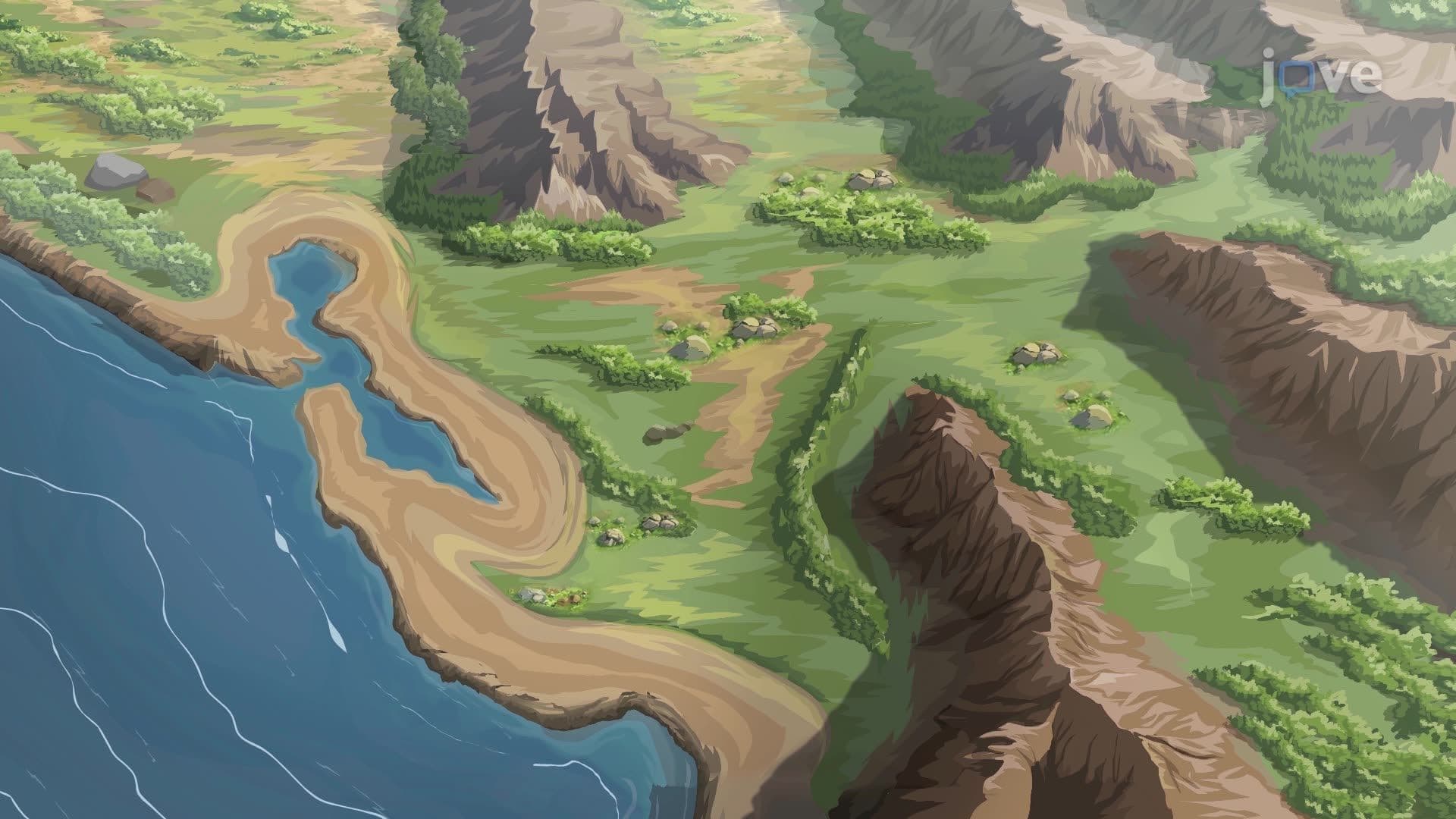





Vector calculus builds the mathematical framework for analyzing fields, motion, and flow in two and three dimensions. This micro-course, supported by JoVE Coach, covers core vector calculus theorems explained through real US applications, from San Francisco Bay wind patterns to satellite orbital mechanics. Students progress from vector fields and line integrals through Green's, Stokes', and the Divergence Theorem, developing tools essential for physics, engineering, and advanced mathematics.
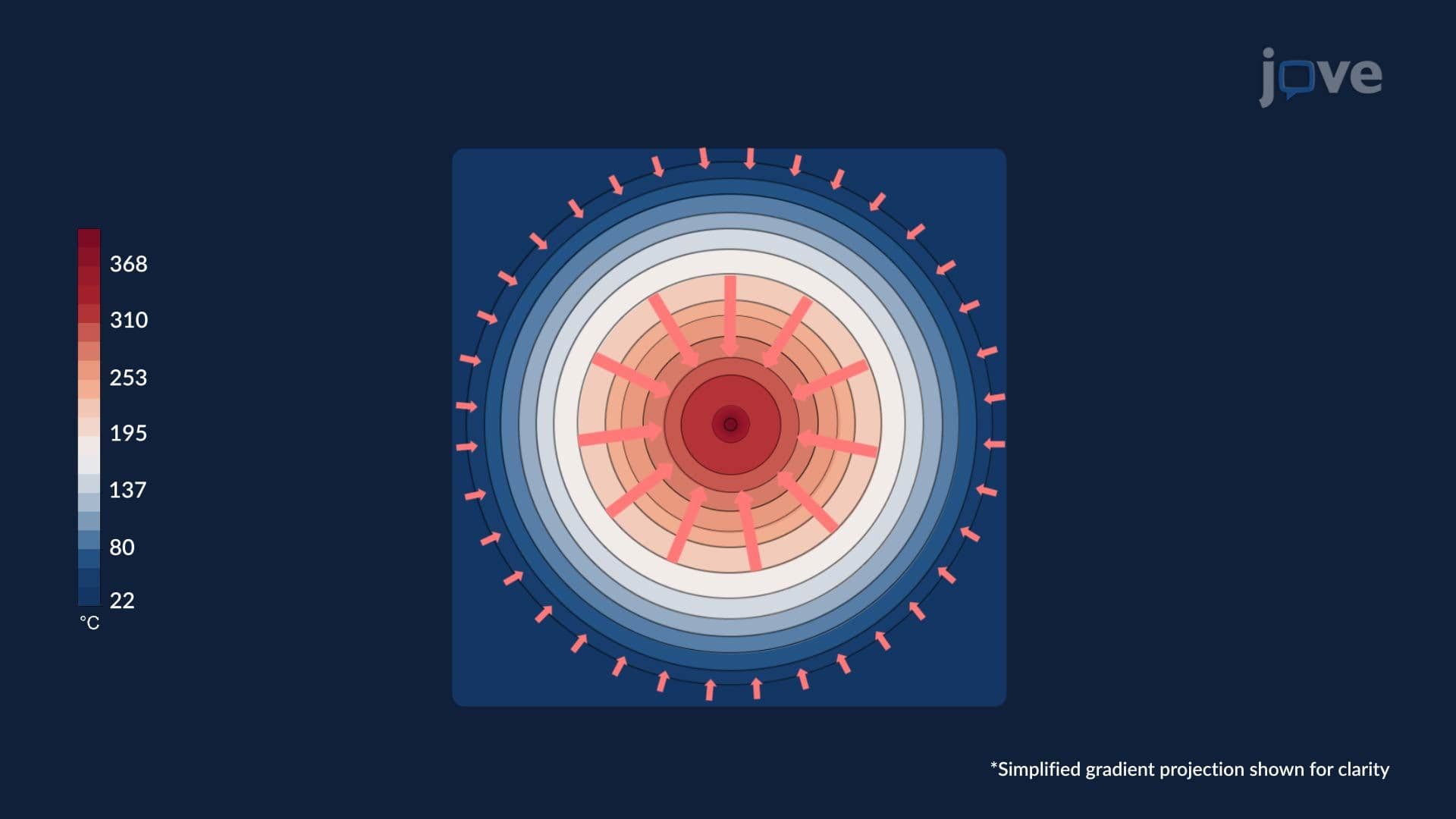
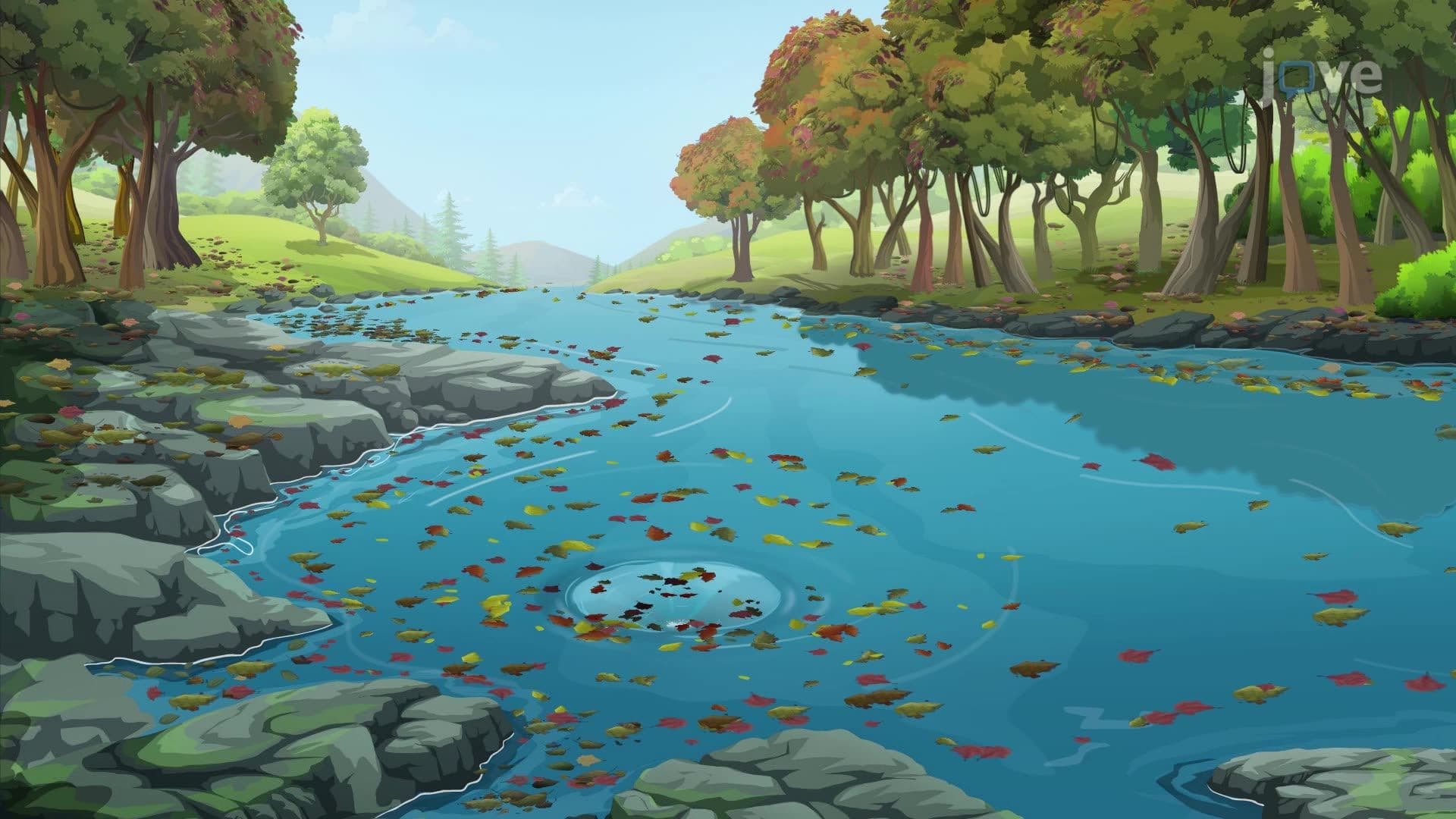
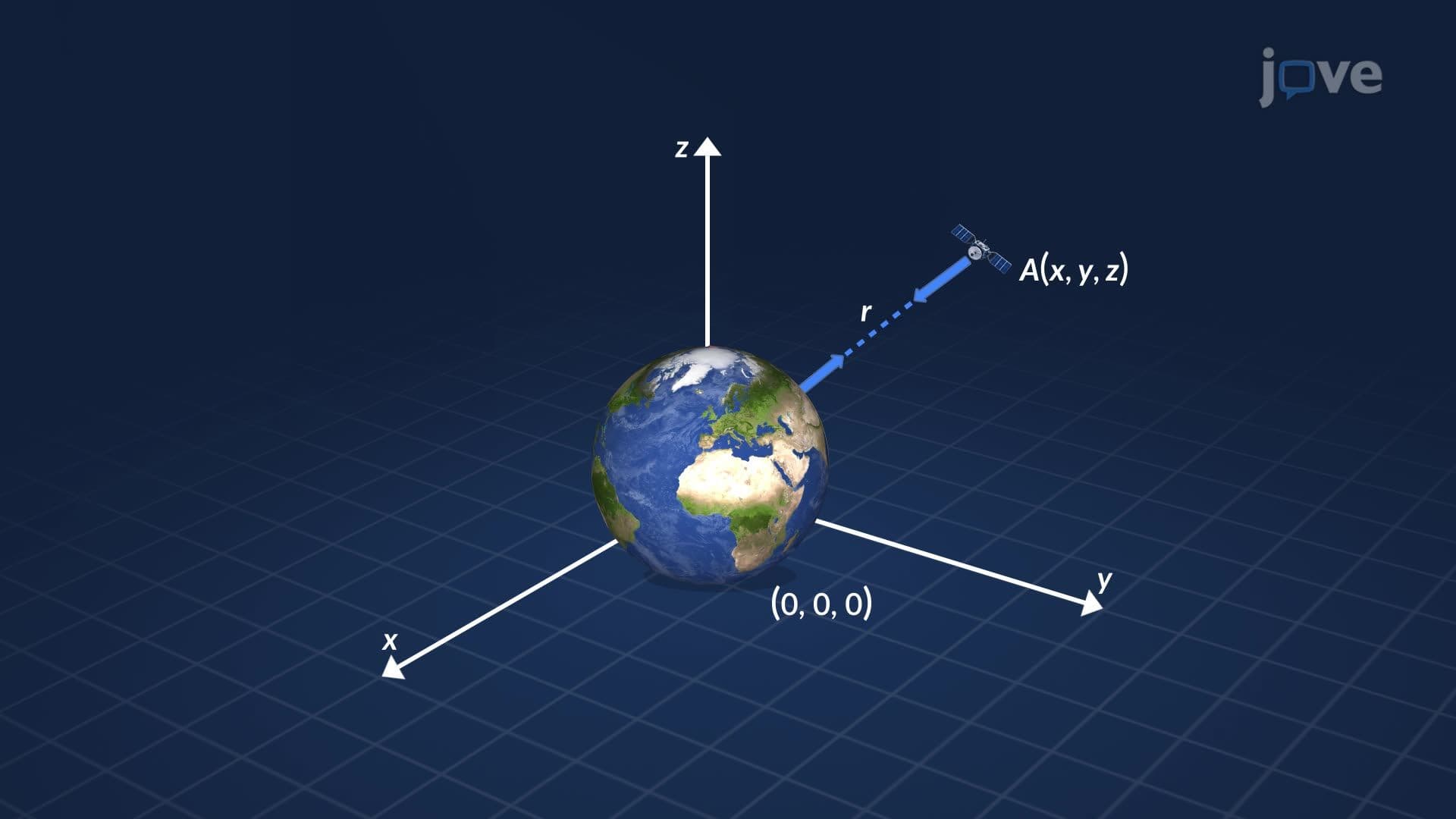
1. Vector Fields and Gradient Fields A vector field assigns a vector to every point in a region, making it the natural language for describing wind, fluid flow, and gravitational or electric forces. The gradient field is a specific type of vector field derived from a scalar function, such as temperature across a metal plate, by taking partial derivatives in each coordinate direction. The resulting vectors point in the direction of the steepest increase and are always perpendicular to the scalar function's level curves, called isotherms or contours. Understanding gradient fields is the entry point for conservative vector fields and sets the foundation for the Fundamental Theorem for Line Integrals.
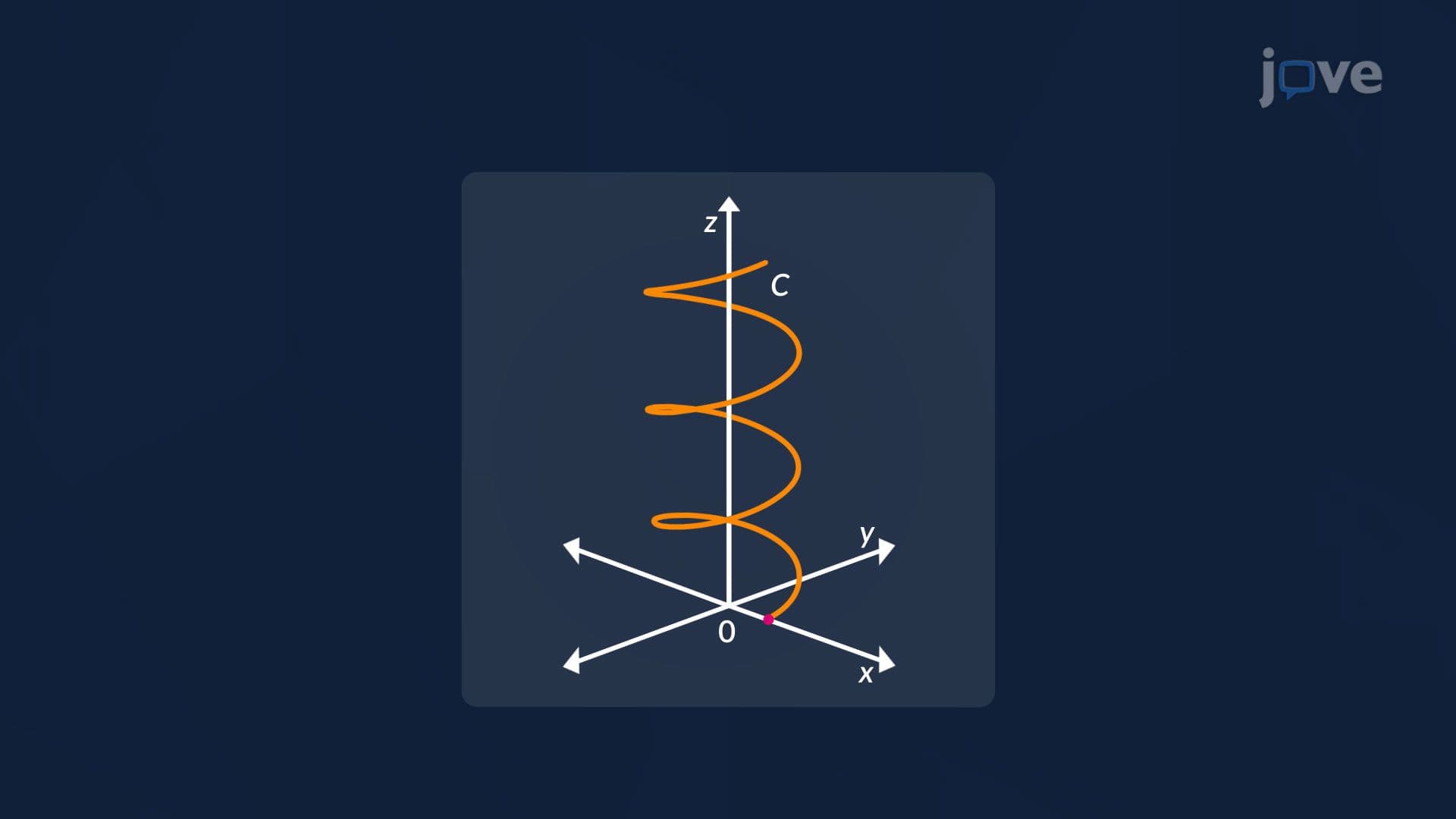
2. Line Integrals in the Plane and in Space A line integral accumulates a quantity, such as work, mass, or circulation, along a curved path rather than a straight interval. In the plane, the path is defined parametrically and the integral is evaluated with respect to arc length or vector components. In three-dimensional space, the same framework extends to helical or coiled paths, such as a spring's trajectory. Scalar line integrals compute quantities like total mass when density varies along the curve, while vector line integrals compute work done by a force field by integrating only the tangential component of the field along the path.
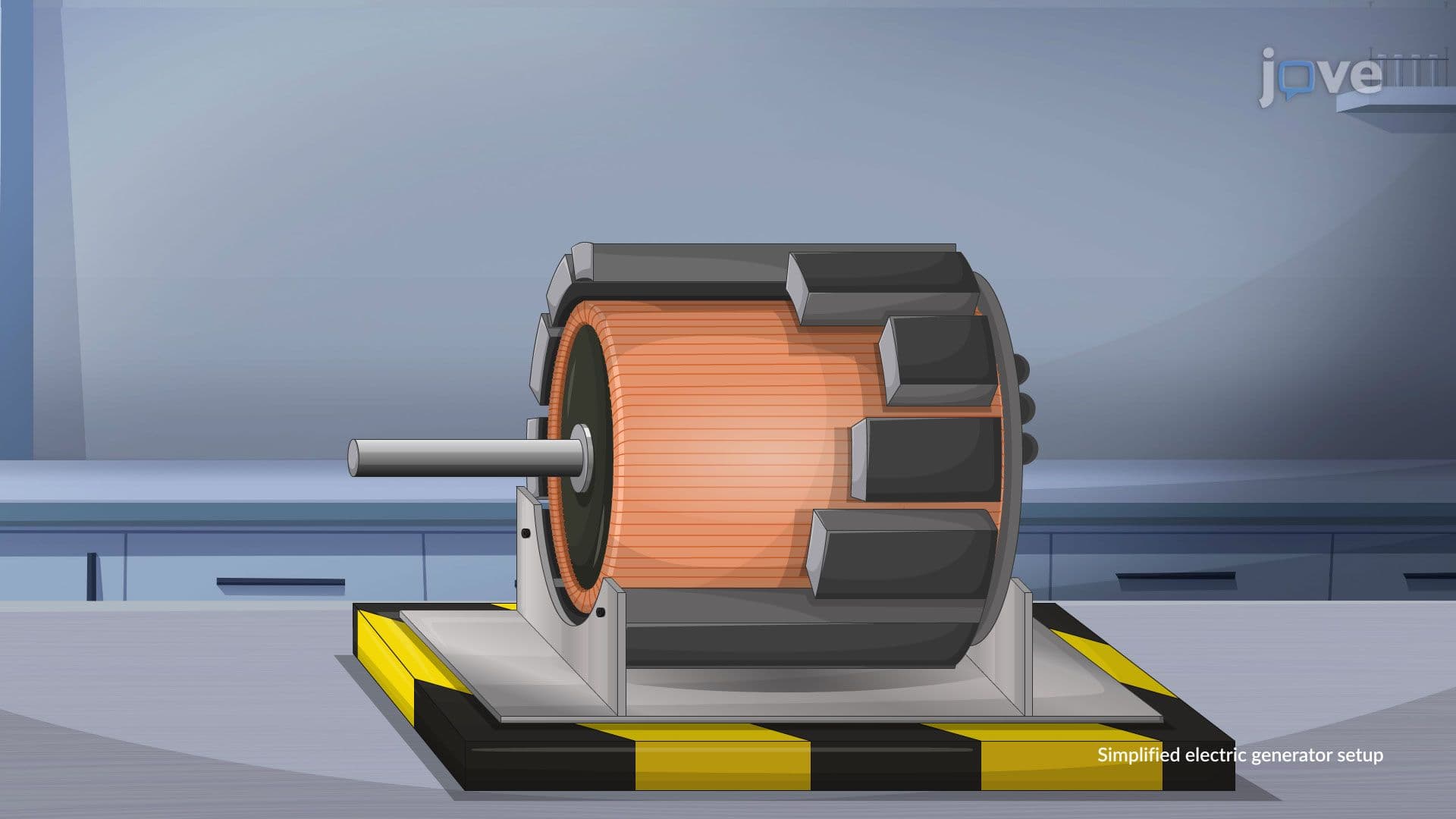
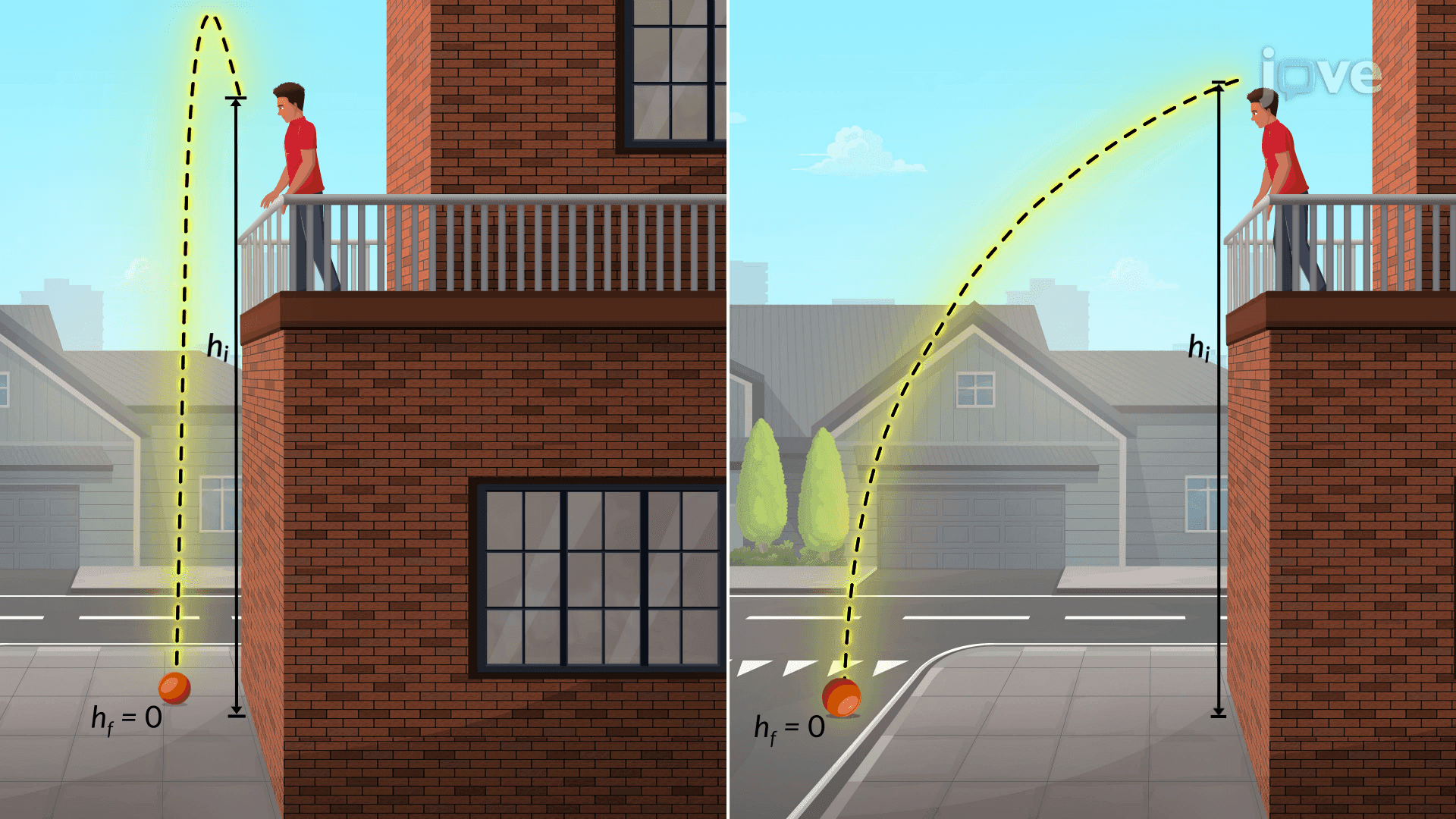
3. Applications of Line Integrals and the Fundamental Theorem Line integrals appear throughout physics and engineering. Computing electromotive force in a conducting loop uses a line integral of the electric field, directly connecting to Faraday's law. The Fundamental Theorem for Line Integrals states that when a vector field is the gradient of a potential function, the line integral between two points depends only on the potential values at those endpoints, not on the path taken. This path independence dramatically simplifies calculations; for example, the work done by Earth's gravity on a falling object is the same whether the object drops vertically or follows an arc.
4. Conservative Vector Fields A vector field is conservative when it arises from a scalar potential function, meaning the work it performs is path-independent. To test whether a two-dimensional field is conservative, its component functions P and Q must satisfy the cross-partial condition: the partial derivative of P with respect to y must equal the partial derivative of Q with respect to x. This equality follows directly from Clairaut's theorem when second derivatives are continuous. The test is sufficient only when the domain is open and simply connected, meaning it contains no holes. Gravity and electrostatic fields in free space are classical US-curriculum examples of conservative vector fields.
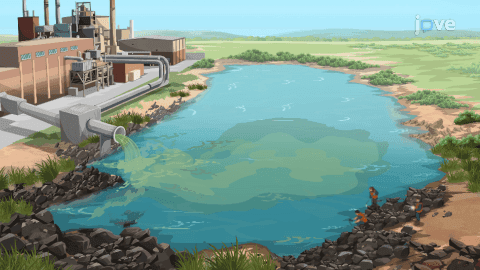
5. Green's Theorem and Its Extended Versions Green's Theorem is one of the central vector calculus theorems, relating the line integral of a vector field around a simple closed curve to the double integral of a combination of partial derivatives over the enclosed region. Physically, it connects boundary circulation, how strongly the flow travels around the edge, to the local rotation distributed across the interior. The theorem extends naturally to regions with holes, such as a land mass surrounding a lake, by introducing artificial cuts that divide the complex region into simpler subregions whose contributions along shared boundaries cancel. This makes Green's Theorem a powerful computational tool for irregular domains.
6. Curl and Divergence of Vector Fields Curl and divergence are the two fundamental differential operators applied to vector fields. Curl, computed via the cross product of the del operator with the field, measures local rotation, capturing the swirling behavior of a fluid at a point. Divergence, computed via the dot product of del with the field, measures the net outflow or inflow at a point. A spreading flow field has positive divergence but zero curl, while a purely rotational field has nonzero curl but zero divergence. These operators underpin Maxwell's equations: divergence appears in Gauss's law linking electric field to charge density, and curl appears in Faraday's law describing electromagnetic induction.
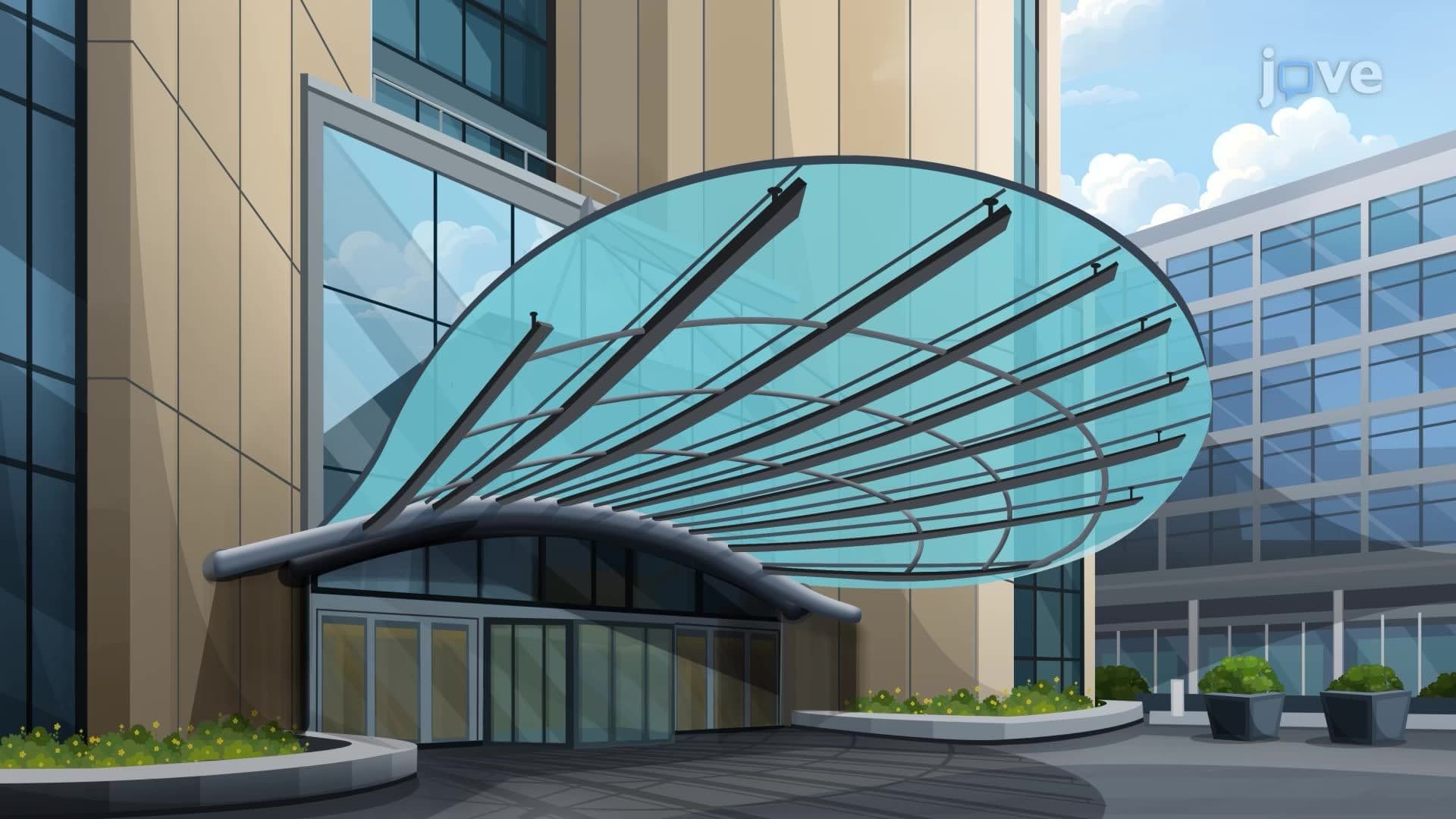
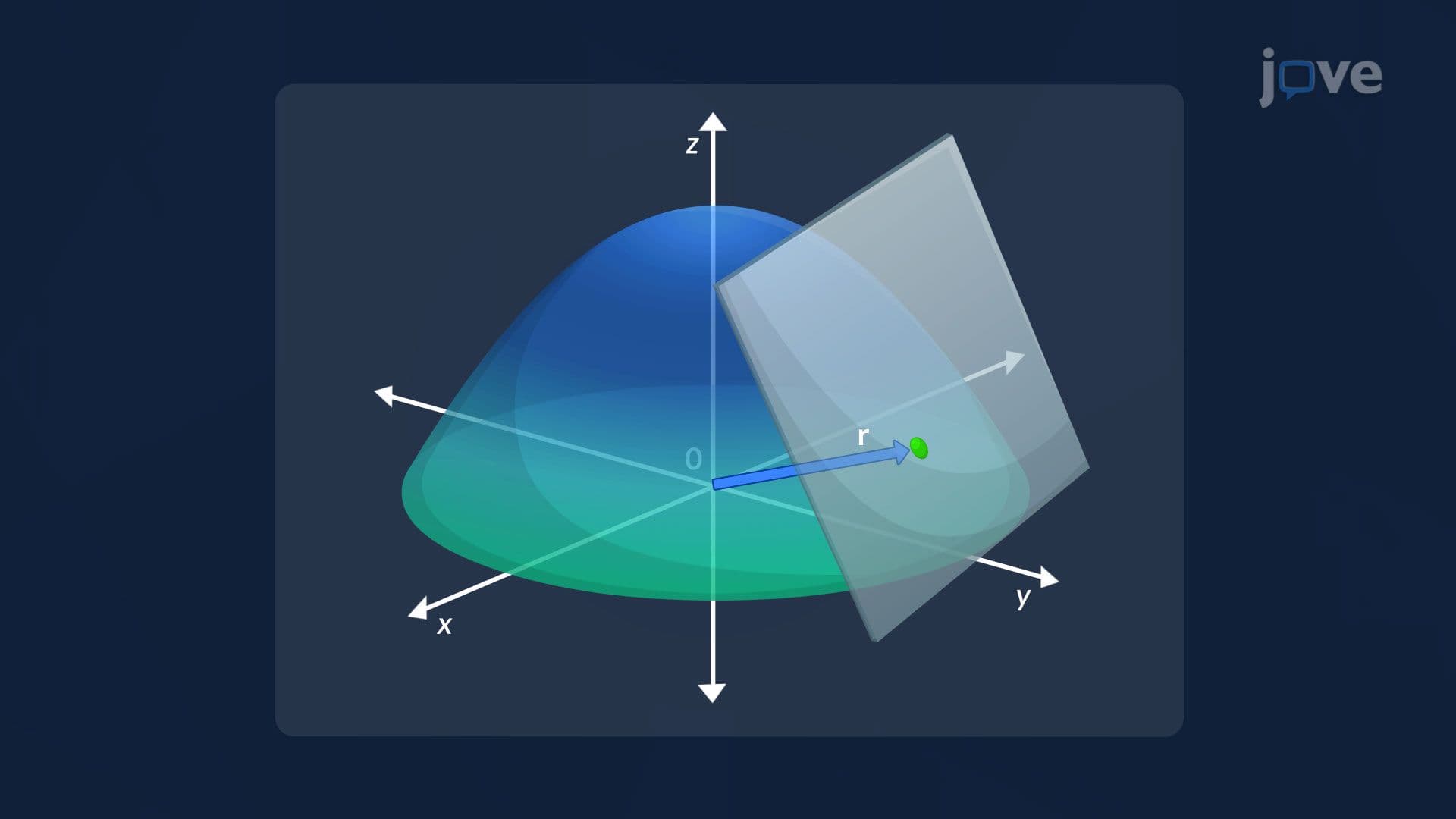
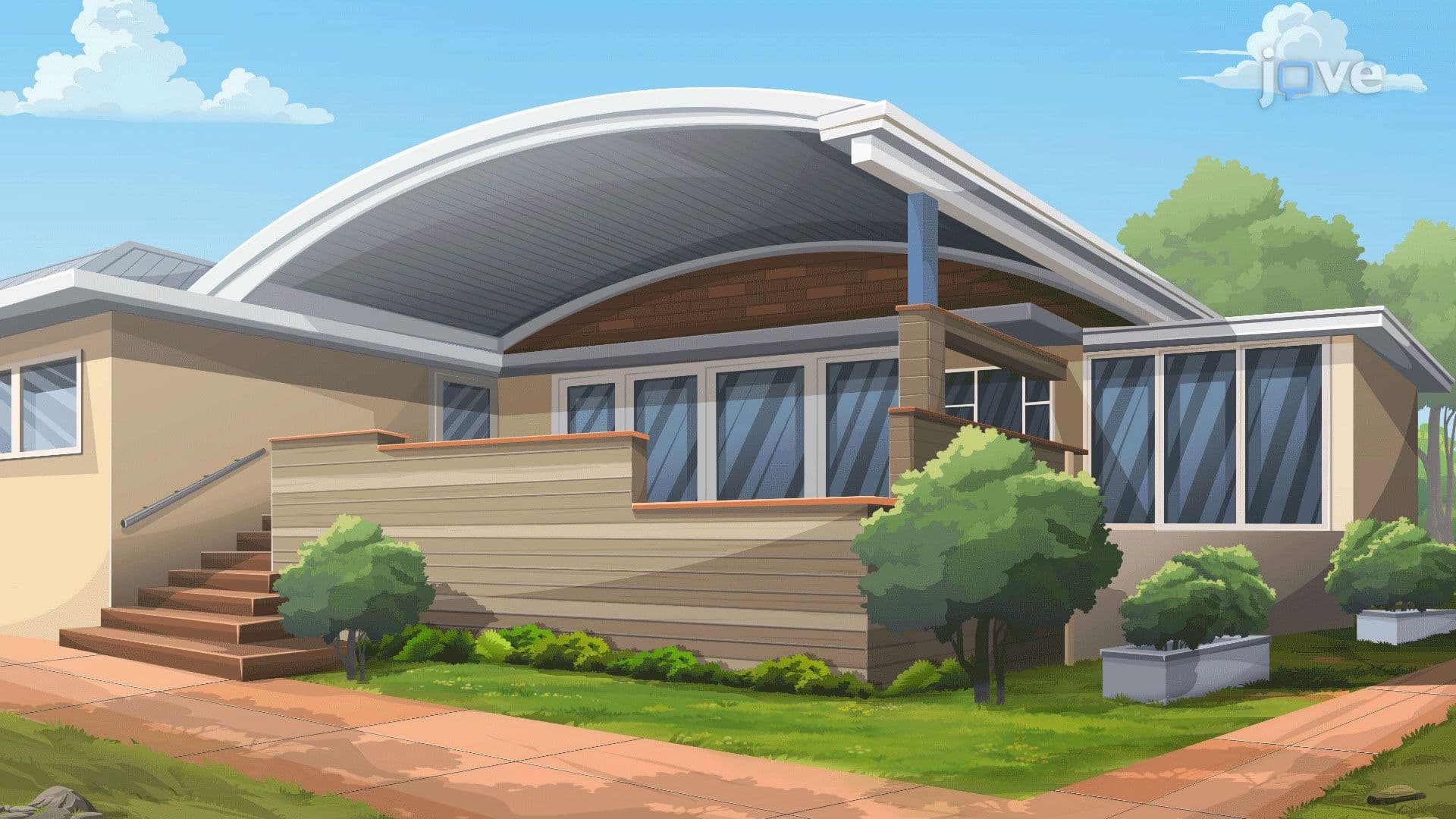
7. Parametric Surfaces, Tangent Planes, and Surface Integrals A parametric surface is described by a vector-valued function of two parameters, u and v, that maps a flat parameter domain into a three-dimensional shape, such as a curved glass canopy on a building entrance. Tangent planes at a point on such a surface are constructed from two tangent vectors obtained by partial differentiation, whose cross product yields the surface's normal vector. Surface integrals generalize the idea of area to curved surfaces by partitioning the parameter domain into small rectangles, approximating each surface patch with a parallelogram, and summing contributions in a Riemann sum that converges to a double integral, used, for example, to compute the cost of painting a curved roof.
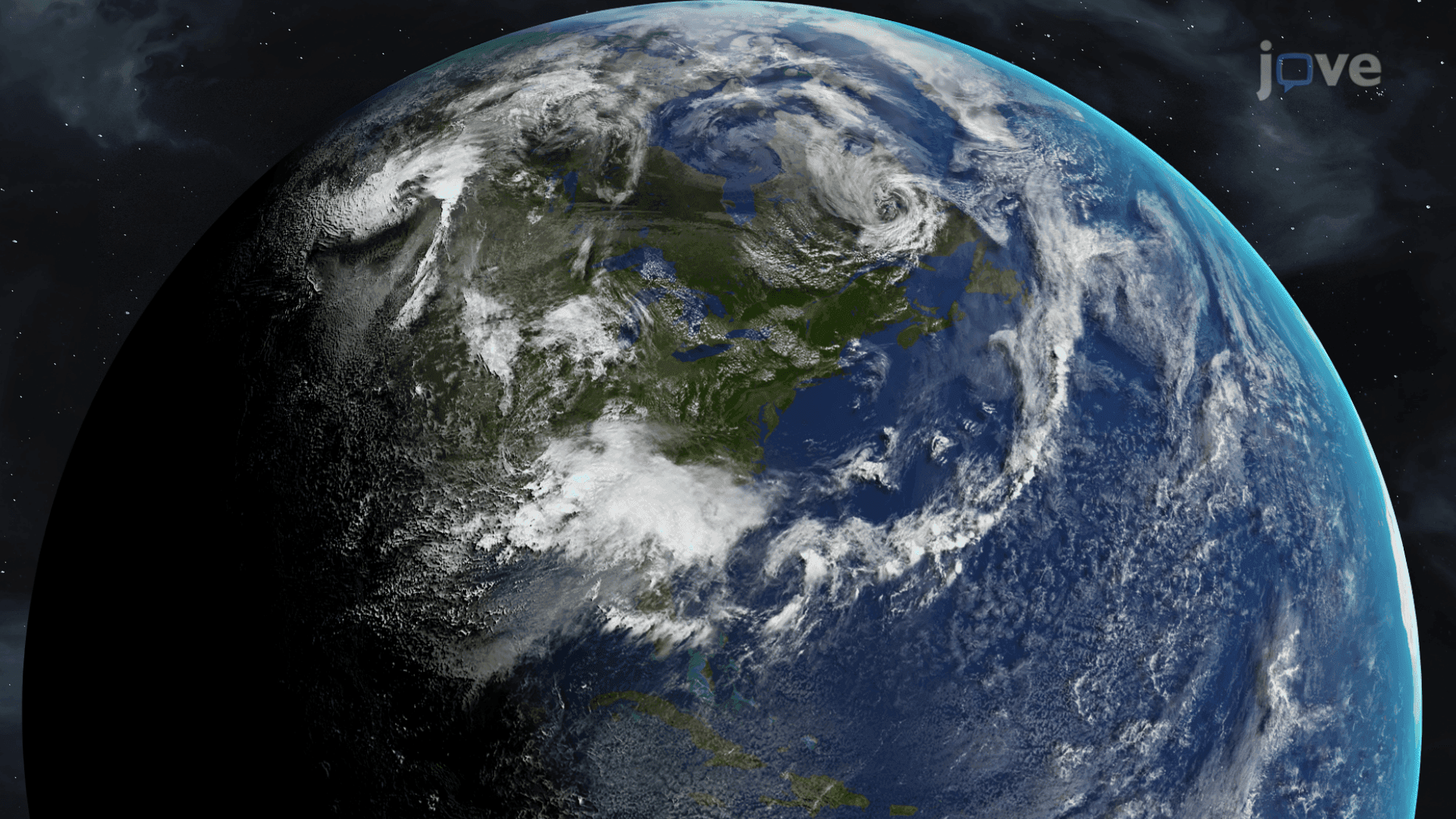
8. Oriented Surfaces and Flux Integrals An orientable surface is one that admits a consistent, continuously varying unit normal vector across its entire extent, a prerequisite for computing meaningful surface integrals. A soap film stretched across a wire loop is orientable; a Möbius strip is the classic non-orientable counterexample, where a normal vector reverses direction after one full traversal. Choosing an orientation, outward or inward, fixes the sign convention for flux integrals. The flux of a vector field through a surface measures the net flow crossing it: for atmospheric scientists, integrating the product of air density and velocity over an imaginary boundary surface quantifies the net mass of air moving through a weather system.
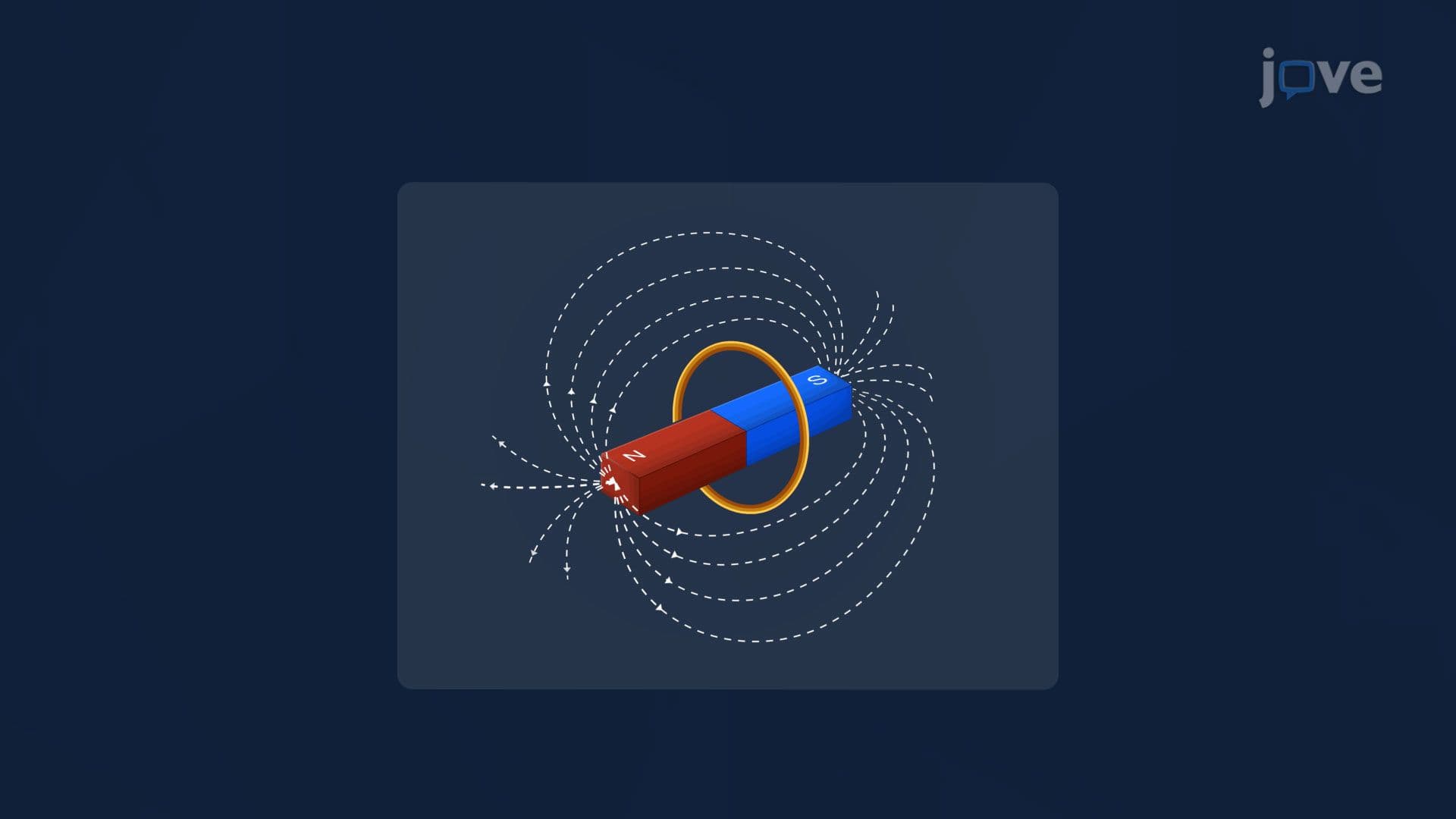
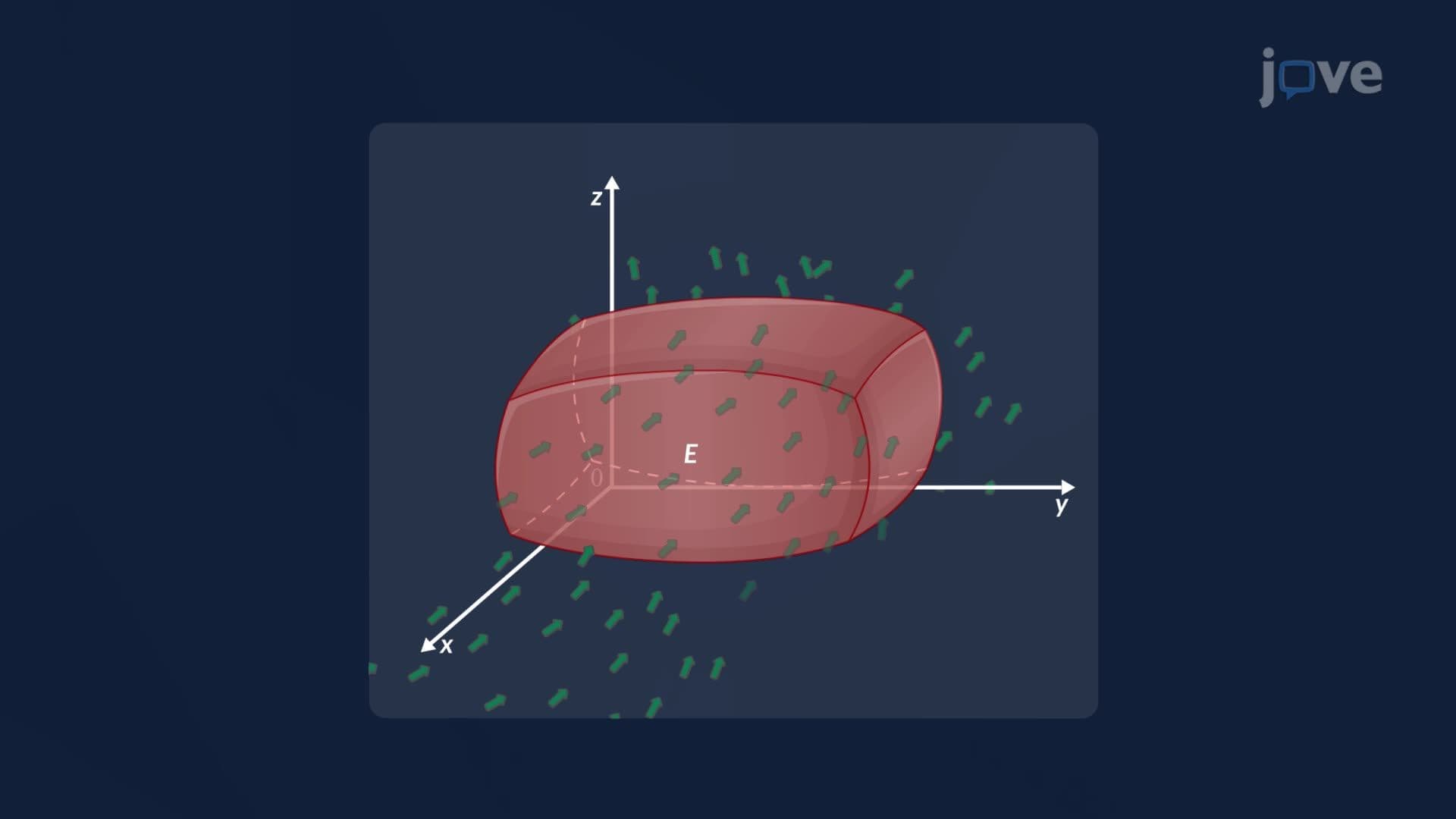
9. Stokes' Theorem and the Divergence Theorem Stokes' Theorem generalizes Green's Theorem to three-dimensional surfaces, equating the circulation of a vector field around a closed boundary curve to the surface integral of the field's curl across the enclosed surface. It provides multiple equivalent ways to evaluate the same induced electric field in electromagnetic induction problems, allowing the approach with the simplest geometry to be chosen. The Divergence Theorem completes the picture by equating the total outward flux of a vector field through a closed surface to the volume integral of the divergence within the enclosed region. It is used to prove, for instance, that the net electric flux through any closed surface surrounding a point charge is independent of that surface's shape, depending solely on the enclosed charge.