Loading video…

 19 Concepts
 95 views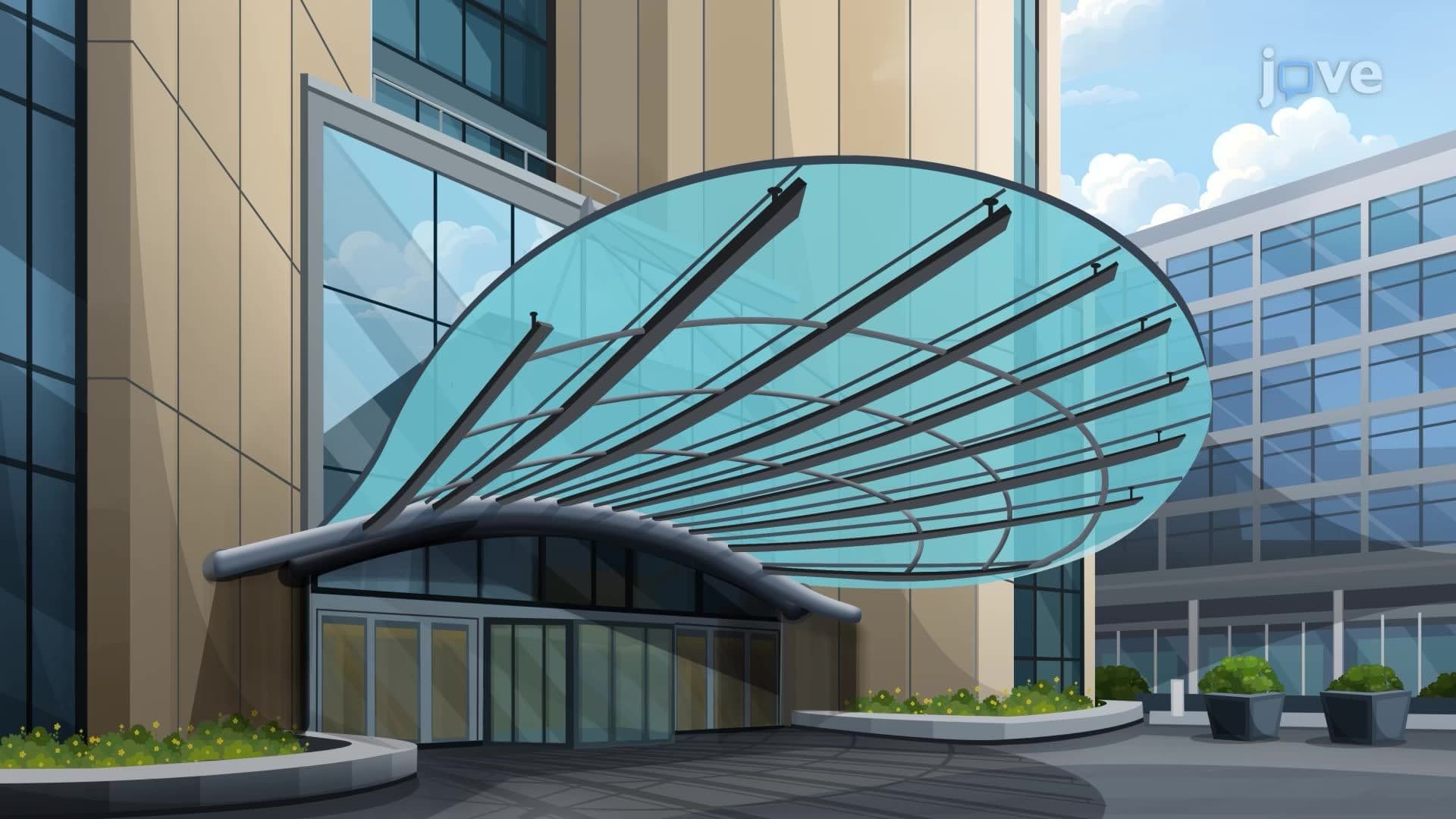

Video Summary: What are Parametric Surfaces
How do architects design a curved glass canopy or engineers model a flowing 3D surface without relying on simple flat equations? Parametric surfaces make it possible. By describing a surface using a vector function of two parameters, u and v, this concept unlocks powerful tools for modeling complex real-world geometry. Watch the full video on JoVE Coach to master this concept with expert-led visuals and step-by-step explanations.
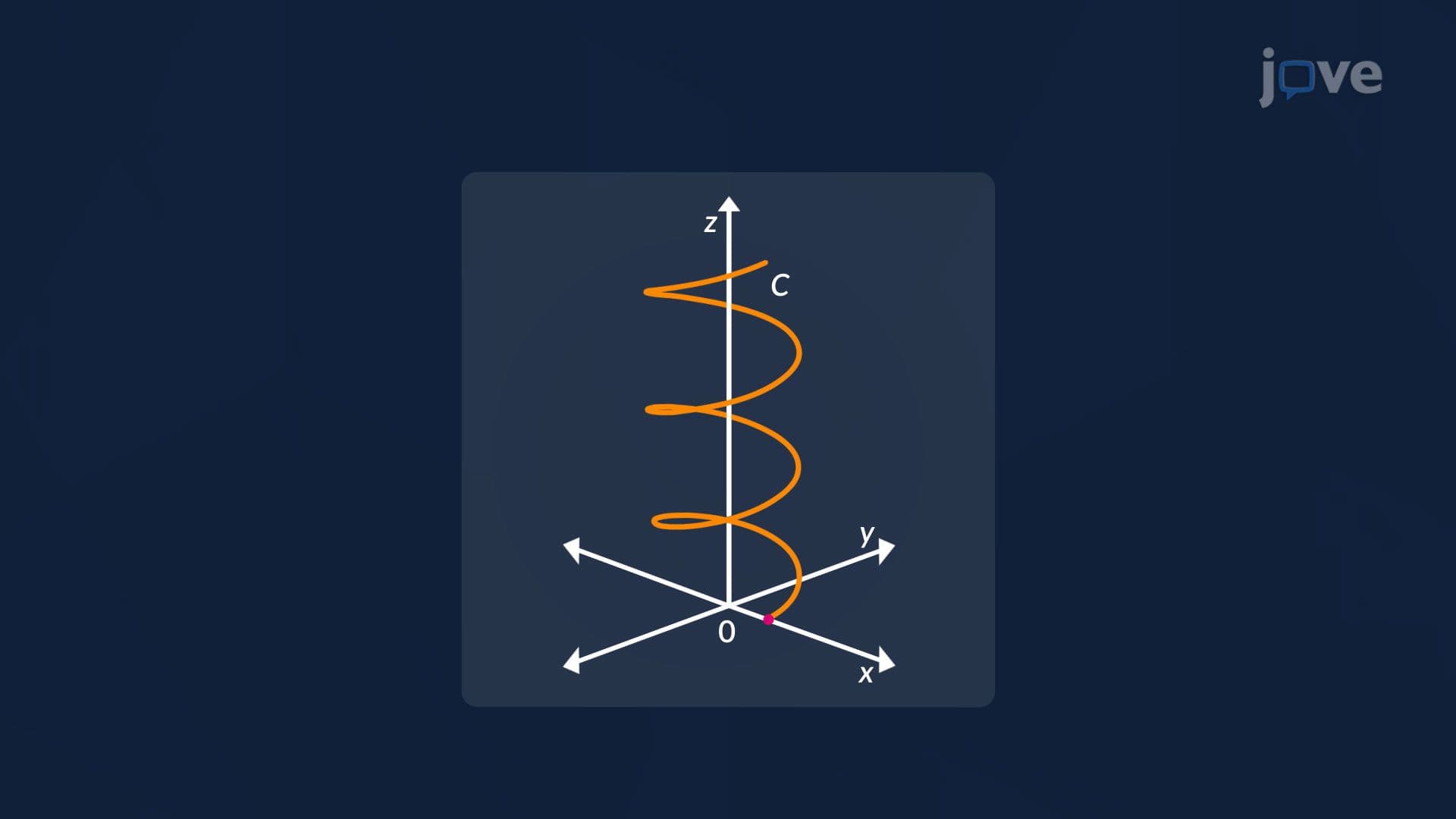
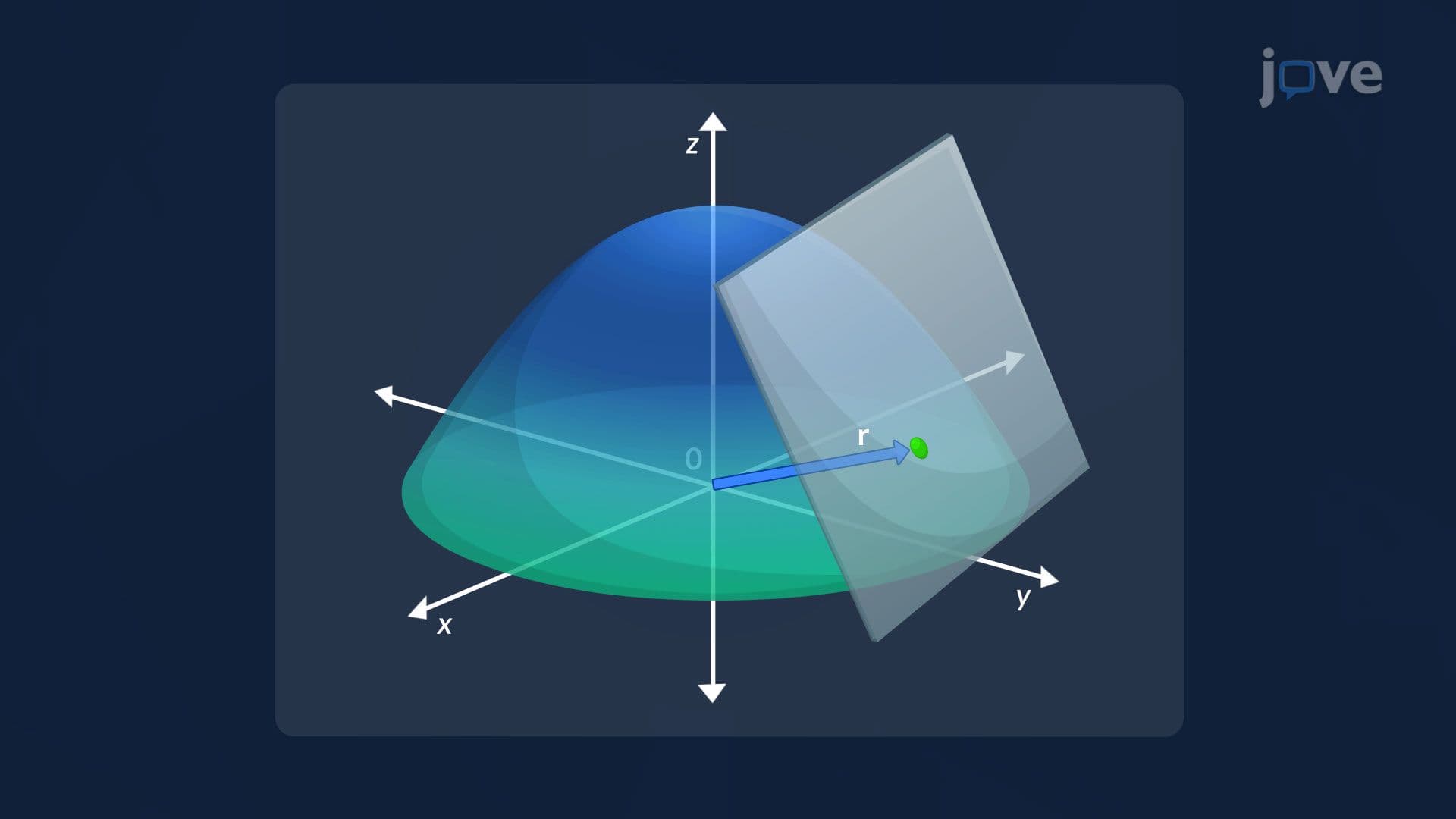
In multivariable calculus, a parametric surface is a surface in three-dimensional space described by a vector-valued function r(u, v) = ⟨x(u,v), y(u,v), z(u,v)⟩, where u and v are independent parameters ranging over a region D in the uv-plane. Unlike a surface given by a single equation z = f(x, y), a parametric surface can represent far more complex geometry, including surfaces that fold back on themselves, wrap around, or curve in multiple directions simultaneously. This flexibility is what makes parametric surfaces essential in advanced mathematics, physics, and engineering.
Think of u and v as coordinates on a flat map that get "lifted" and shaped into a curved 3D object. Every point in the domain D corresponds to exactly one point on the surface, and as u and v sweep through their allowed values, the vector function r(u, v) traces out the entire surface.
One of the most illuminating tools for understanding a parametric surface is the concept of grid curves. When you fix u at a constant value and let v vary, you trace a curve across the surface in the v-direction. Similarly, fixing v and varying u produces a u-direction curve. Together, these two families of curves form a grid that maps the surface's geometry, similar to lines of latitude and longitude on a globe.
In a classroom setting or on a college midterm exam, you may be asked to describe or sketch grid curves for a given parametric surface. Recognizing which parameter is held constant and what shape the resulting curve takes is a testable skill in courses like Calculus III (Multivariable Calculus) at US universities.
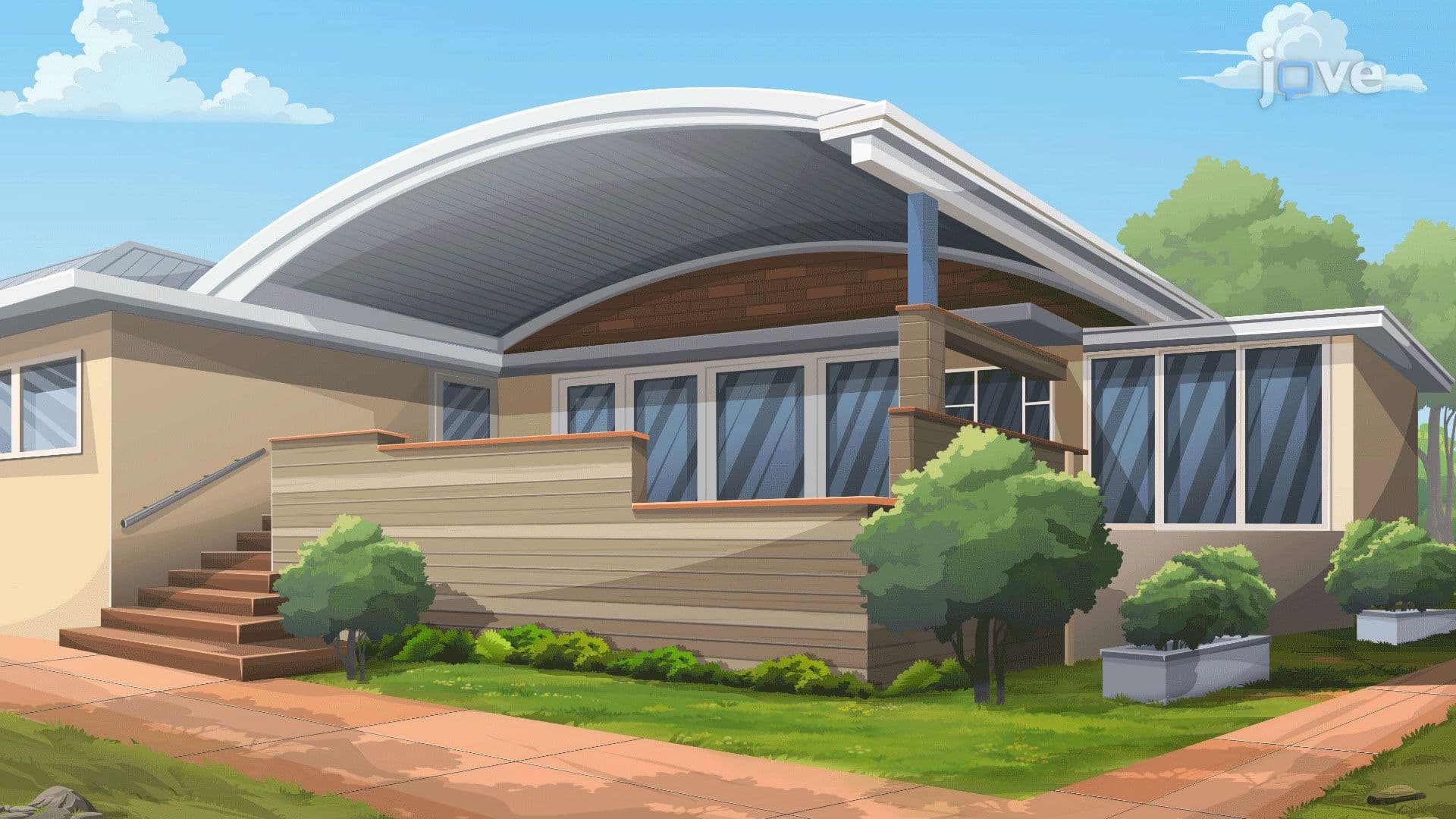
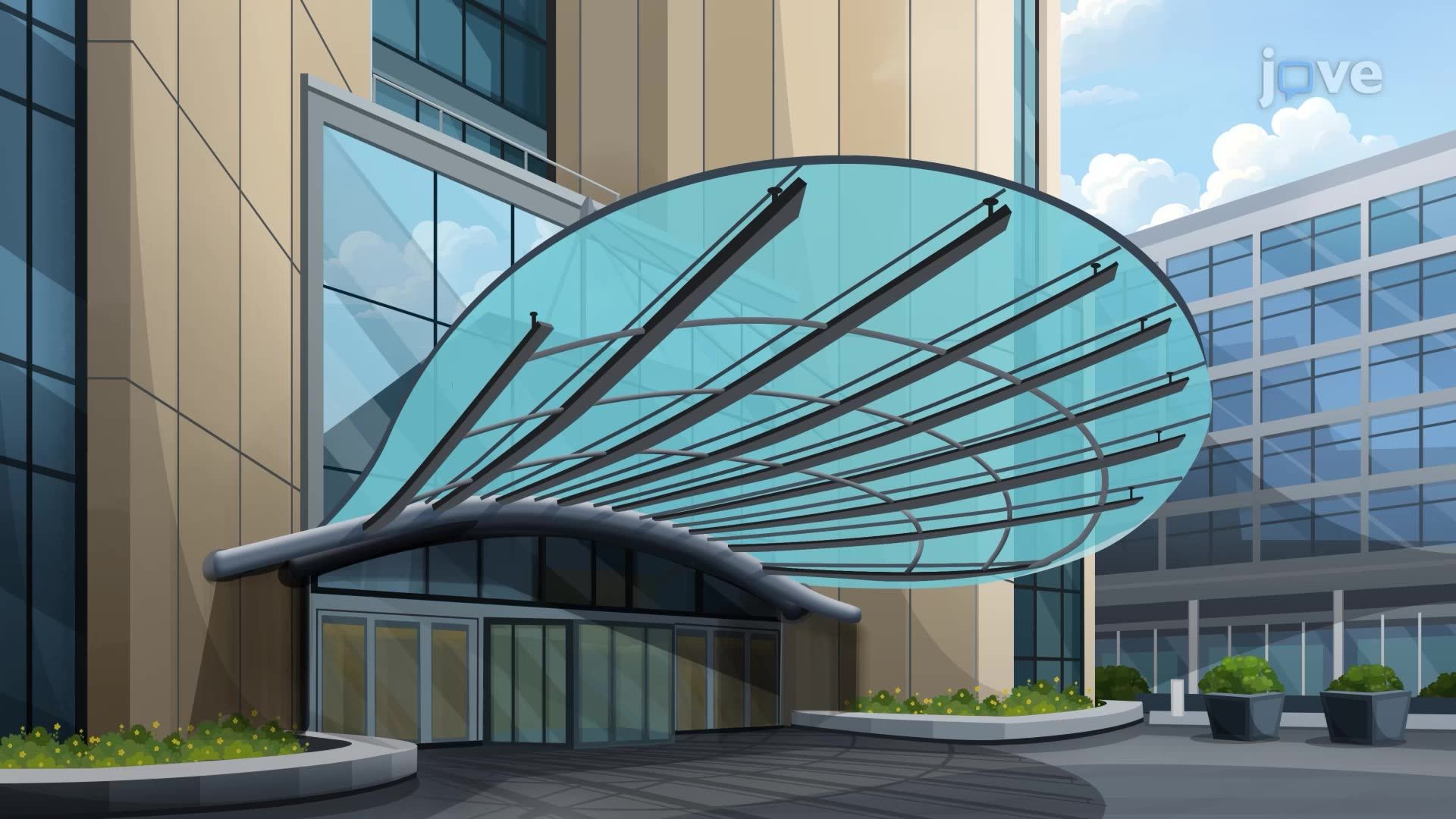
A compelling US-based example is the design of curved glass canopies seen at major airport terminals, museum entrances, or convention centers. Structural engineers and architects use parametric surface equations to define the exact curvature of glass panels, ensuring each panel fits precisely within the overall framework. The u-parameter might run along the main support beams, while the v-parameter traces the contour between them, giving designers full mathematical control over a freeform shape.
Beyond architecture, parametric surfaces appear in computer graphics (modeling characters and objects in video games and films), aerospace engineering (designing fuselage or wing surfaces), and medical imaging (reconstructing organ surfaces from scan data at US research hospitals). Any time a complex 3D shape must be described precisely and mathematically, parametric surfaces are the tool of choice.
Parametric surfaces are not an isolated topic, they are the gateway to some of the most powerful ideas in vector calculus. Once a surface is parametrized, you can compute surface integrals, which measure quantities like fluid flux through a surface or the total charge distributed across a curved region. These integrals form the foundation for three major theorems covered in Calculus III:
Understanding parametric surfaces deeply, including how to compute the surface normal vector and the surface area element, is essential preparation for mastering these theorems on college exams and in physics and engineering coursework.
Related Micro-courses