Loading video…

 19 Concepts
 95 views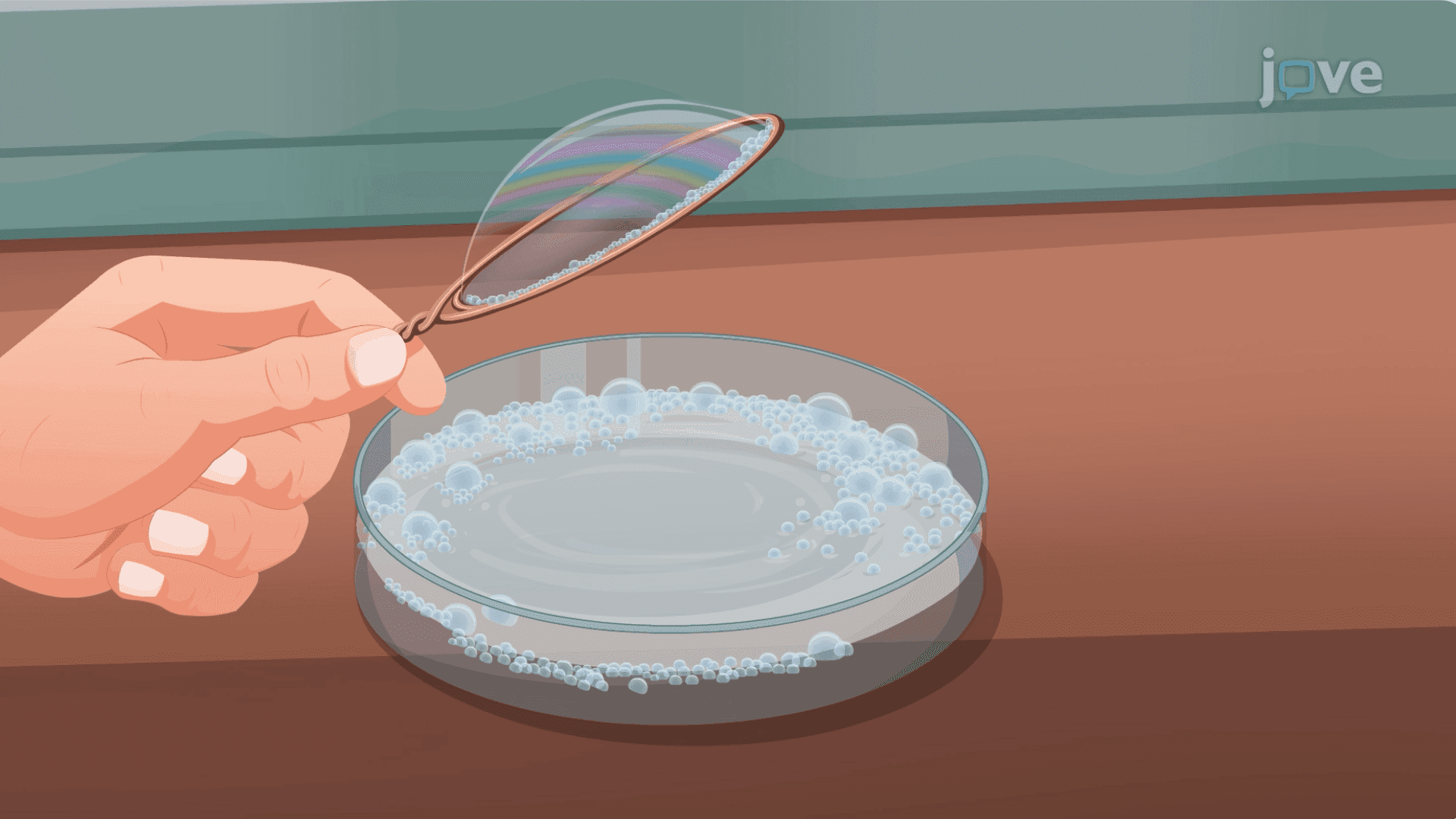

Video Summary: What are Oriented Surfaces
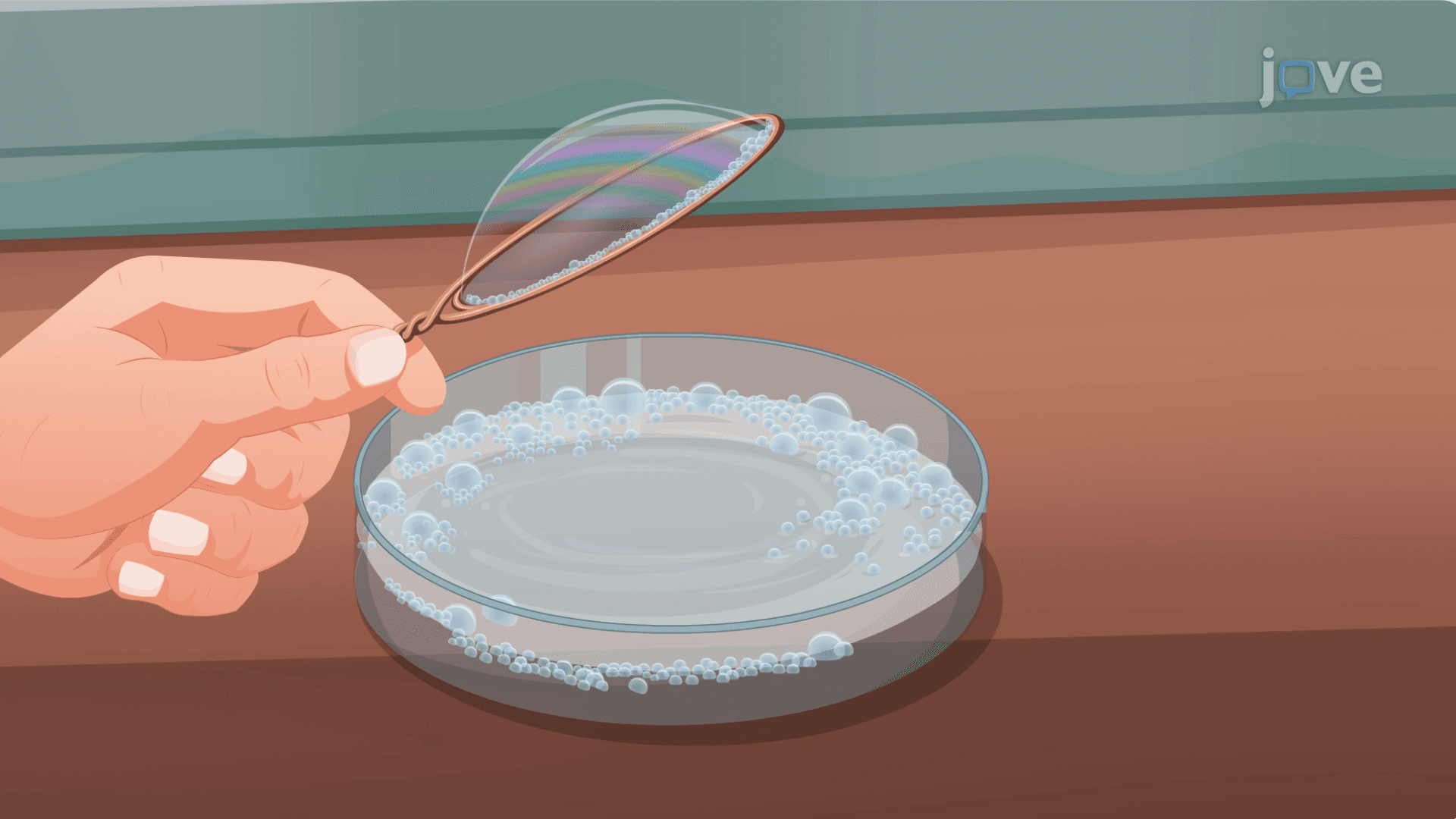
Can a surface have only one side? Oriented surfaces are a foundational concept in multivariable calculus, determining how mathematicians assign consistent normal directions across curved shapes. A soap film stretched over a wire loop, common in US physics lab demos, perfectly illustrates an orientable surface. Unlike the mind-bending Möbius strip, orientable surfaces make surface integrals well-defined. Watch the full video on JoVE Coach to master this concept with expert-led visuals and step-by-step explanations.
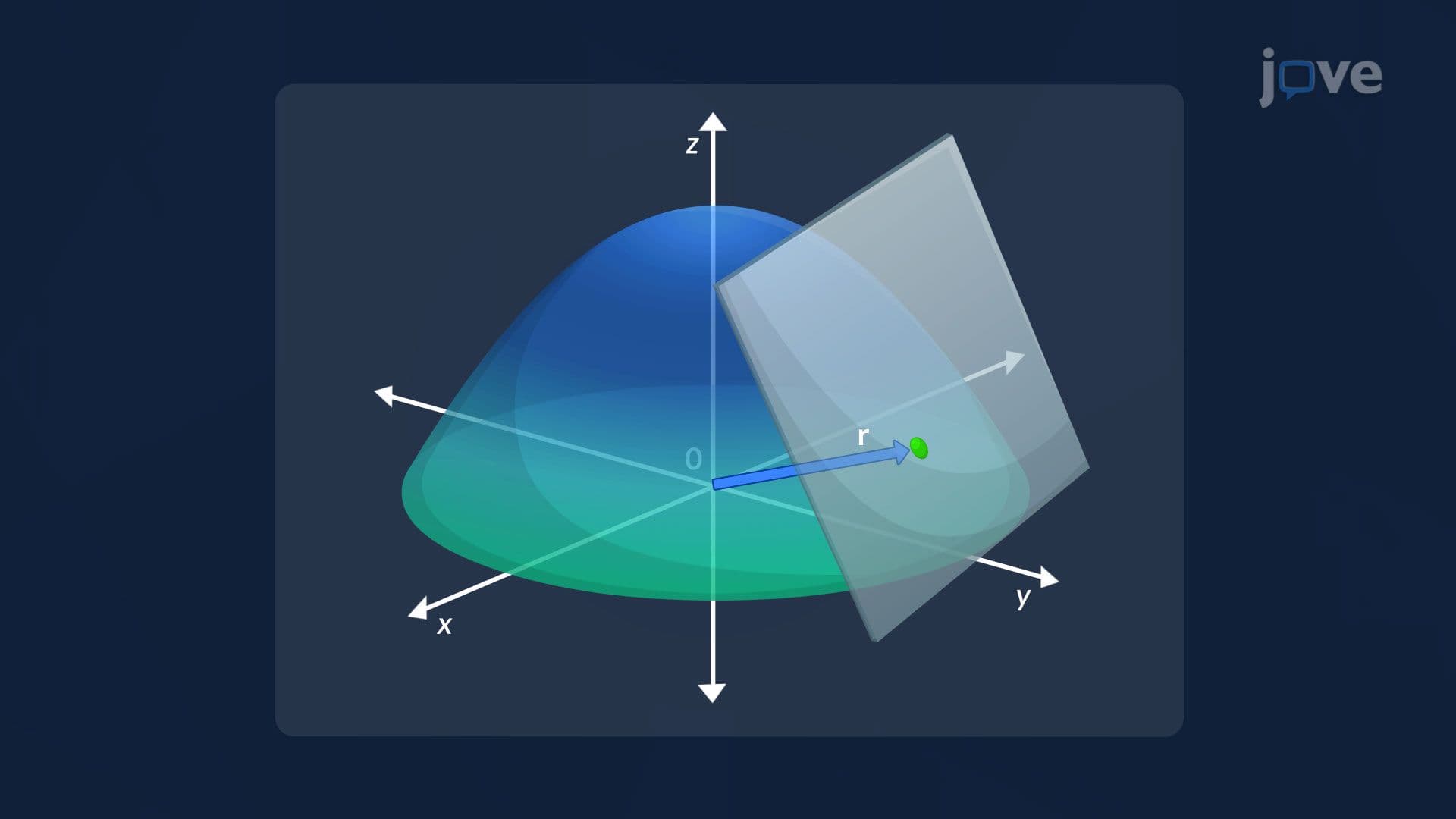
An oriented surface is any surface for which a consistent, continuous choice of unit normal vector can be made across its entire area. Think of the normal vector as an arrow pointing perpendicular to the surface at every point. On an oriented surface, you can paint all those arrows on one side without any of them suddenly flipping direction, the transition from point to point is smooth. This concept sits at the heart of multivariable calculus, where it determines how surface integrals are computed and what their sign means physically.
Most surfaces students encounter in Calculus III or AP-level courses, spheres, paraboloids, planes, and cylinders, are orientable. They have a clear "inside" and "outside," or a clear "top" and "bottom," which allows a coherent choice of direction.
The sharpest way to understand orientable surfaces is to contrast them with a surface that fails the test. The Möbius strip is constructed by taking a rectangular band, giving it a single half-twist, and joining the ends. The result is a surface with only one side and one edge.
Place a unit normal vector anywhere on a Möbius strip and move it continuously around the loop. By the time it returns to its starting position, it points in the *opposite* direction, without ever crossing an edge. This self-contradiction means you cannot assign a globally consistent normal direction, so the Möbius strip is non-orientable.
This distinction matters enormously in calculus: on a non-orientable surface, contributions to a surface integral can cancel each other out because there is no reliable "positive" or "negative" side.
Once a surface is confirmed to be orientable, choosing an orientation means selecting which direction the unit normal vectors point. Choosing the outward-pointing normals on a closed surface (like a sphere enclosing a fluid region) is called the positive orientation, and it is the standard convention used in the divergence theorem: the total flux out of a closed volume equals the triple integral of the divergence of the vector field inside.
Flip the orientation, point the normals inward, and every integral flips sign. This is not a mathematical glitch; it reflects a real physical meaning. In fluid dynamics, for example, flux measures how much fluid passes *through* a surface per unit time. Which way you define "through" determines whether you measure inflow or outflow.
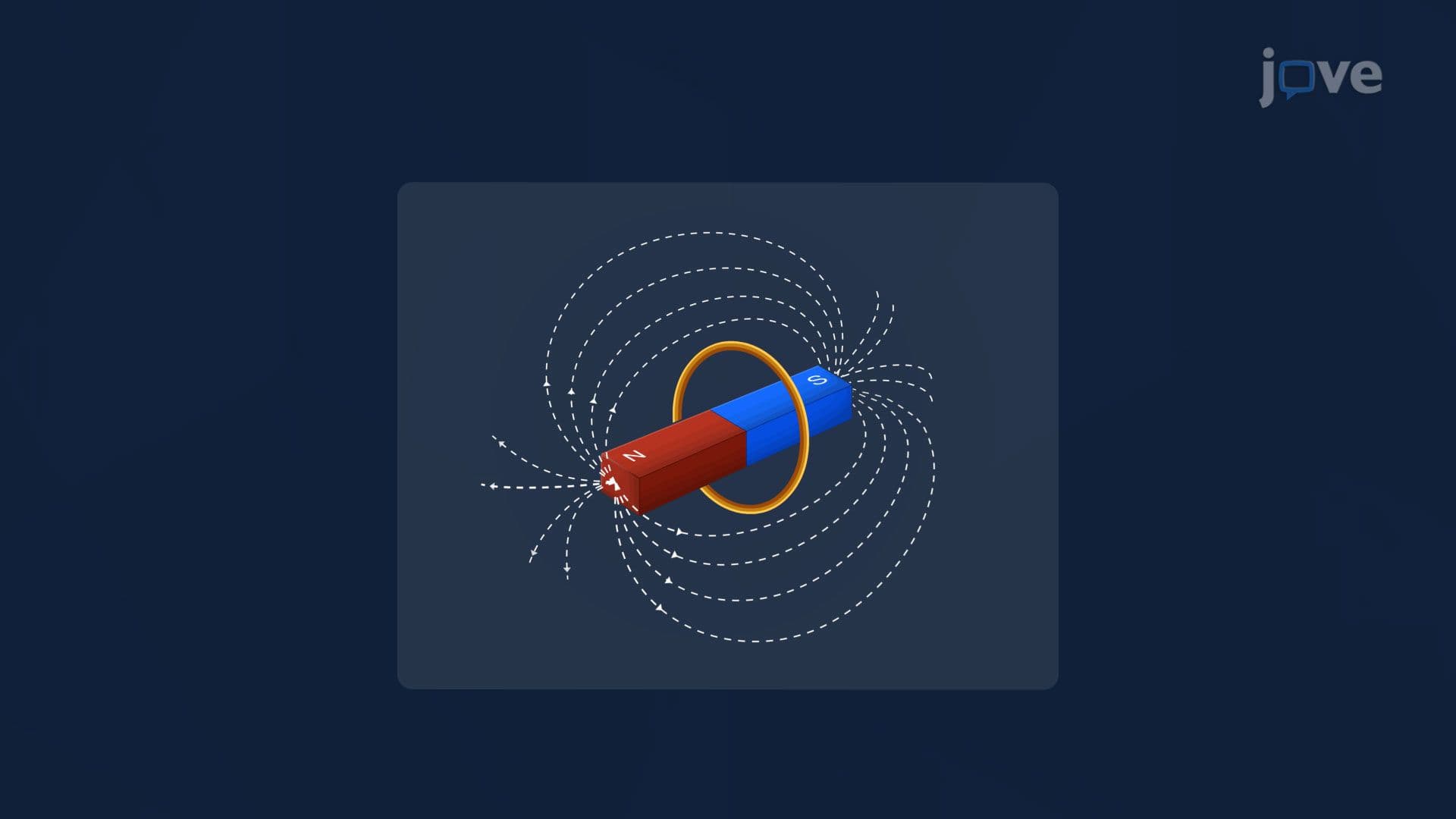
In Stokes' theorem, orientation is equally critical. The orientation of a surface and the direction in which its boundary curve is traversed must be consistent using the right-hand rule. US college Calculus III courses (and corresponding sections in AP Calculus BC's vector topics) test students directly on this relationship between surface orientation and boundary curve direction.
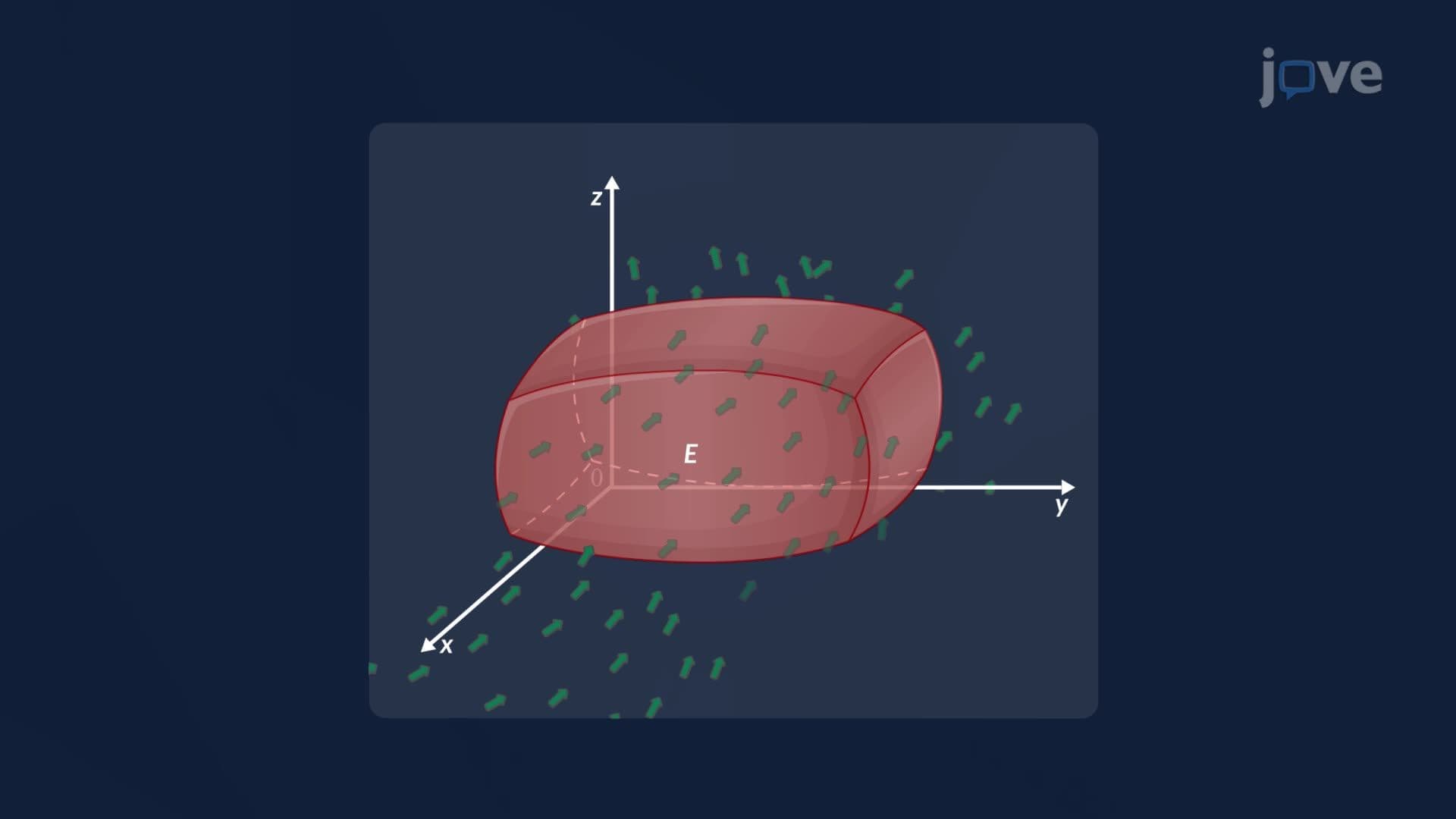
Oriented surfaces appear throughout science and engineering curricula across the United States. In electromagnetic theory, covered in university Physics II courses, Gauss's law requires integrating the electric field over a closed, oriented surface (a Gaussian surface) to find enclosed charge. The outward normal convention is not optional; it is built into the law itself.
On college midterms and final exams in Calculus III, students are frequently asked to set up flux integrals over surfaces like paraboloids or hemispheres, where they must explicitly state which orientation they are using and verify their normal vector formula points in the correct direction. Common mistakes include using an inward normal when an outward one is required, flipping the sign of the entire result.
Understanding oriented surfaces also builds readiness for Green's theorem (a 2D version of Stokes' theorem) and conservative vector fields, where path independence and closed-loop line integrals connect directly to the idea of consistently defined boundaries and orientations. Mastering this concept early makes the entire landscape of vector calculus significantly more navigable.
Related Micro-courses