Loading video…

 19 Concepts
 95 views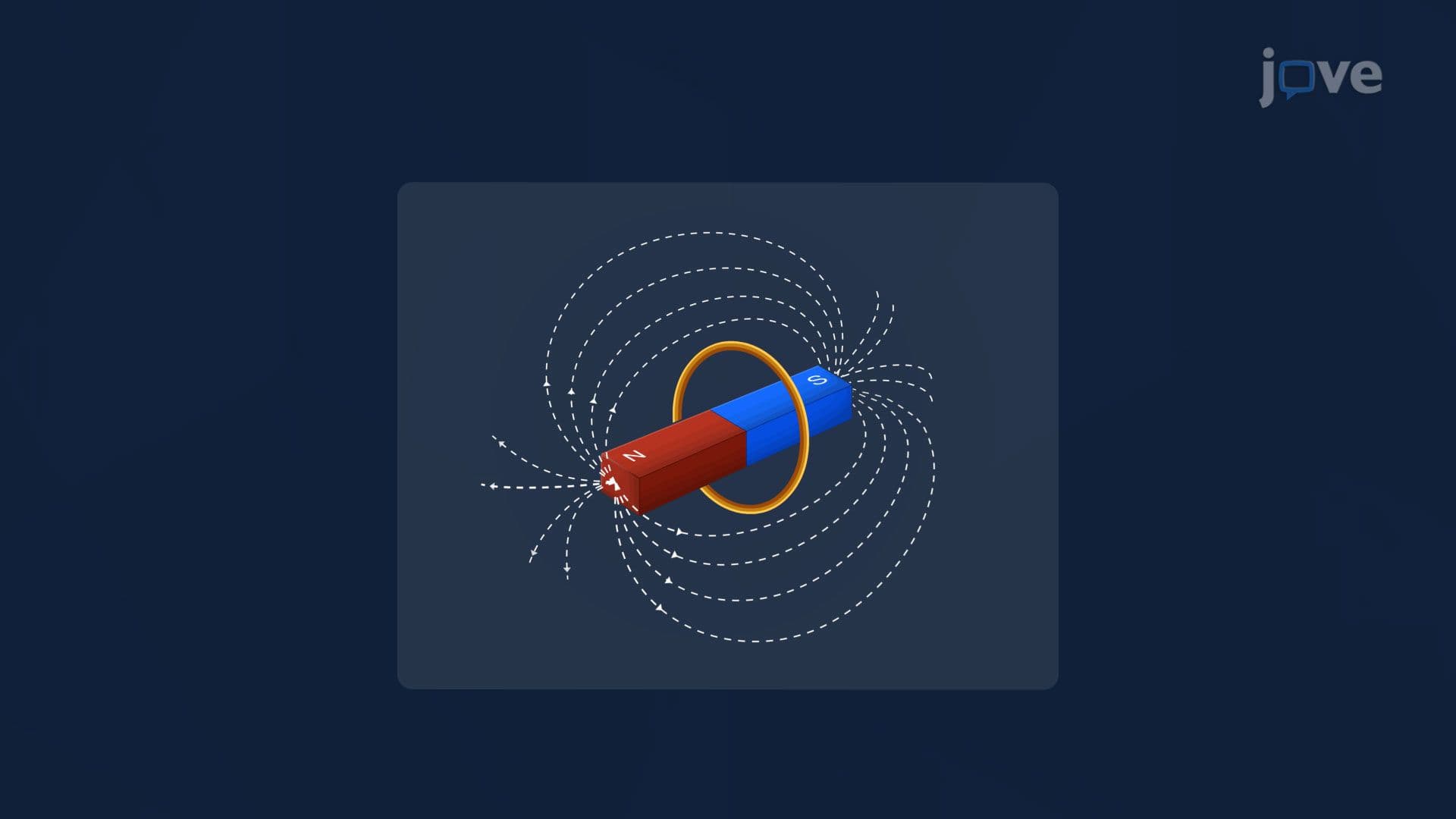

Video Summary: Stokes Theorem and Its Applications Explained
What if a single equation could connect the motion along a boundary to thousands of tiny rotations spread across an entire surface? That's exactly what Stokes' Theorem and Its Applications delivers, one of the most elegant bridges in multivariable calculus. US electrical engineers use this principle when designing induction-based systems, from MRI machines to electric generators. Watch the full video on JoVE Coach to master this concept with expert-led visuals and step-by-step explanations.
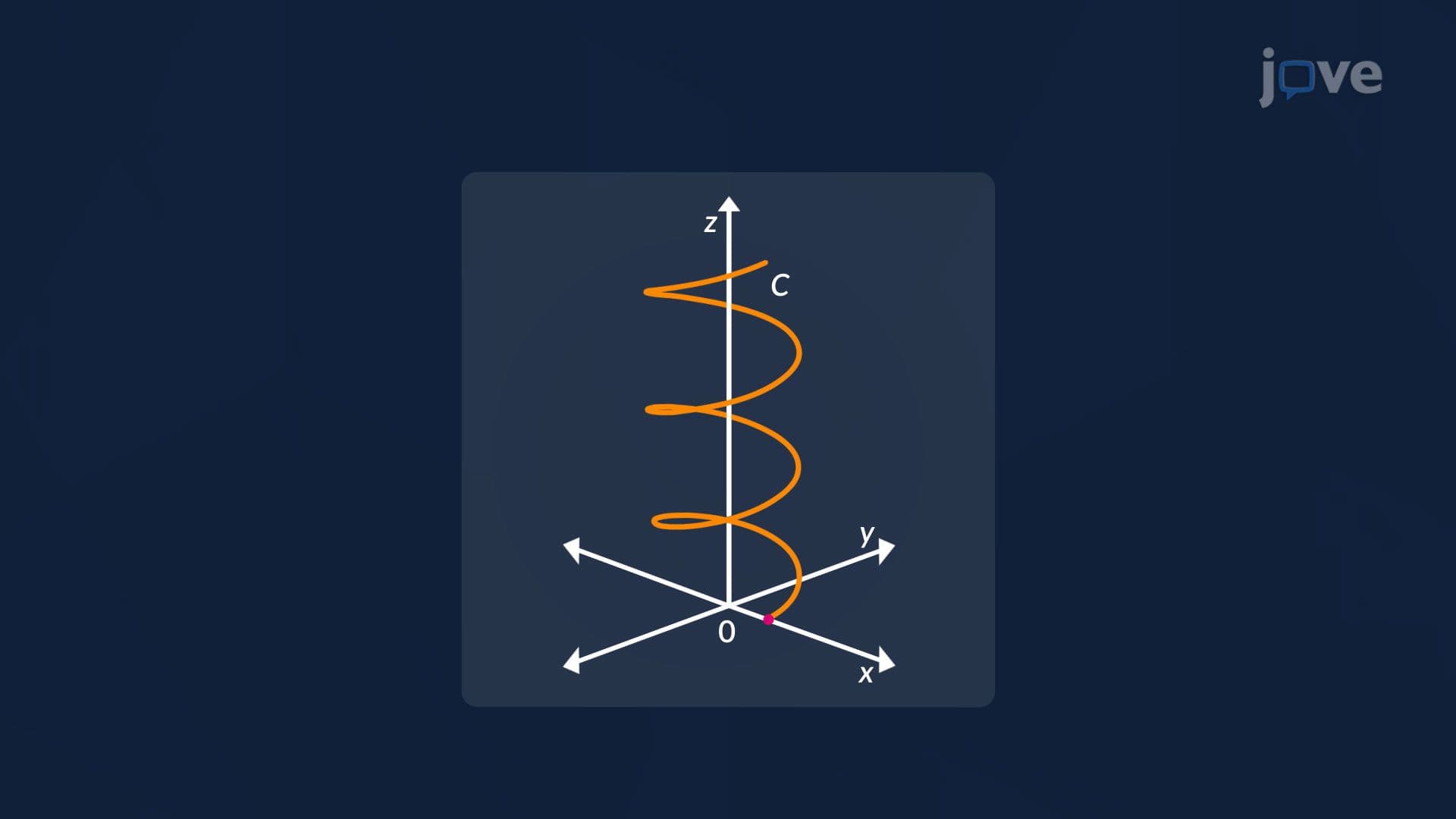
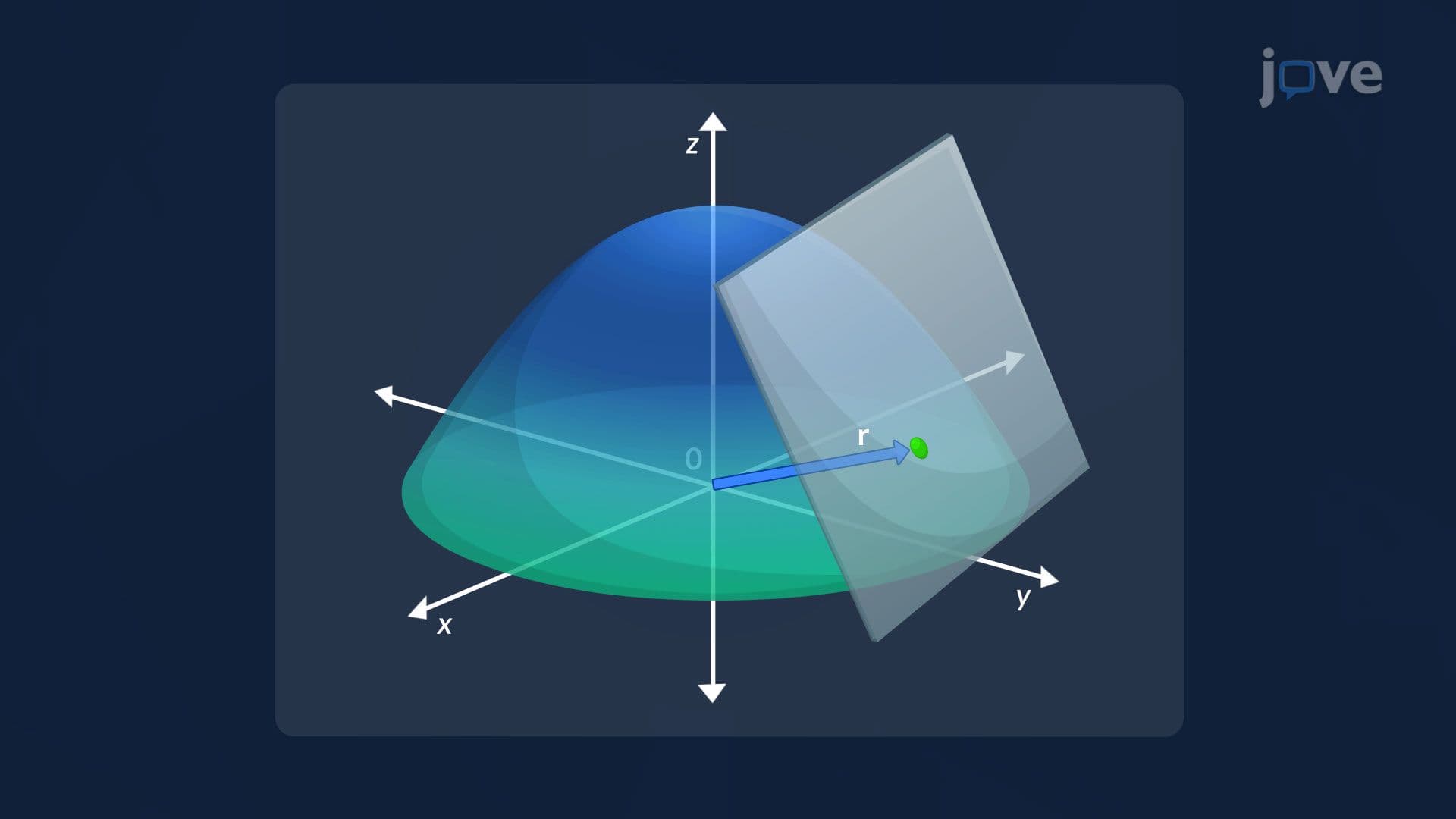
Stokes' Theorem and Its Applications represent a cornerstone of vector calculus, unifying two seemingly different mathematical operations under one powerful statement. In plain terms, the theorem says: the total circulation of a vector field F around a closed boundary curve C equals the total rotational effect of F summed across the surface S that C encloses. Written in plain-text form, this reads as:
∮(C) F · dr = ∬(S) (curl F) · dS
This is not just a mathematical convenience, it is a profound physical insight that shows local behavior (tiny rotations at each point) and global behavior (net flow around a boundary) are two sides of the same coin.
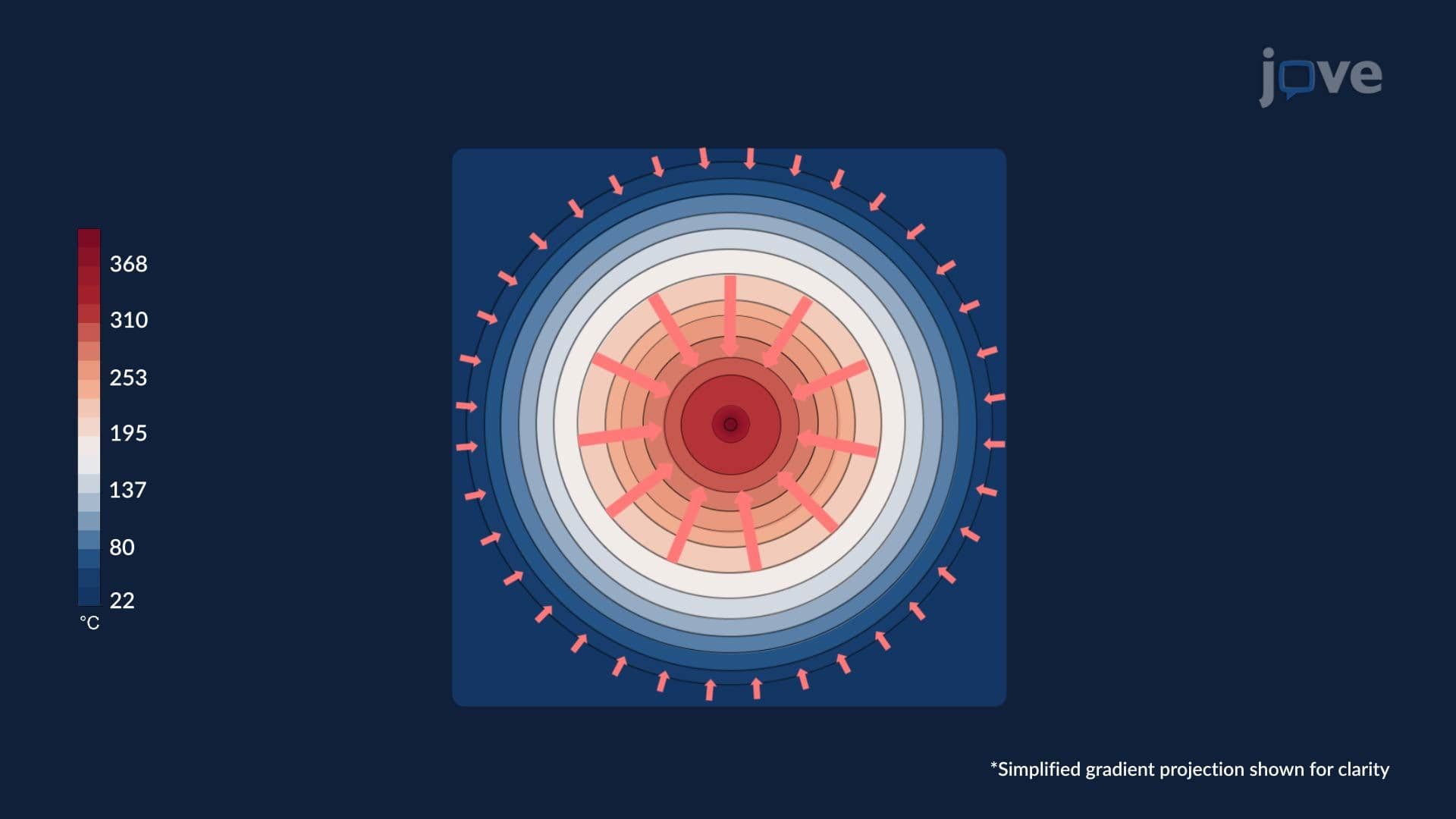
Before applying Stokes' Theorem, students must be comfortable with two building blocks: curl and circulation. Curl measures how much a vector field rotates or "spins" at a given point in space, imagine a tiny paddle wheel placed in a flowing river; the rate at which it spins reflects the curl. Circulation, by contrast, measures the net tendency of the field to push a particle all the way around a closed loop.
Orientation matters critically here. The boundary curve C must be oriented counterclockwise when viewed from above the surface, this is the right-hand rule in action. If your right thumb points in the direction of the outward normal to the surface, your fingers curl in the positive direction of traversal along the boundary. Getting orientation wrong flips the sign of your answer, a common error on college midterms and AP Calculus BC problem sets.
Students often ask: how does Stokes' Theorem relate to Green's Theorem? Green's Theorem is actually a special two-dimensional case of Stokes' Theorem. When the surface S is flat and lies entirely in the xy-plane, the surface integral of the curl reduces exactly to the double integral form seen in Green's Theorem. This makes Green's Theorem a useful stepping stone, mastering it first gives students an intuitive foothold before scaling up to three dimensions.
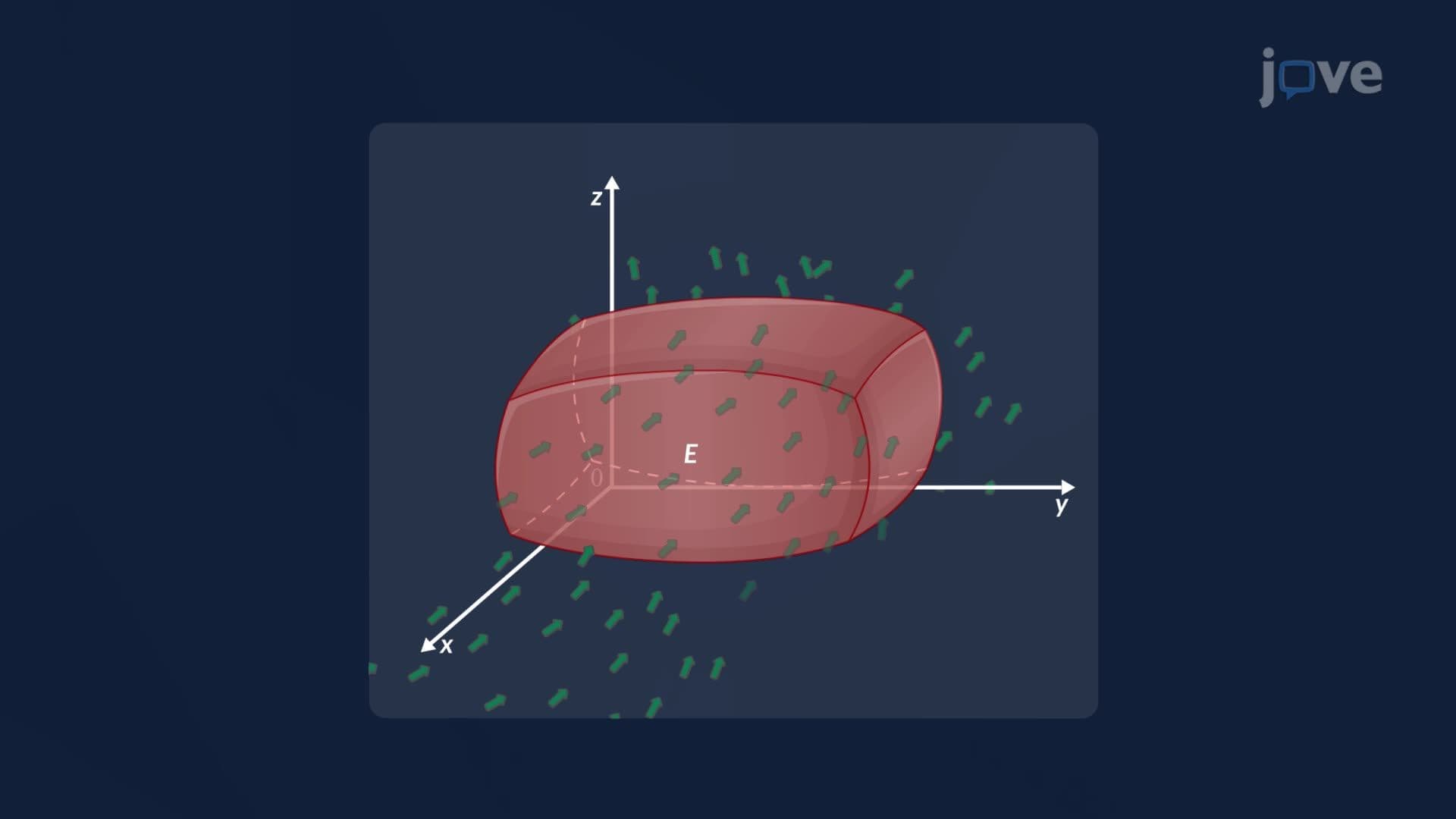
The Divergence Theorem (also called Gauss's Theorem) is a close sibling. While Stokes' Theorem relates circulation to curl across an open surface, the Divergence Theorem relates flux through a closed surface to the divergence of the field inside the volume. Together, these three theorems, Green's, Stokes', and Divergence, form the backbone of Calculus III and appear repeatedly in physics courses covering fluid dynamics and electromagnetism at US universities like MIT, Stanford, and state schools nationwide.
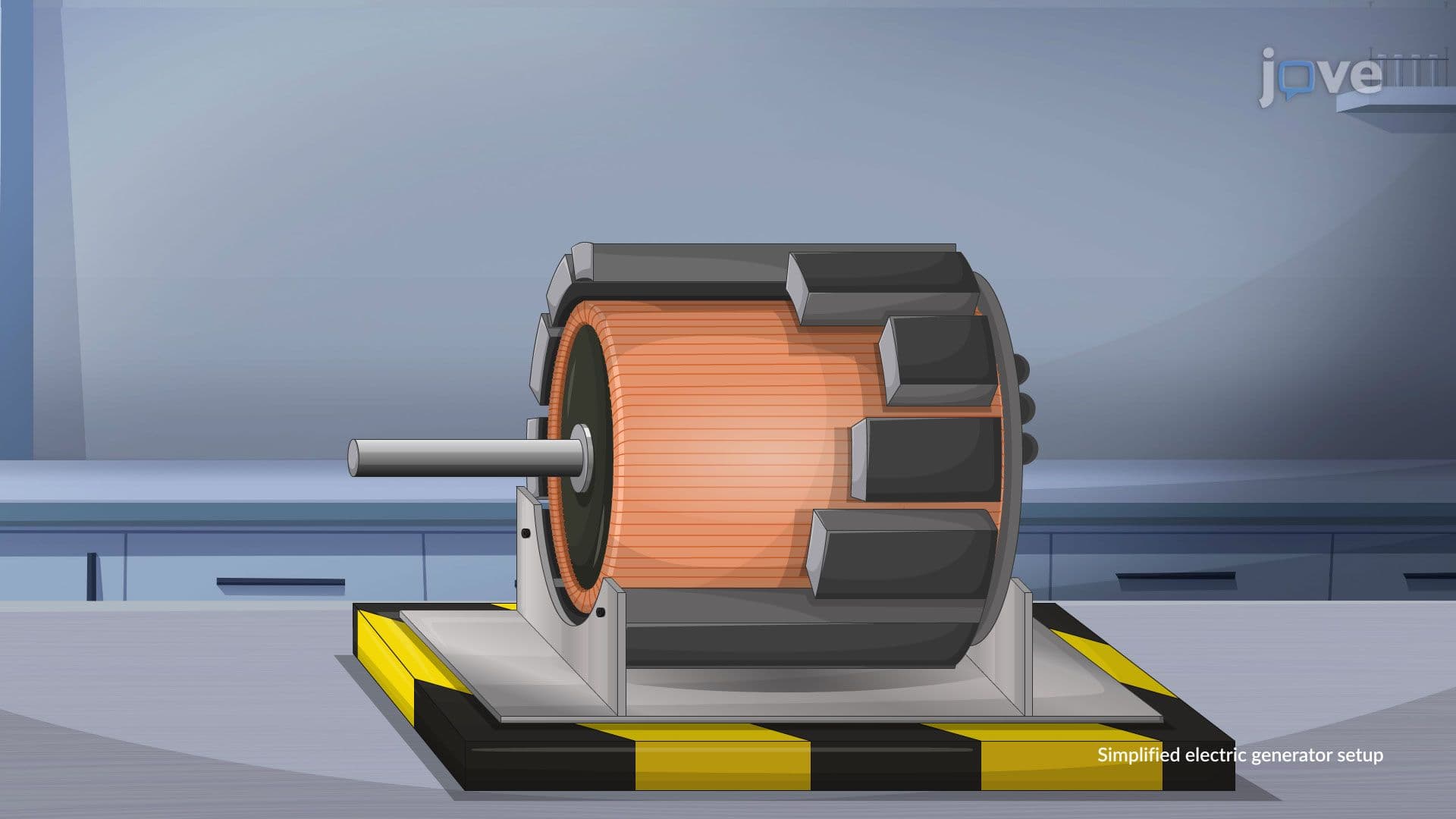
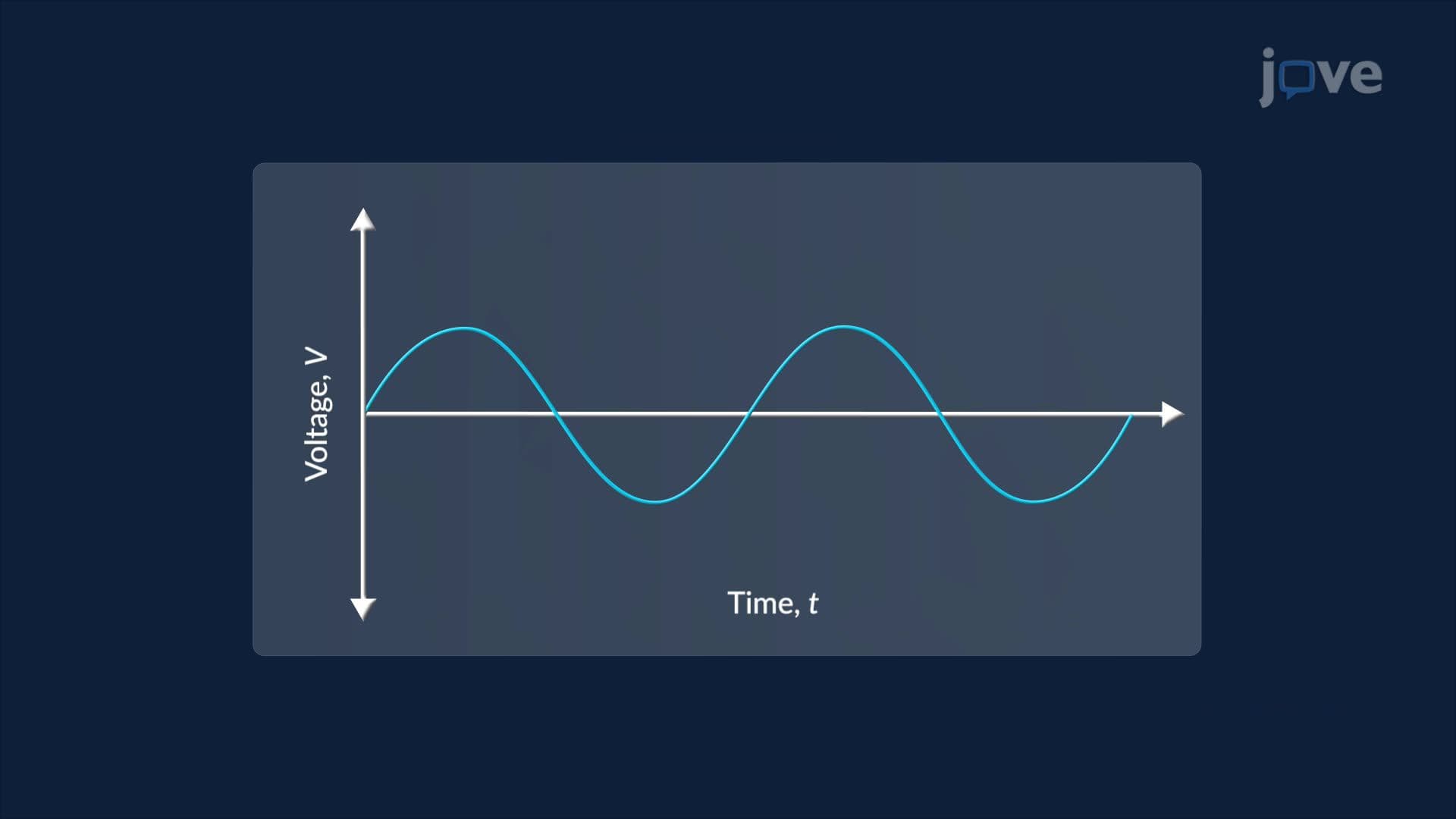
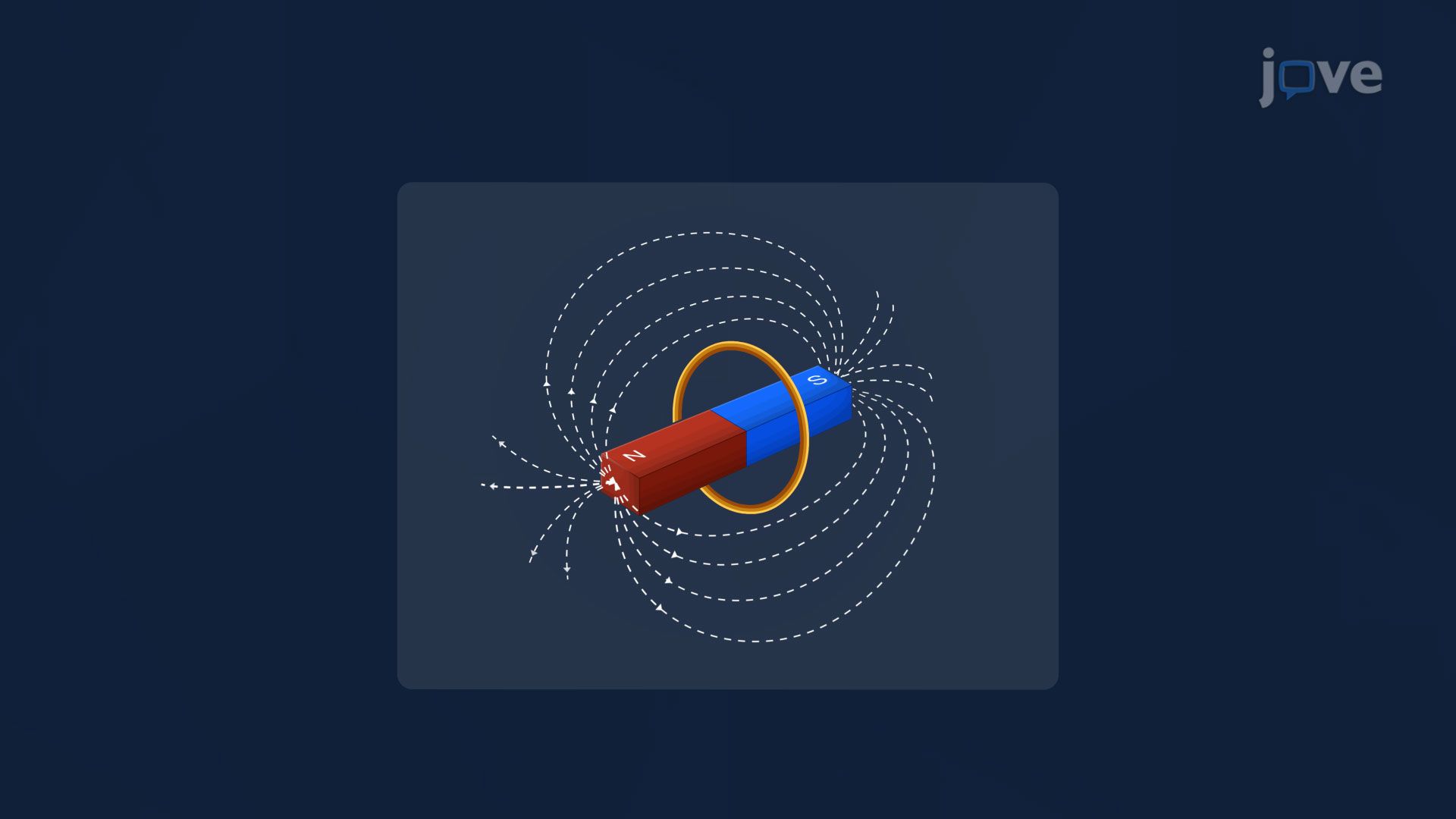
One of the most compelling real-world uses of Stokes' Theorem appears in Faraday's Law of Electromagnetic Induction, a foundational principle in electrical engineering. When a magnetic field changes through a conducting loop, say, inside a power plant generator or an MRI machine at a US hospital, it induces an electric field along that loop. Stokes' Theorem reveals that evaluating this induced electric field via the line integral around the loop is mathematically equivalent to integrating the curl of the electric field across the surface bounded by the loop. This flexibility lets engineers and physicists choose whichever form is computationally simpler for their specific geometry.
For students preparing for college-level exams, Stokes' Theorem appears in Calculus III (often MATH 2210 or equivalent), as well as Physics II and upper-division Electromagnetic Theory courses. Understanding its structure also strengthens performance on AP Physics C: Electricity and Magnetism, where conceptual questions about induced fields and flux are common. Building fluency with line integrals, surface integrals, and curl and divergence before tackling Stokes' Theorem will make the leap significantly more manageable.
Related Micro-courses