Loading video…


 19 Concepts
 95 views

Video Summary: What are Surface Integrals
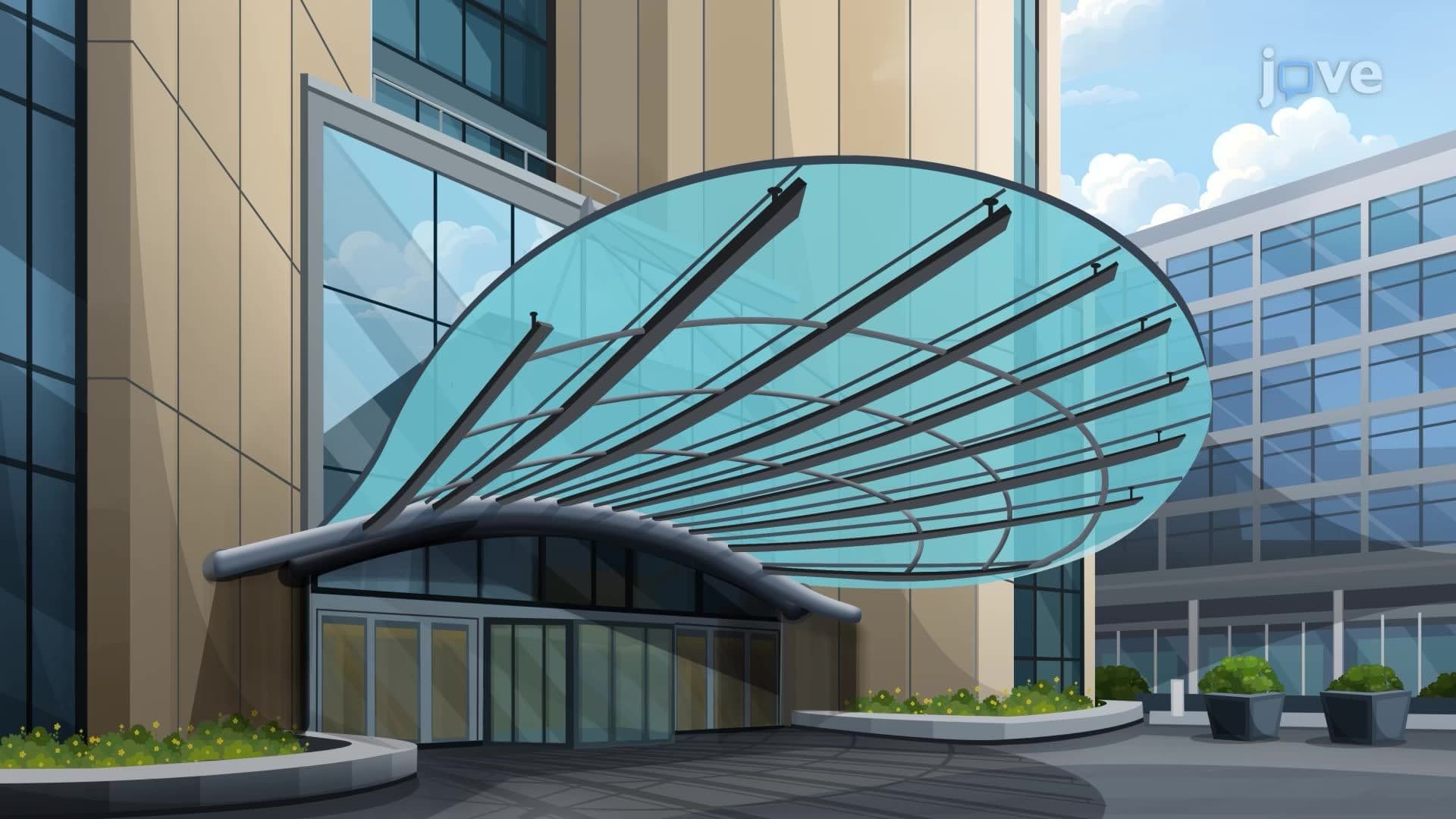
How much paint does it take to coat a curved stadium roof? Answering that question requires surface integrals, a powerful calculus tool for measuring quantities across curved surfaces. Surface integrals basics involve partitioning a curved region, mapping grid rectangles onto a surface, and summing infinitely many tiny parallelogram areas into a precise double integral. Watch the full video on JoVE Coach to master this concept with expert-led visuals and step-by-step explanations.
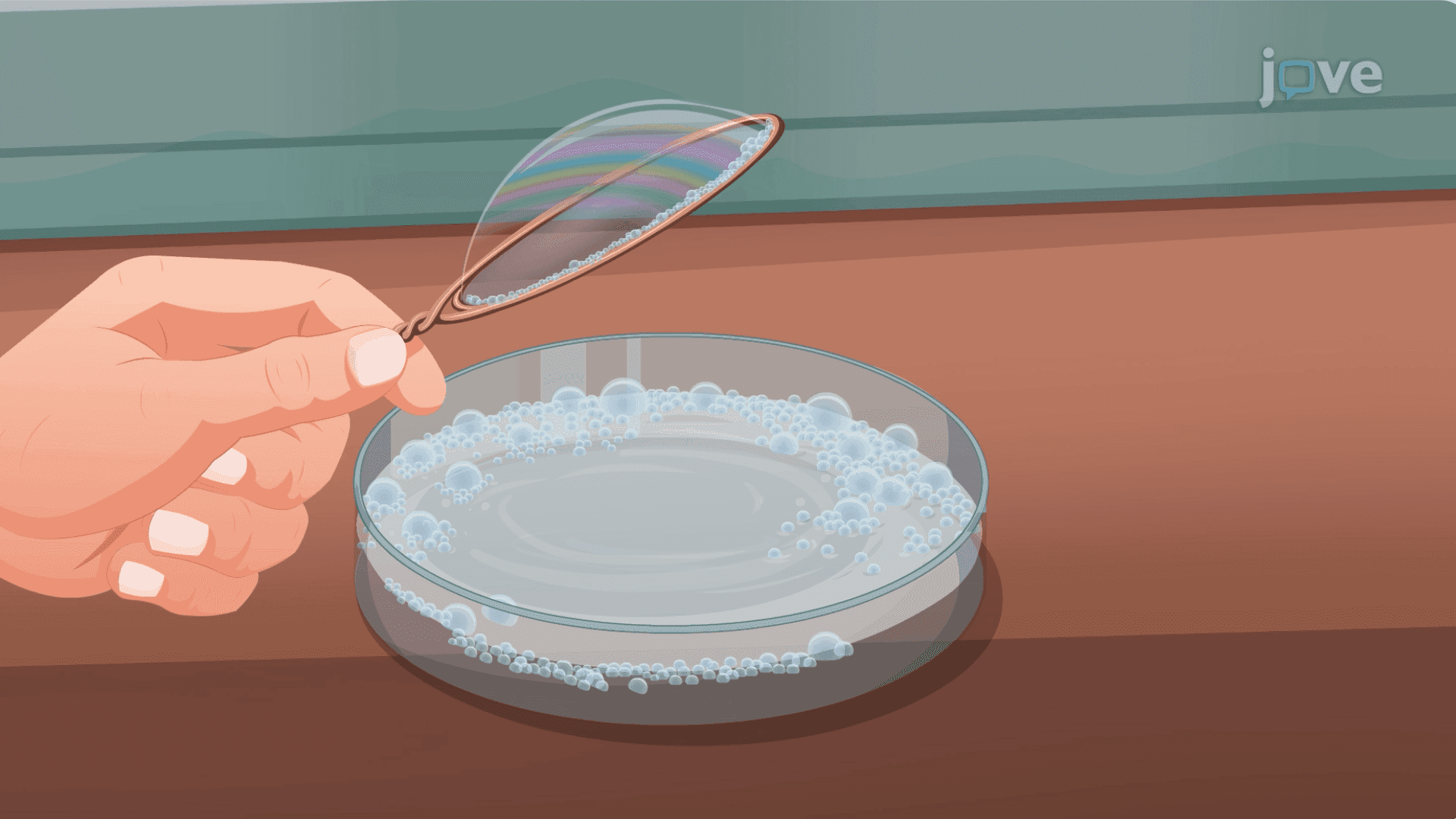
Surface integrals extend the idea of integration beyond flat regions into the world of three-dimensional curved surfaces. Just as a single integral measures length and a double integral measures flat area, a surface integral measures quantities, such as area, mass, or fluid flow, spread across a curved surface in space. This concept appears in college-level Calculus III courses across the US and forms a critical bridge between earlier integration techniques and advanced topics like the divergence theorem and Stokes' theorem.
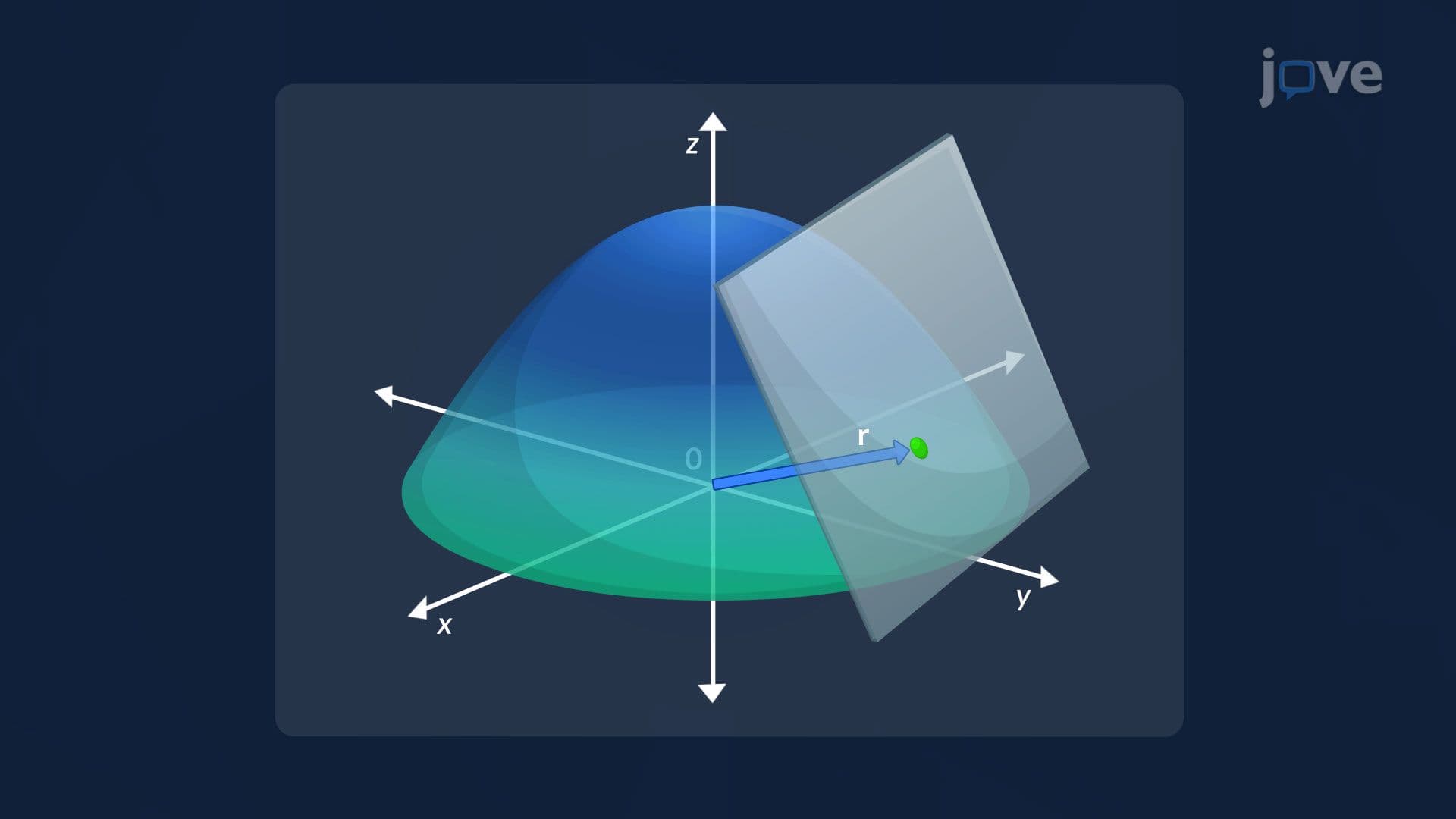
The process begins with a flat parameter domain D, think of it as a simple grid drawn on paper. A vector-valued function r(u, v) maps each point in that grid onto a corresponding point on a three-dimensional surface S. This mapping transforms an easy-to-work-with flat region into a curved one, making computation manageable. Students in AP Calculus BC or college multivariable calculus courses often encounter this parameterization technique as a prerequisite to evaluating surface integrals correctly.
At any mapped point on the surface, two tangent vectors are constructed by taking the partial derivatives of r with respect to u and v, written as r(u) and r(v). Scaling these vectors by the small grid dimensions produces edge vectors that define a tiny parallelogram. This parallelogram linearly approximates the surface patch directly above the corresponding rectangle in the parameter domain. The area of that parallelogram equals the magnitude of the cross product of r(u) and r(v), giving the differential surface area element dS = |r(u) × r(v)| dA. This formula is the computational engine of every surface integral calculation.
Adding up the areas of all parallelograms creates a Riemann sum, the same foundational idea used in introductory calculus. As the number of rectangles in the grid approaches infinity, this sum converges to a double integral over the domain D. For a general surface integral, a scalar function f is evaluated at a point within each surface patch and multiplied by that patch's area, then everything is summed. This yields the integral of f over surface S, a formula that appears in physics when calculating total electric flux through a curved shell or in civil engineering when estimating material needed to cover a curved structure like the curved roof sections of Denver International Airport's iconic terminal.
In multivariable calculus courses at US universities, surface integrals serve as the foundation for understanding Green's theorem, Stokes' theorem, and the divergence theorem, three major results that connect integrals across curves, surfaces, and volumes. Mastering surface integrals basics now makes those advanced theorems significantly more approachable.
Related Micro-courses