Loading video…


 19 Concepts
 95 views

Video Summary: The Fundamental Theorem for Line Integrals Explained
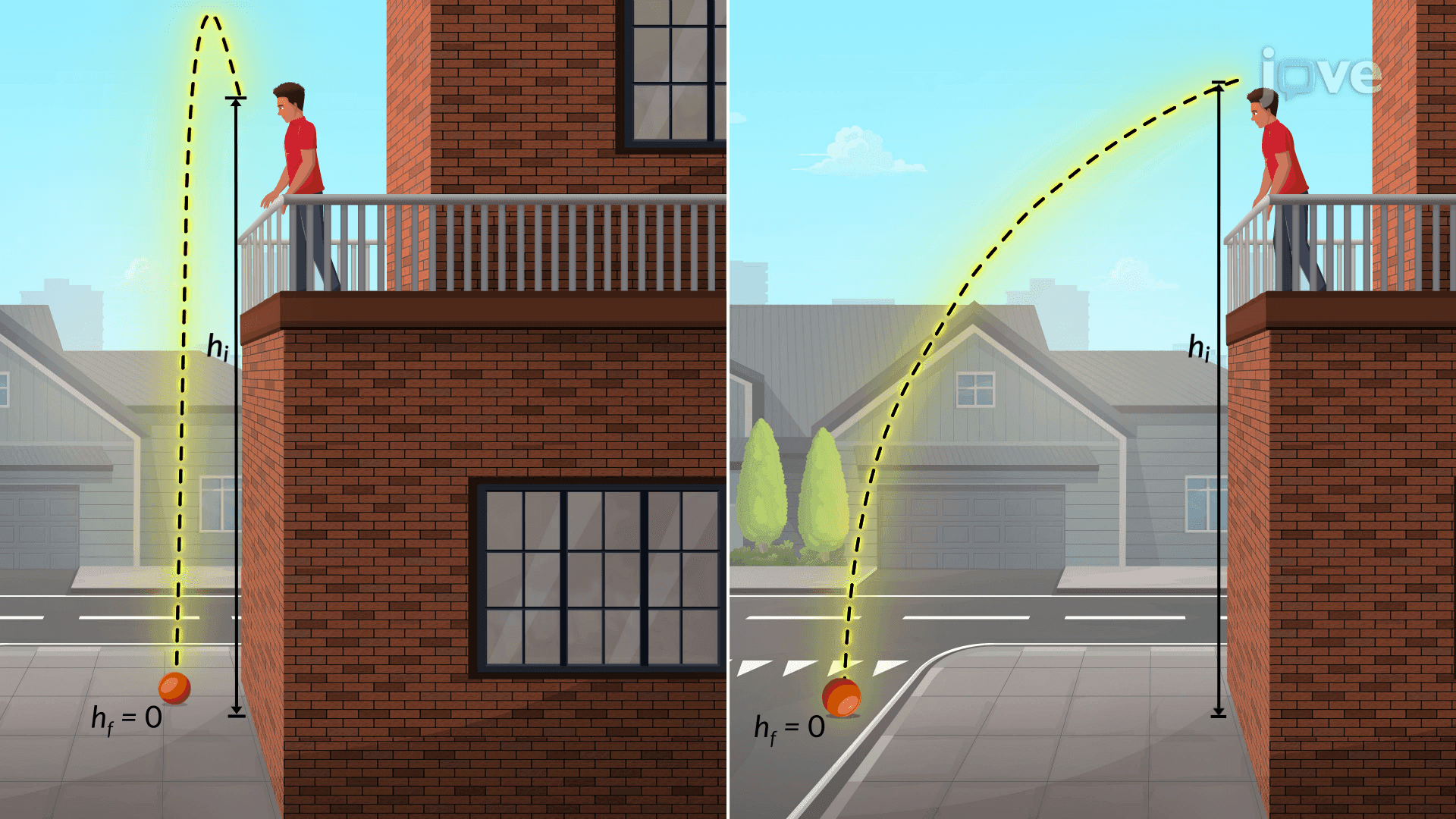
Did you know that a ball dropped straight down and one rolling along a curved ramp can require the same amount of work from gravity? The fundamental theorem for line integrals explains exactly why. This powerful calculus theorem shows that when a vector field is conservative, like gravity, the line integral depends only on the starting and ending points, not the path taken. Watch the full video on JoVE Coach to master this concept with expert-led visuals and step-by-step explanations.
In multivariable calculus, line integrals are used to measure how a vector field acts along a curve, think of calculating the work a force does as an object travels from point A to point B. Most students expect that changing the route between those two points would change the answer. The fundamental theorem for line integrals reveals a remarkable exception: when the vector field is conservative (meaning it equals the gradient of some scalar potential function), the path you take is completely irrelevant. Only the endpoints matter.
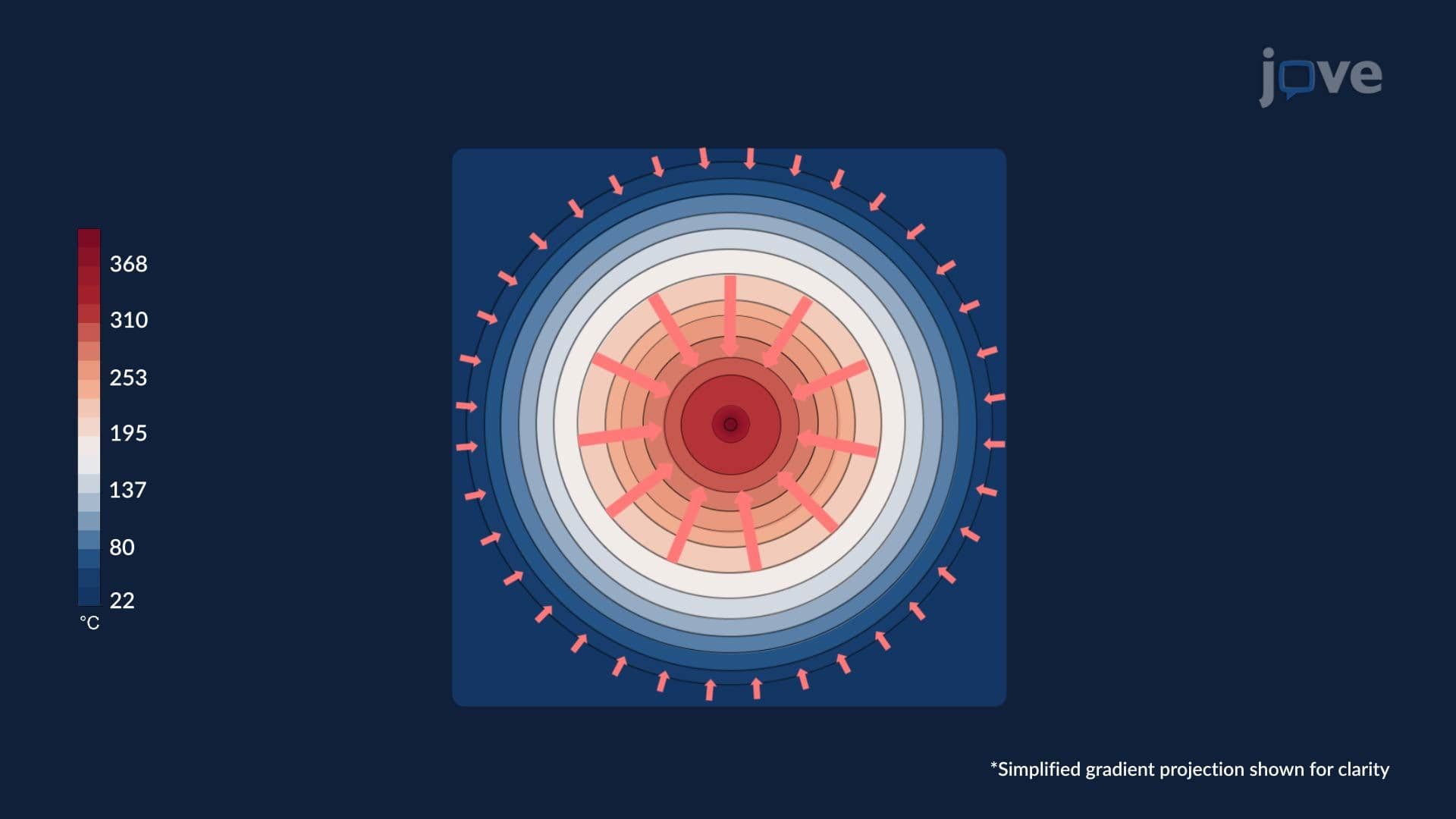
A vector field F is called conservative if it can be written as the gradient of a scalar potential function g, that is, F = ∇g. In two dimensions, this means F(x, y) = (∂g/∂x, ∂g/∂y); in three dimensions, a z-component is added. One reliable test for a conservative field in 2D is checking whether the curl equals zero, specifically, whether ∂F(y)/∂x = ∂F(x)/∂y. This is directly tied to the concept of curl and divergence studied in vector calculus courses. If the field passes this test on a simply connected region, you can confidently apply the fundamental theorem for line integrals.
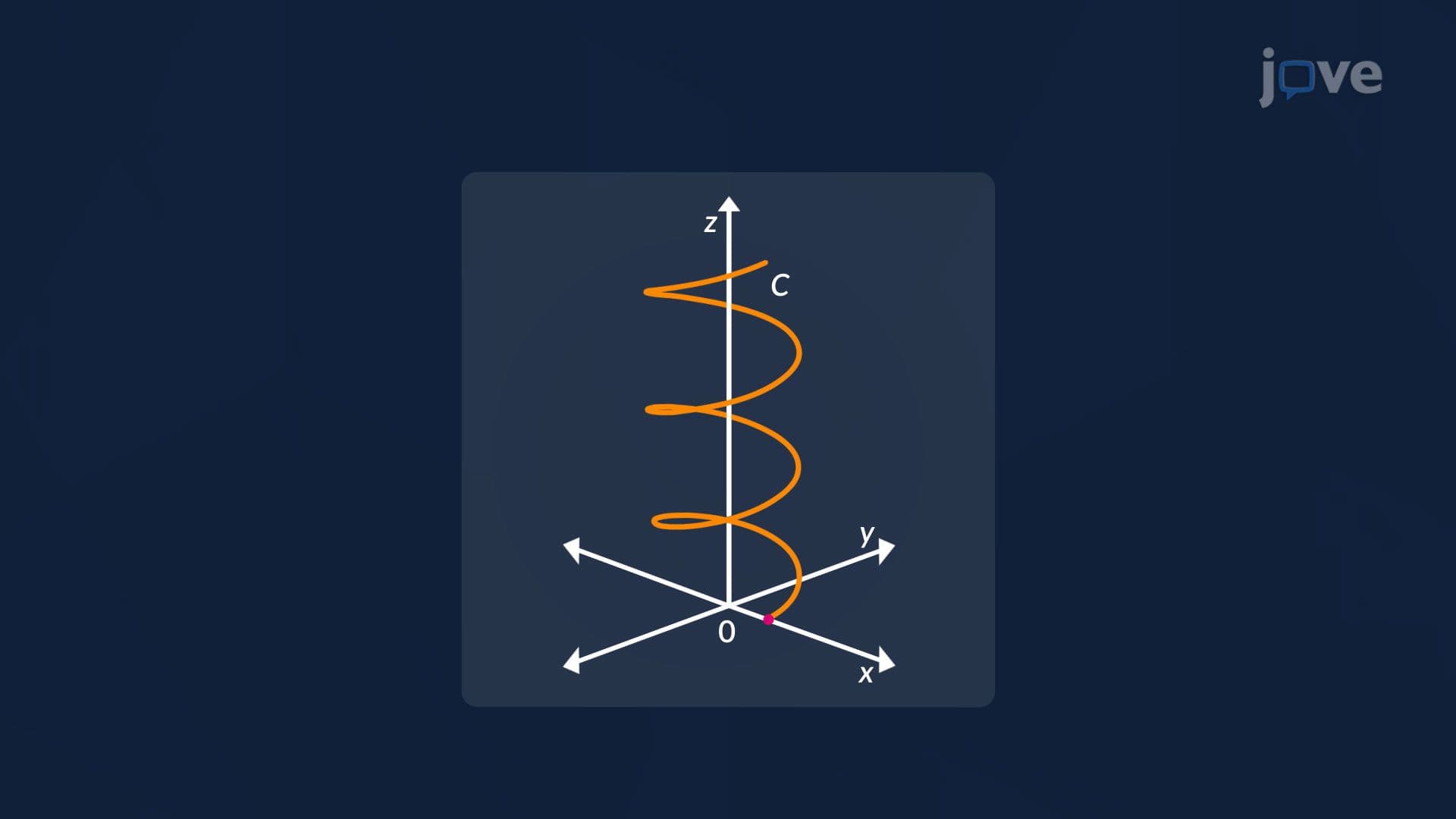
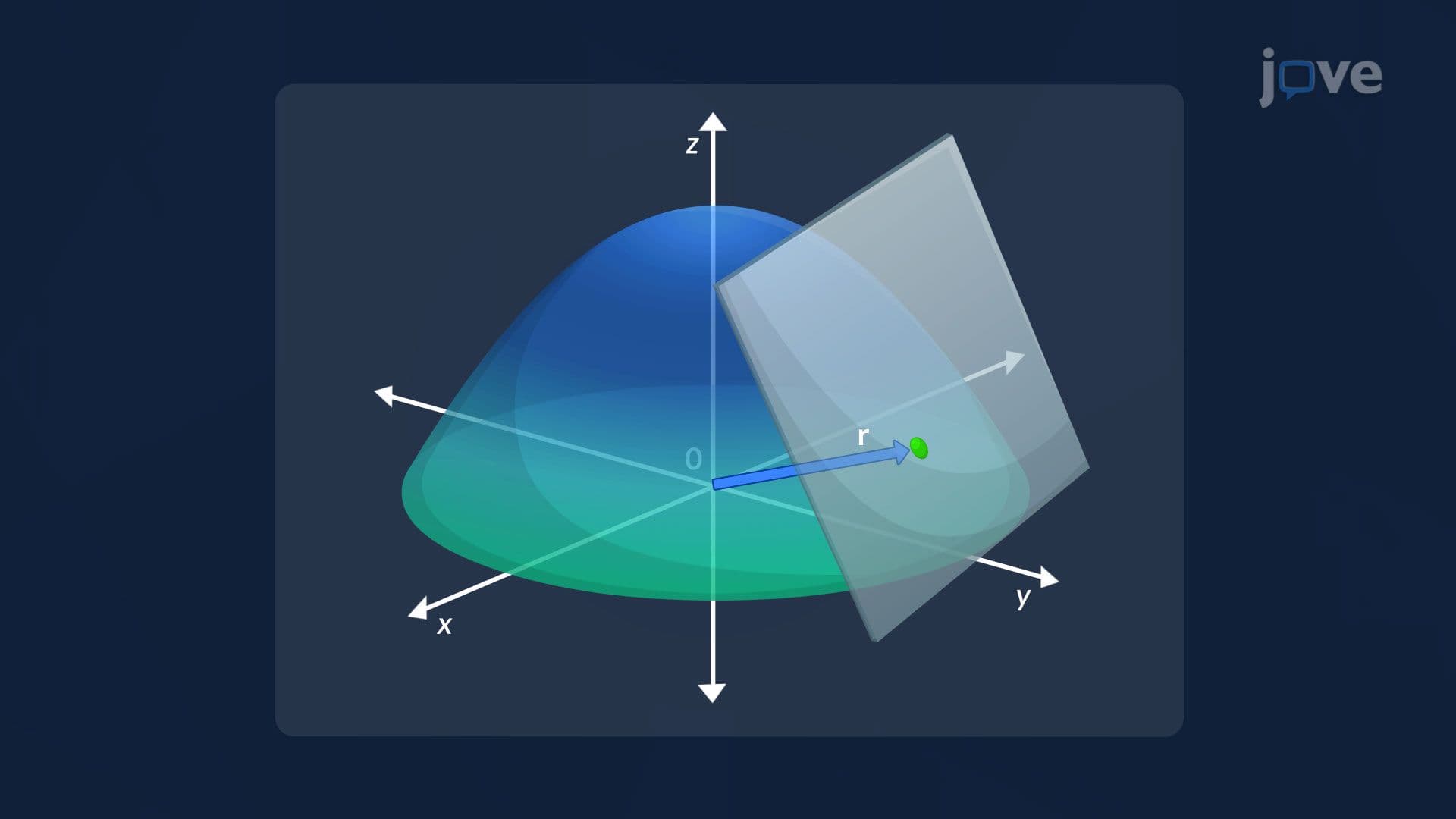
Path independence is the defining practical consequence of this theorem. If curve C1 and curve C2 both connect point P to point Q through a conservative field, then the line integral along C1 equals the line integral along C2, every time, without exception. Mathematically, the integral of F · dr over curve C equals g(Q) minus g(P), where g is the potential function. This mirrors the structure of the ordinary Fundamental Theorem of Calculus from single-variable math, making it an intuitive extension for students already comfortable with antiderivatives.
This concept also connects naturally to closed-loop integrals: if a curve starts and ends at the same point, the line integral of a conservative field is exactly zero. This relationship bridges into Green's theorem and Stokes' theorem, both of which generalize these ideas to regions and surfaces.
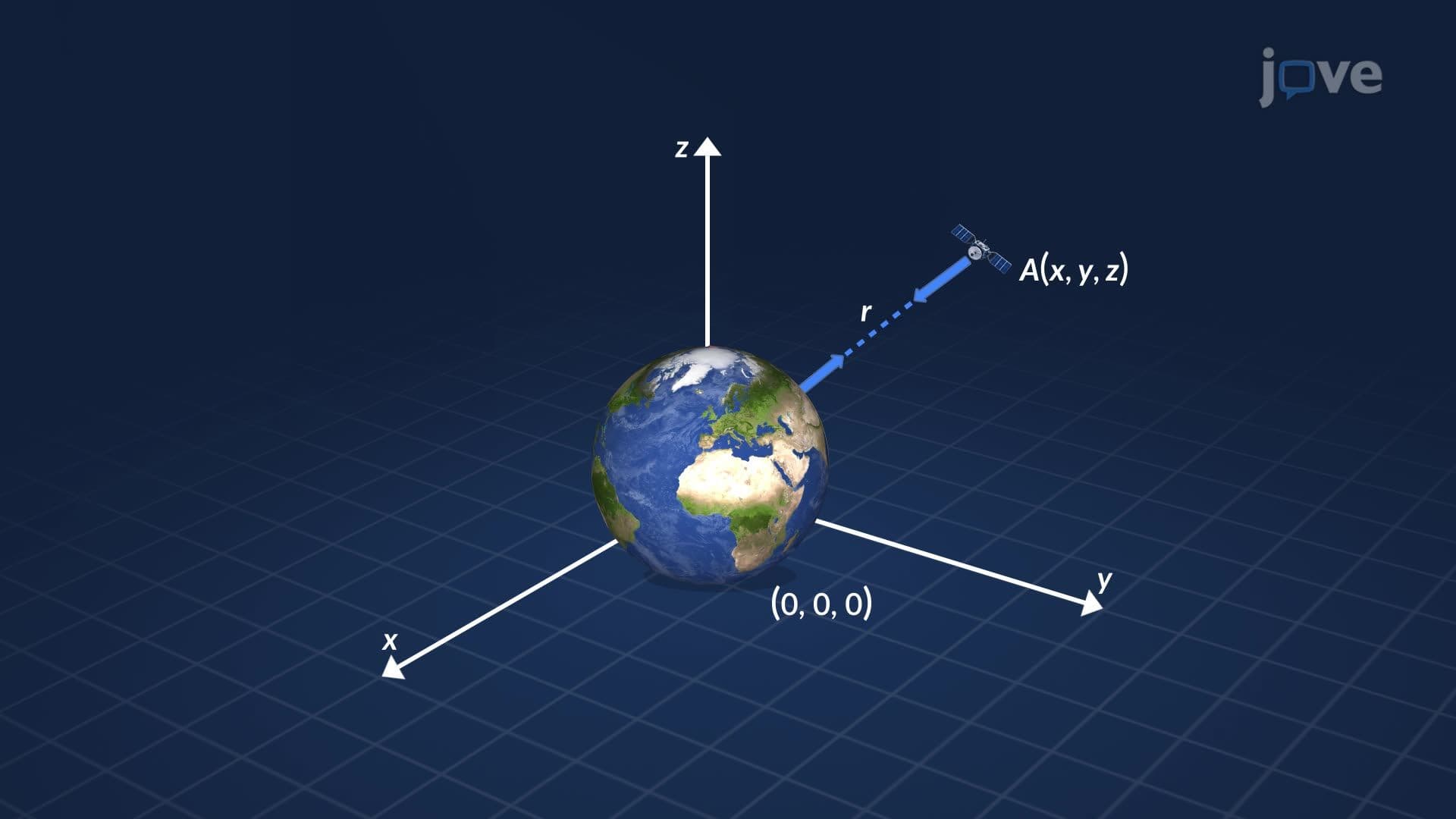
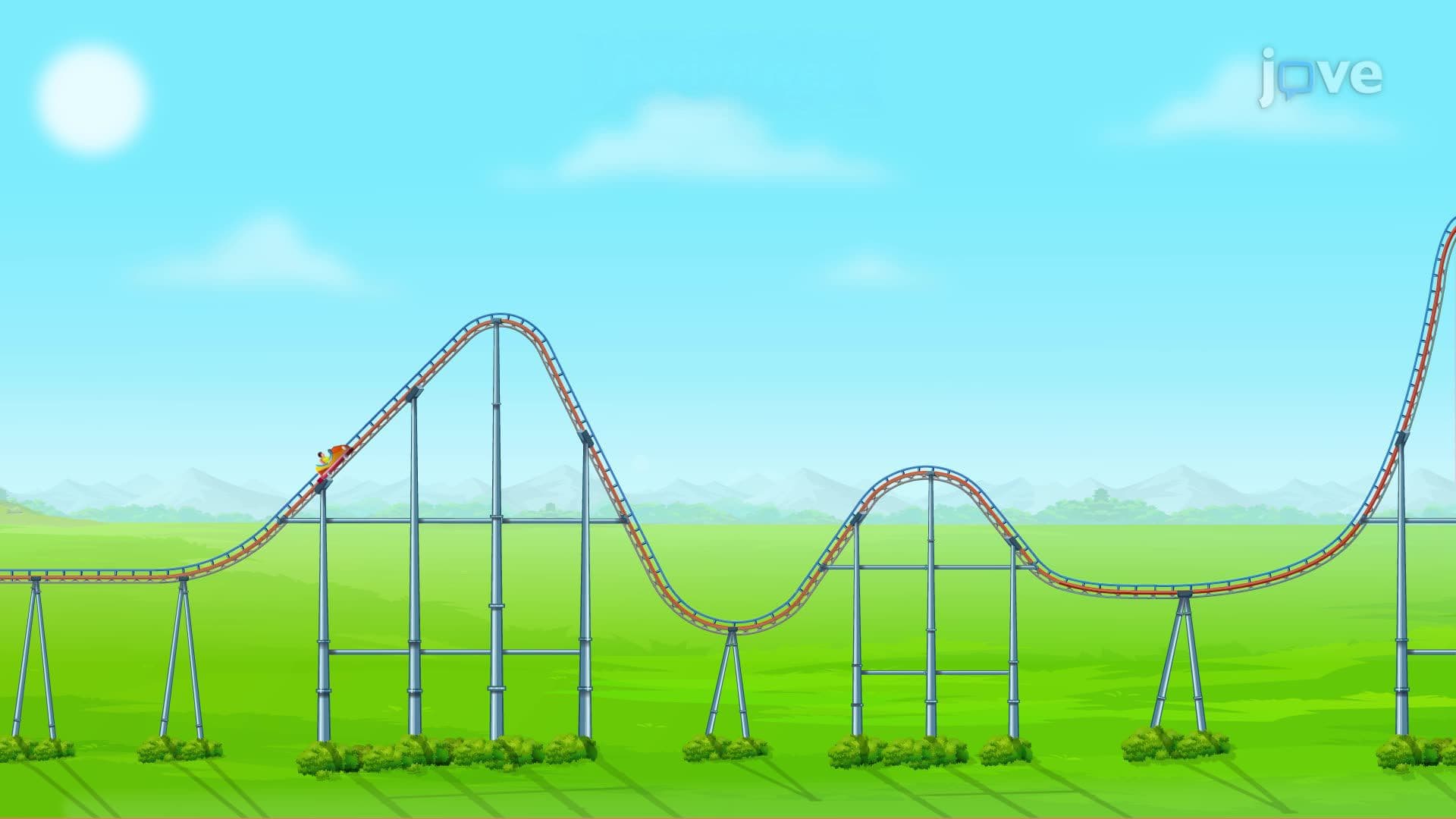
Gravity is the most accessible US classroom example. Near Earth's surface, the gravitational force on an object equals the negative gradient of its gravitational potential energy (U = mgh). Because of this, the work done by gravity as a roller coaster car descends from the top of a 100-foot drop at Cedar Point in Ohio depends only on the height difference, not on the shape of the track. Engineers at NASA's Jet Propulsion Laboratory in Pasadena, California, use the same principle when calculating energy budgets for spacecraft trajectories through gravitational fields.
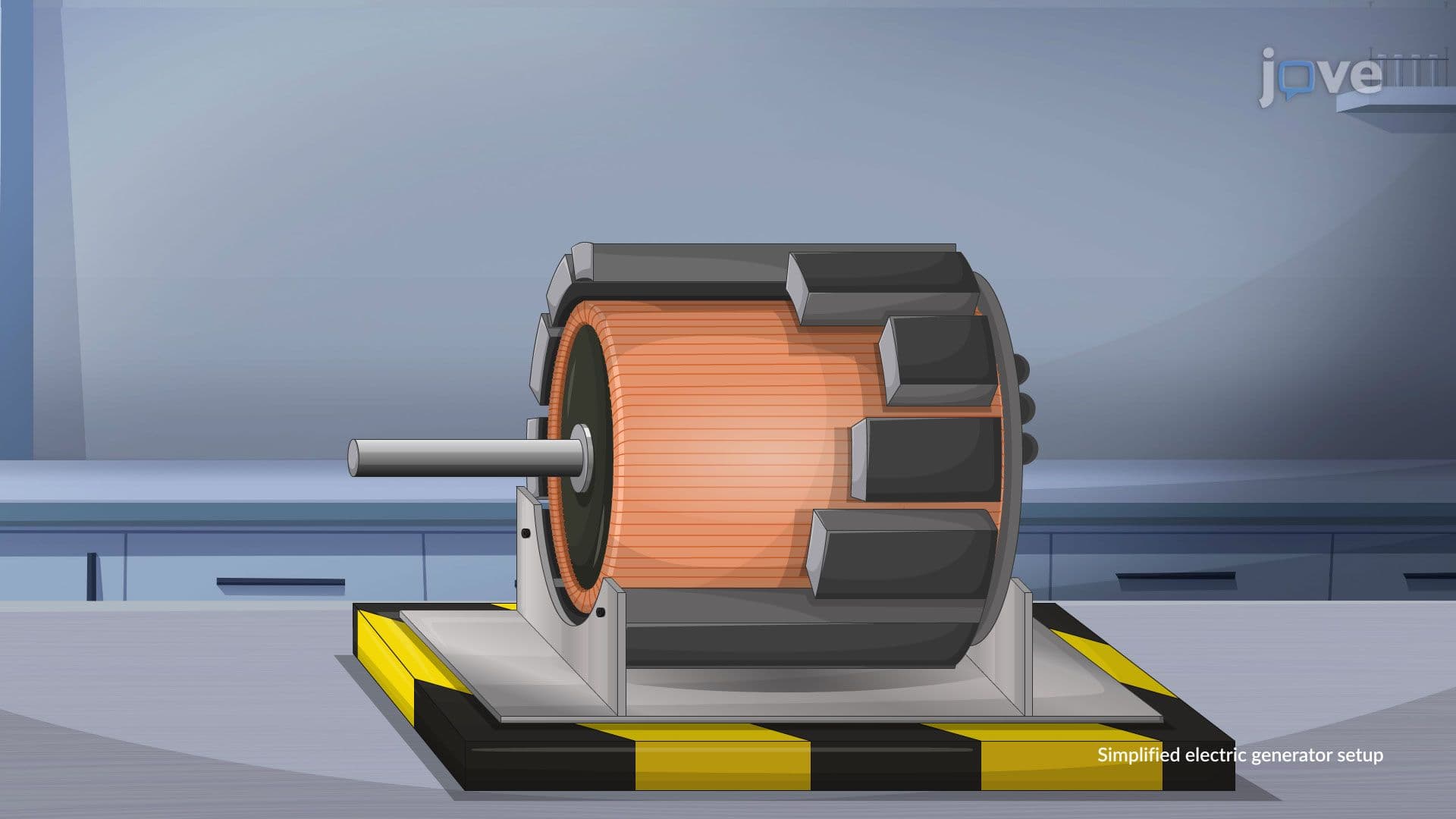
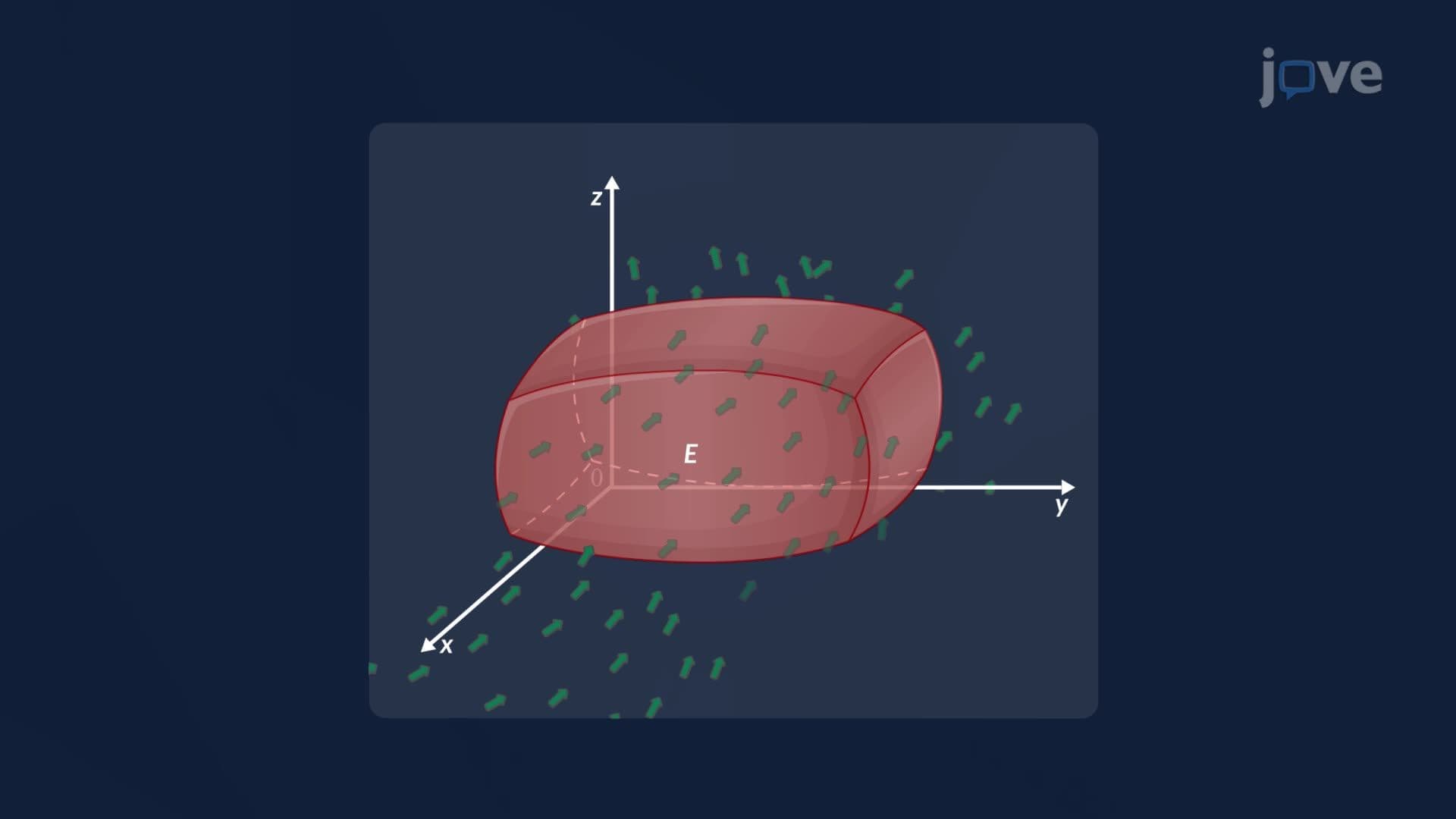
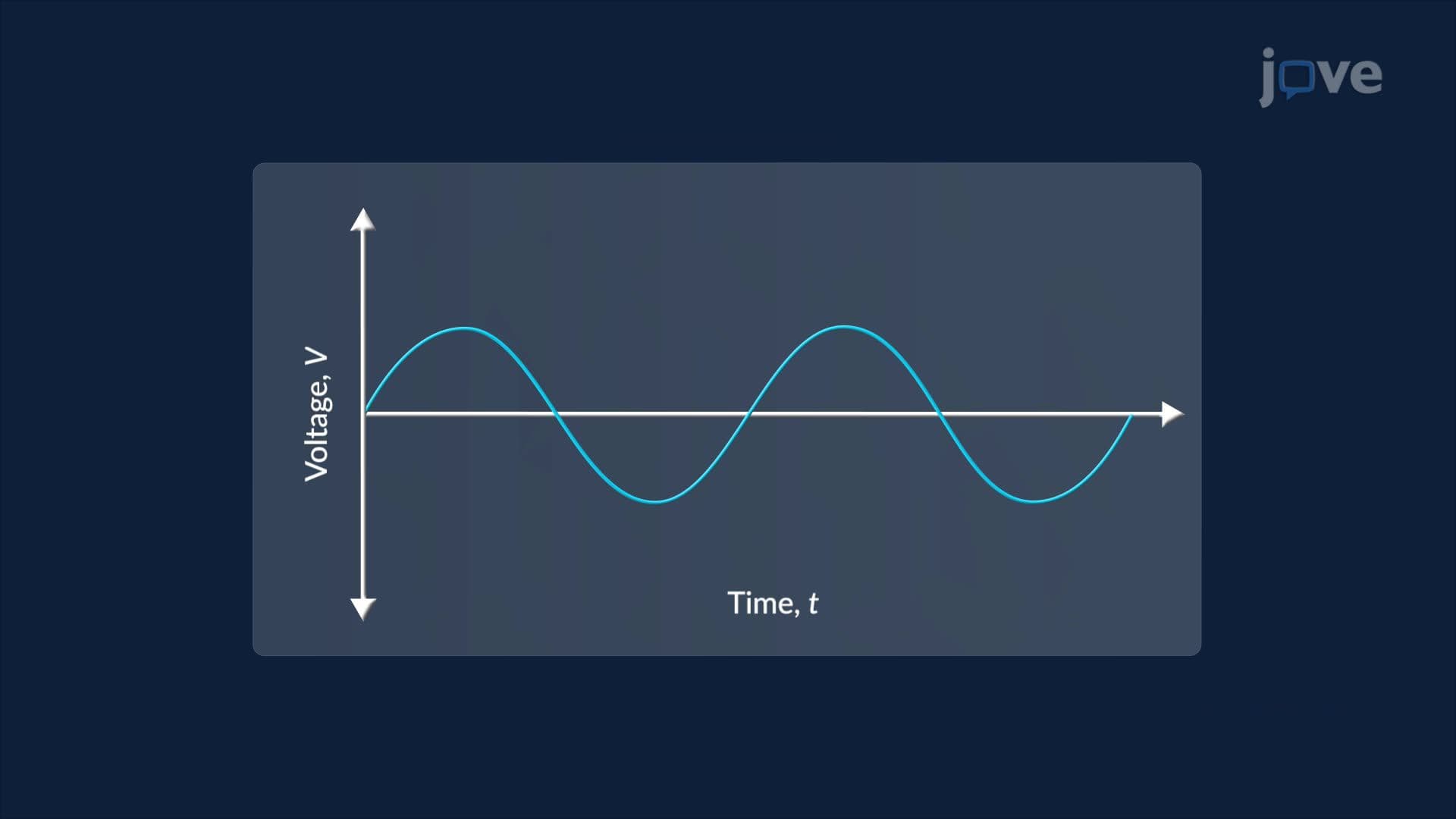
In electricity, the electric force on a charge in a uniform electric field is also conservative. This is why voltage, electric potential, is defined purely by position, a fact central to AP Physics C: Electricity and Magnetism.
On the AP Calculus BC exam, line integrals appear in the context of parametric equations and motion along curves. Recognizing a conservative field quickly can save significant time. In college-level Calculus III (multivariable calculus) courses at universities like MIT, UCLA, and UT Austin, the fundamental theorem for line integrals is a prerequisite for understanding surface integrals, the divergence theorem, and Stokes' theorem. Students who master this theorem build a foundation that supports the entire second half of a typical Calculus III syllabus.
Related Micro-courses