Loading video…

 19 Concepts
 95 views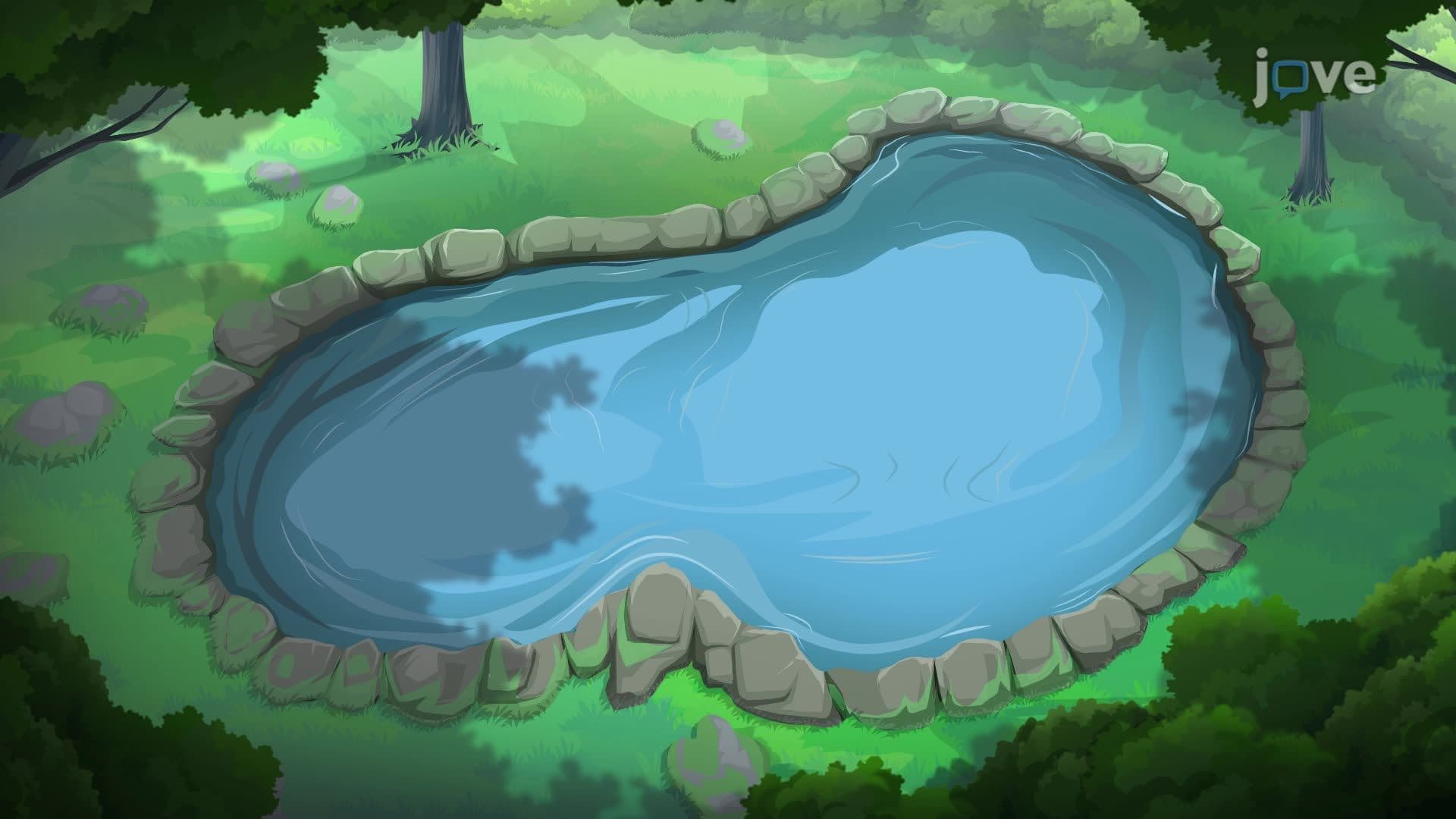

Video Summary: What Is Greens Theorem
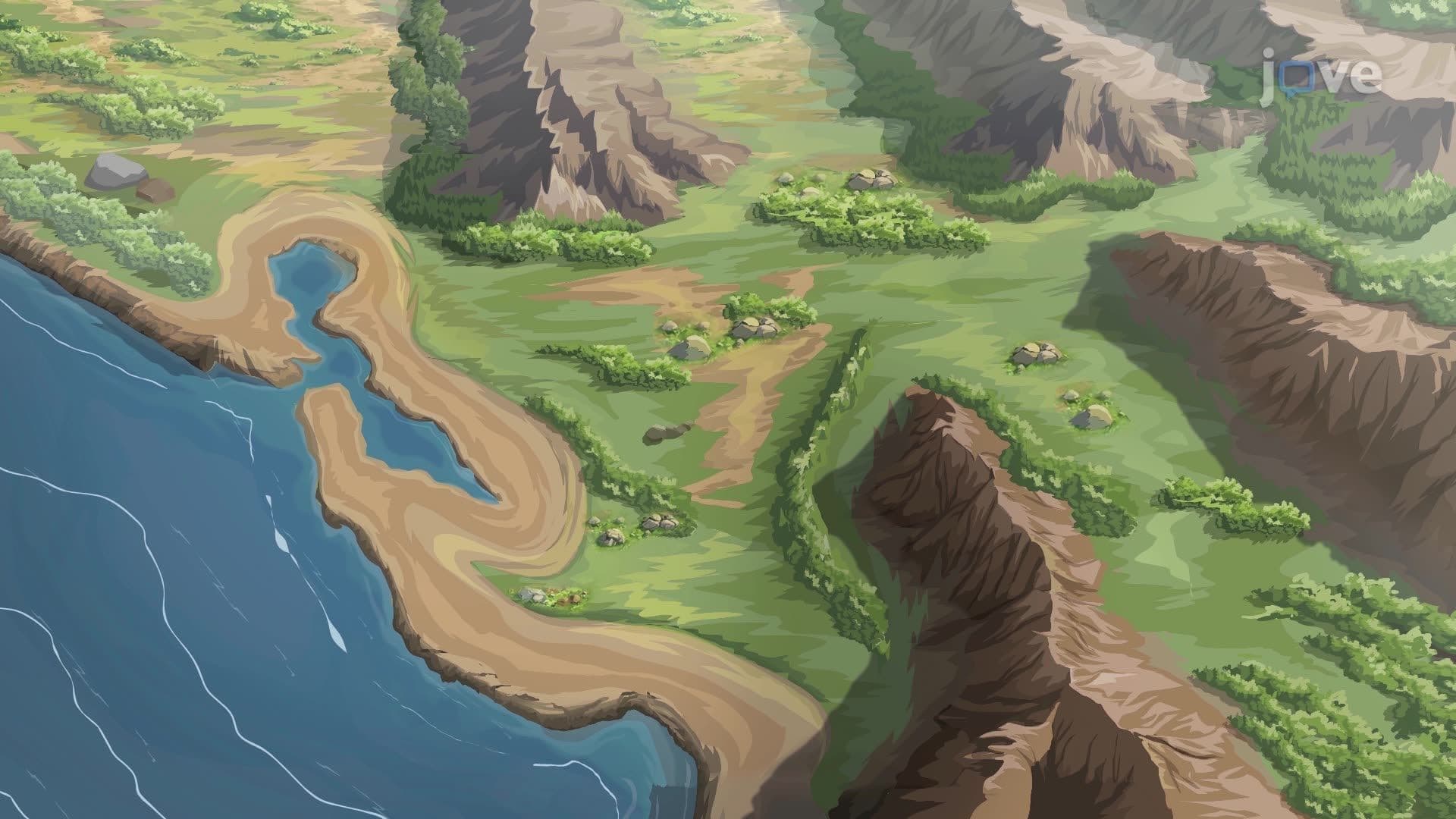
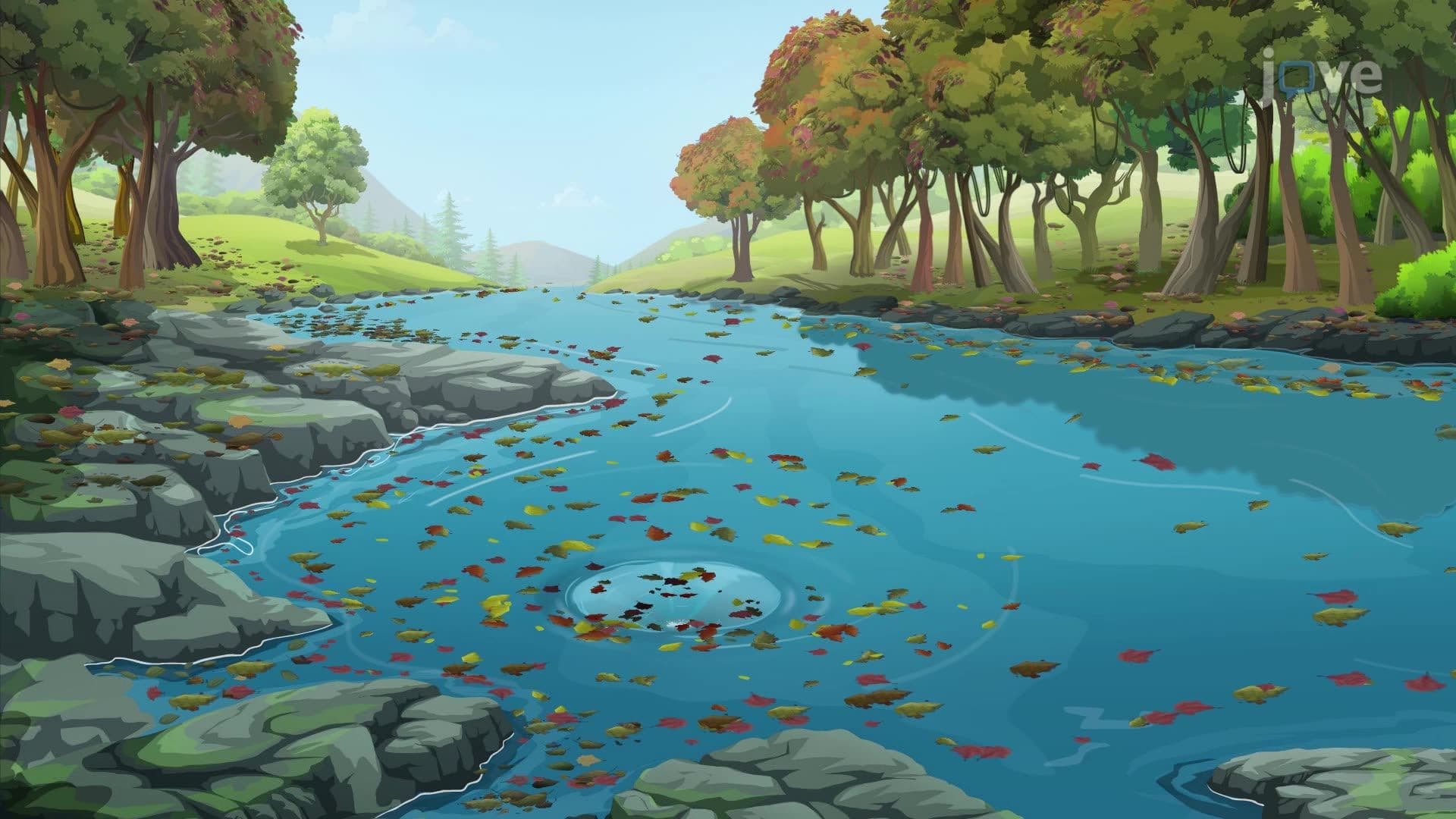
Did you know that the swirling motion of water in a lake can be described using a single elegant equation? Green's theorem basics reveal a powerful connection between how a fluid circulates along a boundary and how it rotates across an interior region. Imagine analyzing water flow in the Mississippi River delta, Green's theorem makes that calculation manageable. Watch the full video on JoVE Coach to master this concept with expert-led visuals and step-by-step explanations.
Green's Theorem is one of the most elegant results in multivariable calculus, and it appears in college courses ranging from Calculus III to Differential Equations and Physics for Engineers. At its core, it establishes a precise mathematical relationship between what happens along the boundary of a region and what happens throughout the interior. Formally, it states:
∮(C) [P dx + Q dy] = ∬(D) [(∂Q/∂x) − (∂P/∂y)] dA
where C is a closed, counterclockwise-oriented boundary curve and D is the region it encloses. The left side is a line integral measuring circulation; the right side is a double integral measuring local rotation, called curl, across the area.
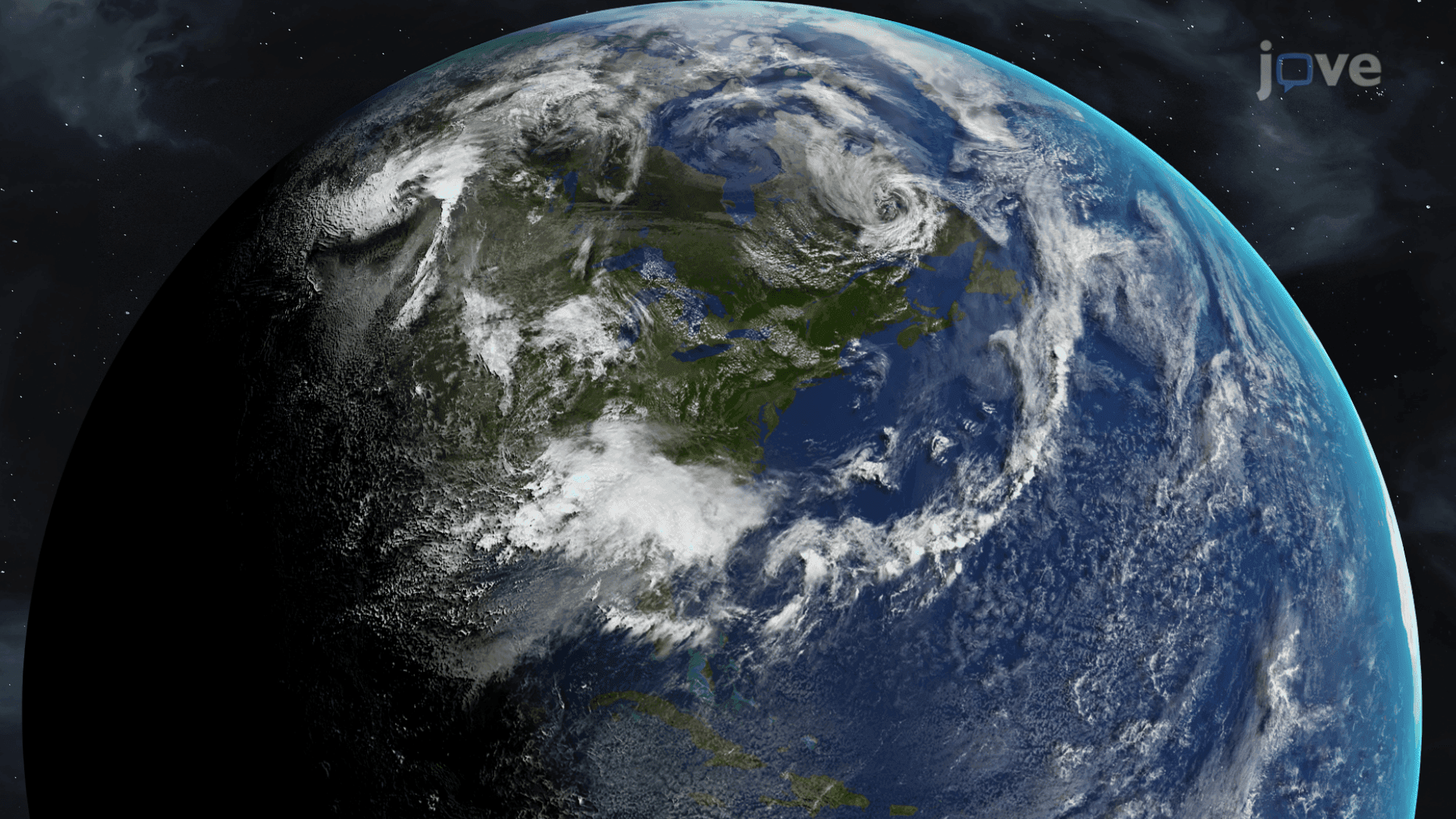
To make this concrete, think about a weather system over the Gulf of Mexico. At every point in the storm, air is spinning locally, that's the curl of the velocity field. Green's Theorem says you don't need to measure every tiny spin individually. Instead, you can track how the air moves around the outer edge of the storm system, and that boundary measurement captures all the internal spinning behavior combined.
This is the physical meaning behind the theorem: bulk interior rotation equals boundary circulation. The partial derivative expression (∂Q/∂x) − (∂P/∂y) is precisely the two-dimensional curl of the vector field, which quantifies the tendency of a fluid to rotate at any given point.
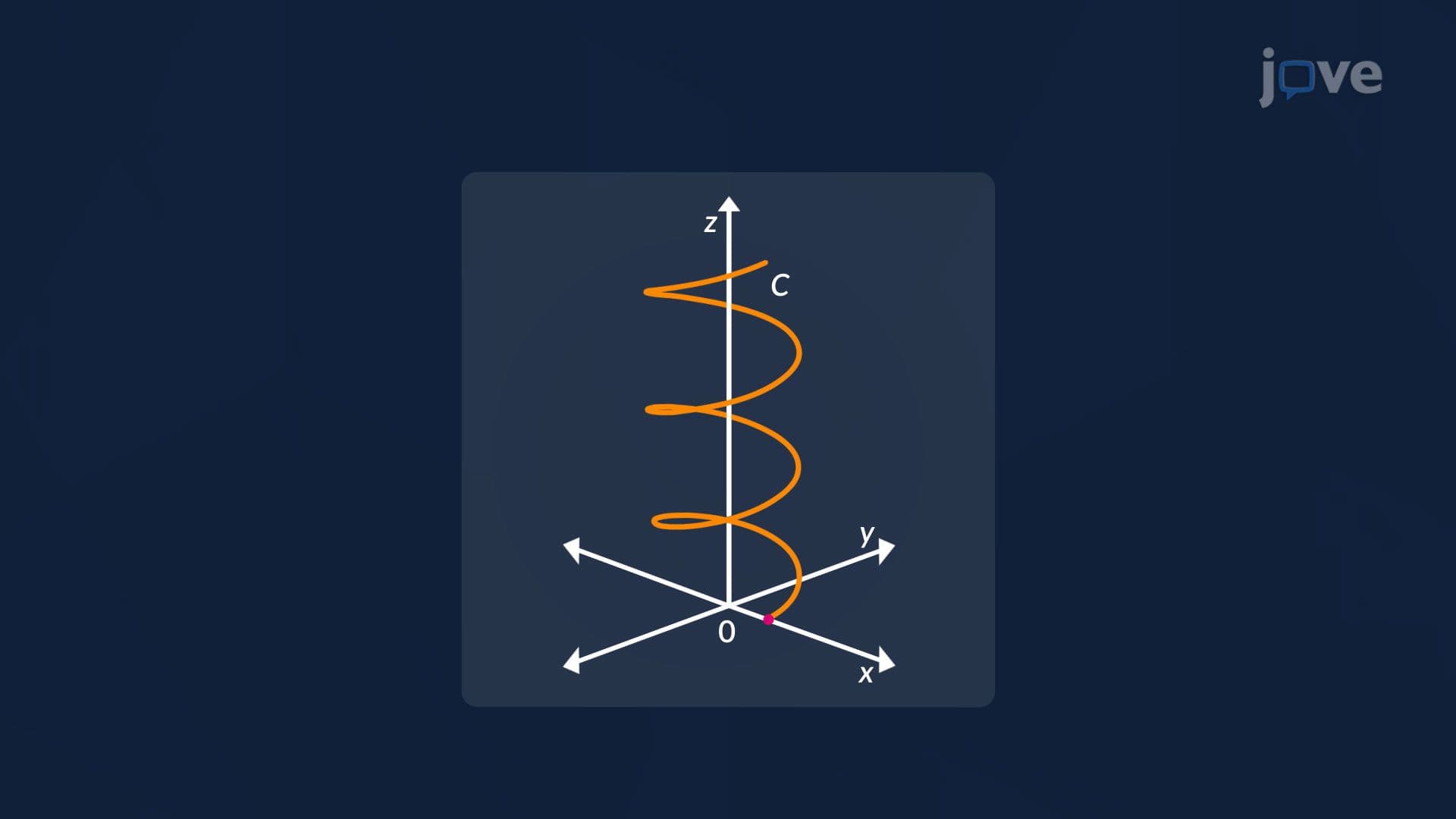
Green's Theorem is powerful, but it has strict requirements. The region D must be simply connected, meaning it has no holes, think of a solid disk rather than a donut shape. The boundary curve C must be:
If any of these conditions fail, the theorem does not apply directly. However, regions with holes can be handled using multiple boundary curves with carefully chosen orientations, a technique often introduced in Calculus III courses at US universities such as MIT OpenCourseWare-aligned curricula.
On the AP Calculus BC exam, while Green's Theorem itself is not explicitly tested, the underlying concepts of line integrals and area relationships appear frequently in free-response questions. In college-level Calculus III, often called Multivariable Calculus, Green's Theorem is a standard midterm and final exam topic at institutions across the US.
Understanding Green's Theorem also prepares students for two major extensions:
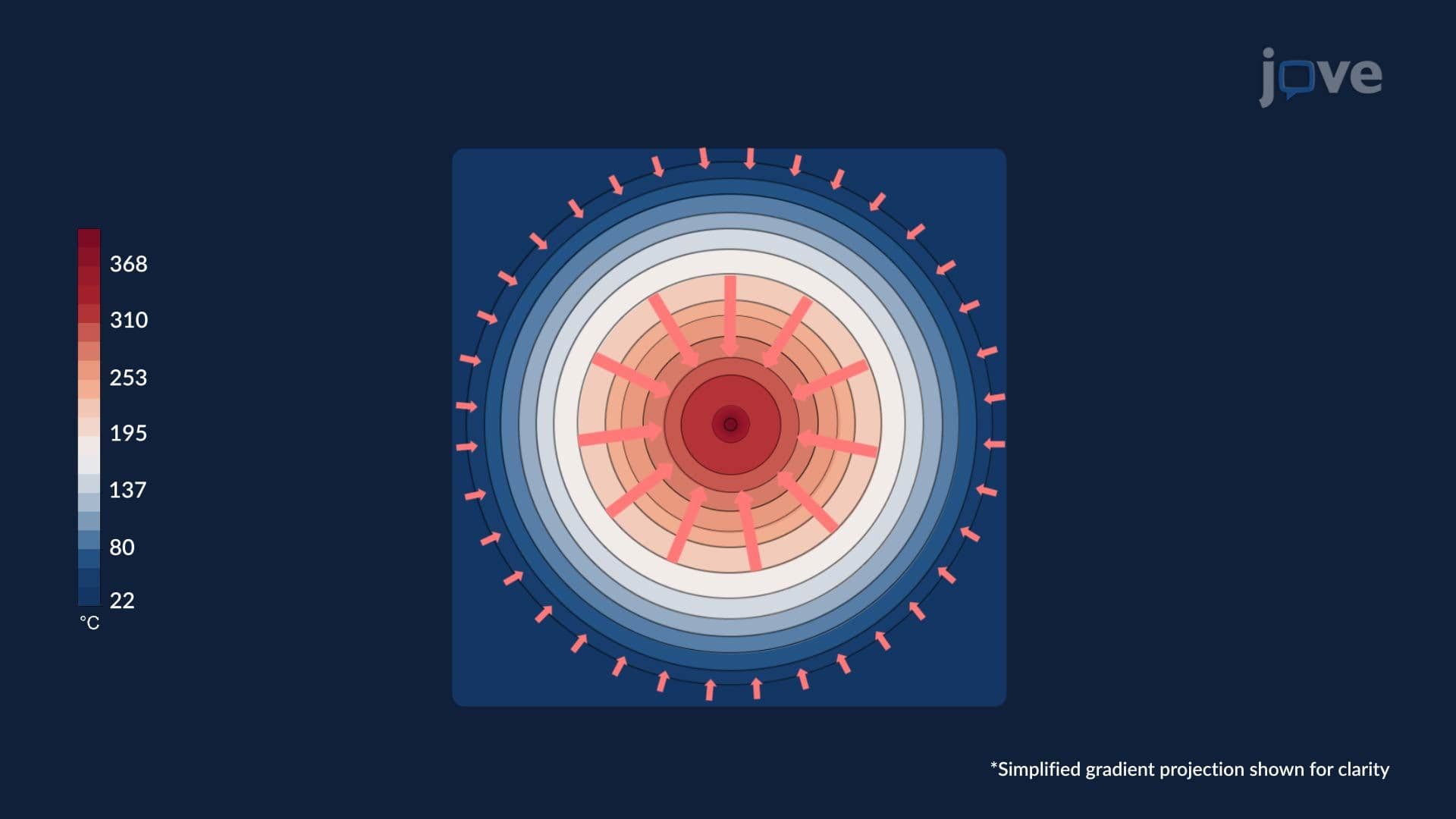
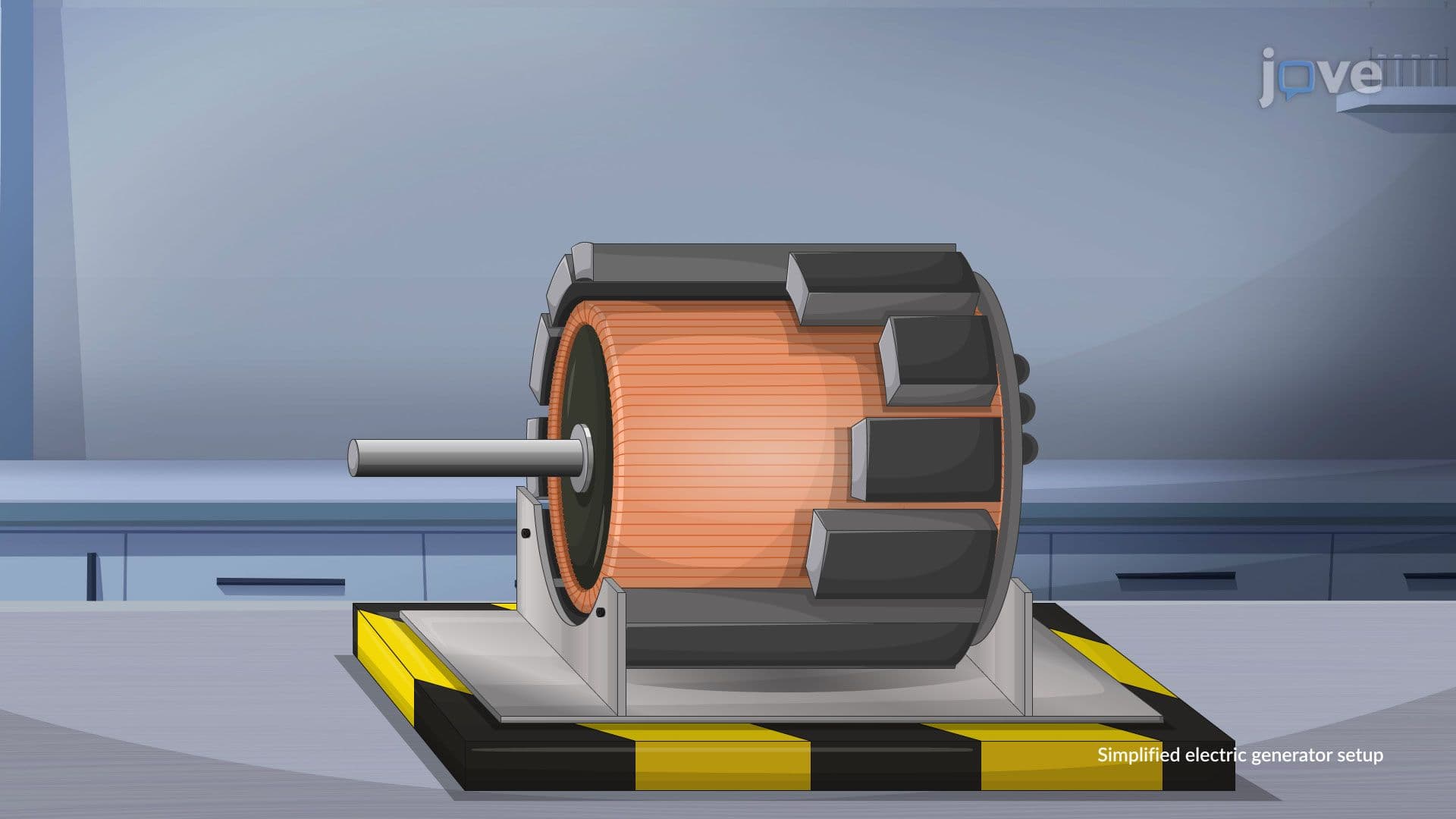
Mastering Green's Theorem is not just an academic exercise. Engineers at firms like NASA's Jet Propulsion Laboratory use related vector calculus tools to model fluid flow, heat transfer, and electromagnetic fields. Starting with a solid grasp of Green's Theorem basics gives students a direct path into these applied domains.
Related Micro-courses