Loading video…

 19 Concepts
 95 views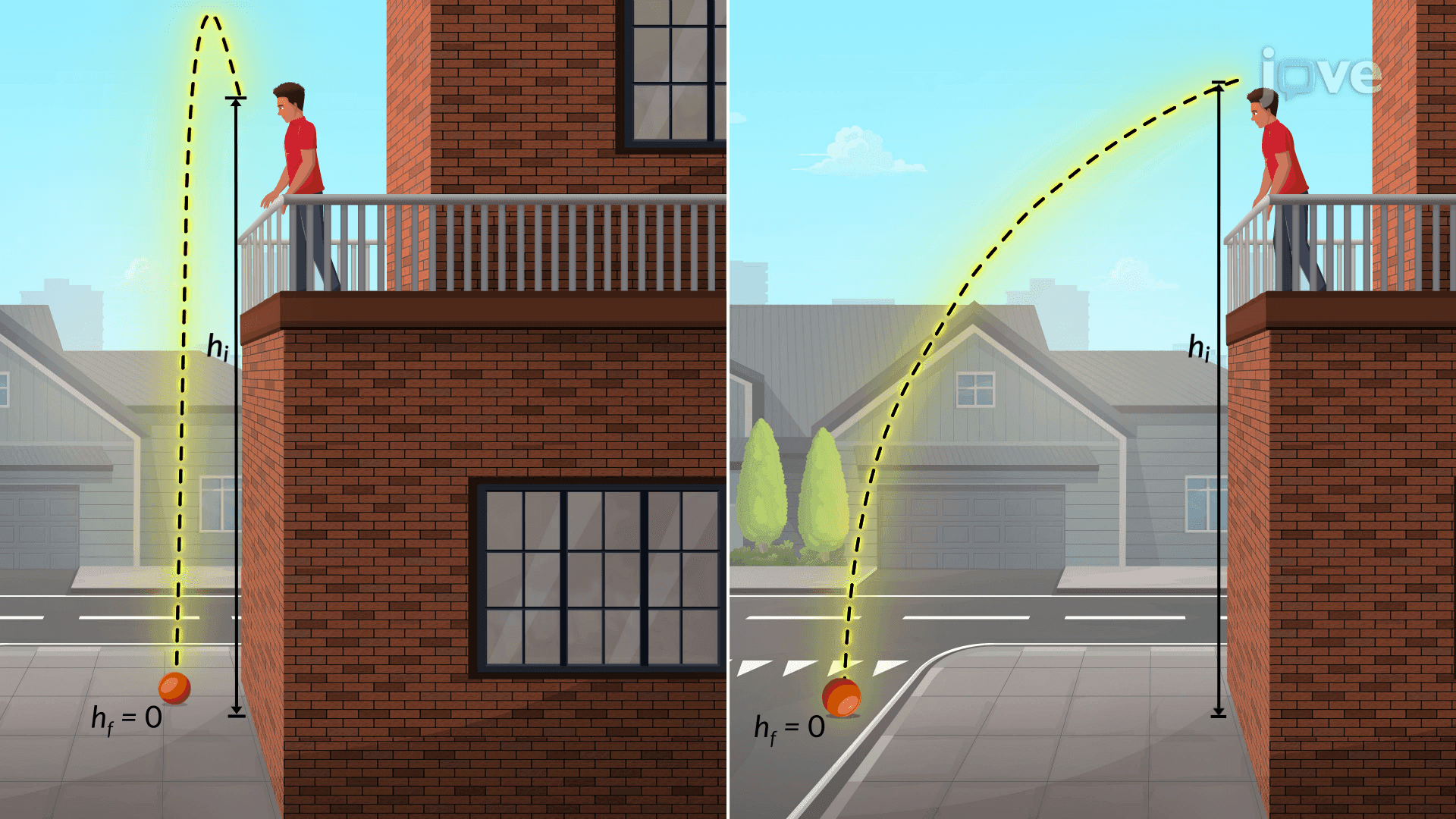

Video Summary: What are Conservative Vector Fields
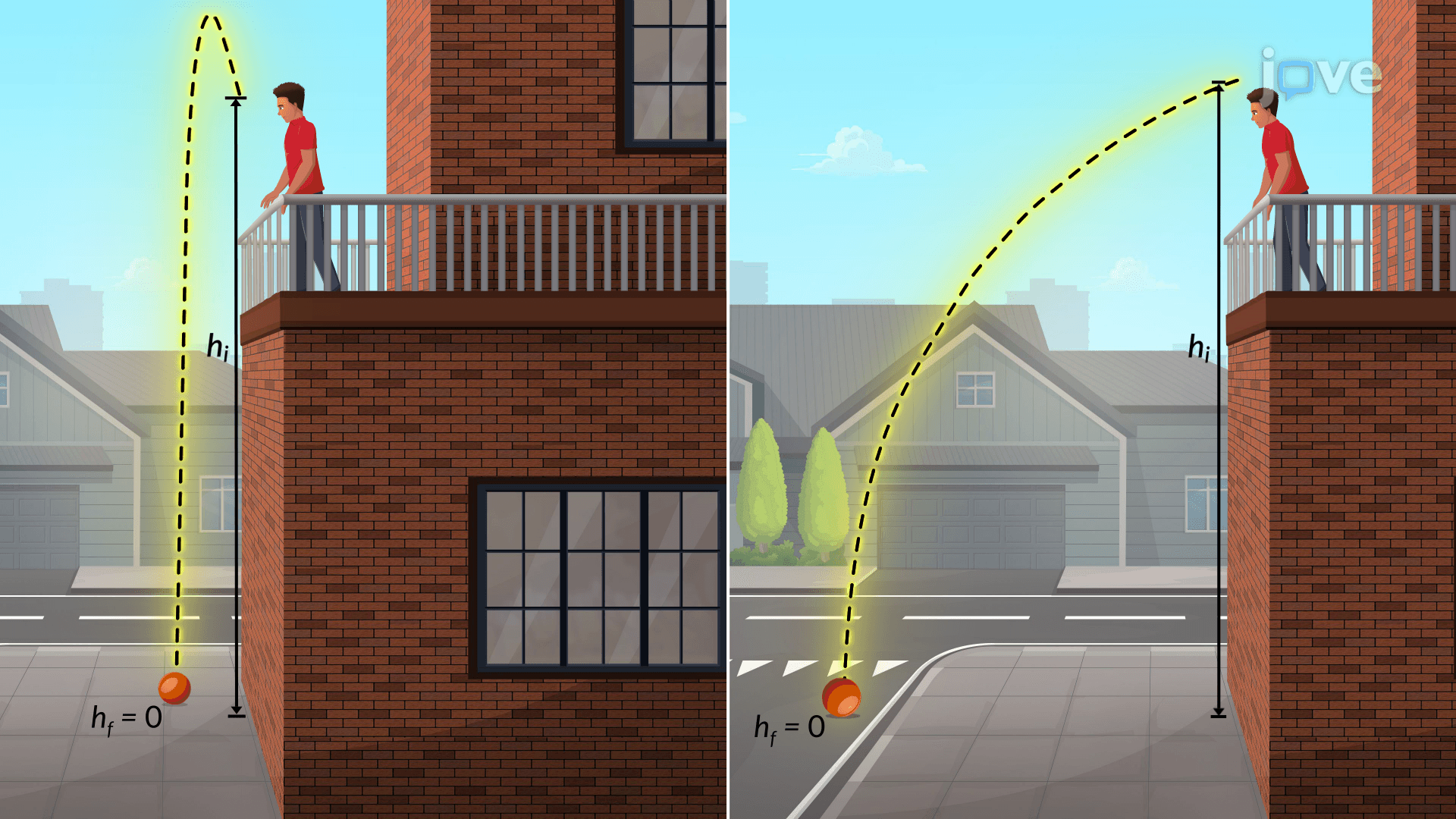
Did you know that gravity does the same amount of work whether a ball falls straight down or follows a winding curved path? That's the power of conservative vector fields, a foundational concept in multivariable calculus. In the US, this principle appears everywhere from NASA trajectory modeling to electrical circuit analysis. Understanding conservative vector fields basics helps students unlock path-independent integration and potential functions. Watch the full video on JoVE Coach to master this concept with expert-led visuals and step-by-step explanations.
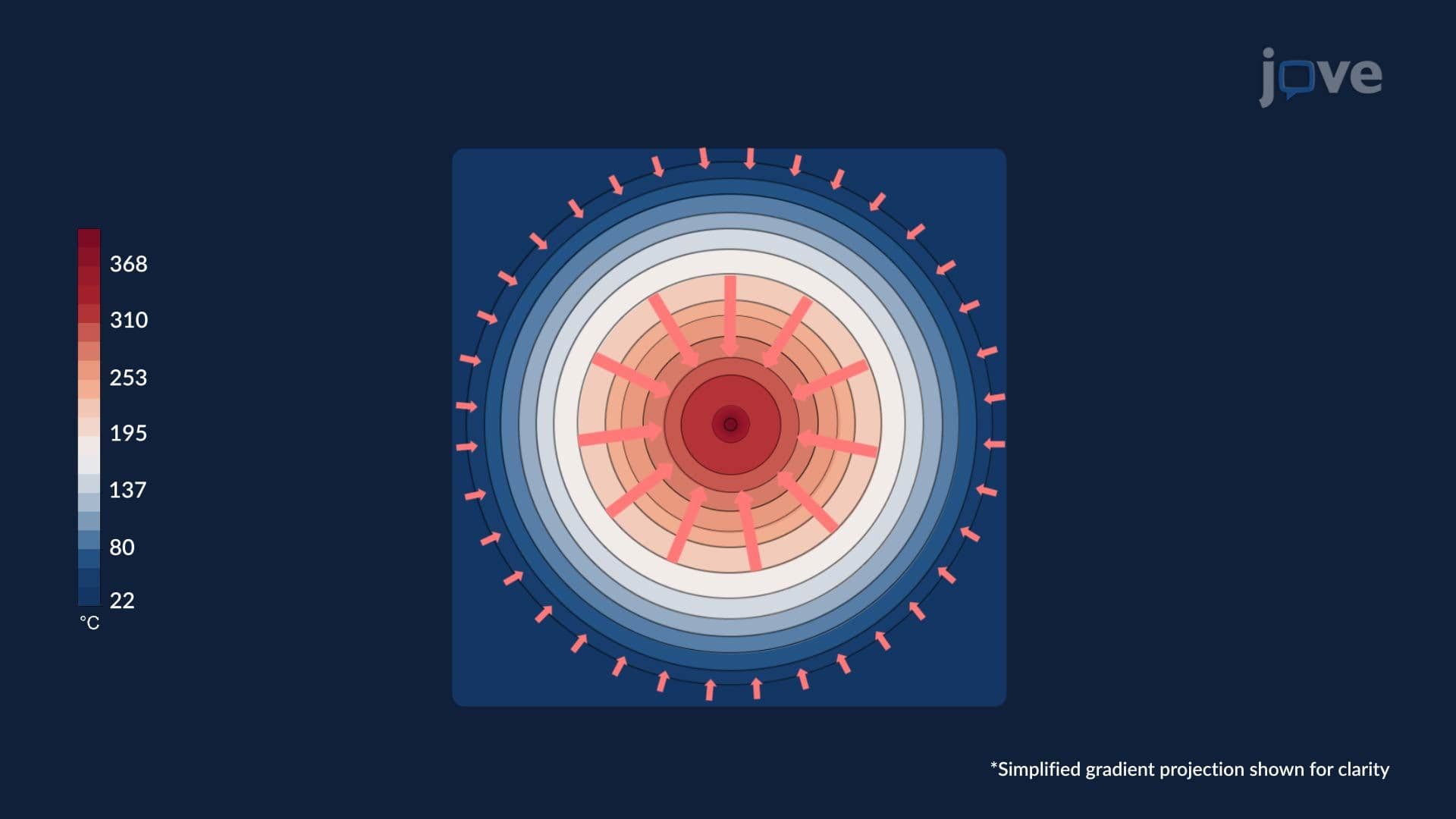
A conservative vector field is a vector field F that can be expressed as the gradient of some scalar function f, called the potential function. Written as F = ∇f, this relationship means the field's behavior is entirely governed by f. The most important consequence: the line integral of F between two points depends only on the values of f at those endpoints, not on the path connecting them. This is called path independence, and it is the hallmark of every conservative vector field.
In two dimensions, a vector field F = ⟨P, Q⟩ is conservative if a scalar function f exists such that ∂f/∂x = P and ∂f/∂y = Q. Because both P and Q are partial derivatives of the same function f, a critical relationship must hold: ∂P/∂y must equal ∂Q/∂x. This follows directly from Clairaut's theorem, which guarantees that mixed second-order partial derivatives are equal when those derivatives are continuous. Checking this equality is the standard screening test students use in AP Calculus BC, college Calculus III courses, and university physics classes across the US.
Satisfying ∂P/∂y = ∂Q/∂x is necessary but not always sufficient to confirm a conservative field. The domain of the vector field must also be open (no boundary points included) and simply connected (no holes or gaps in the region). A classic counterexample is the vector field F = ⟨−y/(x² + y²), x/(x² + y²)⟩, which passes the partial derivative test but is not conservative because its natural domain has a hole at the origin. This distinction is frequently tested on college midterms and appears in the theoretical foundations of Green's theorem and Stokes' theorem.
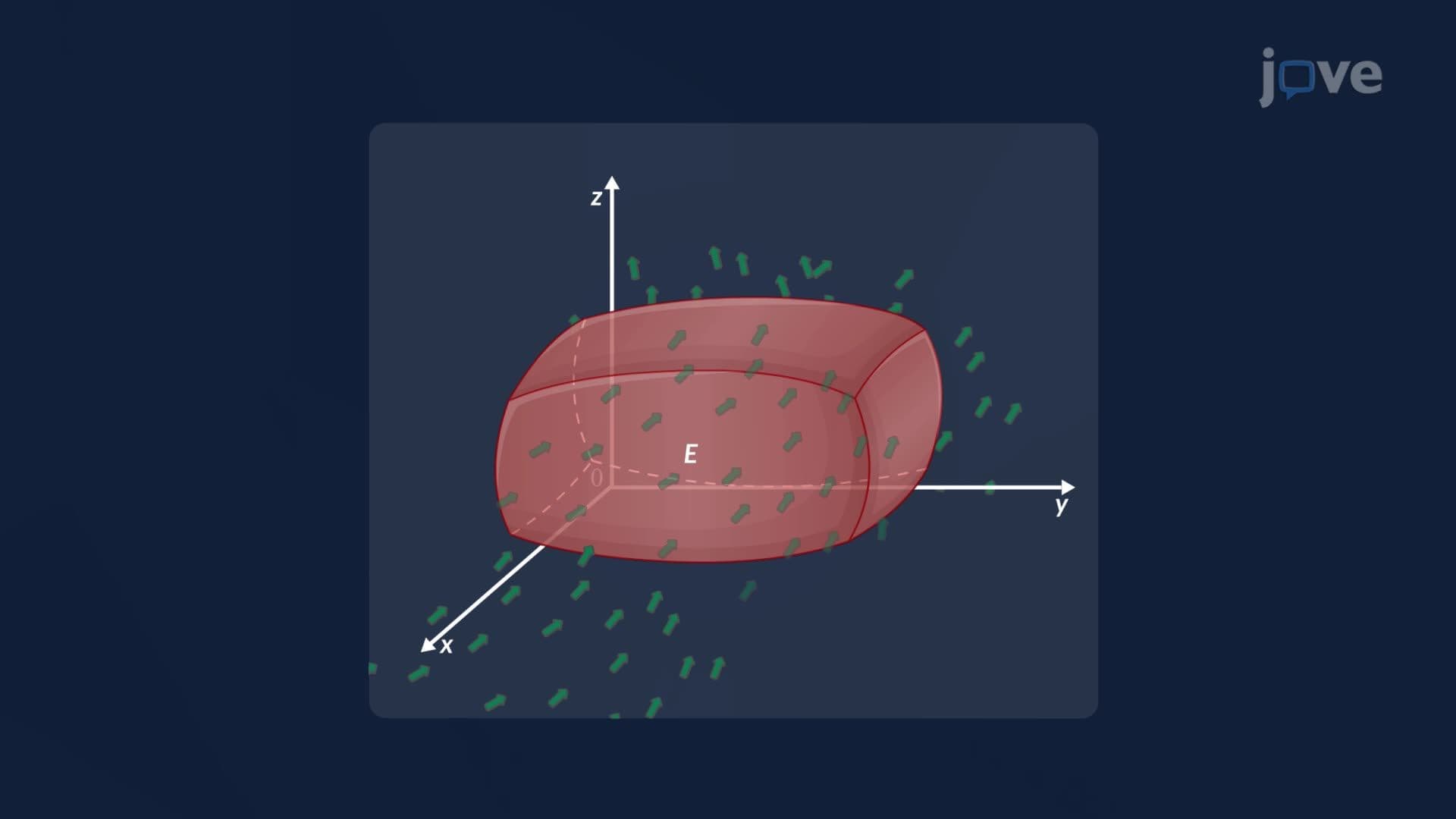
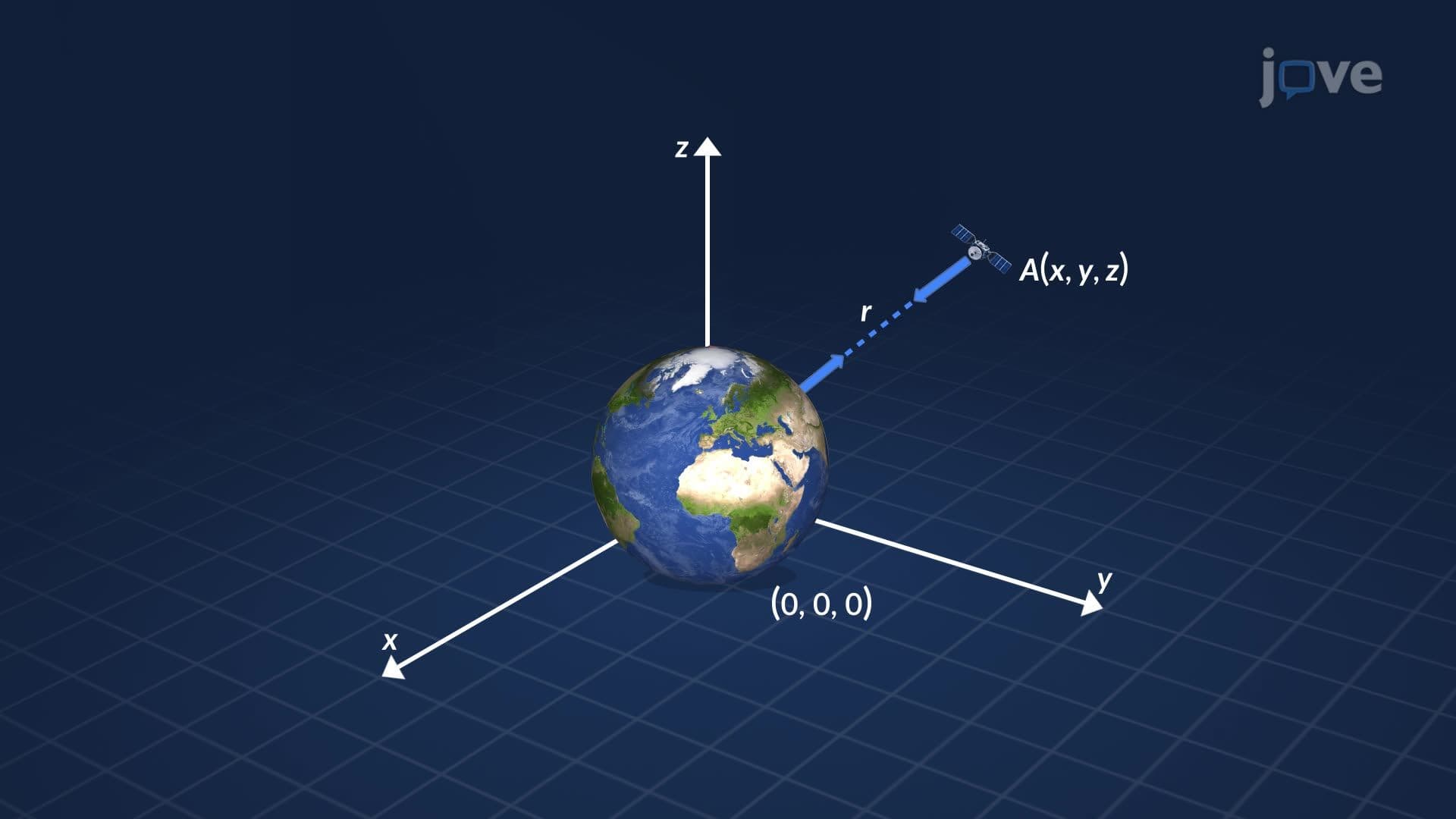
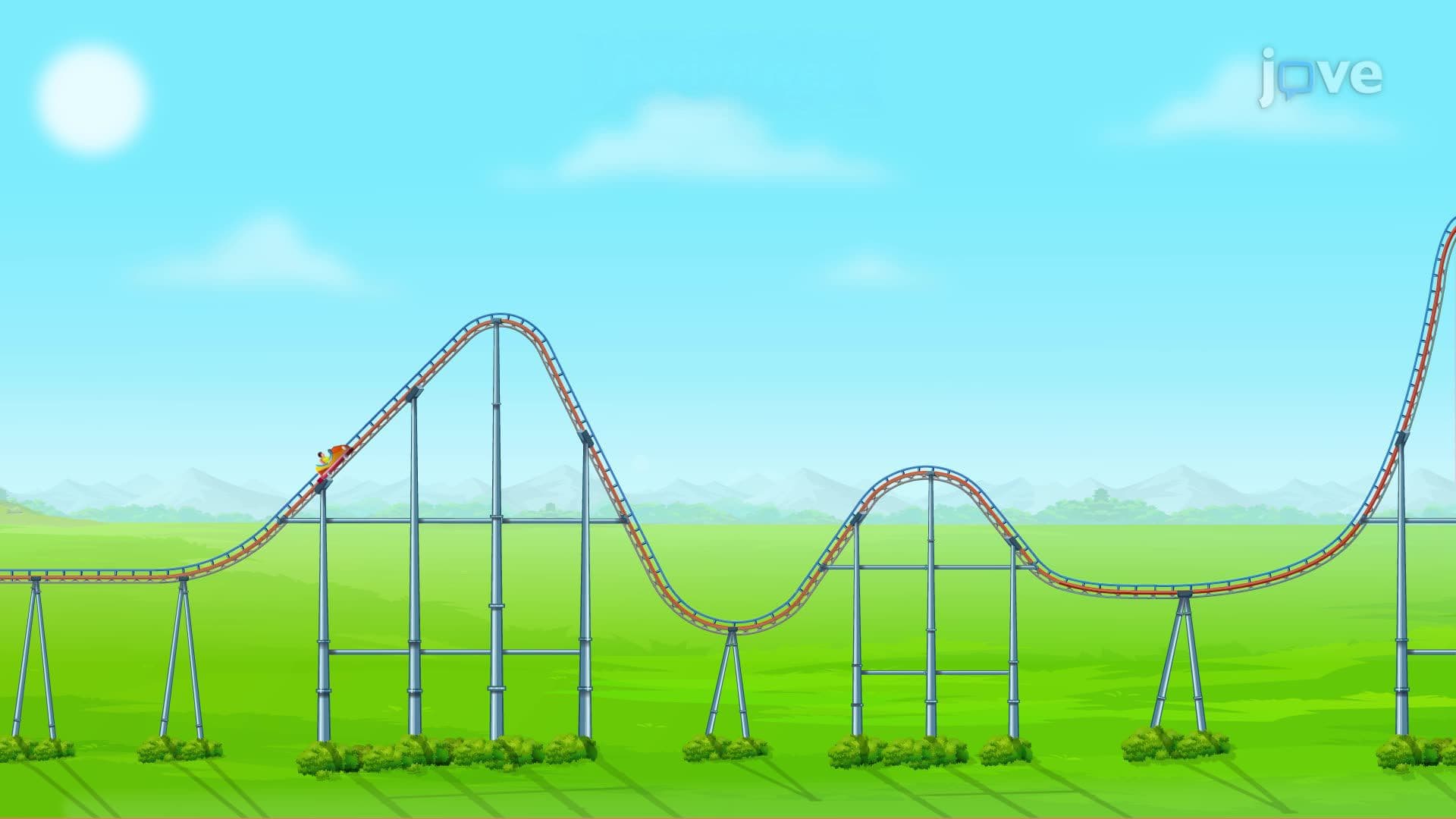
Conservative vector fields appear throughout science and engineering. Earth's gravitational field is conservative, this is why a rollercoaster at a US theme park like Six Flags returns to the same height with the same speed regardless of the twists in its track (ignoring friction). Similarly, the electric field produced by a static charge distribution is conservative, which is why electrical potential energy, a concept central to the AP Physics C: Electricity and Magnetism exam, depends only on position, not on how a charge arrived there. In thermodynamics, state functions like internal energy behave analogously, making conservative field logic foundational to chemistry and engineering coursework.
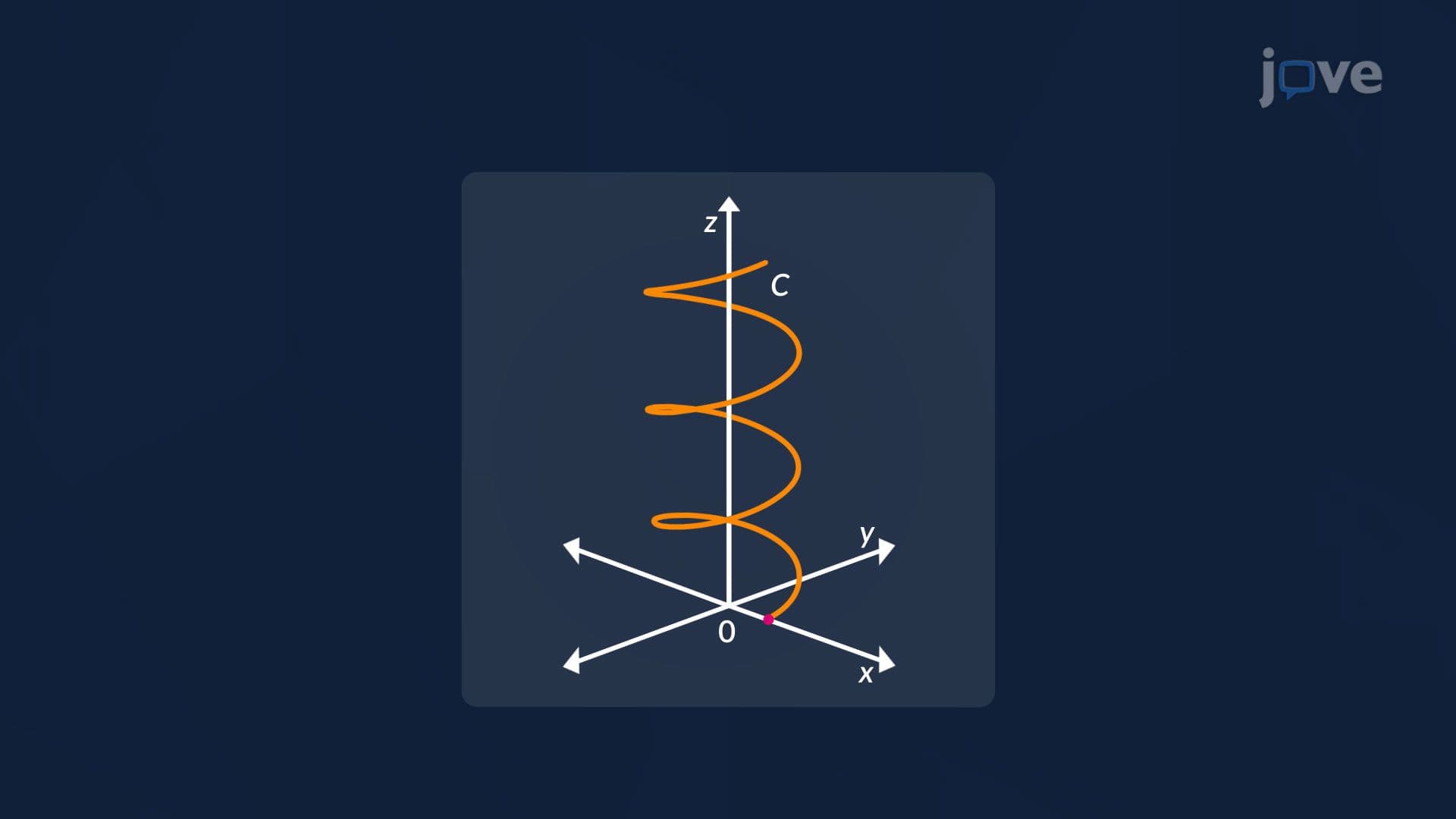
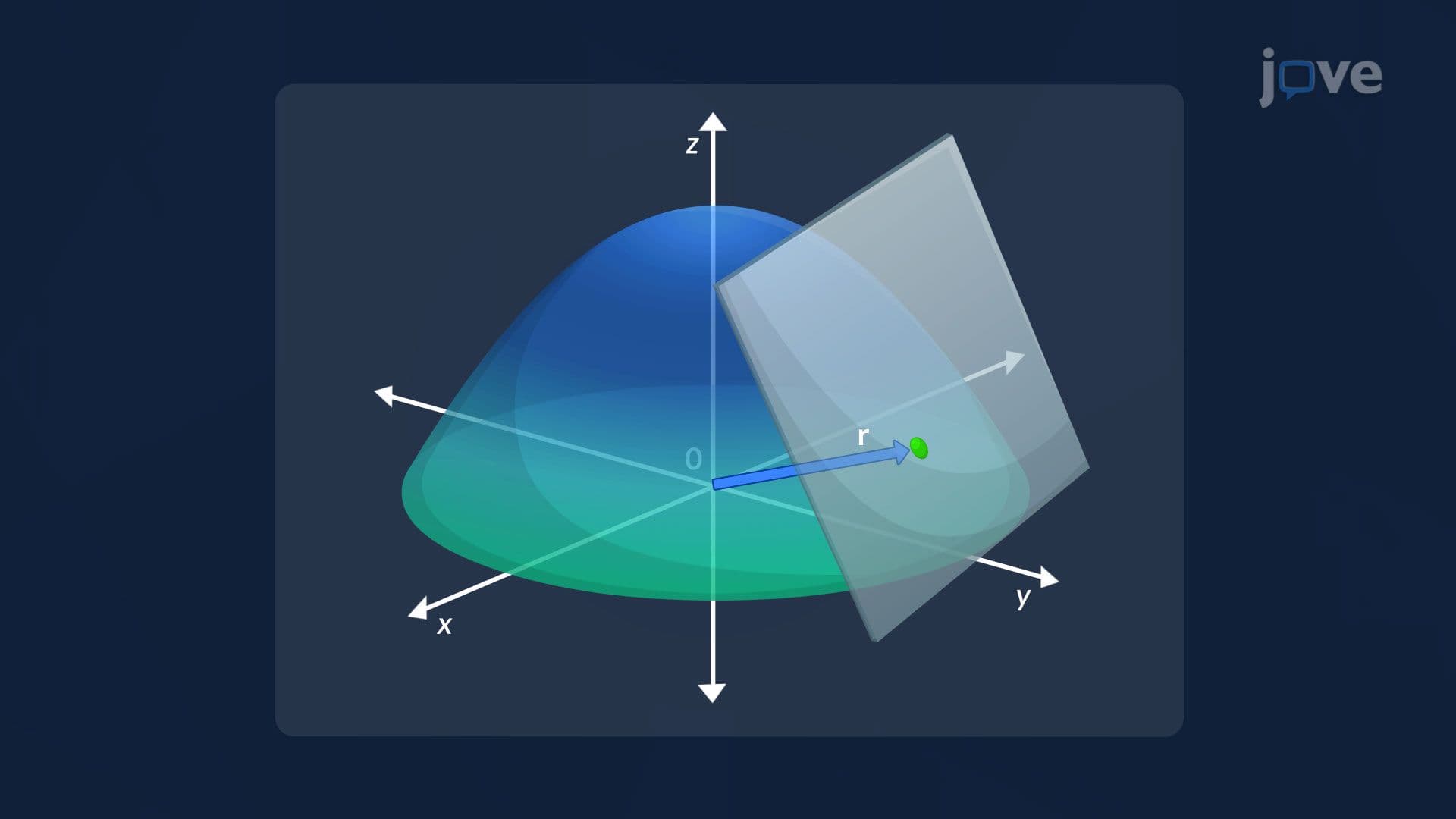
Once a field is confirmed as conservative and the potential function f is found, evaluating a line integral becomes straightforward: ∫(C) F · dr = f(endpoint B) − f(endpoint A). This is the Fundamental Theorem of Line Integrals, the vector calculus analog of the Fundamental Theorem of Calculus. This concept bridges directly into Green's theorem, the divergence theorem, and Stokes' theorem, all of which appear in Calculus III curricula at US universities and are essential for students pursuing degrees in physics, engineering, or applied mathematics.
Related Micro-courses