Loading concepts…


6 Concepts
22 Concepts
19 Concepts
17 Concepts
8 Concepts
11 Concepts
14 Concepts
6 Concepts
8 Concepts
16 Concepts
10 Concepts
13 Concepts
24 Concepts
17 Concepts
19 Concepts
 19 Concepts
 5.7K Views
 Popular topics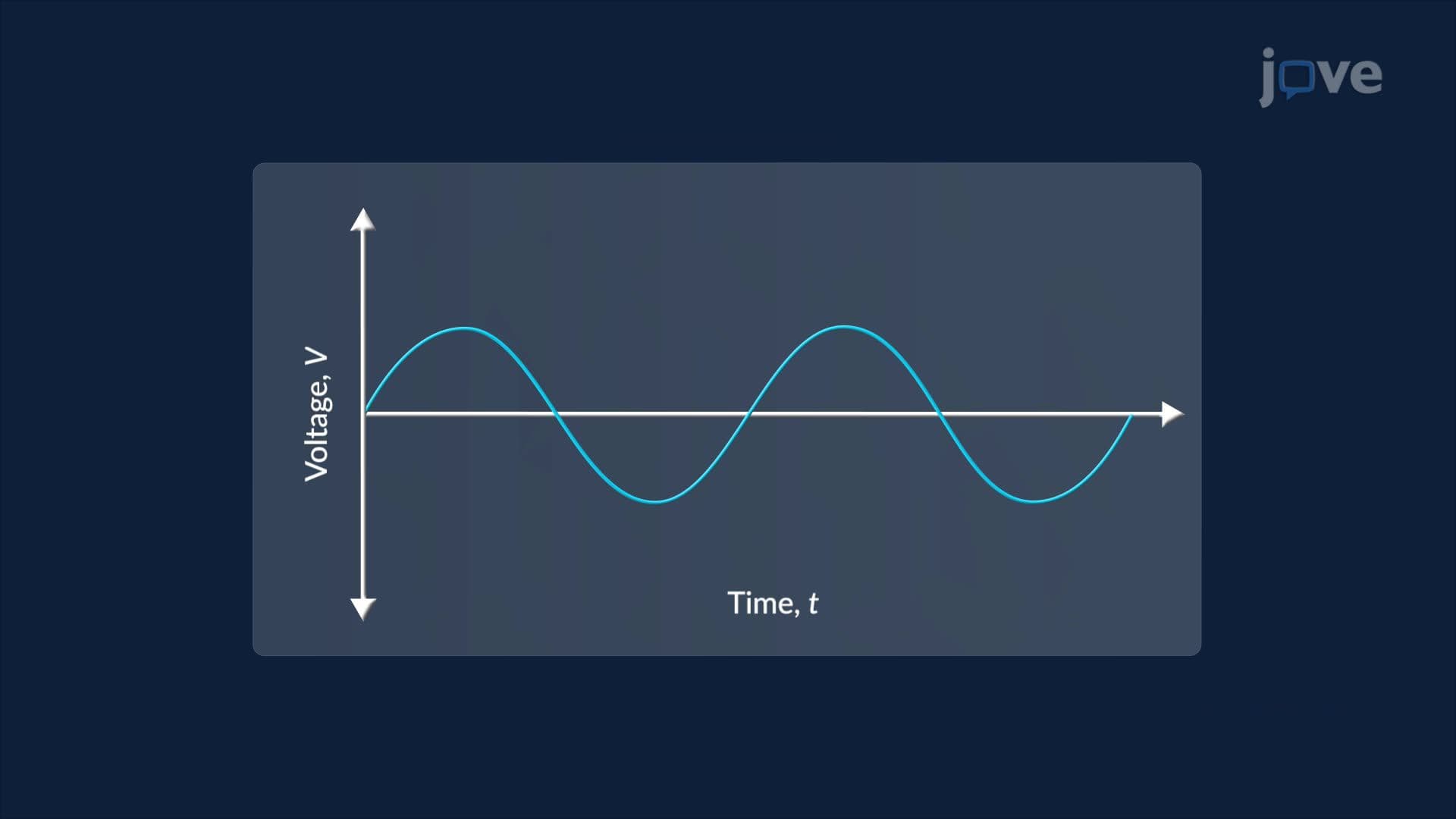










Differentiation Applications explores how derivatives solve real-world problems across science, engineering, business, and medicine. Powered by JoVE Coach, this micro-course covers optimization problems, curve sketching, the Mean Value Theorem, L'Hôpital's Rule, and antiderivatives. Students learn how to use differentiation to find maximum and minimum values, analyze graph behavior, model linear motion, and apply Newton's Method to complex equations arising in US academic and professional contexts.
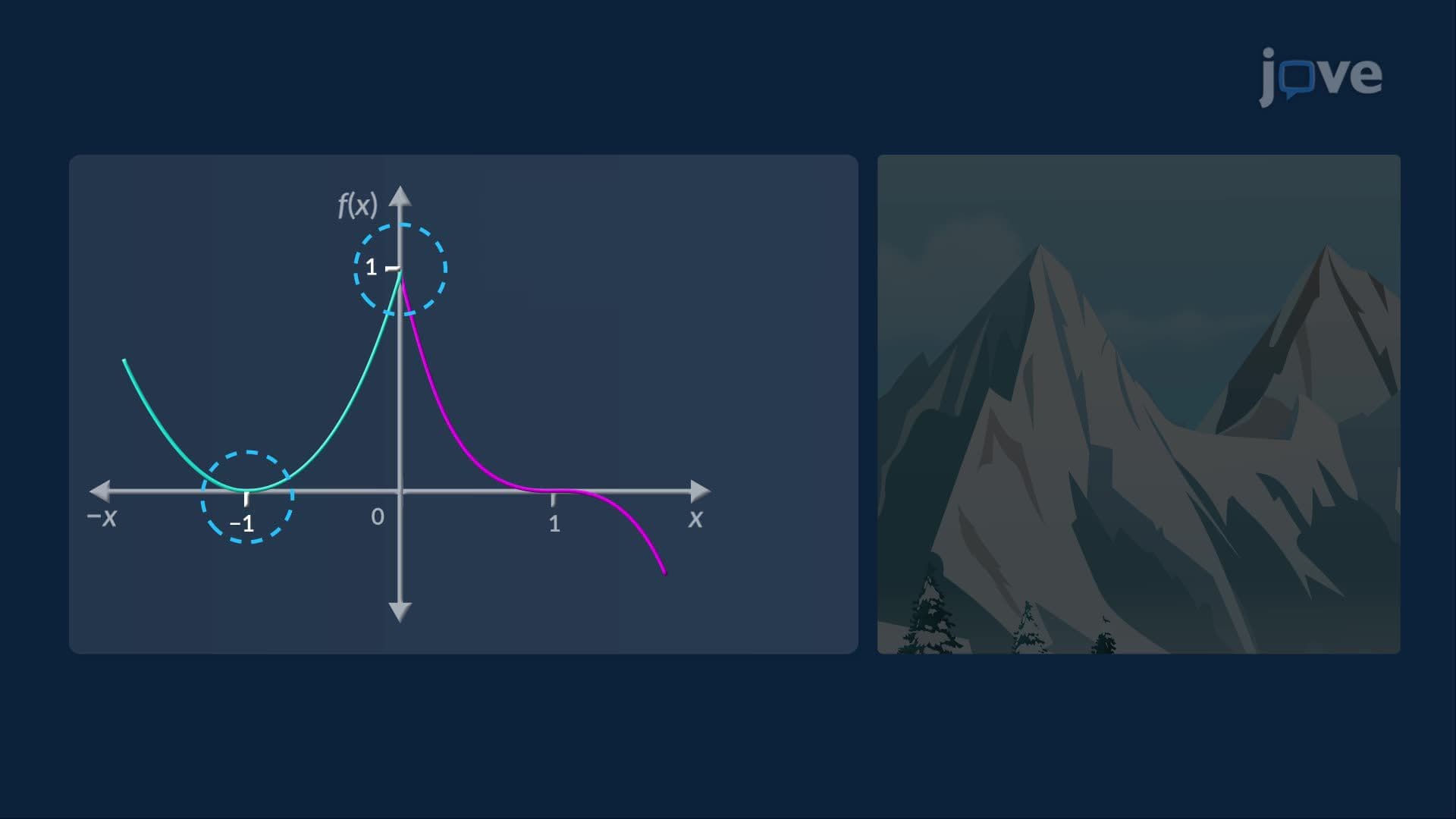
1. Absolute and Local Extreme Values The Extreme Value Theorem guarantees that any continuous function on a closed interval has both an absolute maximum and an absolute minimum. Local extrema occur at peaks and valleys within the interval, while absolute extrema represent the overall highest and lowest values. Real-world examples include identifying the highest and lowest temperatures over a 24-hour period or determining the safe voltage range in an alternating current circuit. These concepts underpin engineering safety standards and environmental data analysis across the United States.
2. Critical Numbers and the Closed Interval Method Critical numbers are domain values where the derivative equals zero or is undefined. Fermat's Theorem states that local extrema must occur at critical numbers, though not every critical number produces an extremum. The Closed Interval Method identifies absolute extrema in three steps: find critical numbers inside the open interval, evaluate the function at those points, and evaluate at both endpoints. Comparing all resulting values identifies the absolute maximum and minimum, an approach widely used in US engineering design and economic modeling.
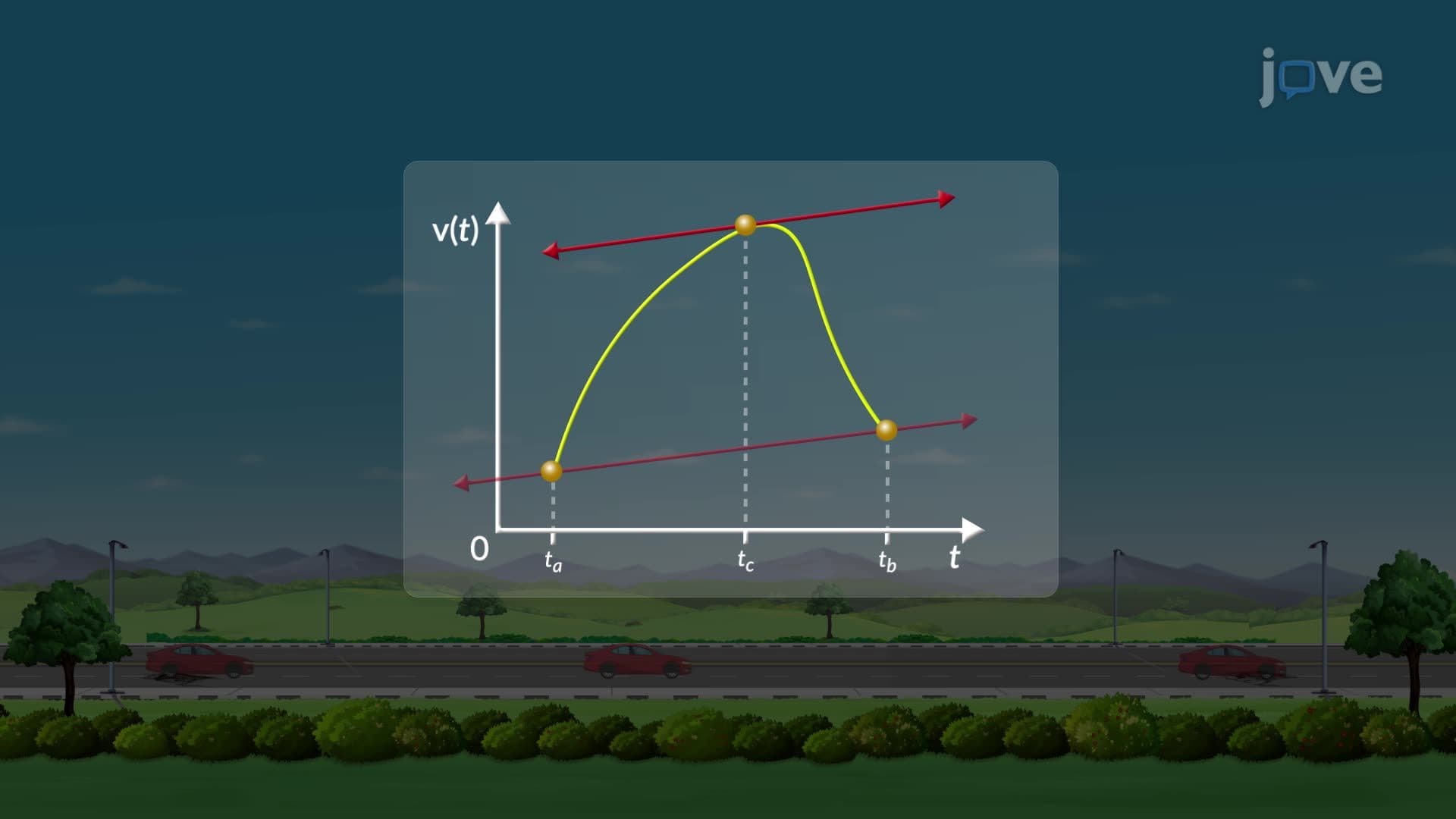
3. Rolle's Theorem and the Mean Value Theorem Rolle's Theorem states that a function continuous on a closed interval, differentiable on the open interval, and equal at both endpoints must have at least one point inside where the derivative equals zero. The Mean Value Theorem extends this idea: if the same continuity and differentiability conditions hold, at least one interior point must exist where the instantaneous rate of change equals the average rate of change across the interval. These theorems are foundational in AP Calculus proofs and appear frequently in US university-level analysis courses.
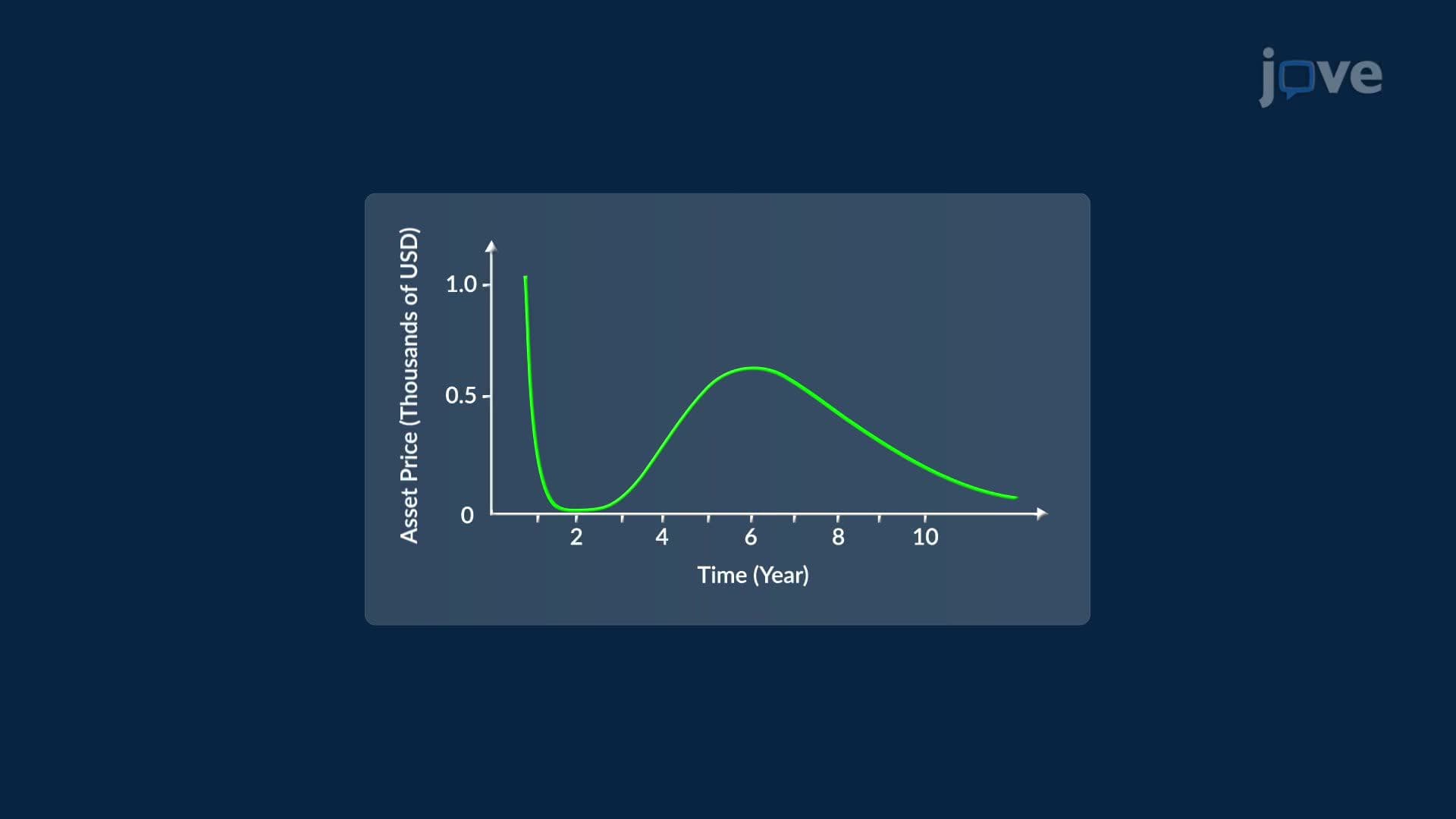
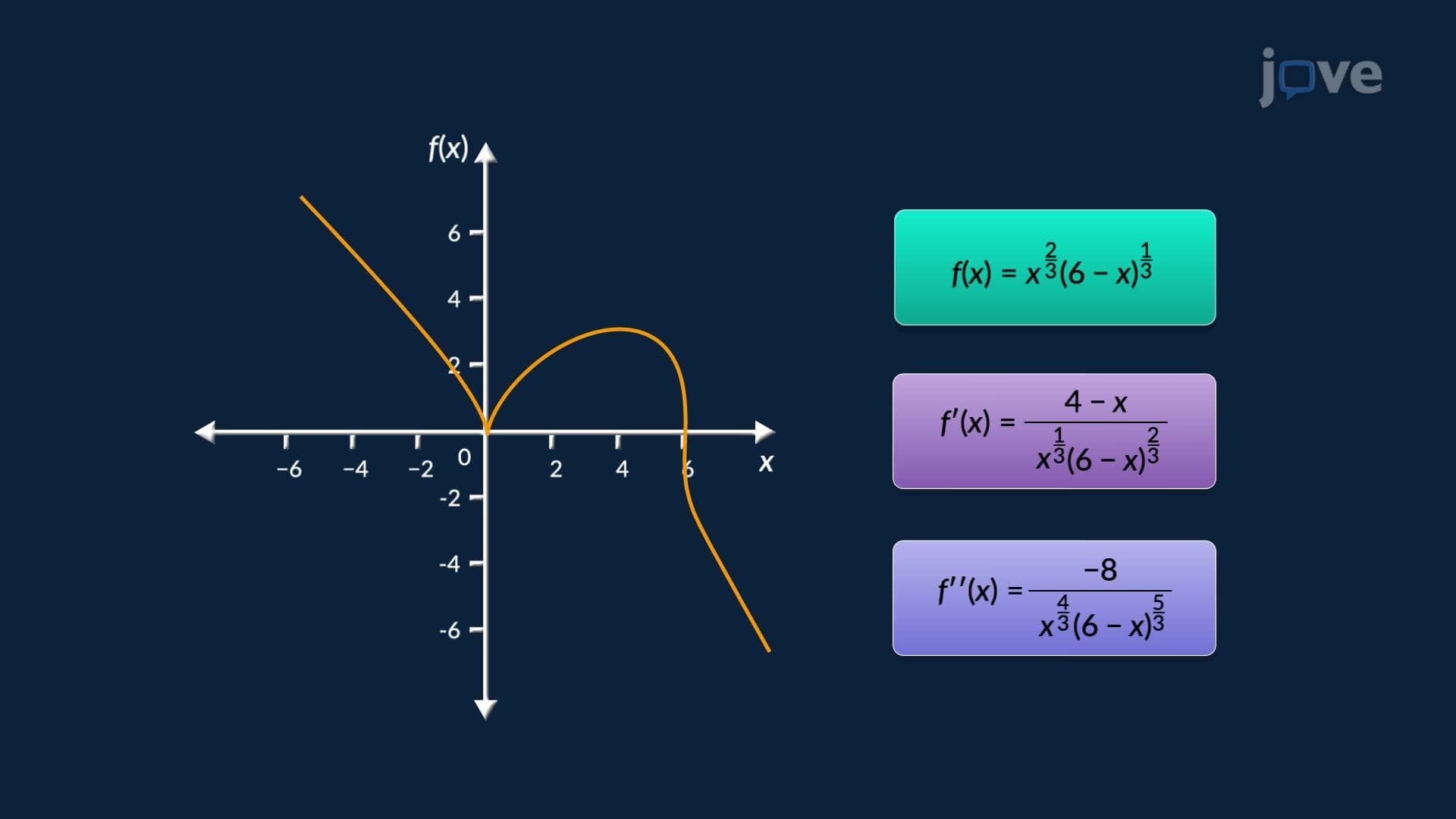
4. First Derivative Test and Graph Shape The first derivative reveals whether a function is increasing or decreasing at any point. A positive derivative indicates an upward-sloping graph; a negative derivative indicates a downward slope. At critical points, the sign change of the derivative determines whether a local maximum or minimum exists. If the sign shifts from positive to negative, the function reaches a local maximum; negative to positive indicates a local minimum. No sign change means neither extremum is present. Applications include tracking asset price movements in financial markets and modeling disease case counts during public health emergencies.
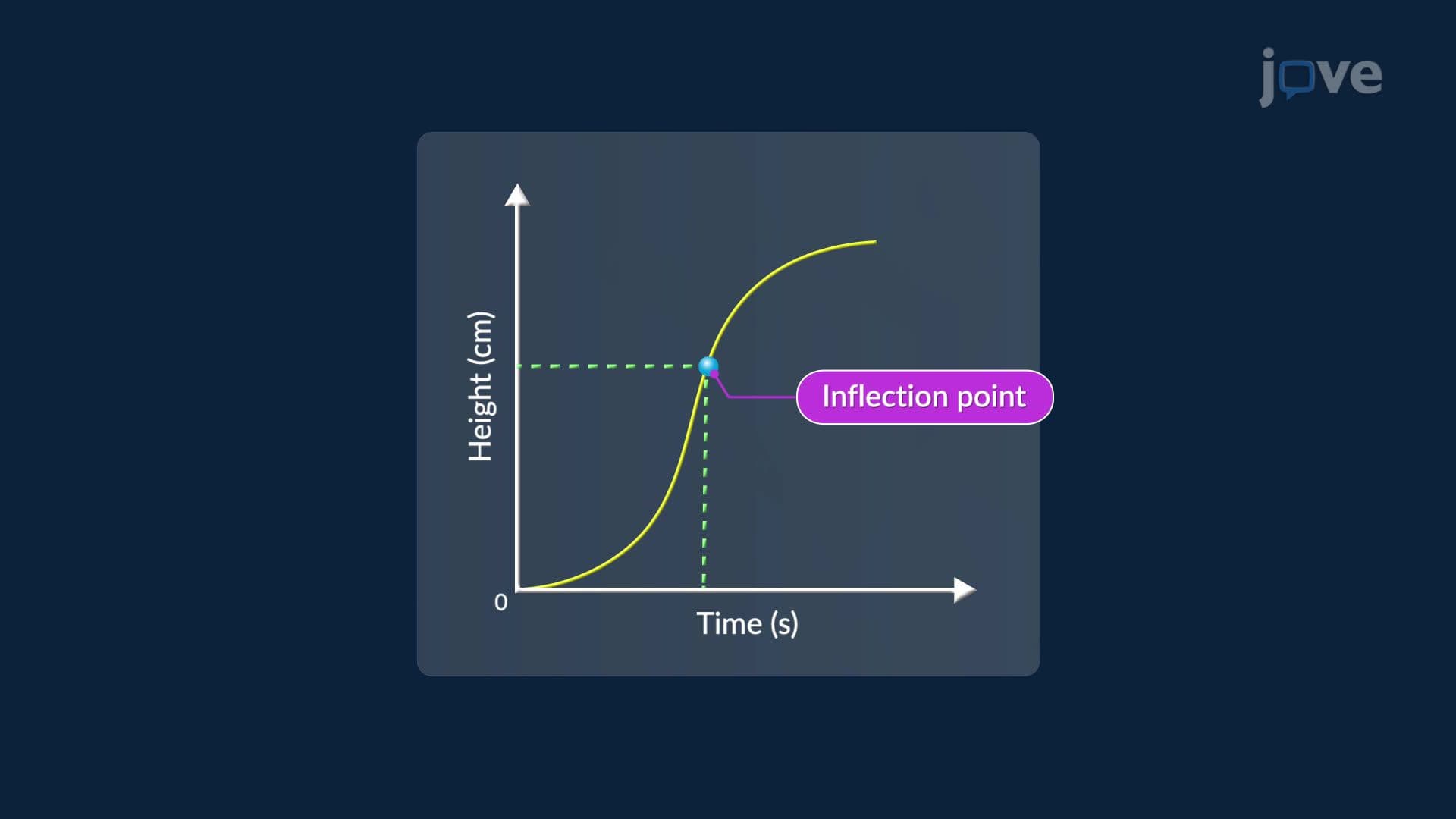
5. Second Derivative Test and Concavity The second derivative describes how the slope itself changes, revealing the curvature of a graph. A positive second derivative indicates a concave-up region where the graph bends upward; a negative second derivative signals a concave-down region. Inflection points occur where concavity changes direction, identified where the second derivative equals zero or is undefined. The second derivative test at critical points confirms whether each is a local maximum or minimum. In marketing analysis, concavity of an advertising-return curve tells businesses whether additional spending produces growing or diminishing returns.
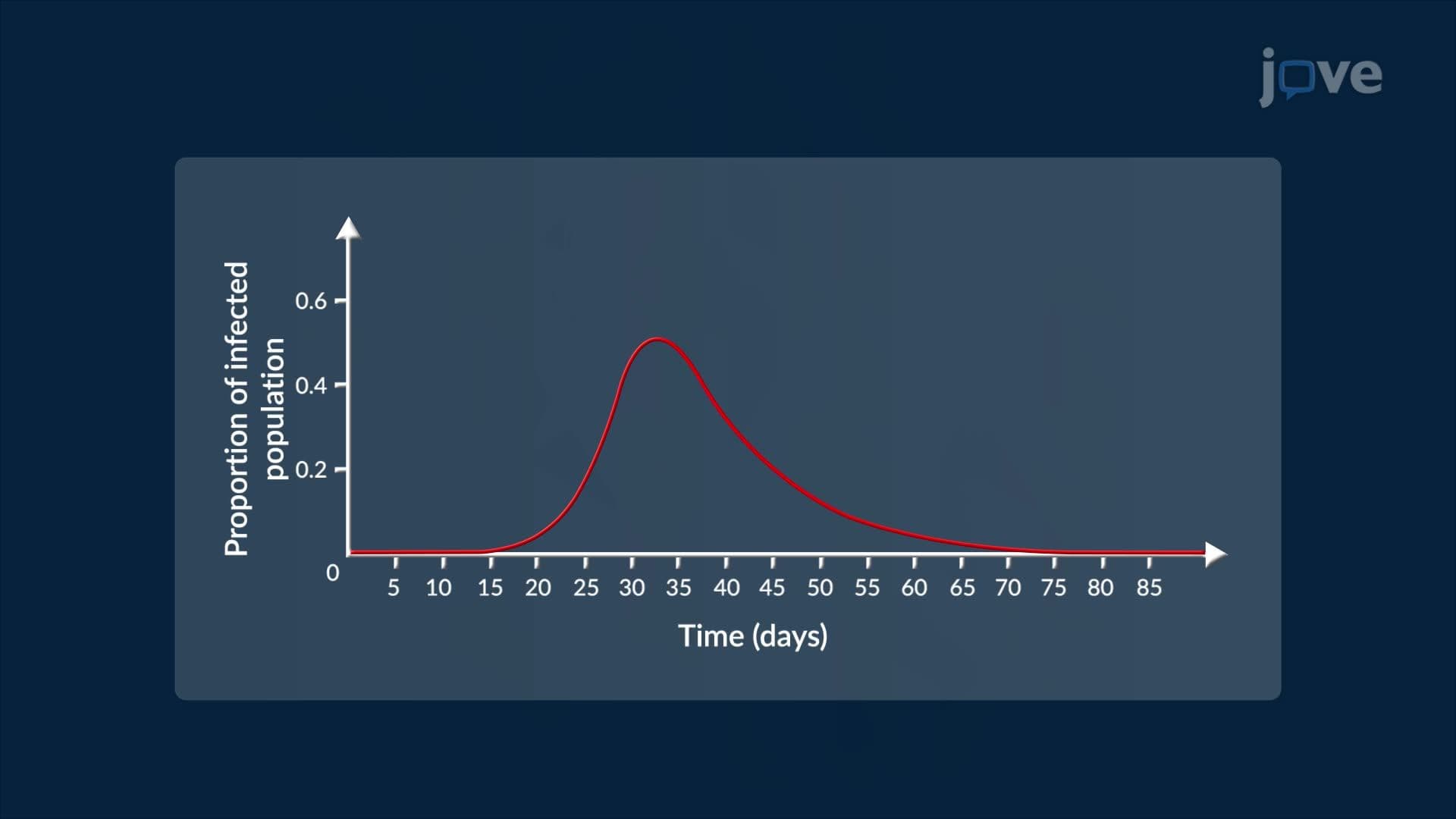
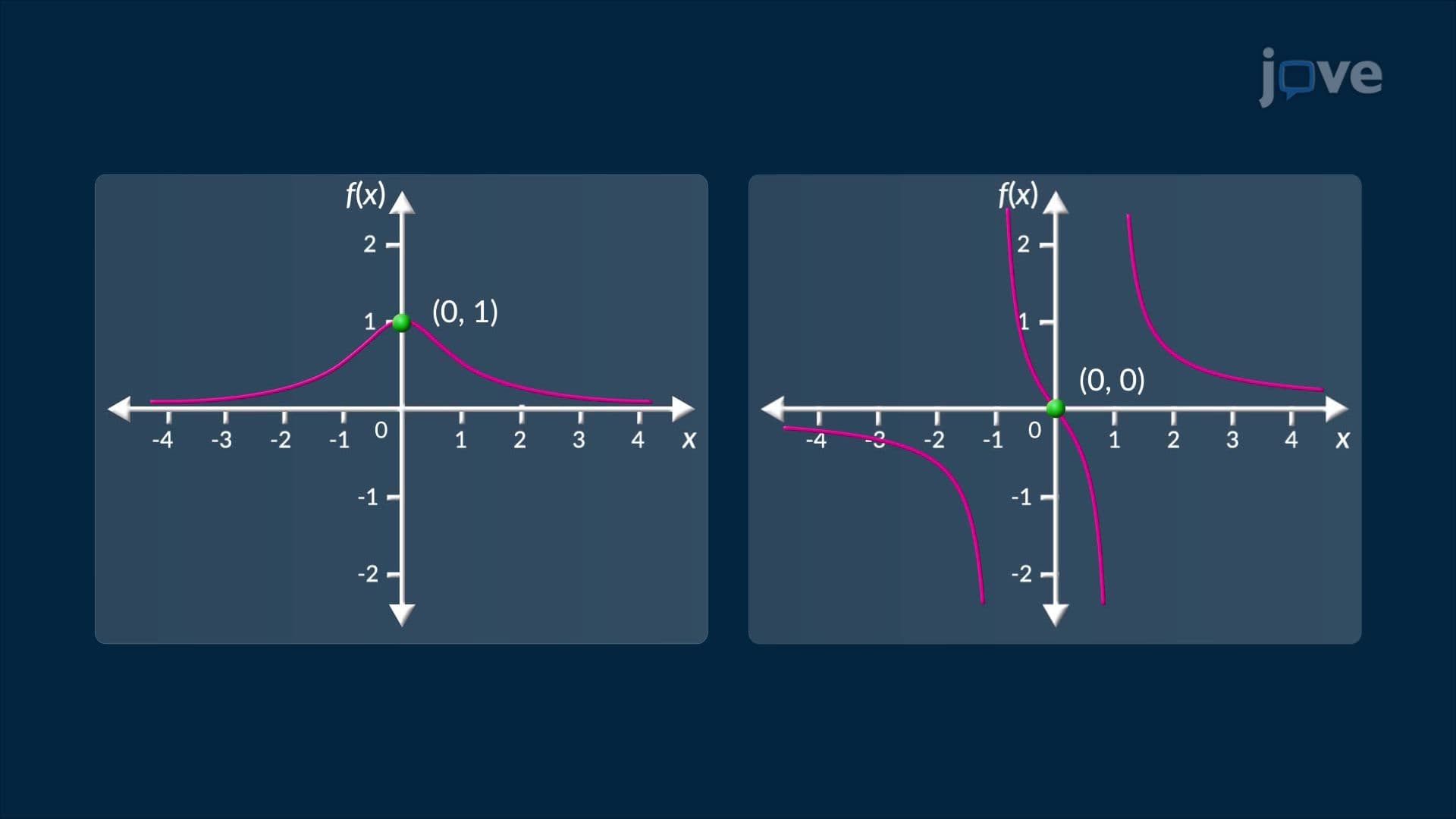
6. Curve Sketching and Asymptotes Accurate curve sketching combines domain analysis, intercepts, symmetry, asymptote identification, and first and second derivative information. Vertical asymptotes occur where the denominator equals zero in rational functions. Slant asymptotes appear when the numerator's degree exceeds the denominator's by exactly one, found using polynomial long division. Horizontal asymptotes describe long-run behavior when degrees are equal or the denominator dominates. Together, these features enable accurate hand-drawn graphs, a skill tested on AP Calculus exams and essential for interpreting logistic growth models used in US epidemiology.
7. Indeterminate Forms and L'Hôpital's Rule Indeterminate forms such as zero over zero or infinity over infinity arise when direct substitution fails to resolve a limit. L'Hôpital's Rule states that, under appropriate differentiability conditions, the limit of a quotient equals the limit of the quotient of the derivatives. The process may be repeated if the indeterminate form persists. Indeterminate products, where one factor approaches zero and the other approaches infinity, can be rewritten as quotients before applying the rule. Real applications include modeling instantaneous bacterial growth rates from population data collected over shrinking time intervals in US biological research.
8. Optimization Problems Optimization uses derivatives to find the maximum or minimum value of a function subject to real-world constraints. Classic examples include maximizing a store's weekly revenue by identifying the ideal selling price for a product, or determining the longest rod that can navigate a right-angle corner between two hallways. The process involves writing an objective function, finding its critical numbers, and confirming the result using the first or second derivative test. Optimization problems appear extensively in AP Calculus, college engineering courses, and US business curricula, making them one of the highest-yield topics in applied calculus.
9. Newton's Method Newton's Method provides an iterative technique for approximating roots of equations that resist algebraic solutions. Starting from an initial estimate, a tangent line is drawn at that point, and its x-intercept becomes the next approximation. Each iteration applies the formula: new estimate equals the previous estimate minus the function value divided by its derivative at that point. Repeated application converges toward the actual root. Practical US applications include estimating interest rates on car loans described by nonlinear repayment equations, a scenario where standard algebra cannot isolate the variable but Newton's Method provides a precise numerical solution.
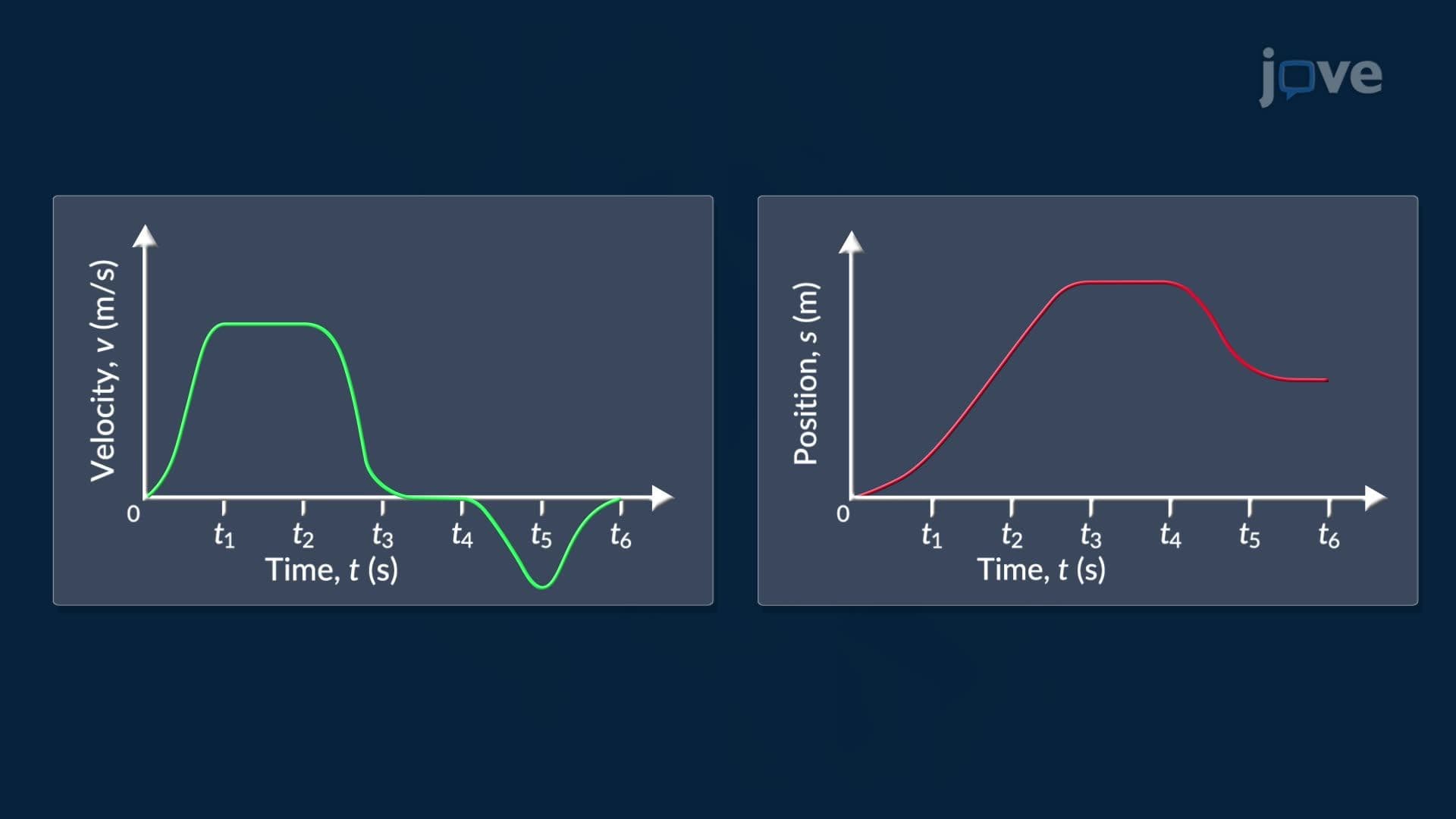
10. Antiderivatives and Linear Motion An antiderivative reverses differentiation, recovering an original function from its derivative. Because the derivative of any constant equals zero, a constant of integration C is always included to represent the full family of antiderivatives. In linear motion problems, integrating acceleration produces a velocity function, and integrating velocity produces a displacement function. Initial conditions, such as starting velocity or initial position, determine the value of C. A practical example involves calculating the braking distance of a car decelerating uniformly before reaching an obstacle 800 meters away, linking acceleration, velocity, and displacement through sequential integration.