Loading video…

 19 Concepts
 5.7K views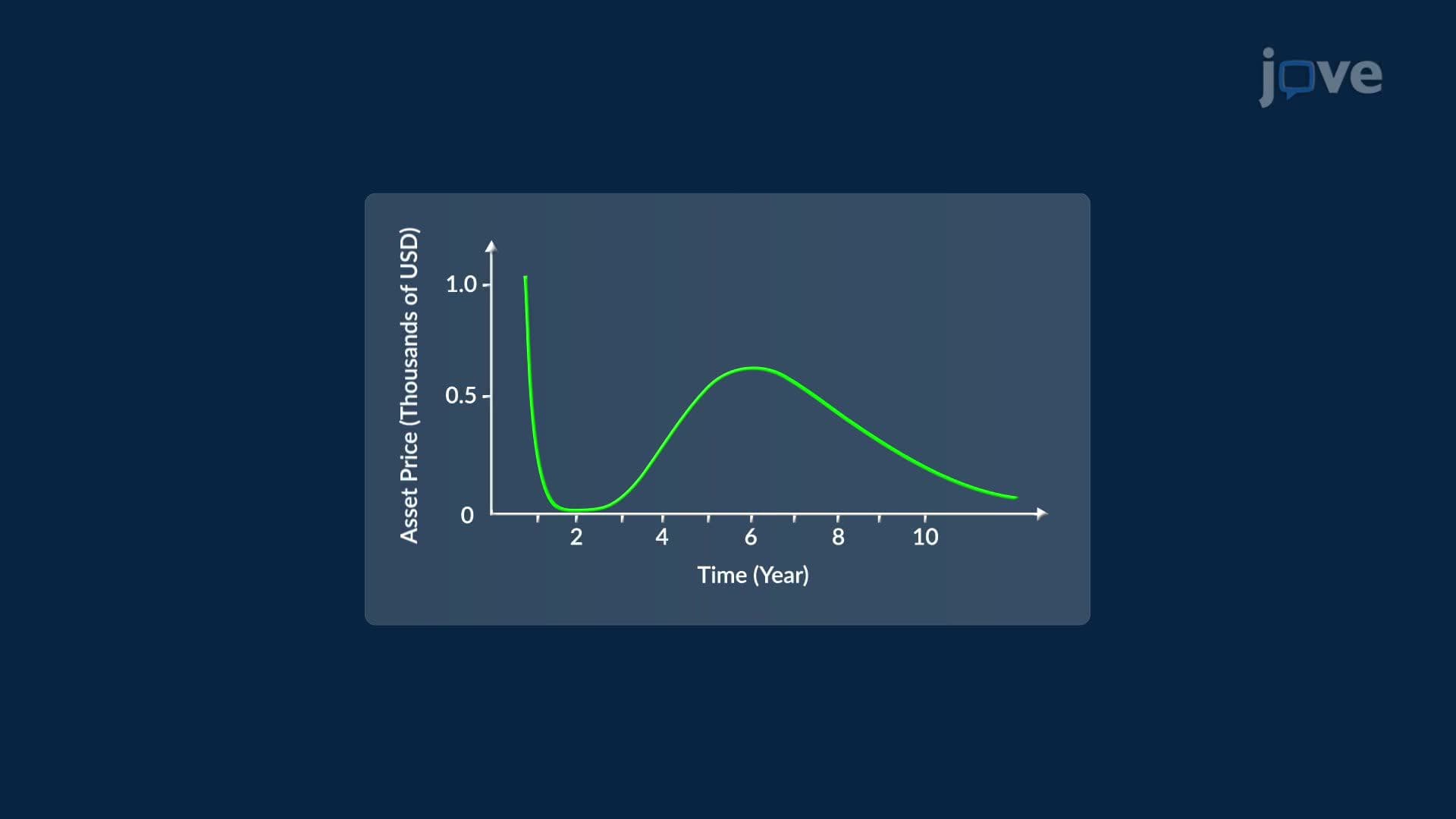

Video Summary: Problem Solving in First Derivative Test
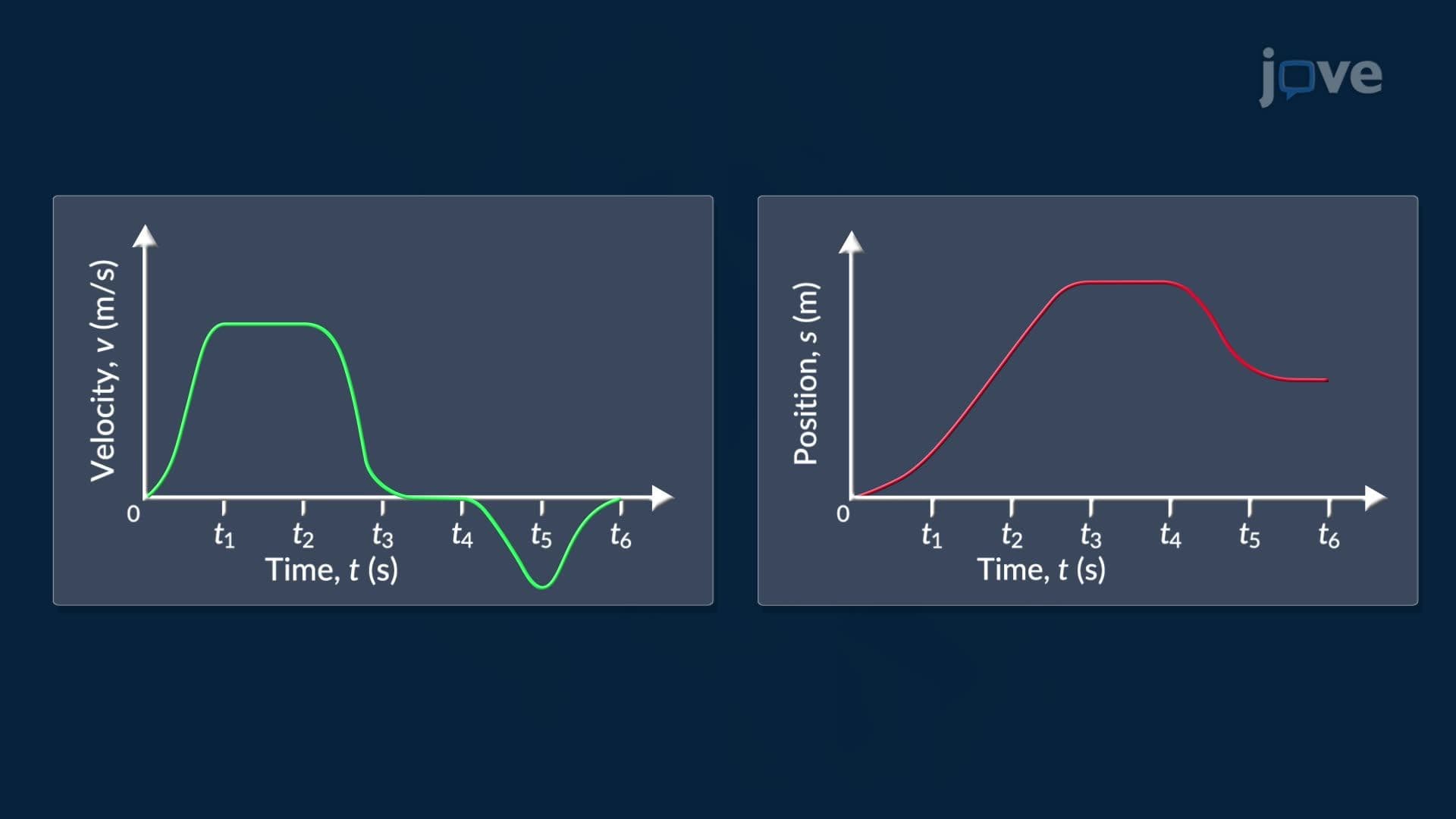
Did you know that Wall Street analysts use calculus to pinpoint the exact moment a stock hits its peak or bottom? Problem solving in first derivative test makes this possible. This concept, Problem Solving in First Derivative Test, reveals how derivatives detect local maxima and minima by tracking sign changes across critical intervals. Watch the full video on JoVE Coach to master this concept with expert-led visuals and step-by-step explanations.
Calculus would be incomplete without a reliable method for finding where functions reach their peaks and valleys. Problem solving in first derivative test is exactly that method, a structured, step-by-step process that uses the sign of a function's derivative to classify critical points as local maxima, local minima, or neither. This technique appears across AP Calculus AB and BC curricula, college Calculus I courses, and standardized assessments, making it one of the most tested and practically useful skills in introductory calculus.
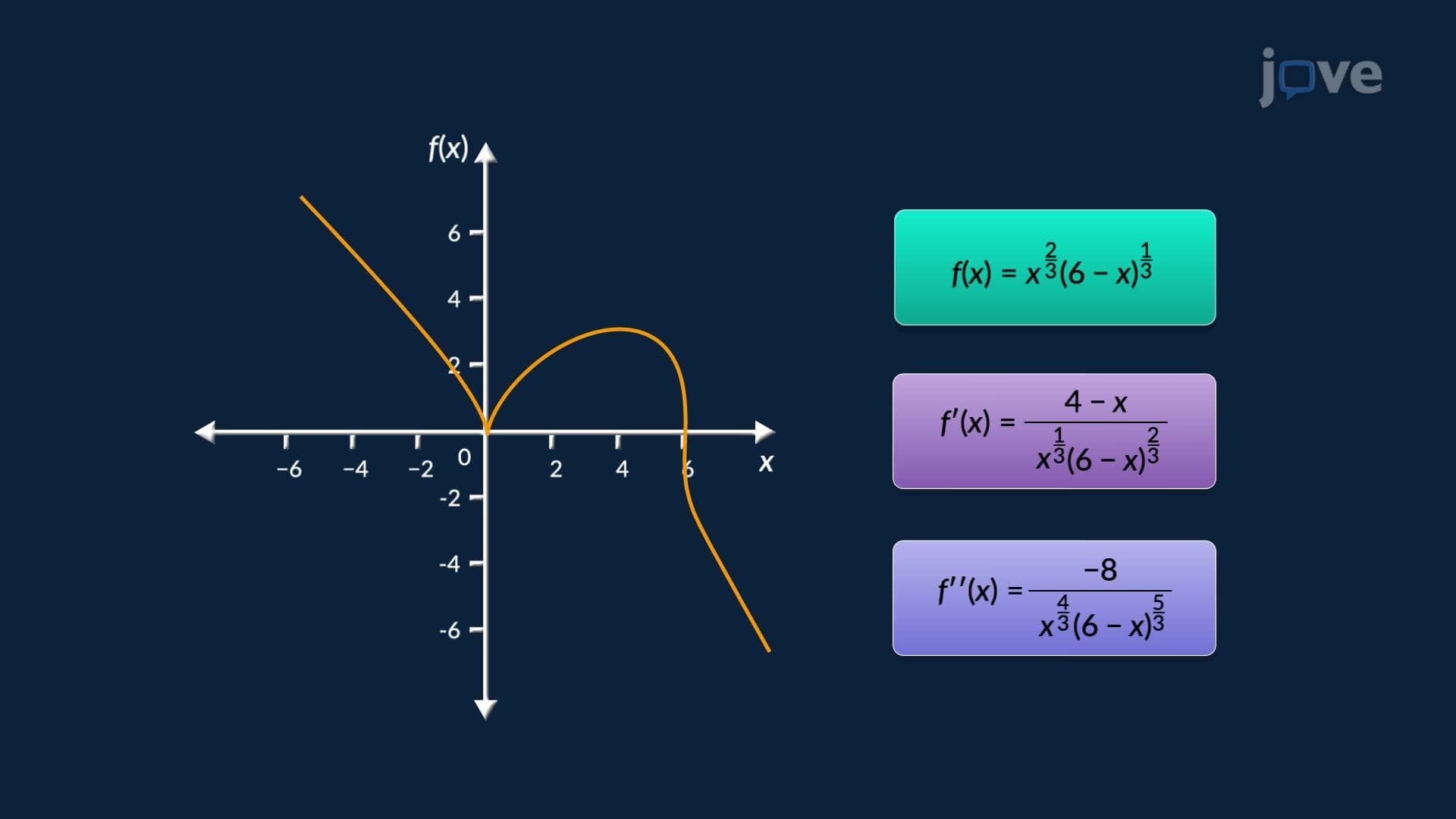
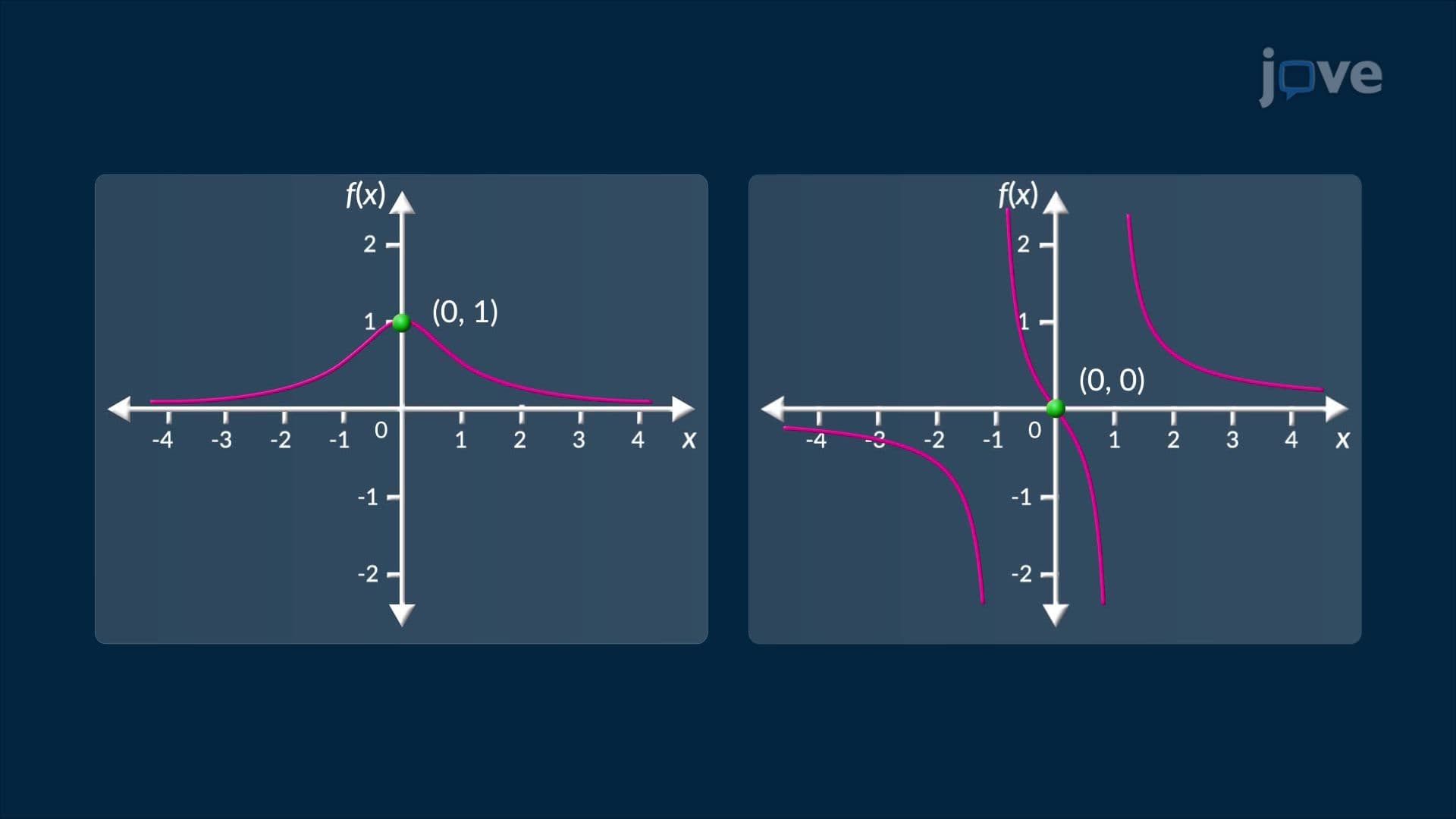
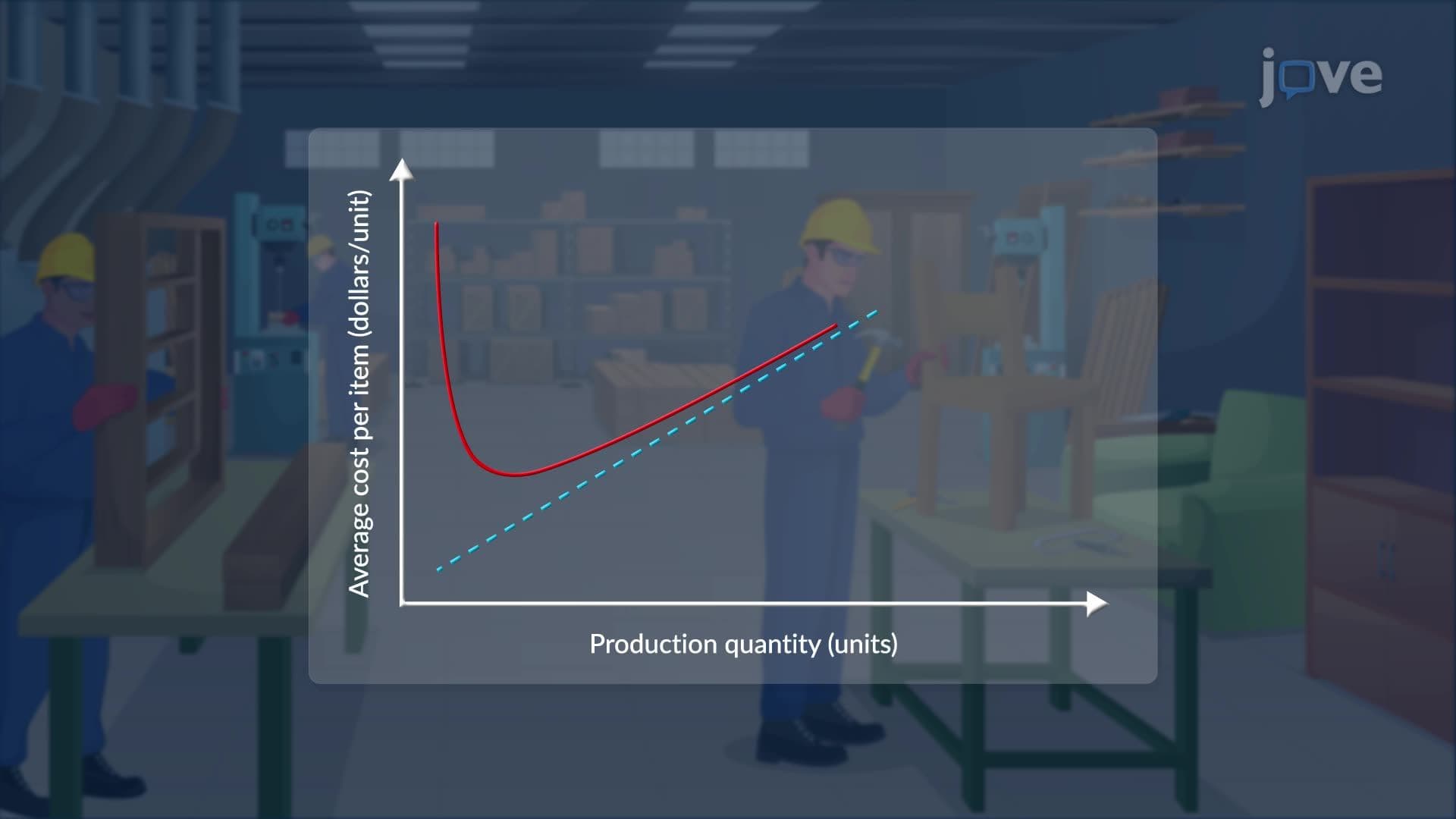
A critical point occurs wherever the first derivative of a function equals zero or is undefined. These are the candidate locations for local maximum and minimum values, collectively called local extrema. For example, in an economics course at UCLA or MIT OpenCourseWare's Calculus sequence, students model revenue functions and use critical points to identify the production quantity that maximizes profit. Not every critical point is an extremum, however, which is precisely why the first derivative test adds an extra layer of sign analysis to confirm classification.
Solving optimization problems with the first derivative test follows a clear algorithm:
1. Differentiate the function using appropriate rules, product rule, quotient rule, or chain rule depending on the function's structure. 2. Factor the derivative expression completely to isolate critical points efficiently. 3. Set the derivative equal to zero and solve for all critical x-values. 4. Create a sign chart by dividing the number line into intervals separated by each critical point. 5. Select a test point within each interval and evaluate the sign of the derivative, not necessarily its exact value. 6. Interpret sign changes: positive to negative means a local maximum; negative to positive means a local minimum; no sign change means neither. 7. Substitute critical x-values into the original function to find the actual local maximum and minimum values.
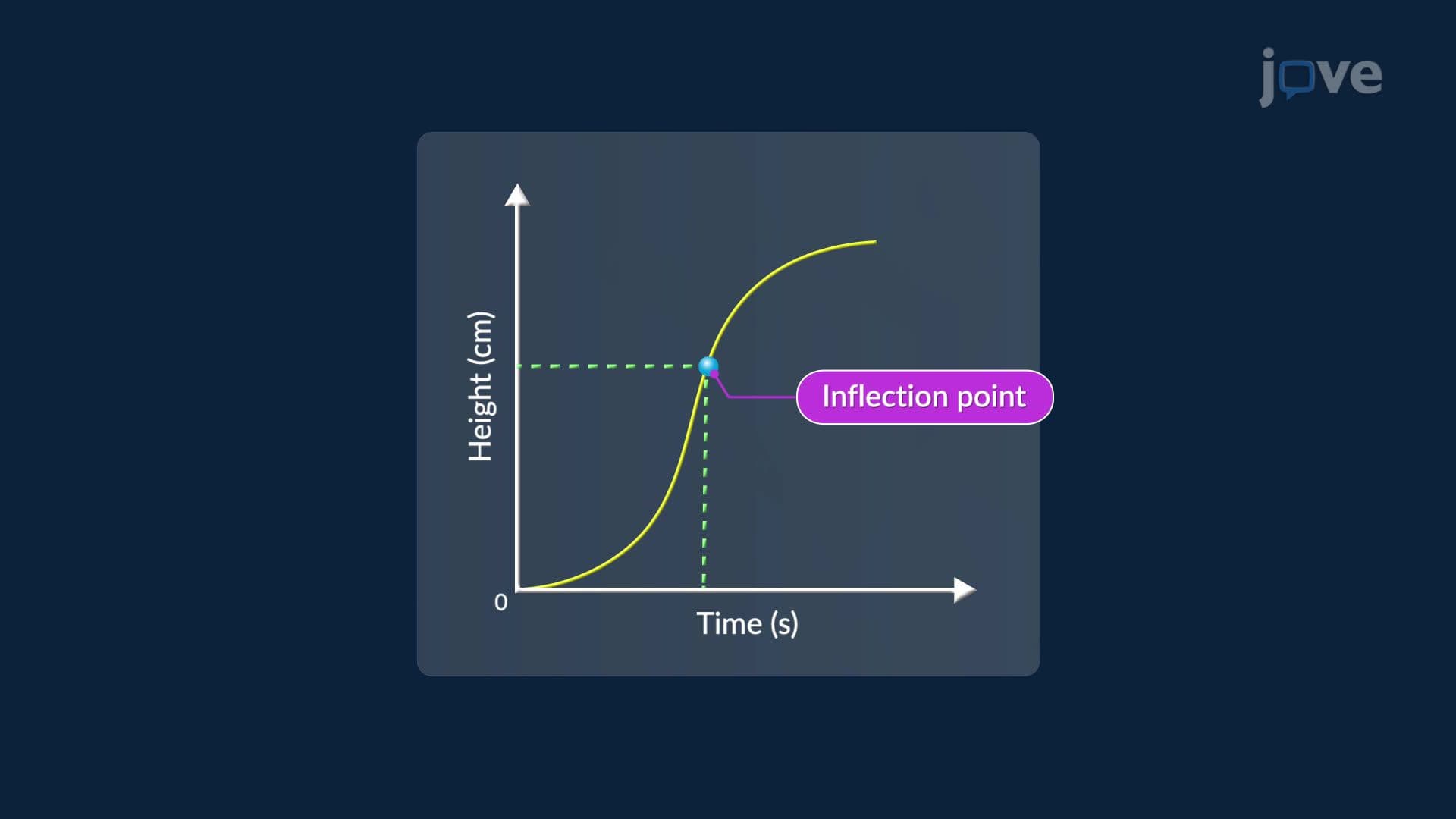
This process connects directly to curve sketching on the AP Calculus free-response section and is foundational to understanding concavity and inflection points studied alongside the second derivative.
Problem solving in first derivative test does not exist in isolation. It bridges naturally to several related ideas tested in US math courses:
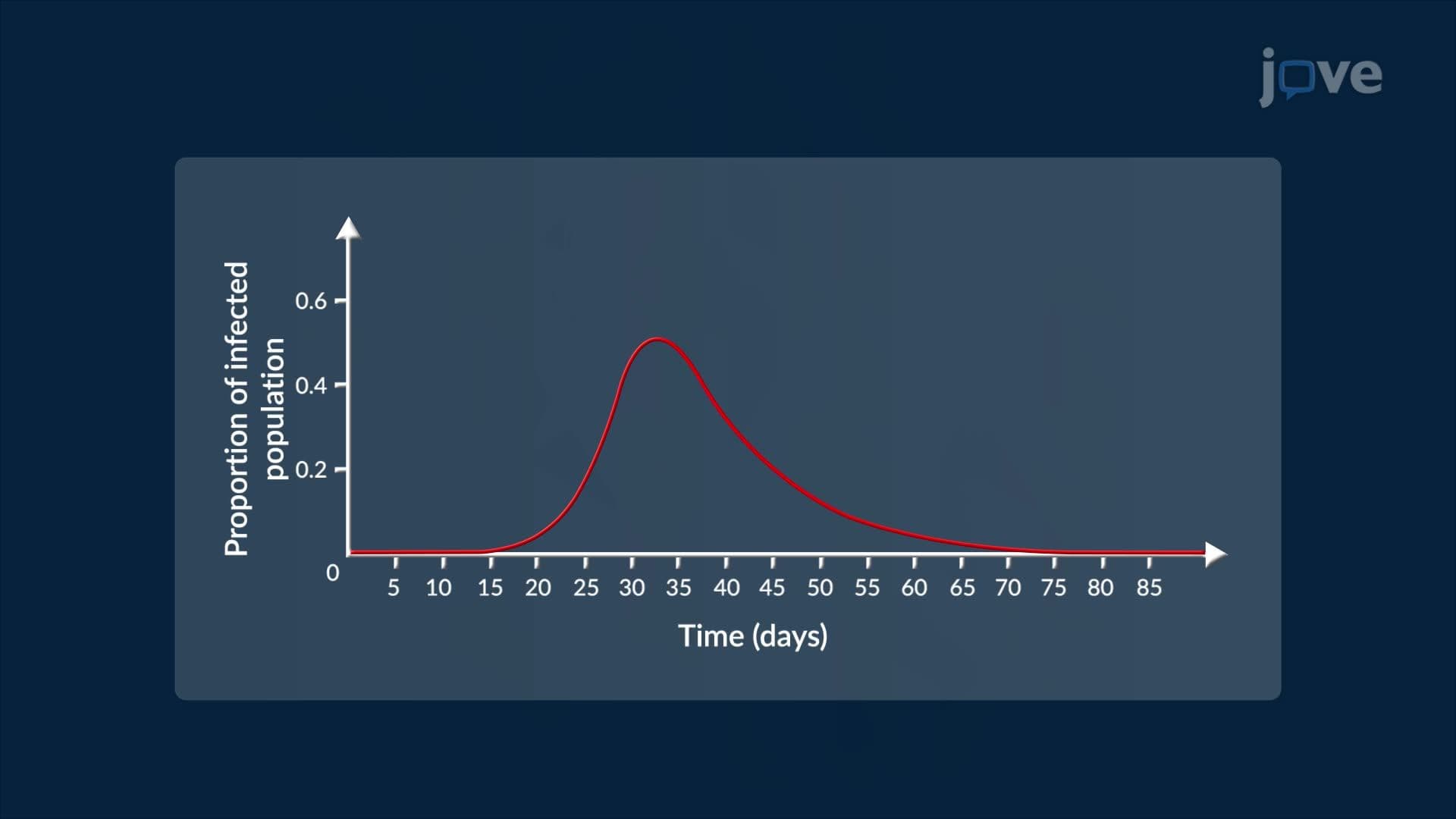
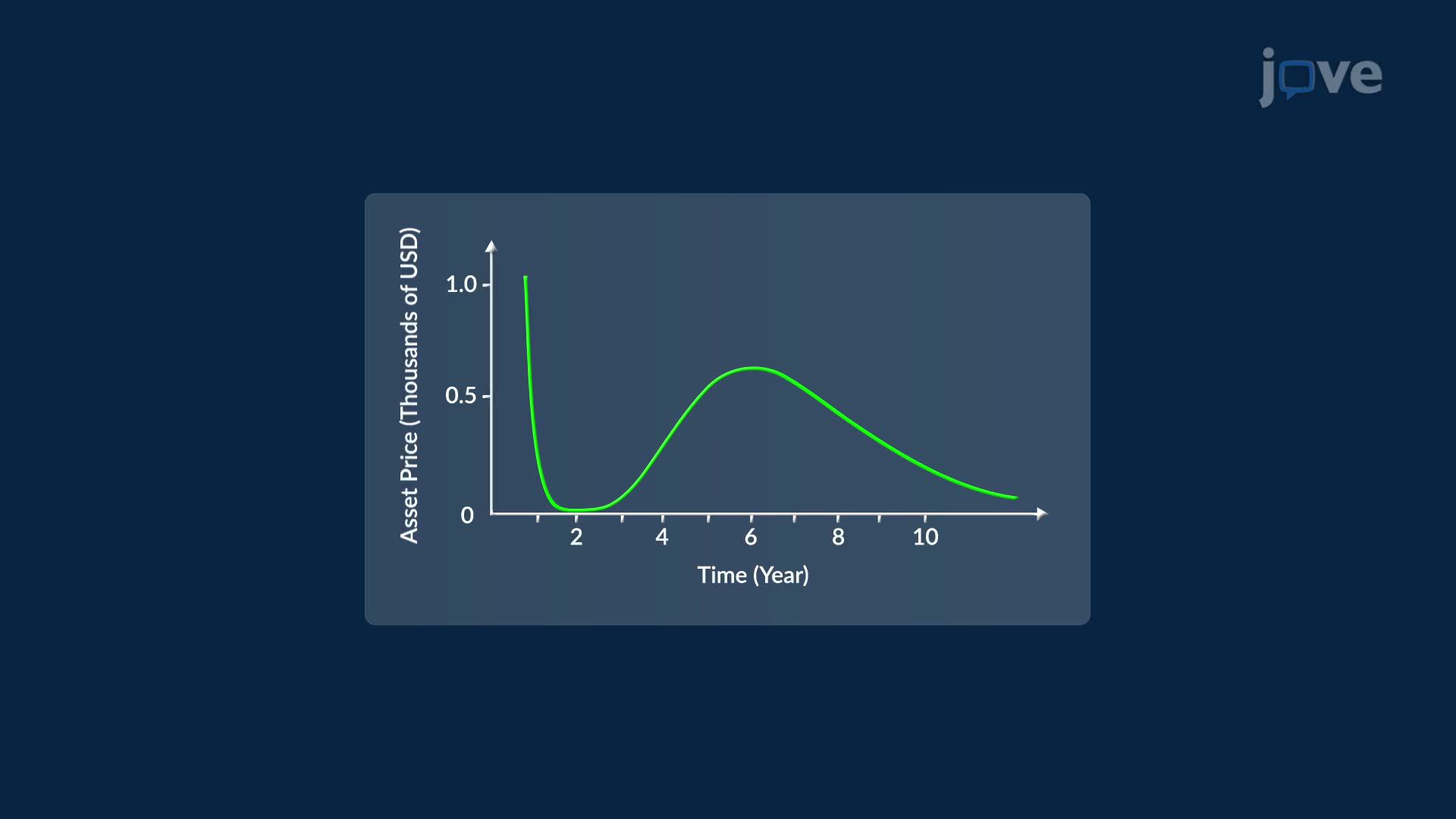
The first derivative test is not just an academic exercise. Financial analysts at firms like Goldman Sachs use derivative-based models to identify turning points in asset prices. Aerospace engineers at companies like Boeing apply optimization techniques rooted in the first derivative test to minimize drag on airframes. Even public health researchers model infection curves and use local extrema to determine when a disease outbreak peaks, a concept that became widely discussed during the COVID-19 pandemic in the United States. Mastering this test gives students a genuine analytical skill that transfers far beyond the exam room.
Related Micro-courses