Loading video…


 19 Concepts
 5.7K views

Video Summary: What are Indeterminate Products
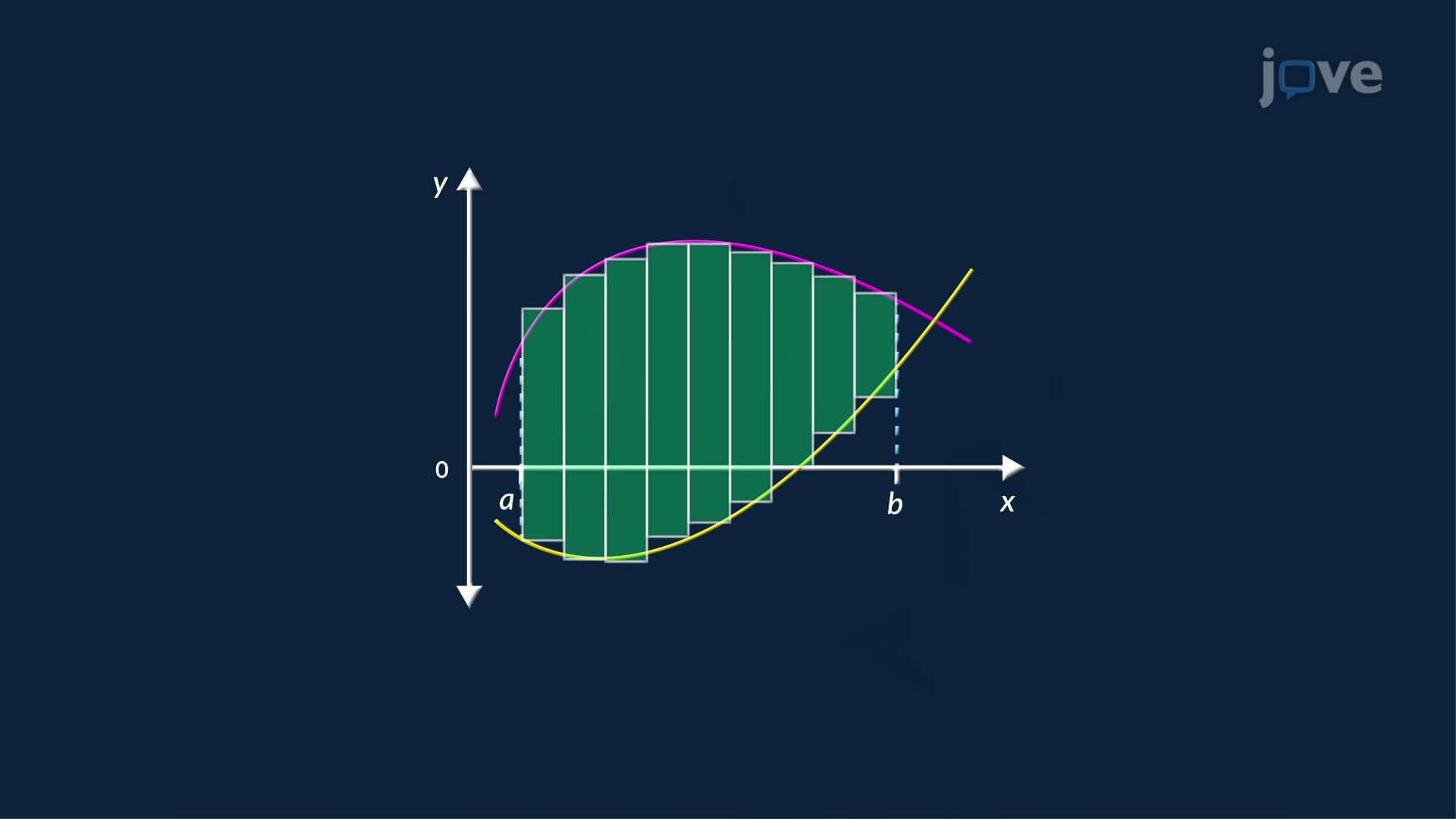
What if multiplying zero by infinity actually gives you a meaningful answer? Indeterminate products, a core idea in calculus, arise when one factor in a product shrinks to zero while the other grows without bound, leaving the outcome genuinely unclear. Think of a regular polygon inscribed in a circle: as the number of sides increases infinitely and each side length shrinks toward zero, the total perimeter still converges to the circle's finite circumference. Watch the full video on JoVE Coach to master this concept with expert-led visuals and step-by-step explanations.
Indeterminate products are a specific type of indeterminate form that emerges in calculus when computing the limit of a product where one factor approaches zero and the other approaches positive or negative infinity. The term "indeterminate" signals that the outcome is genuinely ambiguous, the limit could be zero, could be infinite, or could equal a specific finite number. This is counterintuitive: students often assume that "zero times anything large" must be zero, but that reasoning breaks down when infinity is involved. Understanding indeterminate products is essential for correctly evaluating limits and forms a critical building block in differential calculus.
The standard strategy for resolving an indeterminate product is algebraic rewriting. If a limit has the form f(x) · g(x), where f(x) → 0 and g(x) → ±∞, the product can be rewritten in two equivalent quotient forms:
Both forms are valid candidates for L'Hôpital's Rule, which states that if a limit produces a zero over zero or infinity over infinity form, you may take the derivative of the numerator and denominator separately and re-evaluate. In practice, one form almost always leads to simpler derivatives than the other. Choosing the right form is a skill built through practice, and it directly affects how quickly and cleanly you reach the answer.
Consider the one-sided limit as x approaches zero from the right of the product x · ln(1 on x). The first factor, x, shrinks to zero. The second factor, ln(1 on x), grows toward positive infinity. Rewriting as ln(1 on x) on (1 on x) creates an infinity over infinity form. Applying L'Hôpital's Rule by differentiating numerator and denominator separately yields a simplified expression whose limit evaluates to zero, a finite, definite answer from an apparently indeterminate situation. This type of problem appears regularly on AP Calculus AB and BC exams, college midterms, and in university-level calculus courses across the United States.
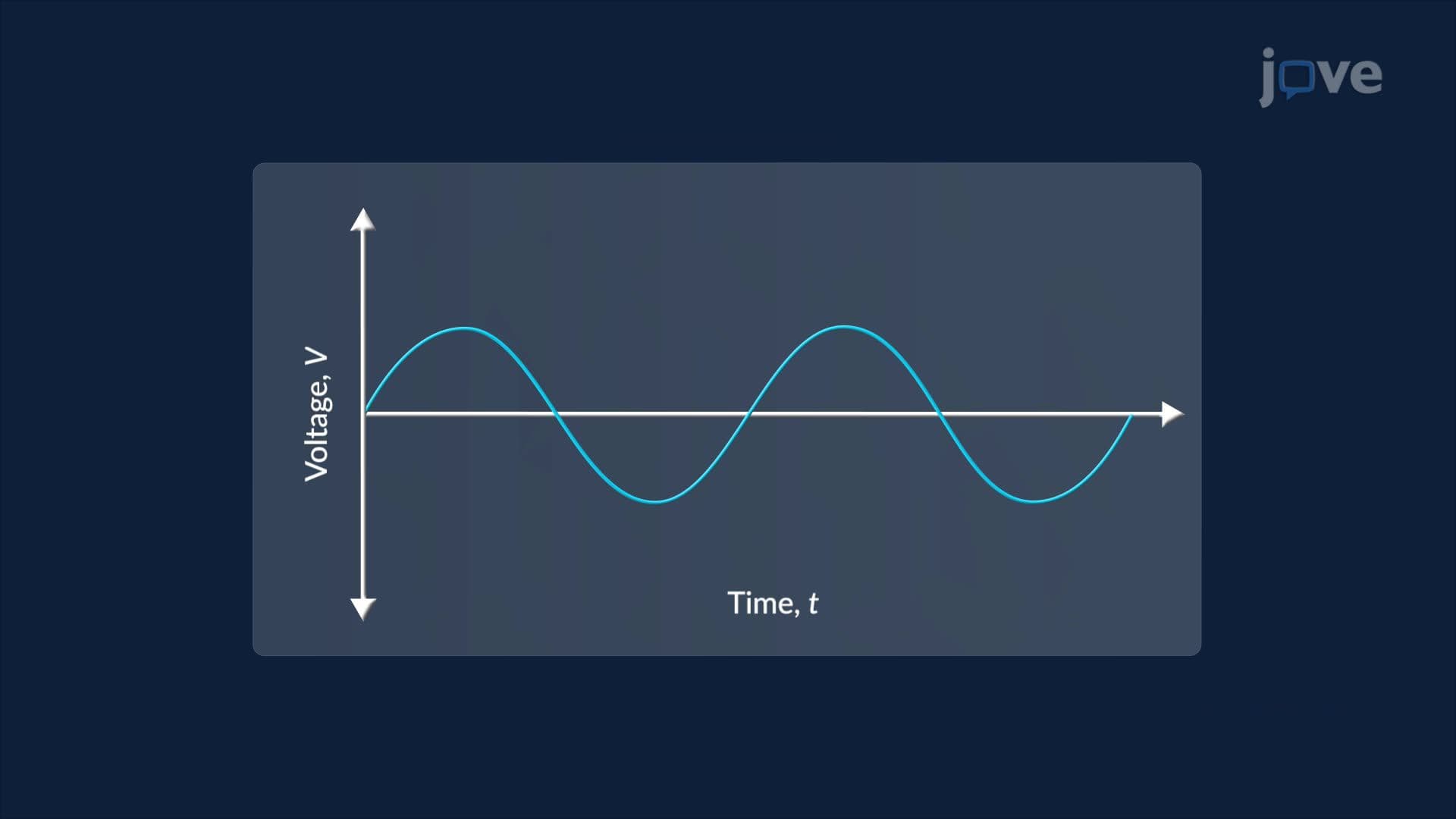
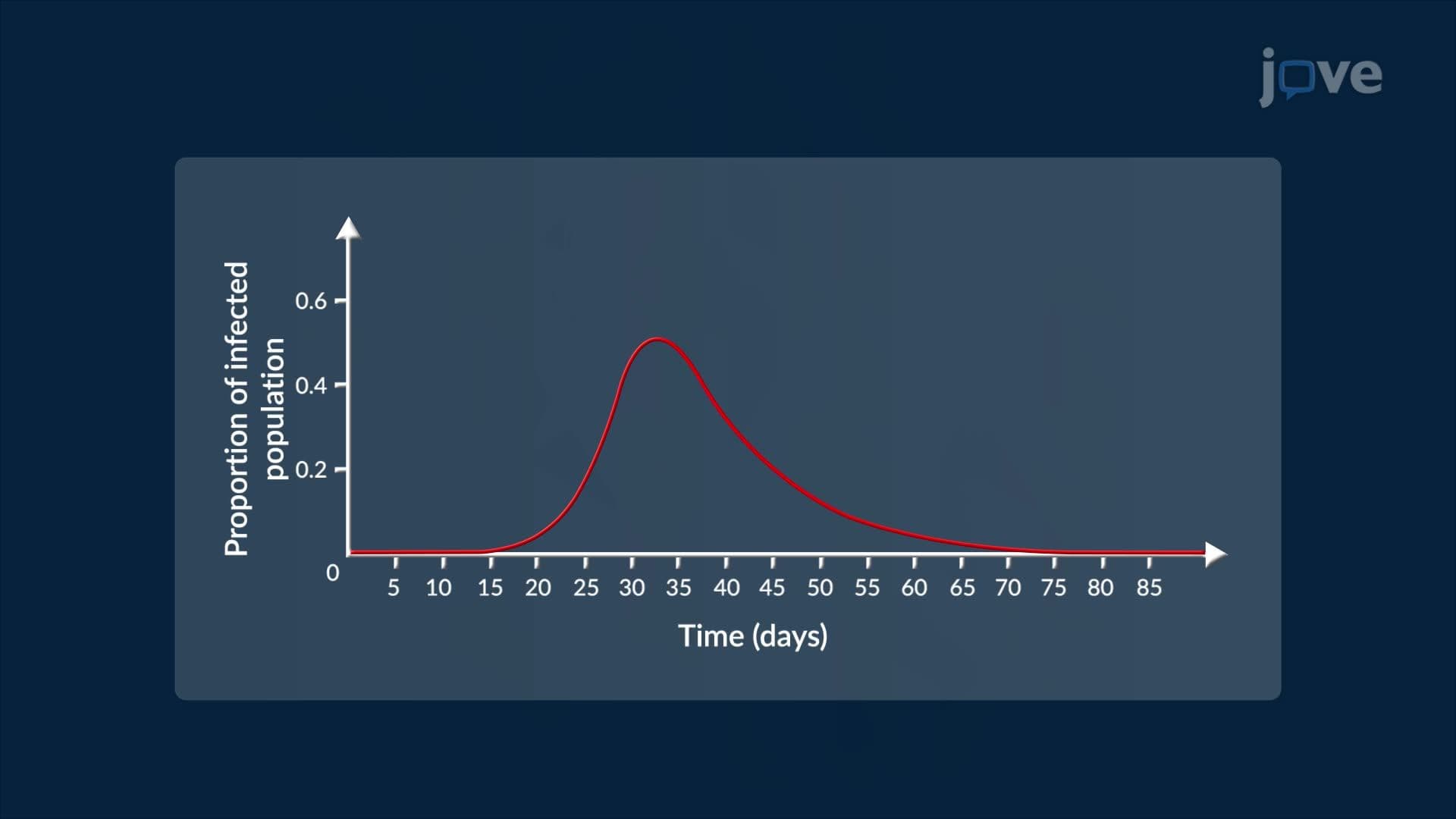
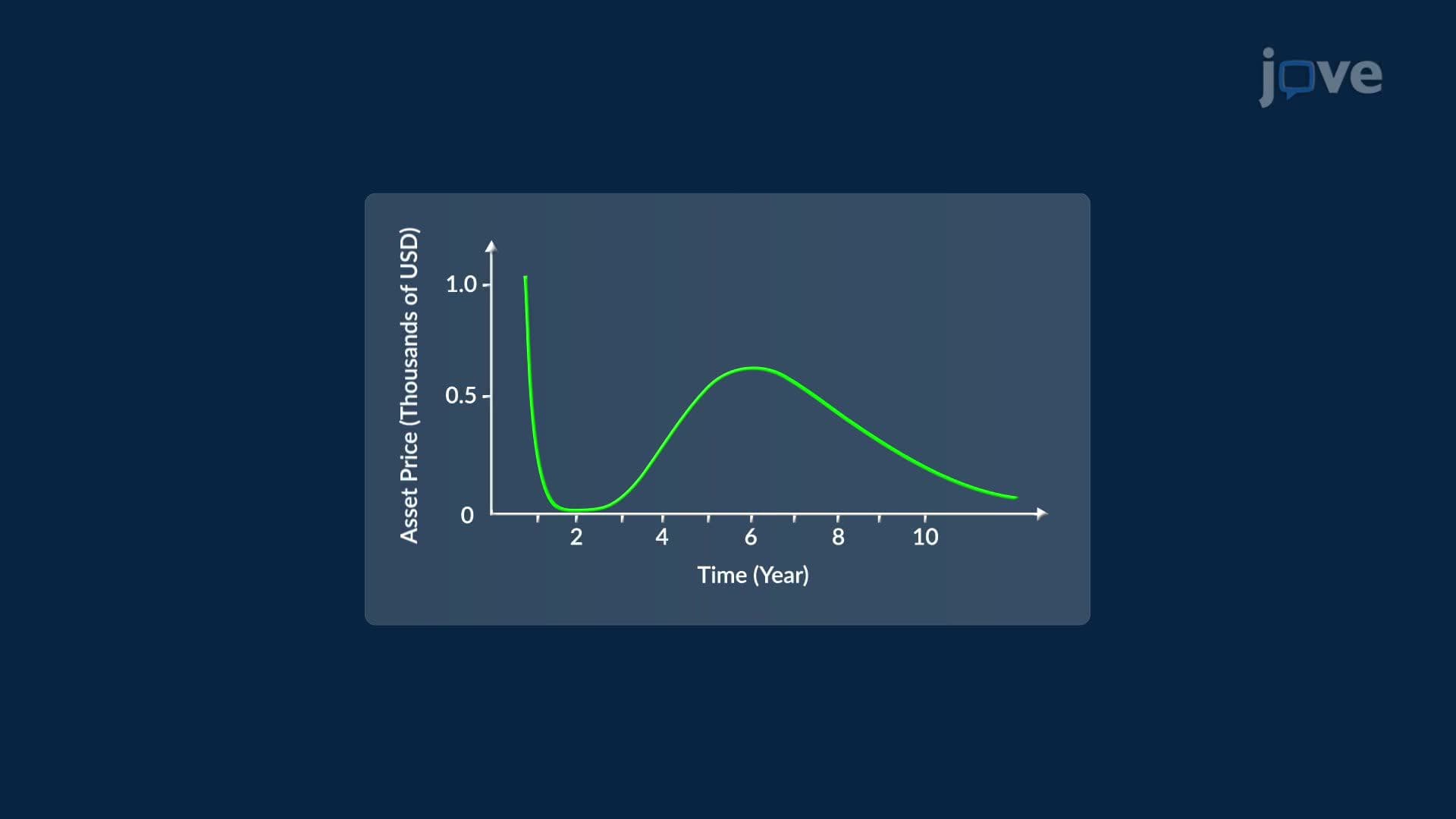
Indeterminate products are not just abstract exercises. They arise naturally in several applied calculus contexts:
In US university engineering and physics programs, these skills are expected by the second semester of calculus. Recognizing an indeterminate product quickly and choosing the most efficient algebraic rewrite is a high-value test-taking skill for AP Calculus, college placement exams, and STEM course midterms alike.
Related Micro-courses