Loading video…


 19 Concepts
 5.7K views

Video Summary: Linear Motion in Application of Antiderivatives
Can a car traveling at 20 meters per second stop safely before hitting an obstacle 800 meters away? Linear motion in application of antiderivatives answers exactly that. This concept shows how integration connects acceleration, velocity, and displacement, essential tools in physics and engineering. Understanding linear motion in application of antiderivatives basics helps students model real-world motion problems with precision. Watch the full video on JoVE Coach to master this concept with expert-led visuals and step-by-step explanations.
One of the most powerful uses of integral calculus is translating abstract rate-of-change information into concrete physical outcomes. Linear motion in application of antiderivatives is the process of working backward from an object's acceleration, the rate at which velocity changes, to find its velocity and ultimately its position over time. This approach is foundational in both AP Calculus AB/BC and introductory college physics courses across the United States.
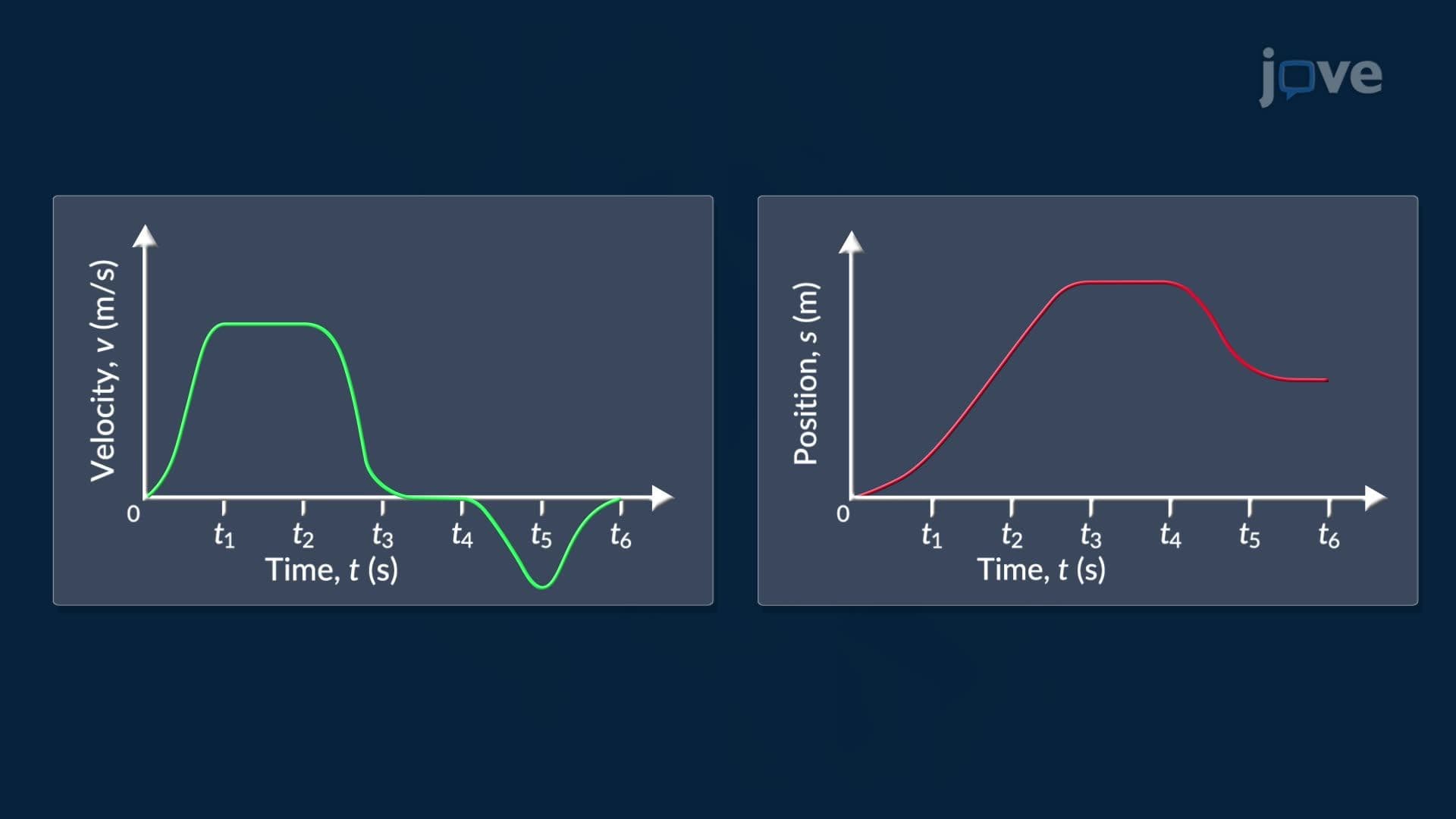
A derivative describes how a function changes. If position is s(t), then its derivative gives velocity v(t), and the derivative of velocity gives acceleration a(t). The antiderivative reverses this chain. Given a(t), integrating once recovers v(t); integrating again recovers s(t). This process is formally called indefinite integration, and each step introduces a constant of integration, determined by the problem's initial conditions, such as the starting speed or starting position of an object.
For example, if a car begins moving at 20 m/s and decelerates at a constant rate, integrating the constant acceleration function gives v(t) = at + C, where C equals the initial velocity. This is not just a math exercise, it mirrors how NASA engineers model spacecraft deceleration during re-entry or how traffic safety researchers in the US calculate highway braking distances.
The structured approach to these problems follows a clear sequence:
1. Define acceleration, either given as a constant or a function of time. 2. Integrate acceleration to get velocity, applying the initial velocity as the constant of integration. 3. Integrate velocity to get displacement, applying the initial position as the second constant. 4. Use physical constraints, such as final velocity equals zero at a full stop, to solve for unknown quantities like stopping time or required deceleration.
This technique directly mirrors problem types seen on the AP Calculus BC exam and college midterms in Calculus I and II. Students who understand this setup can also tackle related rates problems and optimization problems, since all three involve connecting functions through their derivatives or antiderivatives.
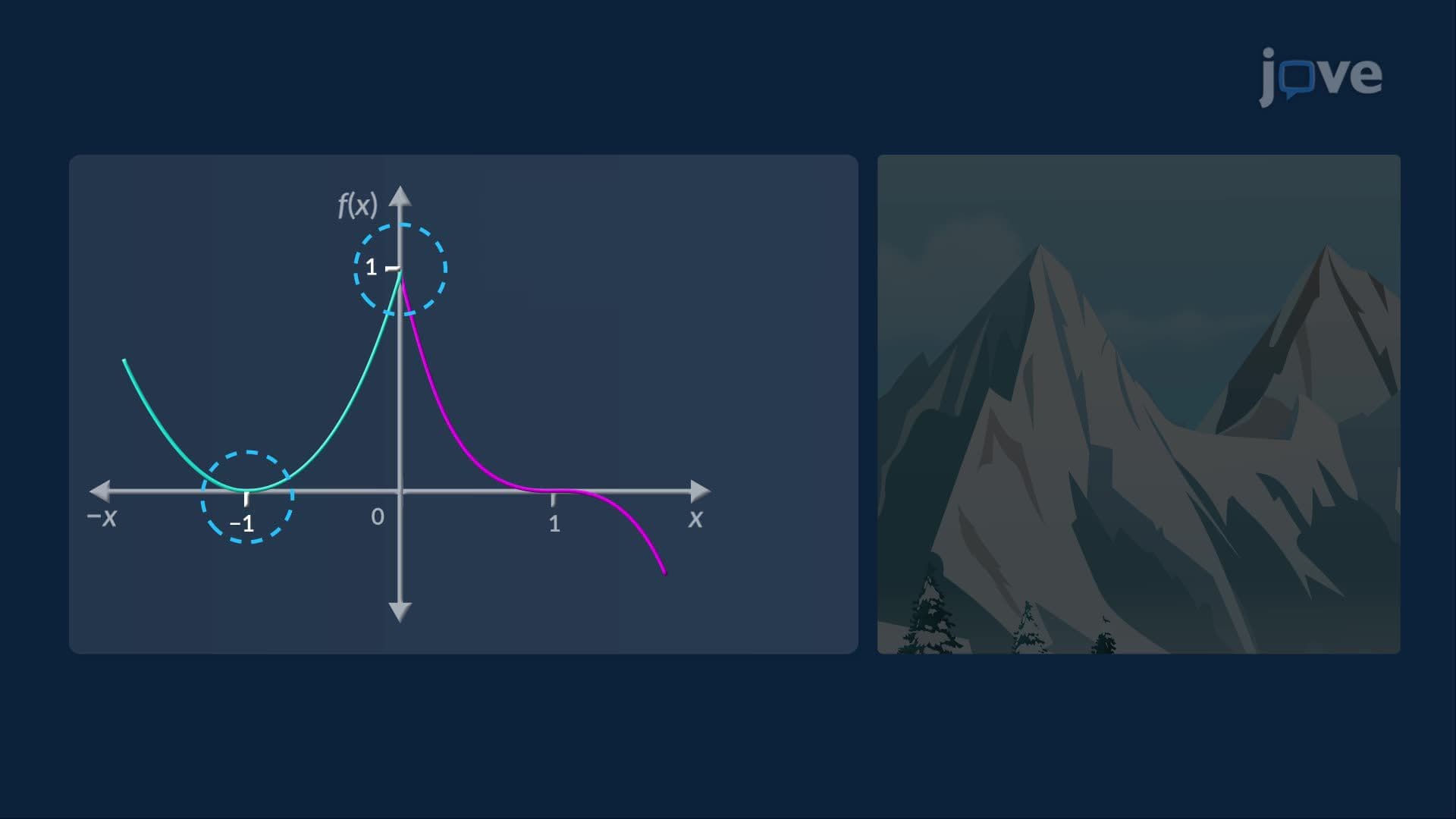
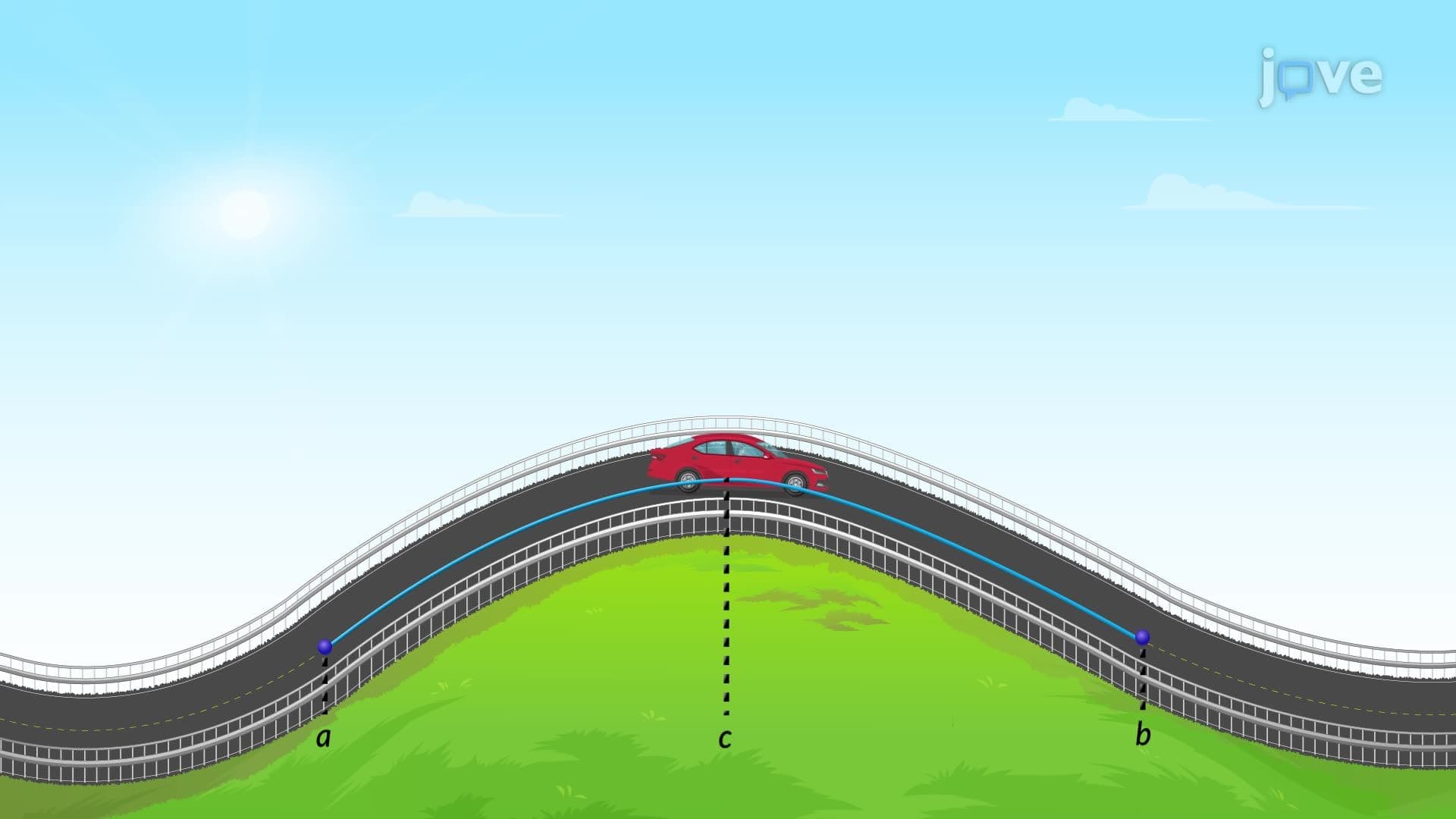
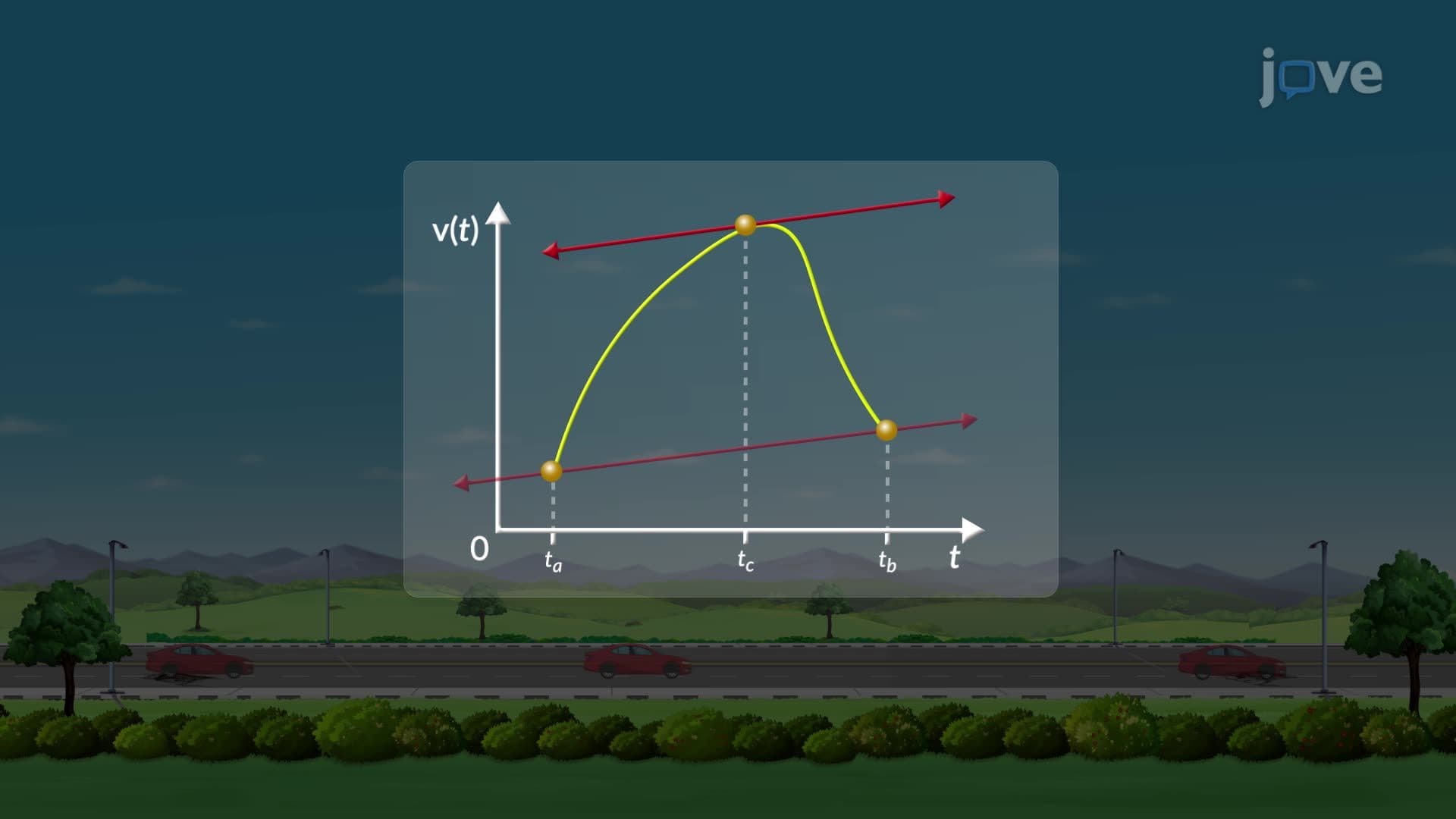
Linear motion problems are a gateway to deeper calculus ideas. The stopping point, where velocity equals zero, is a classic example of finding maximum and minimum values, a cornerstone of differential calculus. The shape of the velocity curve (increasing, decreasing, concave up or down) connects directly to curve sketching and concavity analysis. The Mean Value Theorem guarantees that at some point during deceleration, the instantaneous velocity equals the average velocity over the stopping interval, a fact frequently tested in AP and college exams.
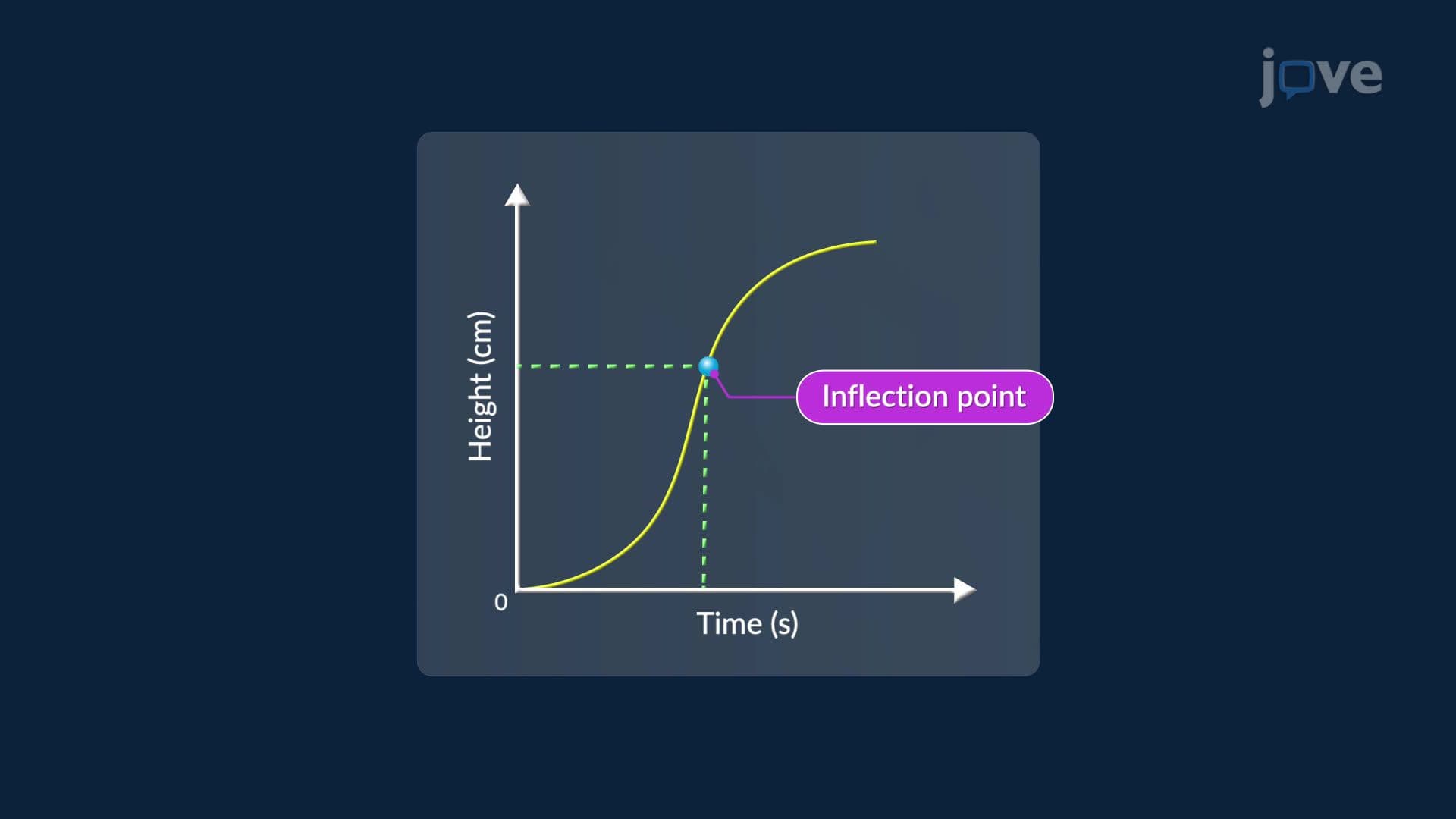
Understanding inflection points on a displacement graph reveals when deceleration is changing, critical in advanced engineering applications such as designing anti-lock braking systems (ABS) used in virtually every modern US automobile.
Beyond the classroom, linear motion in application of antiderivatives appears in automotive safety standards enforced by the National Highway Traffic Safety Administration (NHTSA), aerospace engineering programs at institutions like MIT and Georgia Tech, and physics-based questions on the SAT Subject Tests and MCAT physical sciences section. Mastering this concept equips students to move confidently from plug-and-chug formulas to genuinely understanding why motion equations work, a critical distinction for exam success and real STEM careers.
Related Micro-courses