Loading video…

 19 Concepts
 5.7K views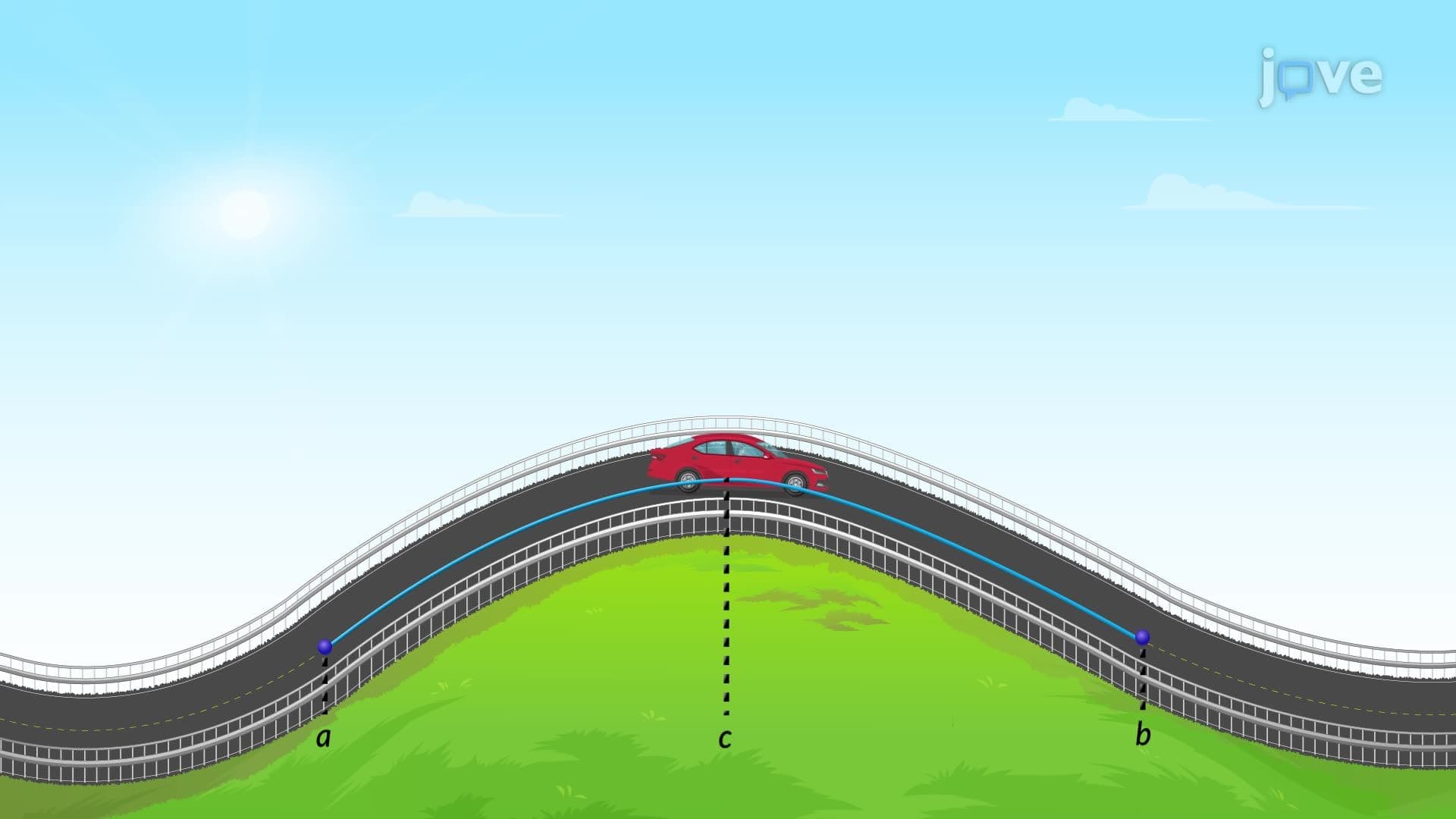

Video Summary: What Is Rolles Theorem
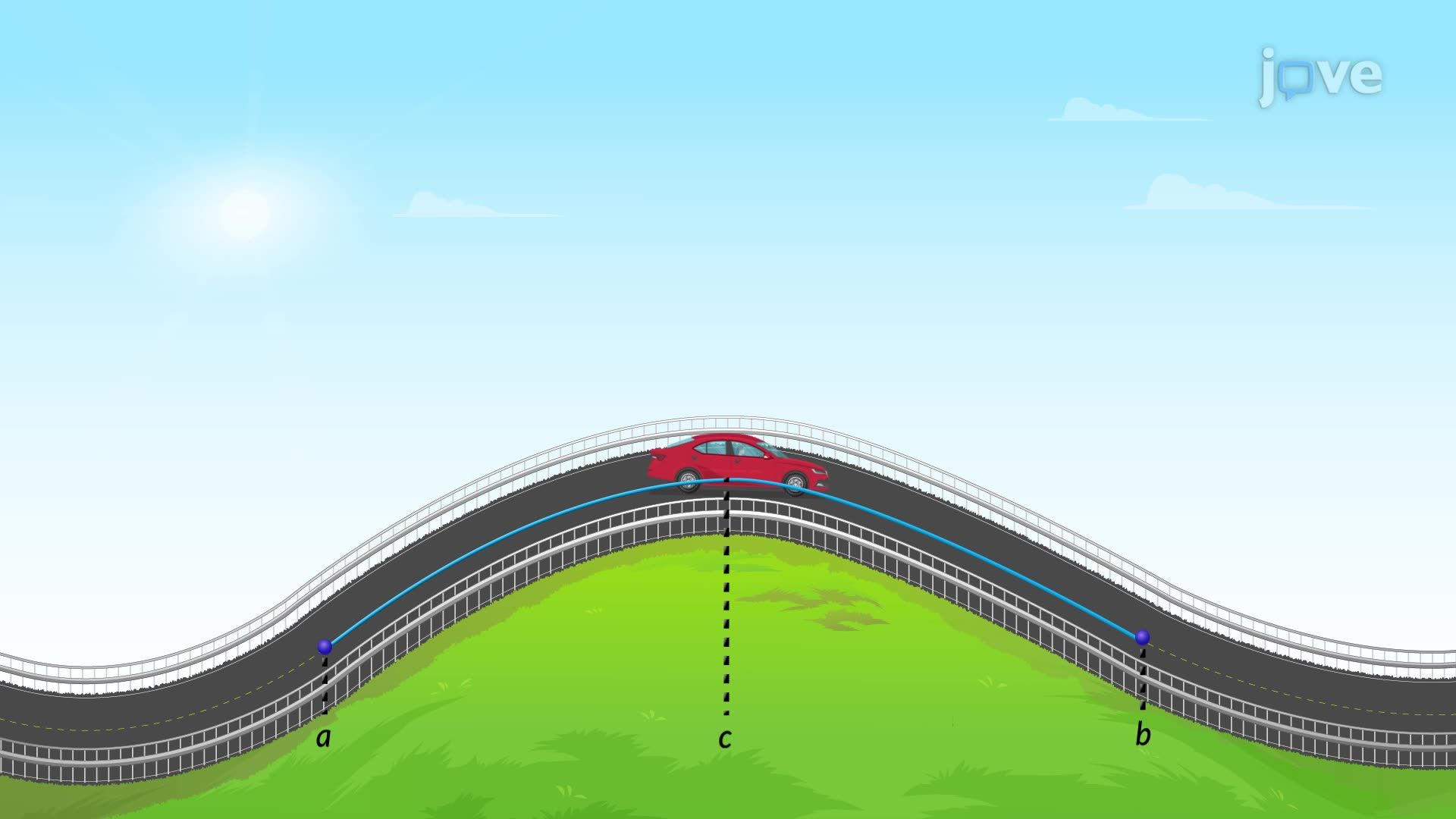
Ever wonder why a roller coaster always has a flat moment at its peak before plunging back down? That's Rolle's Theorem in action. Rolle's theorem basics reveal that if a continuous, differentiable function starts and ends at the same value, its derivative must equal zero at least once in between, like a car cresting a hill on a Colorado mountain pass. Watch the full video on JoVE Coach to master this concept with expert-led visuals and step-by-step explanations.
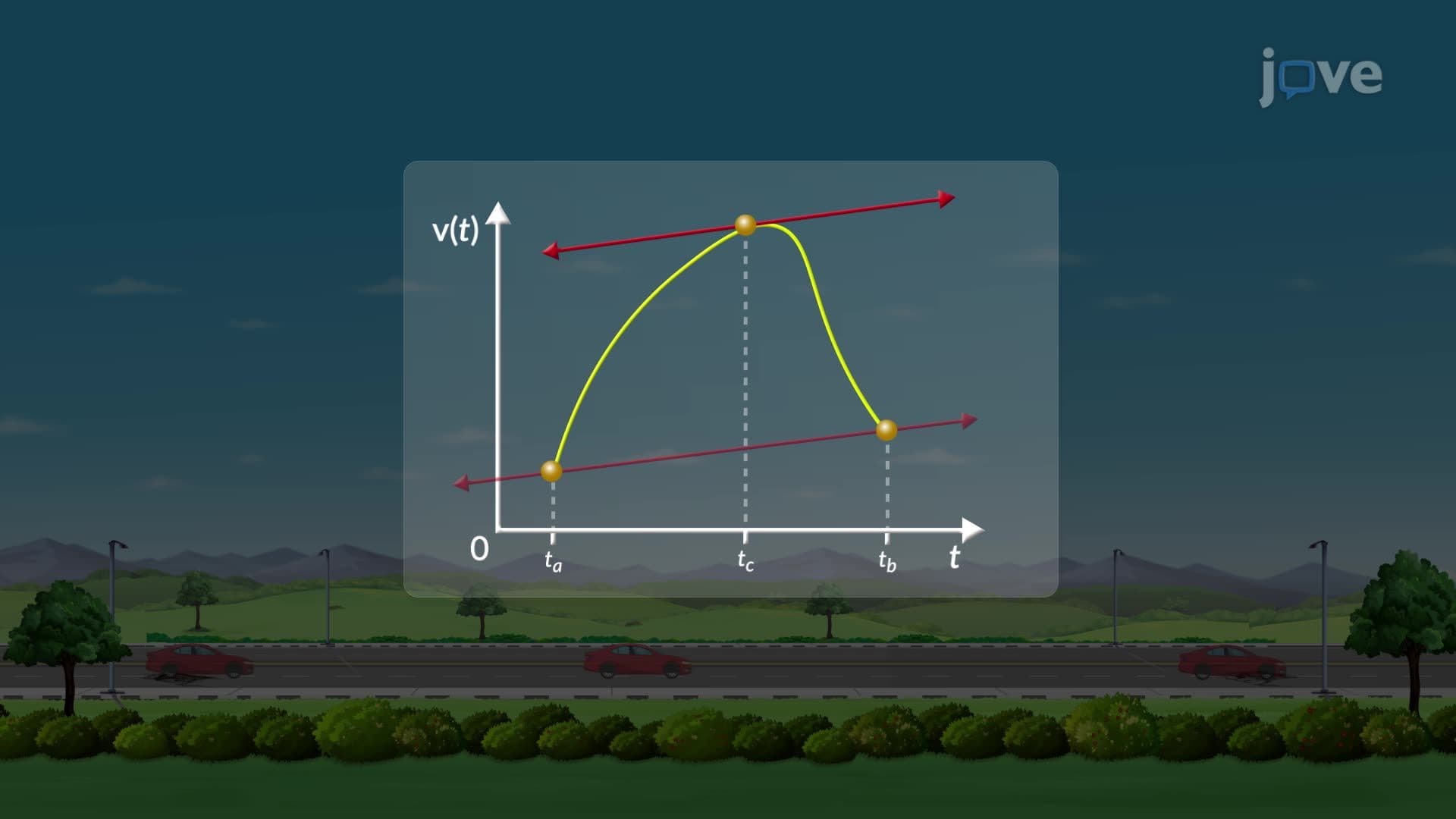
Rolle's Theorem is one of the most elegant and intuitive results in differential calculus. It states: if a function f(x) is continuous on a closed interval [a, b], differentiable on the open interval (a, b), and satisfies f(a) = f(b), then there exists at least one point c in (a, b) such that f'(c) = 0. In plain terms, if a smooth curve begins and ends at the same height, it must level off, at least momentarily, somewhere in between.
This theorem is named after the 17th-century French mathematician Michel Rolle and serves as a special case of the more general Mean Value Theorem, which is a cornerstone topic in AP Calculus AB and BC.
Students often lose points on exams, including AP Calculus free-response questions, by applying Rolle's Theorem without verifying all three conditions. Here's what each requires:
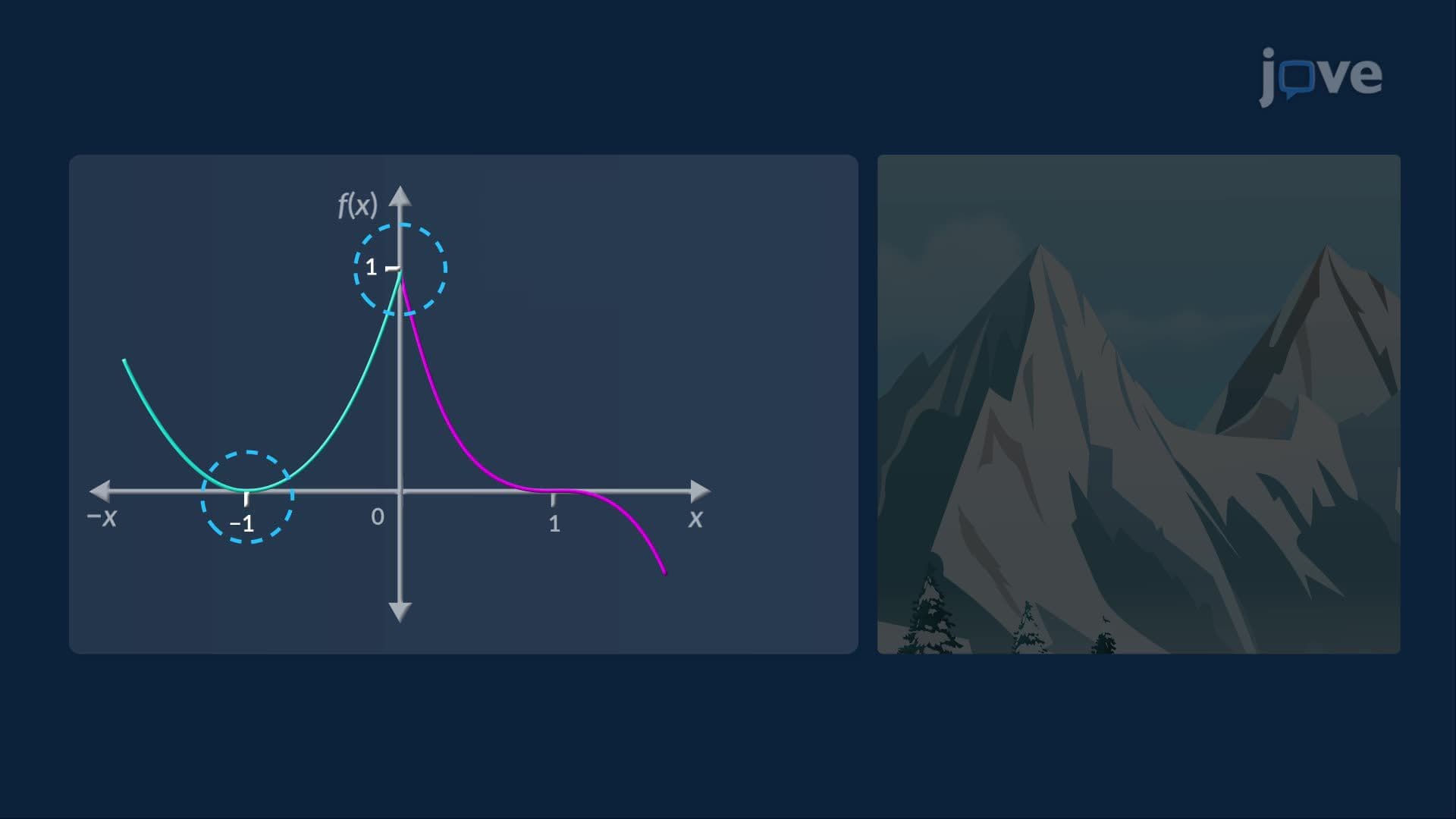
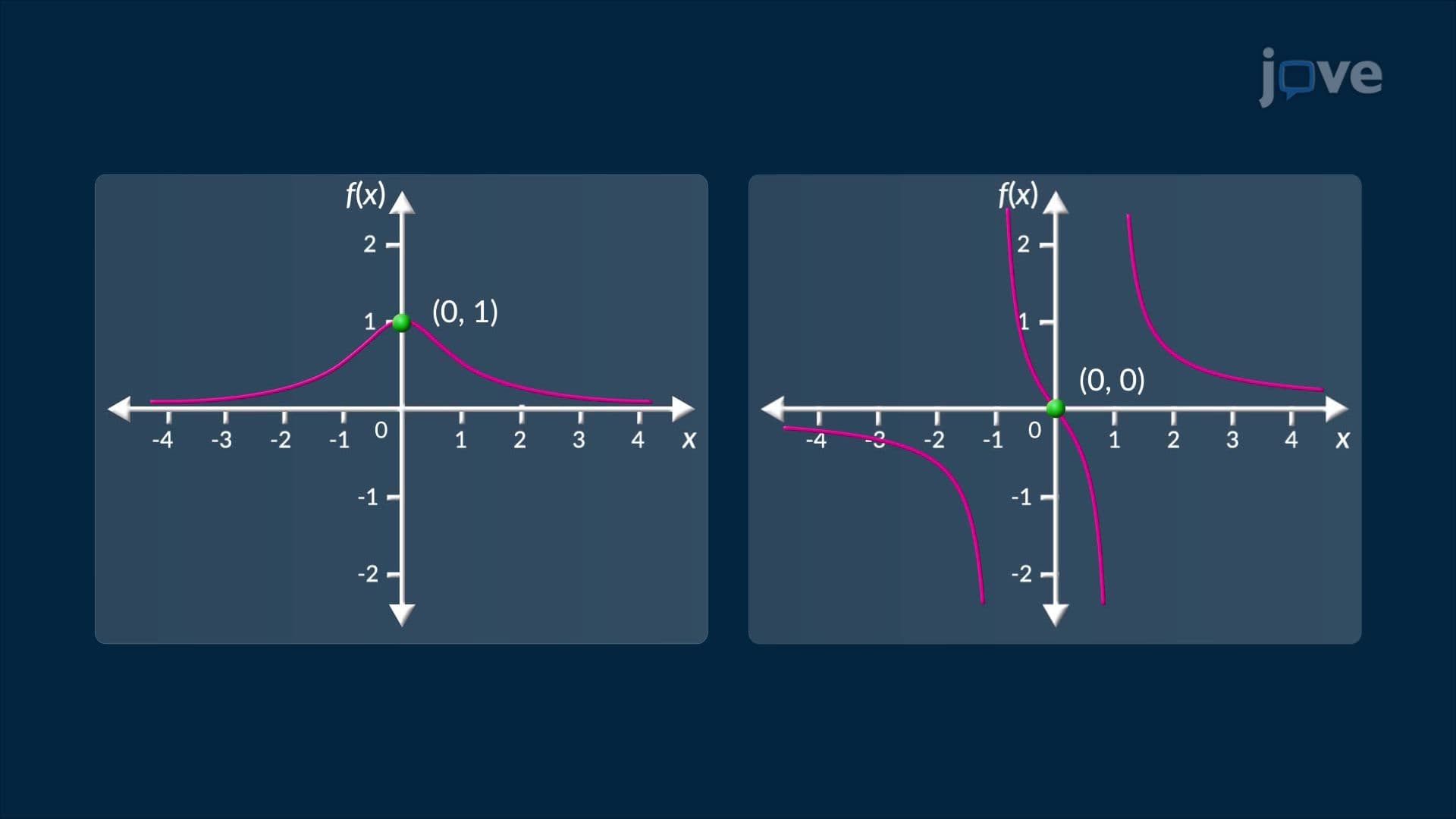
1. Continuity on [a, b]: The function must have no breaks, holes, or jumps on the closed interval. A function like f(x) = 1/x on [-1, 1] fails this test. 2. Differentiability on (a, b): The function must have a well-defined derivative at every interior point. Sharp corners, like those in absolute value functions, disqualify a function from this condition. 3. Equal endpoint values, f(a) = f(b): This is the condition that makes Rolle's Theorem distinct. The function must return to the same output value at both ends.
If even one condition fails, the theorem cannot be applied, and the guaranteed zero-derivative point may not exist.
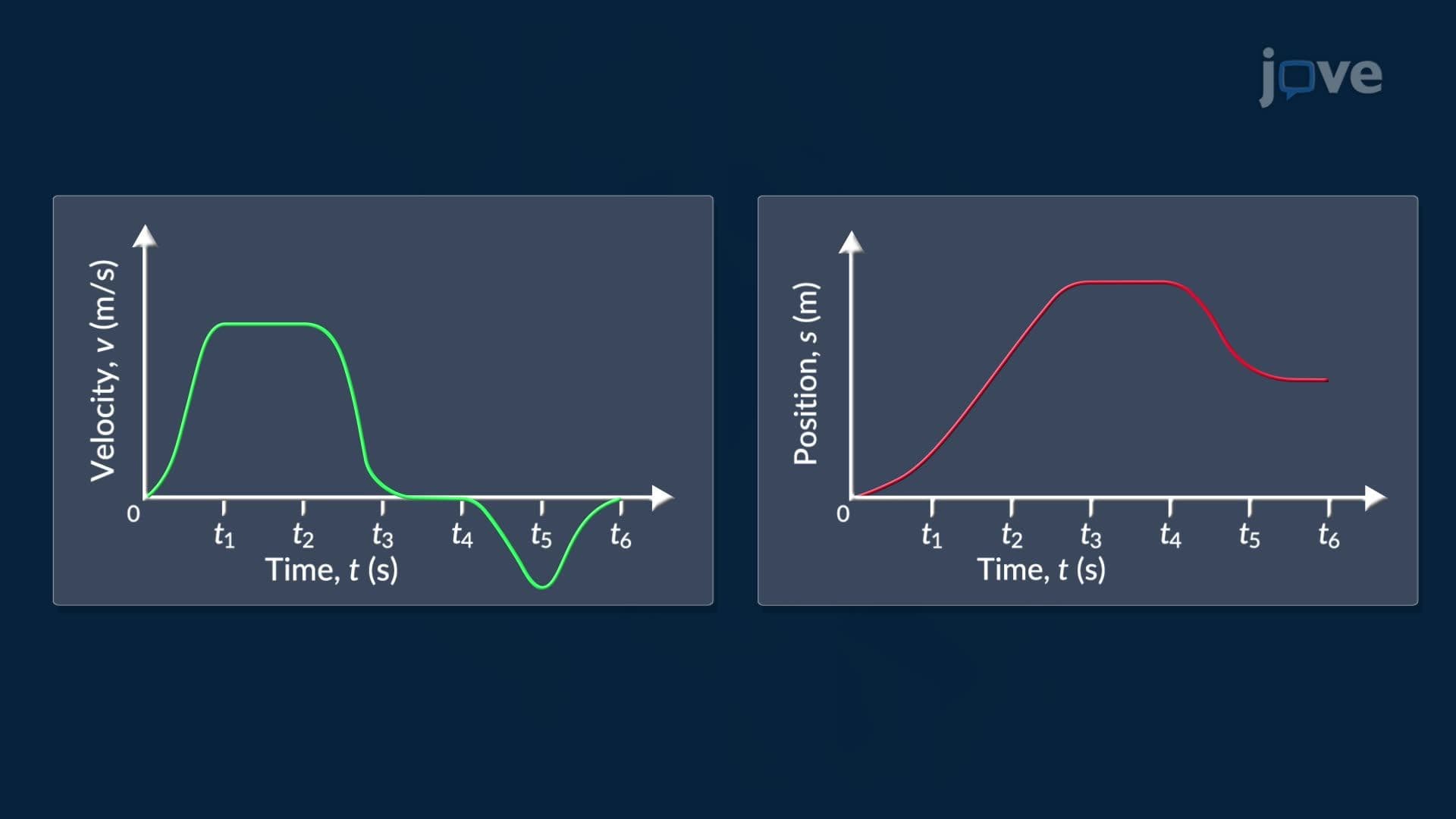
Rolle's Theorem is not merely an abstract idea, it models real physical behavior. Consider a ball thrown straight up into the air on a football field in Texas. It leaves your hand at ground level, rises, and then returns to ground level. At the peak of its arc, the vertical velocity, the derivative of its position, is exactly zero. Rolle's Theorem mathematically guarantees this moment exists.
In highway engineering, elevation profiles of mountain roads in places like the Sierra Nevada are modeled using continuous, differentiable functions. When a road begins and ends at the same altitude, Rolle's Theorem confirms there is at least one crest or valley where the grade is momentarily flat, critical for safety analysis and road design.
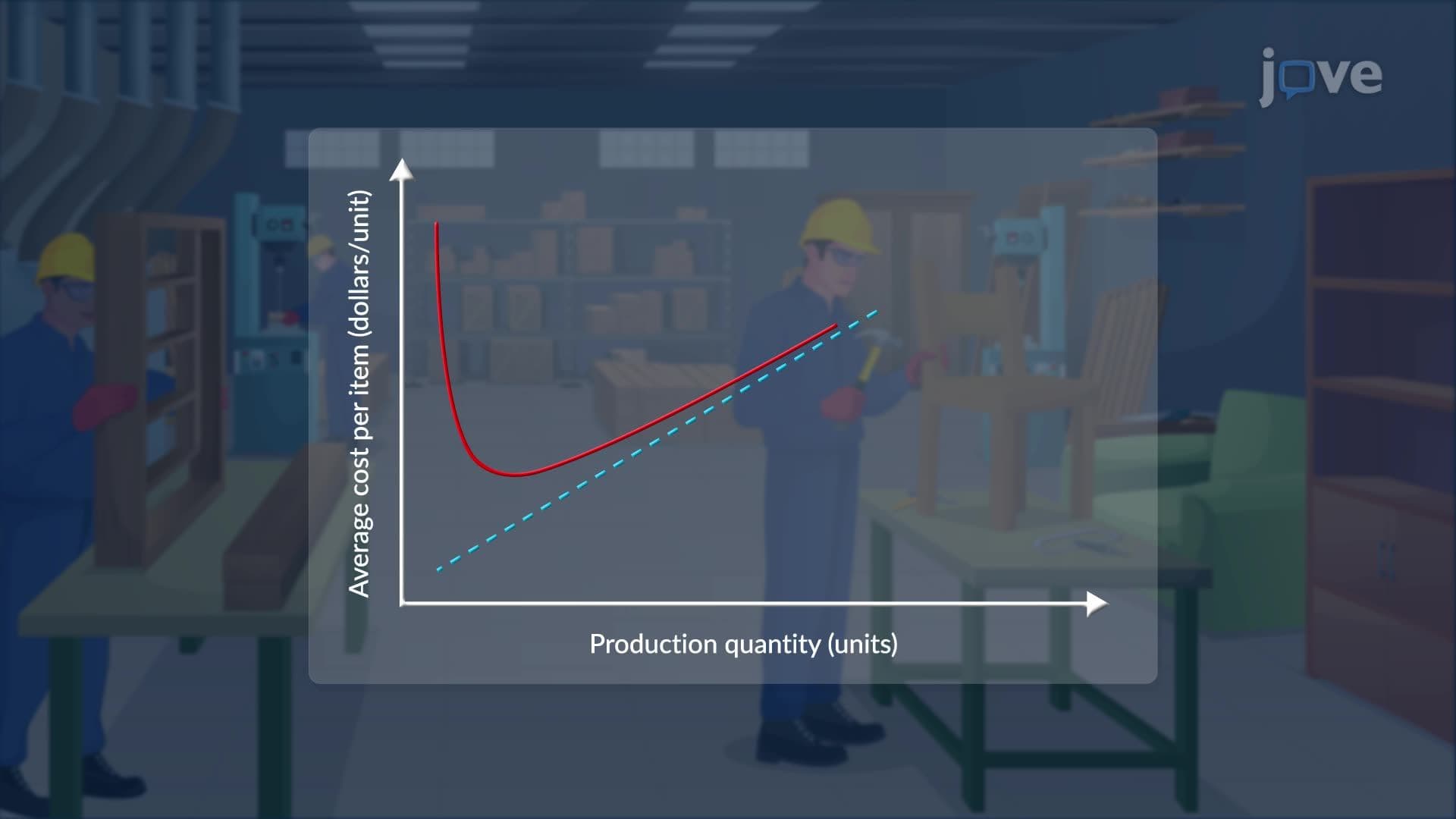
In optimization problems, Rolle's Theorem is often used to prove that a function has a unique maximum or minimum within a constrained interval. This connects directly to finding maximum and minimum values in applied calculus, a skill tested heavily in college midterms and standardized exams.
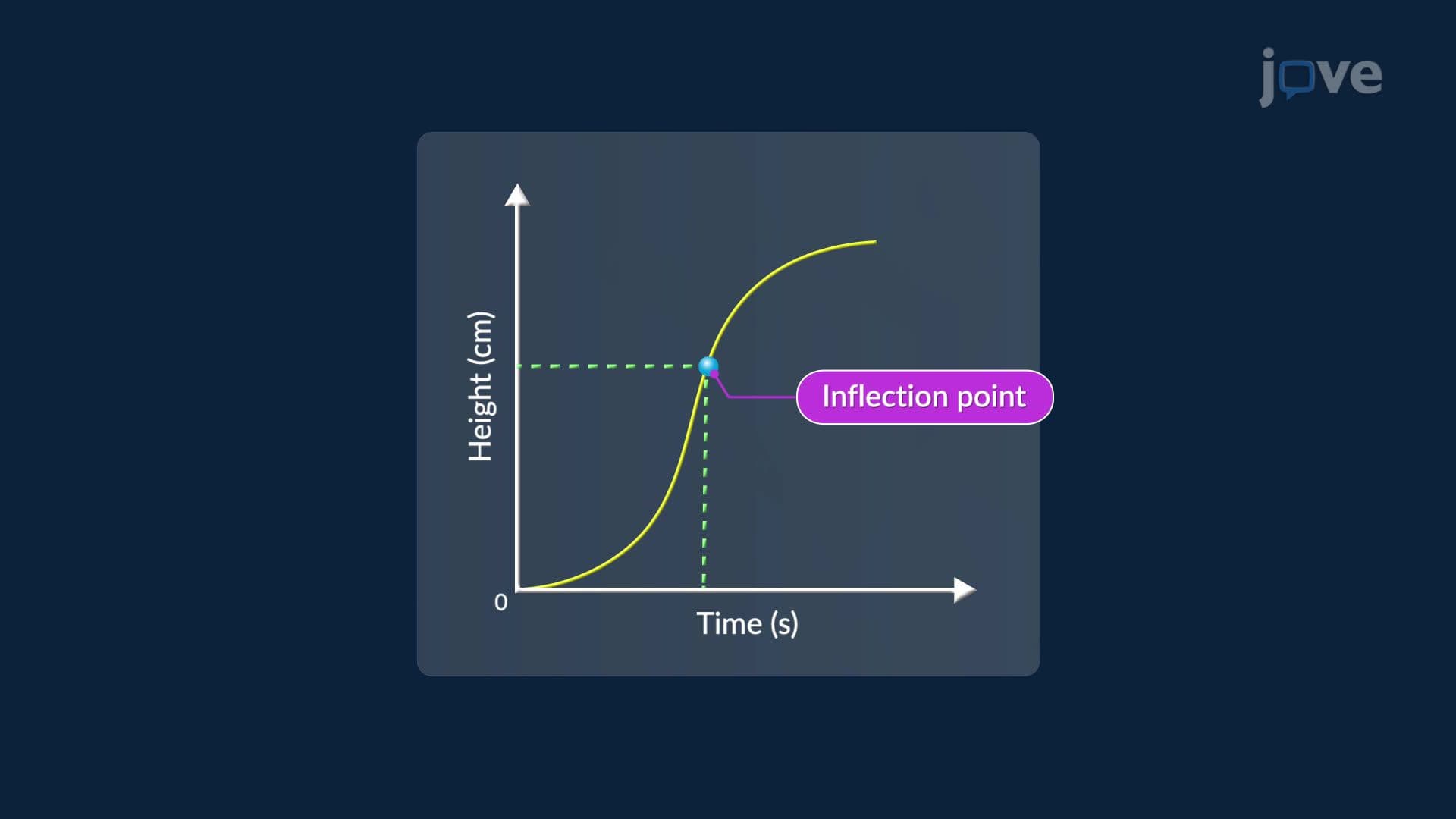
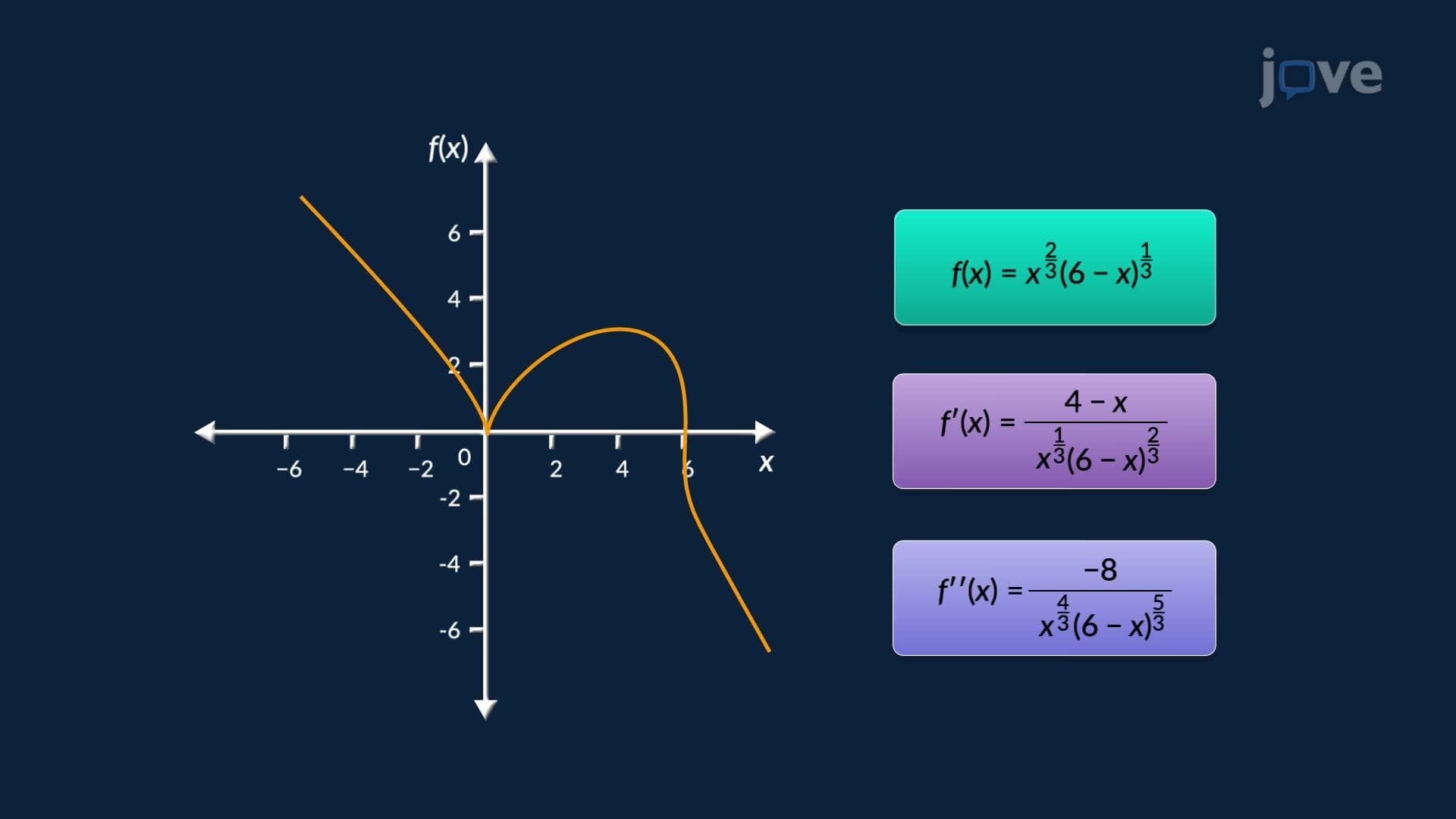
Understanding Rolle's Theorem deepens your ability to perform curve sketching with precision. When f'(c) = 0, the function has a critical point at c, a candidate for a local maximum or minimum. Paired with the second derivative test, you can determine concavity and locate inflection points, building a complete picture of the function's behavior.
Rolle's Theorem also underpins related rates problems and lays the logical groundwork for the Mean Value Theorem, which extends the idea to non-equal endpoints. Together, they form the analytical backbone of Calculus I at virtually every US university, from community colleges to MIT OpenCourseWare-level coursework.
Related Micro-courses