Loading video…

 19 Concepts
 5.7K views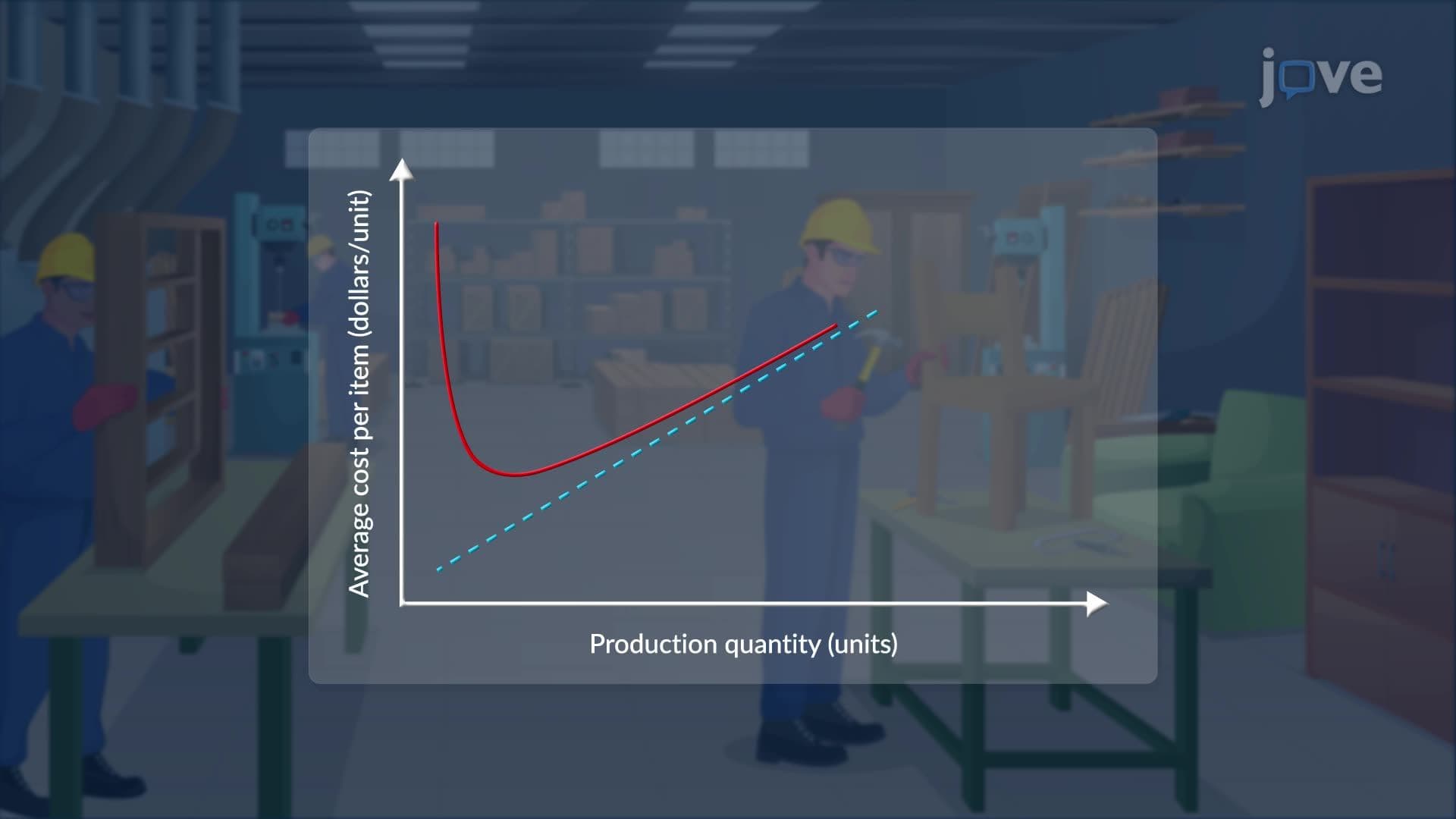

Video Summary: What are Slant Asymptotes
Ever wonder why some cost curves never flatten out, they just keep climbing along a diagonal? That's where slant asymptotes come in. Slant asymptotes basics reveal how rational functions behave at extremes, appearing when the numerator's degree is exactly one higher than the denominator's. A classic US example: modeling rising manufacturing costs per unit. Watch the full video on JoVE Coach to master this concept with expert-led visuals and step-by-step explanations.
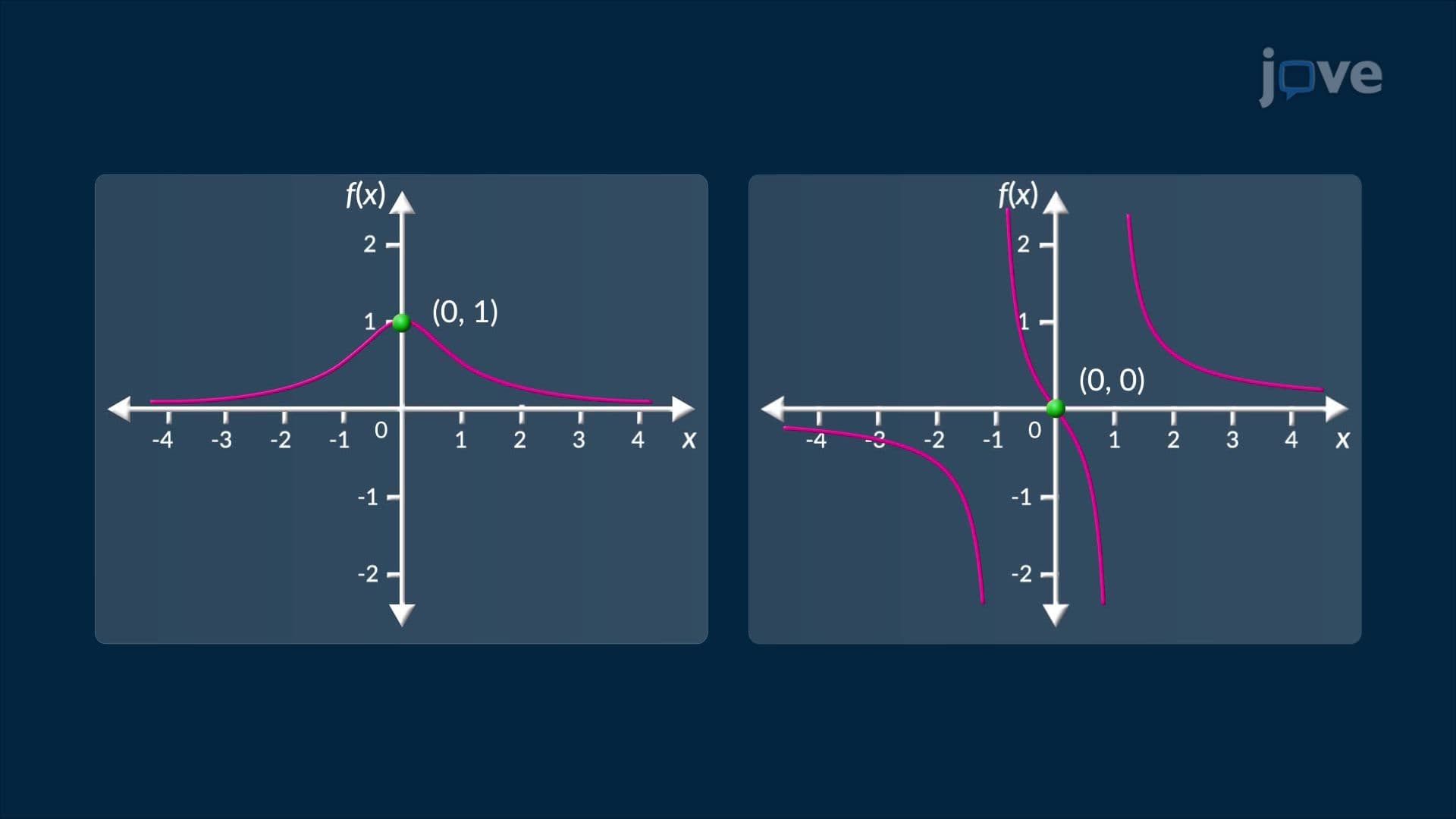
A slant asymptote, sometimes called an oblique asymptote, is a non-horizontal, non-vertical line that a function's graph approaches as x heads toward positive or negative infinity. Unlike horizontal asymptotes, which describe functions leveling off, slant asymptotes describe functions that grow indefinitely but along a predictable diagonal path. Understanding slant asymptotes is a core skill in precalculus and AP Calculus, appearing in curve sketching problems, function analysis questions, and college midterm exams across the US.
The existence of a slant asymptote depends entirely on the relationship between the degrees of the numerator and denominator of a rational function. Specifically, a slant asymptote exists when the degree of the numerator is exactly one greater than the degree of the denominator. For example, if the numerator is degree 2 and the denominator is degree 1, a slant asymptote is guaranteed. If the degrees are equal, you get a horizontal asymptote. If the numerator's degree is two or more higher than the denominator's, neither a slant nor a horizontal asymptote exists in the traditional sense, the function diverges more steeply. This degree-checking step is often the first thing AP Calculus and college algebra instructors expect students to perform during a function analysis.
The standard method for finding a slant asymptote is polynomial long division. You divide the numerator by the denominator, just as you would divide integers. The result has two parts: a linear quotient and a remainder fraction. As x approaches infinity, that remainder fraction shrinks toward zero, leaving only the linear expression. That linear expression, typically in the form y = mx + b, is the equation of the slant asymptote. For instance, dividing (x² + 3x + 1) by (x − 2) yields a quotient of (x + 5) plus a small remainder. The slant asymptote is simply y = x + 5. This process directly connects to skills tested in AP Calculus AB, AP Calculus BC, and college-level calculus courses at US universities.
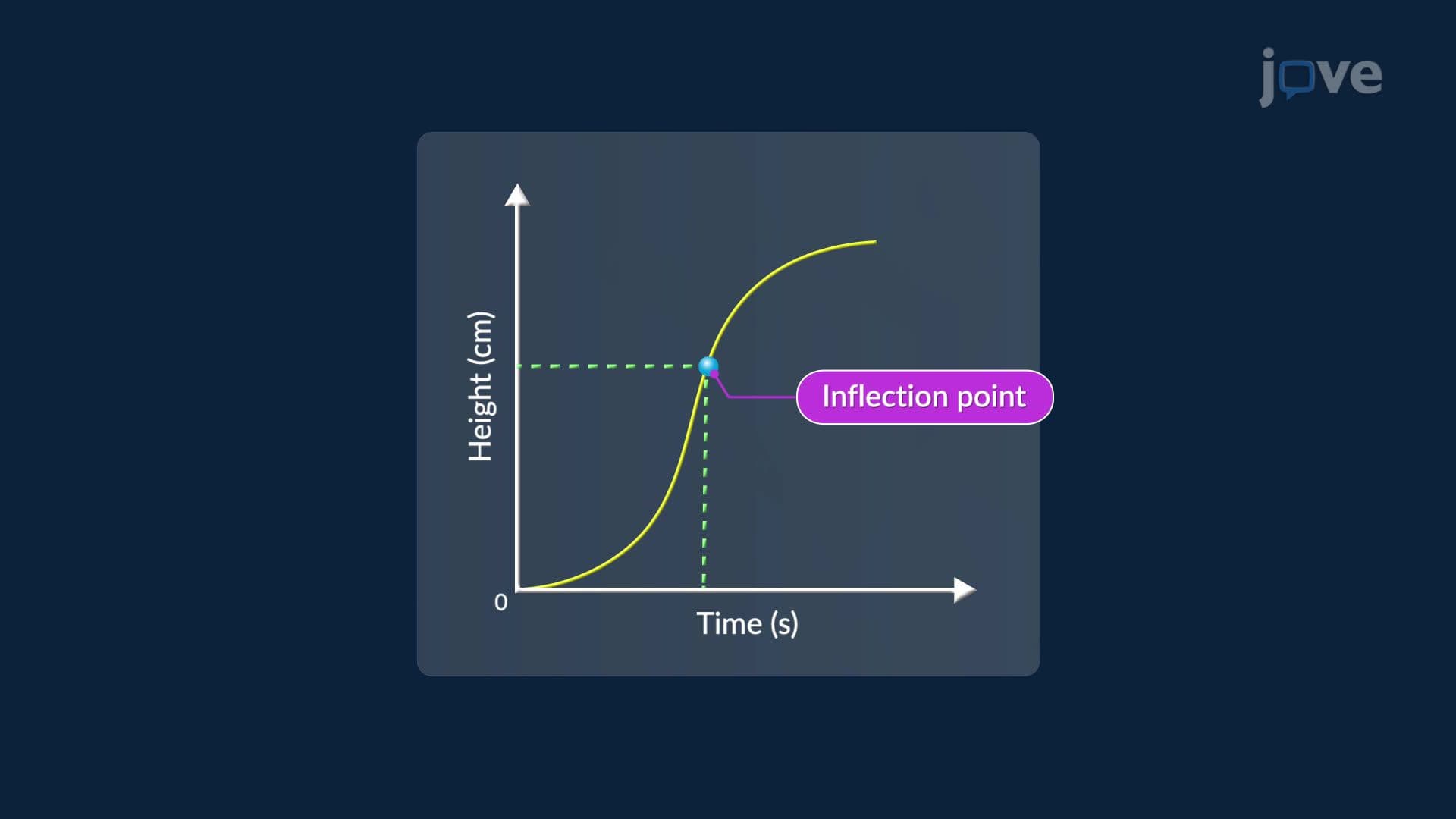
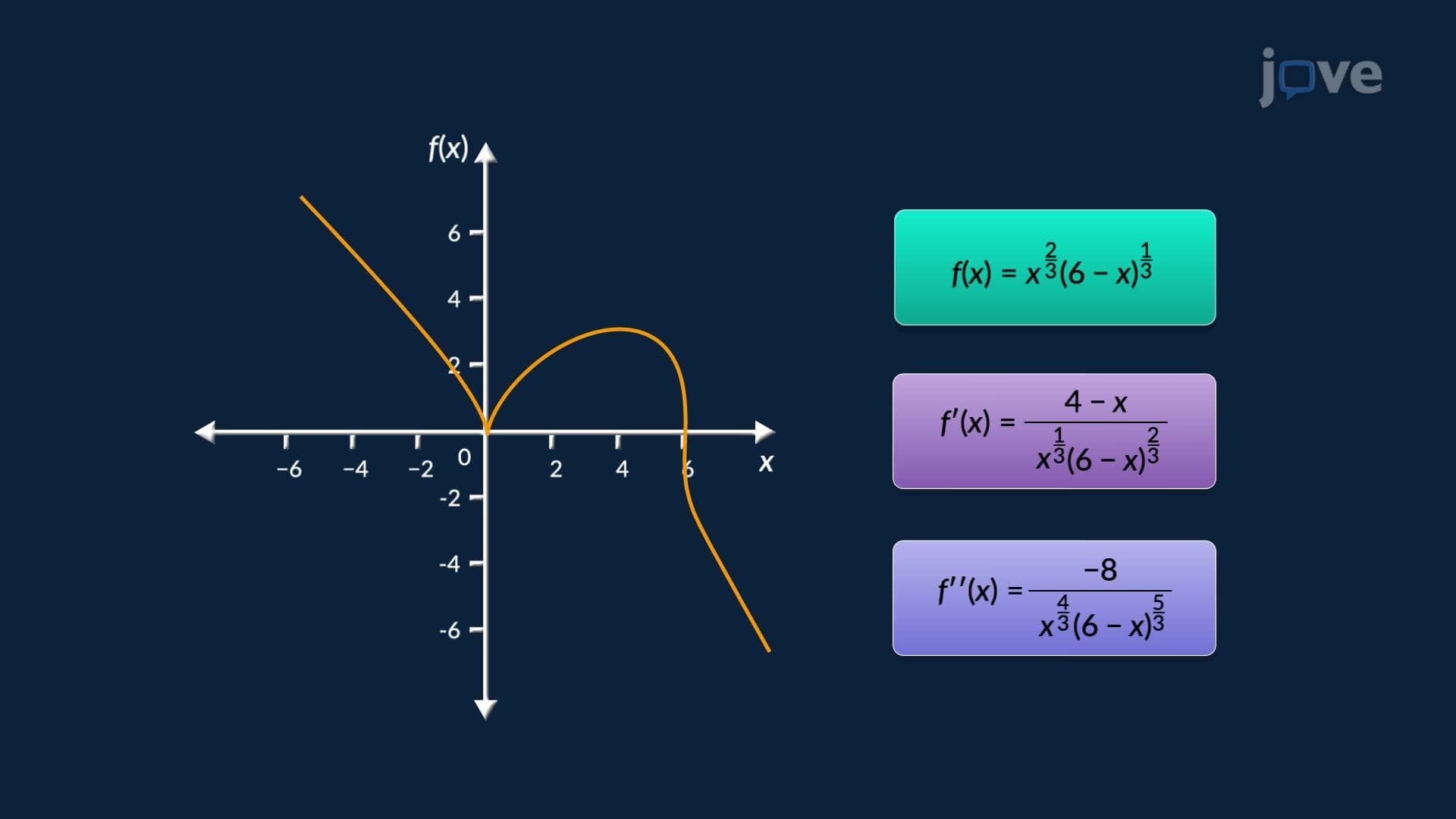
In curve sketching, slant asymptotes work alongside vertical asymptotes, intercepts, critical points, inflection points, and concavity to build a complete picture of a function's behavior. Without identifying the slant asymptote, your sketch of the function's end behavior will be fundamentally incomplete. On the AP Calculus exam, free-response questions frequently ask students to sketch rational functions, and correctly identifying asymptotic behavior, including slant asymptotes, is worth critical scoring points.
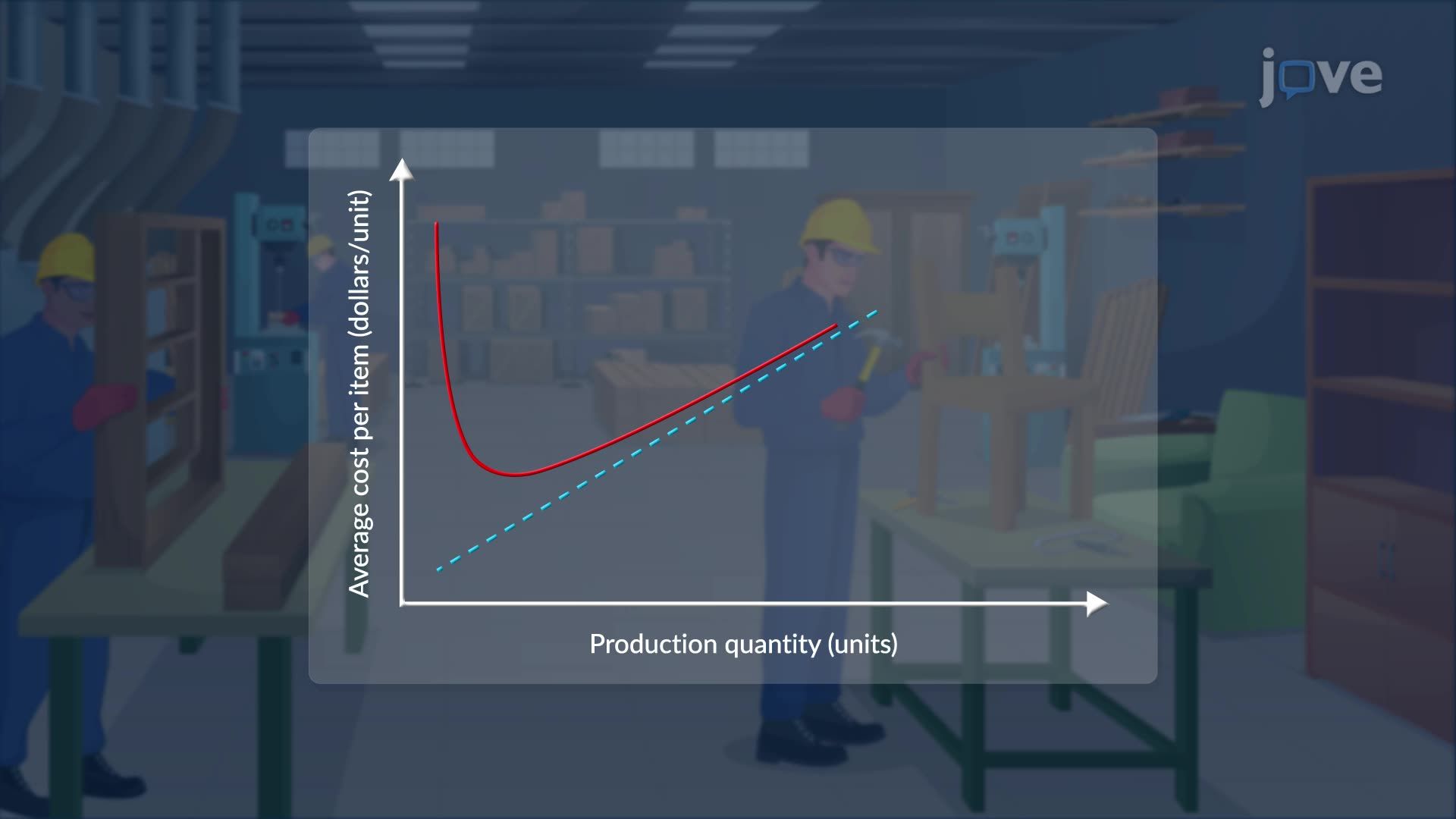
Beyond the classroom, slant asymptotes model meaningful real-world phenomena. A compelling US-based example is the average cost function in manufacturing economics. Suppose a factory's total cost grows quadratically due to factors like machine wear and bulk material pricing. When you divide total cost by the number of units produced, the resulting average cost function has a slant asymptote. This tells operations managers that as production scales up, the average cost per unit does not flatten but instead rises along a predictable linear trend, a key insight for pricing strategy and optimization problems in business.
Slant asymptotes also serve as a conceptual bridge to deeper calculus topics. Understanding end behavior through asymptotes prepares students for the Mean Value Theorem, related rates, and maximum and minimum values, all of which appear prominently on AP exams and college midterms. Recognizing how a graph behaves at its extremes is foundational to understanding how derivatives and limits describe change over an entire function's domain.
Related Micro-courses