Loading concepts…


6 Concepts
22 Concepts
19 Concepts
17 Concepts
8 Concepts
11 Concepts
14 Concepts
6 Concepts
8 Concepts
16 Concepts
10 Concepts
13 Concepts
24 Concepts
17 Concepts
19 Concepts
 17 Concepts
 6.3K Views
 Popular topics









Integrals are a cornerstone of calculus, connecting rates of change to total accumulation. This micro-course, supported by JoVE Coach, introduces the core ideas behind definite and indefinite integrals, from Riemann sums and area estimation to the Fundamental Theorem of Calculus and substitution techniques. Real-world applications include computing displacement, reservoir volume, spring work, and fish population biomass across engineering, physics, and environmental science contexts.
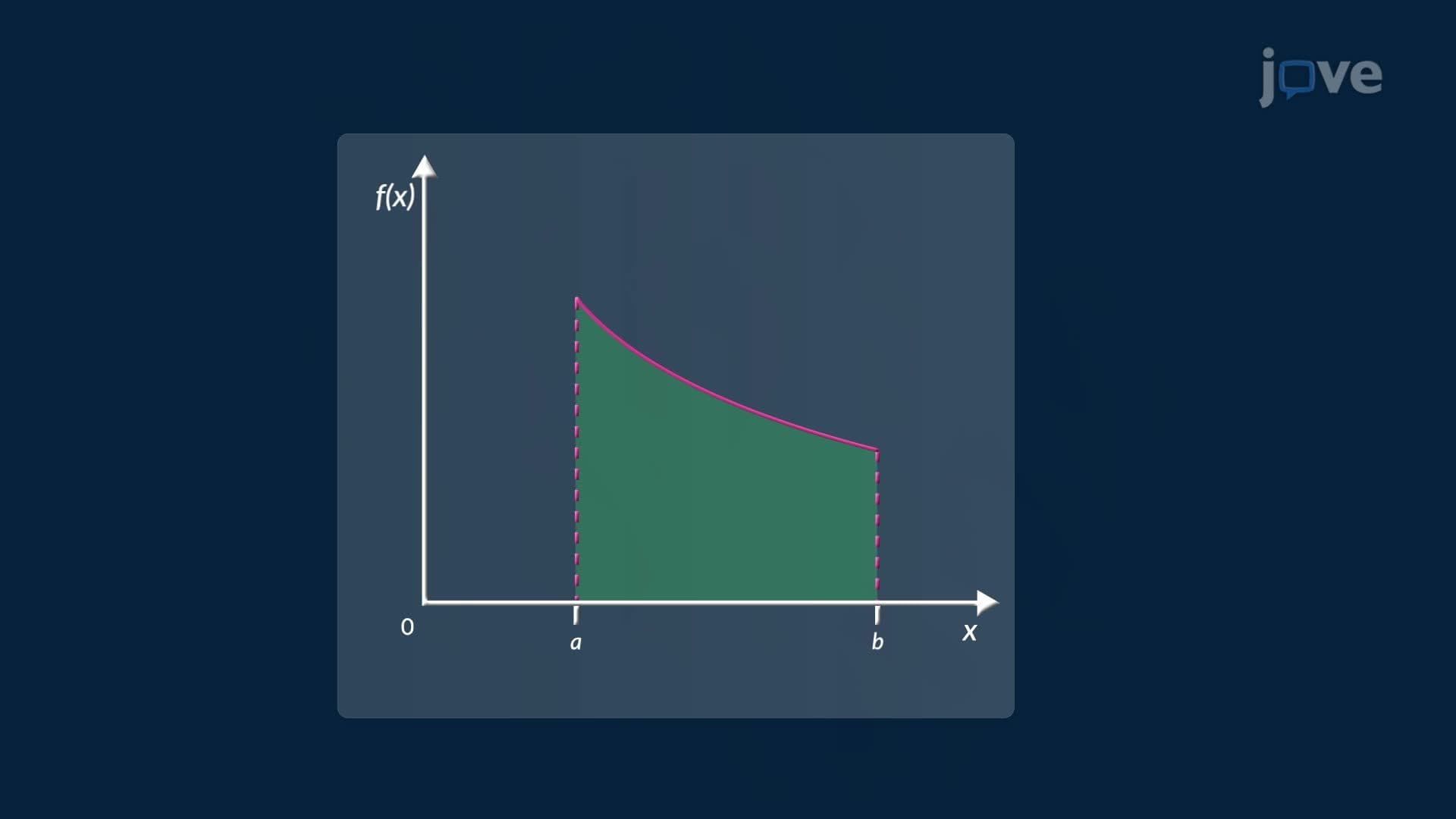
1. The Area Problem and Riemann Sums The definite integral originates from a practical need: estimating areas enclosed by curves. By dividing a region into narrow rectangles and summing their areas, you get a Riemann sum. Left-endpoint and right-endpoint approximations can overestimate or underestimate depending on whether the function is increasing or decreasing. The Midpoint Rule, using the function's value at the center of each subinterval, typically delivers a more balanced and accurate estimate. As the number of rectangles increases toward infinity and their widths shrink toward zero, the Riemann sum converges to the exact value of the definite integral. This foundational idea underpins everything from estimating wall surface areas in construction to calculating distances traveled by athletes.
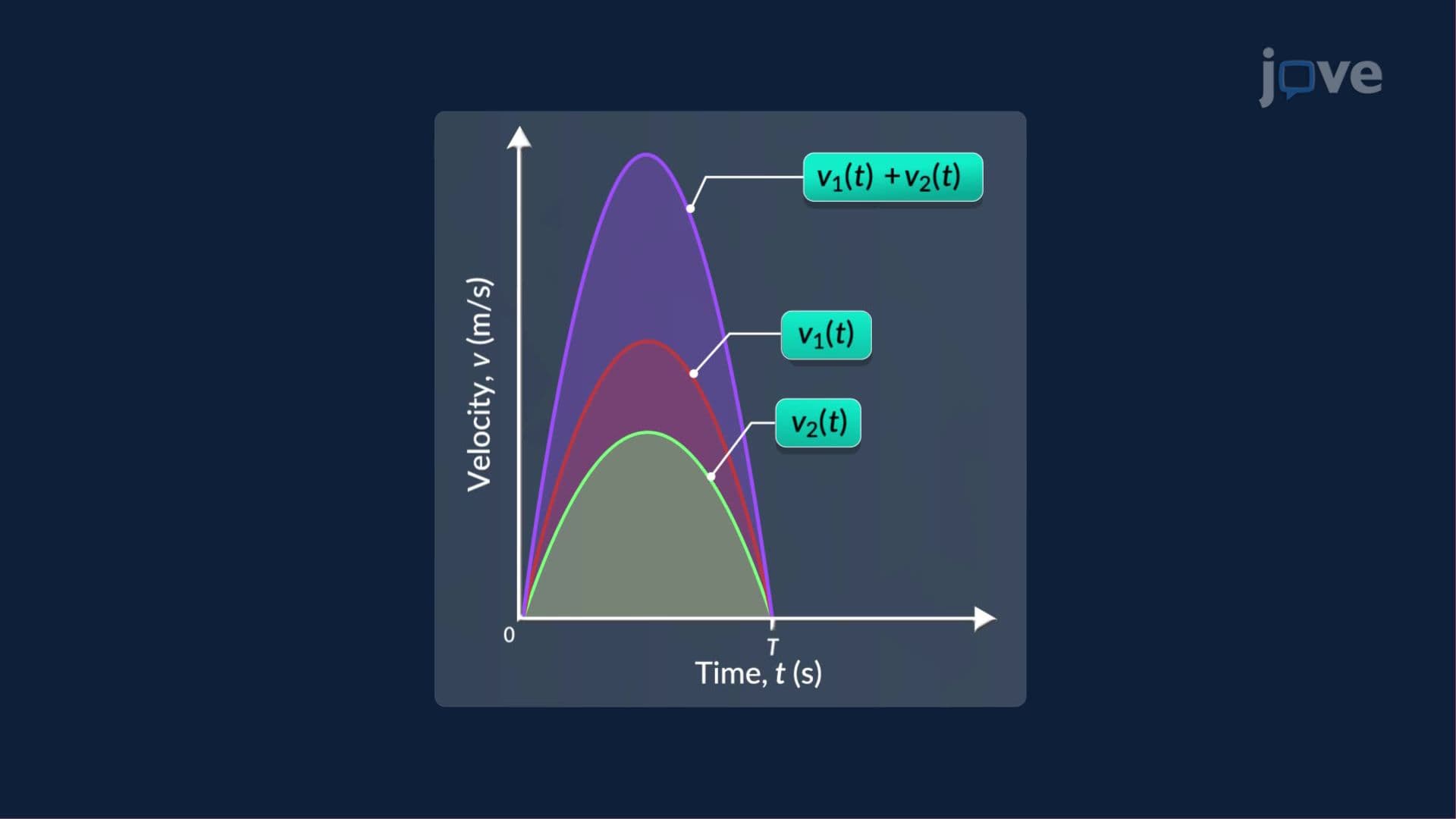
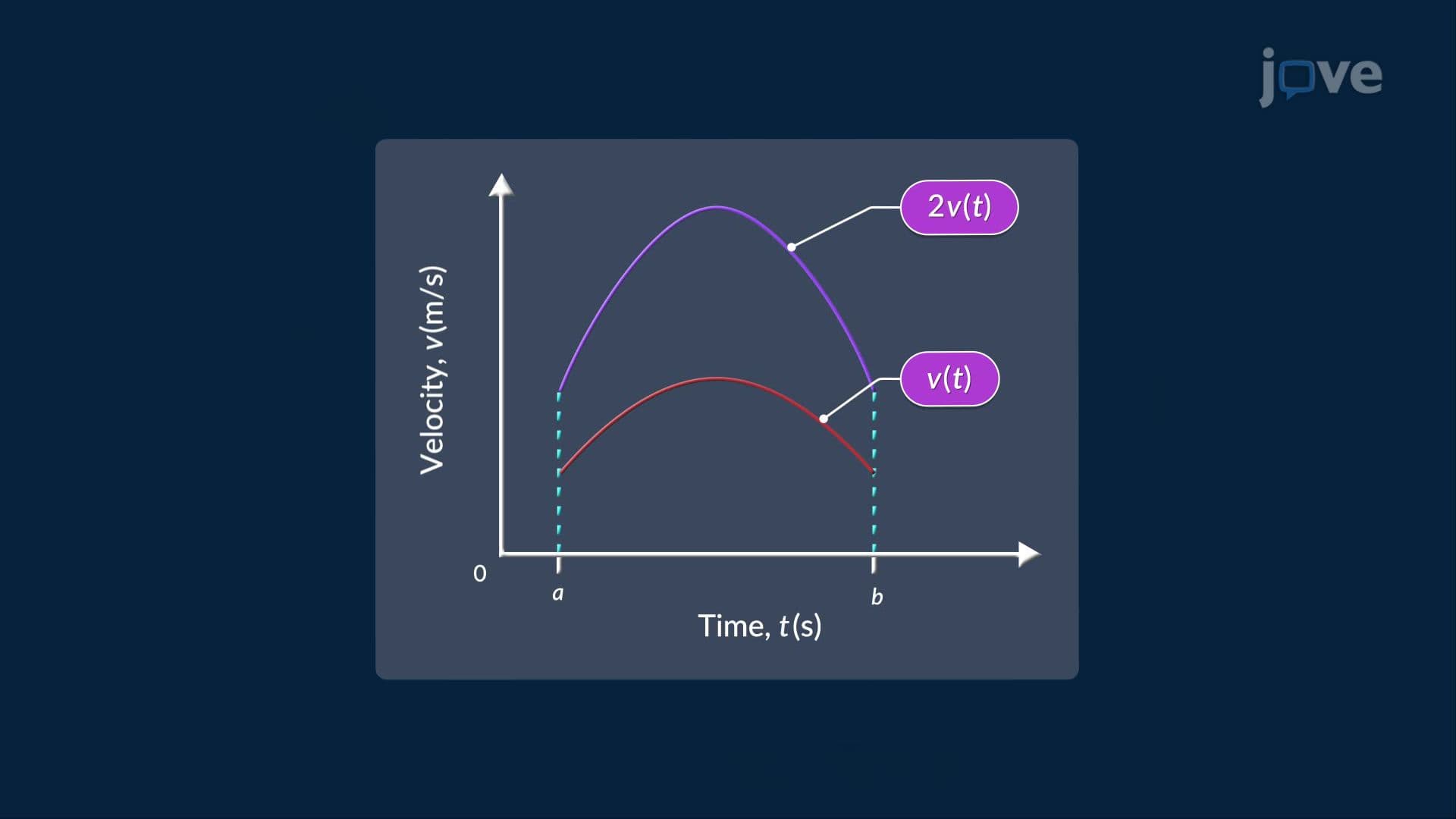
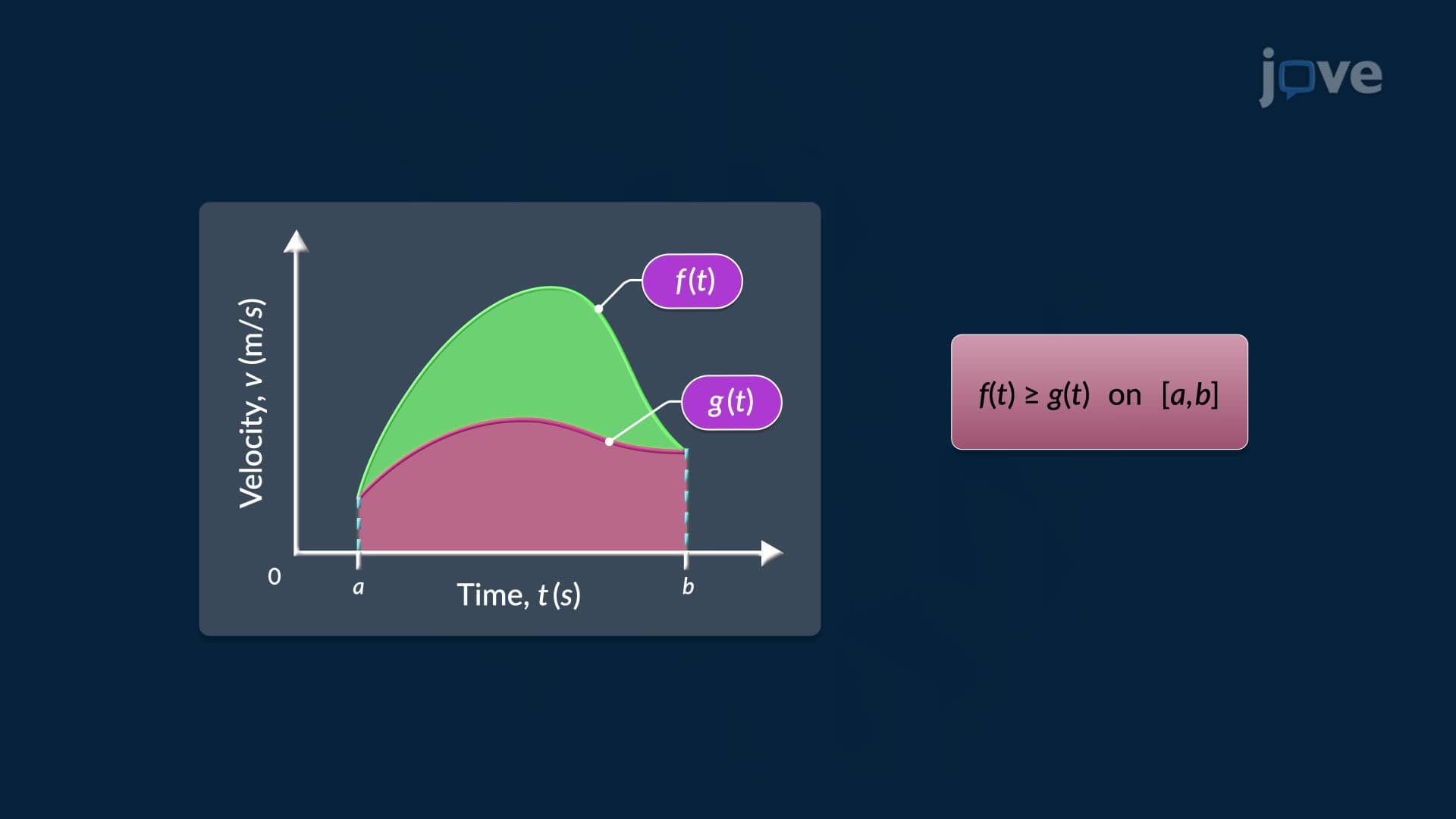
2. The Definite Integral and Its Properties The definite integral of a continuous function over a closed interval is the limit of its Riemann sum. Several properties make definite integrals practical to work with. Linearity allows the integral of a sum or difference to be split apart. Additivity means an integral from *a* to *b* can be broken into adjacent sub-intervals. The constant multiple property scales the integral when the function is multiplied by a constant. The Positivity Property guarantees a nonnegative result when the function stays nonnegative, and the Comparison Property ranks integrals when one function consistently exceeds another. Together, these properties simplify complex integral calculations across physics, engineering, and economics problems common in US university coursework.
3. Summation Formulas and Power Sums Before computing integrals directly, students often approximate them using finite sums. Standard formulas for the sum of the first *n* consecutive integers, the sum of squares, and the sum of cubes make this process efficient. For example, determining the total number of seats in a tiered theater or cans in a stacked grocery display both rely on these formulas. In calculus, these same formulas appear when evaluating Riemann sums algebraically to confirm that the sum converges to the expected integral as *n* approaches infinity. Mastering these formulas strengthens both algebraic fluency and conceptual understanding of how discrete approximations lead to continuous integration.
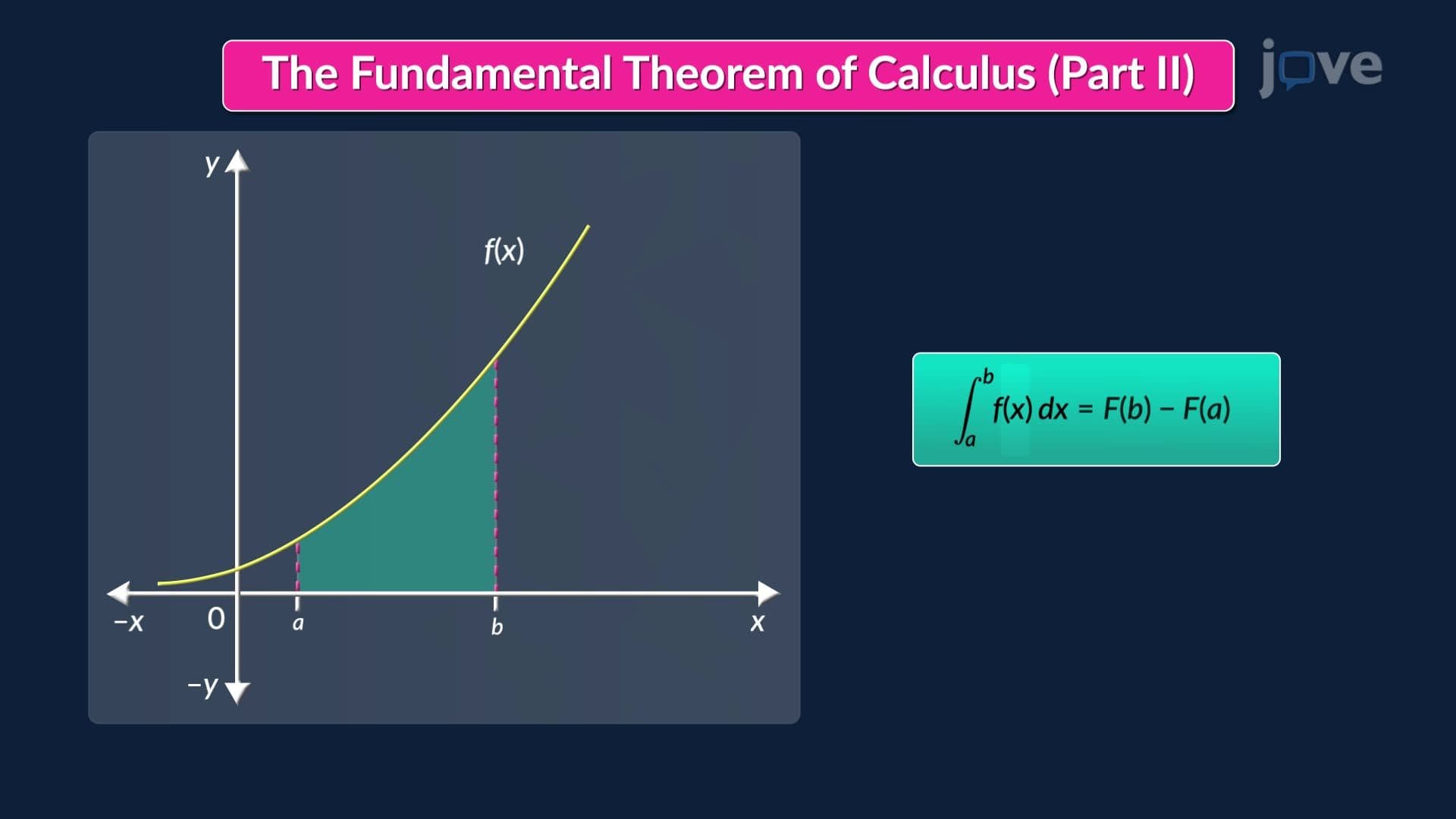
4. The Fundamental Theorem of Calculus The Fundamental Theorem of Calculus (FTC) is the central result connecting differentiation and integration. Part I states that if you define a function by a variable-upper-limit integral, its derivative equals the integrand evaluated at that upper limit, meaning integration and differentiation are inverse processes. Part II provides the practical computational tool: the definite integral of a continuous function equals the antiderivative evaluated at the upper limit minus the antiderivative evaluated at the lower limit. This eliminates the need for Riemann sum calculations in most problems. A classic US application is computing the net displacement of a moving object by evaluating the antiderivative of its velocity function at the trip's start and end times.
5. Indefinite Integrals and the Net Change Theorem An indefinite integral represents a family of antiderivatives, each differing by a constant *C*. Unlike the definite integral, it has no fixed limits and produces a function rather than a number. The constant of integration is determined by initial conditions, for instance, the initial volume of water in a storage tank or the initial biomass of a fish population. The Net Change Theorem, a direct consequence of the FTC, states that integrating a rate of change over an interval gives the total net change in the quantity. This theorem is widely applied in reservoir management, where integrating net inflow and outflow rates over time determines whether water storage will exceed safe capacity thresholds.
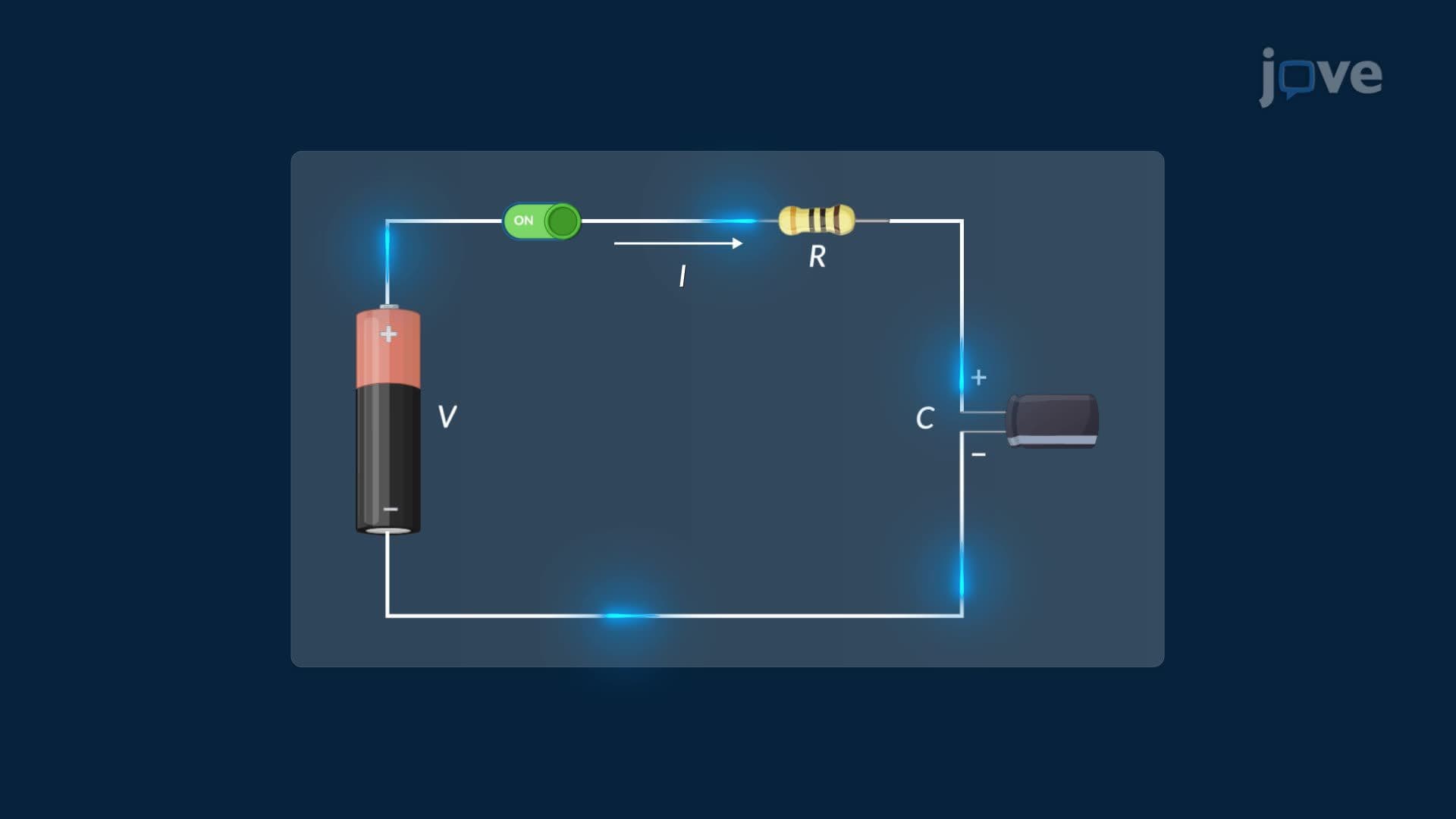
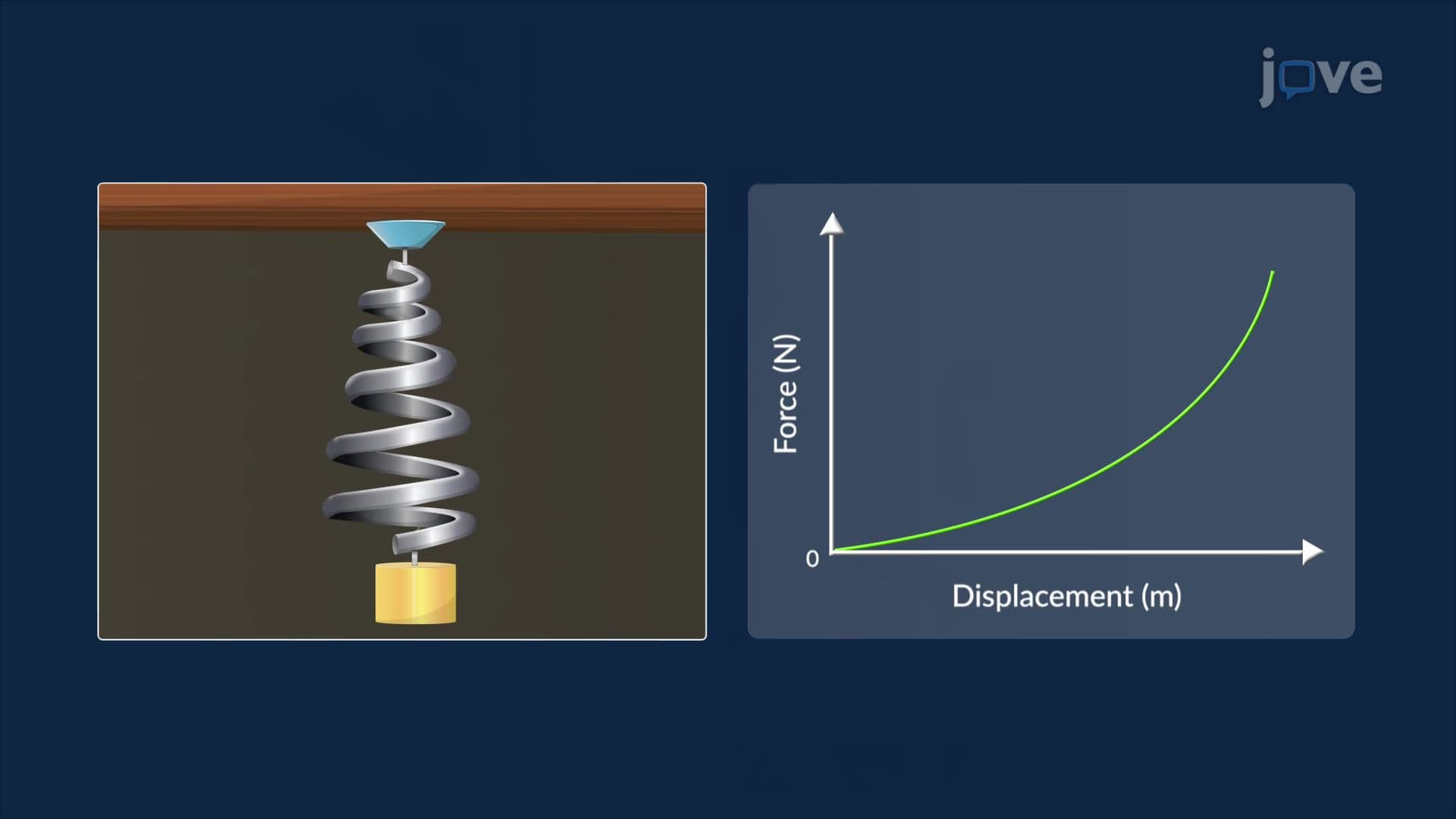
6. The Substitution Rule The substitution rule is the integration counterpart of the chain rule for differentiation. When an integrand contains a composite function, a new variable *u* is introduced to simplify the expression. For indefinite integrals, after integrating in terms of *u*, the original variable is resubstituted to express the final answer in its physical context. For definite integrals, the limits of integration are converted to match the new variable before evaluating, avoiding the need to back-substitute. Real-world examples include calculating the work done stretching a nonlinear spring, computing the total electric charge passing through a circuit over a time interval, and modeling the volume of air inhaled during a respiratory cycle using sinusoidal functions.