Loading video…

 17 Concepts
 6.3K views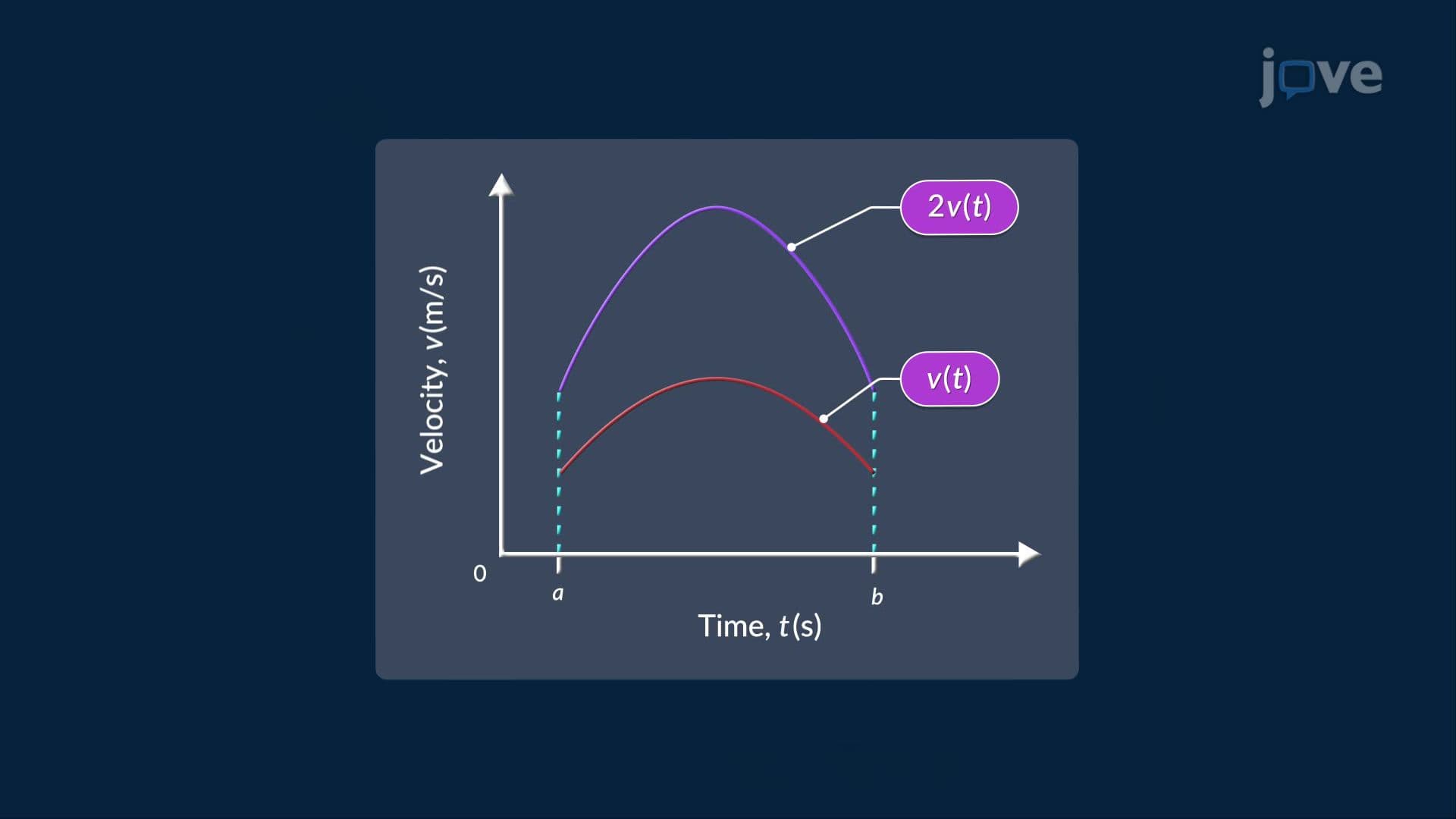

Video Summary: Properties of Definite Integral Ii Explained
Did you know that the same math used to calculate a road trip's total distance also powers GPS navigation systems across the US? The properties of definite integral II, specifically additivity and the constant multiple rule, make complex accumulation problems far more manageable. When a driver travels from Chicago to St. Louis with a changing speed, these properties let you break the journey into solvable segments. Watch the full video on JoVE Coach to master this concept with expert-led visuals and step-by-step explanations.
The Properties of Definite Integral II are not just abstract rules, they are practical tools that simplify how mathematicians, engineers, and scientists calculate accumulated quantities. Whether you're computing total displacement in a physics problem or evaluating area under a curve in AP Calculus, these properties make otherwise difficult integrals tractable. Mastering them is essential before tackling more advanced topics like the fundamental theorem of calculus.
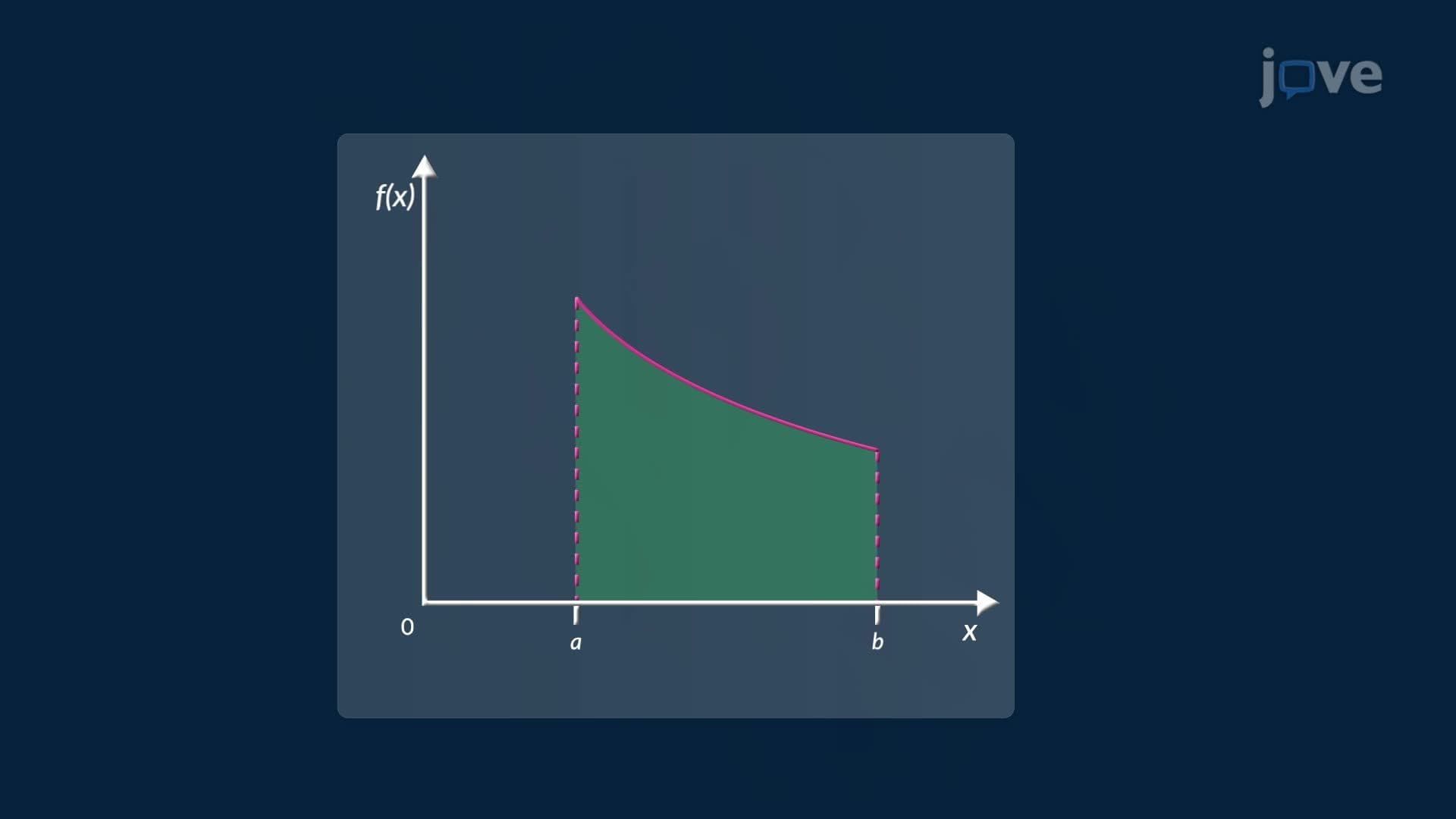
The additivity property states that if a function is continuous on an interval [a, b], and c is any point within that interval, then:
Integral from a to b of f(x) dx = Integral from a to c of f(x) dx + Integral from c to b of f(x) dx
Think of a cross-country delivery truck driving from Dallas, TX to Nashville, TN, stopping in Memphis, AR. Rather than analyzing the entire route at once, you can calculate the fuel consumption, modeled by an integral of a rate function, for each leg separately and add them together. This is exactly what additivity allows. The property holds even when the function changes character over different sub-intervals, provided it remains continuous. On AP Calculus AB exams, this property is frequently tested in problems where students must evaluate a piecewise-defined function or reconstruct a total value from partial integrals given in a table.
The constant multiple property states that for any constant k:
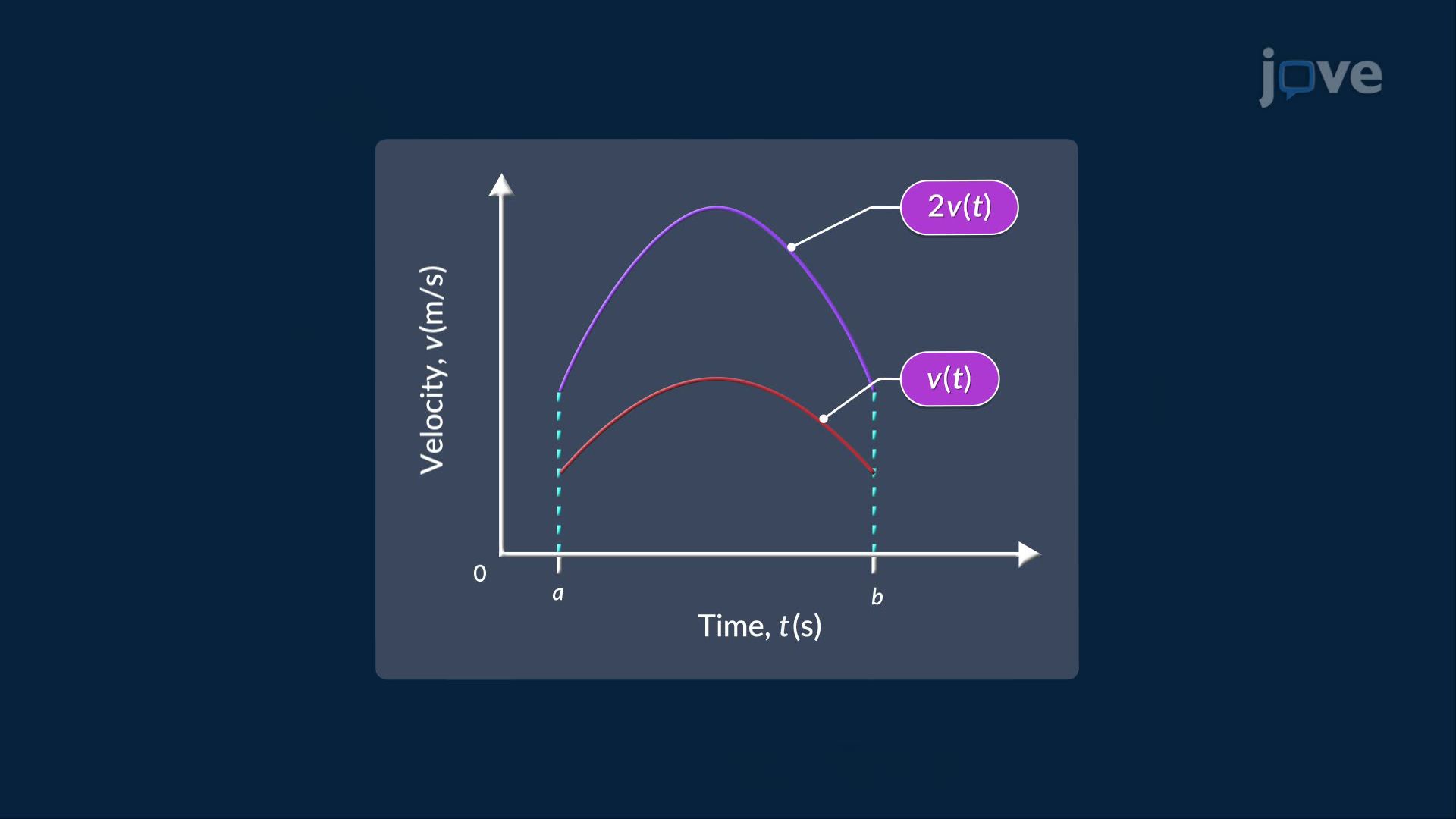
Integral of k times f(x) dx = k times the Integral of f(x) dx
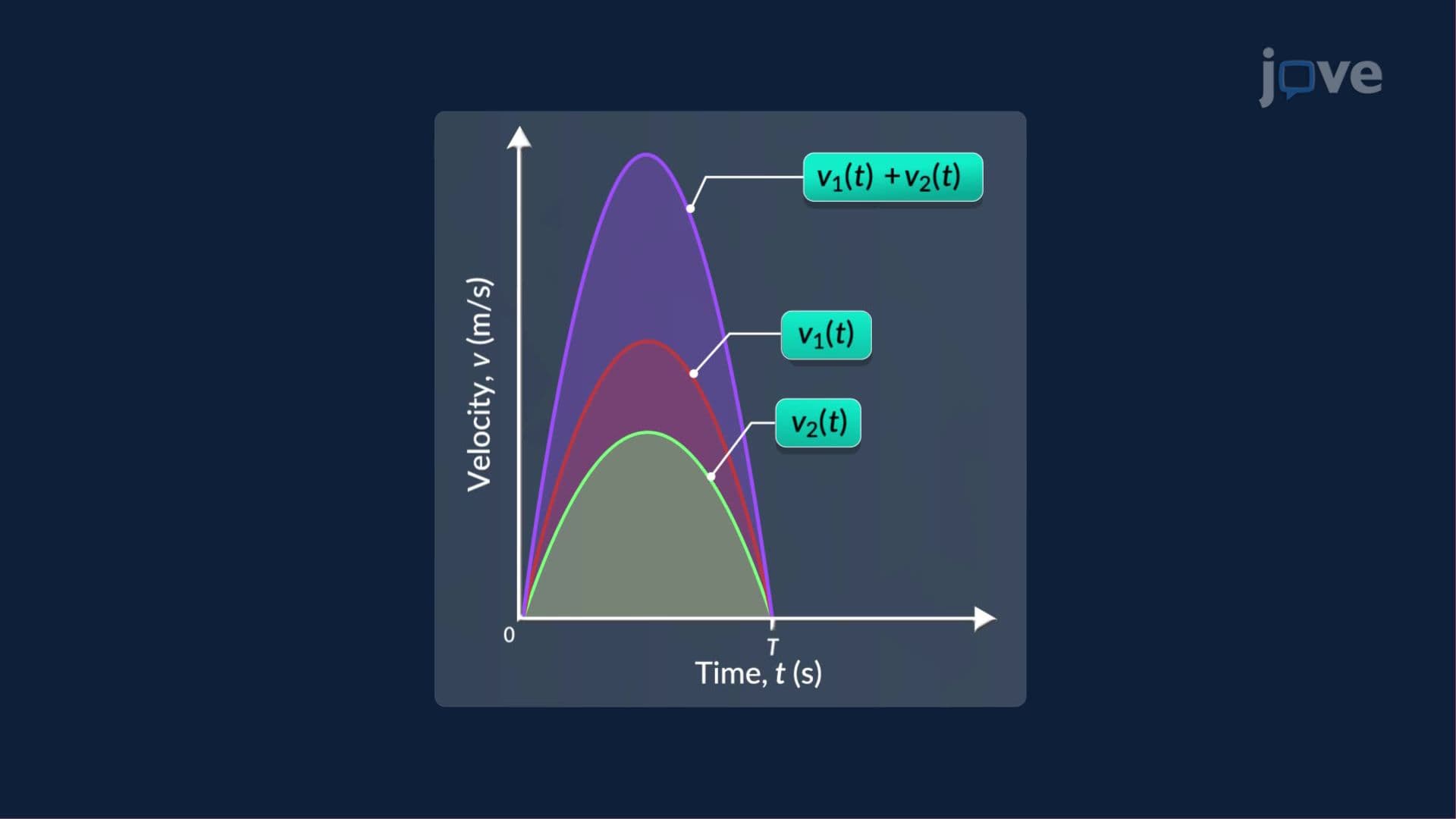
Suppose a NASA engineer is modeling the velocity of a rocket during a test burn. If a second engine configuration doubles every velocity value, the total displacement, the area under the velocity-time curve, is also exactly doubled. There is no need to re-evaluate the entire integral from scratch. Instead, the constant is simply factored out. This property directly connects to how antiderivatives are computed, since the derivative of k times F(x) is k times f(x), reinforcing consistency across calculus operations.
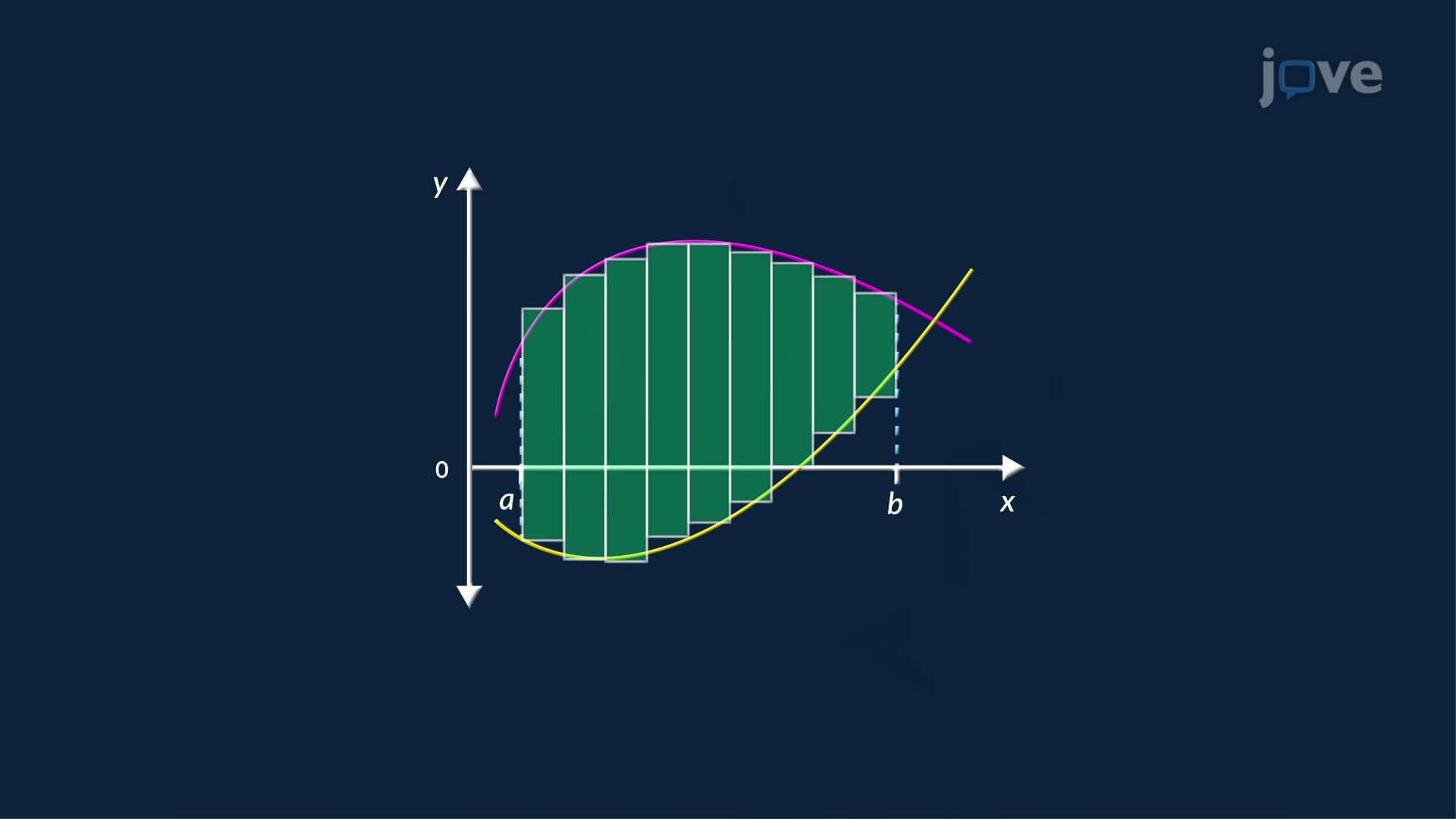
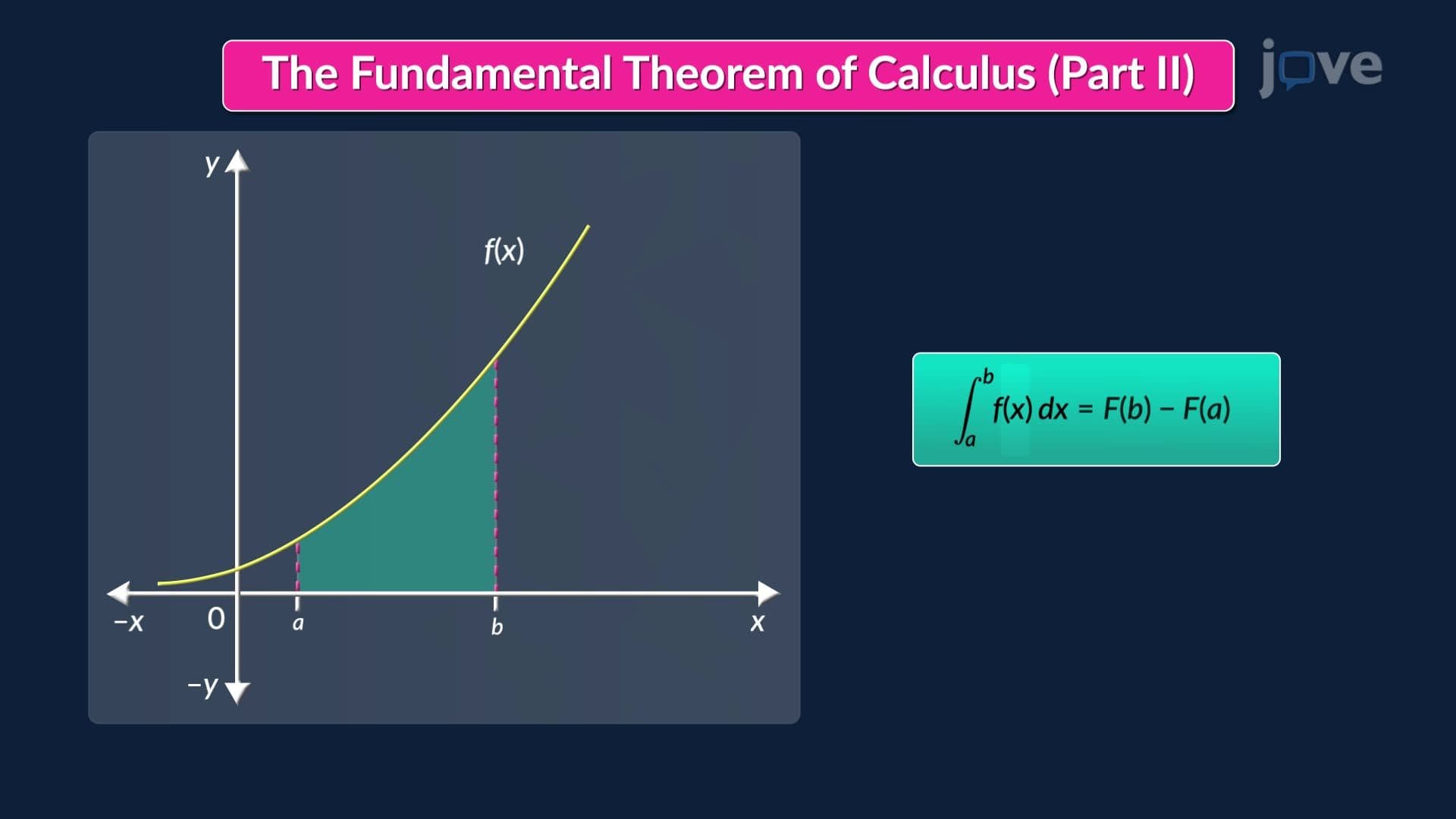
Both properties can be verified from first principles using Riemann sums, the foundational concept behind what a definite integral actually measures. When you sum infinitely thin rectangular slices of area, splitting at a midpoint or multiplying heights by a constant produces predictable, proportional results. This is why these properties feel intuitive once you understand what a definite integral represents geometrically. The fundamental theorem of calculus then ties everything together: evaluating a definite integral becomes a matter of finding an antiderivative, applying the constant multiple rule as needed, and using additivity to handle complex bounds.
These properties appear consistently on AP Calculus AB and BC free-response and multiple-choice sections. Students are regularly asked to evaluate integrals by rewriting them using additivity, or to simplify expressions by pulling constants outside the integral sign. In college calculus courses, from introductory Calculus I at community colleges to STEM-track courses at universities like MIT OpenCourseWare-equivalent syllabi, these properties are tested in every unit exam covering integration. Understanding the difference between definite and indefinite integrals is a prerequisite here: definite integrals produce a number (an accumulated quantity), while indefinite integrals produce a family of antiderivatives. The properties of definite integrals apply specifically to that numerical evaluation process.
Related Micro-courses