Loading video…

 17 Concepts
 6.3K views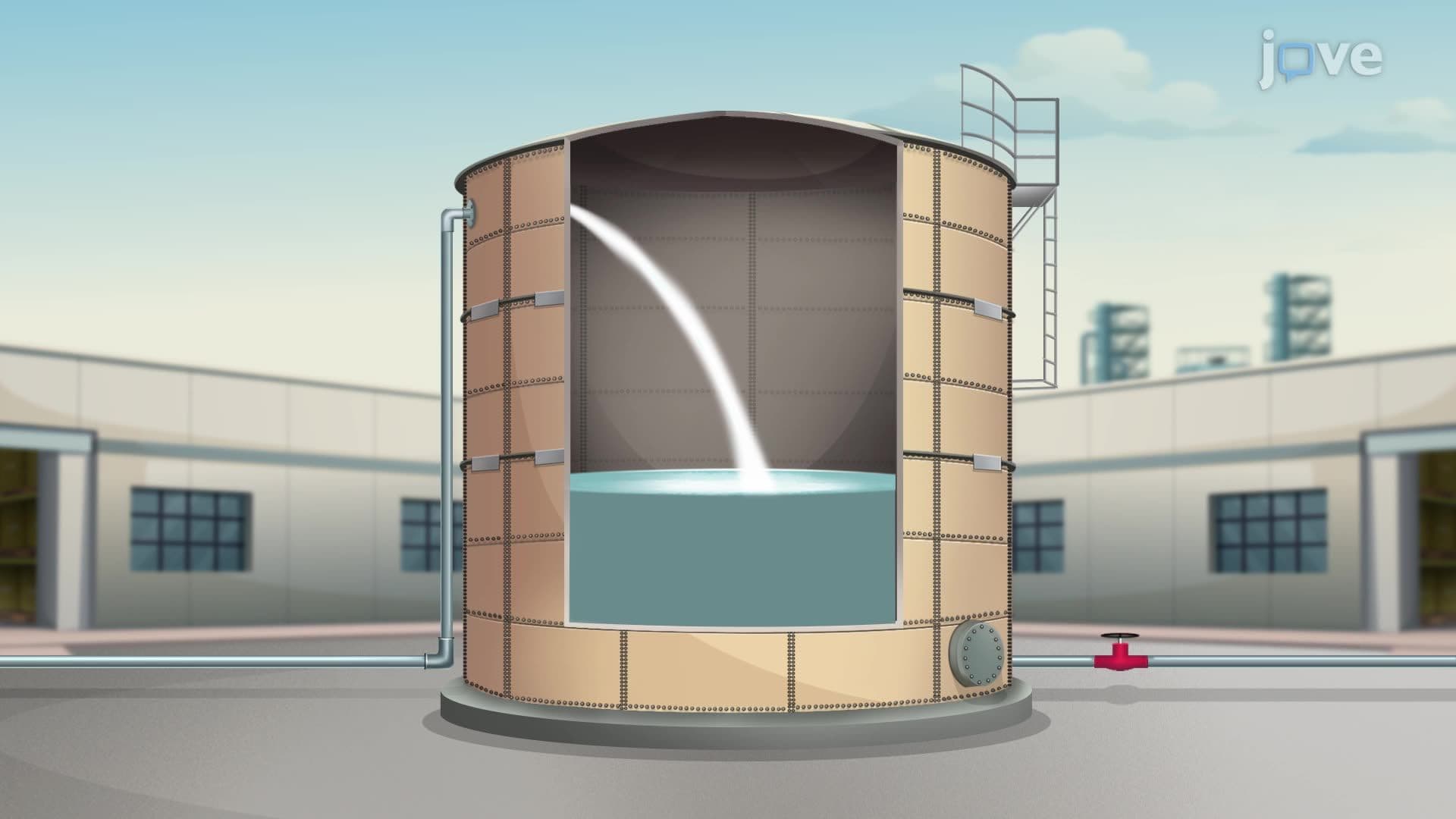

Video Summary: Problem Solving in Fundamental Theorem of Calculus I
Did you know that every water utility in the US relies on calculus to prevent tank overflows and pressure failures? Problem Solving in Fundamental Theorem of Calculus I reveals how derivatives and integrals connect, showing that the rate of change of accumulated volume equals the instantaneous flow rate. Watch the full video on JoVE Coach to master this concept with expert-led visuals and step-by-step explanations.
Calculus has two major operations, differentiation and integration, and for centuries mathematicians treated them as separate tools. The Fundamental Theorem of Calculus, Part I is the result that unifies them. It states that if you define a function by integrating a continuous function over a variable upper limit, then differentiating that result returns the original function. In plain terms: integration and differentiation are inverse operations, just as multiplication and division are inverses.
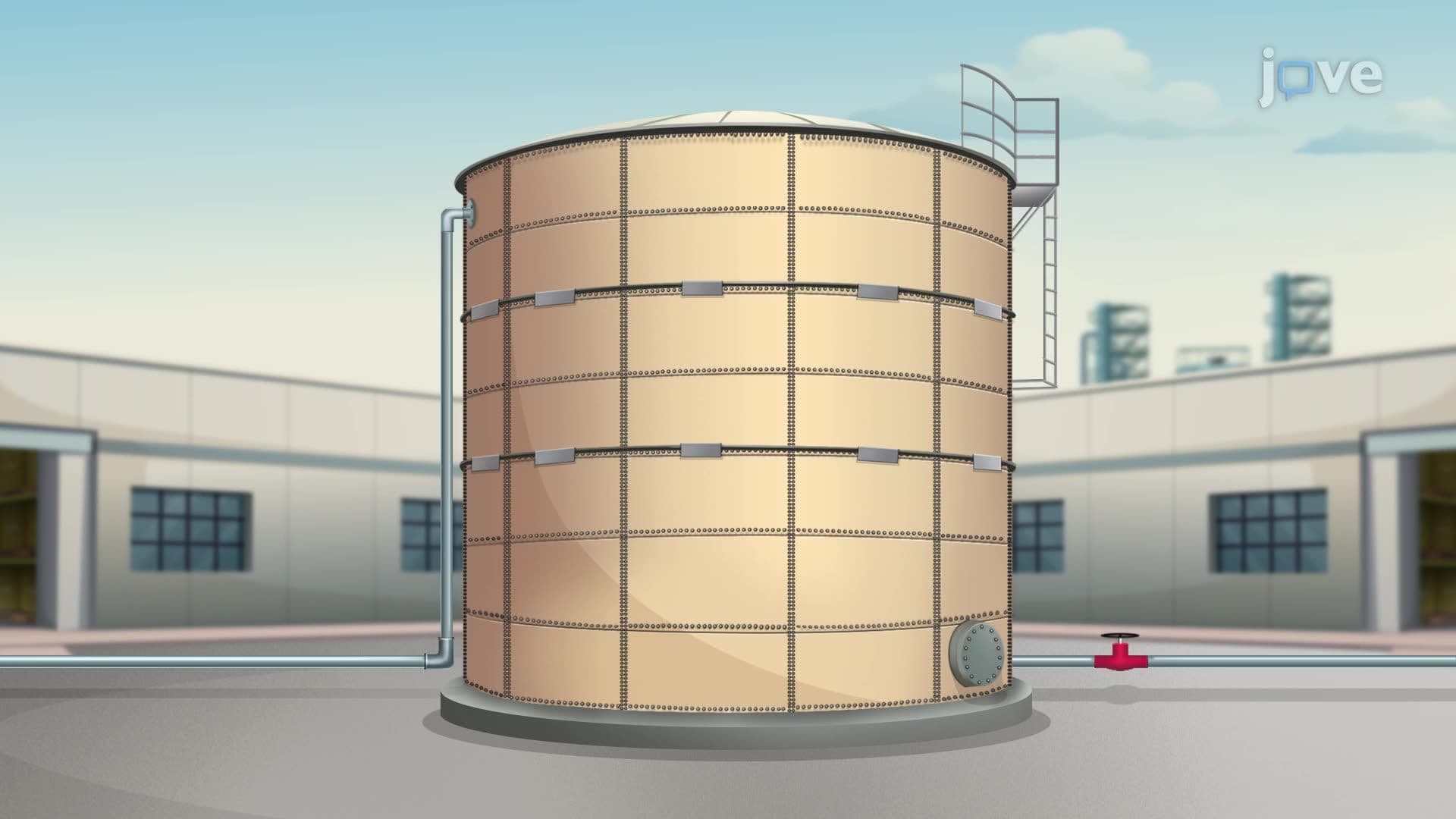
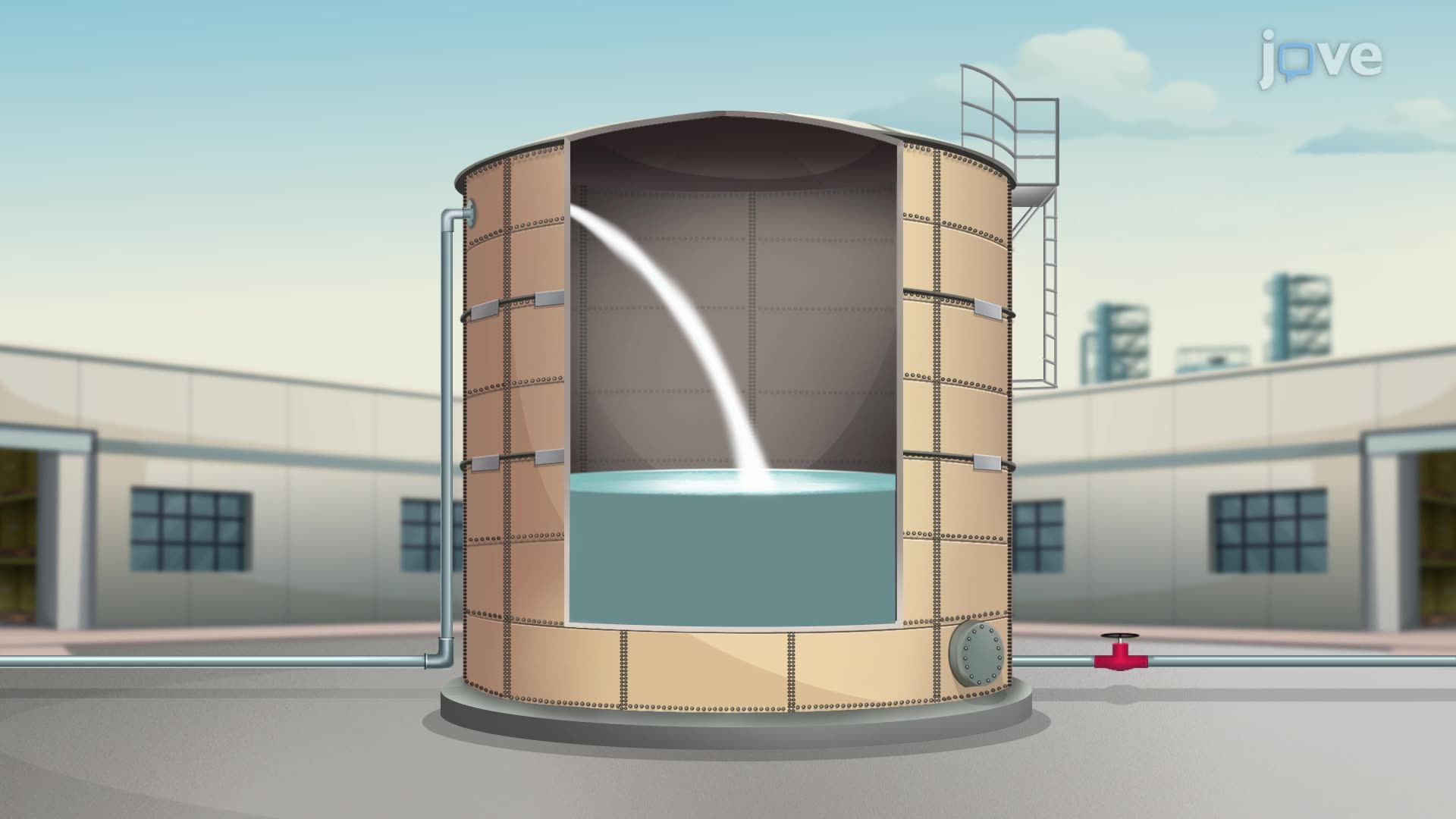
An accumulation function is defined as V(t) = integral from 0 to t of f(s) ds. Here, f(s) represents a rate, such as gallons per minute flowing into a municipal water tank in Chicago or Phoenix, and V(t) gives the total volume accumulated by time t. The variable *s* inside the integral is called a dummy variable. It is simply a placeholder that sweeps across the interval; the final answer depends only on the upper limit t, not on s. This notation prevents the common student error of confusing the variable of integration with the boundary of integration.
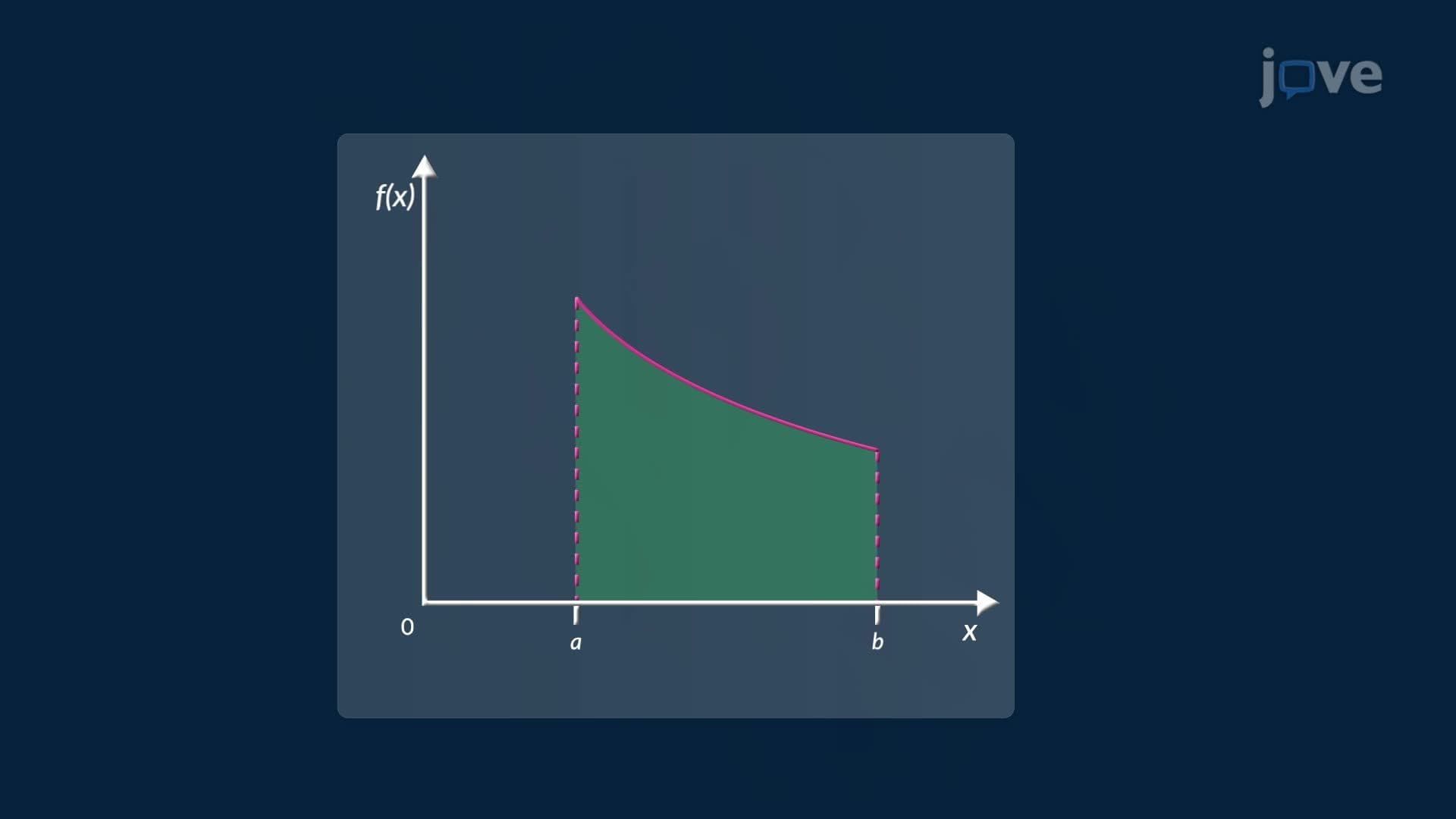
Formally, if f is continuous on the interval [a, b] and V(t) = integral from a to t of f(s) ds, then V'(t) = f(t). This single equation carries enormous meaning. The derivative of the accumulated quantity at any moment equals the rate of input at that exact moment. In the water-supply example, if water flows in at 3.5 gallons per minute at t = 10 minutes, then the total stored volume is increasing at exactly 3.5 gallons per minute at that instant, no more calculation needed. This is not a coincidence; it is the geometric statement that the rate of growth of the area under a curve equals the curve's own height at that point.
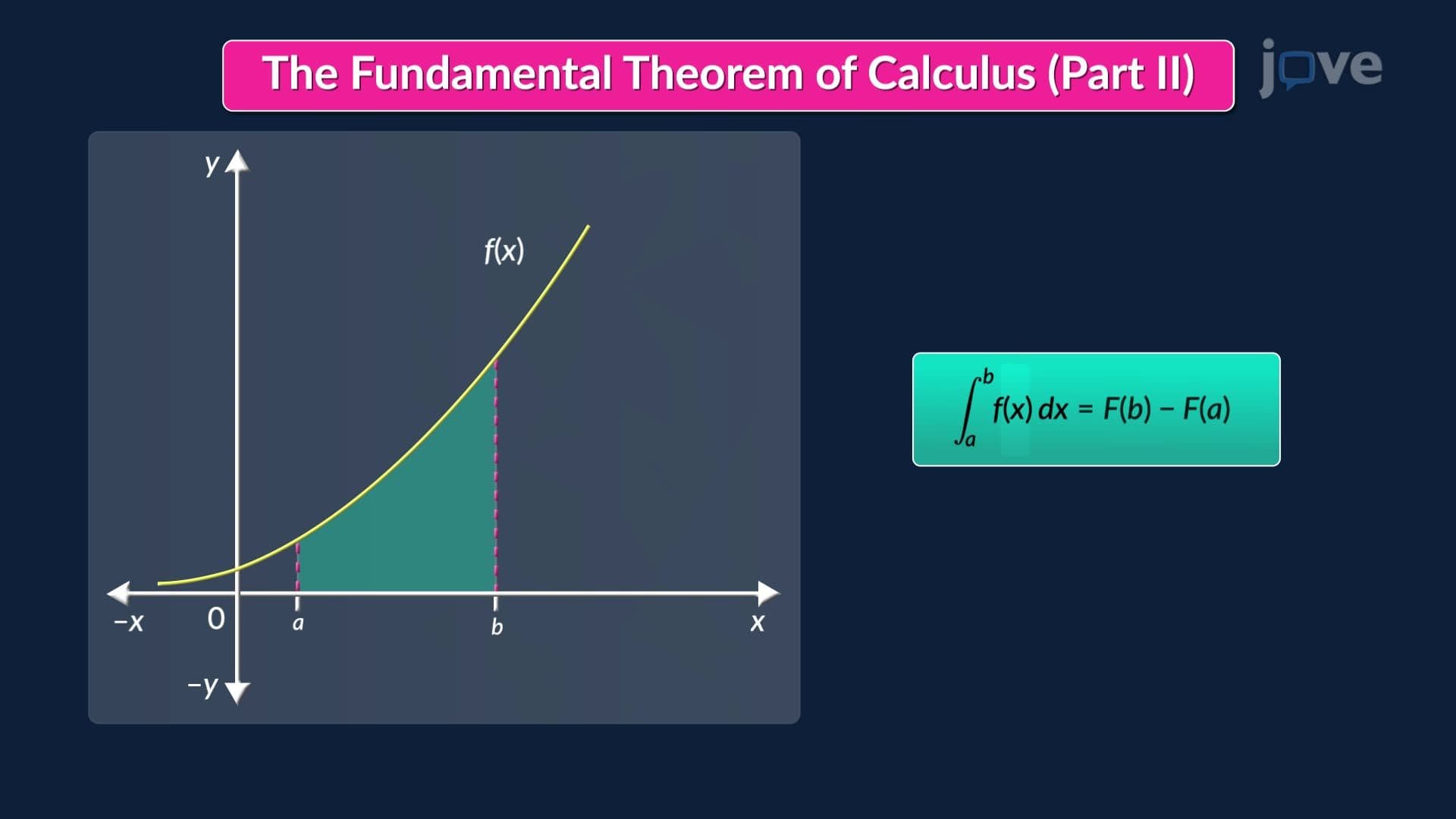
Students frequently confuse definite and indefinite integrals, and this distinction is tested heavily on the AP Calculus AB and BC exams. An indefinite integral produces a family of antiderivatives, functions of the form F(x) + C, and has no numerical bounds. A definite integral has fixed limits and produces a specific number representing a net area or accumulated quantity. The Fundamental Theorem of Calculus, Part II (covered separately) connects these two ideas by providing a shortcut: evaluate F(b) minus F(a) instead of computing Riemann sums. Part I, by contrast, focuses on *differentiating* an integral that has a variable upper limit. Mastering the difference between these two parts is essential for AP free-response questions, college midterms, and any course in physics or engineering that uses integral calculus.
Beyond water management, this theorem drives calculations in US industries and disciplines including:
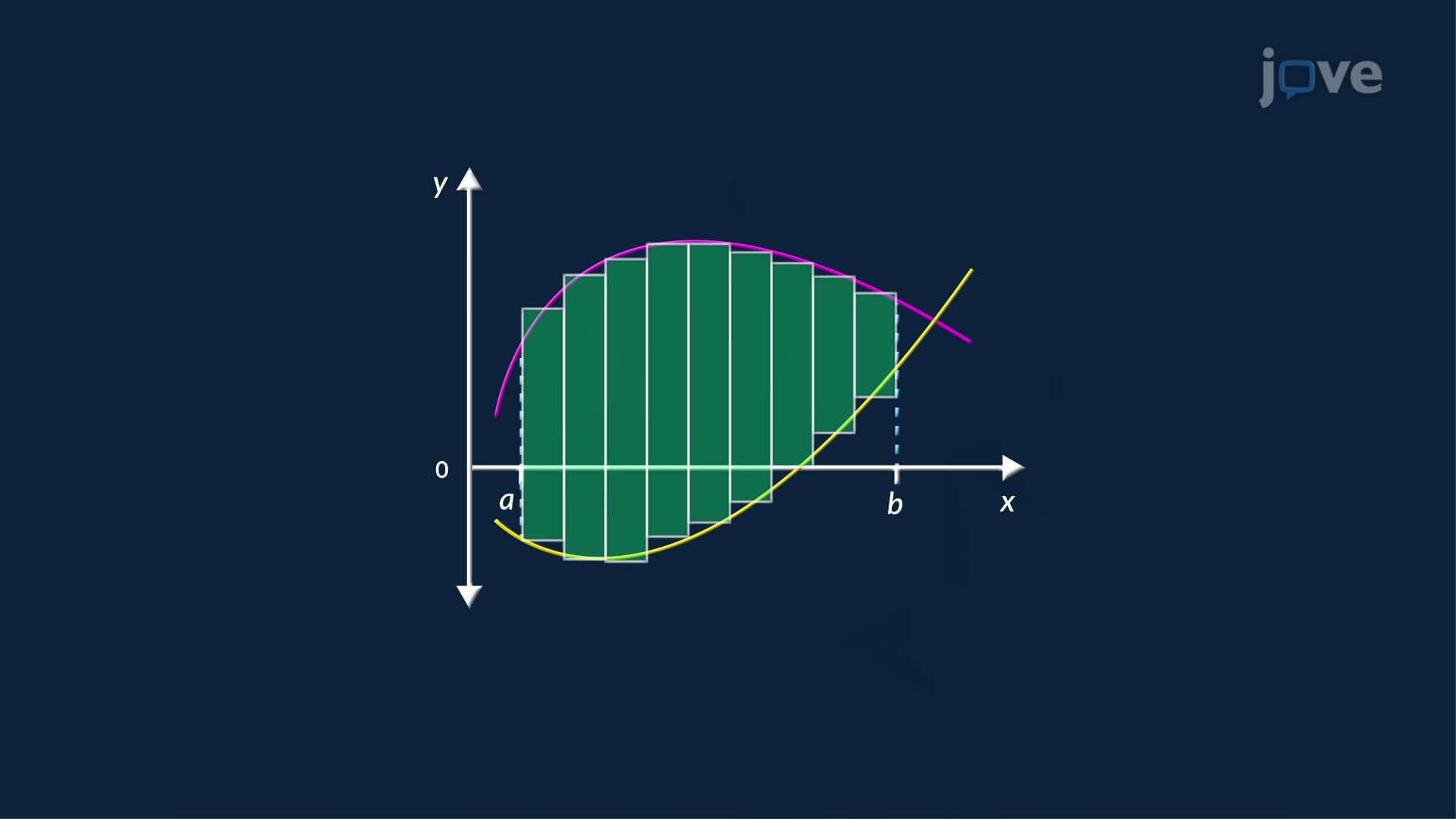
On the AP Calculus AB exam, the Fundamental Theorem of Calculus appears in both the multiple-choice and free-response sections virtually every year. Students are expected to set up accumulation functions, differentiate them using Part I, and evaluate them using Part II. Understanding Riemann sums is the prerequisite context that makes the theorem's logic feel inevitable rather than arbitrary.
Related Micro-courses