Loading video…


 17 Concepts
 6.3K views

Video Summary: What are Sums of Power
Did you know a simple formula can instantly count every seat in a stadium section or every can in a grocery store pyramid? Sums of power, including sums of consecutive integers, squares, and cubes, make these calculations effortless. For example, a US theater with 35 rows, where each row adds one seat, uses the consecutive integers formula to find the total in seconds. Watch the full video on JoVE Coach to master this concept with expert-led visuals and step-by-step explanations.
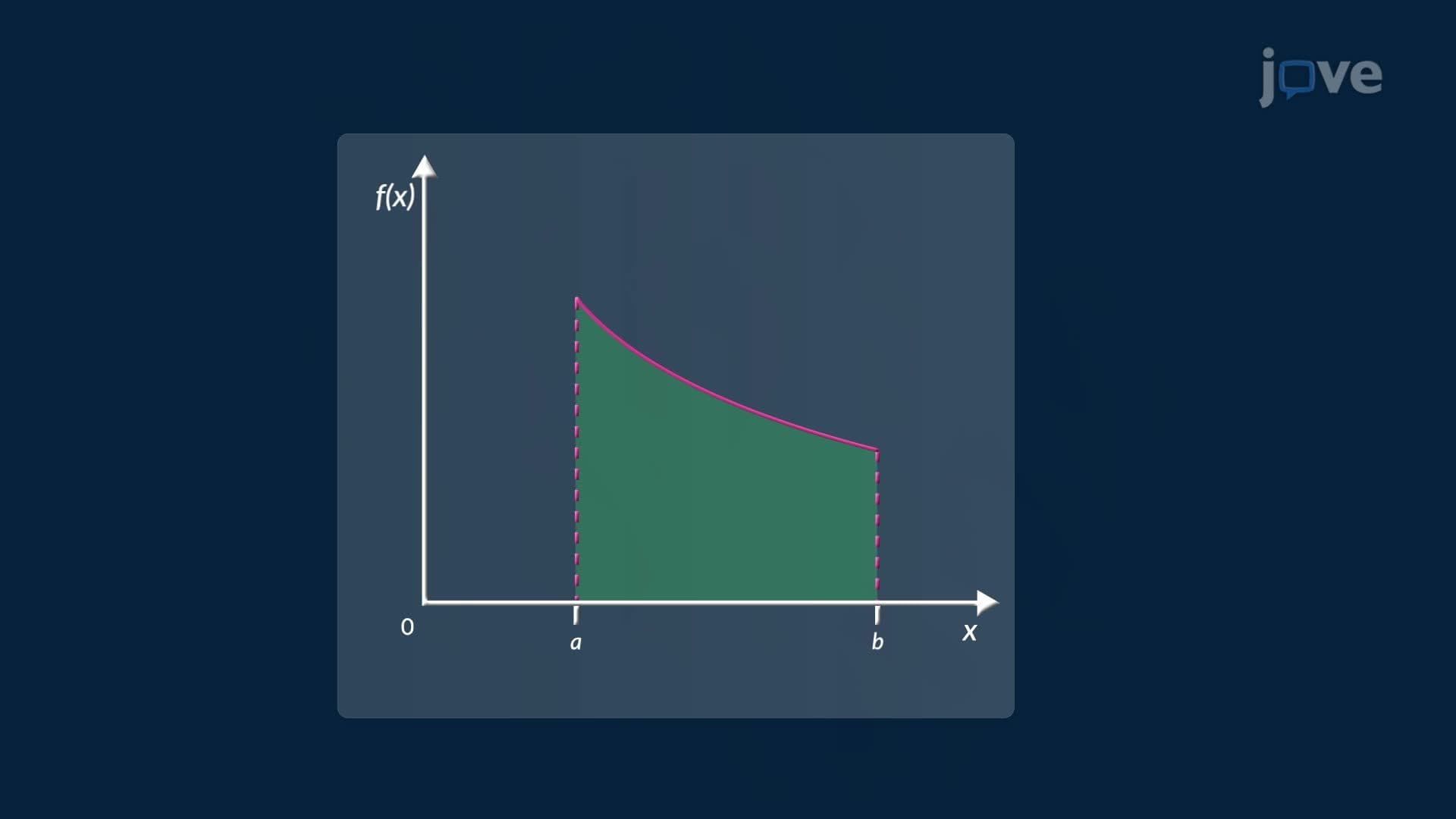
Sums of Power refer to a set of closed-form formulas that allow you to quickly find the total of a sequence of integers, squares, or cubes without adding every individual term. Rather than calculating 1 + 2 + 3 + … + 100 one step at a time, a single formula delivers the answer instantly. This efficiency becomes critical in algebra, precalculus, and especially in calculus, where Riemann sums use these formulas to approximate the area under a curve.
There are three primary Sums of Power formulas used across US math curricula:
Sum of consecutive integers: The sum of the first n positive integers equals n(n + 1) divided by 2. So for n = 35, the total is 35 × 36 ÷ 2 = 630.
Sum of squares: The sum of the first n perfect squares equals n(n + 1)(2n + 1) divided by 6. This formula applies when each term in the sequence is a squared value, such as a pyramid stacked in square layers.
Sum of cubes: The sum of the first n perfect cubes equals the square of n(n + 1) divided by 2, written as [n(n + 1) / 2] squared. This handles cube-based stacking patterns or any sequence where terms grow cubically.
Each formula condenses an entire summation into a single expression, making calculations faster and less error-prone.
These formulas appear far more often in everyday life than most students expect. A sports arena designer calculating seating in a wedge-shaped section, a warehouse manager estimating how many boxes fill a triangular pallet stack, or a data analyst summing output values across intervals, all rely on the same logic. In grocery retail, square pyramid displays are a standard merchandising strategy, and the sum of squares formula tells a store manager exactly how many units are needed to build a five- or ten-layer display before pulling stock.
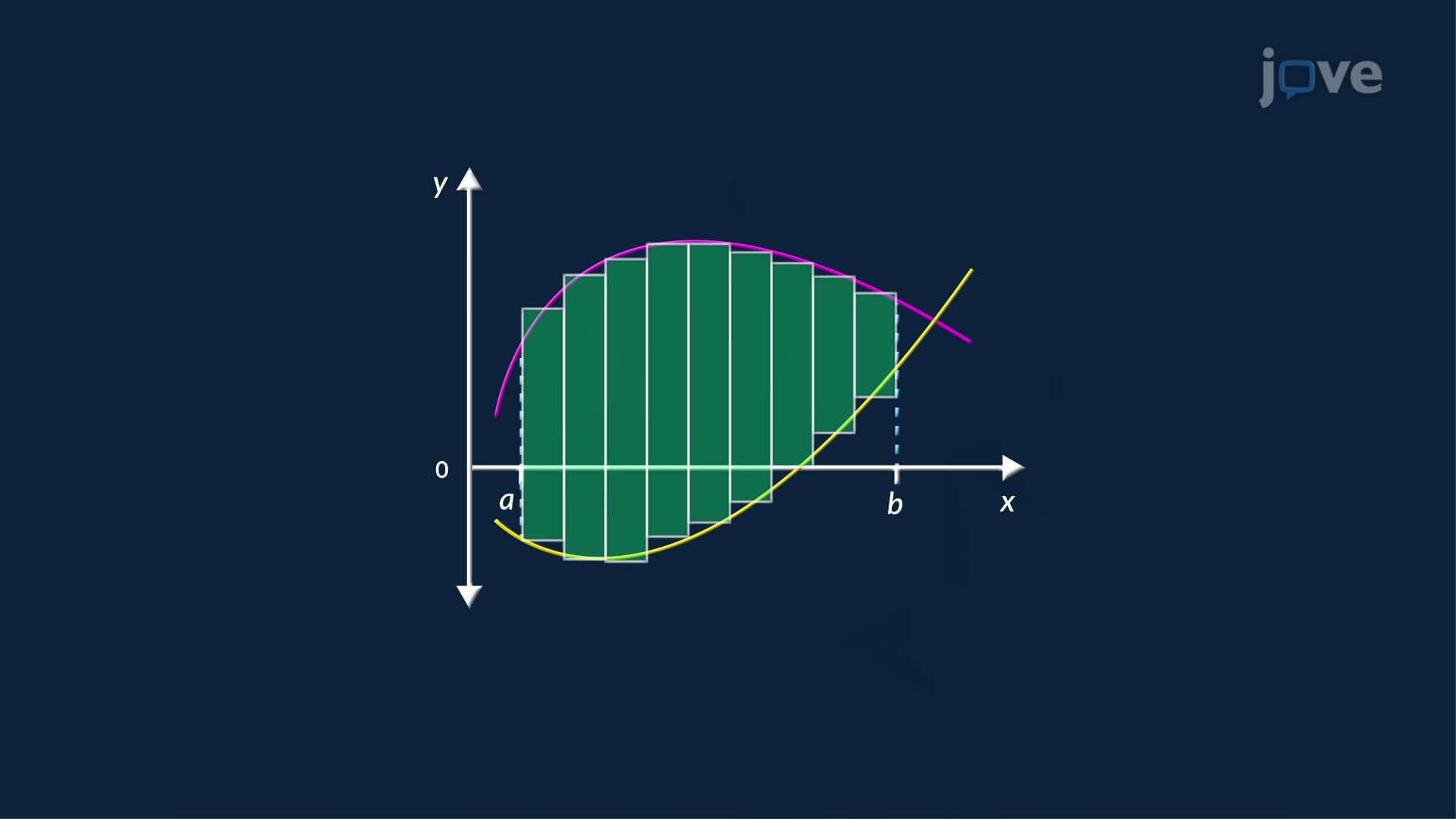
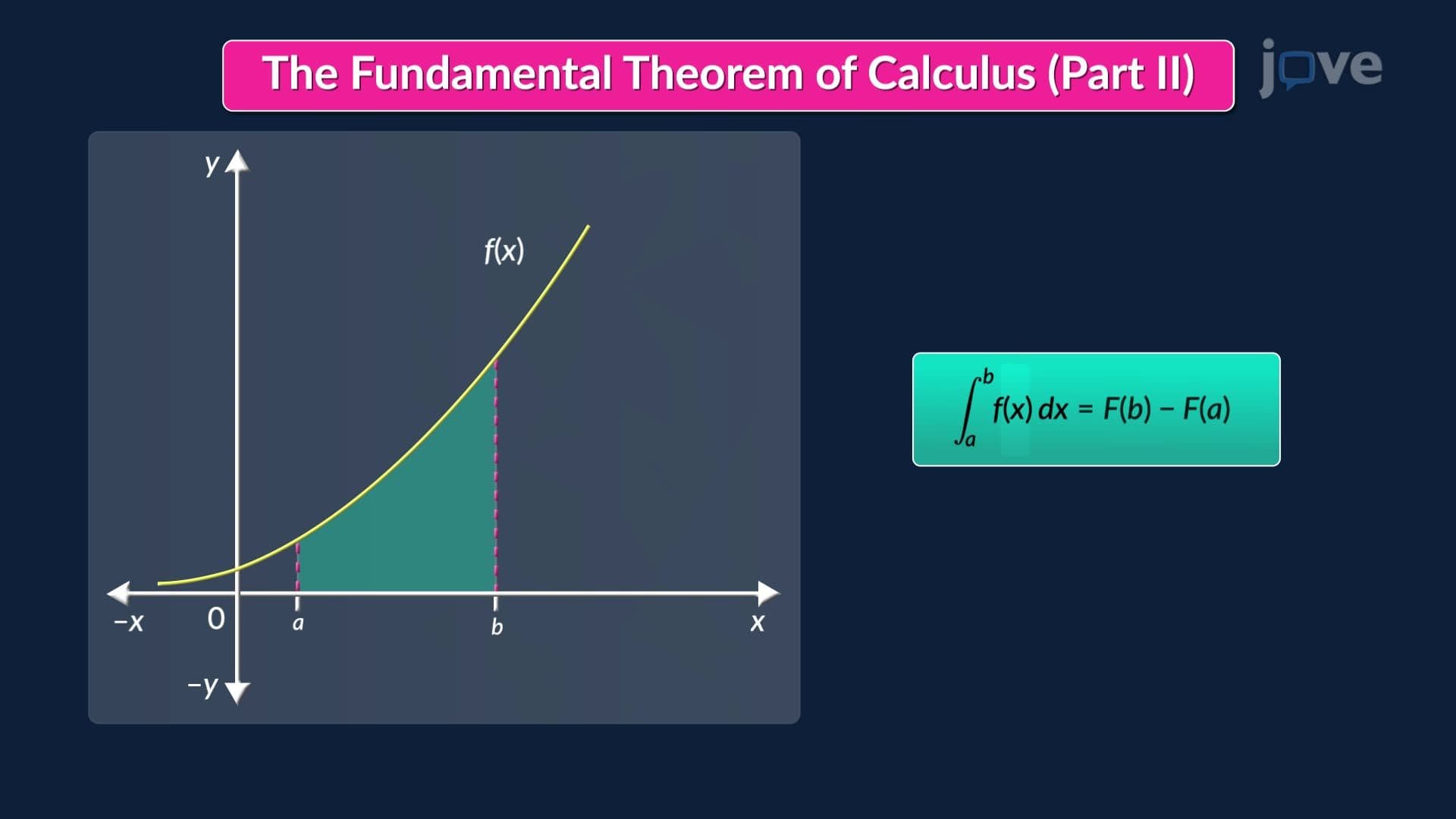
In engineering and physics courses at US universities, Sums of Power become the arithmetic engine inside Riemann sums, the method used to approximate definite integrals before applying the Fundamental Theorem of Calculus.
On AP Calculus AB and BC exams, students are expected to set up and evaluate Riemann sums using left-endpoint, right-endpoint, and midpoint methods. These sums frequently involve expressions like the sum of i squared or the sum of i cubed, where i runs from 1 to n. Without knowing the Sums of Power formulas, simplifying those expressions becomes nearly impossible under timed conditions.
College-level Calculus I courses across the US, from community colleges to four-year universities, introduce Sums of Power early in the integration unit, precisely because they provide a bridge between discrete arithmetic and continuous calculus. Students who internalize these formulas early tend to find the transition to antiderivatives and definite integrals significantly smoother. Mastering them now pays dividends across AP exams, college midterms, and any STEM curriculum that builds toward integral calculus.
Related Micro-courses