Loading video…

 17 Concepts
 6.3K views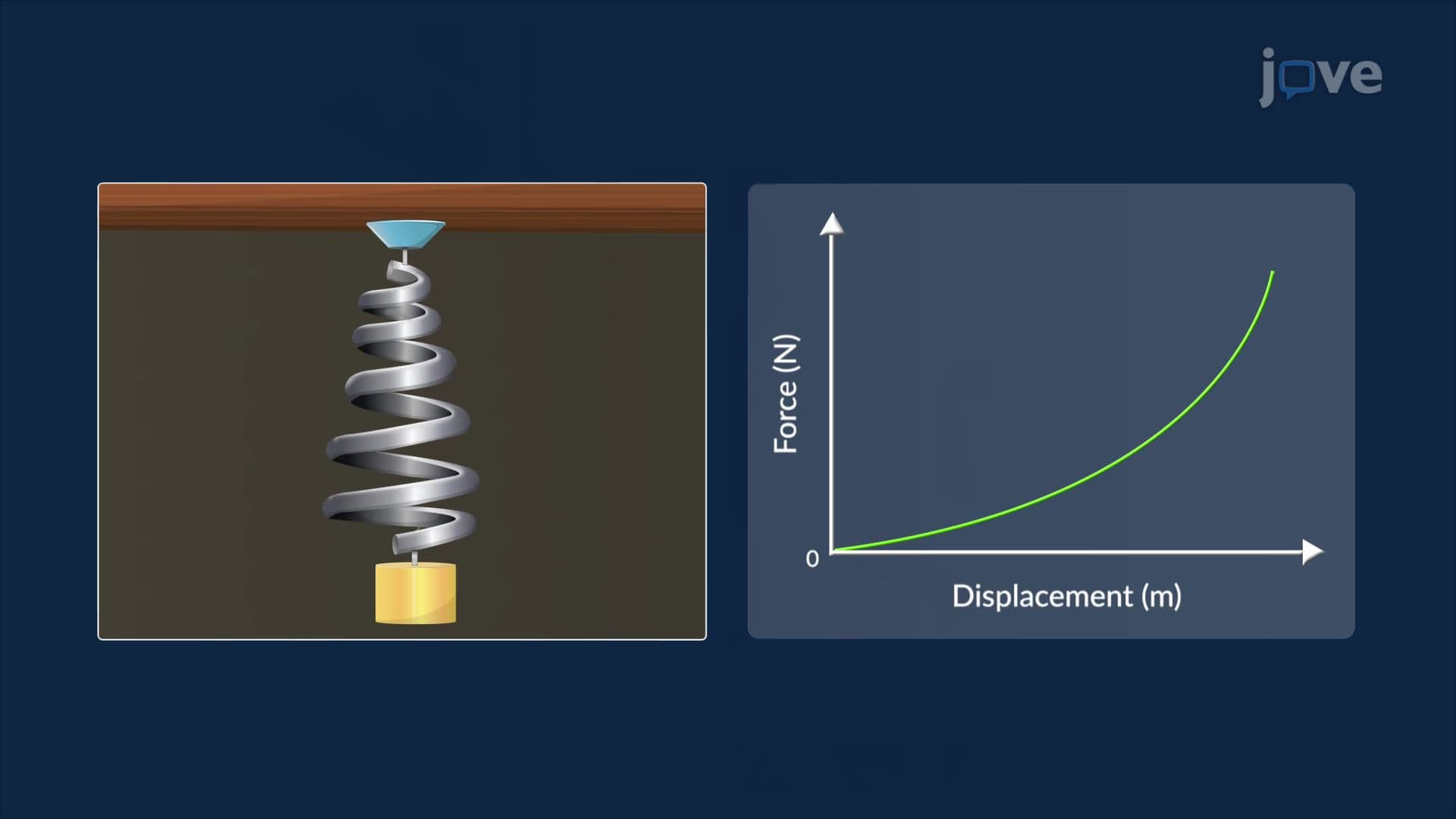

Video Summary: Substitution Rule Applied to Indefinite Integrals Explained
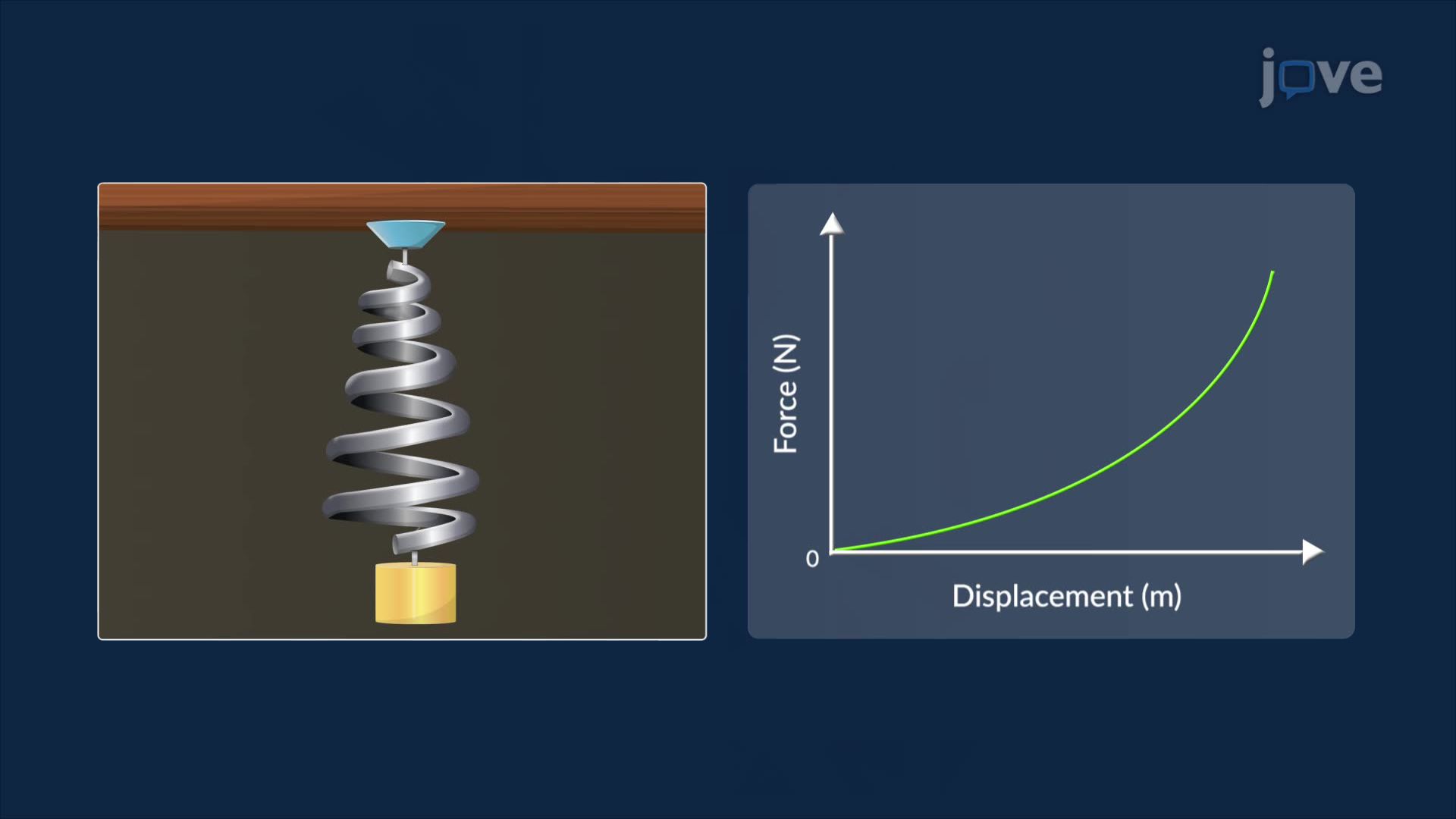
Did you know that not all springs follow a simple straight-line force rule? Understanding the substitution rule applied to indefinite integrals unlocks how engineers calculate work done by complex, nonlinear springs, like those found in advanced suspension systems used in American automotive engineering. This technique simplifies otherwise unsolvable integrals by cleverly introducing a new variable. Watch the full video on JoVE Coach to master this concept with expert-led visuals and step-by-step explanations.
The substitution rule applied to indefinite integrals, sometimes called *u-substitution*, is one of the most essential tools in calculus. It works by replacing a complicated expression inside an integral with a single new variable, transforming a difficult problem into a straightforward one. Think of it as reverse-engineering the chain rule from differentiation. Just as the chain rule handles composite functions when you differentiate, u-substitution handles them when you integrate.
The process follows a clear, repeatable structure. Suppose you encounter an integral where part of the integrand is a composite expression, for example, a variable raised to a power nested inside a square root. Here is the general approach:
1. Choose your substitution: Let *u* equal the inner expression that makes the integral complicated. 2. Differentiate: Find *du/dx*, then solve for *dx* in terms of *du*. 3. Rewrite the integral: Replace every instance of the original variable with *u* and *du*. 4. Integrate: Solve the now-simplified integral using standard power rules or other basic formulas. 5. Back-substitute: Replace *u* with the original expression to return to the original variable.
This final step is critical, especially in applied problems where the variable represents a physical quantity like displacement or time. Dropping back-substitution is one of the most common errors students make on AP Calculus AB and BC exams.
It is important to understand where u-substitution fits within the broader framework of integration. Indefinite integrals produce a general antiderivative, a family of functions differing by a constant *C*. Definite integrals evaluate that antiderivative over a specific interval, yielding a numerical result. The substitution rule applies to both, but with a key difference: in definite integrals, you must also convert the limits of integration into terms of the new variable *u*, or back-substitute before evaluating.
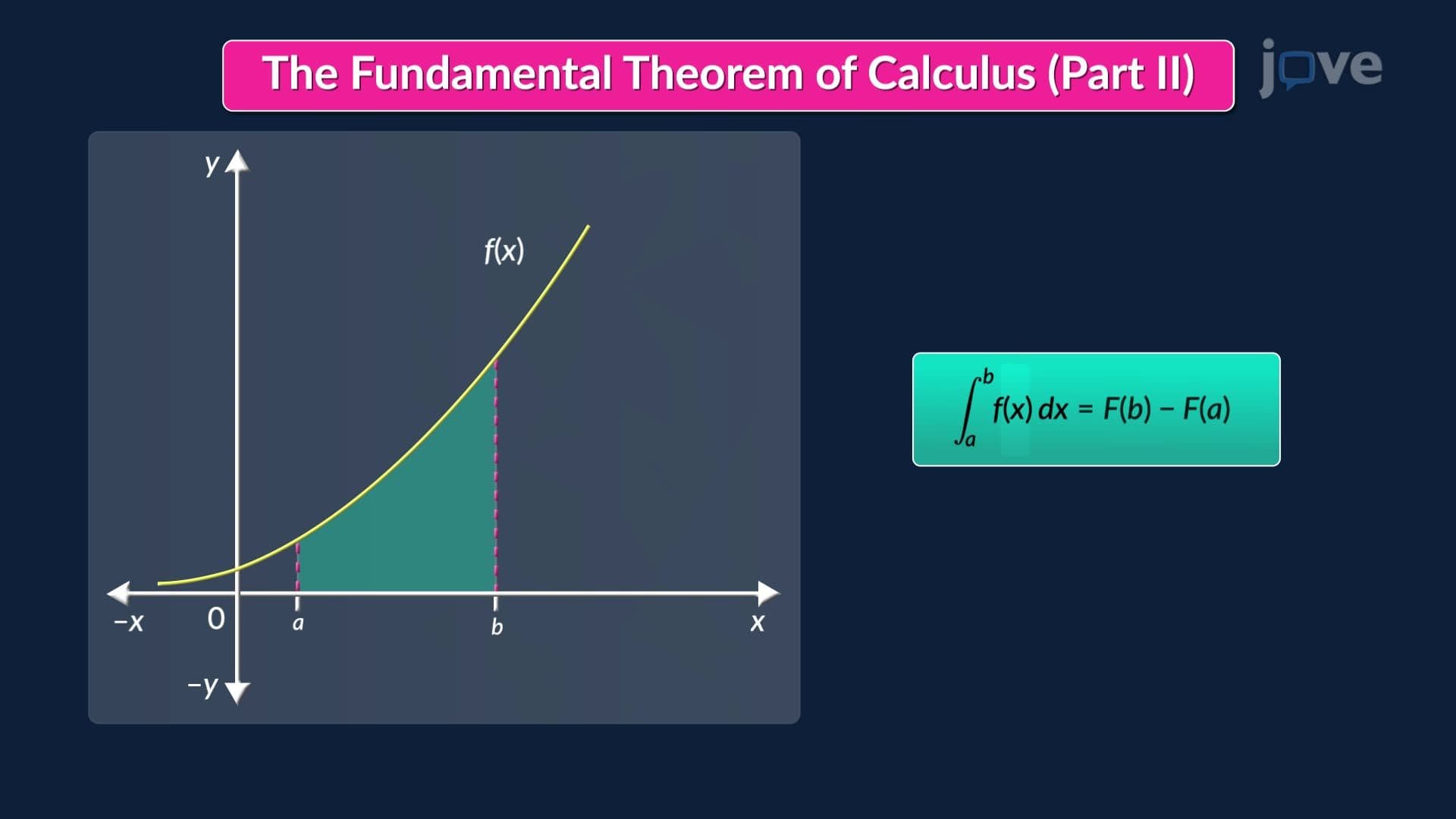
This concept connects directly to the fundamental theorem of calculus, which links antiderivatives to the area under a curve. Mastering substitution is effectively mastering the gateway between differentiation and integration, a major tested theme in AP Calculus, college Calculus I and II courses, and university physics.
A compelling US-based example comes from mechanical engineering. Standard springs follow Hooke's Law, force increases linearly with displacement, making integration simple. But advanced springs, like those in aerospace components or adaptive vehicle suspensions developed by US manufacturers such as those supplying NASA or the automotive industry, exhibit nonlinear force-displacement behavior. The force function may contain square root or polynomial terms that resist direct integration.
This is precisely where the substitution rule shines. By introducing a new variable for the complex force term, engineers can transform the integral into a power function, integrate cleanly, and then interpret the result as the total work done, expressed in joules. This application reinforces why calculus is not just an abstract academic exercise but a practical engineering language used daily in American industry and research labs.
On the AP Calculus AB exam, u-substitution appears regularly in both the multiple-choice and free-response sections. Students are expected to recognize when substitution is appropriate, execute it correctly, and interpret the result. In AP Calculus BC and college-level Calculus II, substitution serves as the foundation for more advanced techniques like integration by parts and trigonometric substitution. Building fluency with u-substitution early pays dividends across every subsequent calculus topic.
Related Micro-courses