Loading video…

 17 Concepts
 6.3K views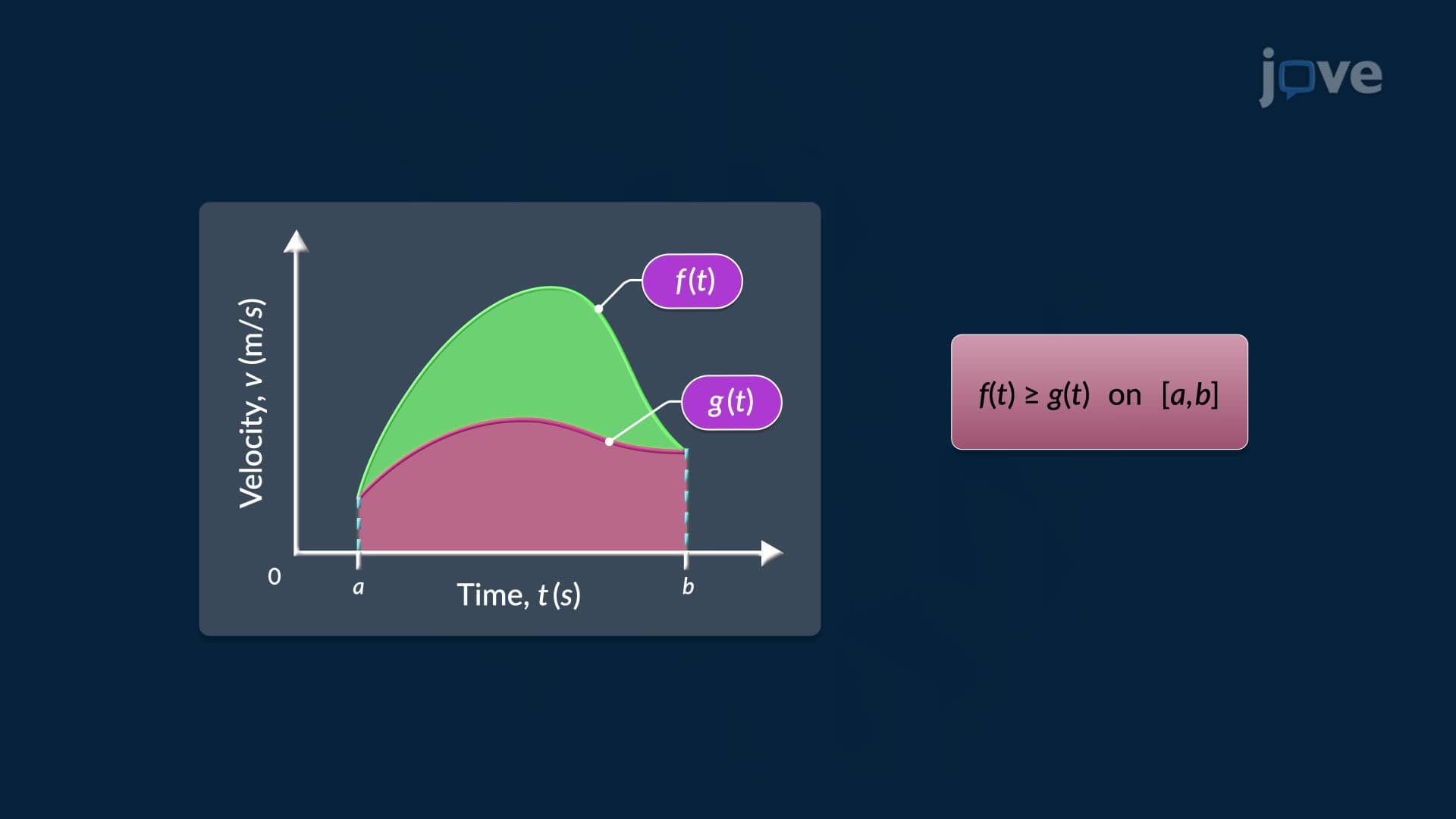

Video Summary: Properties of Definite Integral Iii Explained
Did you know that the math behind comparing two racing cars on a track is the same math used to analyze spacecraft velocity data at NASA? Properties of Definite Integral III covers two powerful rules, the Positivity Property and the Comparison Property, that determine how integral values relate when functions are nonnegative or ranked against each other. These tools help students make sense of real-world motion problems with confidence. Watch the full video on JoVE Coach to master this concept with expert-led visuals and step-by-step explanations.
Calculus students often focus on *how* to calculate integrals but overlook *what the result tells them*. The Properties of Definite Integral III shift that focus by establishing logical rules about the *sign* and *relative size* of definite integrals. These properties are not just theoretical, they are essential reasoning tools used in AP Calculus, college midterms, and real-world STEM applications across the United States.
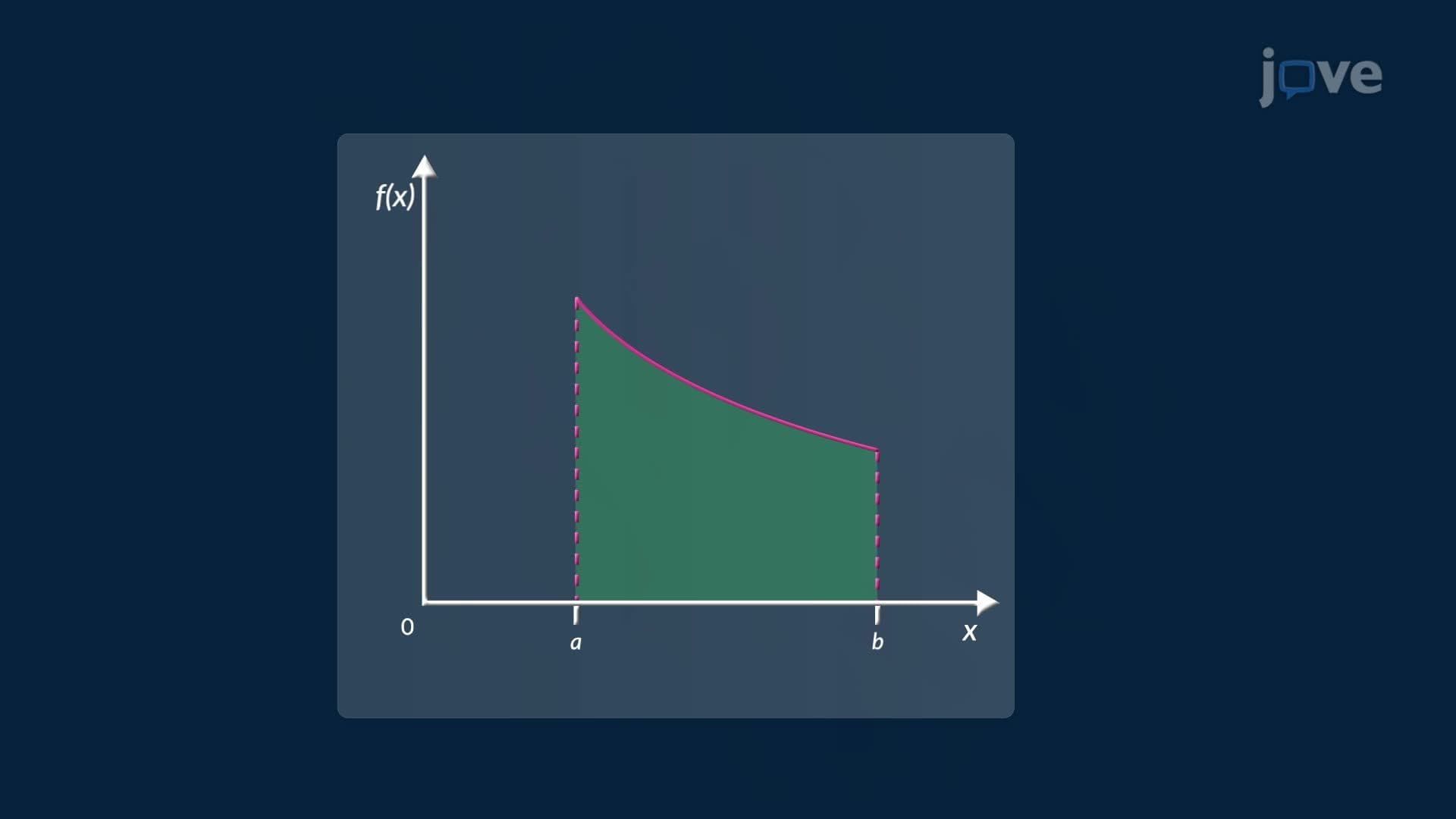
The Positivity Property states that if a function f(x) is greater than or equal to zero on the interval [a, b], then the definite integral of f(x) from a to b is also greater than or equal to zero. This makes intuitive sense: if you are always moving forward and never backward, your total displacement cannot be negative.
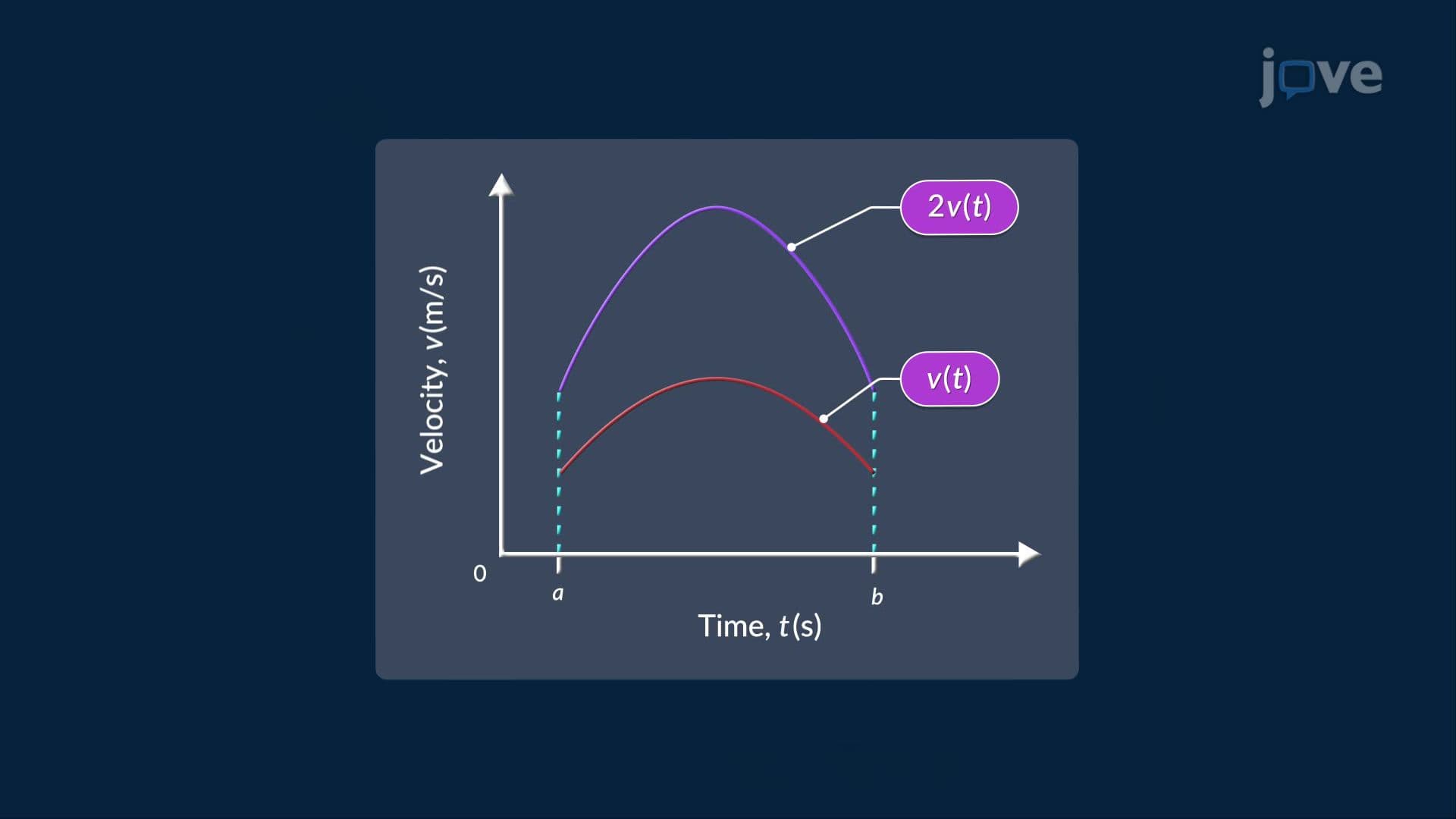
Think about a cyclist completing a race segment at the Chicago Triathlon. If their velocity v(t) is never negative, meaning they never move backward, then the integral of v(t) from the start time *a* to the finish time *b* represents a nonnegative displacement. The math reflects physical reality.
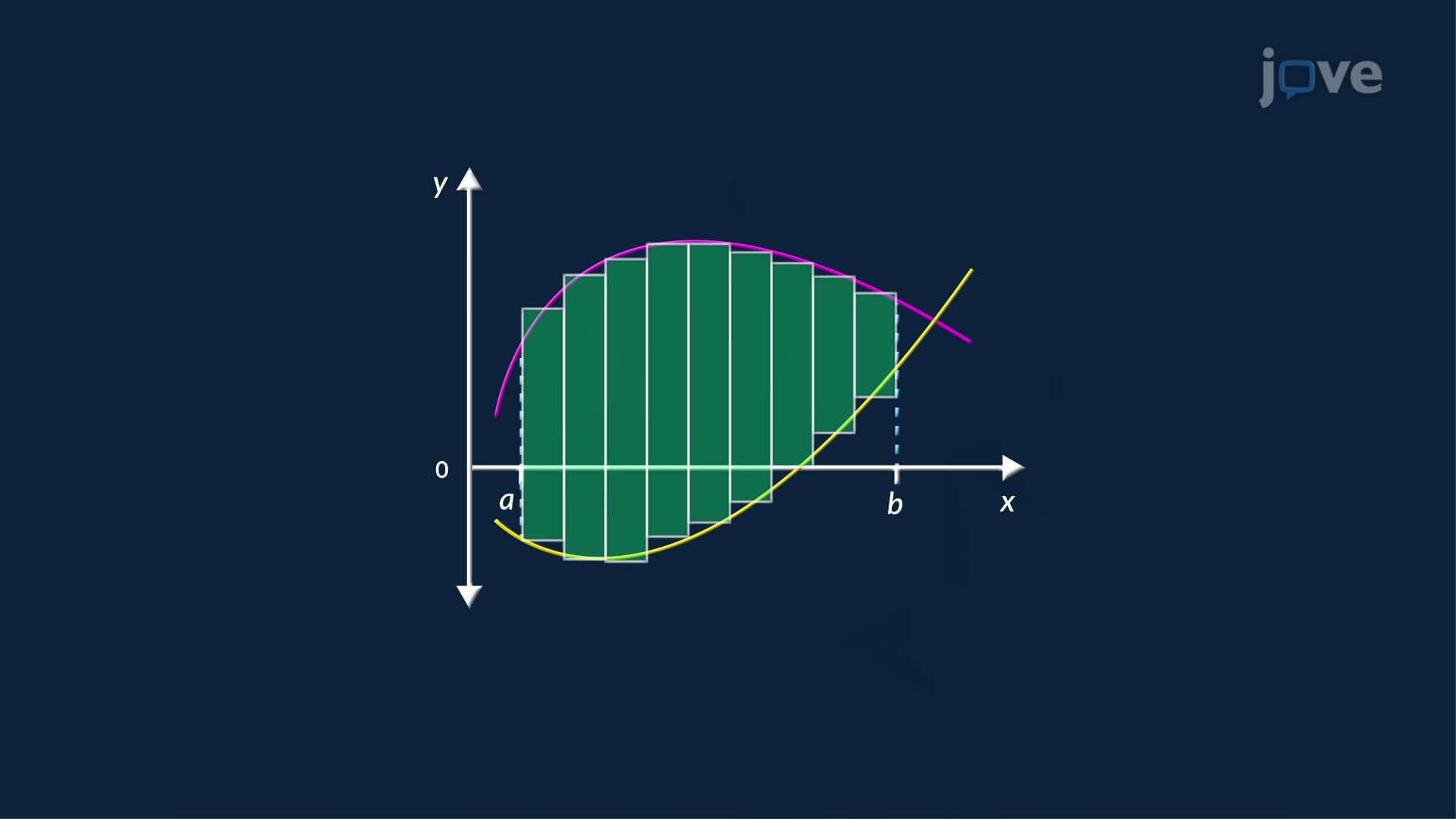
This property also connects directly to Riemann sums. Because each rectangle in a Riemann sum approximation has a nonnegative height when f(x) ≥ 0, their total area, and therefore the limiting integral value, must also be nonnegative.
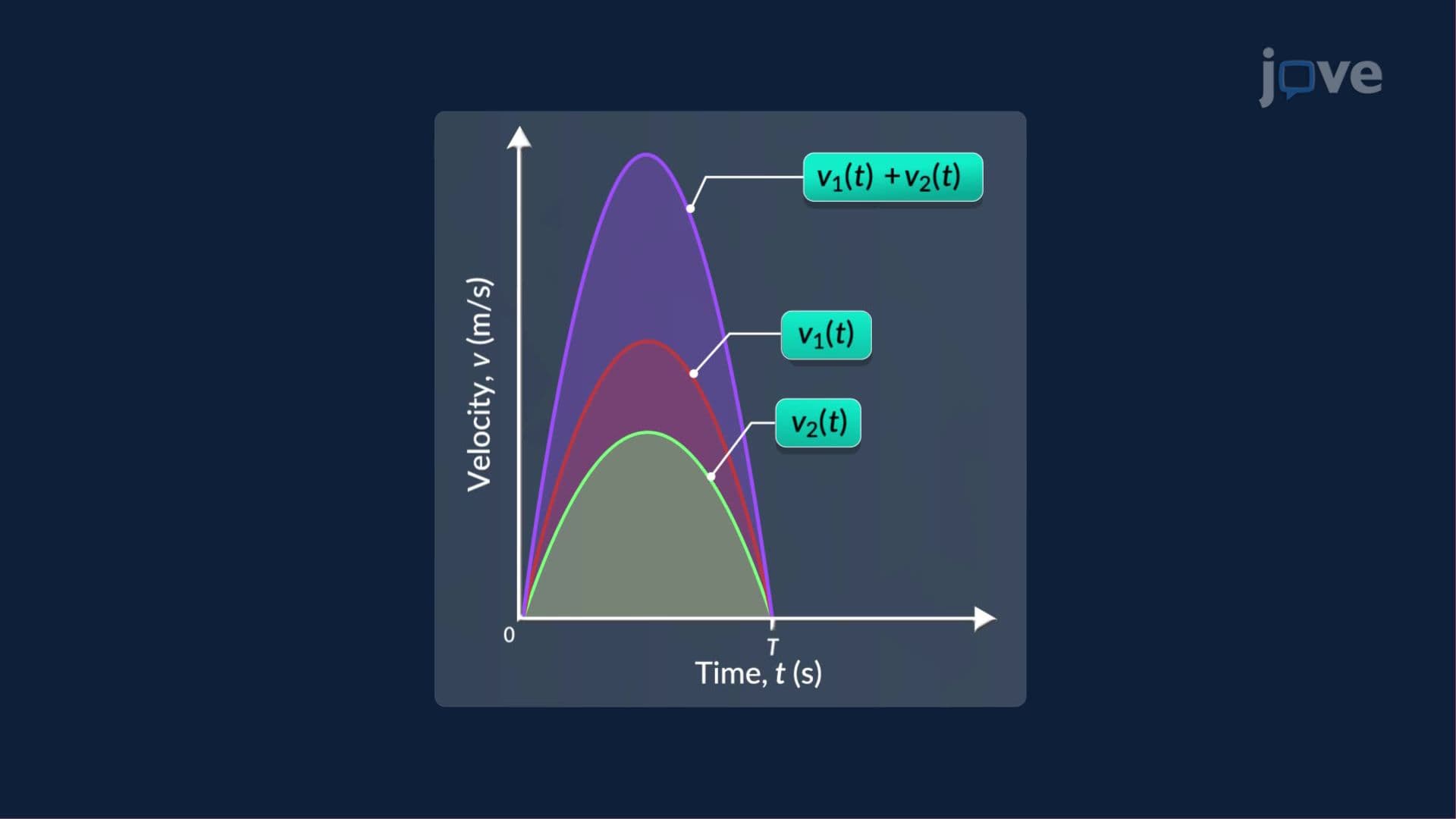
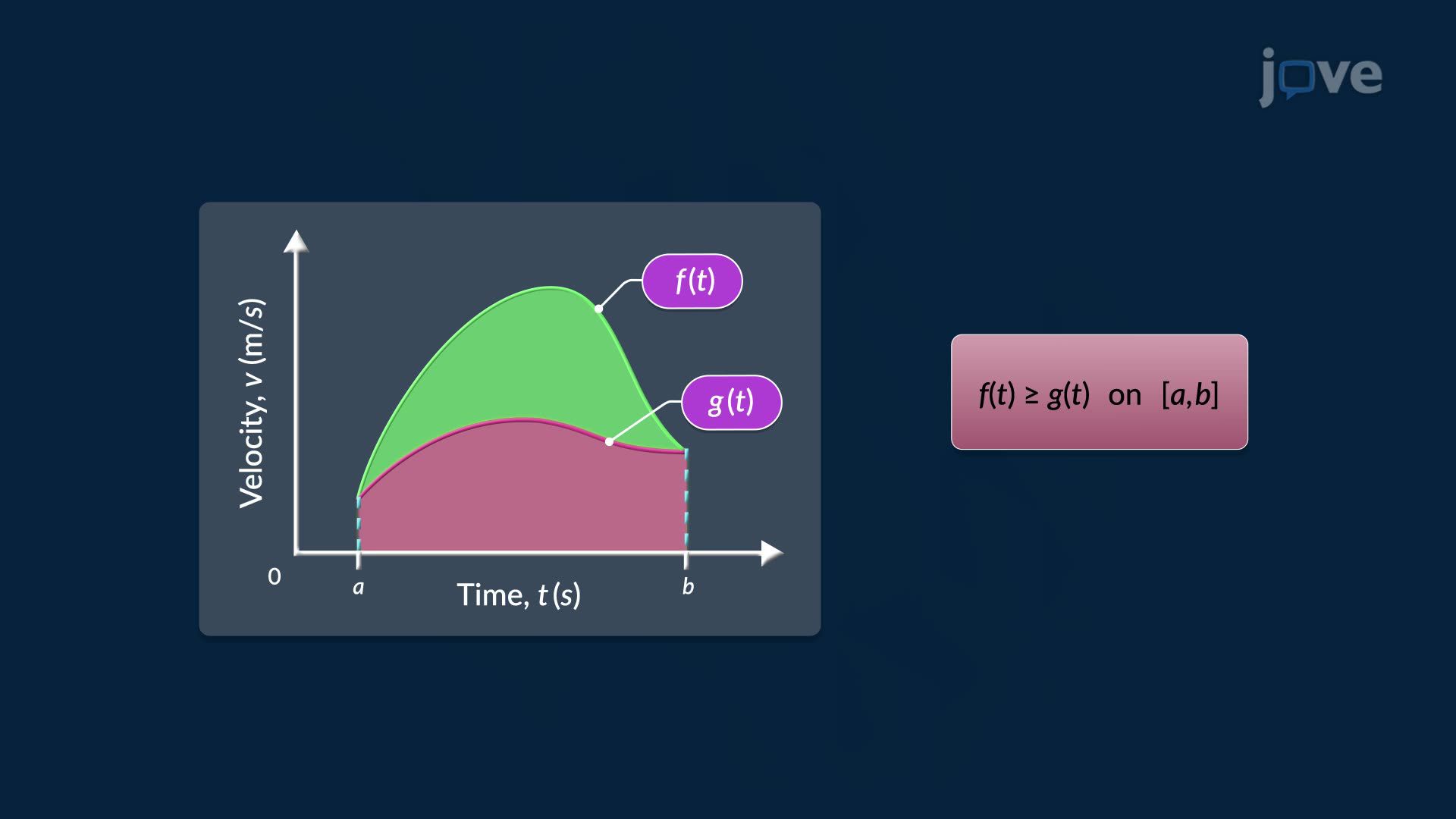
The Comparison Property extends this logic to two functions. If f(t) is greater than or equal to g(t) at every point in [a, b], then the definite integral of f(t) from a to b is greater than or equal to the definite integral of g(t) from a to b.
Imagine two delivery drivers in the same city completing identical routes. Driver 1 consistently drives faster than Driver 2. Over the same time interval, Driver 1 covers greater total distance. The Comparison Property formalizes exactly this reasoning: a consistently larger velocity function produces a larger displacement integral.
In AP Calculus AB and BC, this property frequently appears in free-response questions and multiple-choice problems where students must justify the ordering of two integral values without computing them explicitly. Recognizing that f(t) ≥ g(t) on [a, b] is often enough to answer the question directly.
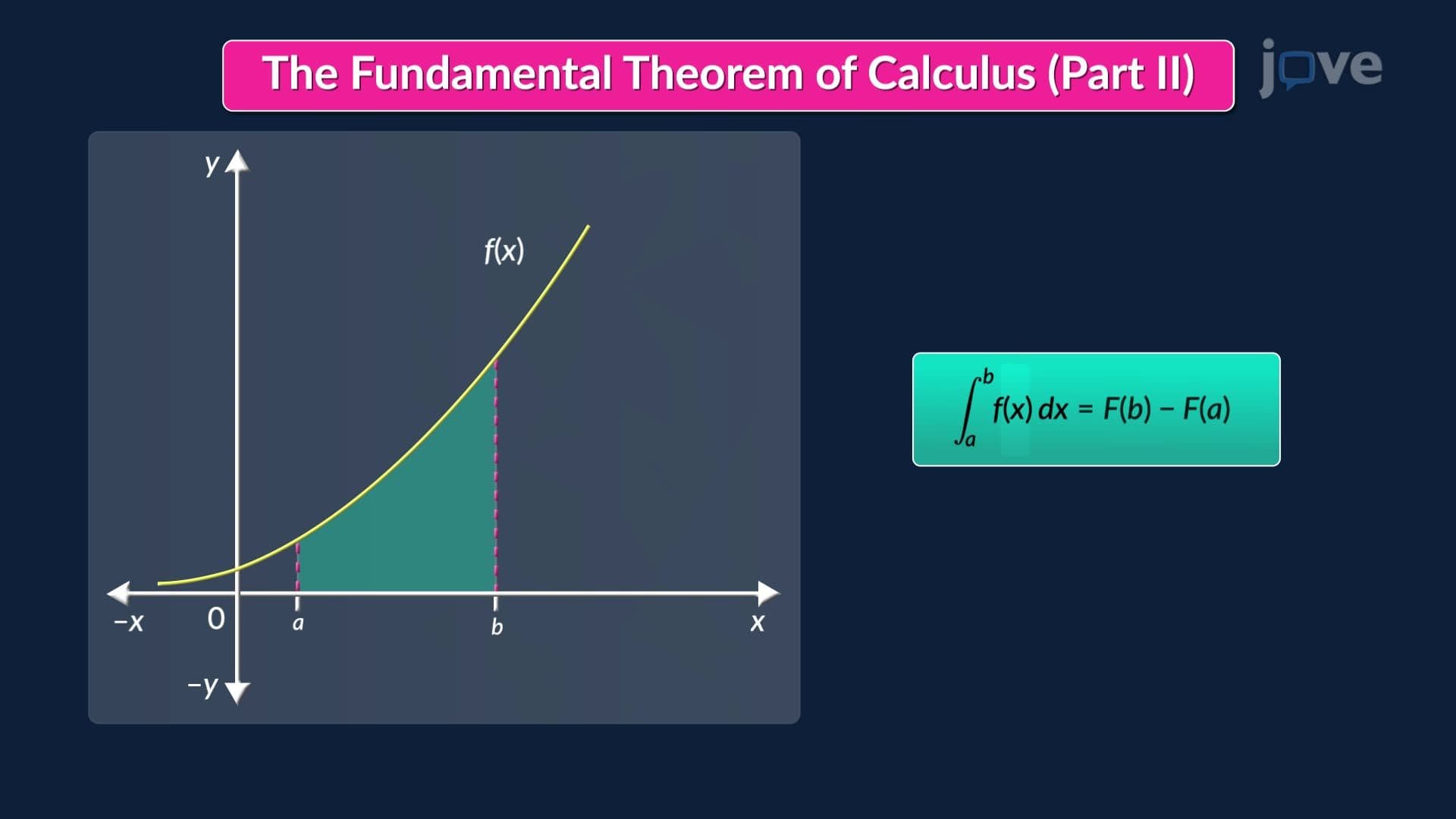
These properties do not exist in isolation. They plug directly into the Fundamental Theorem of Calculus, which links definite integrals to antiderivatives. When you evaluate the integral of f(x) from a to b using F(b) - F(a), where F is the antiderivative, the Positivity and Comparison Properties tell you *beforehand* whether to expect a nonnegative result or which expression will yield the larger value.
Understanding the difference between definite and indefinite integrals is also key here. An indefinite integral produces a family of antiderivatives plus a constant C. A definite integral produces a specific numerical value, and *that* is where properties like positivity and comparison have their full meaning.
On the AP Calculus AB and BC exams, students are regularly tested on conceptual understanding, not just computation. College Board exam questions often ask students to use integral properties to justify inequalities or determine bounds without full calculation. Similarly, in college-level Calculus I and II courses at US universities, these properties appear on midterms in both proof-based and application-based questions. Mastering them early reduces test anxiety and builds the analytical flexibility that separates strong calculus students from the rest.
Related Micro-courses