Loading video…


 17 Concepts
 6.3K views

Video Summary: What Is Net Change Theorem
Can a single calculus concept predict a flood before it happens? The net change theorem makes that possible. Rooted in the Fundamental Theorem of Calculus, net change theorem basics show how integrating a rate function over an interval reveals the total change in a quantity. U.S. water engineers use this principle to monitor reservoir capacity and prevent dangerous overflows. Watch the full video on JoVE Coach to master this concept with expert-led visuals and step-by-step explanations.
The Net Change Theorem is one of the most practically powerful ideas in all of calculus. At its core, it says this: if you know the *rate* at which something is changing, you can integrate that rate over a time interval to find out *how much* the quantity changed in total. It is not just a mathematical curiosity, it is the reasoning behind flood prediction, drug dosage modeling, and engineering load calculations across the United States.
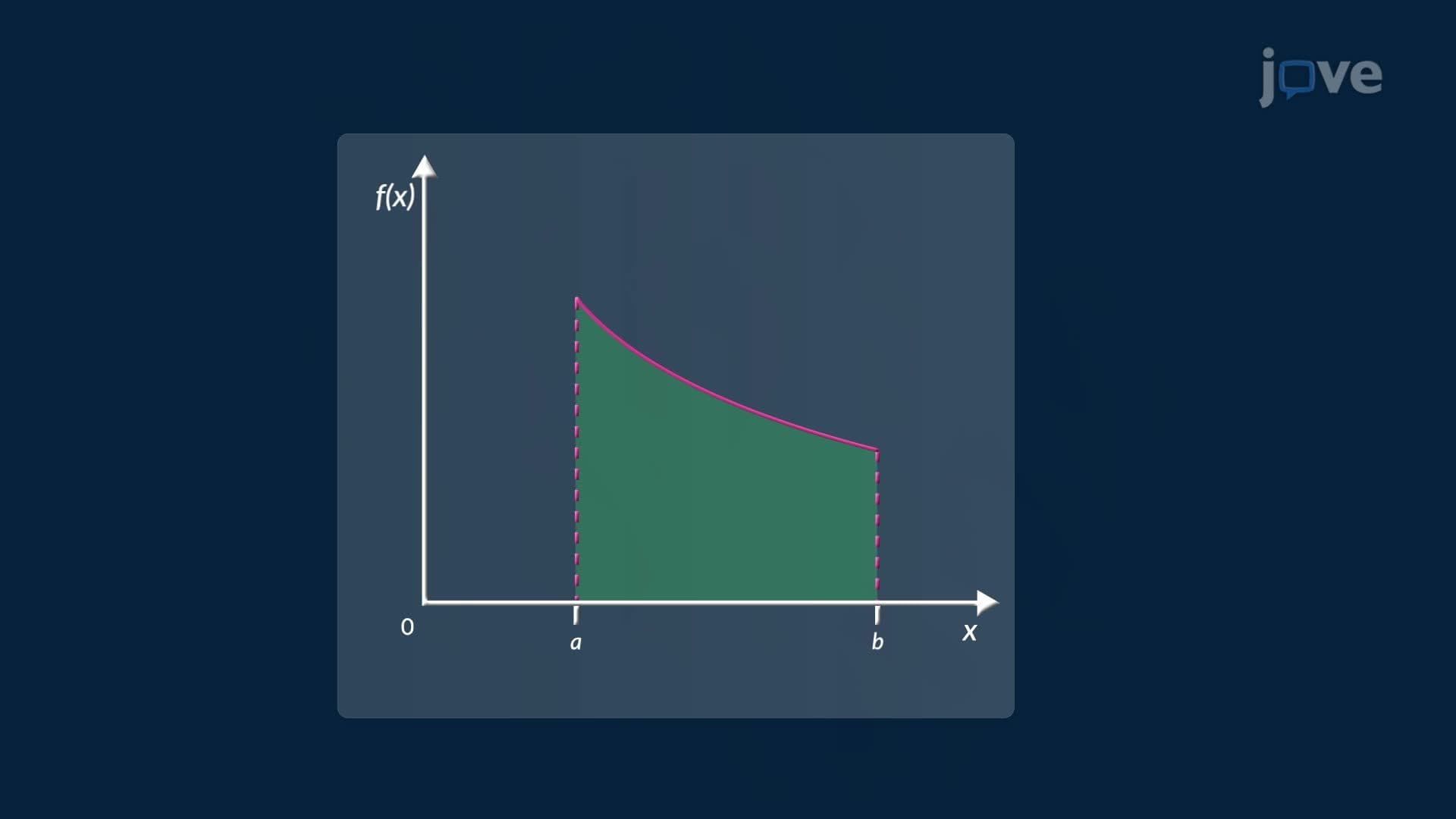
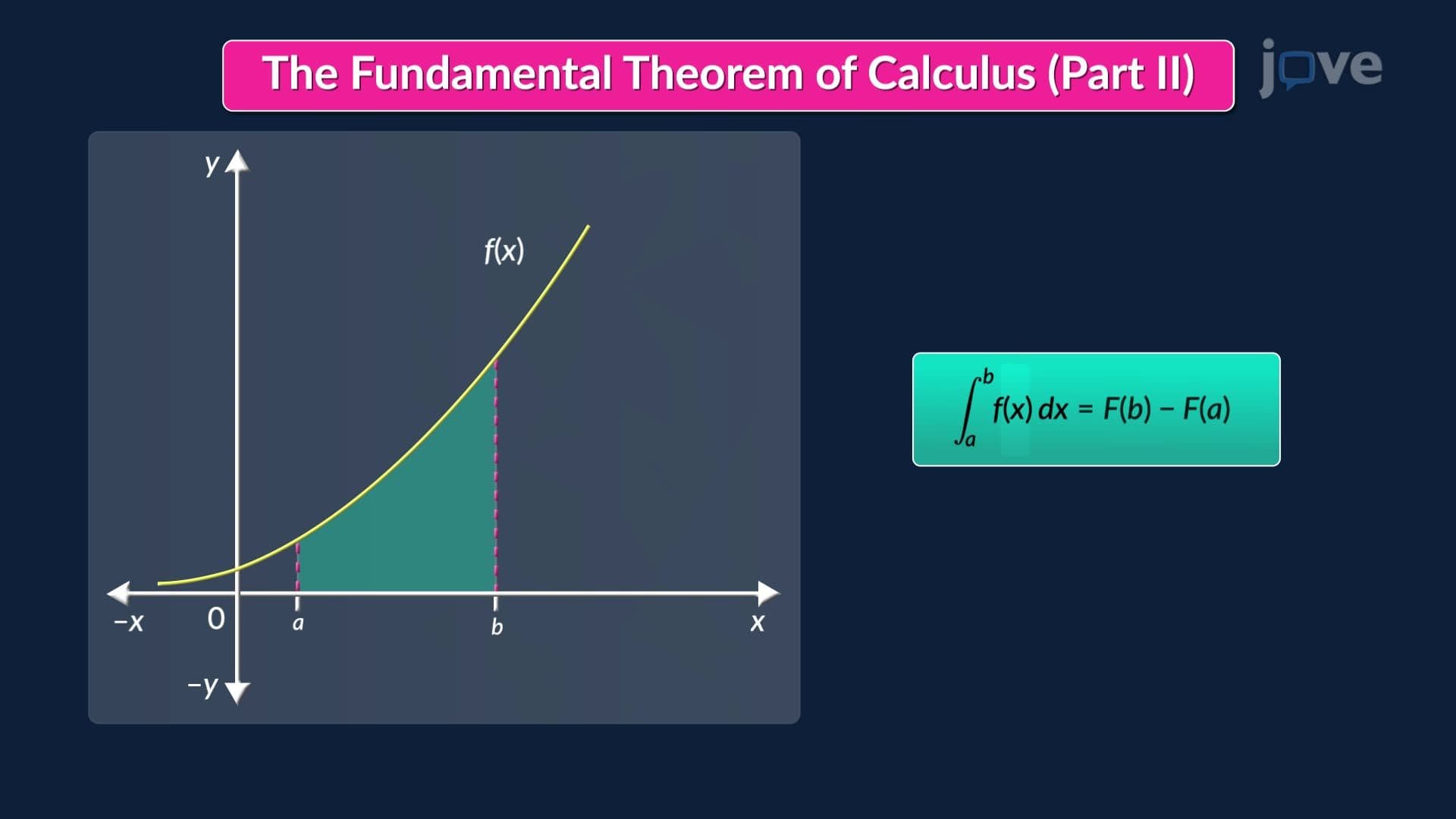
The Net Change Theorem is best understood as a direct interpretation of the Fundamental Theorem of Calculus. That theorem links differentiation and integration: if F(x) is an antiderivative of f(x), then the definite integral of f(x) from a to b equals F(b) minus F(a). The Net Change Theorem reframes this result in applied language, F(b) minus F(a) *is* the net change in F over the interval [a, b]. In other words, integrating a rate of change gives you the total change in the underlying quantity. This interpretation transforms an abstract formula into a problem-solving engine.
Understanding definite and indefinite integrals is essential before applying the Net Change Theorem. An indefinite integral produces a family of antiderivatives, a general expression plus a constant. A definite integral, by contrast, produces a specific numerical value by evaluating the antiderivative at the upper and lower bounds of an interval. The Net Change Theorem always uses definite integrals because you need a specific interval, a start time and an end time, to calculate a meaningful net change. Students preparing for AP Calculus AB or BC should be especially clear on this distinction, as it appears frequently in free-response questions.
Consider how the U.S. Army Corps of Engineers manages large reservoirs. Water flows in from rivers at a measurable rate, and water exits through spillways at a separate, often time-dependent rate. The net rate of volume change is simply the inflow rate minus the outflow rate. Integrating that net rate over the management period, say, six hours during a storm event, gives engineers the total change in stored volume. Adding that change to the reservoir's initial volume reveals whether the system will exceed safe capacity. This is precisely how the Net Change Theorem aids in flood risk prediction: when the calculated final volume surpasses the maximum safe limit, engineers must act, opening additional spillways, issuing warnings, or diverting flow.
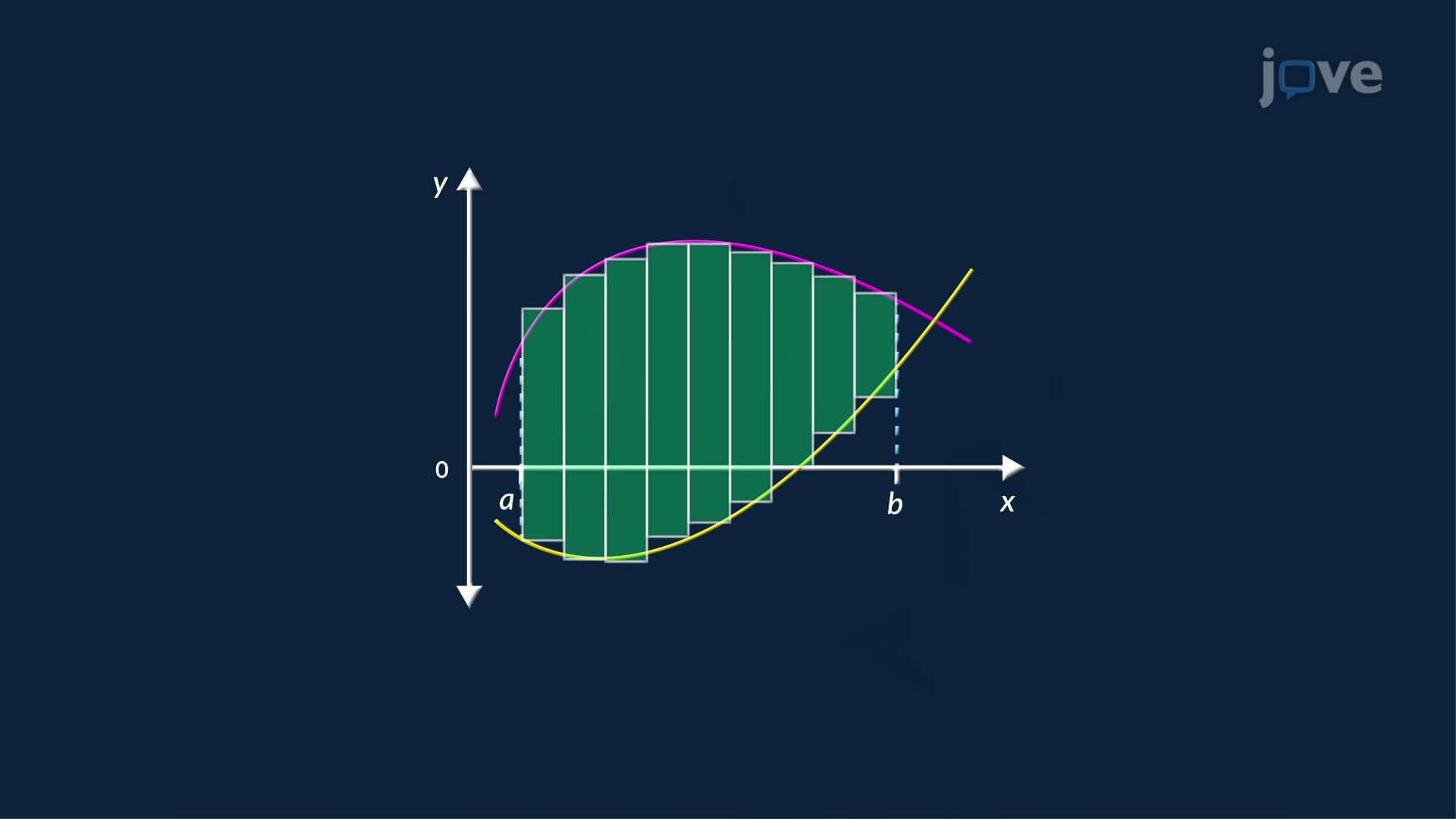
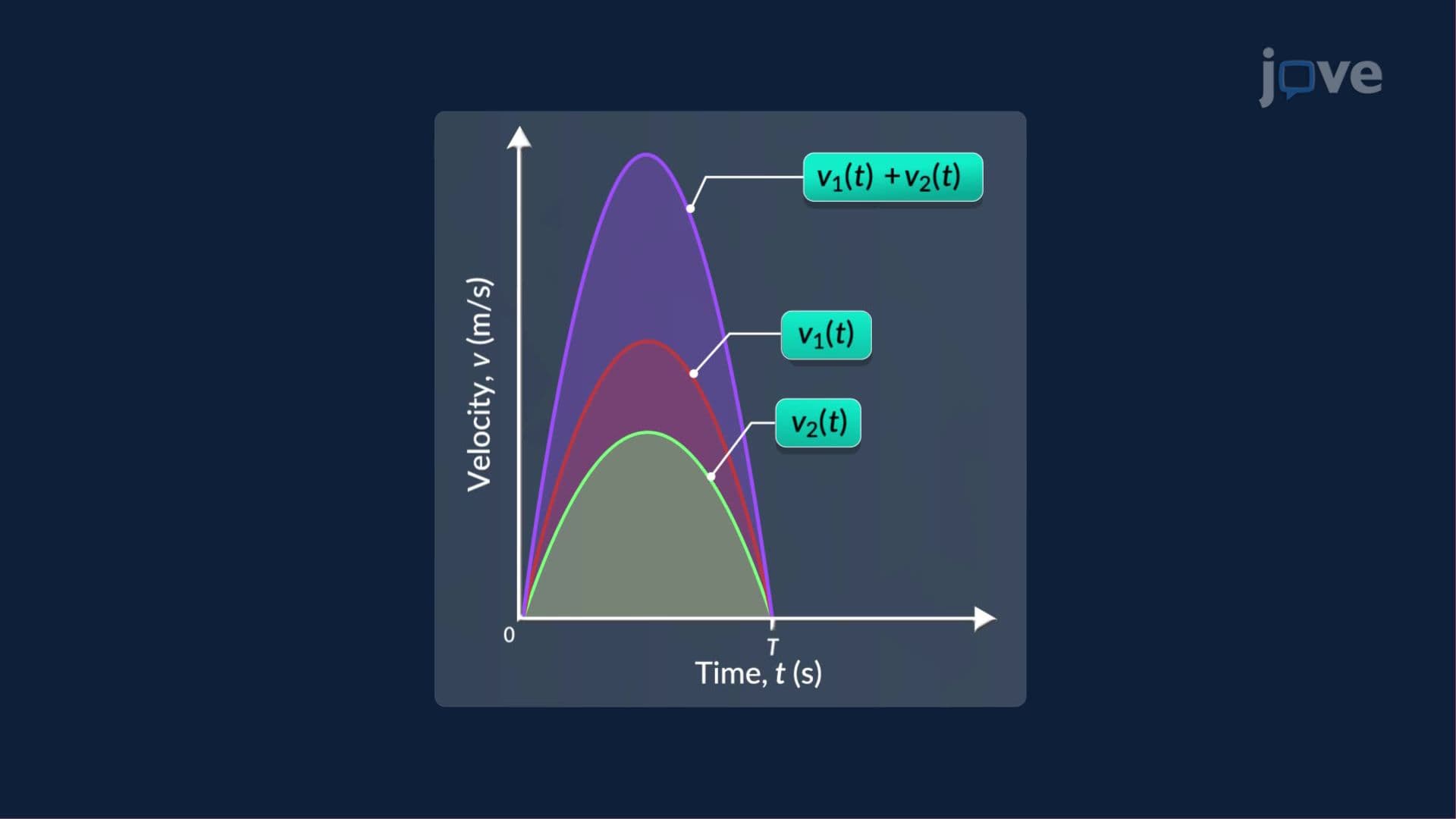
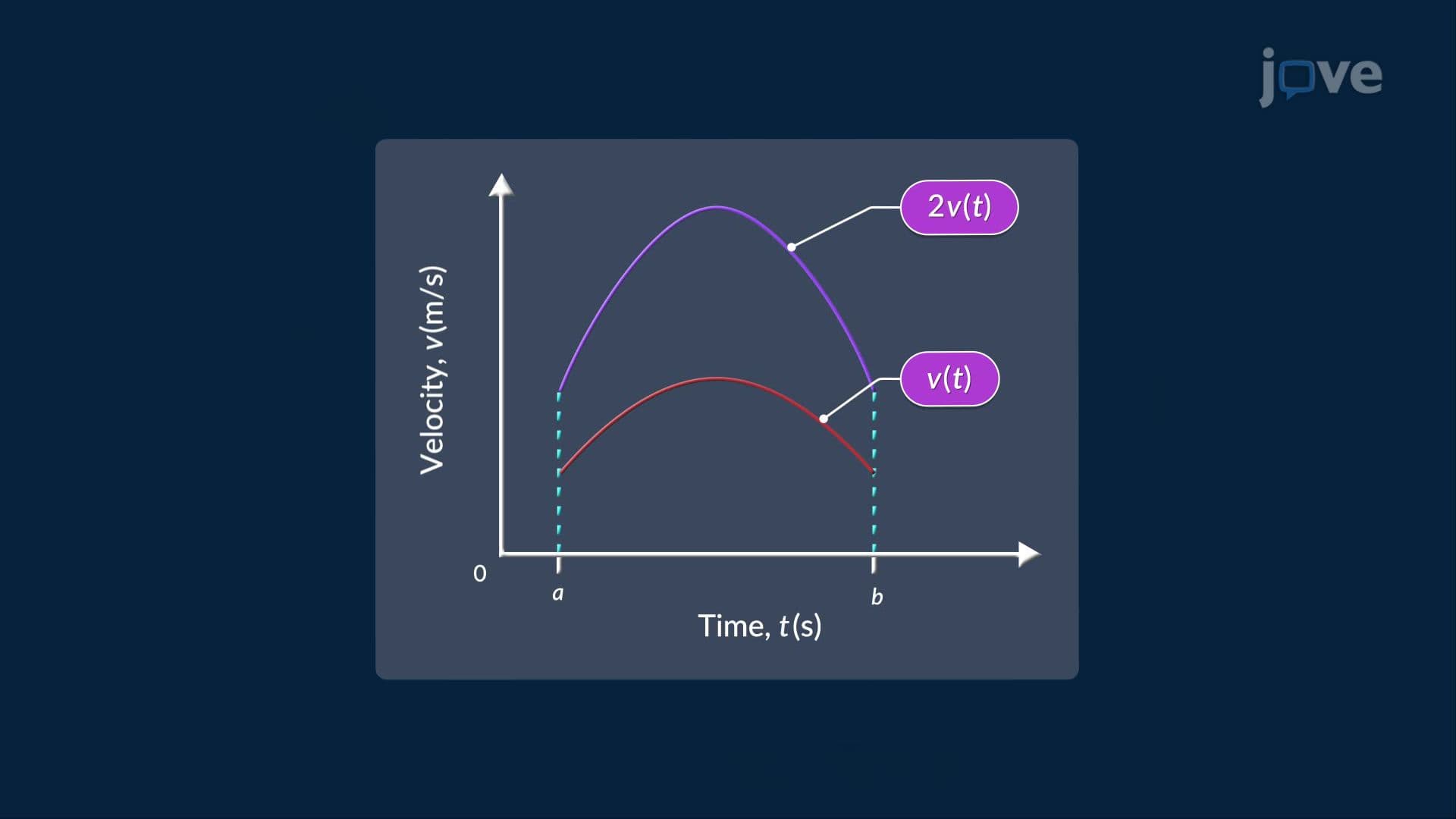
On the AP Calculus AB exam, the Net Change Theorem often appears in context-rich problems involving position, velocity, and acceleration, or in environmental science scenarios involving rates of flow. To solve these problems correctly, students must: (1) identify the rate function being integrated, (2) set up the correct definite integral with accurate bounds, (3) evaluate using antiderivatives, and (4) interpret the result in context, not just as a number, but as a physical or real-world quantity. Riemann sums provide the foundational intuition behind why this works: a definite integral is essentially the limit of infinitely many small products of rate times time, each contributing a tiny slice of change. Mastering the properties of integrals, linearity, interval additivity, and sign interpretation, makes evaluating these problems faster and more reliable under timed exam conditions.
Related Micro-courses