Loading video…

 17 Concepts
 6.3K views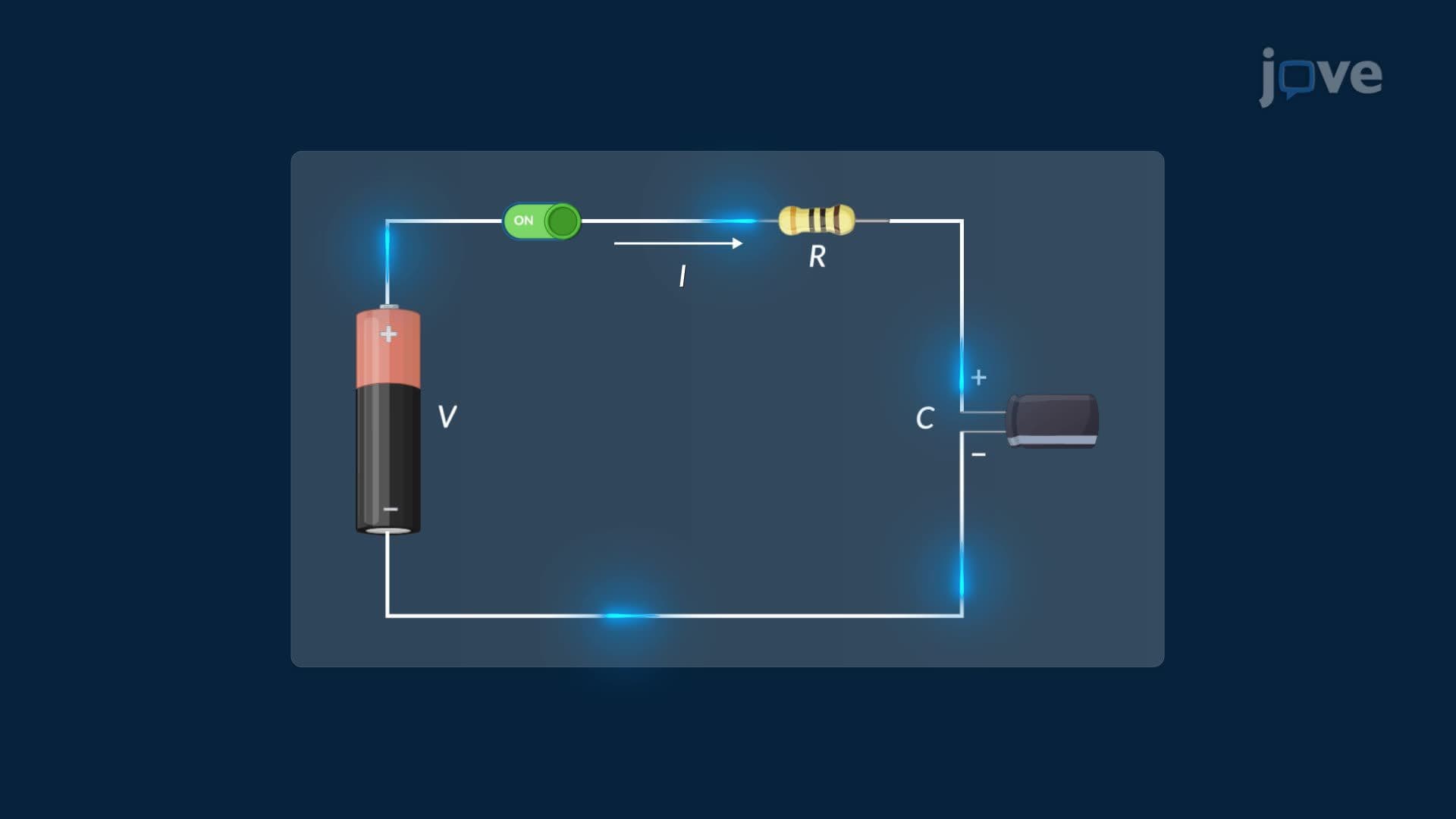

Video Summary: Fundamental Theorem of Calculus I Explained
Did you know that the rate of electric current flowing through a capacitor is mathematically linked to the area under a charge curve? The Fundamental Theorem of Calculus I reveals this stunning connection between accumulation and rates of change. By treating the upper limit of a definite integral as a variable, a new function emerges, and its derivative is simply the original integrand. In RC circuits used across US electrical engineering courses, this principle directly relates charge accumulation to instantaneous current. Watch the full video on JoVE Coach to master this concept with expert-led visuals and step-by-step explanations.
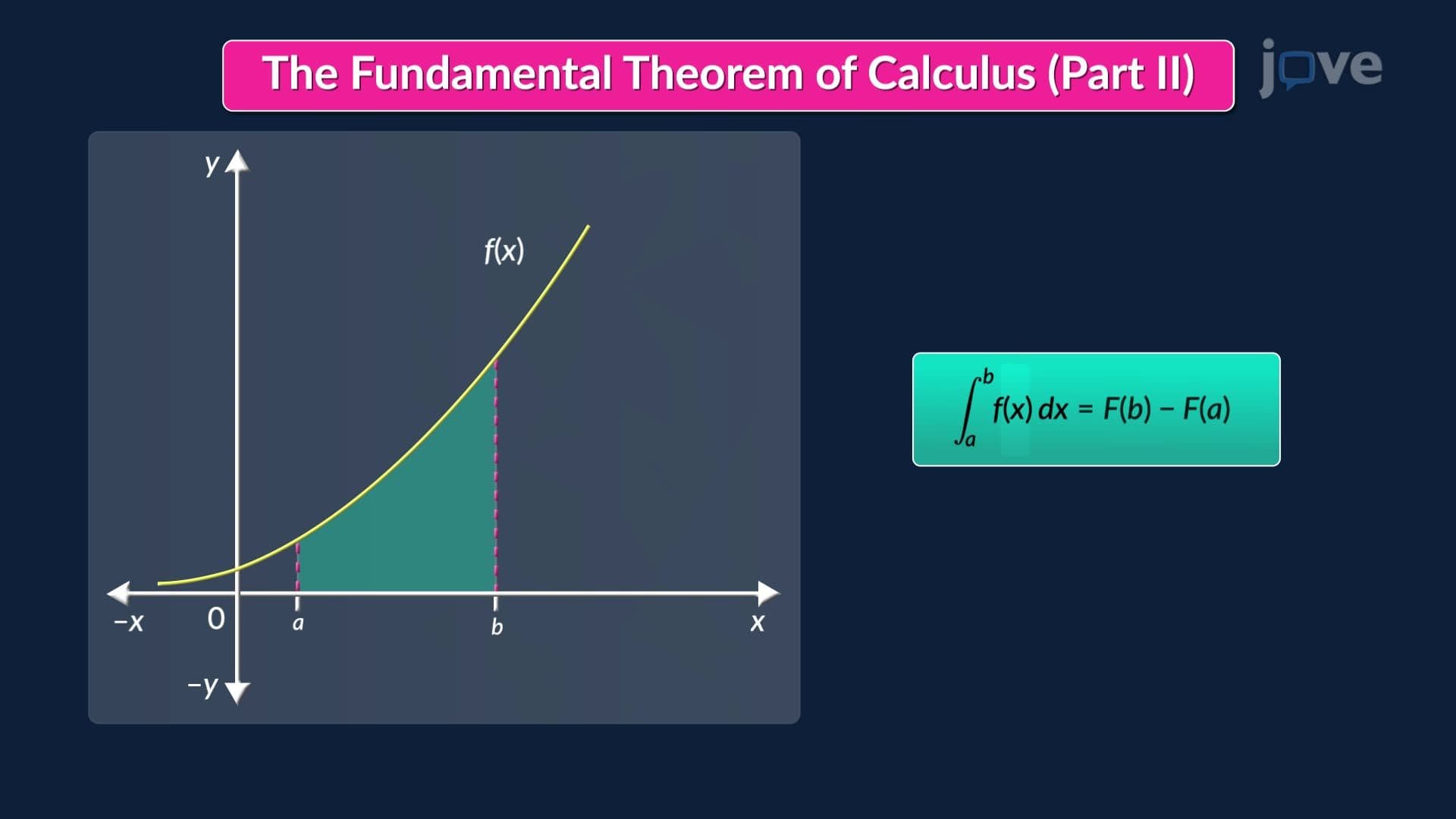
The Fundamental Theorem of Calculus I is one of the most powerful results in all of mathematics. It establishes a precise, formal link between two operations that may seem unrelated at first: finding the area under a curve (integration) and finding a rate of change (differentiation). In short, it tells us that differentiation and integration are inverse processes, a revelation that transformed mathematics, physics, and engineering.
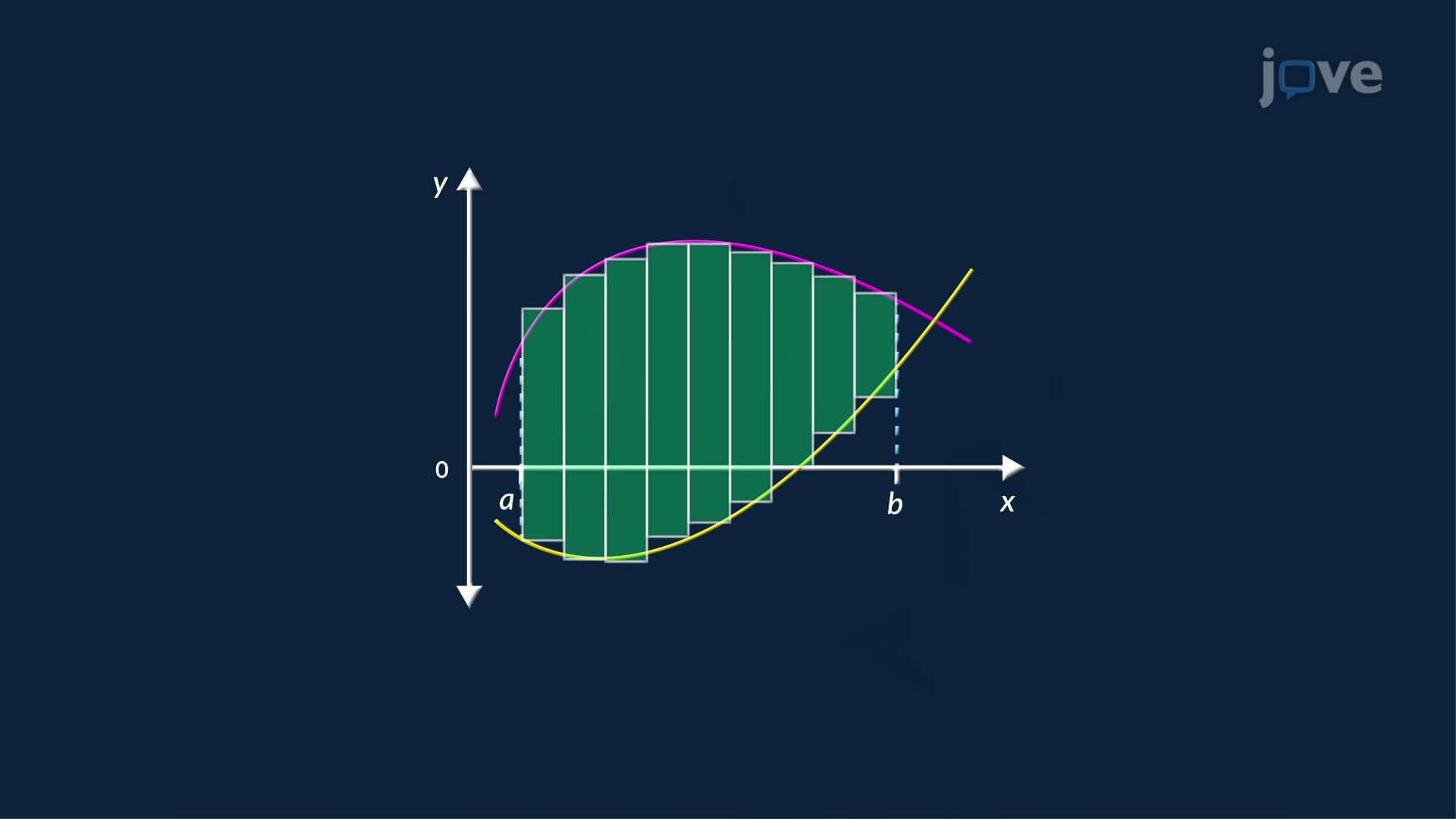
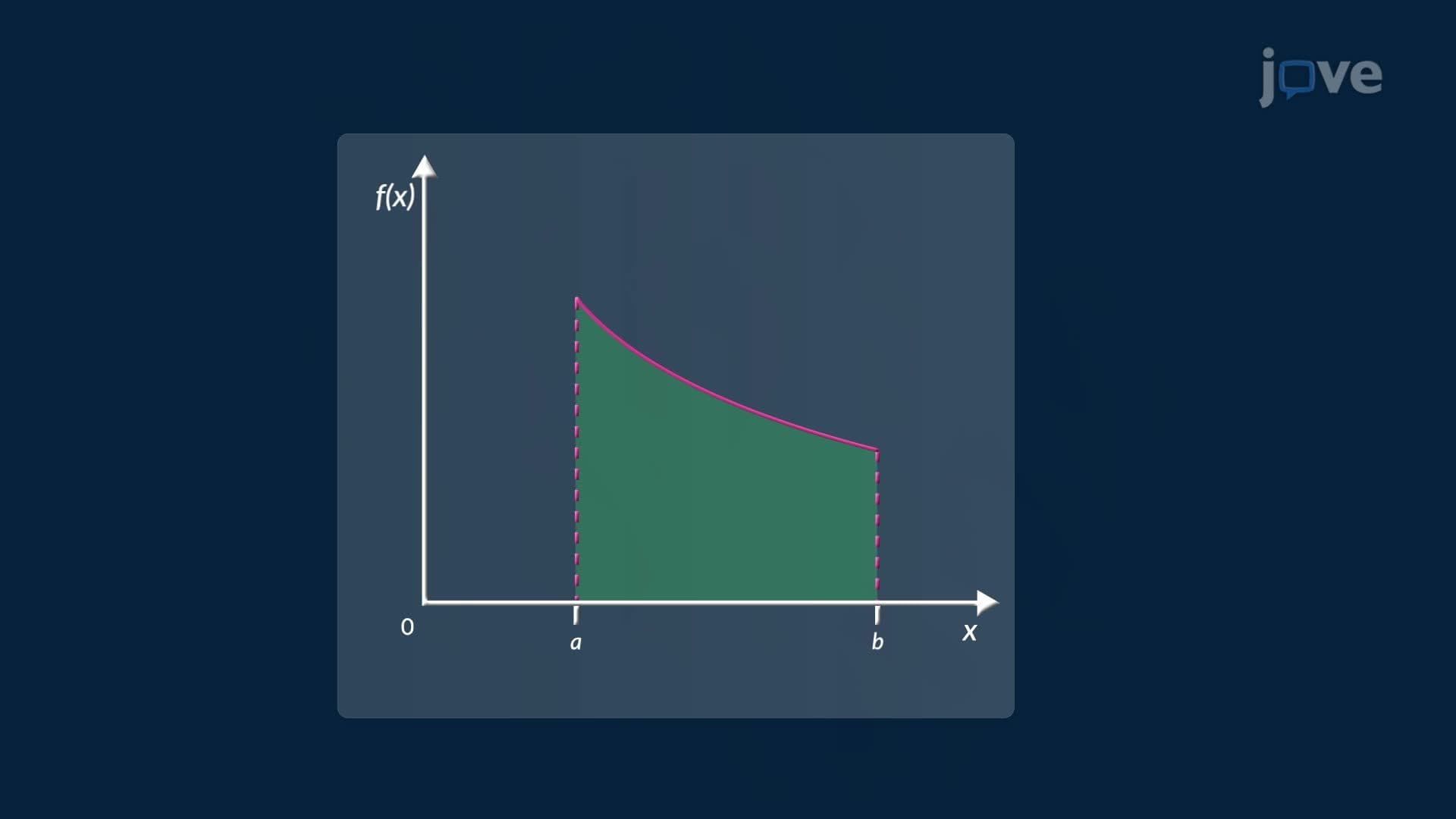
To understand the theorem, start with a definite integral of a continuous function f(x) over an interval. When the lower limit is held fixed and the upper limit is replaced with a variable x, the result is no longer just a number, it becomes a function. This function, commonly written as g(x) = ∫[a to x] f(t) dt, is called the accumulation function. It measures how much area accumulates under the curve f(t) as x increases. This idea connects directly to concepts like Riemann sums, which approximate that area using rectangles, and lays the groundwork for understanding both definite and indefinite integrals.
The derivative of the accumulation function g(x) can be found using the limit definition of the derivative. The expression g(x + h) − g(x) represents the area of a thin vertical strip between x and x + h under the curve. As h approaches zero, that strip becomes vanishingly narrow. At that scale, the strip behaves like a rectangle with width h and height f(x), making its area approximately h · f(x). Dividing by h and taking the limit gives exactly f(x). This is the statement of the theorem: d/dx [∫(a to x) f(t) dt] = f(x). The derivative of an accumulation function is simply the integrand evaluated at the upper limit.
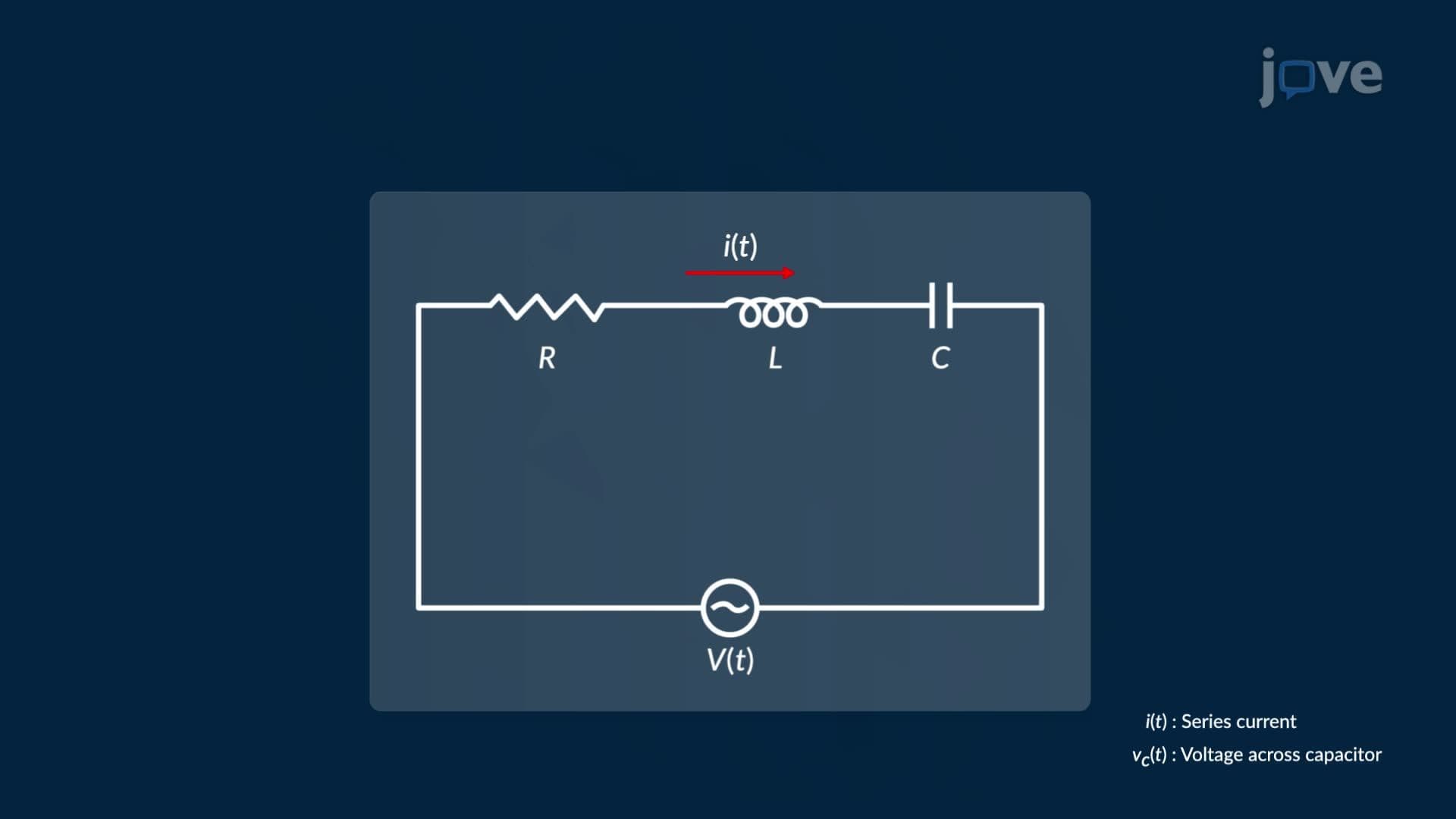
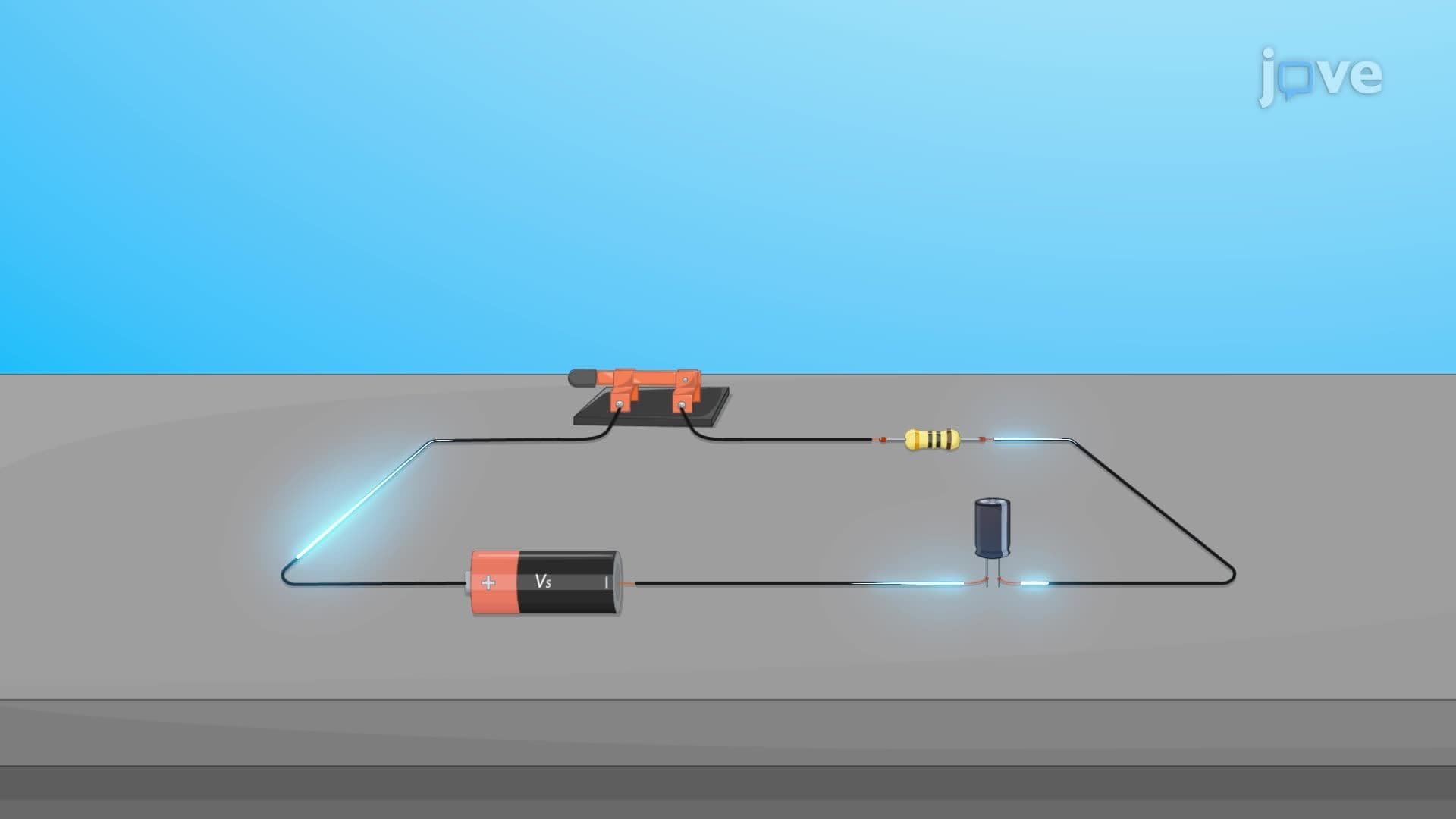
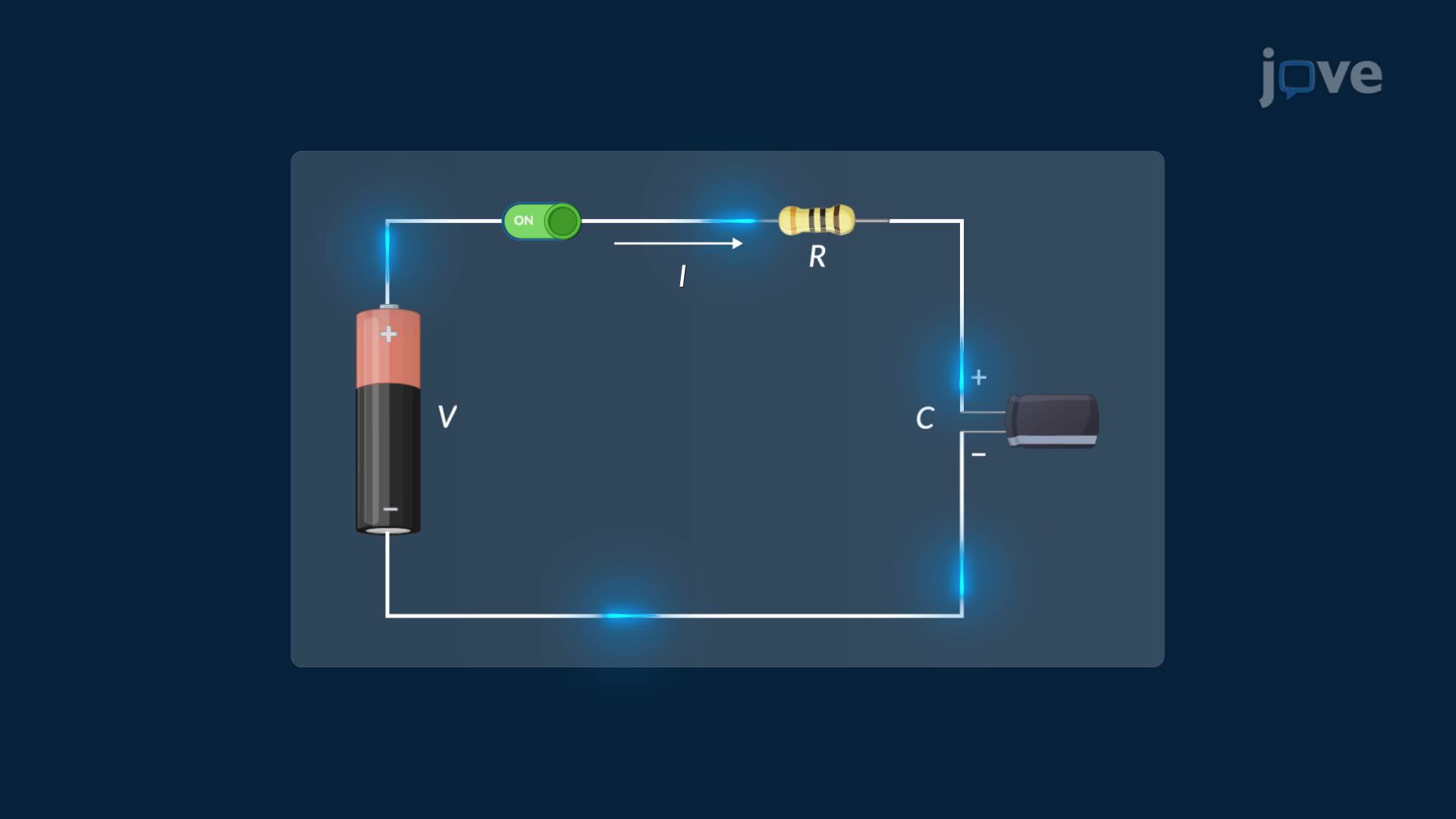
The Fundamental Theorem of Calculus I is not just abstract mathematics, it appears directly in US electrical engineering and physics courses. In a series RC circuit (resistor-capacitor circuit), the charge Q(t) stored in a capacitor at any moment can be written as a definite integral of the current function over time. By applying the theorem, the instantaneous current I(t), the rate of change of charge, equals the integrand function evaluated at time t. This relationship is foundational in circuit analysis courses taught at US universities and is also reinforced in AP Physics C: Electricity and Magnetism.
The Fundamental Theorem of Calculus I appears prominently on the AP Calculus AB and BC exams, often in free-response and multiple-choice questions that ask students to differentiate integral-defined functions or interpret accumulation in context. College students encounter it in Calculus I (MATH 1A or equivalent) midterms and finals. Common question formats include finding g'(x) when g(x) is defined as an integral, or using the theorem alongside the chain rule when the upper limit is a composite function. Mastering this theorem also reinforces key properties of integrals and supports deeper topics like antiderivatives, substitution, and differential equations.
Related Micro-courses