Loading video…

 17 Concepts
 6.3K views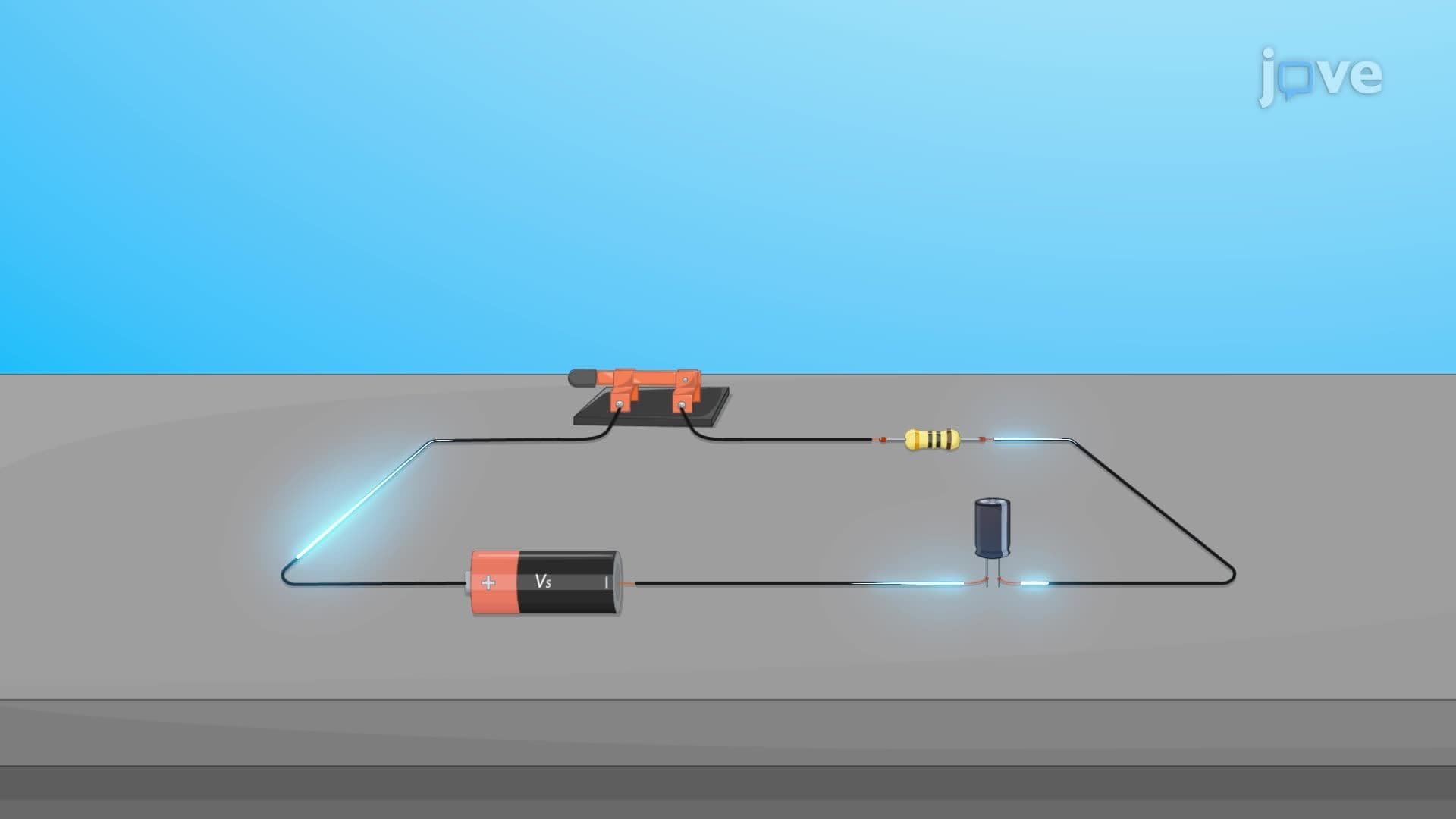

Video Summary: Substitution Rule Applied to Definite Integrals Explained
Ever wondered how electrical engineers calculate the exact charge flowing through a circuit? The substitution rule applied to definite integrals makes complex calculations like this manageable by transforming difficult integrands into simpler forms. By introducing a new variable u = g(x) and updating integration limits accordingly, this technique reverses the chain rule to solve real-world problems efficiently. Watch the full video on JoVE Coach to master this concept with expert-led visuals and step-by-step explanations.
The substitution rule applied to definite integrals, commonly called u-substitution, is one of the most powerful integration techniques taught in high school calculus and college-level math courses. It allows students to evaluate integrals that cannot be solved by basic antiderivative rules alone. The core idea is elegantly simple: if an integrand resembles the output of the chain rule, you can reverse that process by introducing a new variable to simplify the expression.
This method is a cornerstone of AP Calculus AB and BC, frequently tested on both the multiple-choice and free-response sections of the AP exam.
Understanding u-substitution starts with recognizing composite functions. When an integral's integrand looks like F(g(x)) · g'(x), that structure signals a chain rule relationship. By defining u = g(x), you compute du/dx = g'(x), which rearranges to du = g'(x) dx. This substitution replaces the complicated x-based expression with a cleaner integral in terms of u.
What makes definite integrals uniquely different from indefinite integrals here is the treatment of limits. Rather than converting back to x at the end, you update the limits directly: the lower limit becomes g(a) and the upper limit becomes g(b). This approach is more efficient and reduces the chance of errors, a practical advantage emphasized in college calculus courses nationwide.
Here is the structured approach used in practice:
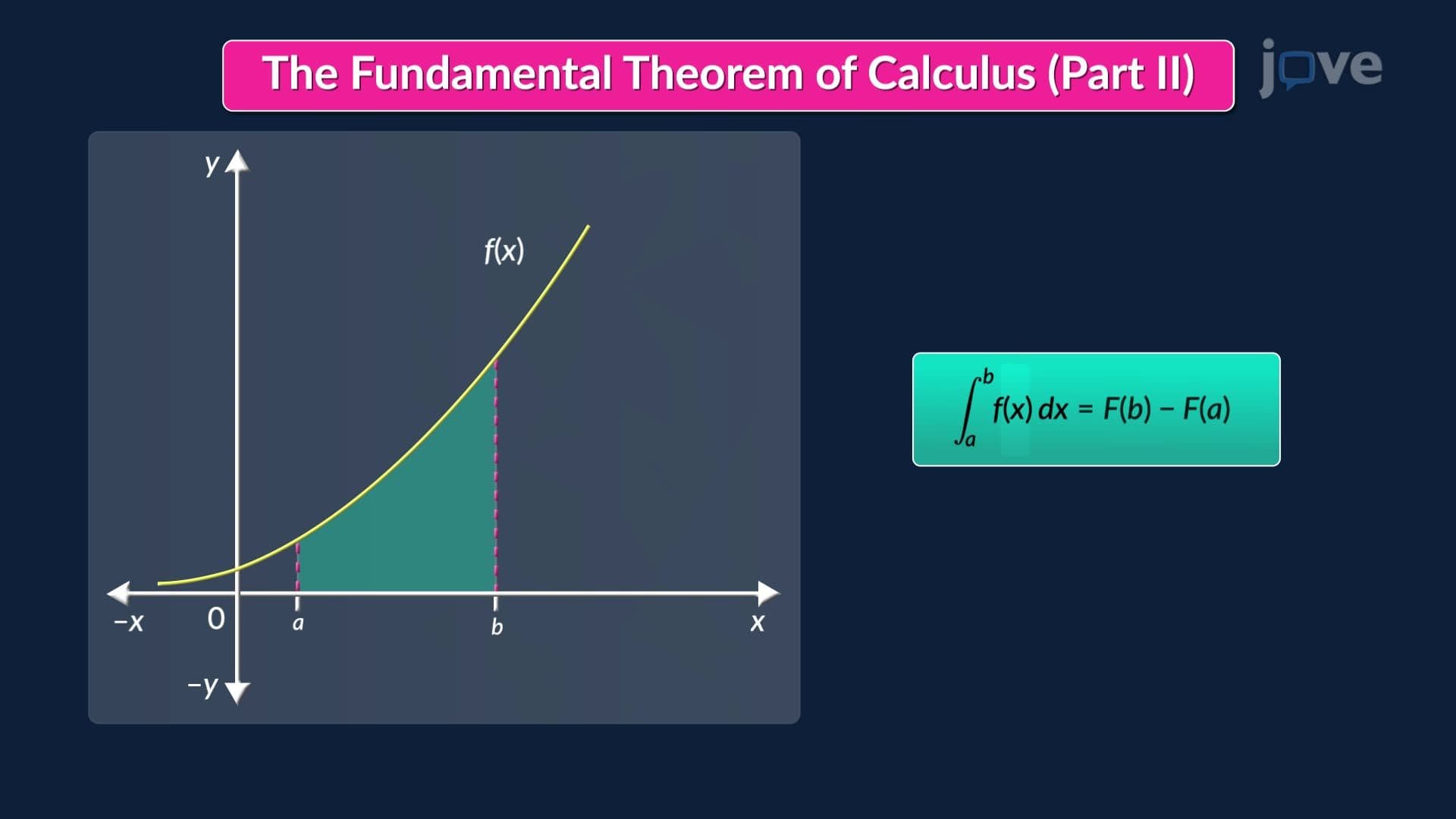
1. Identify the inner function g(x) and set u = g(x) 2. Differentiate to find du = g'(x) dx 3. Convert the limits: substitute x = a to get u = g(a), and x = b to get u = g(b) 4. Rewrite the entire integral in terms of u and du 5. Integrate the simplified expression using standard antiderivative rules 6. Evaluate using the new limits g(a) and g(b) via the fundamental theorem of calculus
This process directly connects to antiderivatives and properties of integrals, reinforcing concepts introduced earlier in any standard calculus curriculum.
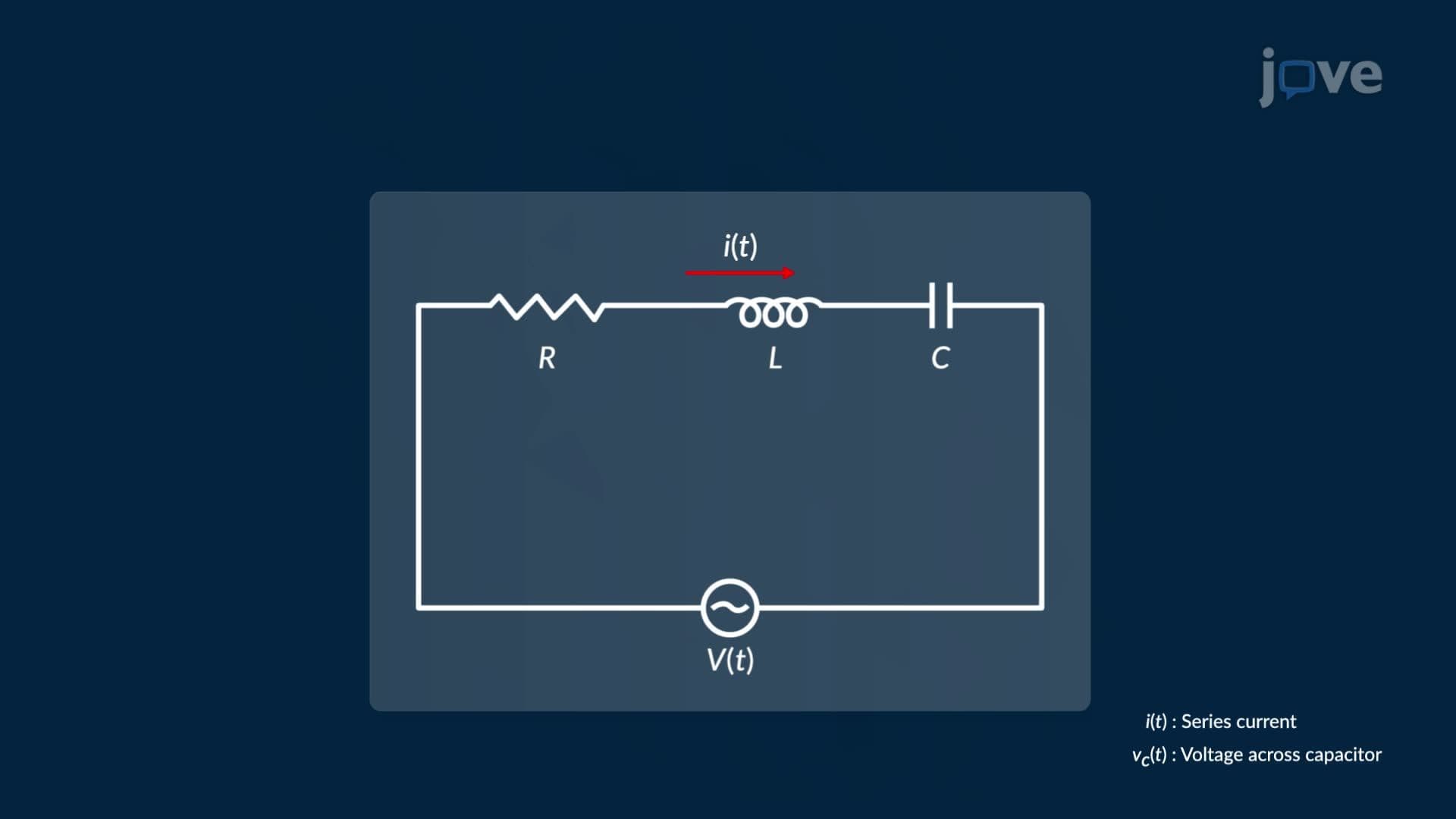
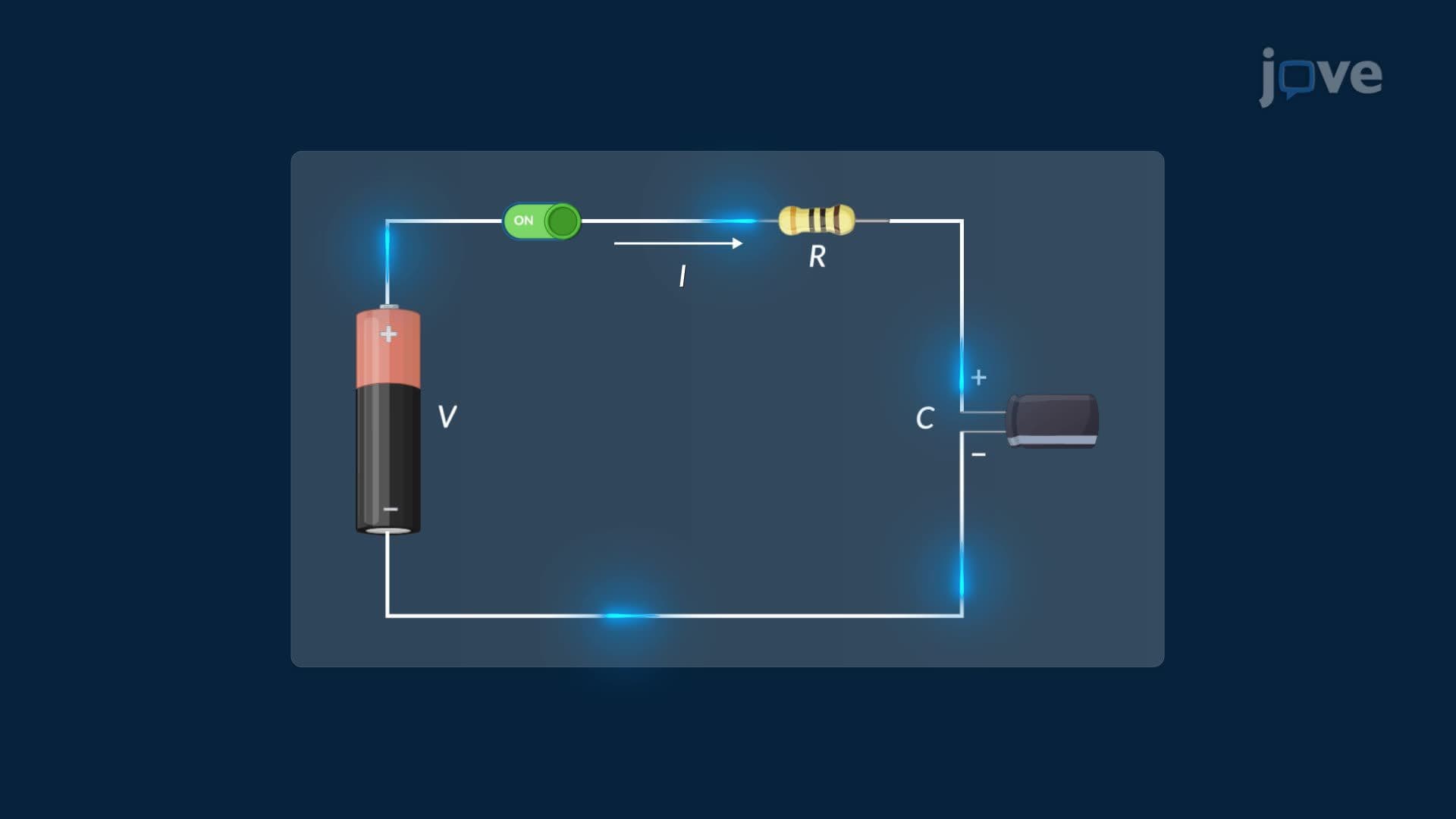
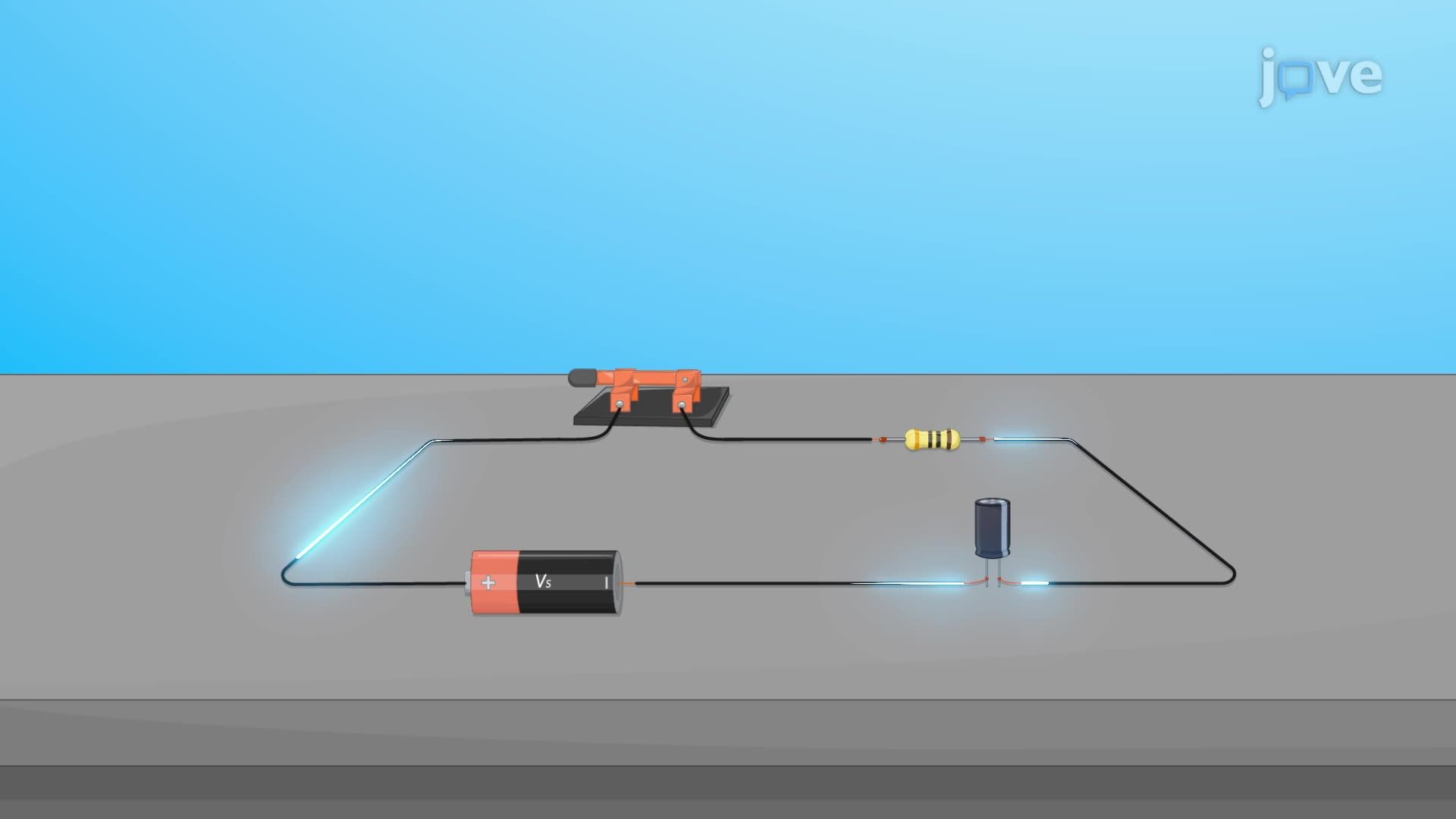
One compelling US-based application appears in electrical engineering, specifically in circuit analysis. Total electric charge Q passing through a circuit over a time interval [a, b] is found by evaluating Q = integral from a to b of i(t) dt, where i(t) is the current as a function of time. When i(t) involves a composite function, for example, a sinusoidal or exponential expression common in AC circuits, direct integration is difficult. Substitution transforms it into a solvable form.
This type of problem appears in college physics courses, engineering fundamentals classes, and standardized pre-professional exam prep. Whether you are working through a college midterm, preparing for an AP Calculus exam, or exploring calculus-based physics, the substitution rule applied to definite integrals is an essential, high-value skill to master.
Related Micro-courses