Loading video…


 19 Concepts
 95 views

Video Summary: Curl and Divergence of Vector Fields Explained
Why do some regions of a river swirl like tiny whirlpools while others simply push water outward? The answer lies in understanding the curl and divergence of vector fields, two essential mathematical tools that describe rotation and spreading in any field. Engineers at NASA, for example, use these concepts to model fluid flow around spacecraft. Watch the full video on JoVE Coach to master this concept with expert-led visuals and step-by-step explanations.
Curl and divergence of vector fields are two fundamental operations in multivariable calculus that measure distinct behaviors at any point in a field. Whether you are studying fluid dynamics, electromagnetic theory, or advanced calculus, these two tools give you a precise mathematical language to describe how vector fields behave locally.
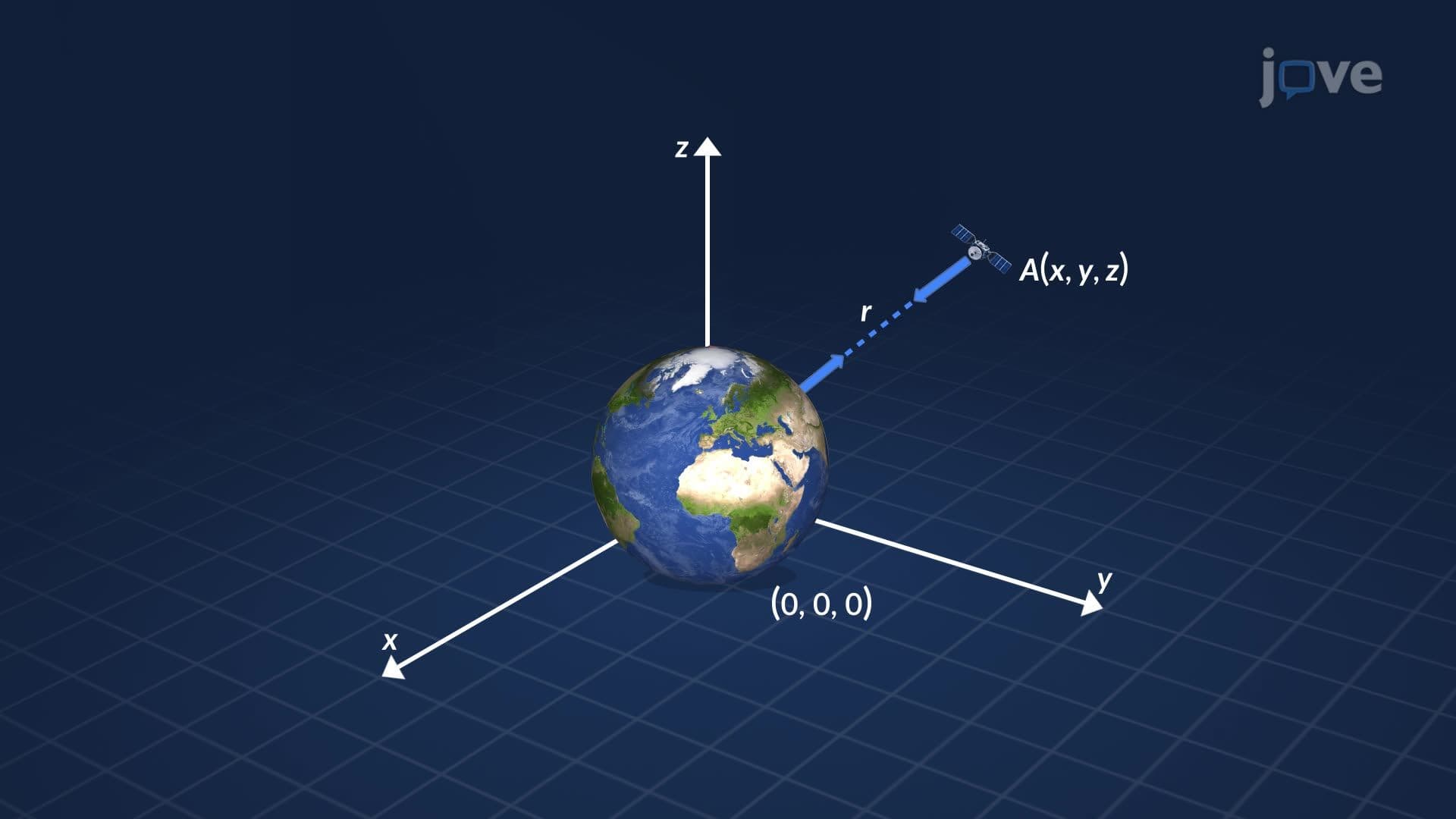
A vector field assigns a vector, a quantity with both magnitude and direction, to every point in space. Think of wind patterns across the United States: some regions swirl into cyclones, while others push air steadily outward from a high-pressure zone. Curl captures the swirling tendency; divergence captures the spreading or converging tendency.
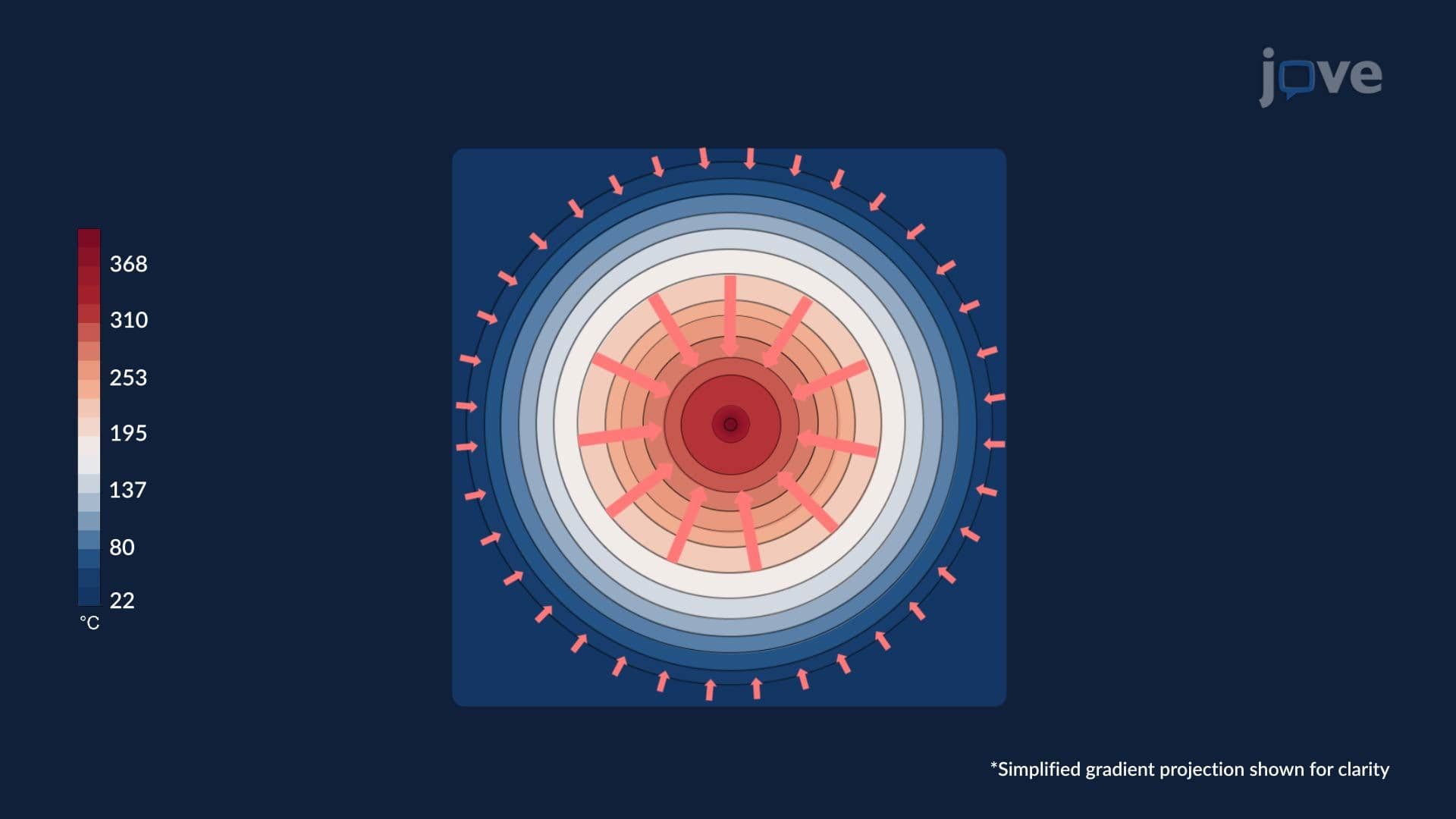
Divergence measures the net outward flow of a vector field at a given point. Mathematically, it is computed as the dot product of the del operator (∇) with the vector field F:
div F = ∇ · F
If divergence is positive, the field acts as a source, vectors spread outward, like air flowing out of a vent. If divergence is negative, the field acts as a sink, like water draining into a pipe. When divergence equals zero, the field is said to be incompressible or solenoidal, which is a critical property in fluid mechanics.
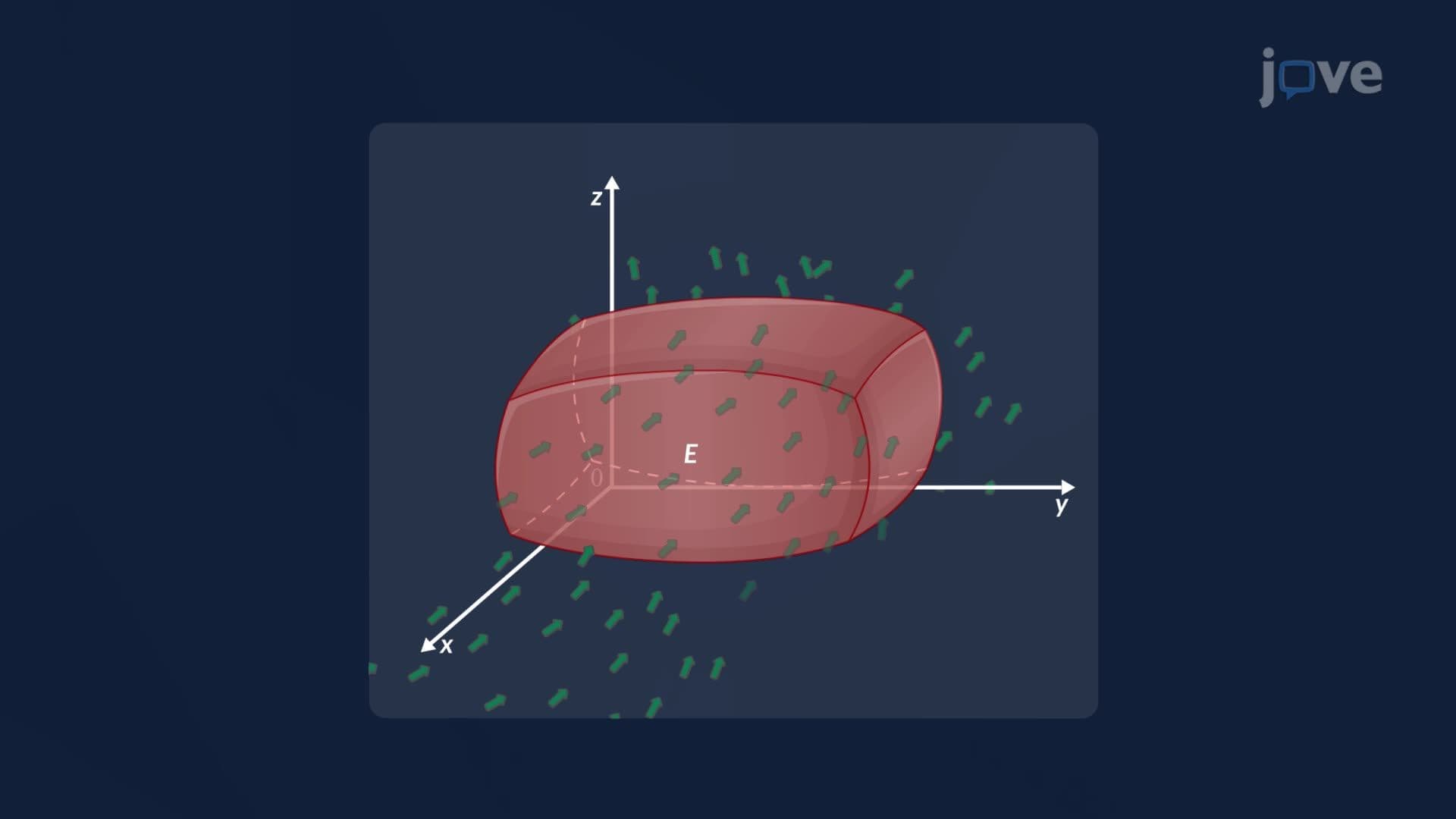
The Divergence Theorem (also called Gauss's theorem) connects divergence to surface integrals: the total flux through a closed surface equals the volume integral of the divergence inside it. This theorem is widely used in college-level Calculus III courses and appears on physics exams in the context of Gauss's law, which uses divergence to relate the electric field to the charge density at a point.
Curl measures the tendency of a vector field to rotate around a point. It is computed as the cross product of the del operator with the vector field F:
curl F = ∇ × F
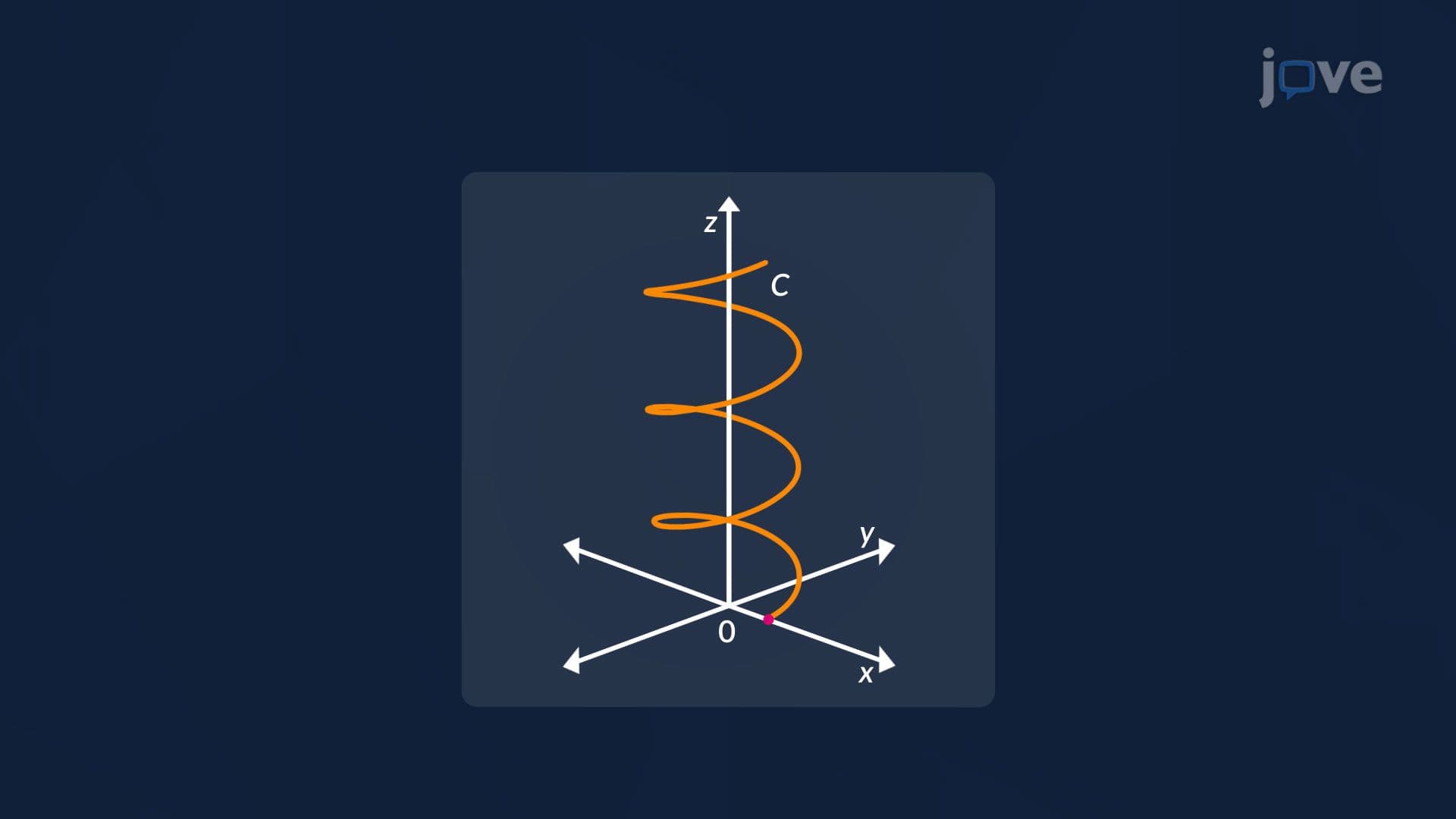
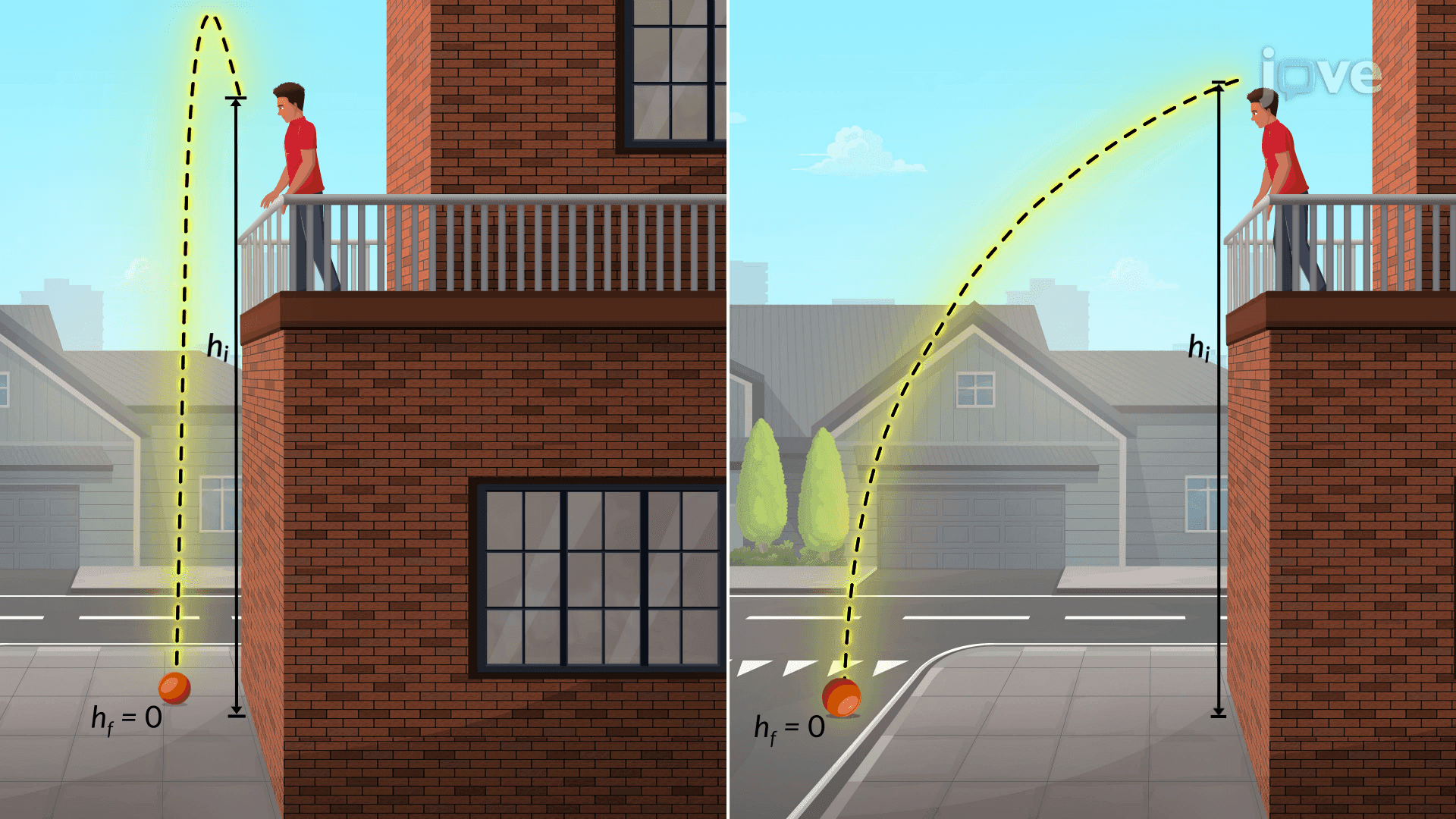
The result is itself a vector that points along the axis of rotation, with its magnitude indicating the strength of the rotation. A field with zero curl everywhere is called irrotational and is directly related to the concept of conservative vector fields, fields where the work done along any path depends only on the endpoints, not the route taken. This path-independence property is central to evaluating line integrals in physics and engineering.
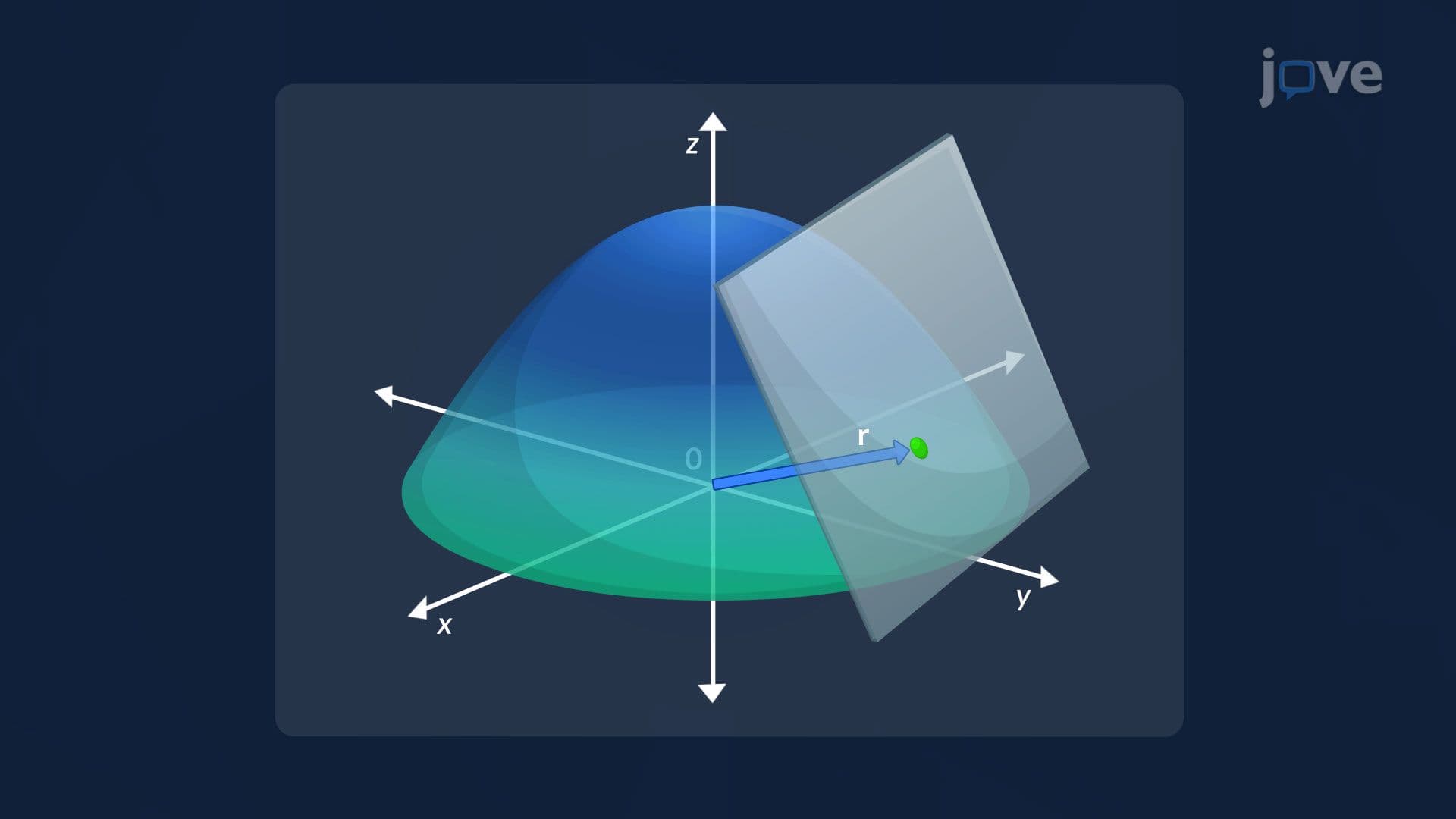
Stokes' theorem connects curl to surface integrals: the line integral of a vector field around a closed curve equals the surface integral of its curl over any surface bounded by that curve. This is the three-dimensional extension of Green's theorem, which applies the same idea in two dimensions. Understanding what Stokes' theorem is used for, and how to apply Green's theorem to circulation and flux problems, is a standard expectation in college Calculus III and university physics courses.
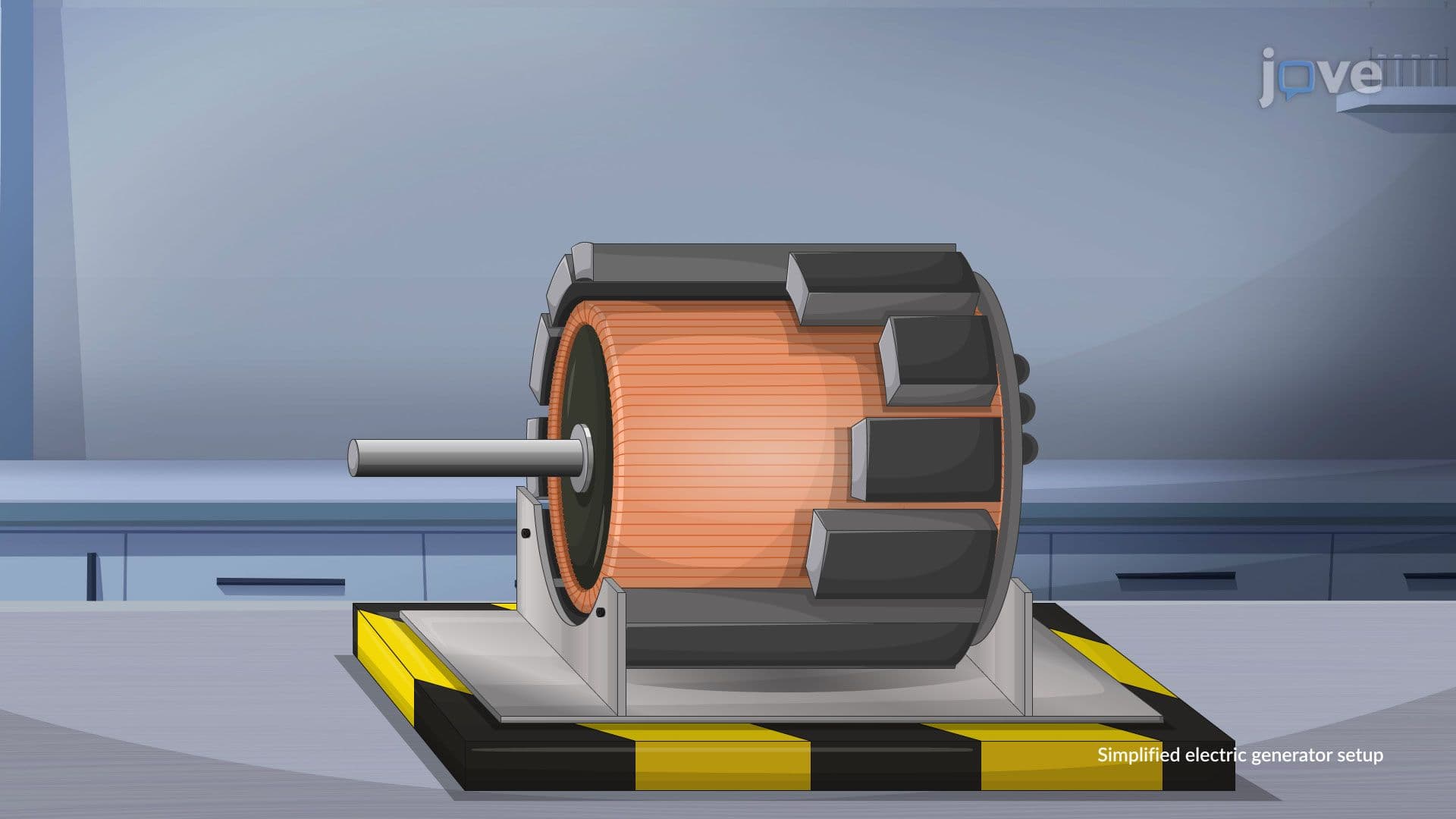
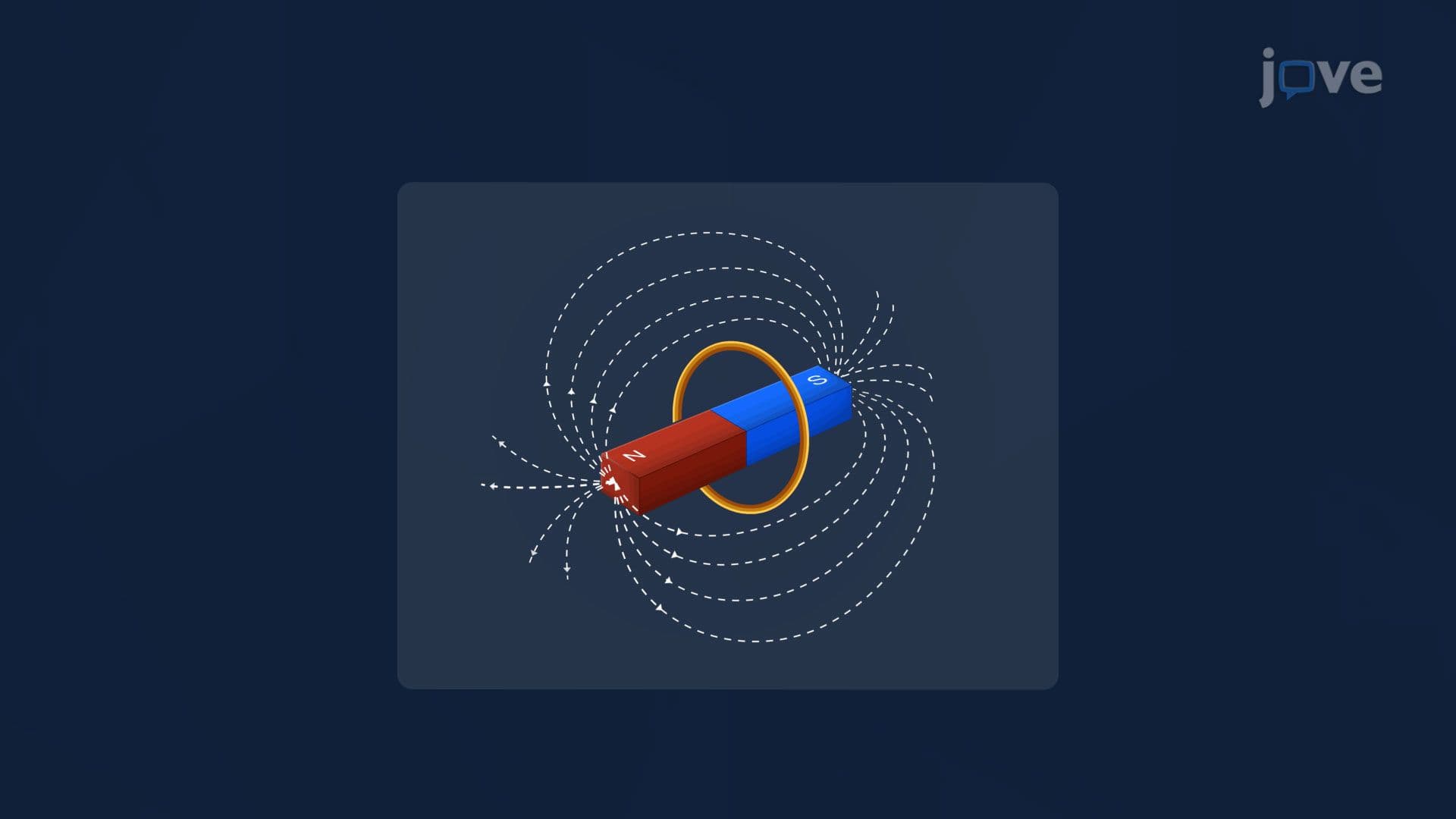
In electromagnetic theory, Faraday's law states that a changing magnetic field induces an electric field, and this law is written precisely in terms of curl. Meanwhile, Gauss's law is expressed using divergence. Together, curl and divergence appear in all four of Maxwell's equations, which govern everything from radio transmission to MRI machines used in US hospitals.
For students in AP Physics C: Electricity and Magnetism, or college courses like Multivariable Calculus and Electromagnetic Theory, mastering these operators is non-negotiable. Exam questions often ask you to interpret the physical meaning of divergence in a vector field, determine whether a field is conservative by checking its curl, or apply integral theorems to calculate flux and circulation. Building a solid visual intuition, before diving into calculations, makes all of these tasks significantly more manageable.
Related Micro-courses