Loading video…

 19 Concepts
 95 views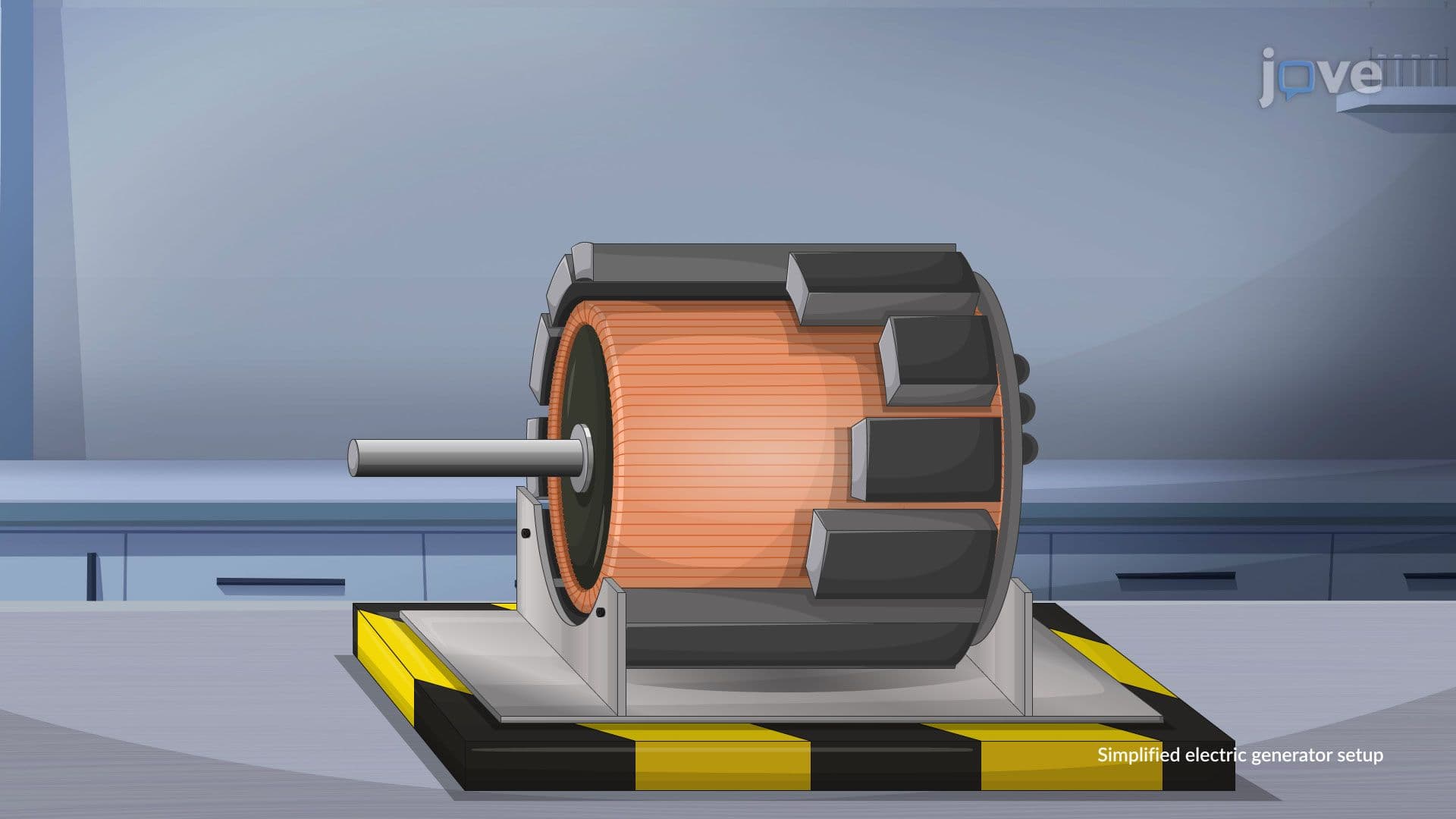

Video Summary: What are Applications of Line Integrals
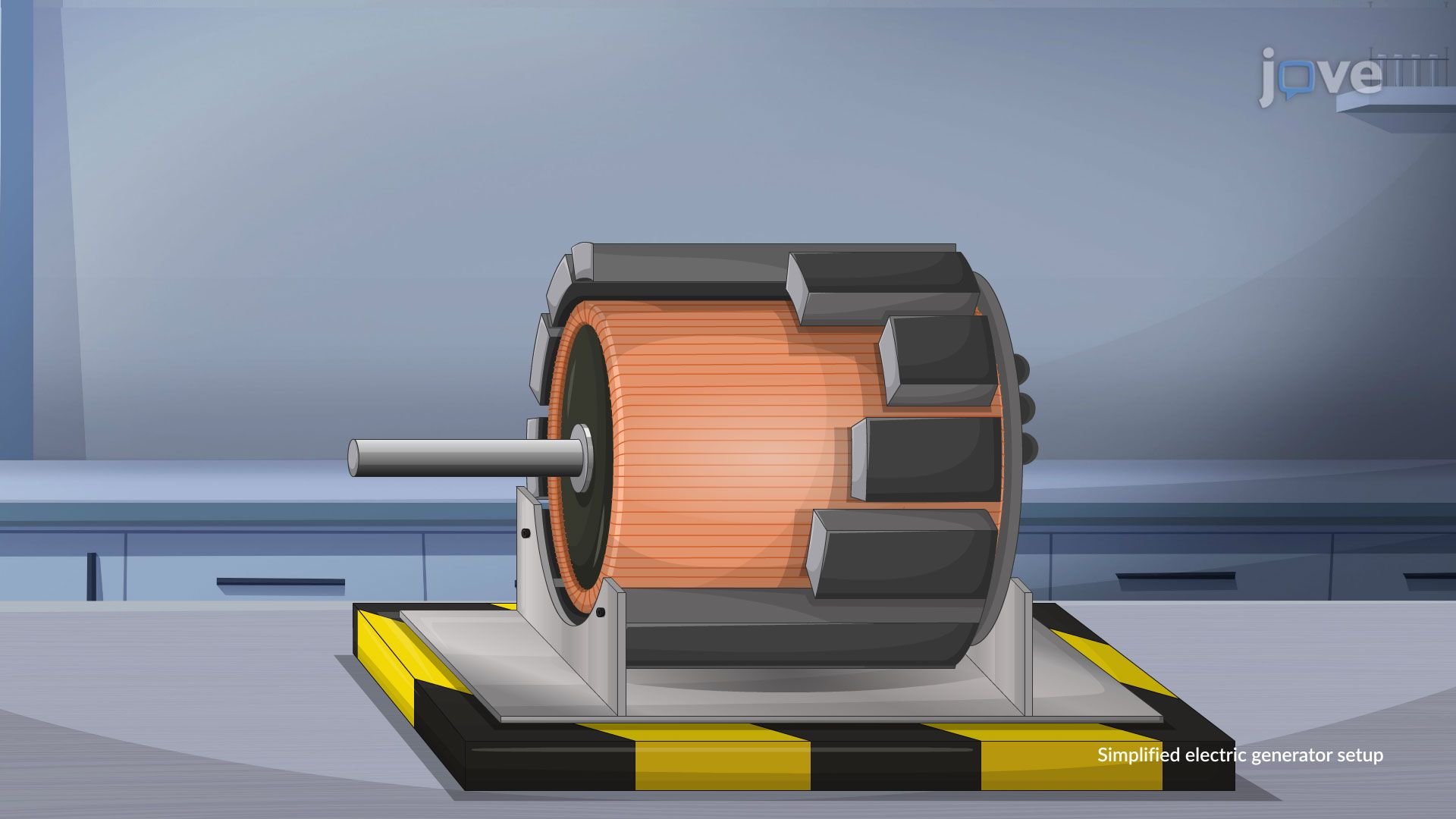
Ever wonder how a power plant generator actually produces electricity? Understanding the applications of line integrals unlocks that answer. Line integrals calculate work done by a varying force along a curved path, and the same math explains how changing magnetic fields drive current in a wire loop, powering everything from US power grids to MRI machines. Watch the full video on JoVE Coach to master this concept with expert-led visuals and step-by-step explanations.
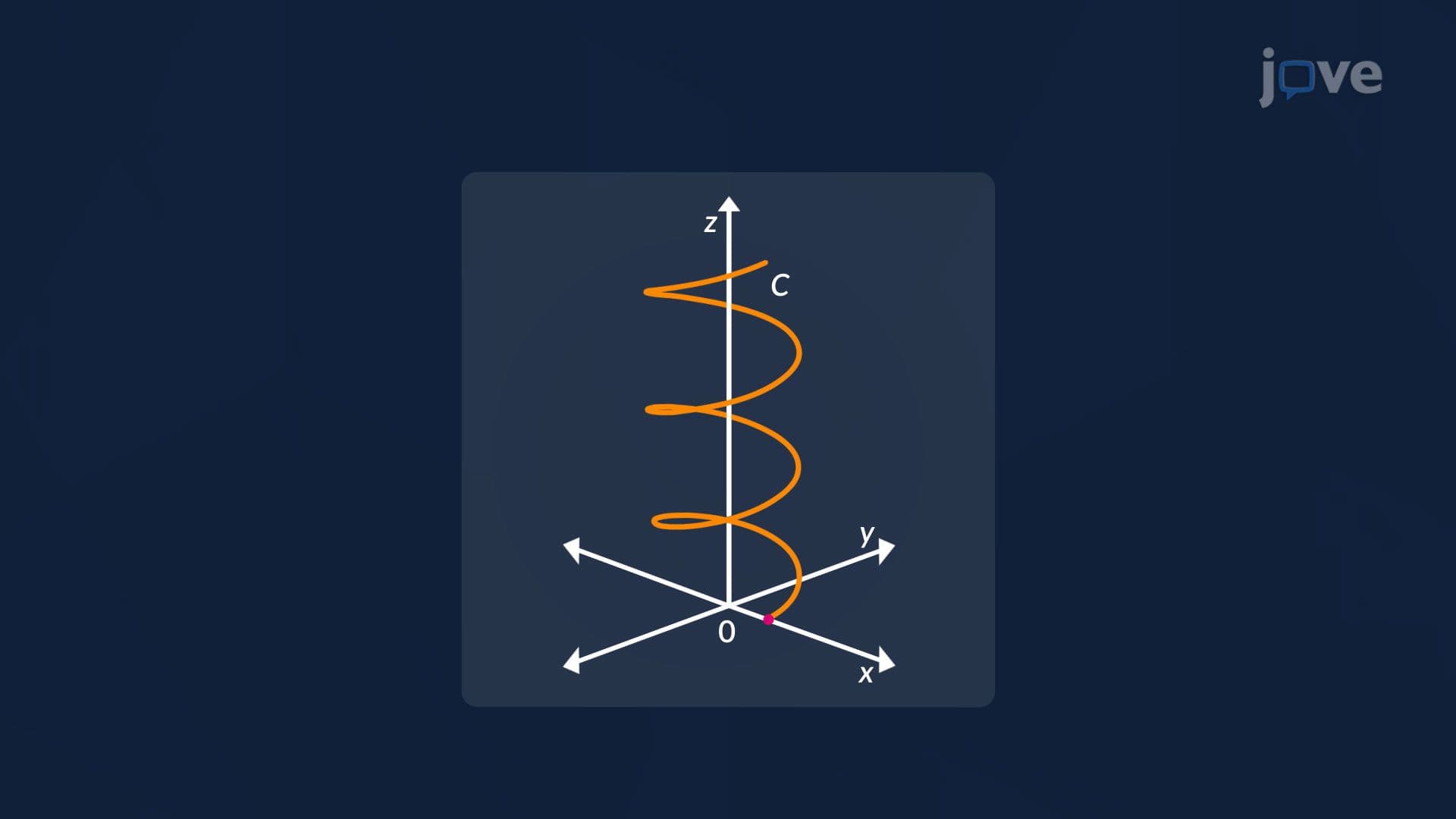
Line integrals are one of the most powerful tools in multivariable calculus, and their applications reach far beyond textbook problems. At their core, line integrals allow you to add up the contribution of a vector or scalar field along a specific path or curve. Instead of integrating over a flat interval on the x-axis, you integrate over a curved path through two- or three-dimensional space. This makes them indispensable whenever a physical quantity, like force, electric field, or fluid velocity, changes continuously from point to point.
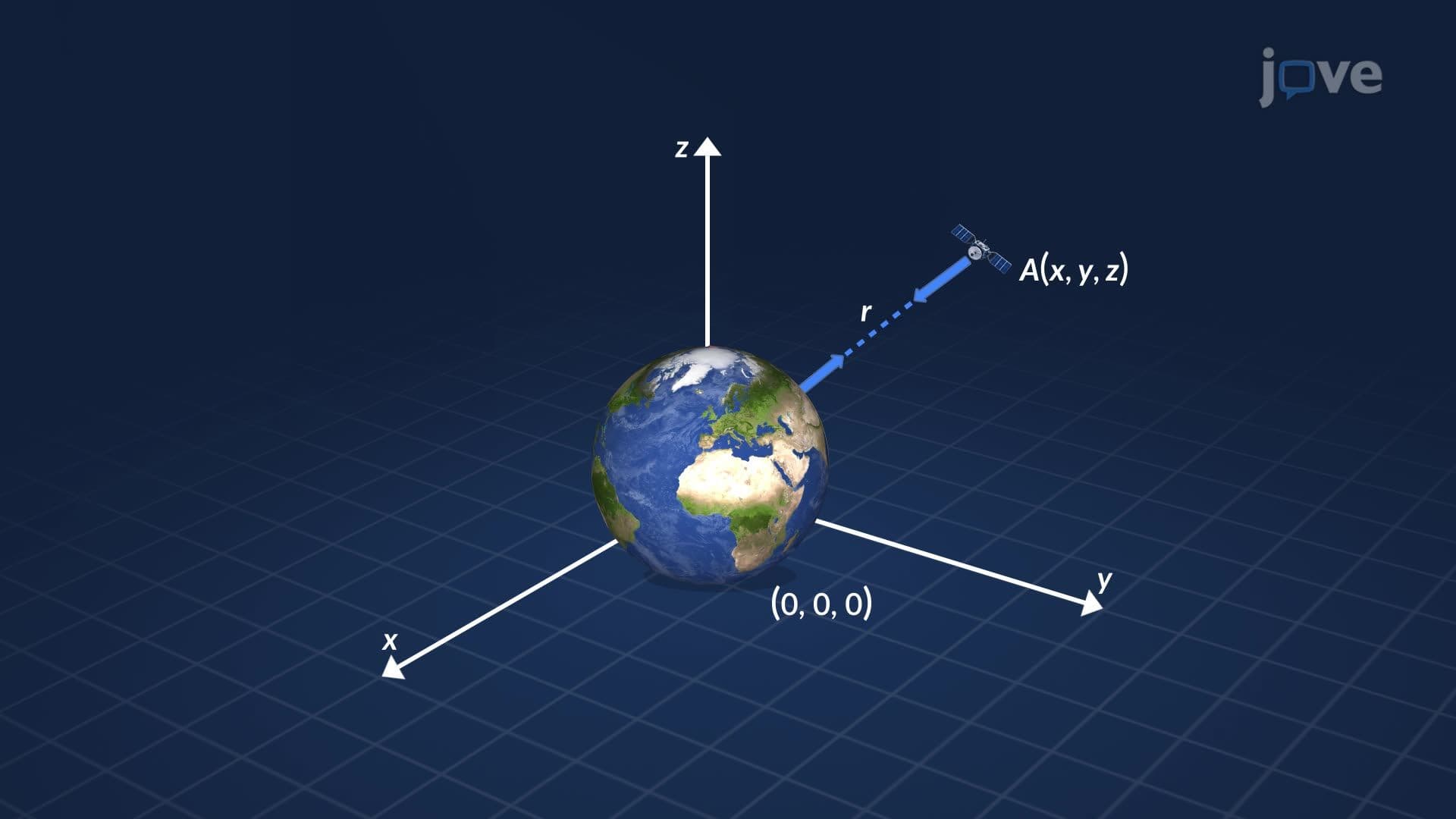
The most intuitive application of line integrals is computing work. In introductory physics (covered in AP Physics C and college-level calculus-based physics), work is defined as force times displacement, but only when both are constant and aligned. In the real world, forces vary. Imagine a spacecraft maneuvering through Earth's gravitational field, which weakens with distance and shifts direction depending on position. To find the total work done, you integrate the dot product of the force vector F and the infinitesimal displacement vector dr along the entire curved trajectory. This line integral sums up each tiny contribution of work, capturing the geometry of the path precisely.
This is also where the concept of conservative vector fields becomes critical. If a force field is conservative, like gravity or electrostatic force, the line integral between two points is path-independent: it depends only on the endpoints. Students preparing for AP Calculus BC or college multivariable calculus exams frequently encounter problems that test this distinction.
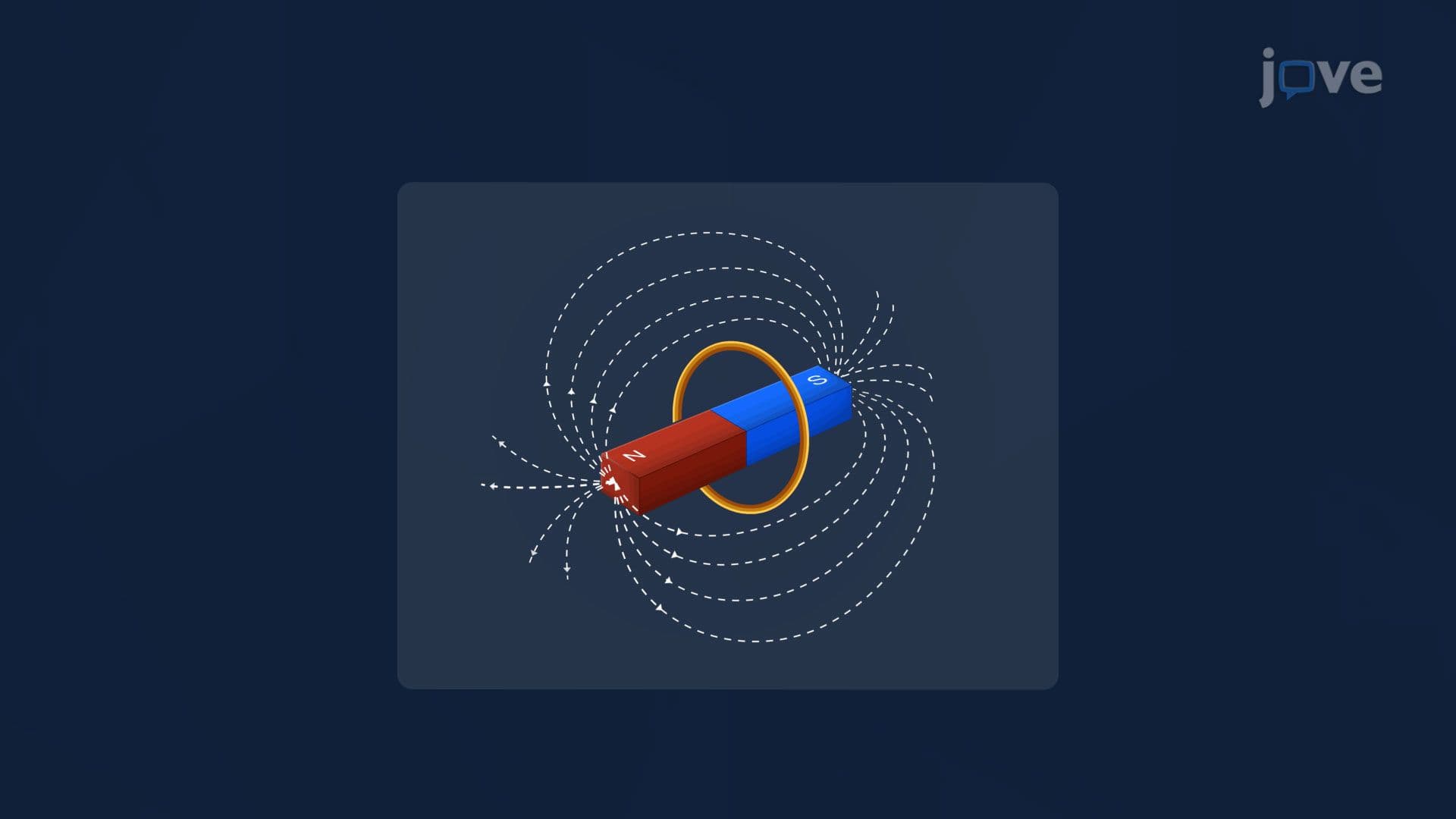
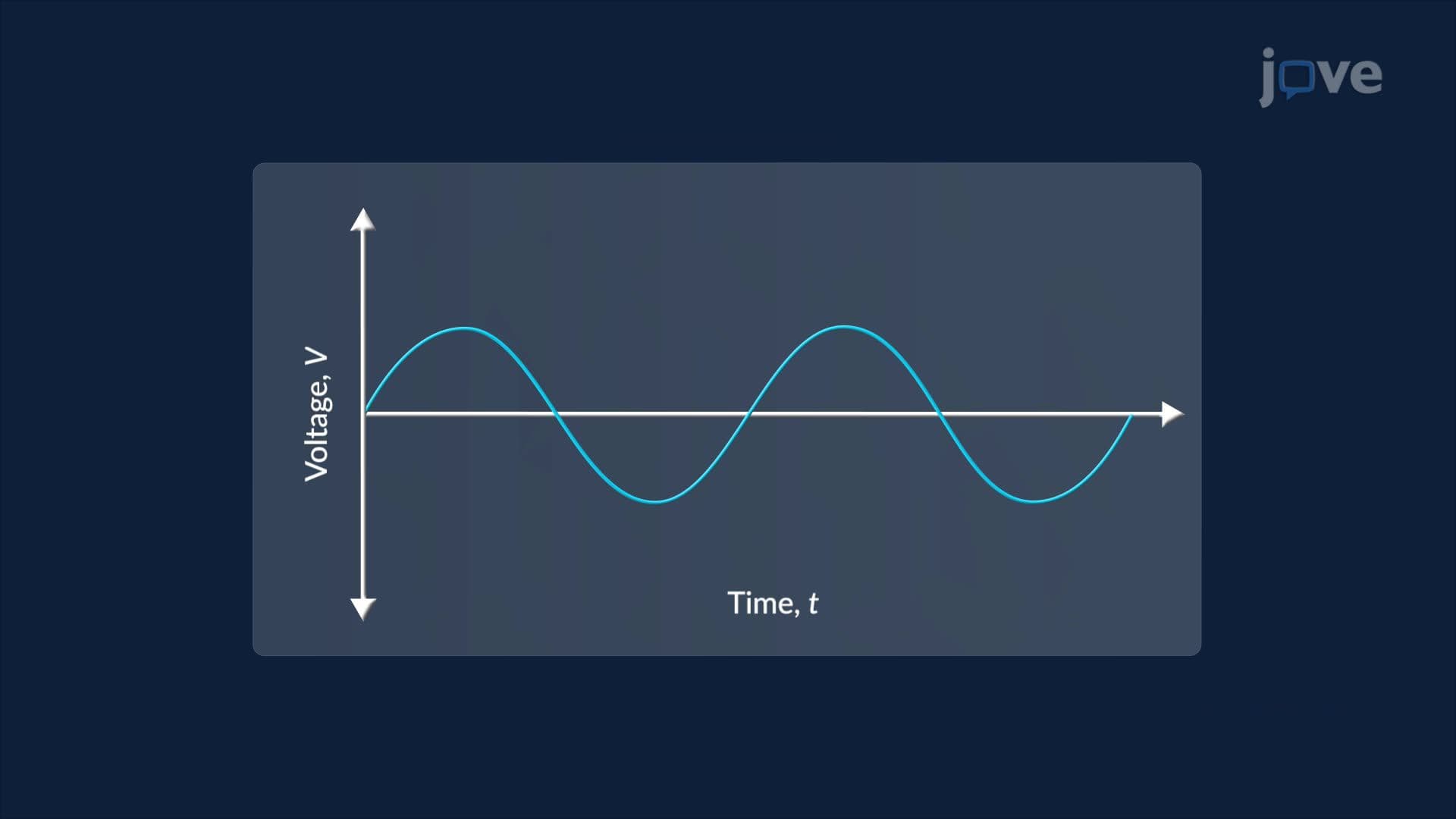
One of the most significant applications of line integrals in physics and engineering is defining electromotive force (EMF). When a conducting loop, like the coils inside a US power plant generator, experiences a changing magnetic field, an electric field is induced around the loop. Because this electric field varies at every point along the wire, its total driving effect is computed using a closed-loop line integral: the integral of the dot product of the electric field E and the displacement element dr around the entire loop.
This result is the EMF, and Faraday's Law gives it physical meaning by linking it directly to the rate of change of magnetic flux through the loop. The faster the magnetic flux changes, say, by spinning a coil faster in a generator, the greater the EMF and the more electrical energy is produced. This principle powers every generator connected to the US electrical grid.
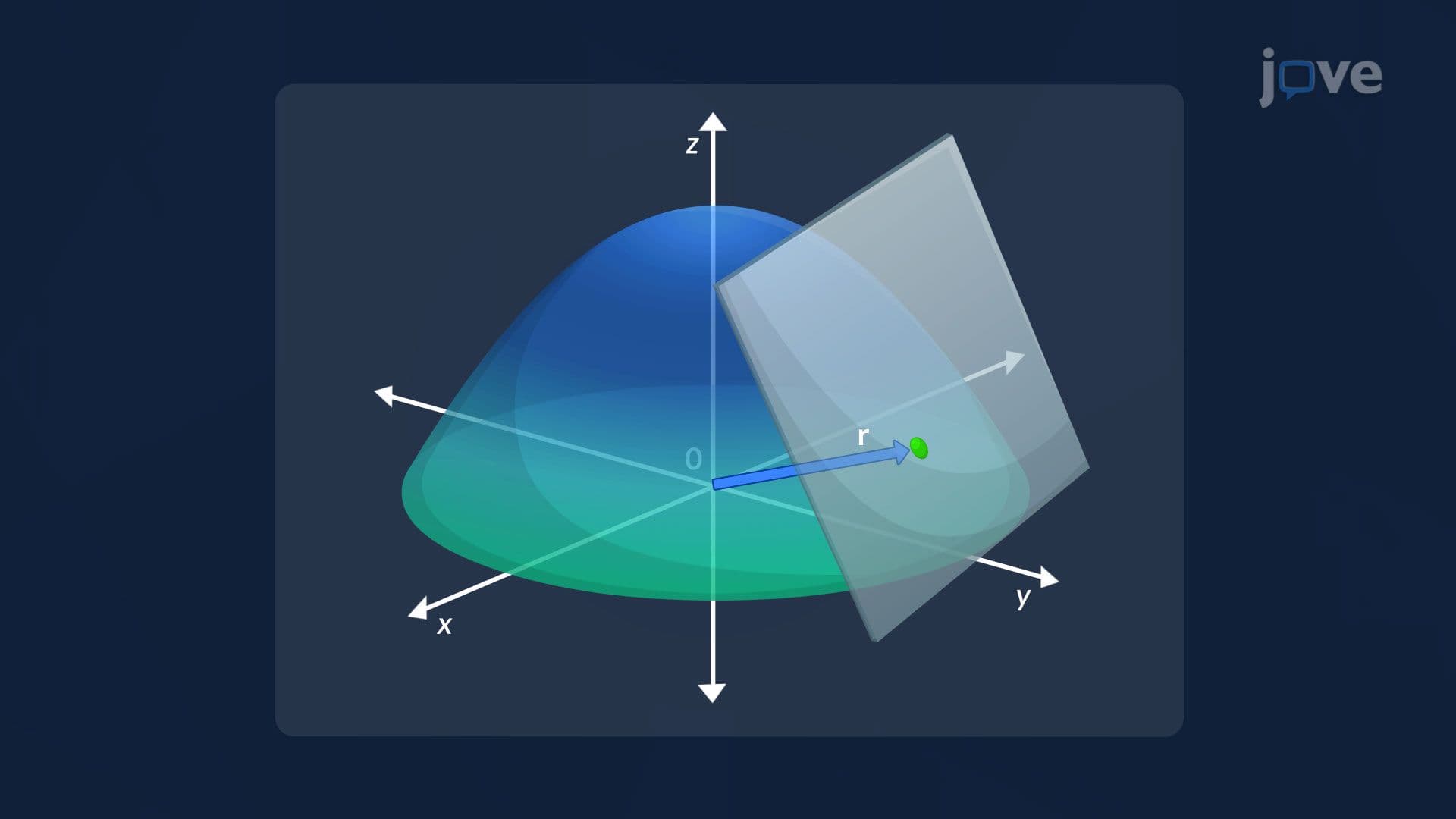
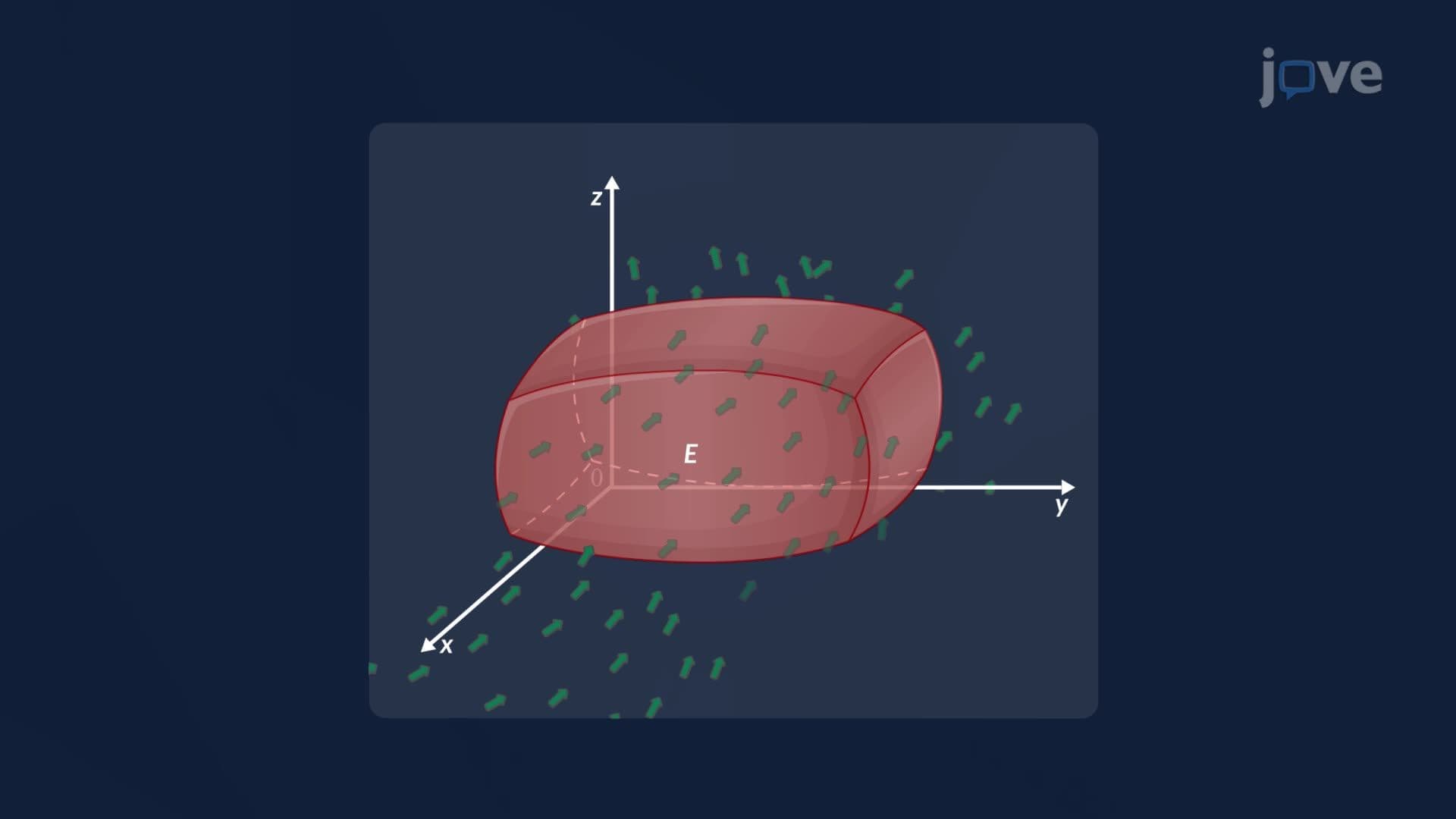
Applications of line integrals naturally lead into some of the most important theorems in vector calculus. Green's Theorem relates a line integral around a closed curve in 2D to a double integral over the region it encloses, it's especially useful for calculating areas and circulation in planar flow problems. Stokes' Theorem generalizes this to 3D surfaces, connecting the line integral of a vector field around a closed curve to the surface integral of the curl of that field, explaining the physical meaning of curl as local rotational tendency. The Divergence Theorem takes this further, relating surface integrals to volume integrals through the concept of divergence, measuring how much a field spreads outward from a region.
Together, these theorems form the backbone of vector calculus, appearing in college courses like Calculus III, Multivariable Calculus, and Differential Equations, as well as in MCAT physics preparation for topics involving fluid dynamics and electromagnetism.
For AP Calculus BC students, line integrals appear at the edge of the curriculum, understanding their setup reinforces mastery of integration techniques. For college students in physics or engineering programs at institutions like MIT, Caltech, or state universities across the US, line integrals appear on midterms and finals in the context of electromagnetism and fluid mechanics. Conceptually grounding yourself in what the integral is physically measuring, not just how to compute it, is what separates strong exam performers from average ones.
Related Micro-courses