Loading video…

 19 Concepts
 95 views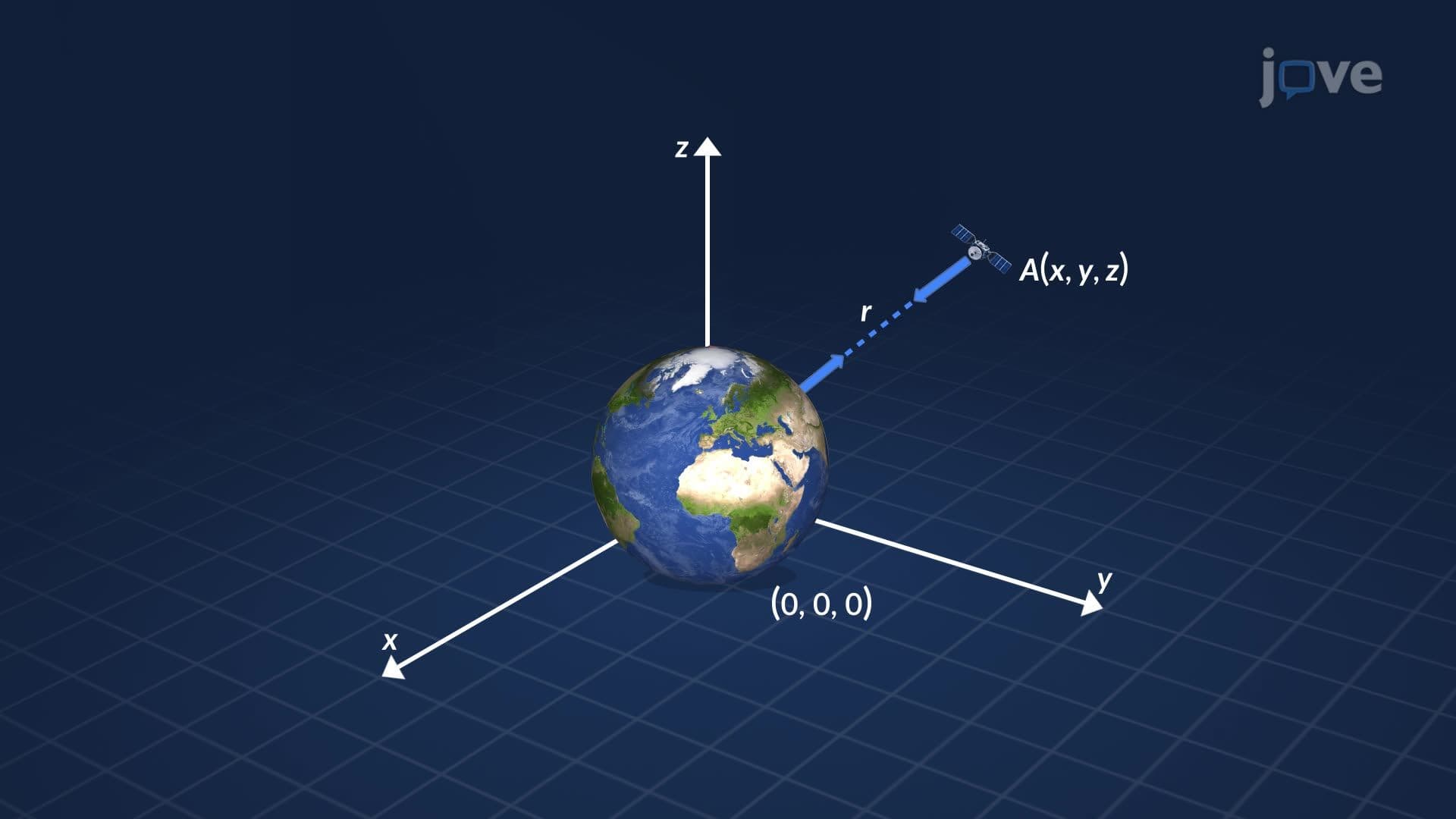

Video Summary: Problem Solving in Vector Calculus
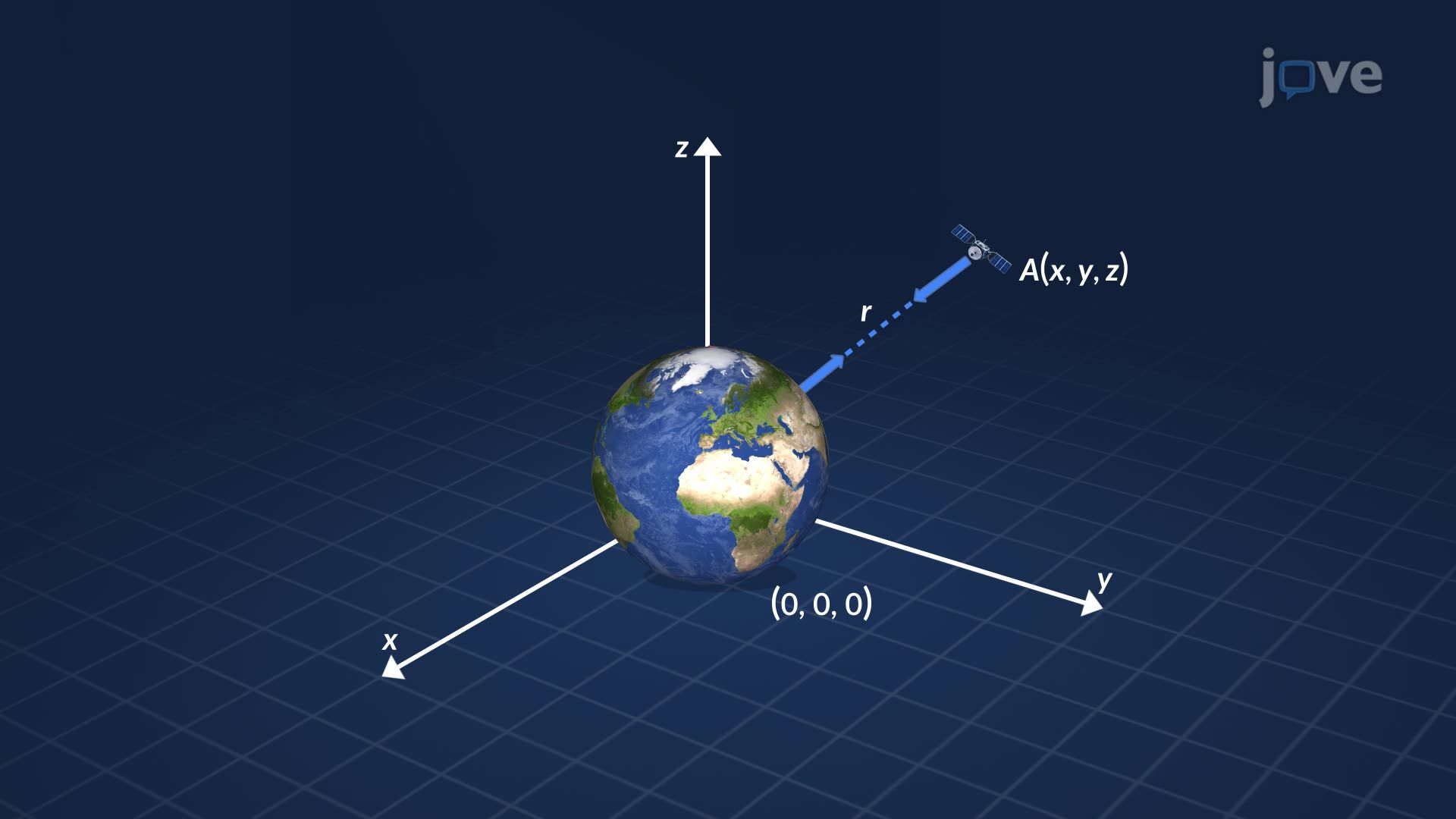
Did you know that gravity keeps satellites in orbit without ever spinning them off course? Problem solving in vector calculus reveals exactly why, by computing the curl of Earth's gravitational field and proving it equals zero. NASA engineers rely on this irrotational property to model stable orbital paths. Watch the full video on JoVE Coach to master this concept with expert-led visuals and step-by-step explanations.
Vector calculus can look intimidating at first glance, pages of partial derivatives and multi-dimensional integrals. But at its core, problem solving in vector calculus is about answering physical questions with mathematical precision: Does a force field rotate? Does it converge or spread? How much work does it do along a path? Once students see these questions as the *why* behind the math, the subject becomes far more approachable.
The curl of a vector field measures its tendency to rotate at any given point. For a force field F with components Fx, Fy, and Fz, each component of the curl compares how one force component changes along a perpendicular axis. For example, the i-component checks whether the rate of change of Fz with respect to y equals the rate of change of Fy with respect to z. When these partial derivatives are identical, they cancel, giving zero.
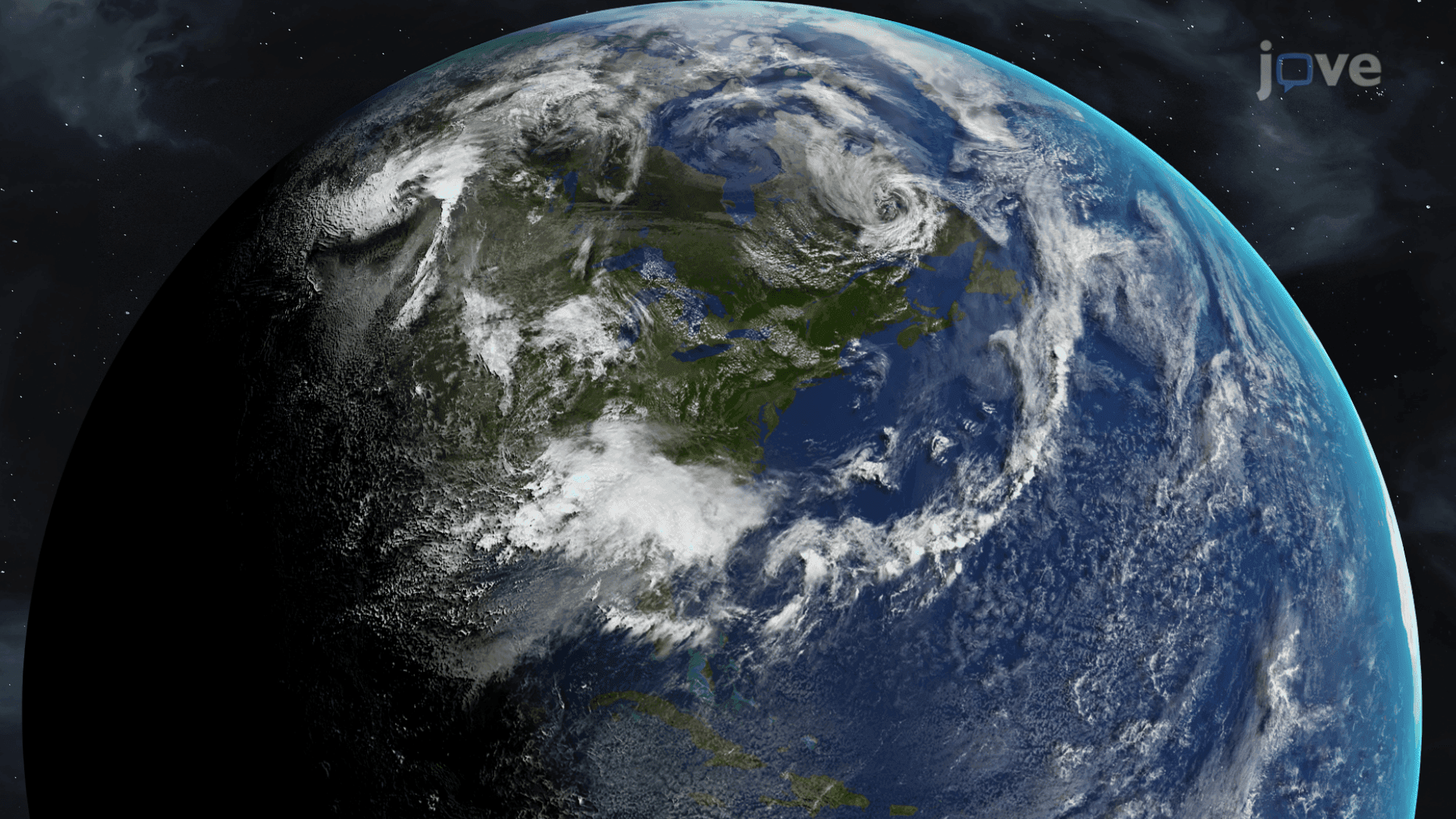
Earth's gravitational field produces exactly this result across all three components. The curl equals zero everywhere, which means gravity is irrotational: it pulls objects toward the center without inducing any spin. This is the mathematical definition of a central force, and it enormously simplifies orbital mechanics calculations used by agencies like NASA's Jet Propulsion Laboratory in Pasadena, California.
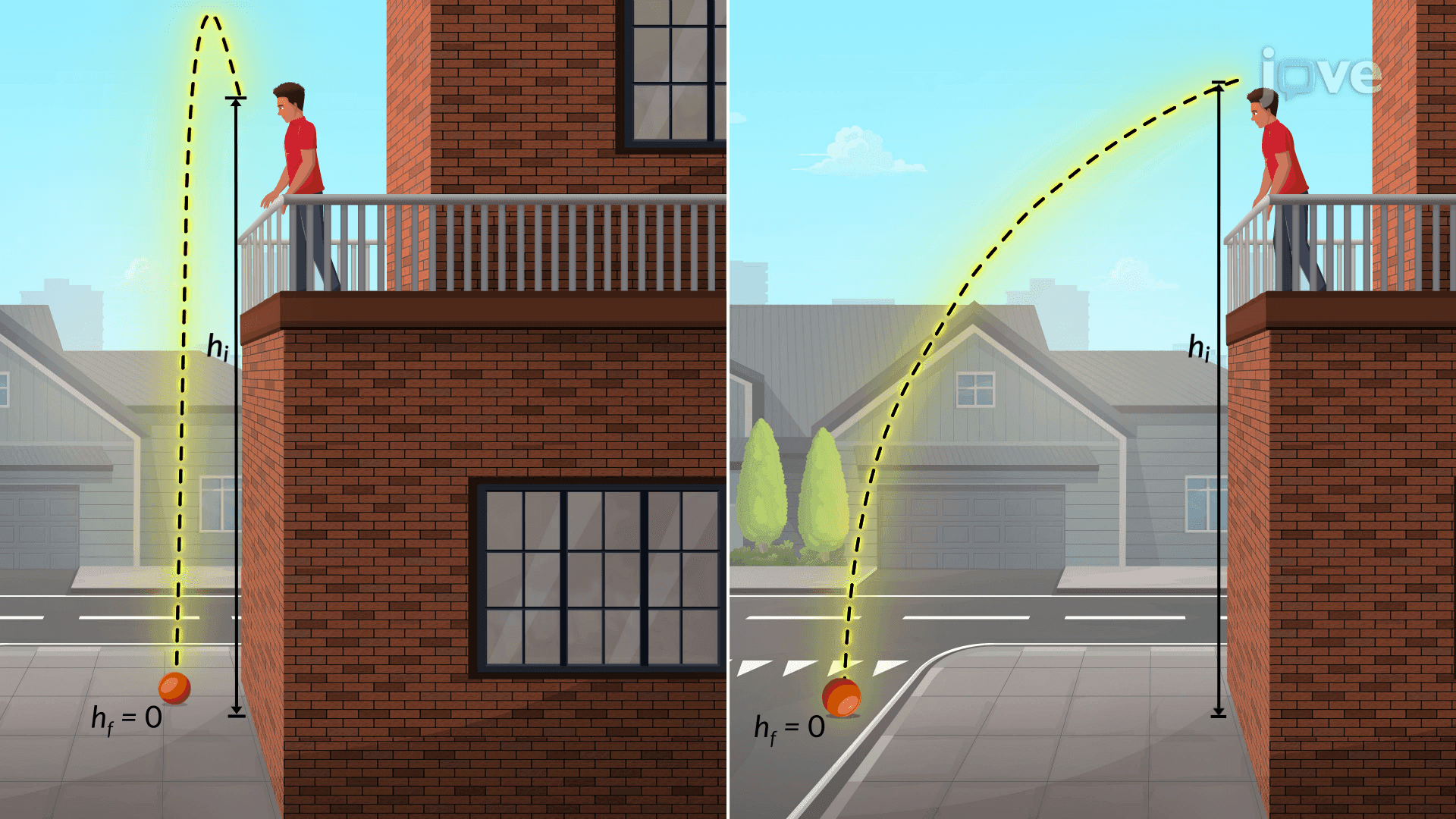
A field with zero curl throughout a region is called a conservative vector field. This property has a powerful consequence: the work done by the field on a moving object depends only on the starting and ending points, not on the path taken. This is the foundation of potential energy in physics.
In practice, recognizing a conservative field allows students and engineers alike to replace complex line integrals with a simple potential function evaluation. Instead of integrating force over an entire orbital trajectory, you only need the gravitational potential at two positions. This shortcut appears regularly on AP Physics C: Mechanics exams and in college Calculus III courses across the US.
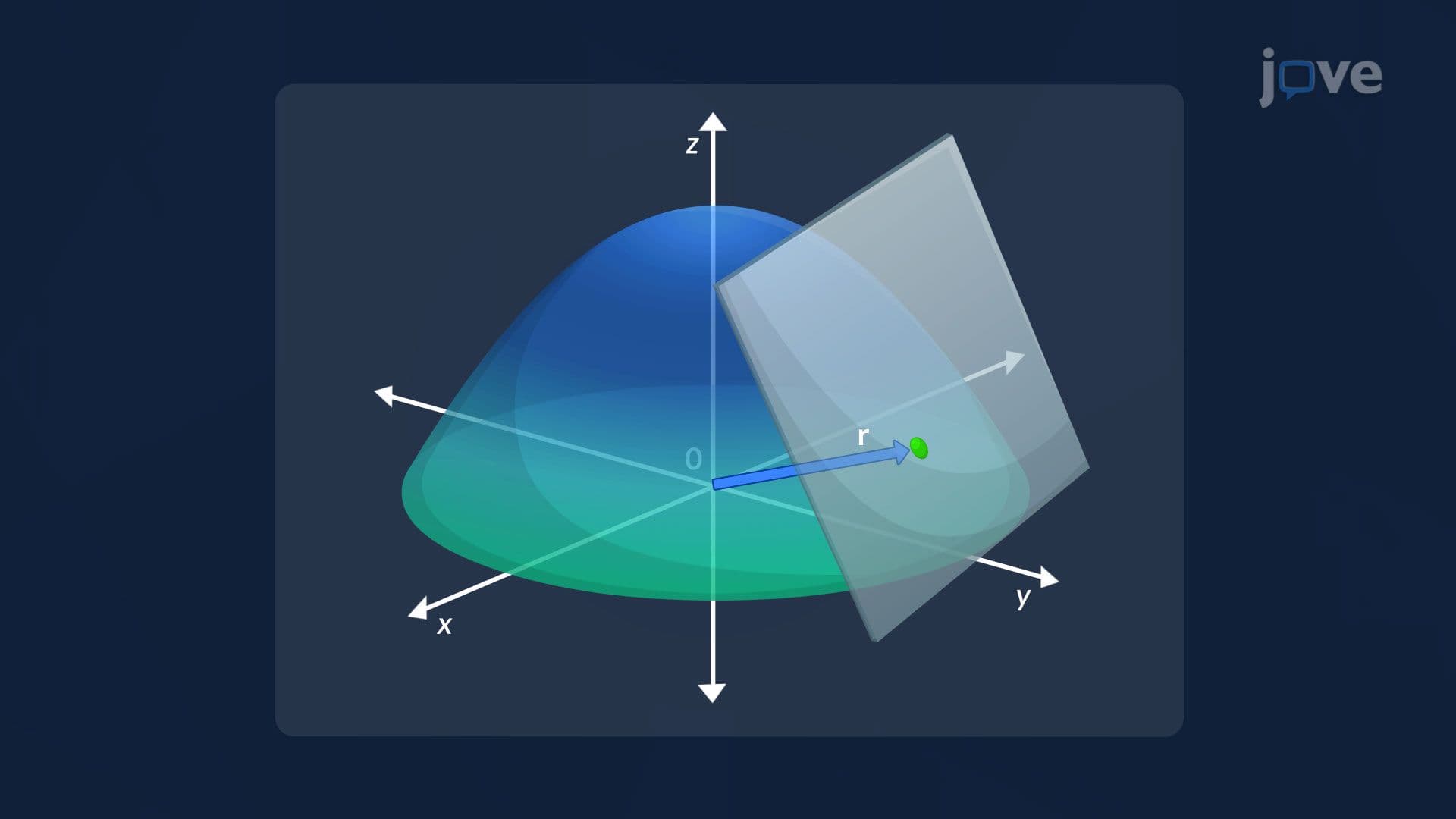
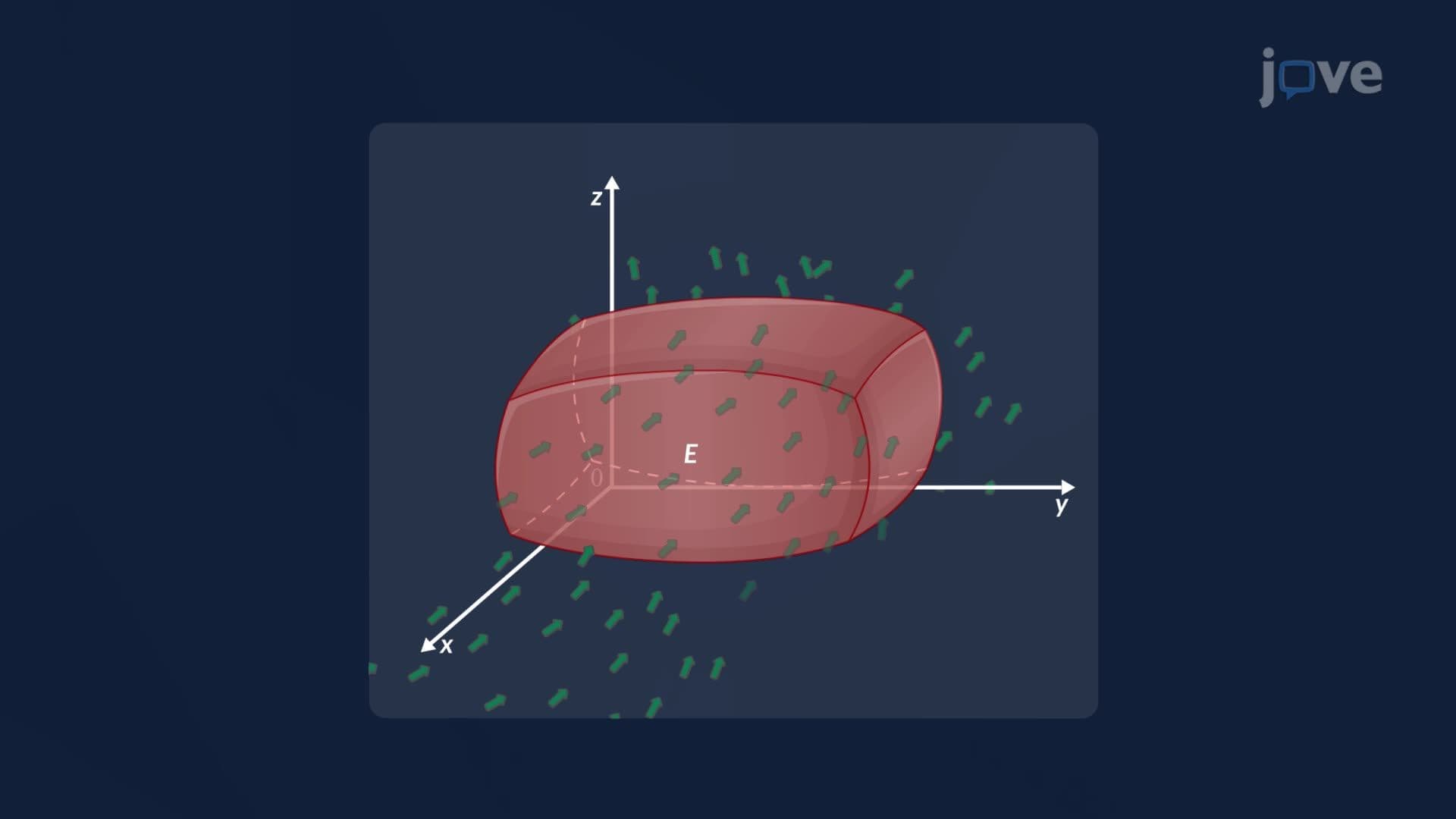
These three theorems are the heavy-hitters of vector calculus problem solving, and they all share a common theme: connecting what happens *inside* a region to what happens *on its boundary*.
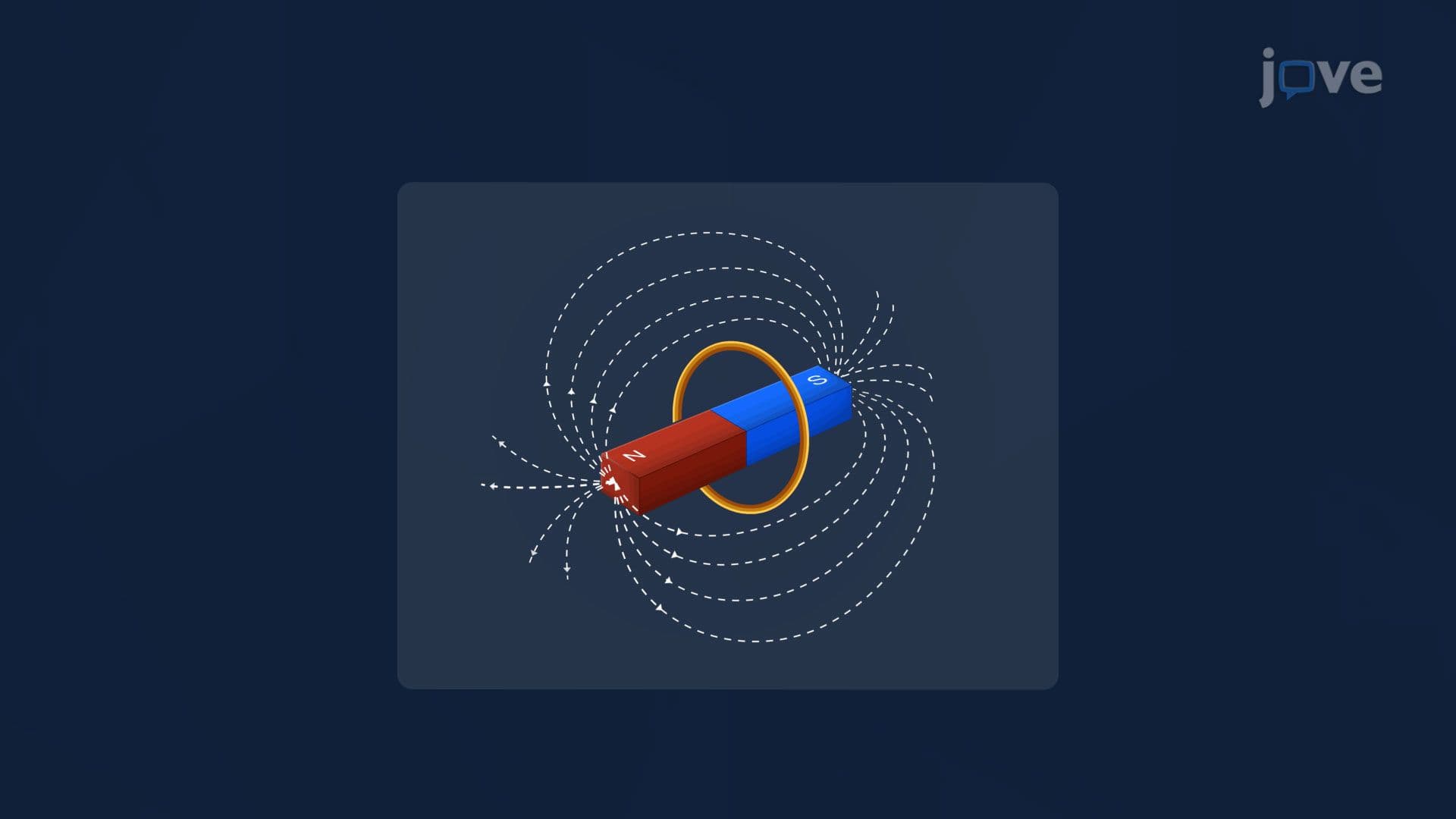
Together, these tools give students a complete framework for analyzing any vector field, whether it represents gravity, electric fields, fluid velocity, or magnetic forces.
In AP Calculus BC, students encounter basic line integrals and area calculations that build toward these ideas. At the college level, particularly in Calculus III (Multivariable Calculus) courses at universities like MIT, UCLA, and the University of Michigan, curl, divergence, and all three major theorems appear on midterms and finals. Physics and engineering majors also encounter these tools in Electromagnetism courses, where Maxwell's equations are written entirely in the language of vector calculus. Early mastery of the problem-solving strategies covered here provides a measurable advantage across all of these contexts.
Related Micro-courses