Loading video…

 13 Concepts
 47 views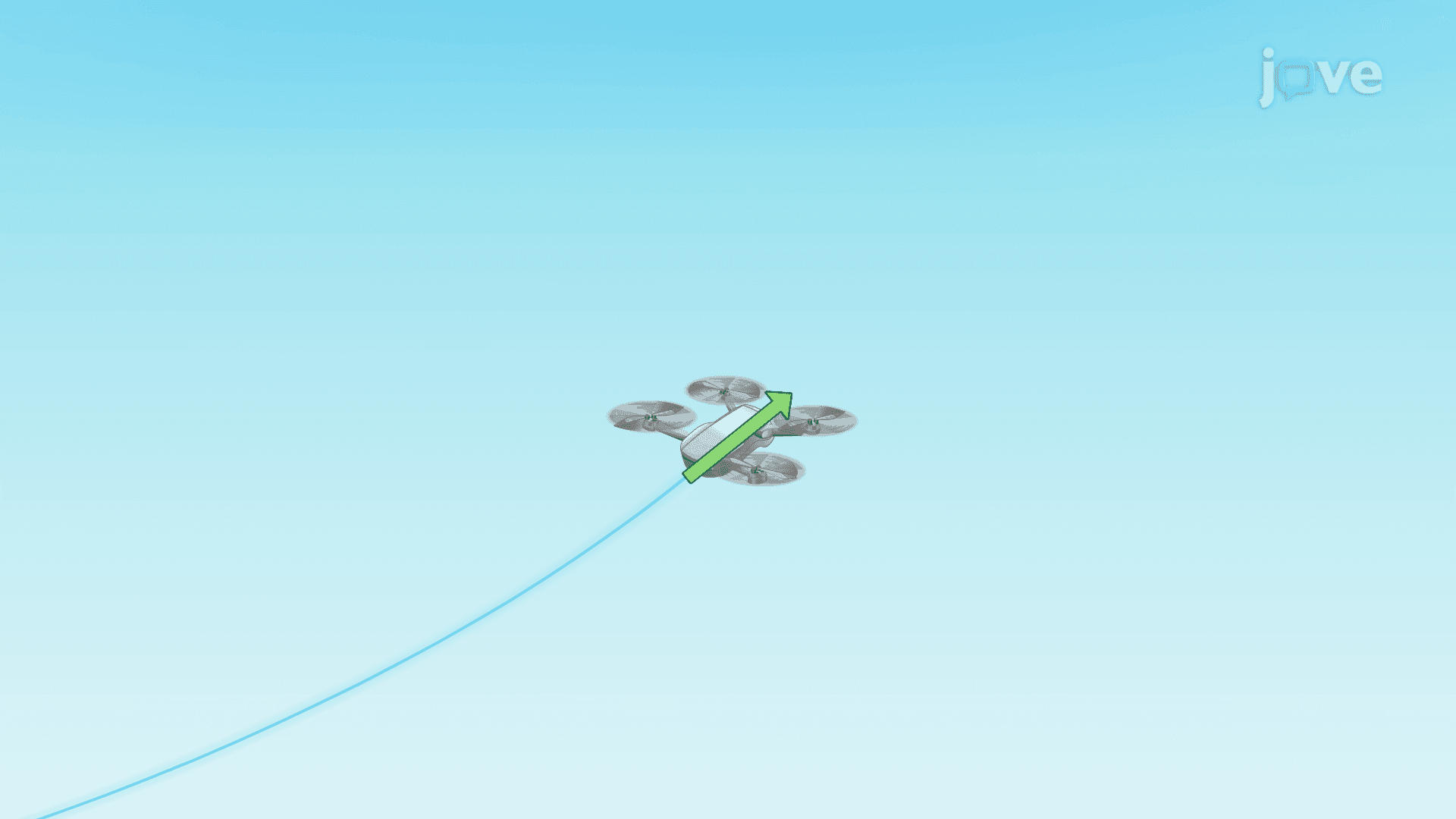

Video Summary: What are Integrals of Vector Functions
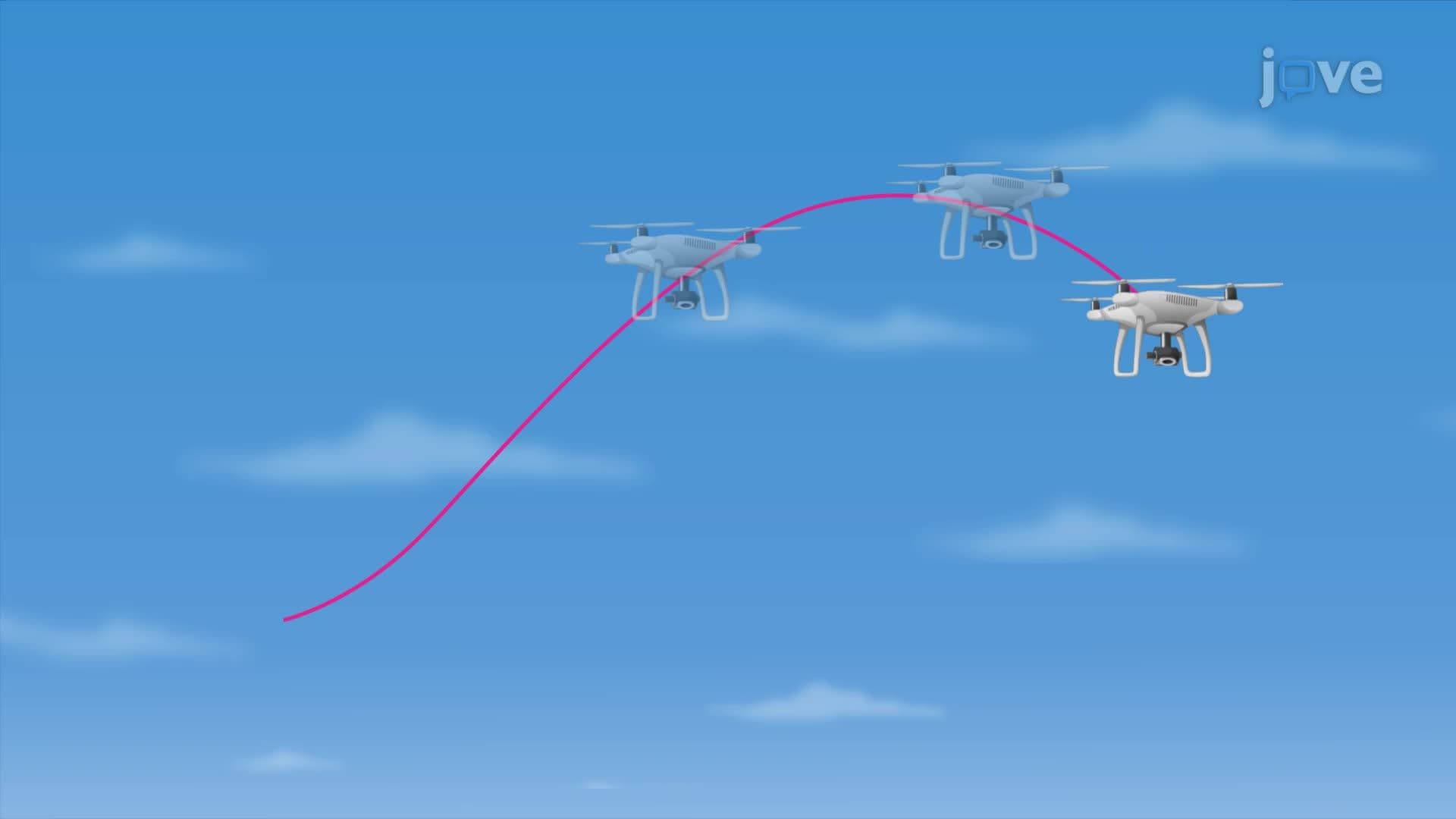
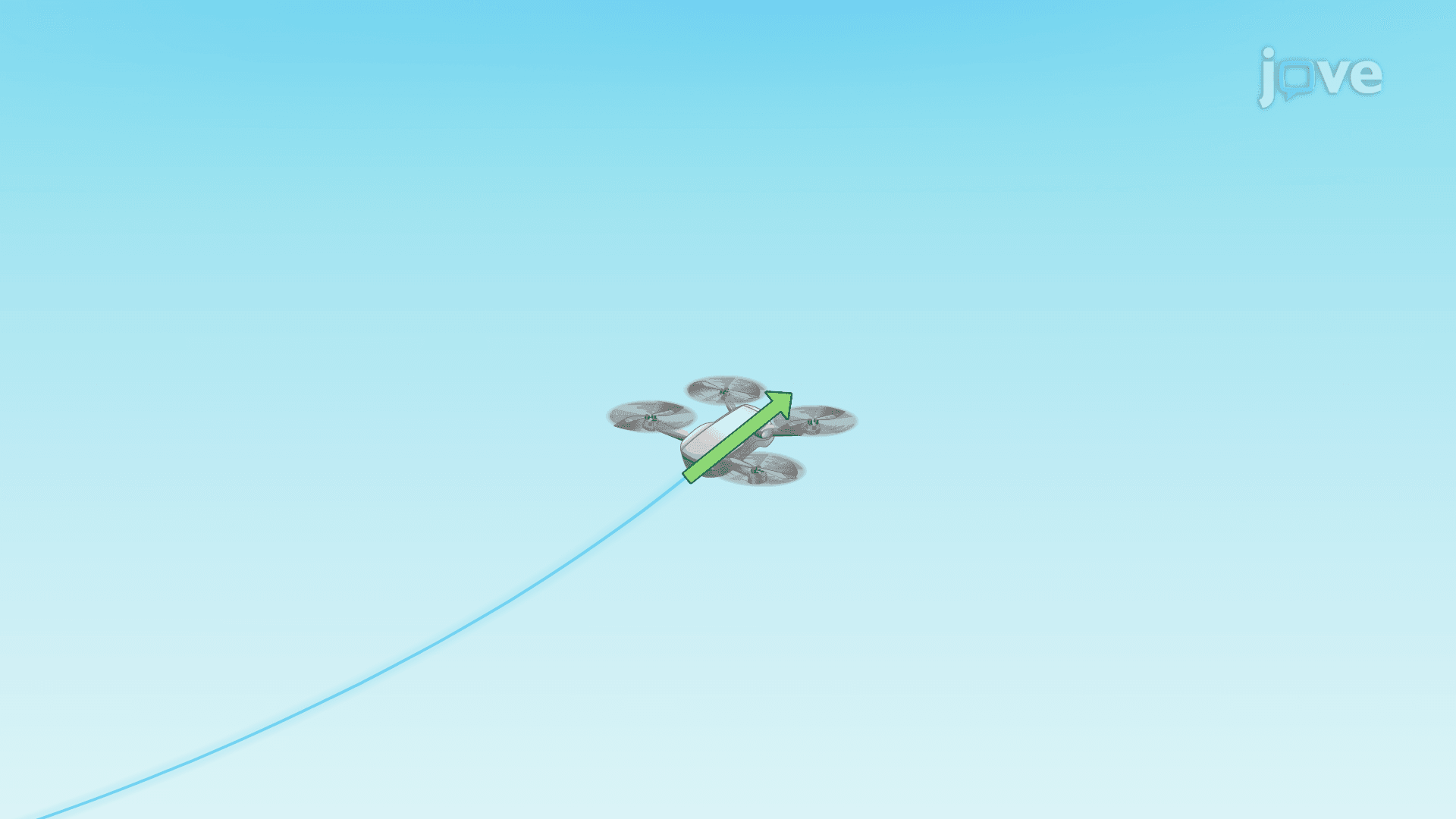
Ever wonder how NASA engineers track a spacecraft's exact position using only its changing velocity? Integrals of vector functions make that possible. This concept, a cornerstone of vector calculus, breaks multi-dimensional motion into manageable scalar components, integrating each independently to recover position or displacement. Think of a delivery drone navigating US airspace in 3D. Watch the full video on JoVE Coach to master this concept with expert-led visuals and step-by-step explanations.
Integrals of vector functions extend the familiar idea of integration from single-variable calculus into two and three dimensions. Instead of integrating one real-valued function, you integrate a vector-valued function, a function whose output is a vector with multiple scalar components. Each component is integrated independently using standard integration rules, and the results are reassembled into a new vector. This component-wise approach is the key insight that makes the process manageable.
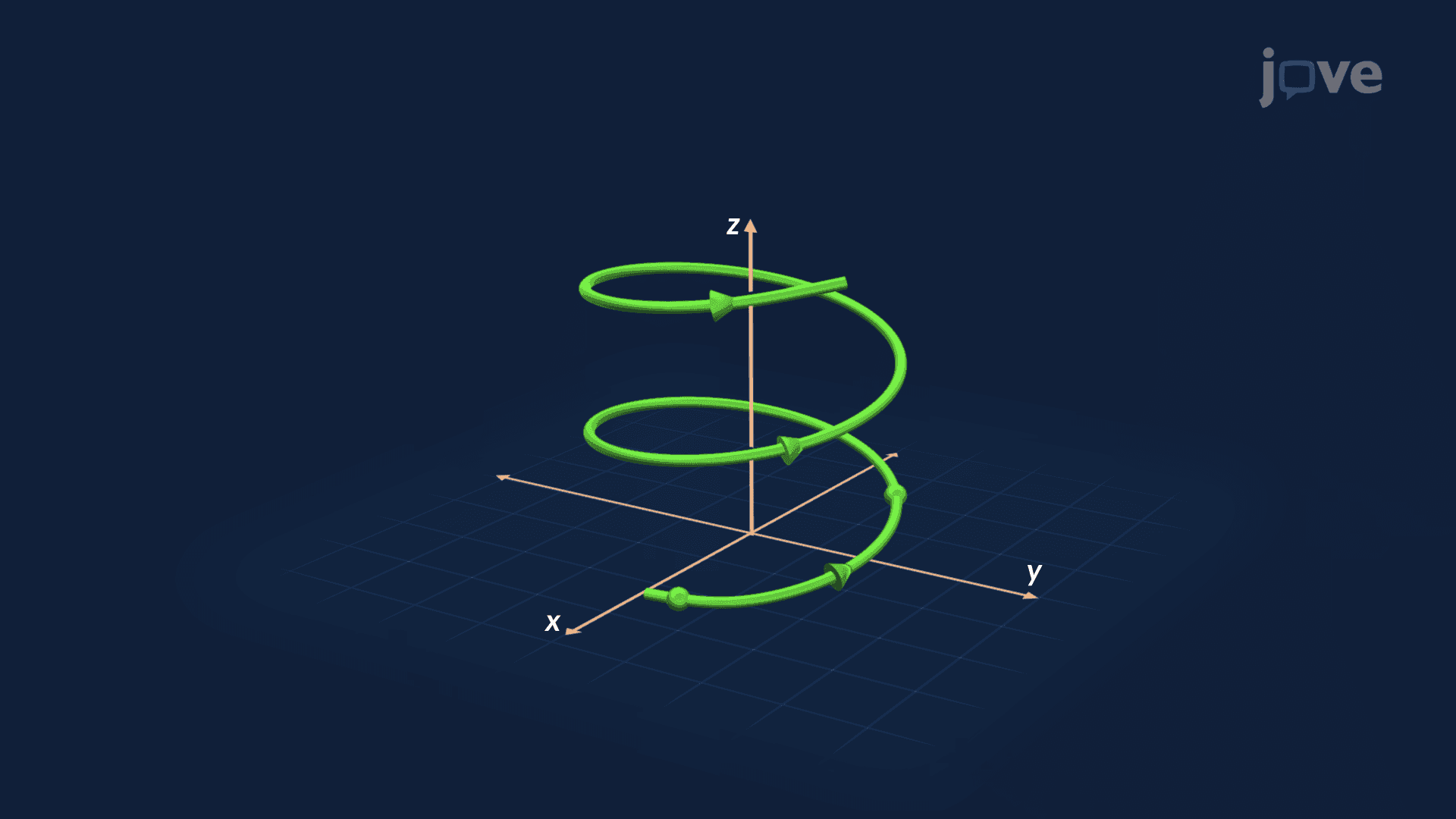
A vector-valued function in 3D space typically takes the form r(t) = ⟨f(t), g(t), h(t)⟩, where f(t), g(t), and h(t) are ordinary real-valued functions representing motion along the x-, y-, and z-axes respectively. When you integrate this function, you compute ∫f(t)dt, ∫g(t)dt, and ∫h(t)dt separately, then combine them: ∫r(t)dt = ⟨∫f(t)dt, ∫g(t)dt, ∫h(t)dt⟩. For indefinite integrals, each component produces its own constant of integration, which are often combined into a single constant vector C. This structure appears directly in AP Calculus BC and college-level Calculus III courses across US universities.
When definite limits are applied, say, from t = a to t = b, each scalar component is evaluated at those limits, producing specific numbers. The result is a single displacement vector, not a scalar. This is a critical distinction: the integral of a velocity vector gives displacement (net change in position), not total distance traveled. To find arc length of a space curve, the actual distance traveled, you compute the integral of the magnitude of the velocity vector, a related but different operation. This distinction frequently appears on AP Calculus BC free-response questions and college midterm exams.
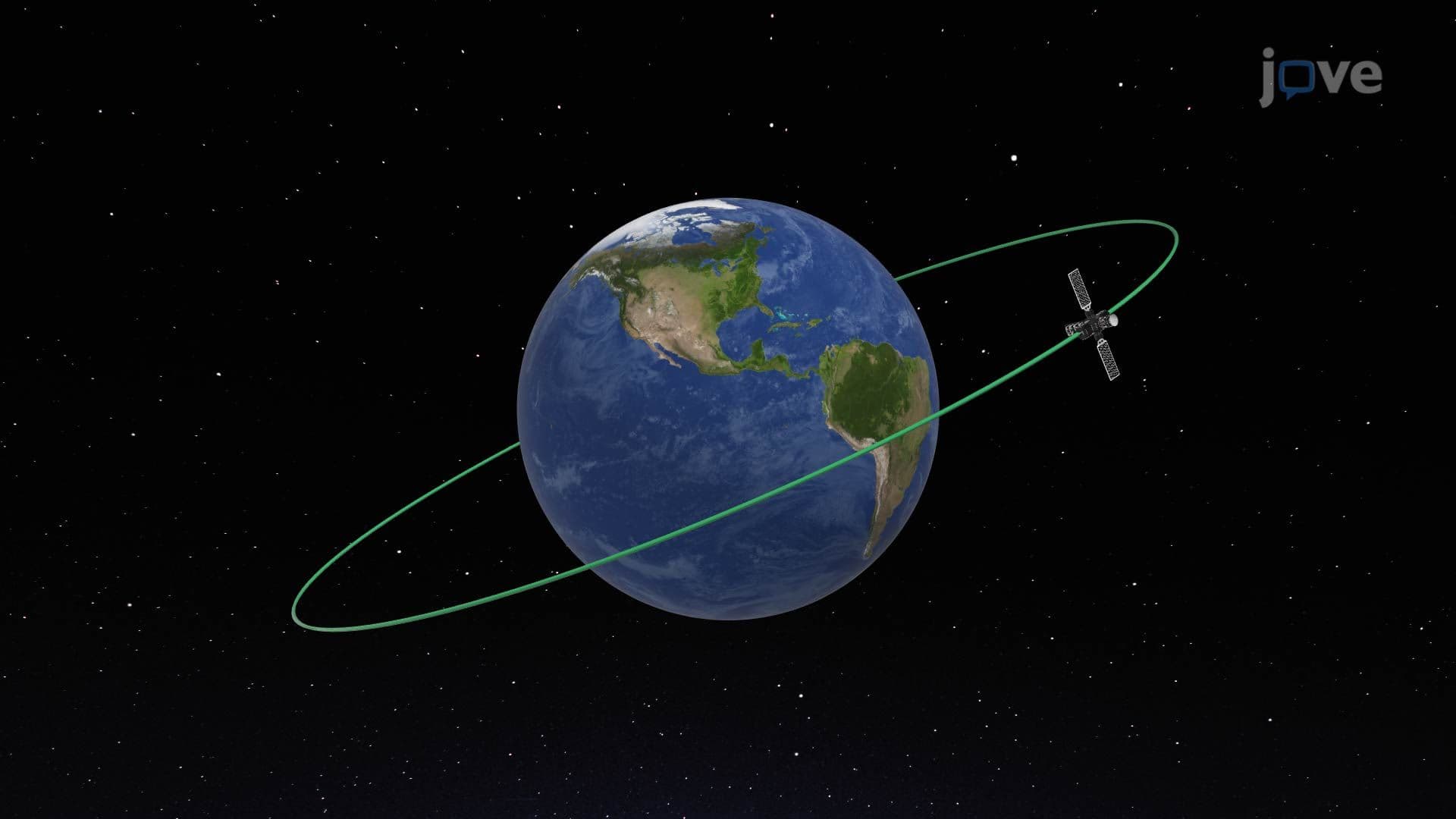
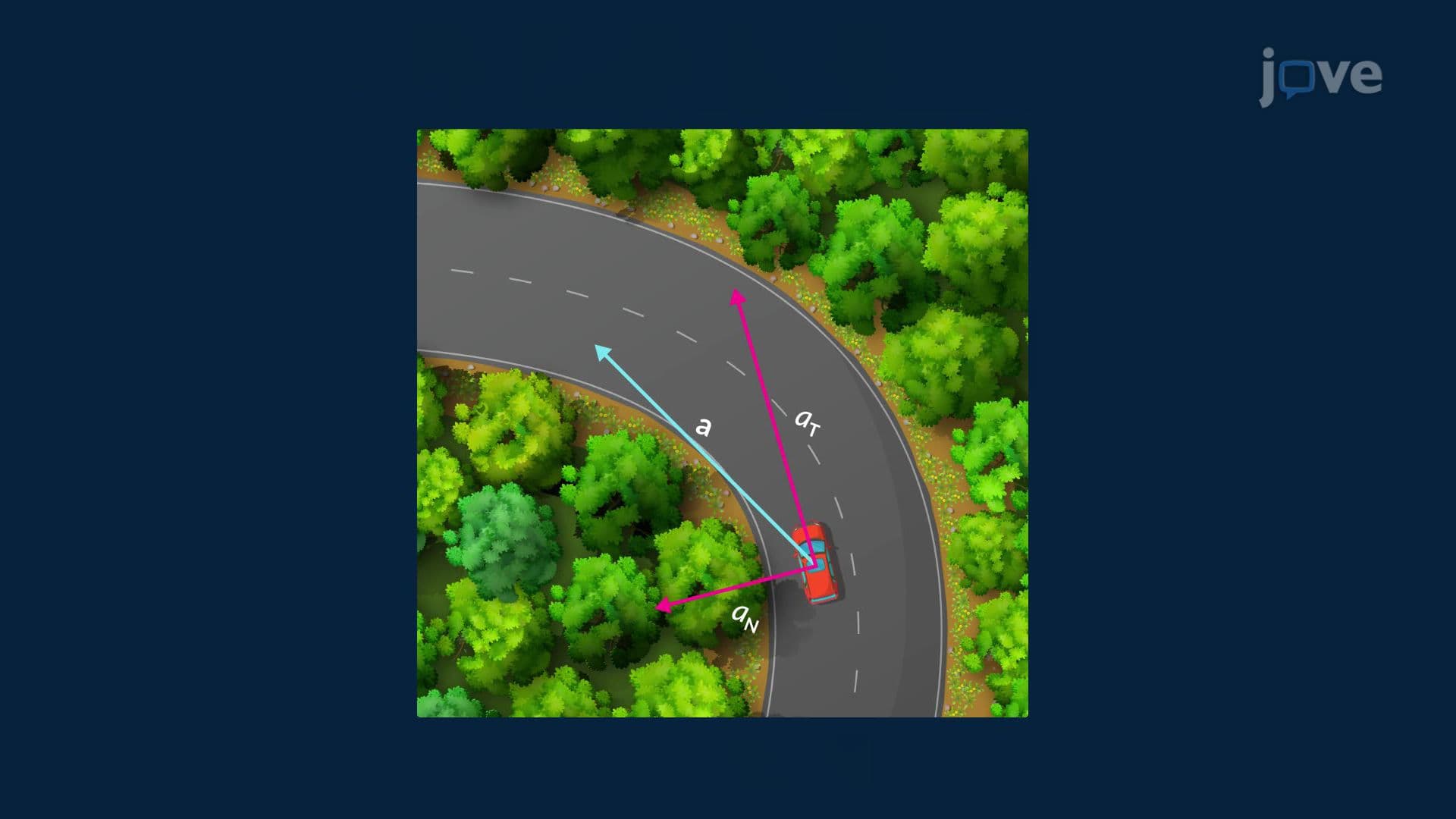
US aerospace engineers and robotics programmers rely on integrals of vector functions constantly. When a drone operated by a company like Amazon or a research university's autonomous systems lab moves through 3D airspace, its onboard computer integrates a velocity vector function in real time to track position. Similarly, NASA mission controllers integrate acceleration data from spacecraft to determine velocity, then integrate velocity to determine position, a process called dead reckoning. In biomechanics programs at US universities, the same technique reconstructs the motion path of an athlete's limb from accelerometer data, connecting directly to concepts like tangential and normal components of acceleration.
Mastering integrals of vector functions is not a standalone skill, it is the gateway to a cluster of powerful concepts. Once you can integrate and differentiate vector functions, you can find the unit tangent vector T(t), the normal vector N(t), and the binormal vector B(t), which together define the geometry of a curve in space. From there, understanding what curvature measures, how sharply a curve bends at any given point, becomes accessible. These ideas appear in Calculus III syllabi at virtually every US university and are tested in physics and engineering coursework throughout undergraduate programs.
Related Micro-courses