Loading video…

 11 Concepts
 7K views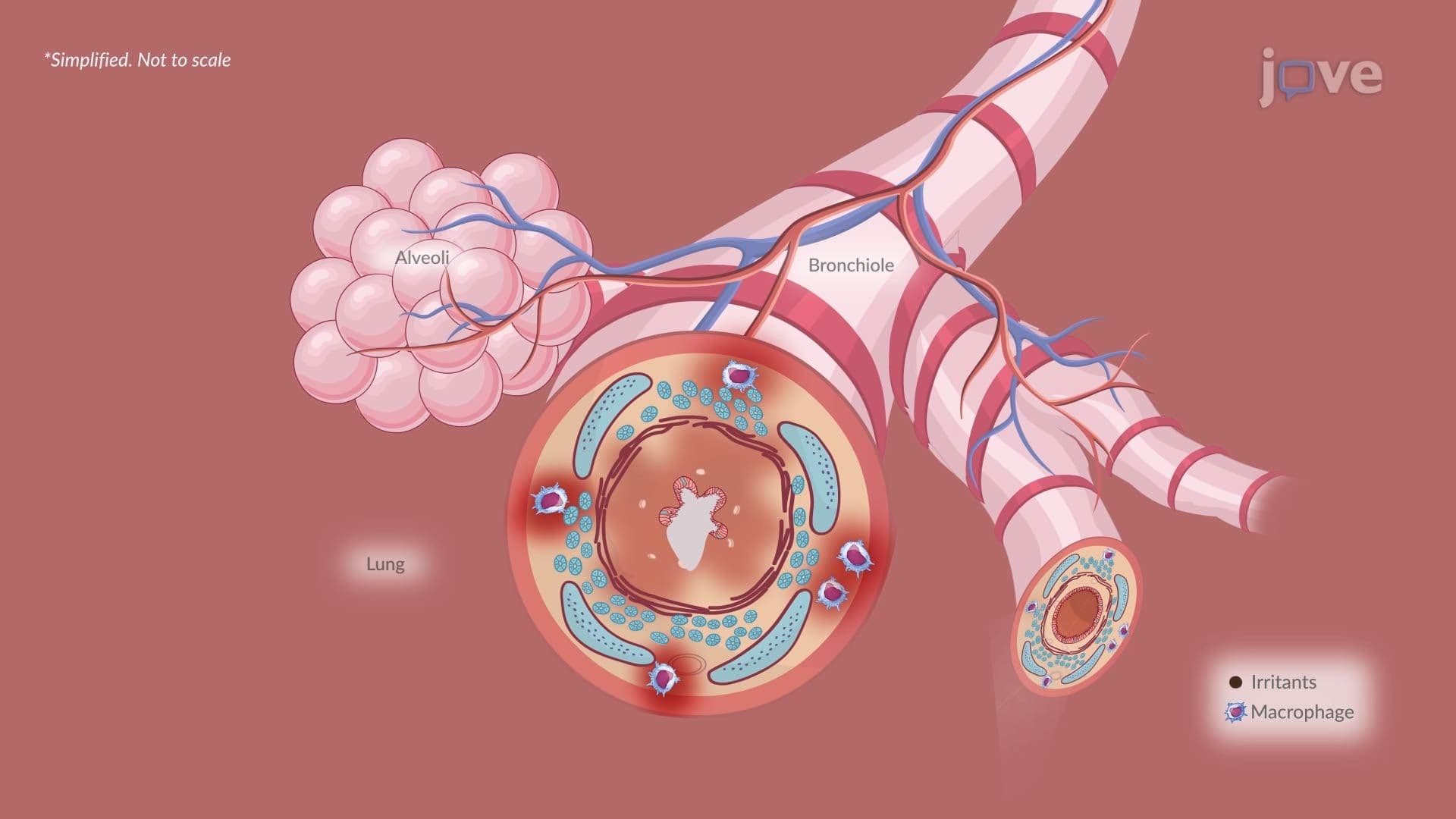

Video Summary: Chronic Bronchitis Features of Chronic Obstructive Pulmonary Disease
Did you know that over 9 million Americans are diagnosed with chronic bronchitis every year? Understanding chronic bronchitis features of chronic obstructive pulmonary disease III reveals how cigarette smoke silently rewires your airways, triggering inflammation, mucus overload, and permanent structural damage. Think of it like a highway slowly clogged with debris until traffic grinds to a halt. Watch the full video on JoVE Coach to master this concept with expert-led visuals and step-by-step explanations.
Chronic bronchitis is one of the two major phenotypes of COPD, the other being emphysema, and it is clinically defined as a productive cough lasting at least three months per year for two or more consecutive years. But behind that clinical definition lies a cascade of cellular and structural changes that permanently alter how air moves in and out of the lungs. For students studying respiratory pathophysiology in AP Biology, college anatomy and physiology, or preparing for the MCAT or USMLE, understanding this cascade is essential.
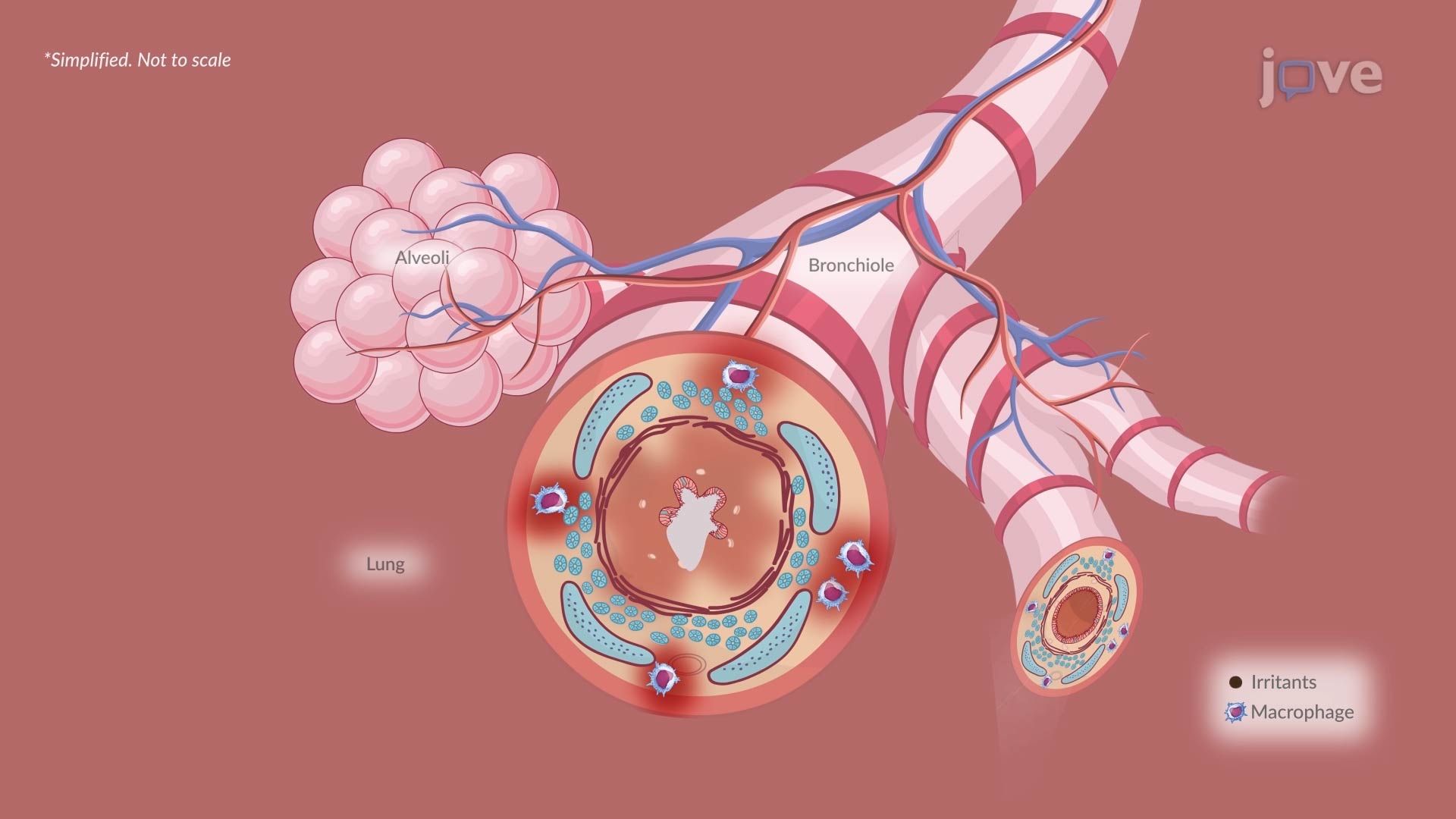
The story begins with prolonged exposure to airborne irritants. Cigarette smoke is by far the most common culprit in the US, where the CDC estimates that nearly 80% of COPD cases are smoking-related. These irritants activate the innate immune system, recruiting neutrophils, macrophages, and lymphocytes into the bronchial walls. Unlike a short-lived infection, such as pneumonia, where inflammation resolves after pathogen clearance, chronic bronchitis involves relentless, self-perpetuating inflammation. Over time, this inflammatory environment damages the epithelial lining of the airways, setting off a chain of compensatory but ultimately harmful structural adaptations.
One of the most critical early changes is squamous metaplasia, the replacement of normal, ciliated columnar epithelial cells with flat squamous cells. Cilia normally act like tiny brooms sweeping mucus and debris upward and out of the airway. When they are replaced by squamous cells, this cleaning system fails. Simultaneously, goblet cells undergo hyperplasia (increase in number) and submucosal glands undergo hypertrophy (increase in size), both pumping out thick, sticky mucus in far greater quantities than normal airways can handle. This mucus plugging not only obstructs airflow but also creates a warm, moist environment that invites recurrent bacterial infections, a pattern frequently seen in US hospital pulmonology units managing COPD exacerbations.
Persistent inflammation triggers structural remodeling. Smooth muscle in the airway walls undergoes hypertrophy, and fibrosis deposits collagen in the submucosa, permanently narrowing the airway lumen. This narrowing becomes especially pronounced during expiration, when airways naturally compress. The result is obstructive airflow limitation, the hallmark finding on spirometry, where the FEV1/FVC ratio falls below 0.70. Unlike asthma, where obstruction is largely reversible with bronchodilators, the remodeling in chronic bronchitis is largely fixed. This distinction is frequently tested on the MCAT and AP Biology exams and is key for NCLEX and HESI A2 respiratory module questions.
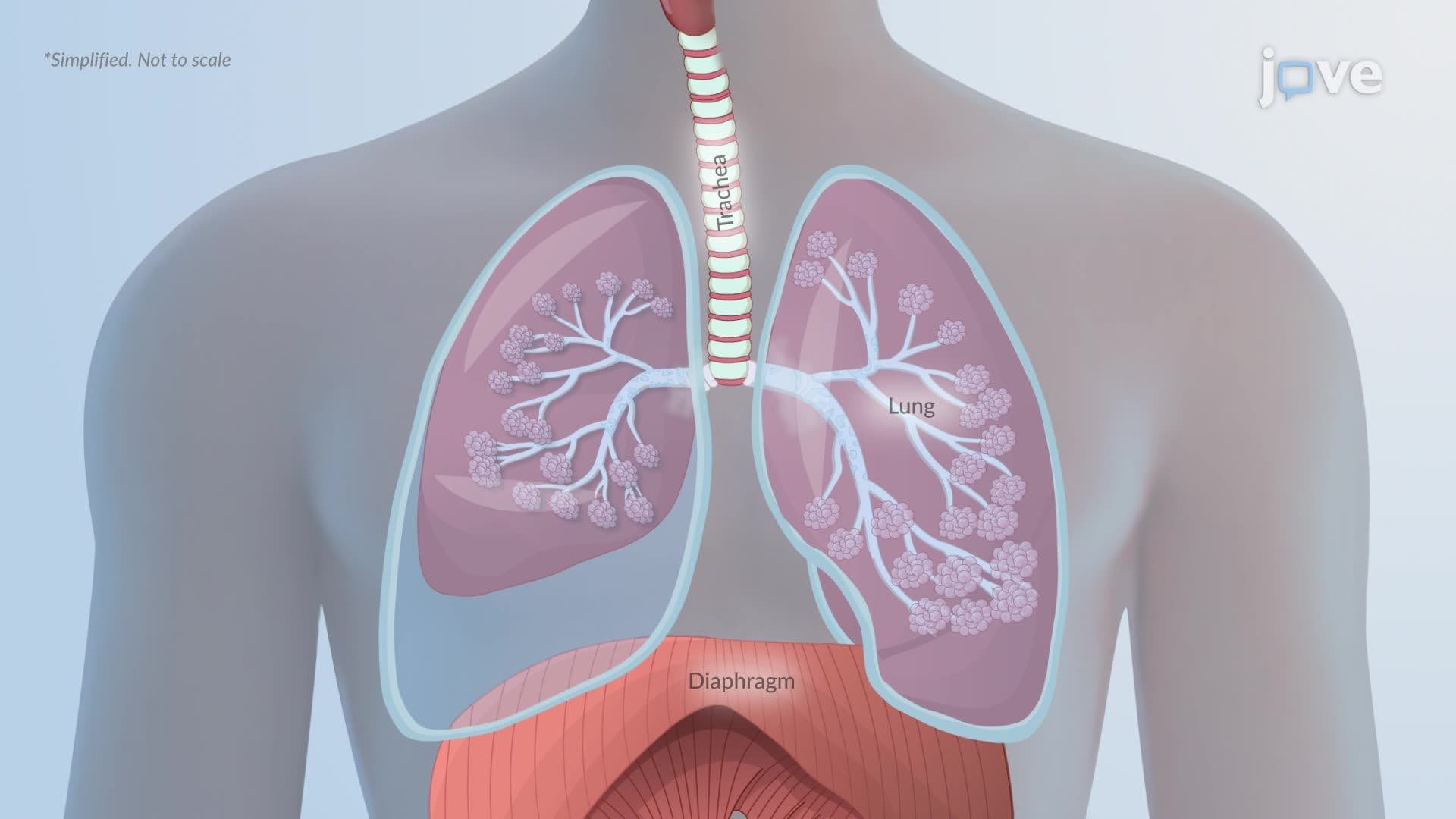
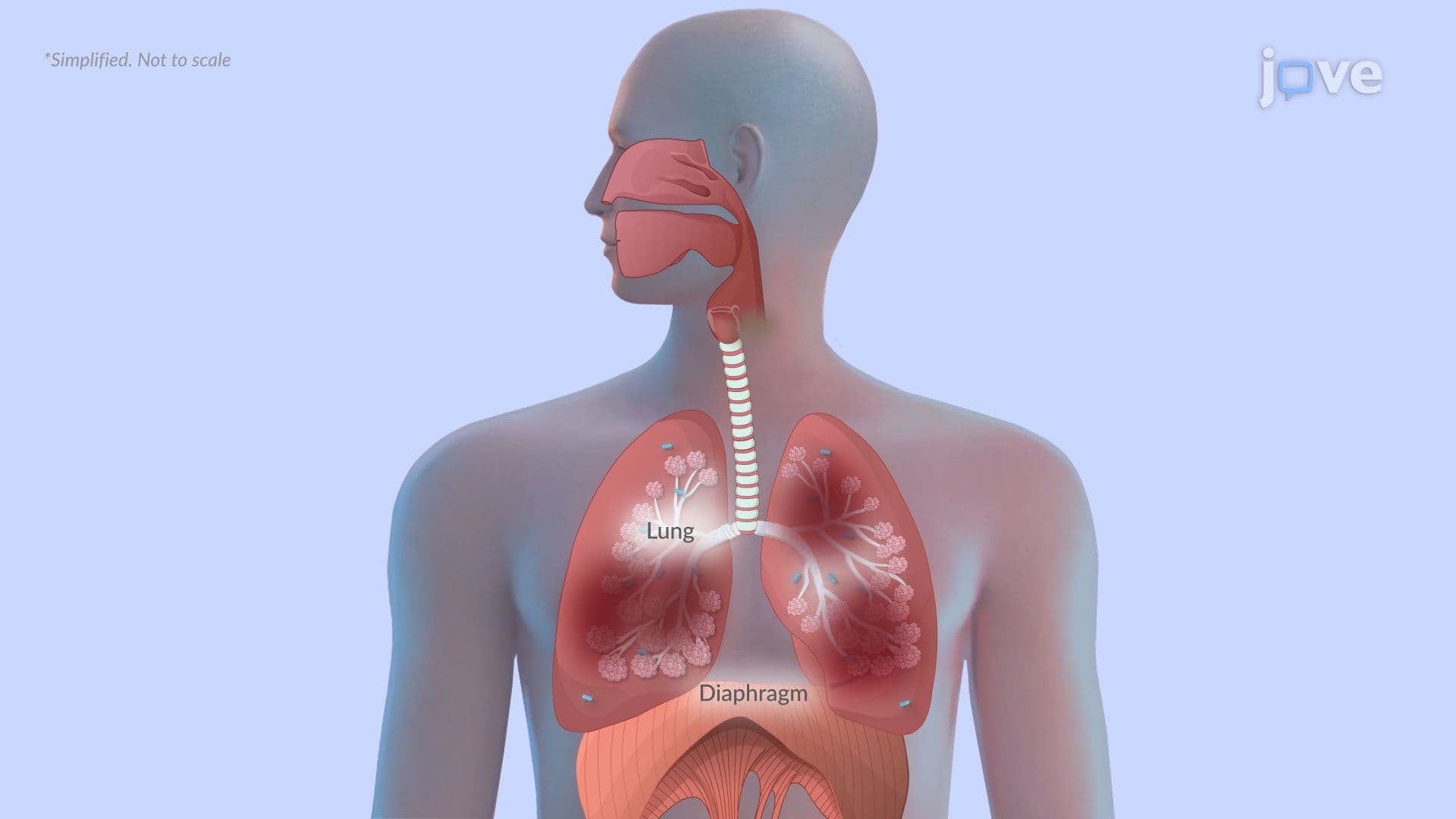
When mucus-clogged airways impair ventilation in well-perfused lung regions, a ventilation-perfusion (V/Q) mismatch develops, meaning blood passes through areas of the lung that are not effectively exchanging gas. This drives down arterial oxygen levels, producing hypoxemia. Over time, air trapping behind obstructed airways causes hyperinflation, pushing the diaphragm into a flat, mechanically disadvantaged position. A flattened diaphragm contracts less efficiently, increasing the work of breathing and contributing to respiratory muscle fatigue, a major reason chronic bronchitis patients feel breathless even at rest. These downstream consequences connect directly to related conditions studied in COPD coursework, including pulmonary hypertension and cor pulmonale (right heart failure driven by chronic lung disease).
Related Micro-courses