Loading video…

 11 Concepts
 7K views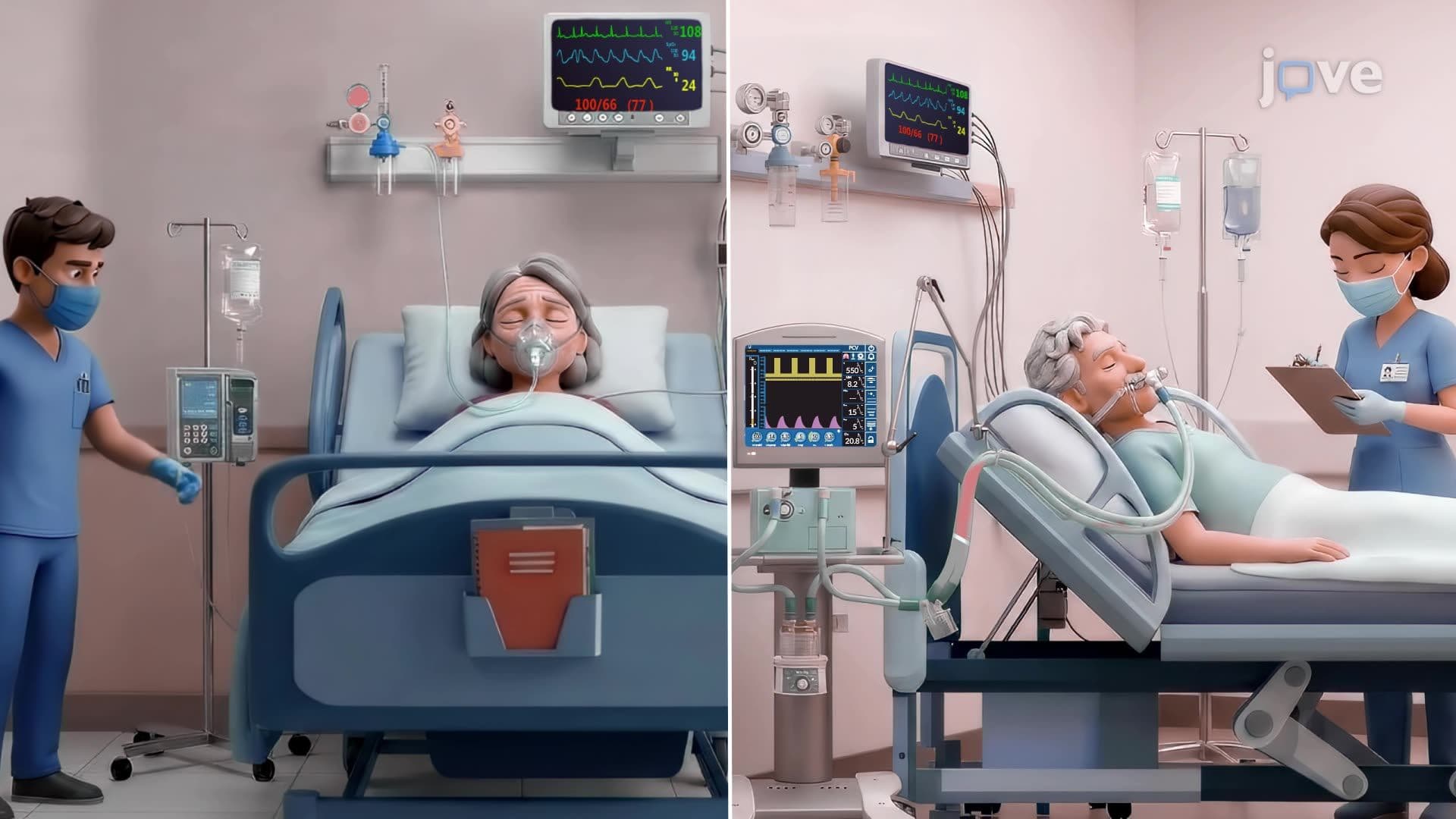

Video Summary: What Is Pneumonia I
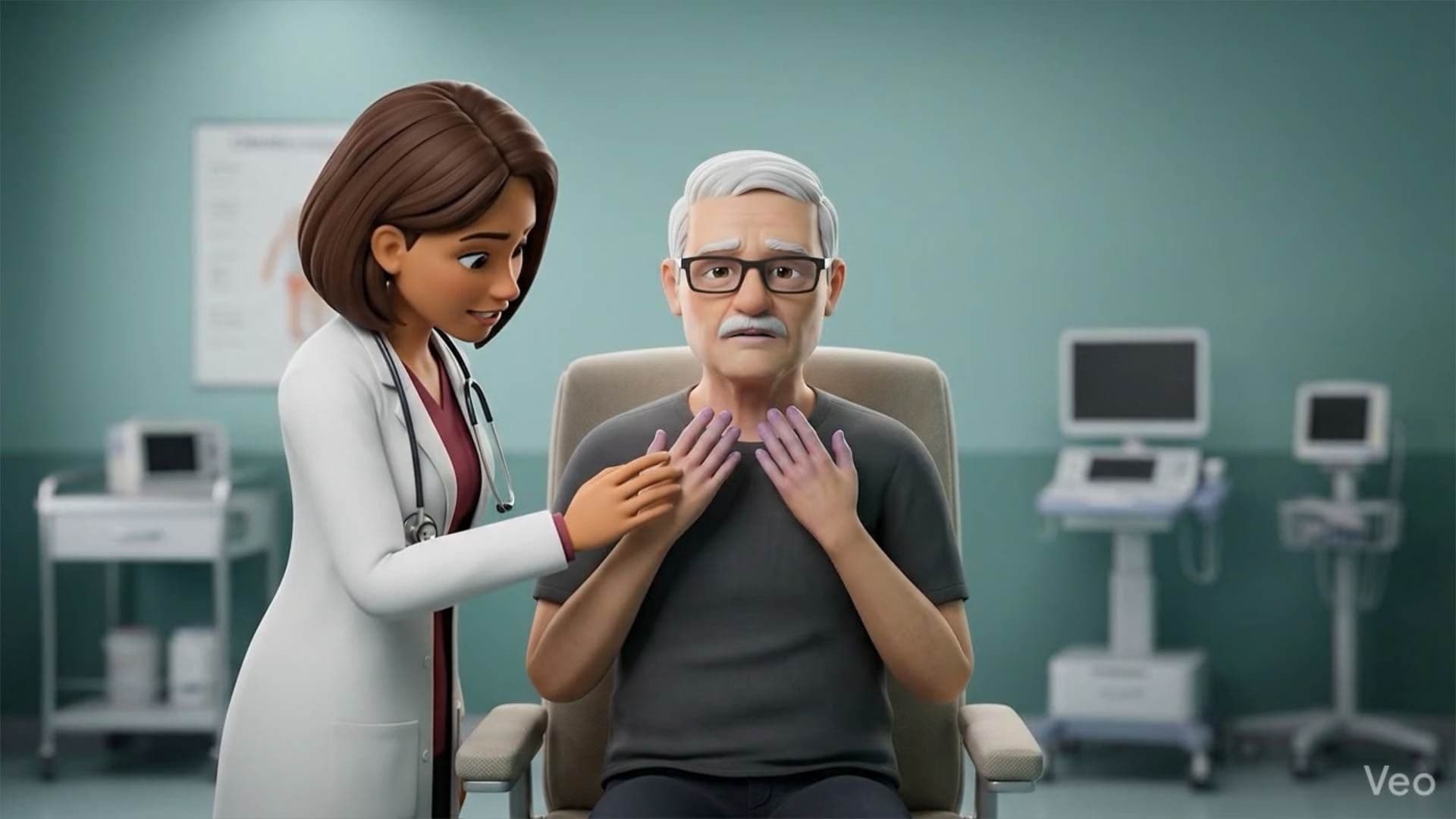
Every year, over 1.5 million Americans are hospitalized with pneumonia, yet many people confuse it with a common cold. Pneumonia I basics begin with understanding this serious lung infection, where inflammation floods the alveoli with fluid, blocking oxygen exchange. Think of the 2009 H1N1 influenza outbreak, which triggered life-threatening pneumonia in thousands of otherwise healthy Americans. Watch the full video on JoVE Coach to master this concept with expert-led visuals and step-by-step explanations.
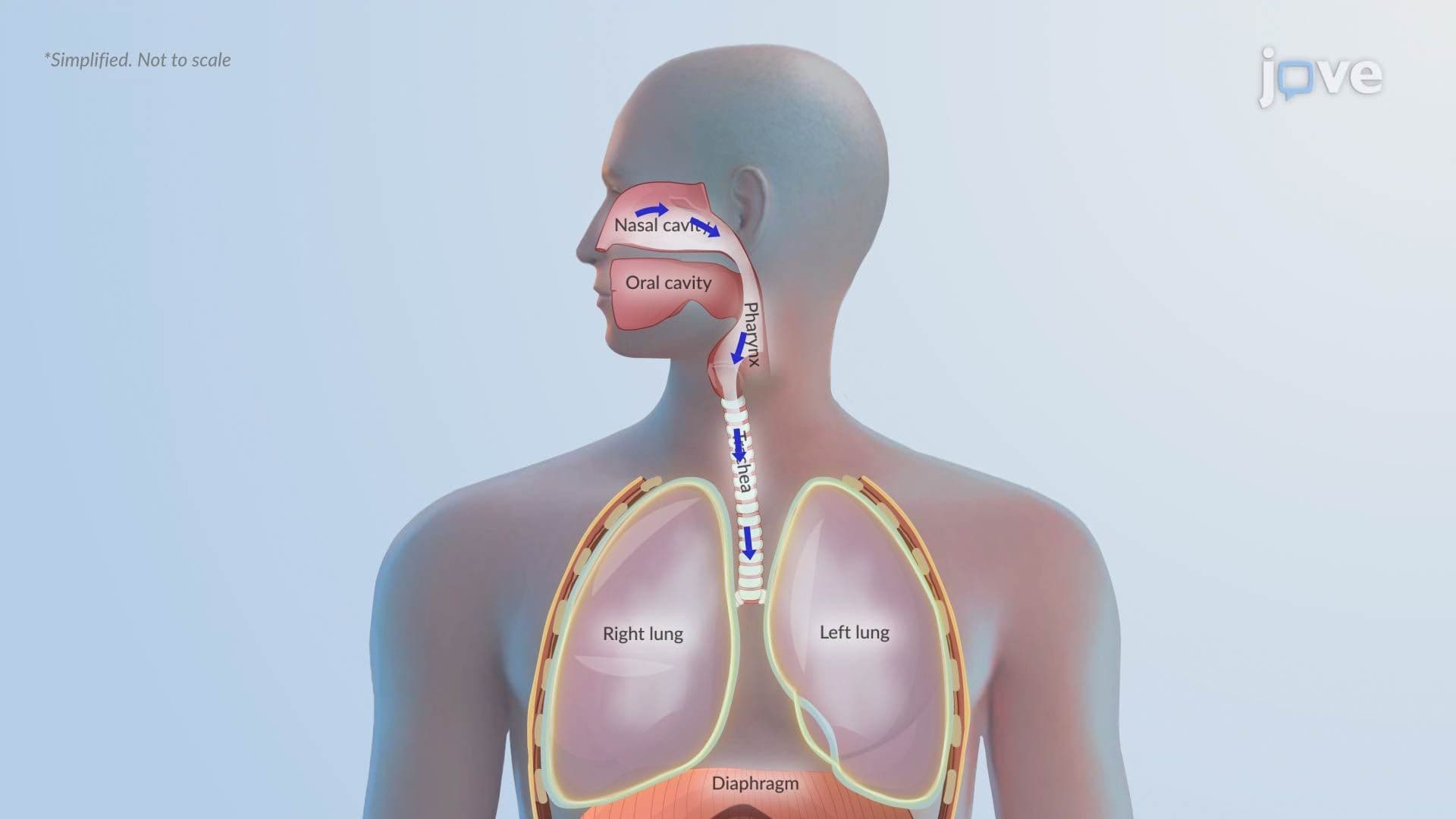
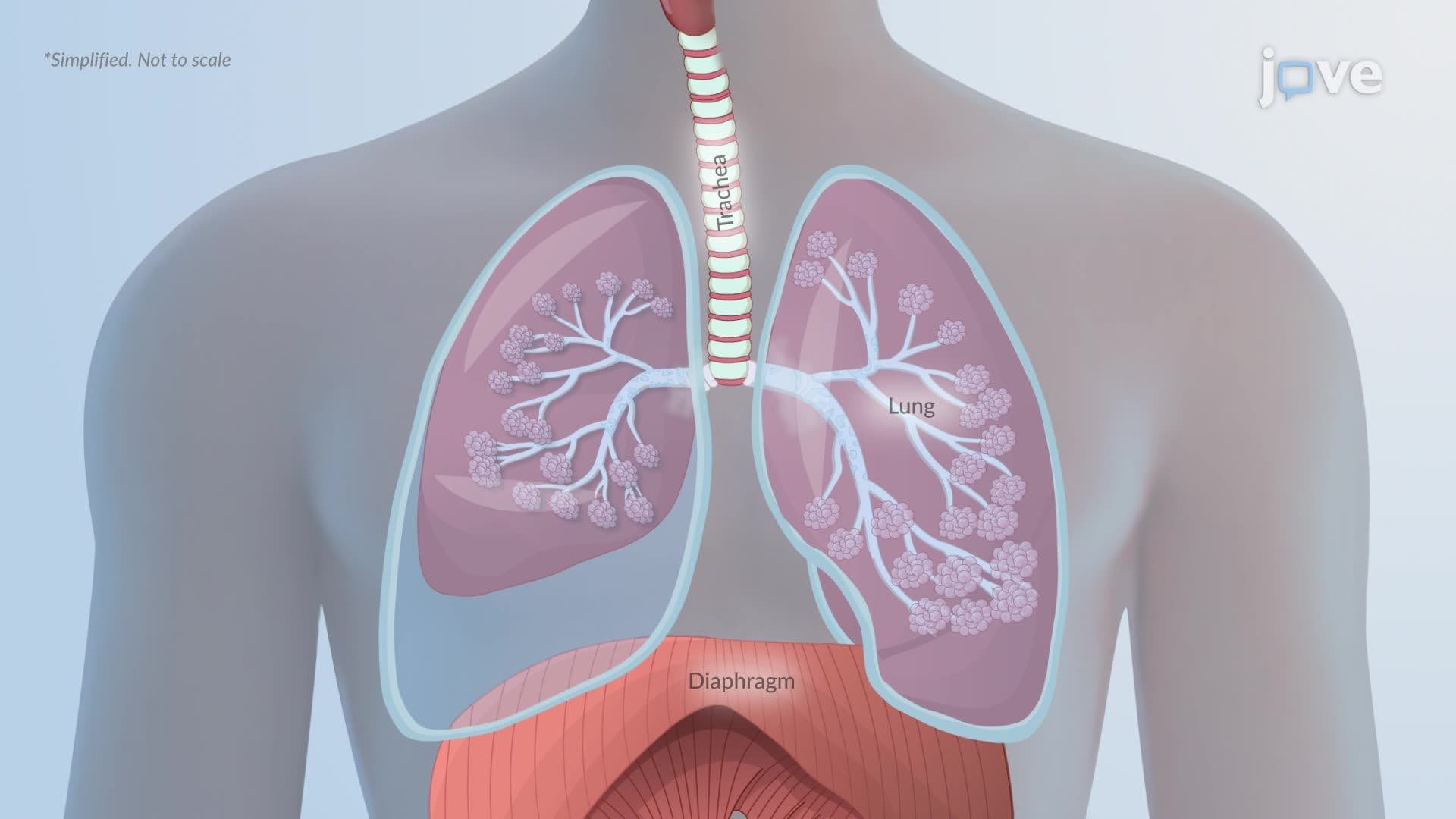
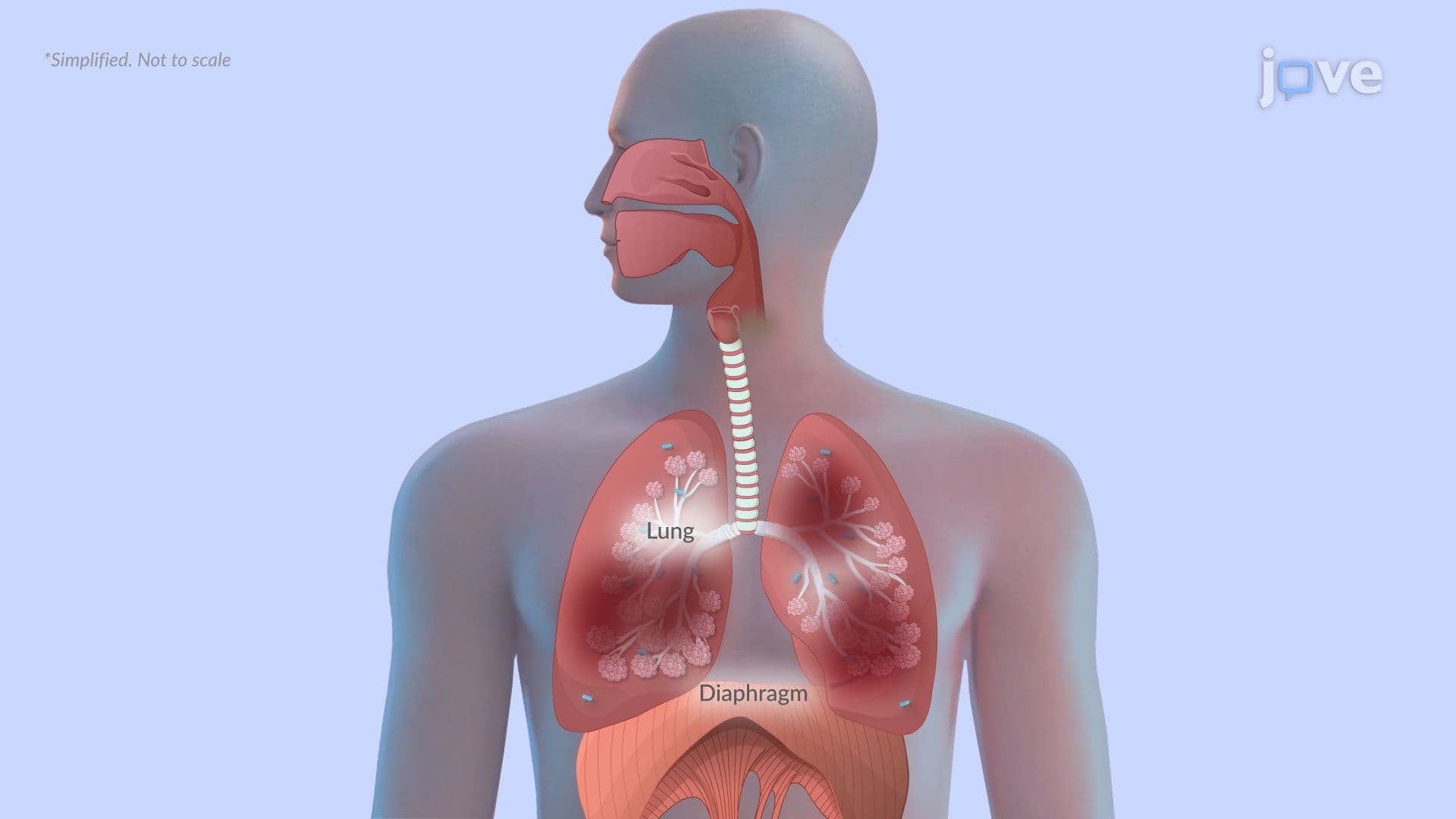
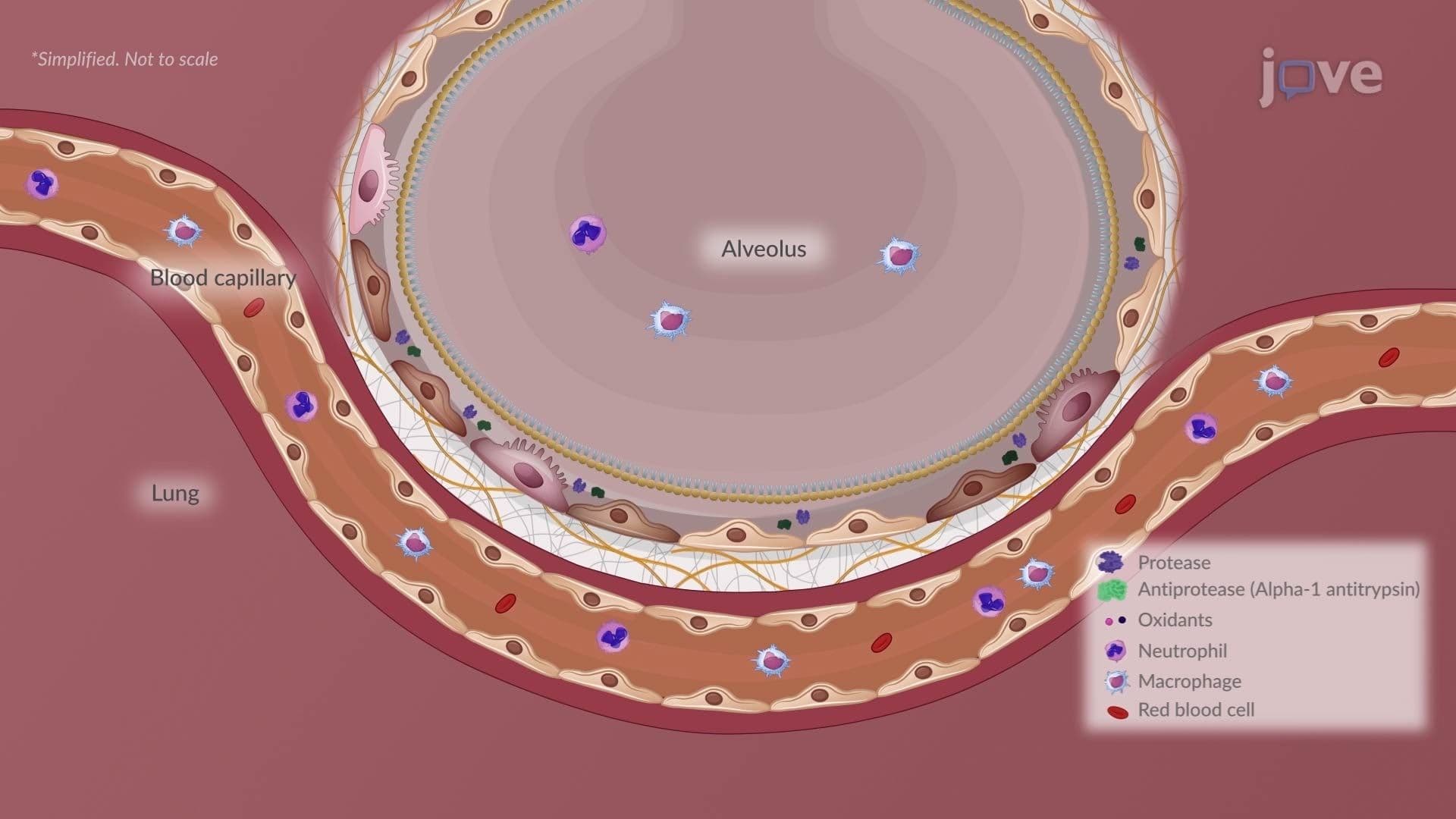
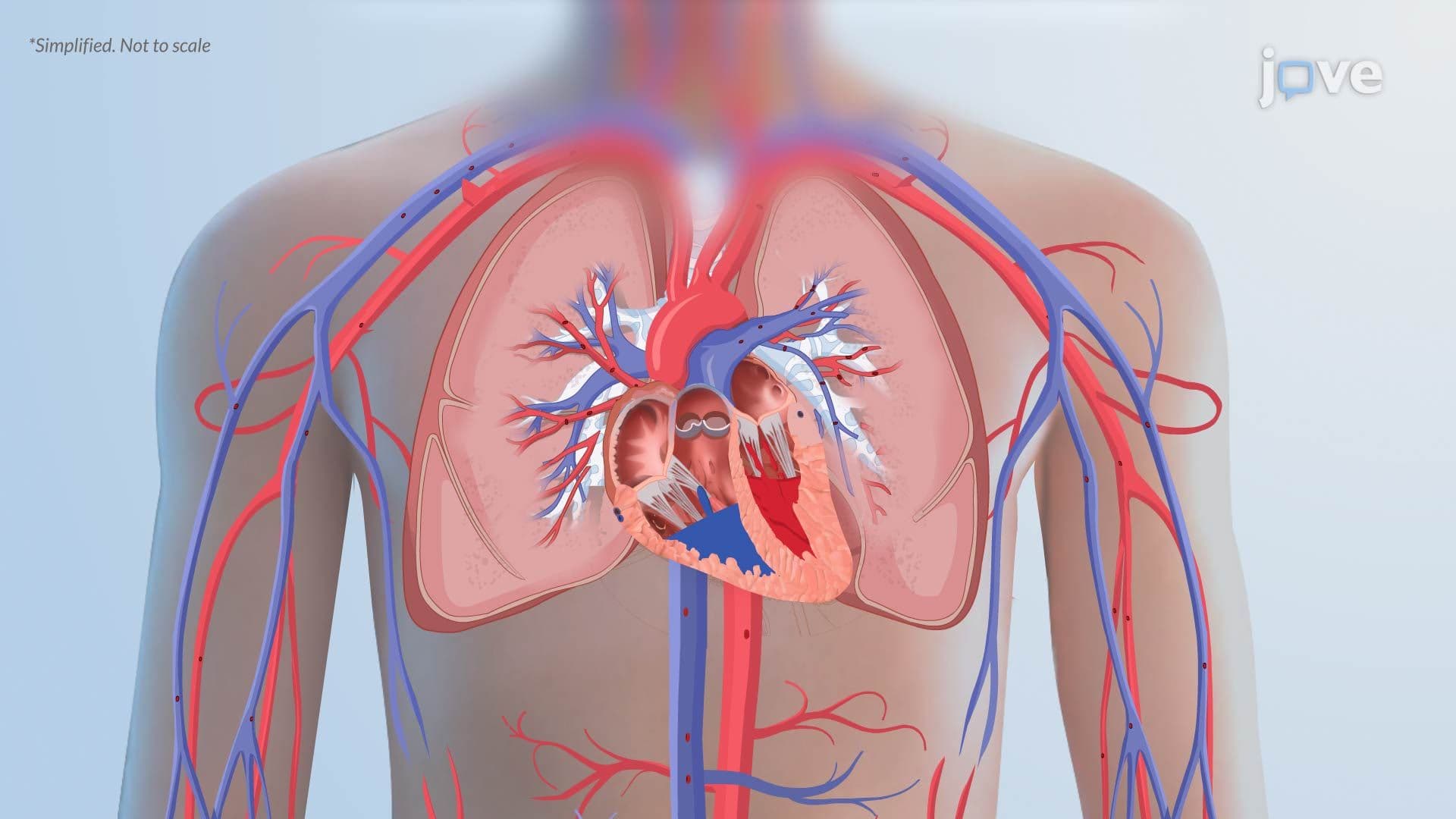
Pneumonia is far more than a "bad chest cold." It is a serious infection of the lower respiratory tract that triggers an inflammatory response deep within lung tissue, specifically in the lung parenchyma, the functional tissue responsible for gas exchange. This inflammation causes fluid and cellular debris, collectively called exudate, to fill the tiny air sacs known as alveoli. When alveoli fill with fluid instead of air, oxygen cannot efficiently cross into the bloodstream, which is why pneumonia can become life-threatening, especially in vulnerable patients.
One of the most clinically important aspects of Pneumonia I is its classification by acquisition site, because where a patient contracts pneumonia directly influences which organism is likely responsible.
Community-acquired pneumonia (CAP) occurs in individuals who develop the infection outside of healthcare settings, at home, school, or work. *Streptococcus pneumoniae* remains the leading bacterial culprit in CAP across the United States. During flu season, viruses like influenza A and respiratory syncytial virus (RSV) also drive CAP cases, particularly in children, elderly adults, and those with compromised immune systems.
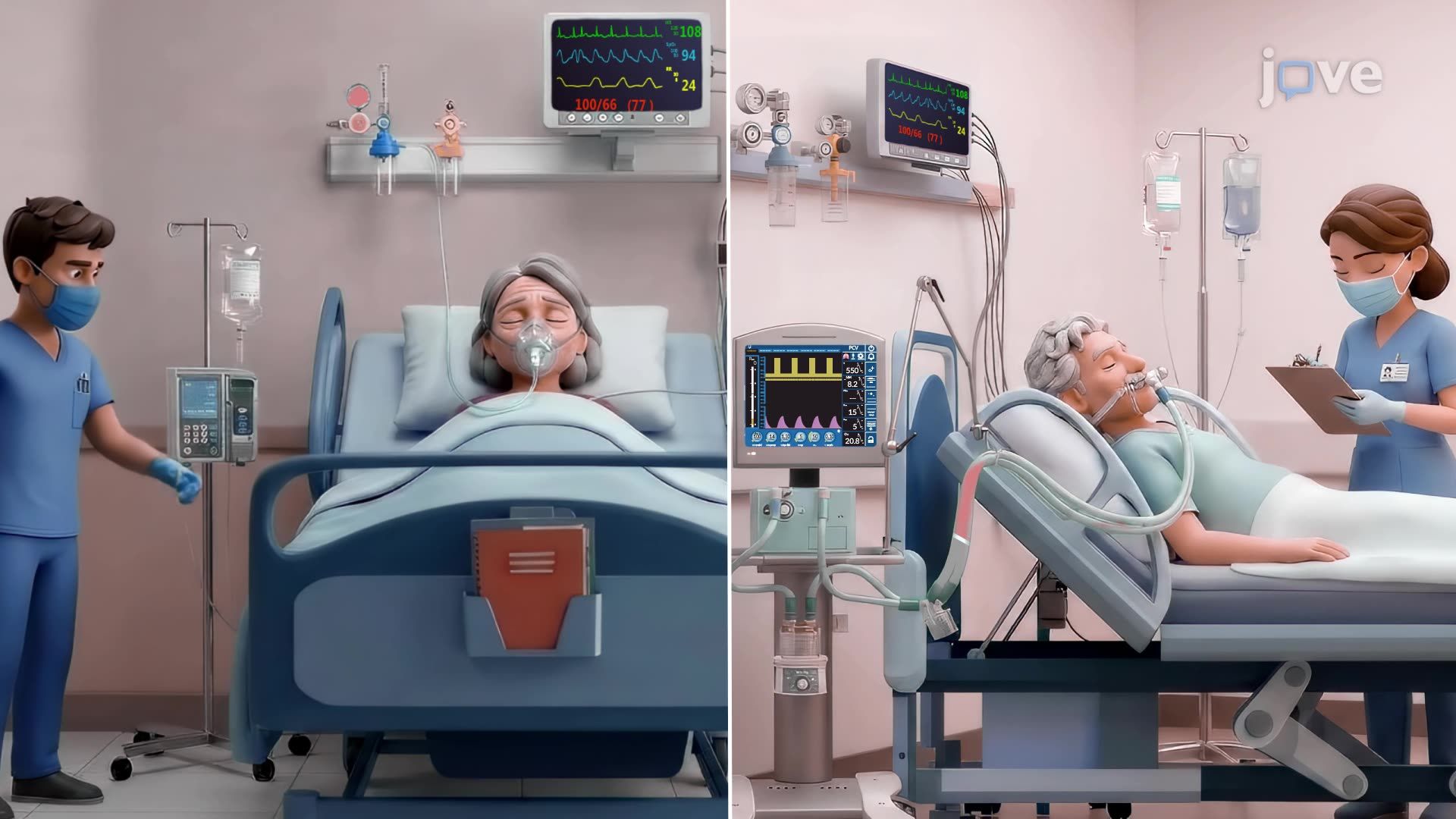
Hospital-acquired pneumonia (HAP) develops at least 48 hours after a patient is admitted to the hospital. Because hospital environments harbor antibiotic-resistant organisms, HAP is frequently caused by multidrug-resistant (MDR) bacteria such as methicillin-resistant *Staphylococcus aureus* (MRSA) and *Pseudomonas aeruginosa*. A subset of HAP, ventilator-associated pneumonia (VAP), occurs in patients on mechanical ventilation and represents one of the most serious healthcare-associated infections in US intensive care units (ICUs).
Understanding pneumonia risk factors is essential for both clinical practice and exam success. Older age is one of the strongest predictors, the CDC estimates that adults over 65 account for a disproportionate share of pneumonia-related hospitalizations and deaths in the United States. Additional risk factors include:
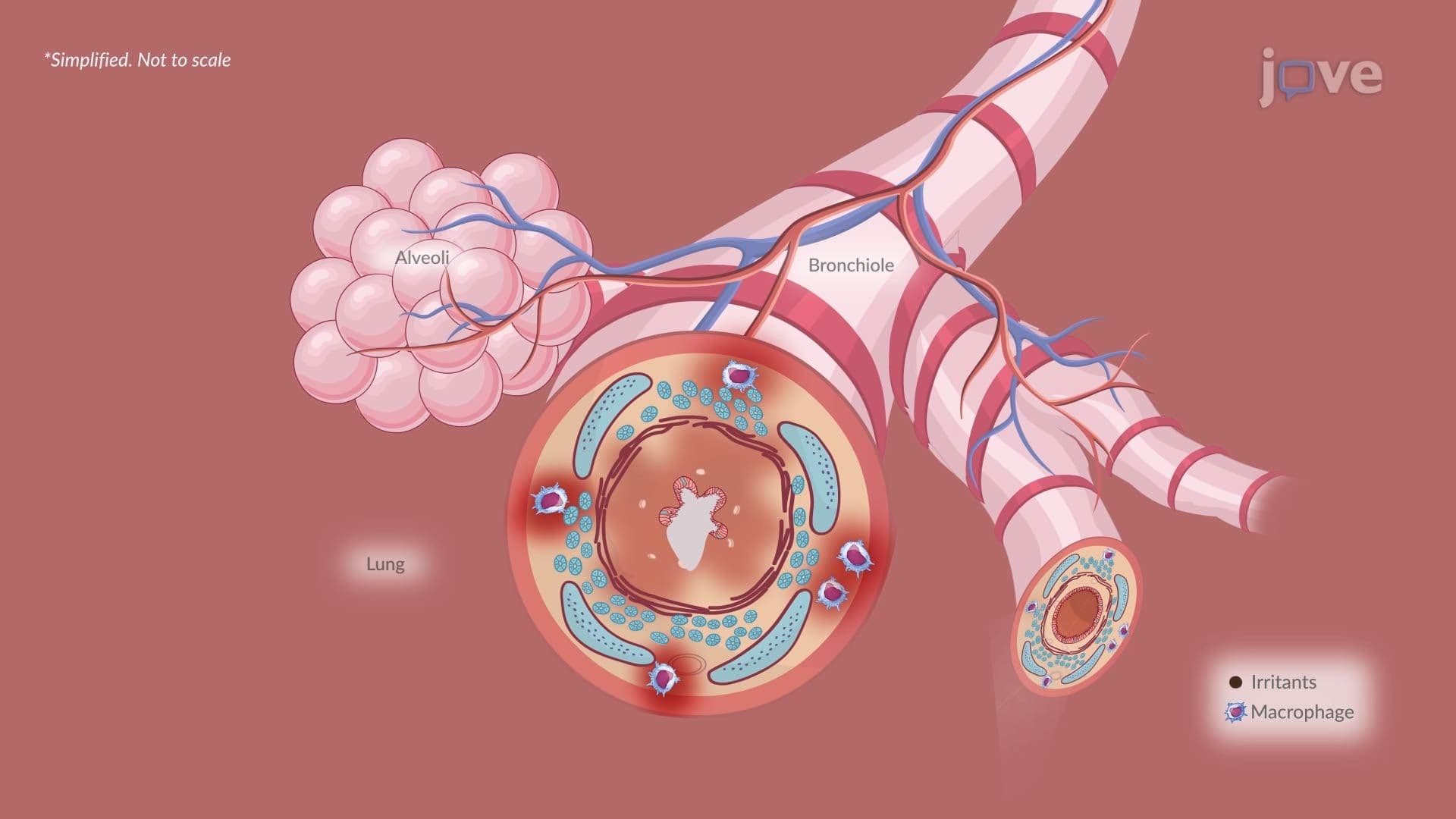
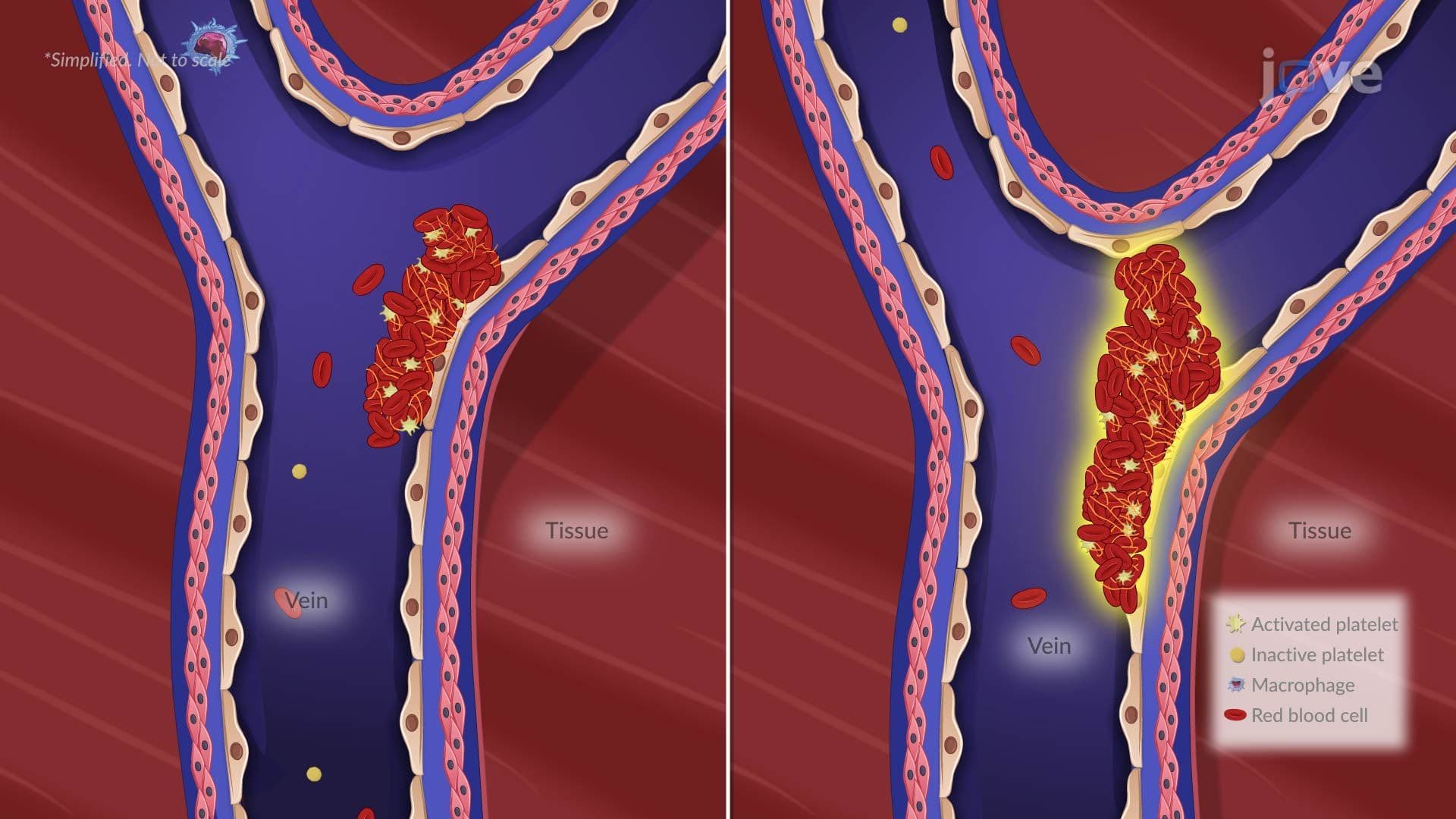
Pneumonia does not exist in isolation. It overlaps conceptually with other major respiratory conditions covered in biology, anatomy, and health science courses. For example, understanding how COPD damages alveolar structure helps explain why COPD patients are so susceptible to repeated pneumonia episodes. Similarly, distinguishing pneumonia from pulmonary embolism, restrictive lung diseases, and lung cancer is a high-yield skill tested on exams like the MCAT, NCLEX, and USMLE Step 1. On AP Biology and college introductory biology exams, questions about respiratory system disorders, including what causes them and how the body responds, frequently draw on pneumonia as a core example. Mastering Pneumonia I basics gives students a strong conceptual anchor for navigating this entire topic area.
Related Micro-courses