Loading video…


 18 Concepts
 4.3K views

Video Summary: What Is Language of Pathophysiology L
Why does the same infection affect two patients so differently? Understanding the language of pathophysiology L basics unlocks the answer. This foundational vocabulary, covering etiology, acute vs. chronic onset, subclinical states, and syndromes, explains how diseases develop and present clinically. For example, nephrotic syndrome, diagnosed across US hospital systems, combines proteinuria, edema, and hyperlipidemia into one recognizable disease picture. Watch the full video on JoVE Coach to master this concept with expert-led visuals and step-by-step explanations.
Pathophysiology sits at the intersection of biology and medicine, it asks not just *what* goes wrong in the body, but *how* and *why*. Before diving into disease mechanisms like inflammation, hemodynamic disorders, or cellular injury and death, students must first master the vocabulary that makes clinical communication precise and universal. This is exactly what the language of pathophysiology L covers: a set of foundational terms that physicians, nurses, researchers, and students all rely on to describe how diseases develop, progress, and present.
Every disease has an origin story. Etiology is the study of that origin, identifying the root cause, whether it is microbial, genetic, environmental, or behavioral. For example, the etiology of Type 1 diabetes involves autoimmune destruction of pancreatic beta cells, while the etiology of lung cancer is strongly tied to tobacco exposure.
A particularly important subcategory is iatrogenic disease, illness that arises directly from medical treatment or clinical procedures. In US hospitals, catheter-associated urinary tract infections (CAUTIs) are among the most common and costly iatrogenic complications, affecting hundreds of thousands of patients annually and driving significant healthcare spending. Understanding iatrogenic etiology is critical for nursing students preparing for the NCLEX and for pre-med students studying for the MCAT.
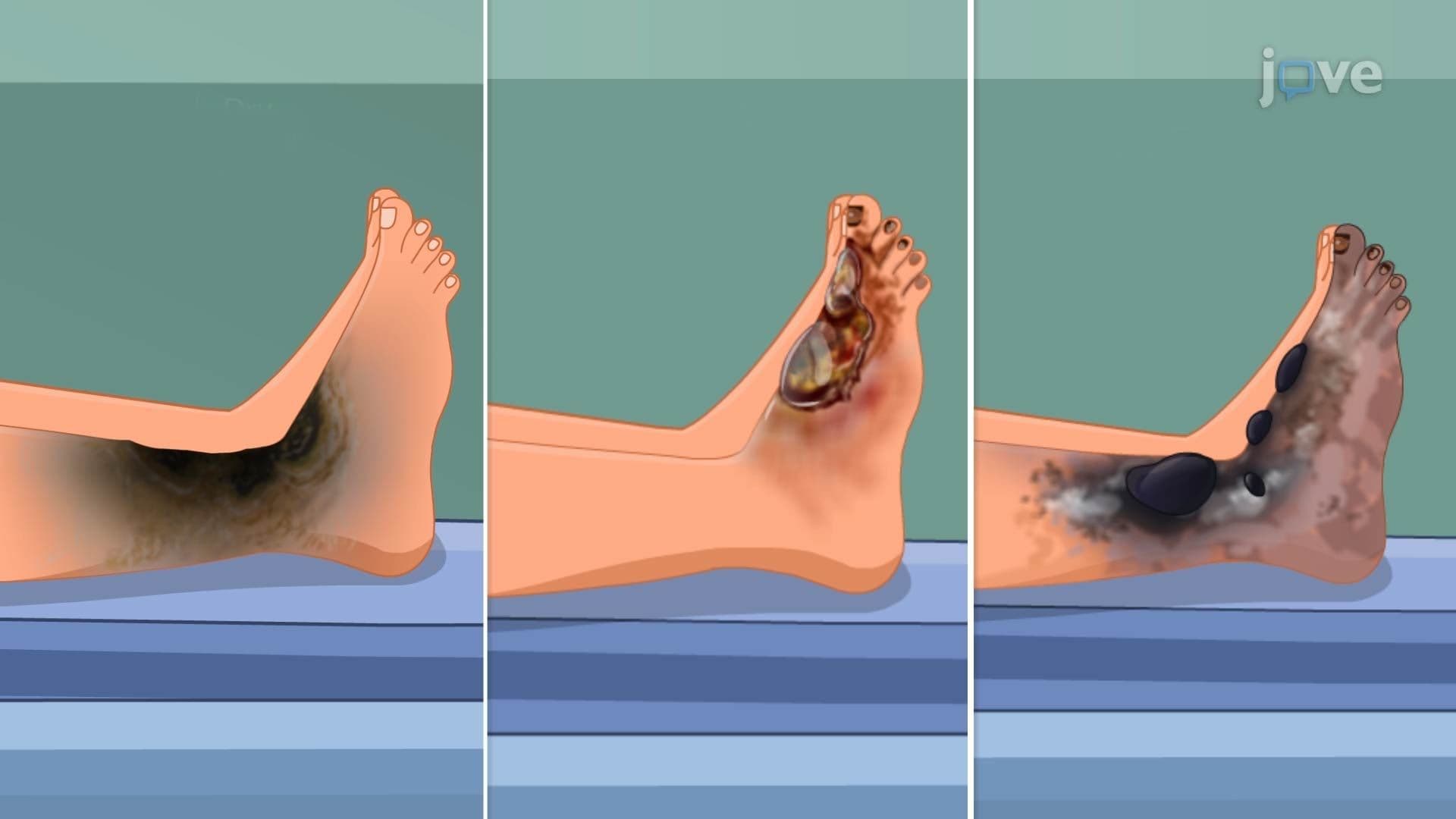
One of the most clinically meaningful distinctions in pathophysiology is the speed of disease onset. Acute conditions emerge rapidly and are often severe, appendicitis, for instance, can escalate from mild discomfort to a life-threatening perforation within hours, demanding immediate surgical intervention at emergency departments across the US. Chronic conditions, by contrast, develop gradually over months or years. Rheumatoid arthritis progressively damages joint tissue, often allowing the immune system to cause cumulative destruction long before a diagnosis is confirmed.
This distinction matters beyond diagnosis, it shapes treatment strategy, patient education, and prognosis. On AP Biology and college health science exams, students are frequently asked to classify diseases by onset and explain what that classification implies about disease management.
Some of the most damaging disease processes occur with no noticeable symptoms at all. Subclinical disease refers to cellular or tissue-level changes that have not yet crossed the threshold of clinical detection. Early-stage diabetic nephropathy, kidney damage in patients with diabetes, is a textbook US example. Glomerular filtration begins to decline, and microalbuminuria may appear in lab results years before a patient feels any discomfort. This is why routine screening programs exist: the body's silence is not always a sign of health.
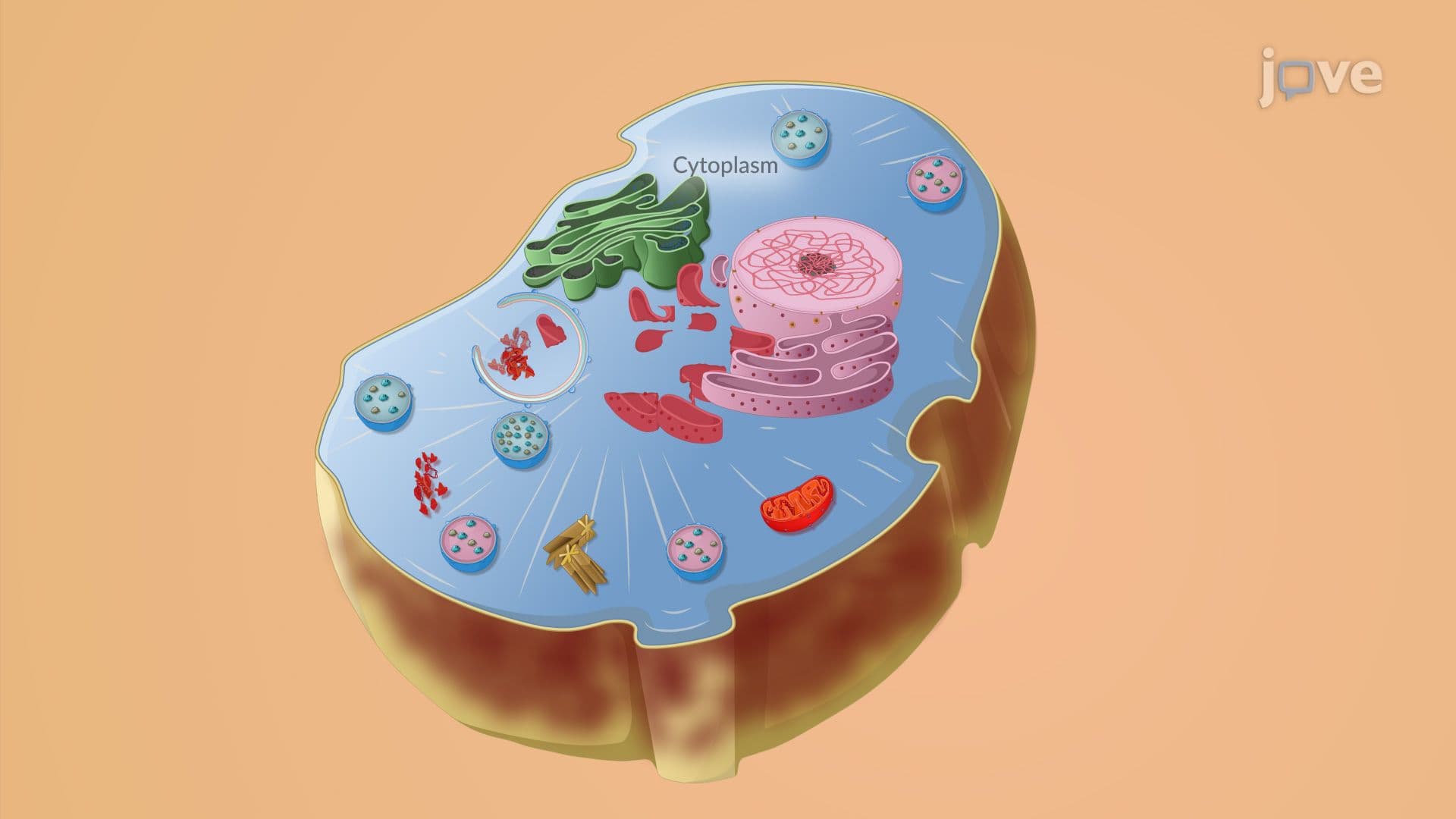
Understanding subclinical disease connects directly to broader concepts like cellular adaptation and cellular injury and death, which explain how tissues respond to sustained stress before failure becomes symptomatic.
Clear communication between patients and providers depends on distinguishing signs, objective, measurable findings observed by a clinician, like elevated body temperature, from symptoms, subjective experiences reported by the patient, like fatigue or pain. A syndrome takes this further by grouping multiple signs and symptoms that reliably co-occur, often across organ systems.
Nephrotic syndrome illustrates this perfectly: it is not a single finding but a constellation, proteinuria, hypoalbuminemia, edema, and hyperlipidemia, that together point to a specific pattern of kidney dysfunction. Recognizing syndromes is a high-yield skill for USMLE Step 1, NCLEX, and college physiology midterms, where case-based questions frequently ask students to identify the underlying condition from a cluster of clinical findings.
Related Micro-courses