Loading video…

 18 Concepts
 4.3K views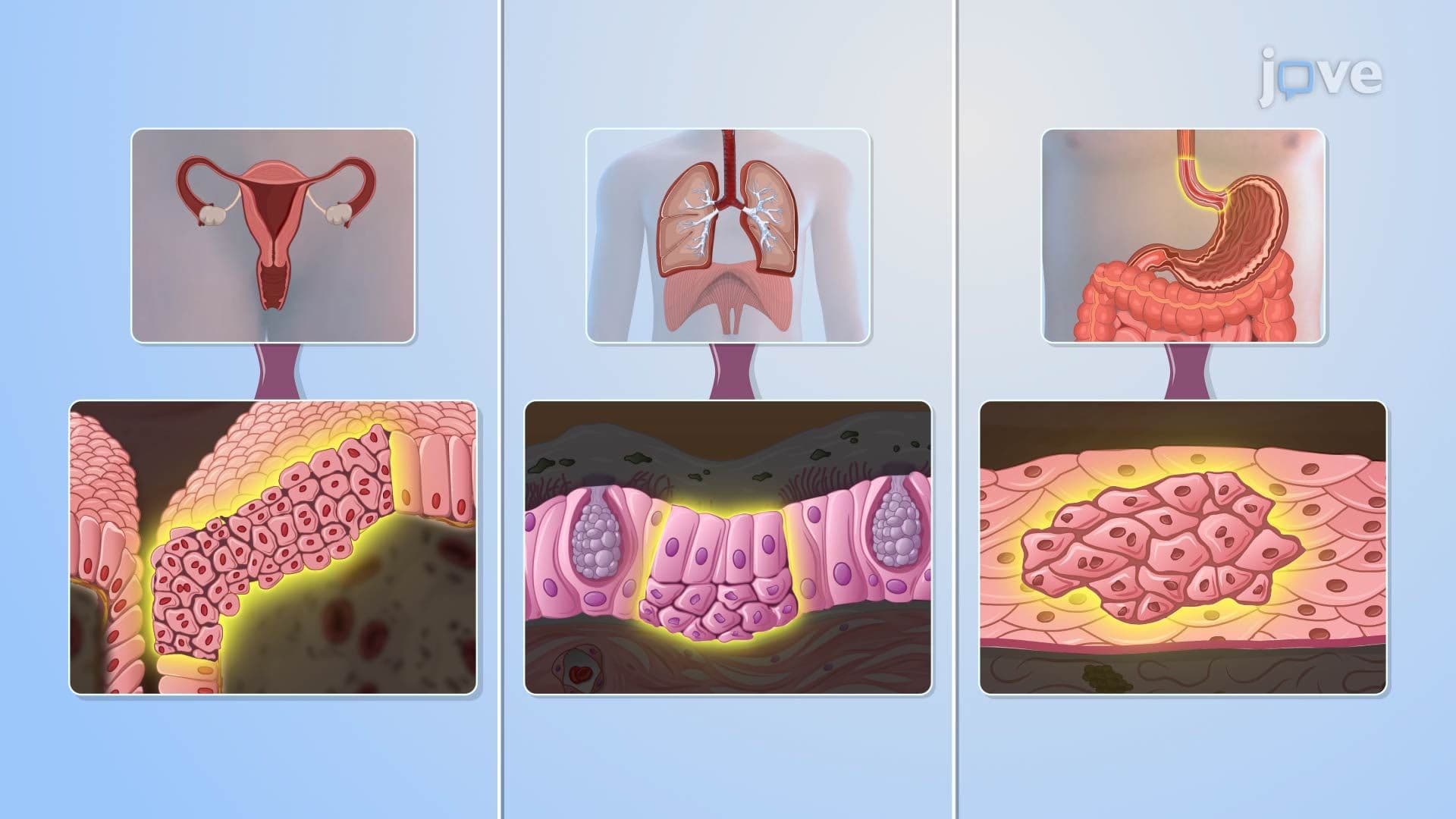

Video Summary: Dysplasia and Metaplasia in Cellular Adaptation Iv
Did you know a smoker's airways can completely swap out one cell type for another, and it's actually the body trying to cope? Dysplasia and Metaplasia in Cellular Adaptation IV breaks down two critical but distinct cellular responses: abnormal disorganized growth versus a protective cell-type swap. A classic US clinical example is smoker's bronchi, where ciliated cells are replaced by tougher squamous cells. Watch the full video on JoVE Coach to master this concept with expert-led visuals and step-by-step explanations.
When cells are pushed beyond their normal operating conditions, by toxins, chronic irritation, or abnormal signals, they respond in surprisingly organized ways. Two of the most clinically important responses are dysplasia and metaplasia. While both are studied under the umbrella of cellular adaptation, they differ sharply in their causes, reversibility, and potential to cause lasting harm. Understanding these differences is essential not only for biology and pathology coursework but also for standardized exams like the MCAT, AP Biology, and USMLE Step 1.
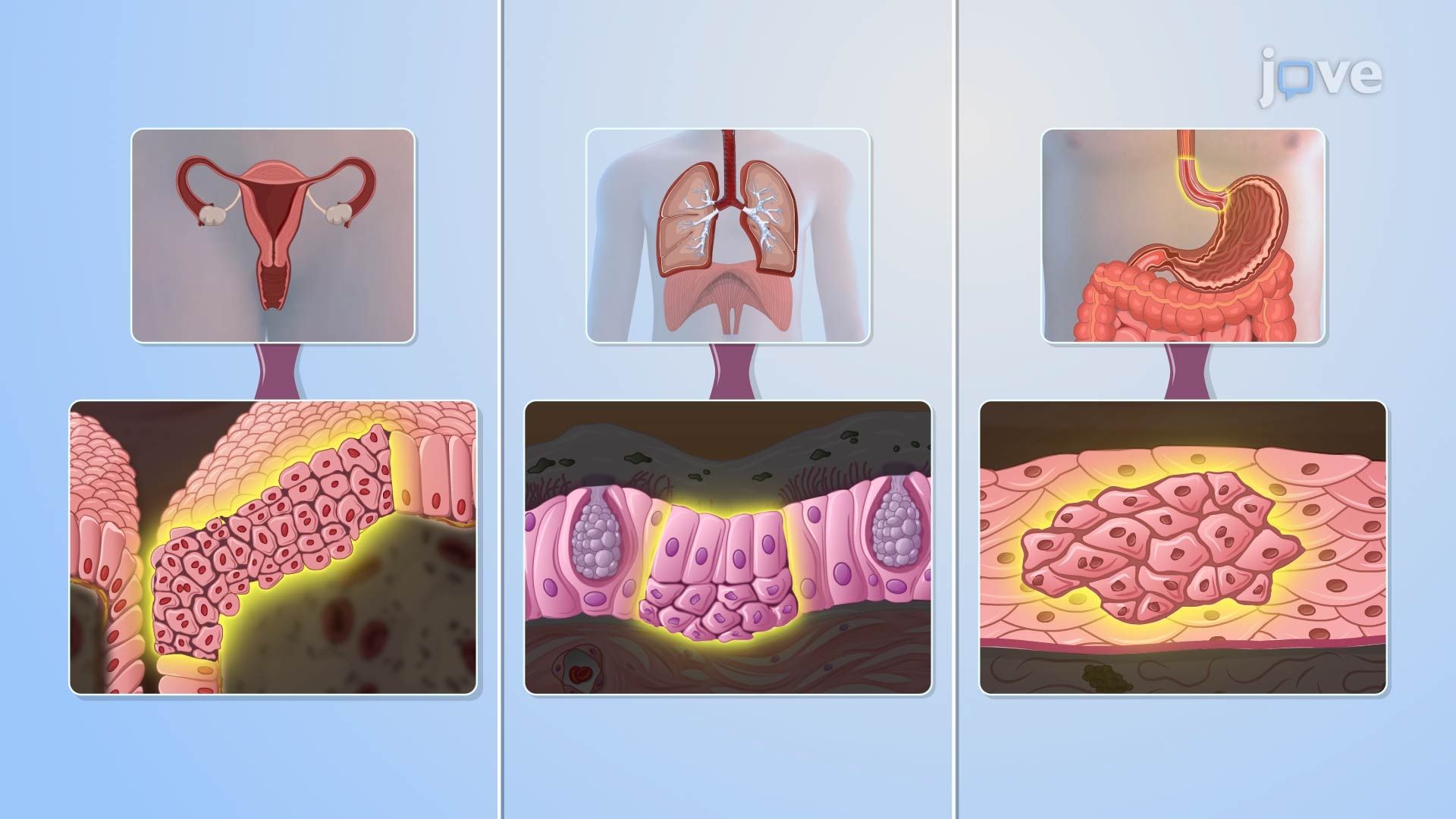
Dysplasia is not a true adaptive process. Instead, it reflects a breakdown in normal cellular organization, cells become abnormal in size, shape, and arrangement within a tissue. It most commonly affects epithelial tissues, including the endometrium, the lining of the respiratory tract, and the gastrointestinal mucosa.
A critical clinical distinction separates early-stage dysplasia from advanced disease: when dysplastic cells remain confined above the basement membrane, the condition is potentially reversible if the triggering factor is removed. However, once dysplastic cells invade through the basement membrane, the lesion is reclassified as invasive carcinoma, a malignant condition requiring immediate medical intervention. This transition is a landmark concept in US medical education and is heavily tested in courses like AP Biology, college-level cell biology, and pre-med pathophysiology.
Metaplasia is fundamentally different: it is a reversible substitution of one mature, differentiated cell type for another that is better suited to an adverse environment. This substitution is linked to tissue repair and regeneration, making it an adaptive strategy, although one with potential downsides.
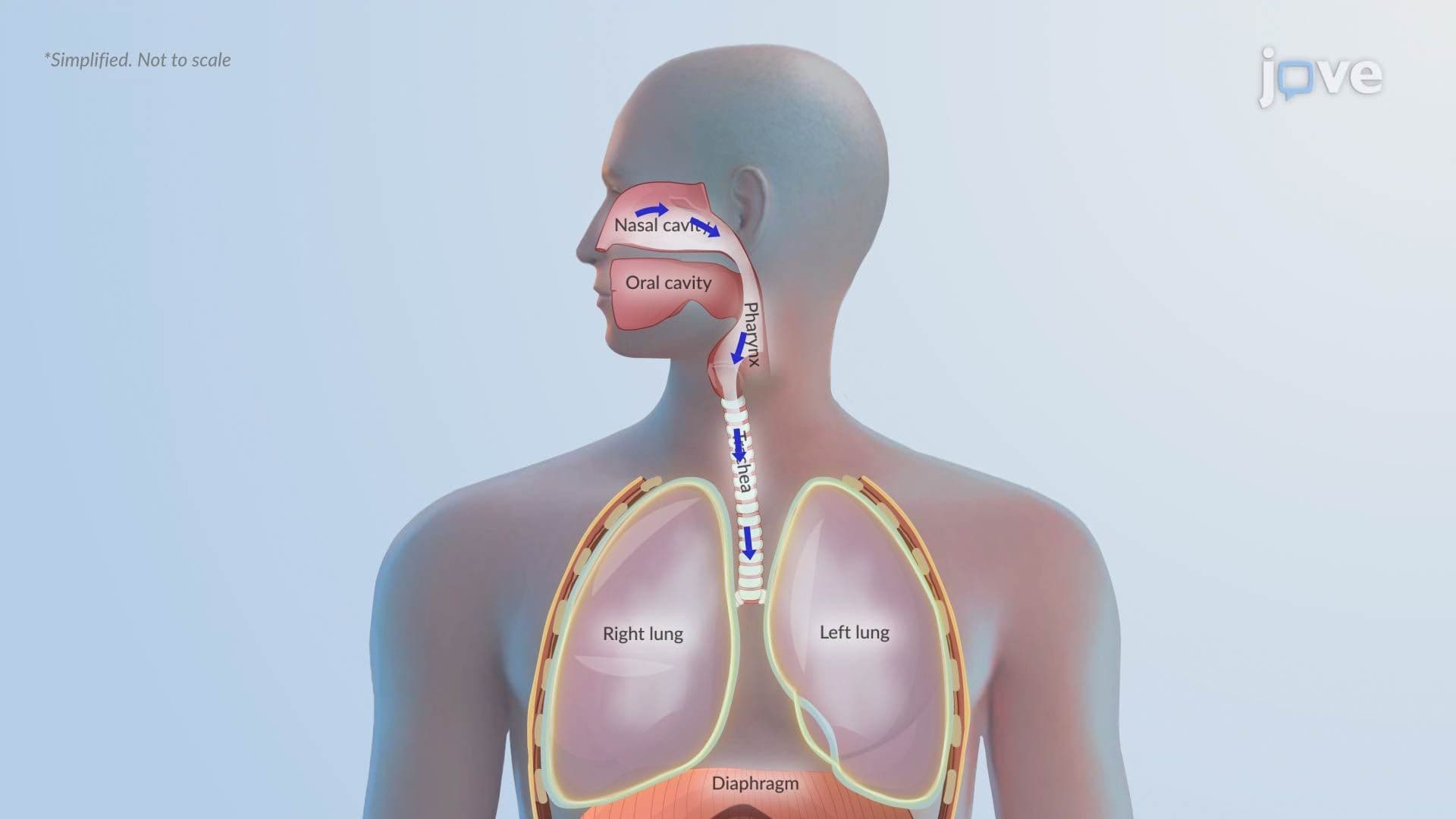
The most widely cited US clinical example is found in chronic smokers. Long-term exposure to cigarette smoke causes the normal ciliated columnar epithelium lining the trachea and bronchi to be replaced by stratified squamous epithelium, a tougher, more durable cell type. While this swap offers greater resistance to mechanical and chemical irritation, it comes at a serious cost: squamous cells lack cilia and cannot produce mucus, eliminating two of the airway's primary defense mechanisms. This impairment increases susceptibility to infection and respiratory disease, a real-world consequence seen regularly in US emergency departments and pulmonology clinics.
Metaplasia does not occur randomly. It arises through one of two mechanisms: reprogramming of resident stem cells present in most epithelia, or colonization by differentiated cells migrating from nearby tissue sites. In either case, these precursor cells are redirected down an alternative maturation pathway by biochemical signals, particularly growth factors and cytokines, released during chronic inflammation or injury.
This connects directly to broader disease mechanisms, including how the body responds to cellular injury, and ties into concepts taught in AP Biology, college Anatomy and Physiology, and introductory pathology courses across US universities.
Students sometimes ask: *What is the difference between pathology and pathophysiology?* Pathology focuses on the structural and cellular changes seen in disease, exactly what dysplasia and metaplasia represent. Pathophysiology asks *why and how* those changes cause functional problems. Together, both perspectives are essential for understanding hemodynamic disorders, cellular injury and death, genetics and disease, and inflammation and repair, all areas where dysplasia and metaplasia play a defining role.
Related Micro-courses