Loading video…

 18 Concepts
 4.3K views

Video Summary: Apoptosis and Autophagy in Cellular Injury V
Did you know your body quietly destroys billions of its own cells every single day, on purpose? Apoptosis and Autophagy in Cellular Injury V explores two life-or-death decisions cells make when under stress. In the US, cancer researchers rely on understanding these pathways to develop targeted therapies. Healthy cells either self-destruct cleanly through apoptosis or recycle damaged parts through autophagy. Watch the full video on JoVE Coach to master this concept with expert-led visuals and step-by-step explanations.
Every cell in your body faces a fundamental question when damaged or stressed: repair and survive, or shut down and self-destruct? Apoptosis and Autophagy in Cellular Injury V addresses this question head-on, revealing two highly regulated molecular pathways that protect the body from chaos. Far from being passive events, both processes are precisely choreographed and are central to human health, disease, and medical treatment.
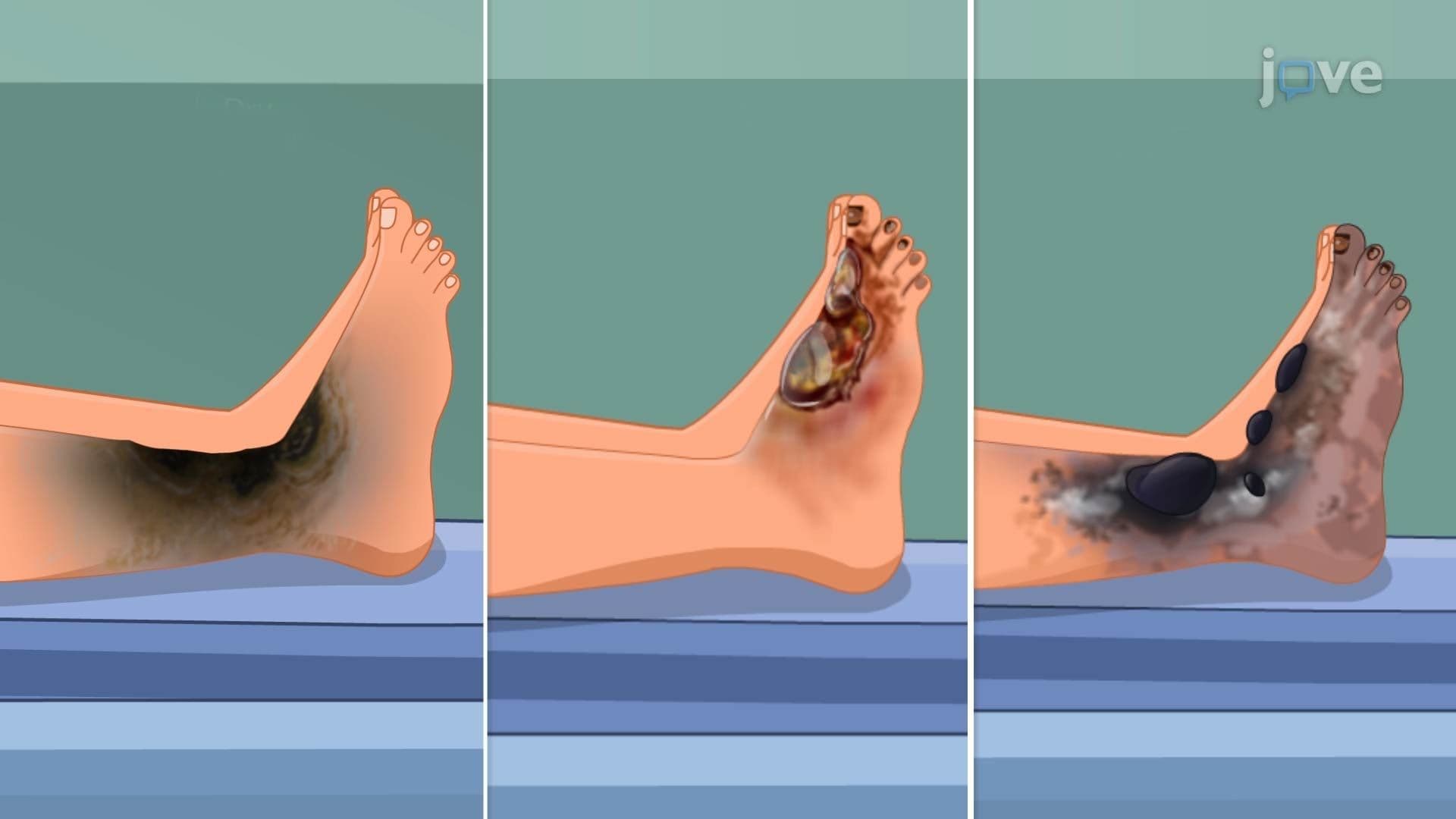
Apoptosis is often called programmed cell death because it follows a genetically encoded script. When a cell is aged, irreparably damaged, or potentially dangerous, like a self-reactive immune cell, the body activates apoptosis to eliminate it cleanly. The cell shrinks, its DNA condenses and fragments into neat pieces, and the cell itself breaks into membrane-wrapped packets called apoptotic bodies. Neighboring phagocytes quickly engulf these fragments without triggering inflammation, which is what separates apoptosis from necrosis (uncontrolled cell death that does cause inflammation).
This distinction matters enormously in disease. In the US, researchers studying cancer at institutions like the National Cancer Institute have found that tumor cells frequently disable their apoptosis pathways, allowing them to survive when they should self-destruct. Many chemotherapy drugs work precisely by reactivating apoptotic signaling in cancer cells.
Apoptosis is not just a damage-response mechanism, it is a developmental tool. During embryogenesis, apoptosis sculpts the human body by removing temporary structures; the separation of fingers and toes in the developing fetus is a classic example. Later in life, apoptosis eliminates hormone-dependent cells when hormones are withdrawn, such as uterine lining cells during menstruation. In the immune system, self-reactive T cells that could attack the body's own tissues are deleted through apoptosis, preventing autoimmune diseases like lupus or type 1 diabetes.
Understanding these roles is critical for AP Biology and college-level cell biology courses, where exam questions frequently ask students to connect apoptosis to specific physiological scenarios.
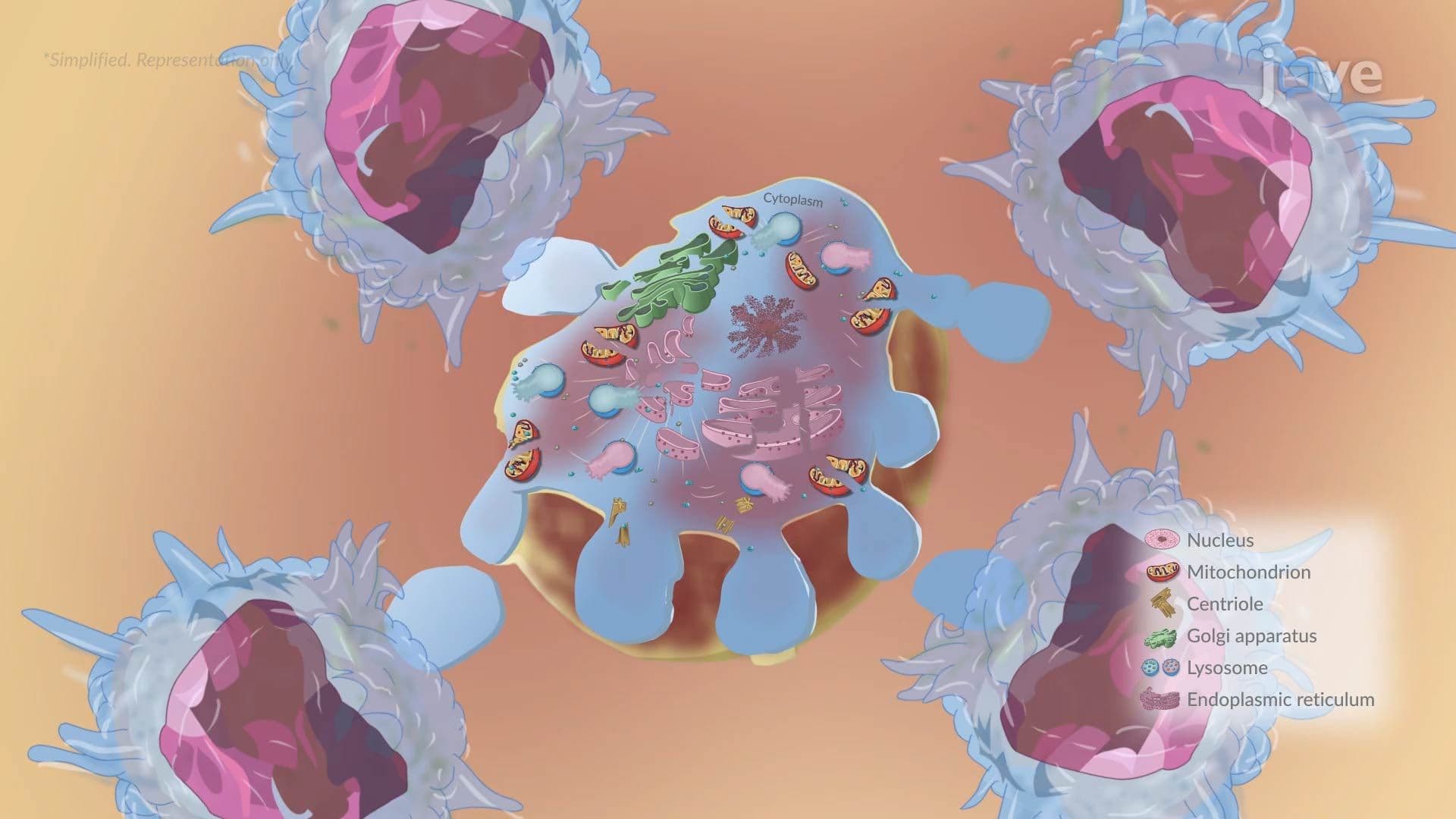
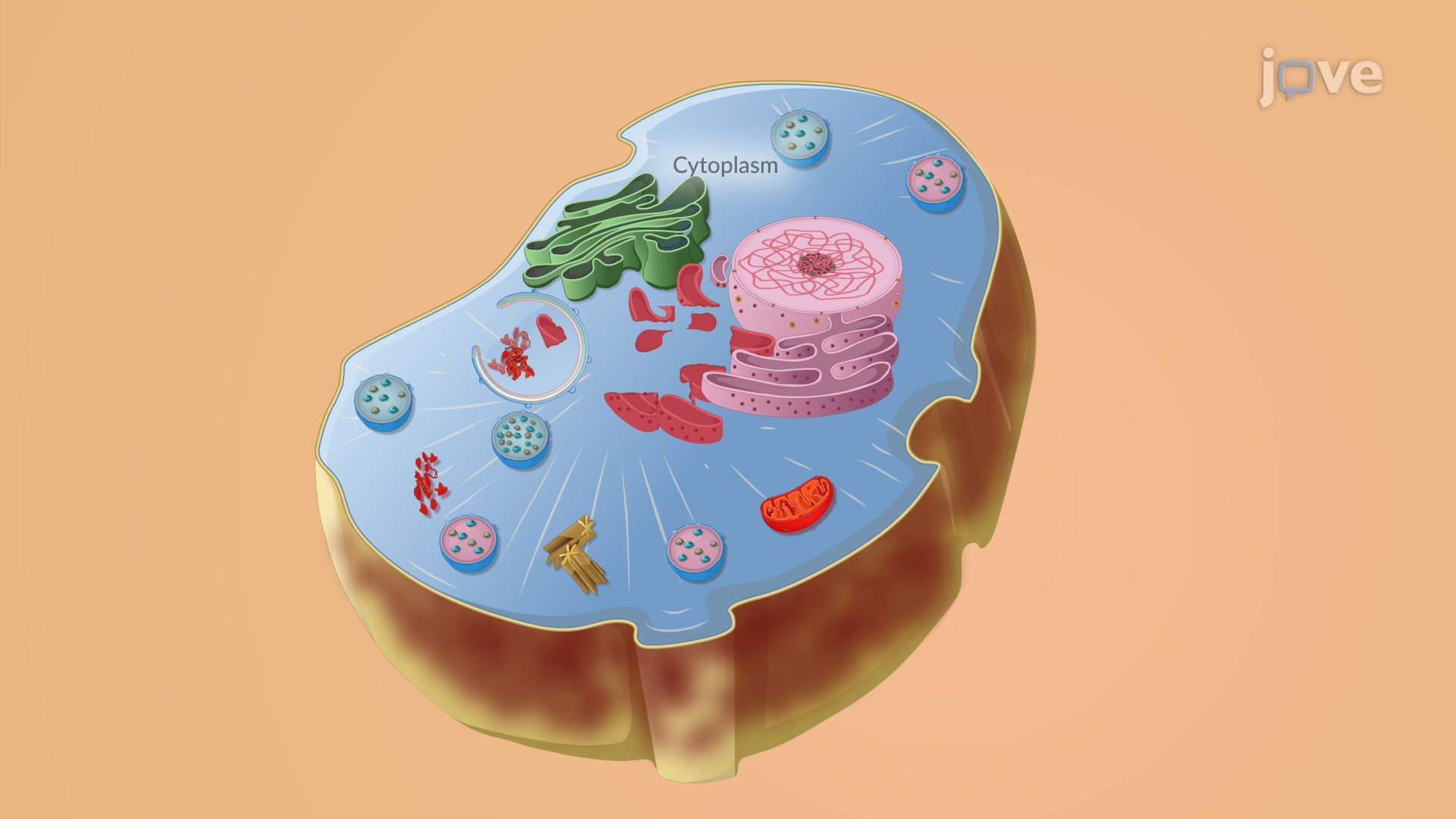
While apoptosis eliminates the entire cell, autophagy is a more conservative, targeted process. The word itself means "self-eating," and it describes how cells degrade and recycle their own damaged or unnecessary components. Under baseline conditions, autophagy acts as a cellular quality control mechanism, continuously clearing out malfunctioning proteins and organelles before they cause harm.
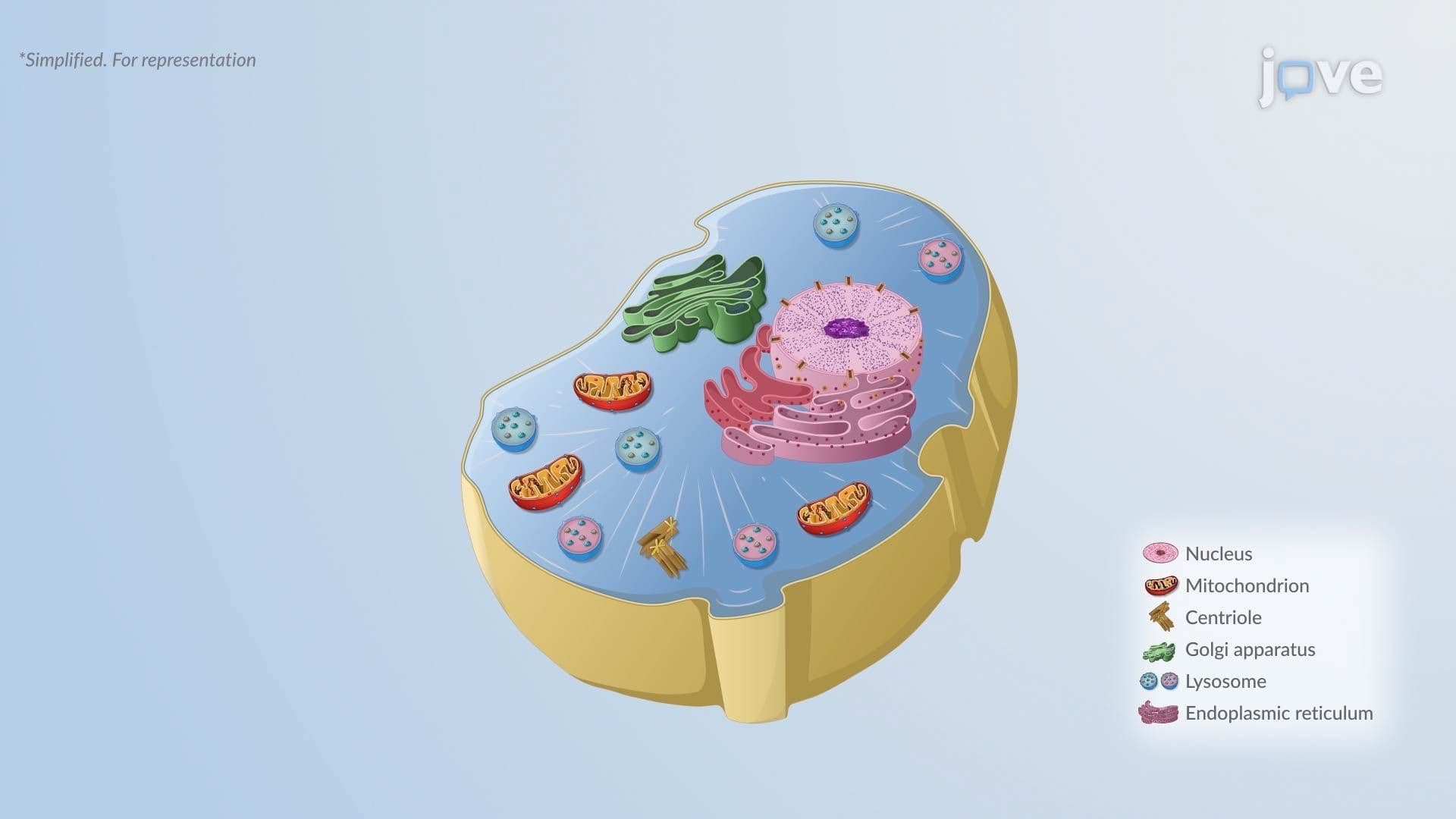
When a cell is stressed, starved of nutrients, for example, autophagy ramps up dramatically. The process begins when a curved membrane structure called a phagophore forms and wraps around the cellular material targeted for recycling. This structure matures into an autophagosome, a double-membraned vesicle that then fuses with a lysosome. The lysosome's enzymes break down the enclosed material into usable molecules like amino acids and fatty acids, effectively giving the cell a recycled energy supply during crisis.
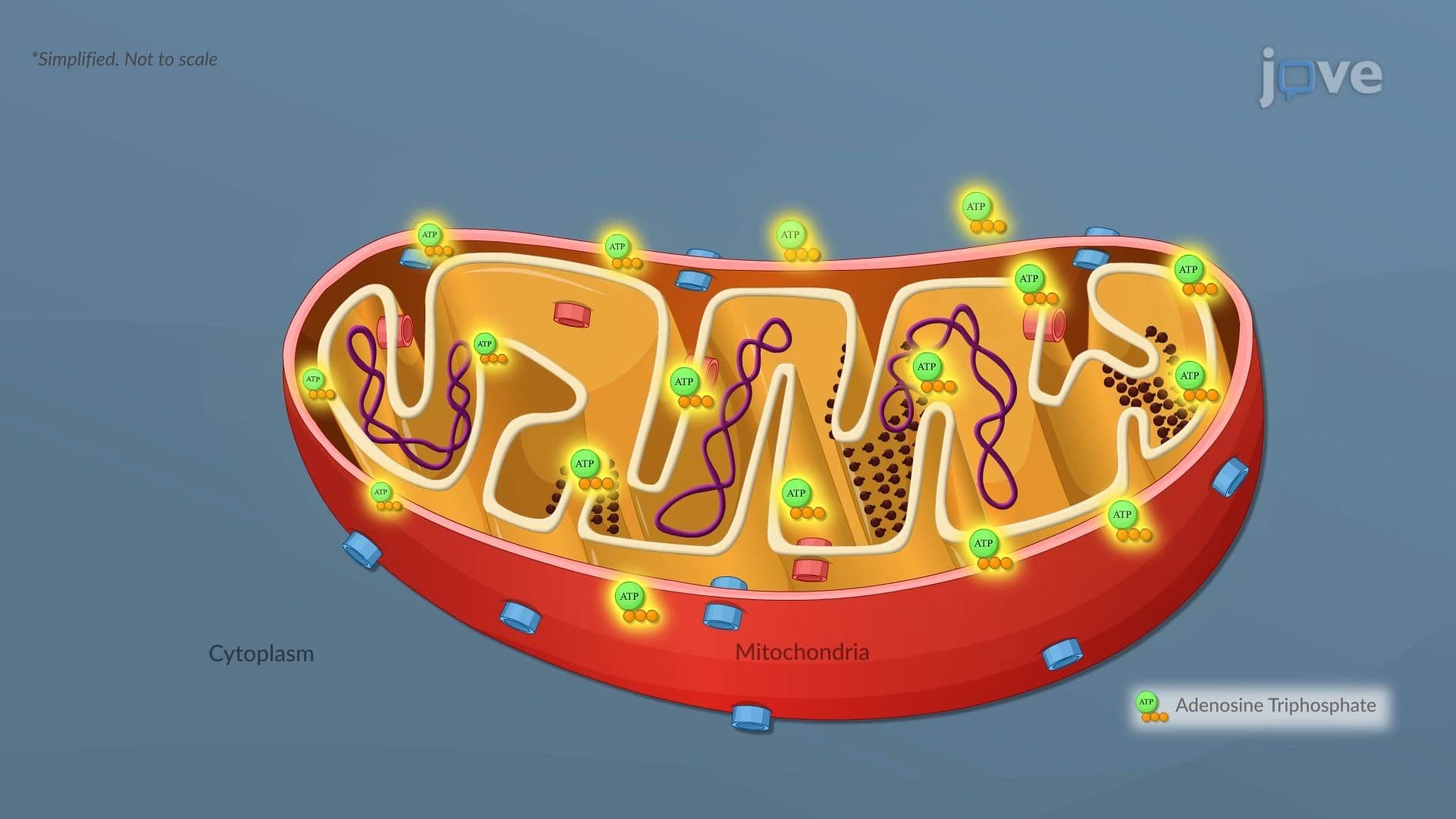
Disruptions in autophagy have been linked to neurodegenerative diseases common in the US population, including Parkinson's disease, where damaged mitochondria accumulate because autophagy fails to clear them properly.
Students often ask: what is the difference between pathology and pathophysiology? Pathology describes the structural and functional changes caused by disease, while pathophysiology explains the mechanisms, the "how" and "why", behind those changes. Apoptosis and autophagy sit squarely in pathophysiology. When either pathway misfires, the downstream structural damage becomes the subject of pathology. For MCAT prep, USMLE Step 1 review, and college-level pathophysiology courses, knowing these mechanistic pathways, not just their definitions, is what separates high-performing students from those who simply memorize terms.
Related Micro-courses