Loading video…

 18 Concepts
 4.3K views

Video Summary: What Is Healing I
Your skin heals after a sunburn, but did you know not all tissues recover the same way? Healing I basics reveal that the body uses three distinct repair strategies depending on injury severity and tissue type. After a heart attack, damaged heart muscle cannot regenerate like liver cells can, it scars instead. Watch the full video on JoVE Coach to master this concept with expert-led visuals and step-by-step explanations.
When the body sustains an injury, whether from sunburn, infection, or a heart attack, it does not respond with a single, uniform repair process. Healing I refers to the foundational framework describing how tissues restore their structural and functional integrity after damage. Understanding this framework is essential not only for biology and anatomy courses but also for standardized exams like the MCAT, AP Biology, and college-level pathophysiology midterms.
The body relies on three core healing strategies, each suited to a different level of tissue damage.
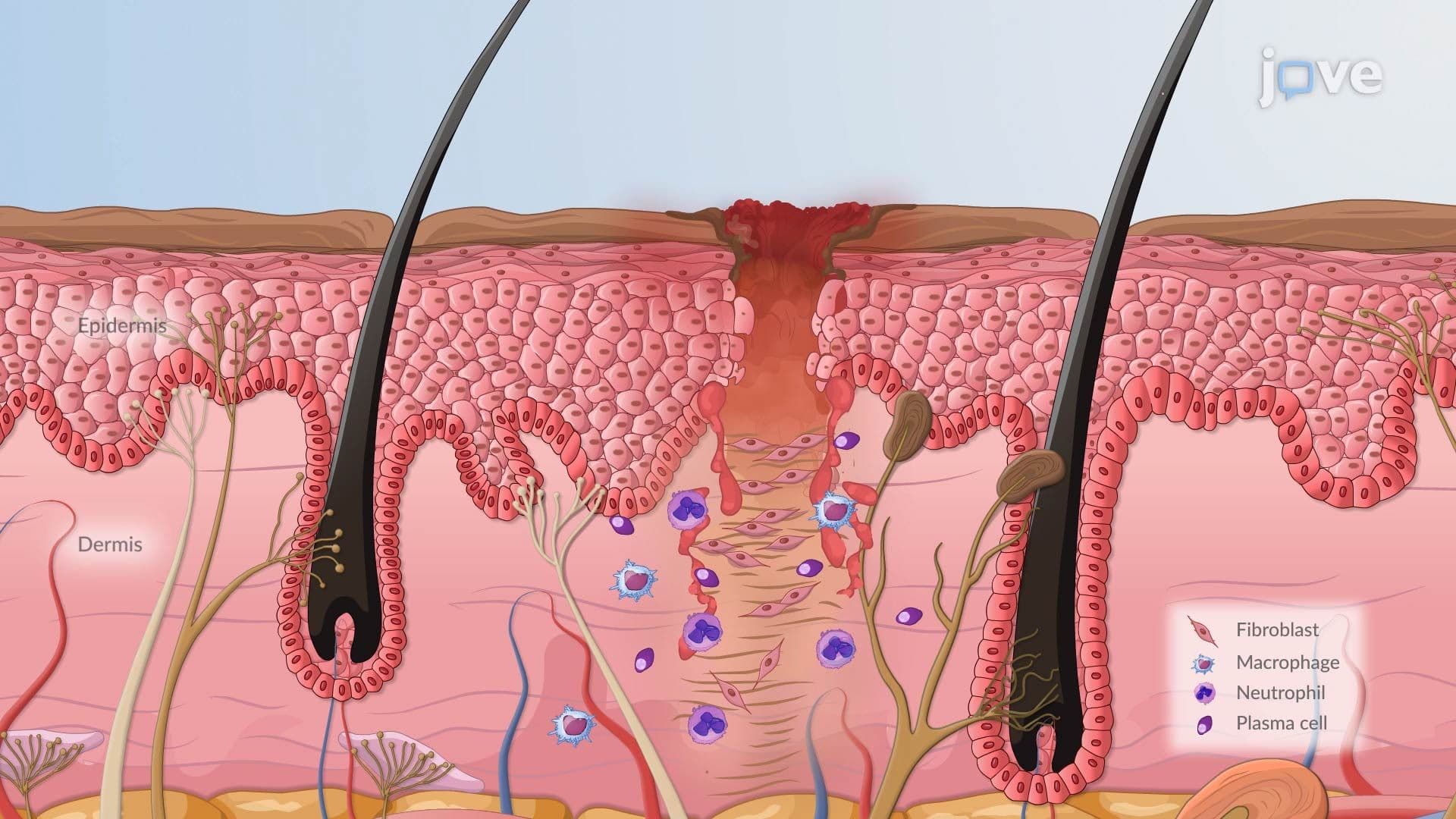
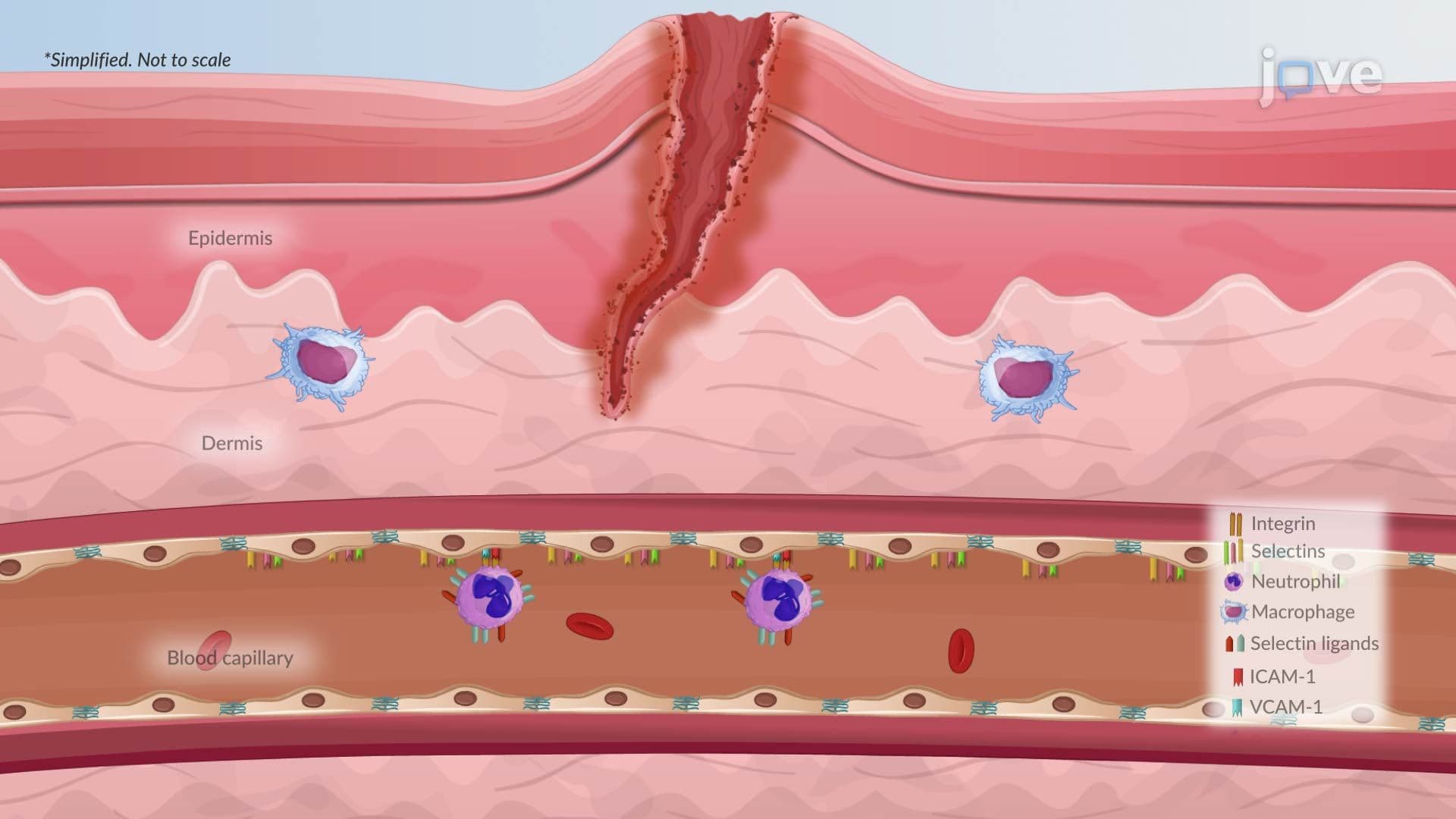
Resolution is the most straightforward pathway. When injury is minimal and the tissue architecture remains largely intact, affected cells simply recover and return to normal function, no scarring, no permanent loss. A mild sunburn is a textbook example: the superficial skin cells sustain temporary damage but fully restore themselves without leaving a trace.
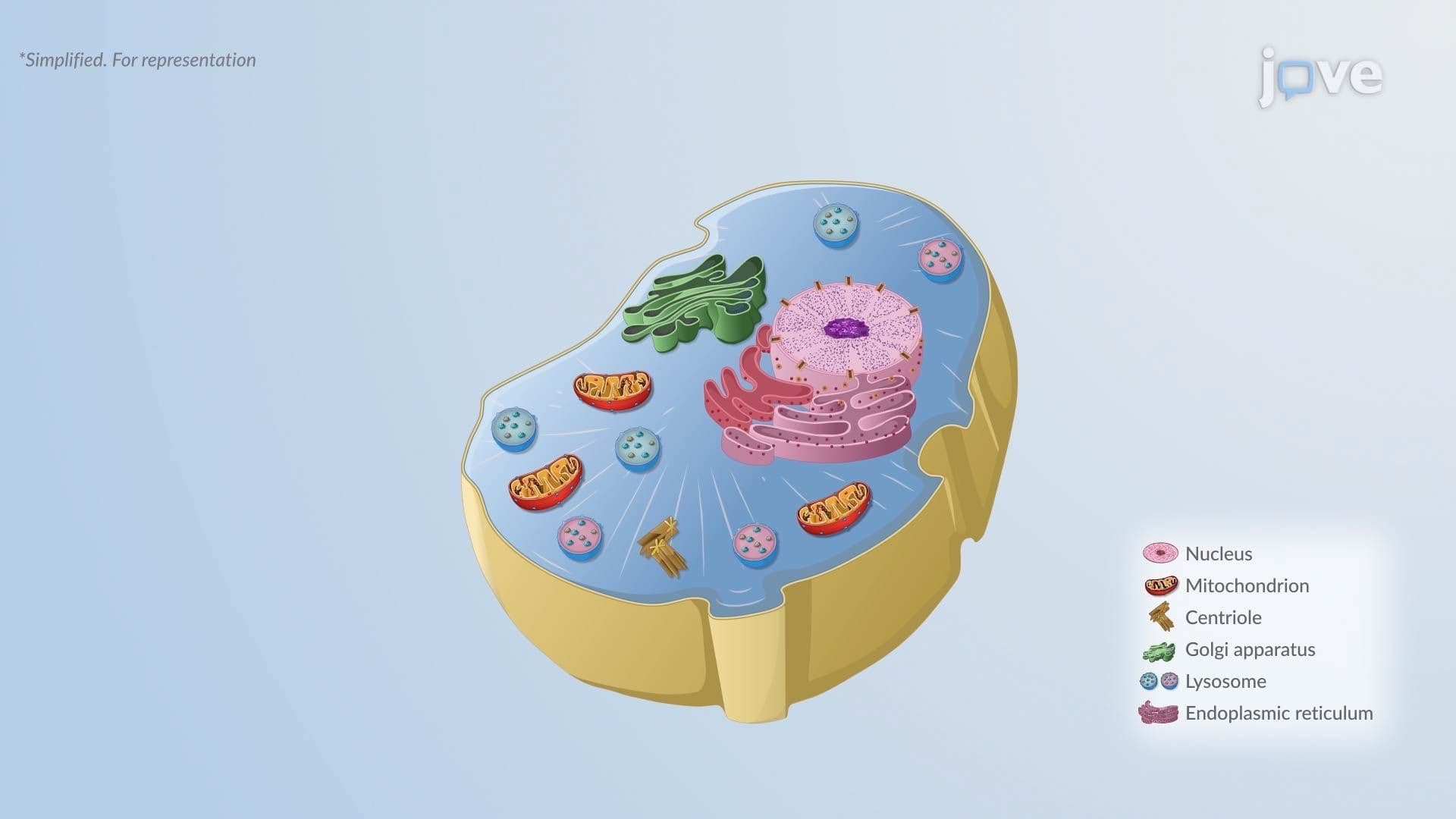
Regeneration involves replacing lost or destroyed cells with new ones that are structurally and functionally identical to the originals. This process depends on a tissue's ability to undergo mitosis. The liver is a prime example of a highly regenerative organ. Hepatocytes, the liver's primary functional cells, can divide rapidly in response to injury or surgical removal. In fact, living-donor liver transplants performed at major US medical centers like the Mayo Clinic rely on this regenerative capacity: a donor's liver can regrow to near-normal volume within weeks.
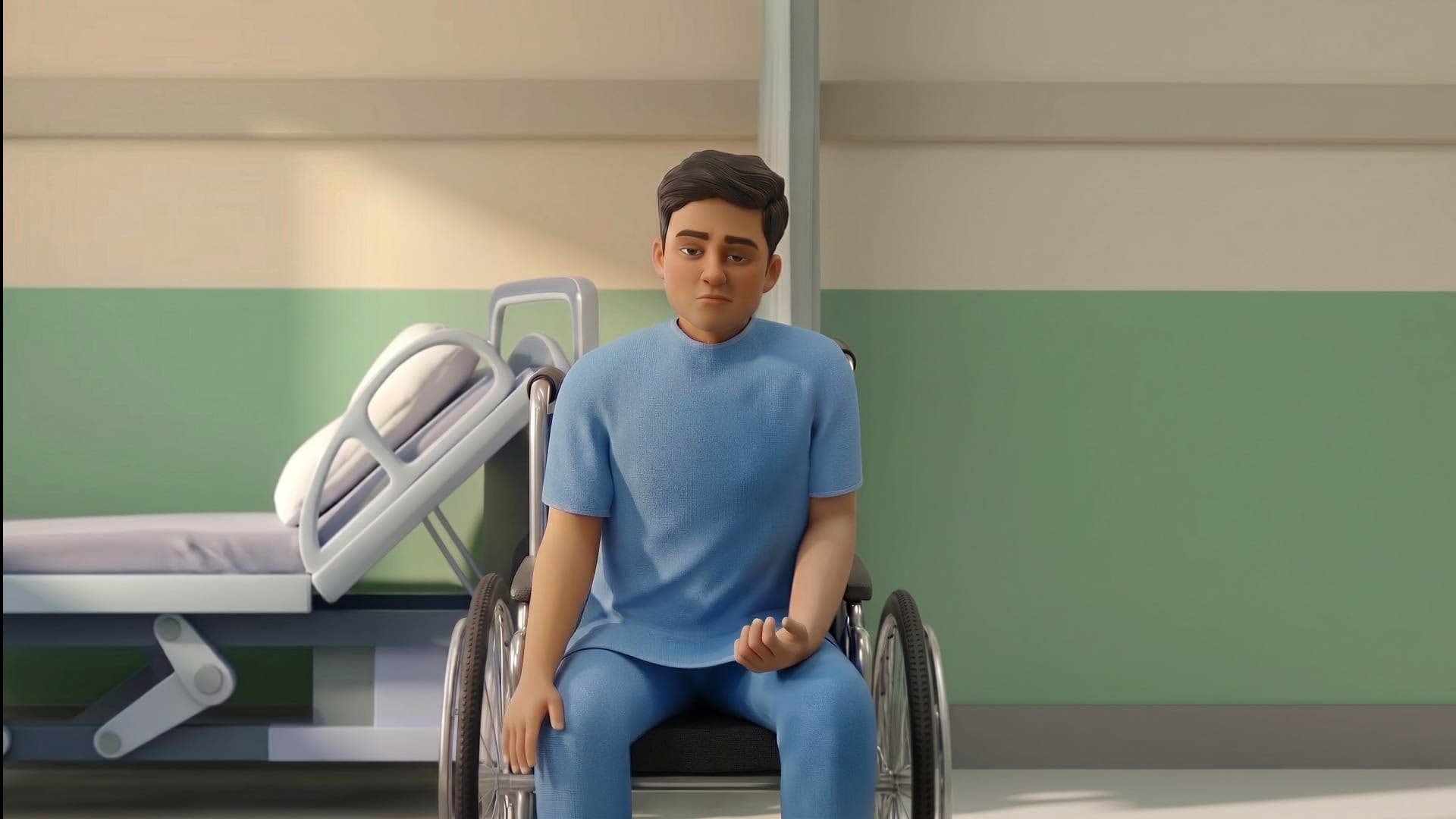
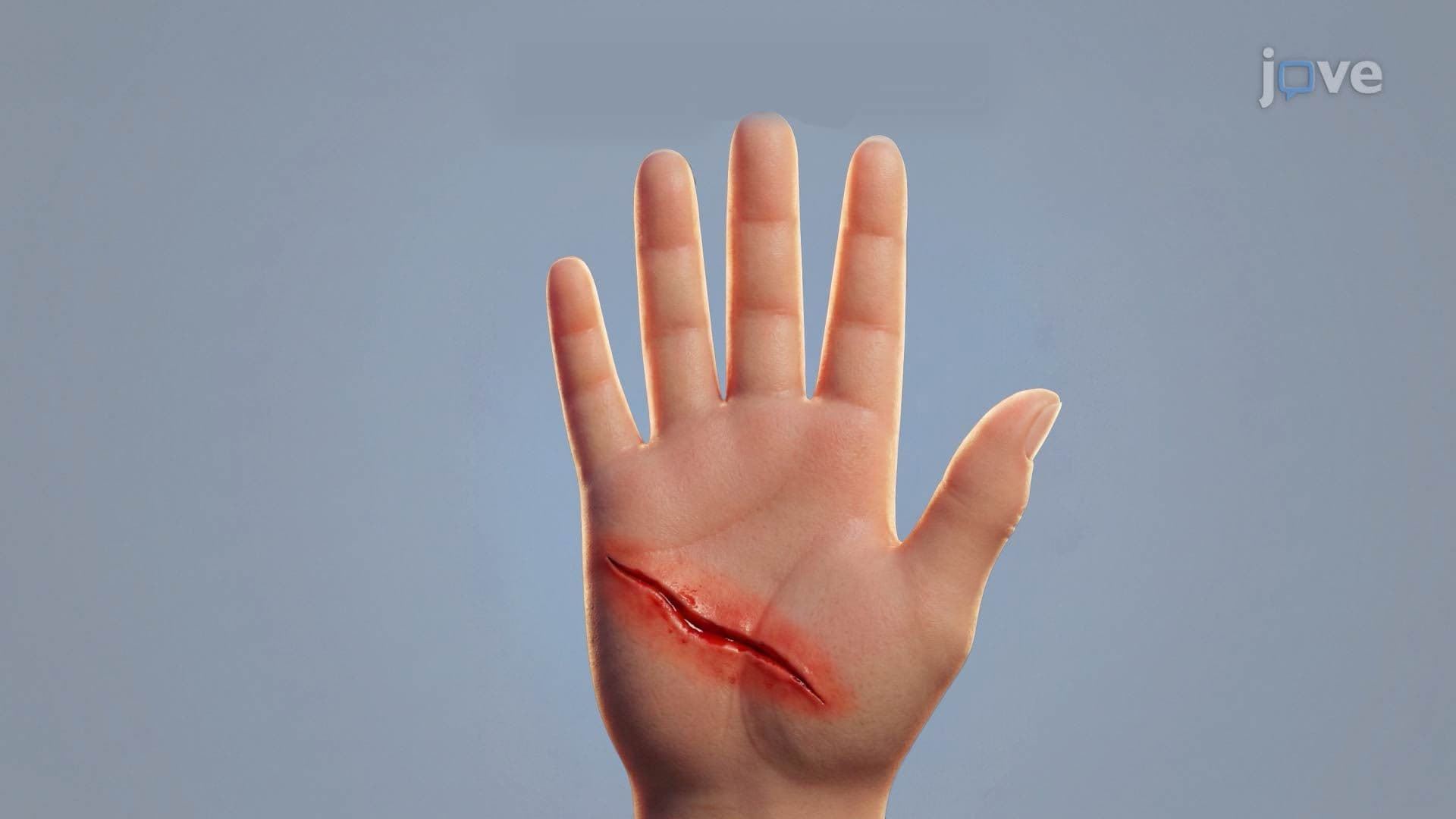
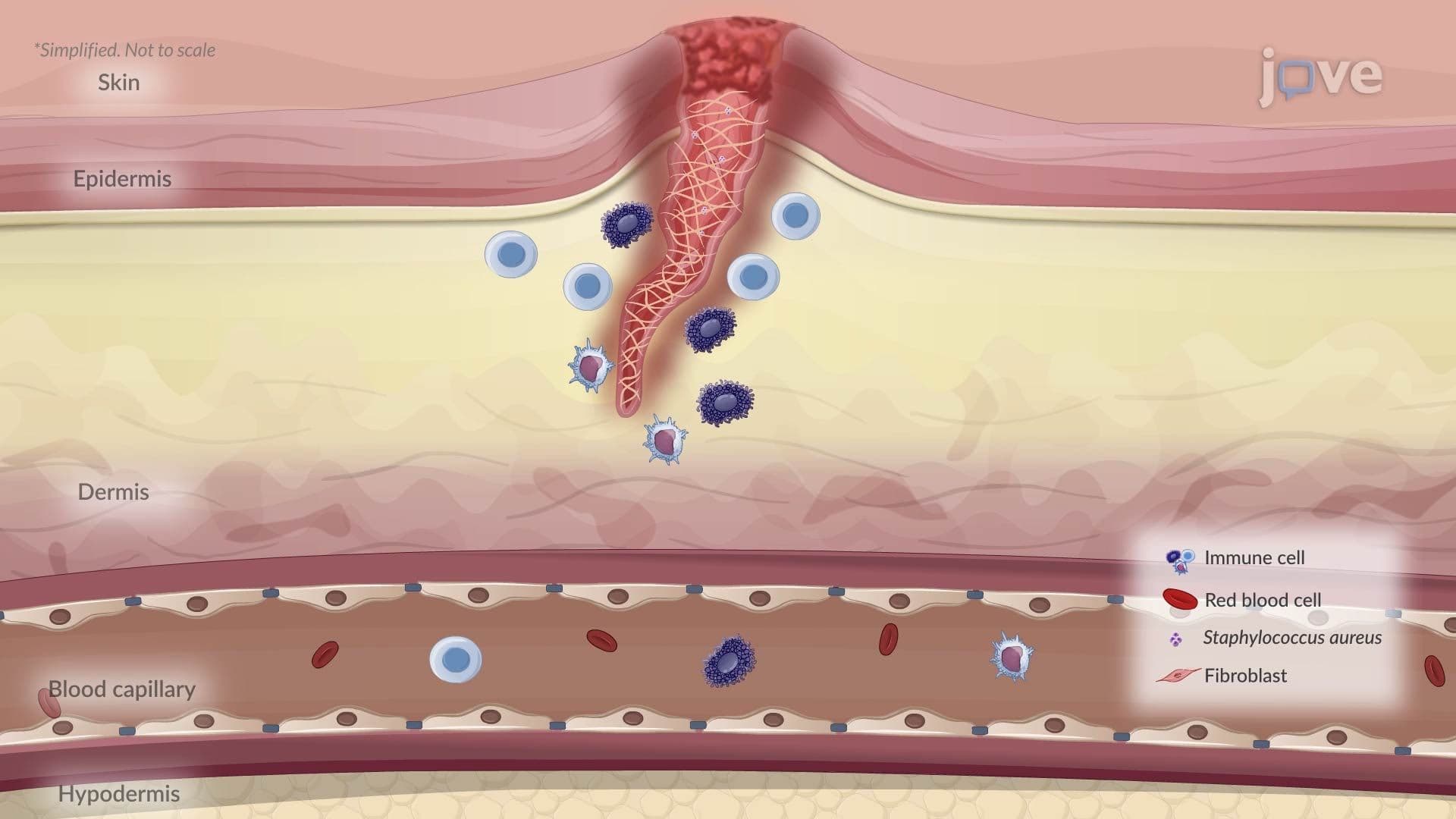
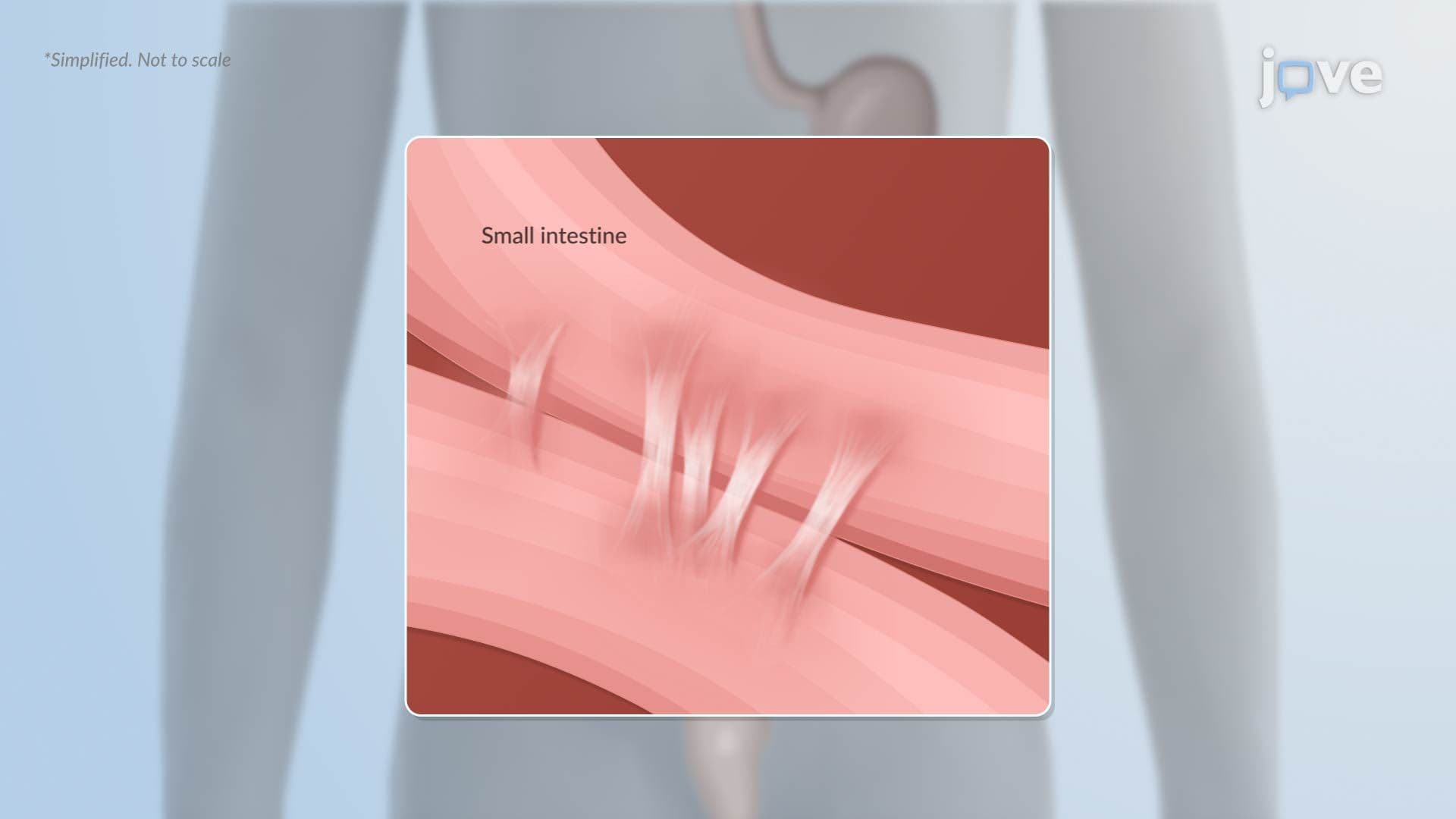
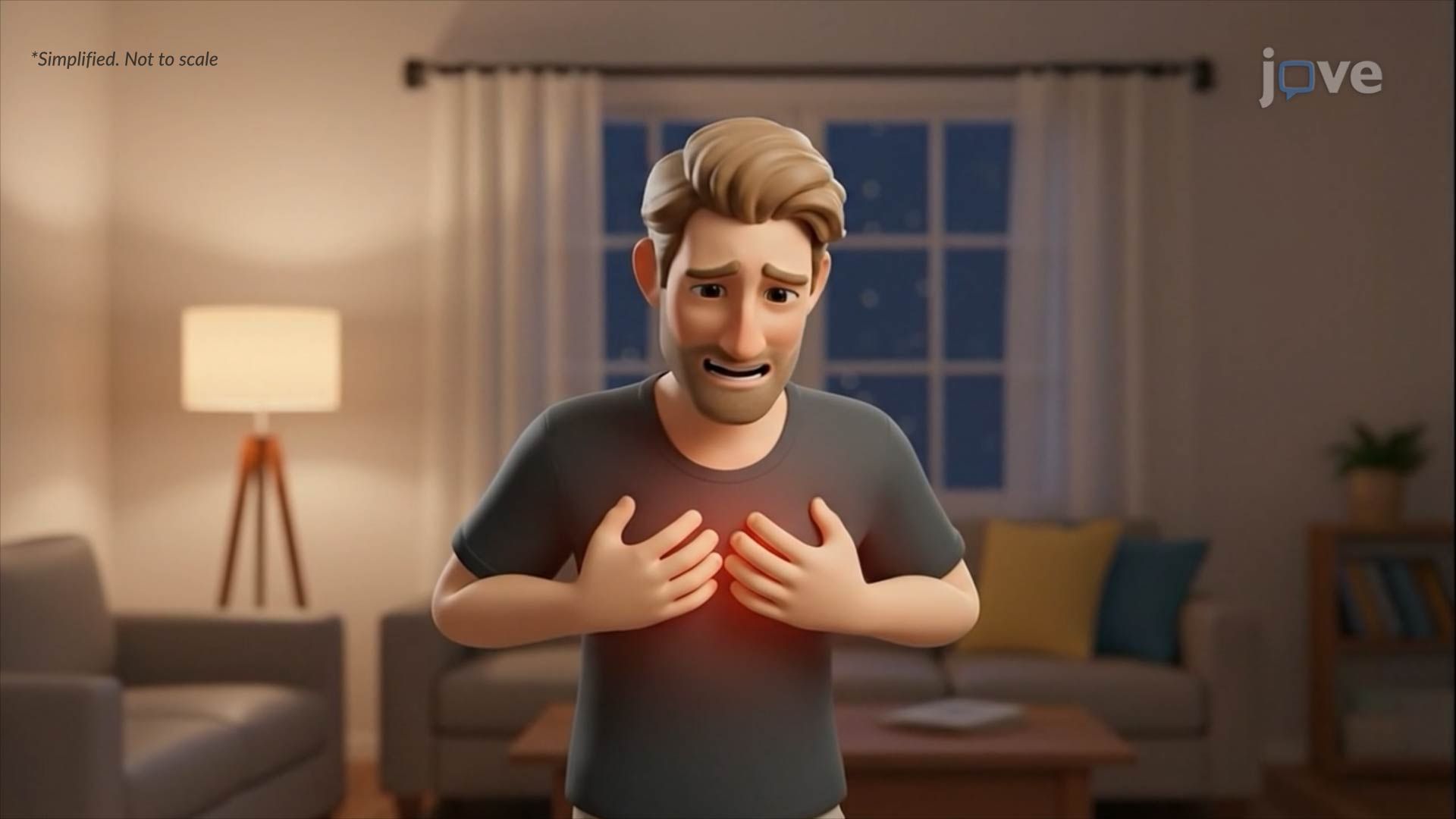
Replacement occurs when a tissue lacks the ability to regenerate lost cells. Instead, the body fills the damaged area with fibrous connective tissue, forming a scar. This is critical in understanding what happens after a myocardial infarction (heart attack). Cardiomyocytes, the contractile cells of the heart, have extremely limited regenerative ability in adults. When they die, fibrous scar tissue takes their place. That scar cannot pump blood, which is why heart attacks can permanently reduce cardiac function. Similarly, neurons in the central nervous system (brain and spinal cord) are largely unable to replace themselves, which is why spinal cord injuries often result in lasting paralysis.
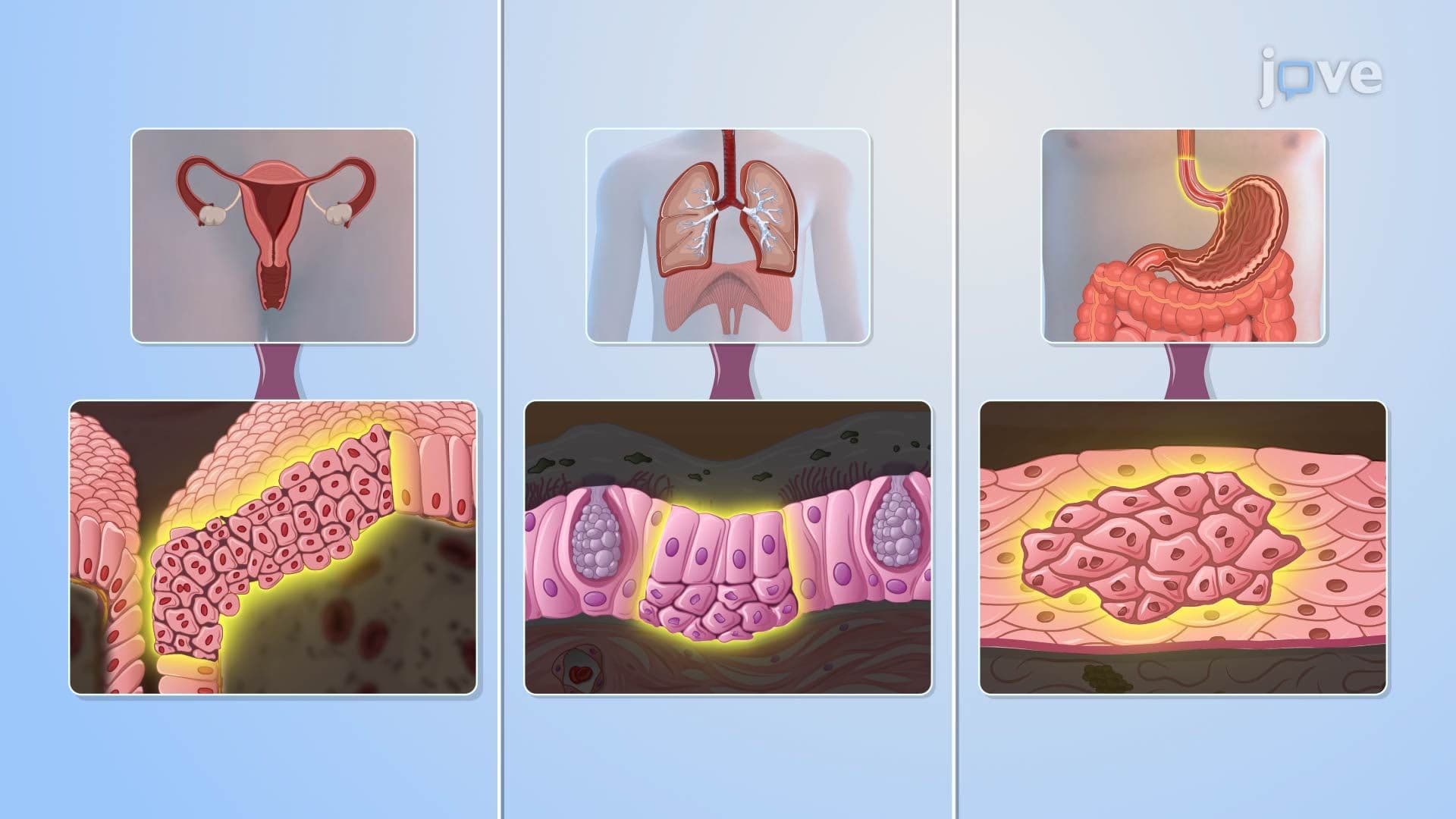
Not all tissues are created equal when it comes to repair. Biologists classify tissues by their proliferative capacity, that is, their ability to produce new cells. Labile tissues (like skin and gut lining) constantly divide and heal readily. Stable tissues (like the liver and kidneys) normally divide slowly but can ramp up repair when needed. Permanent tissues (like cardiac muscle and neurons) have effectively lost the ability to divide after maturity, making them the most vulnerable to permanent damage.
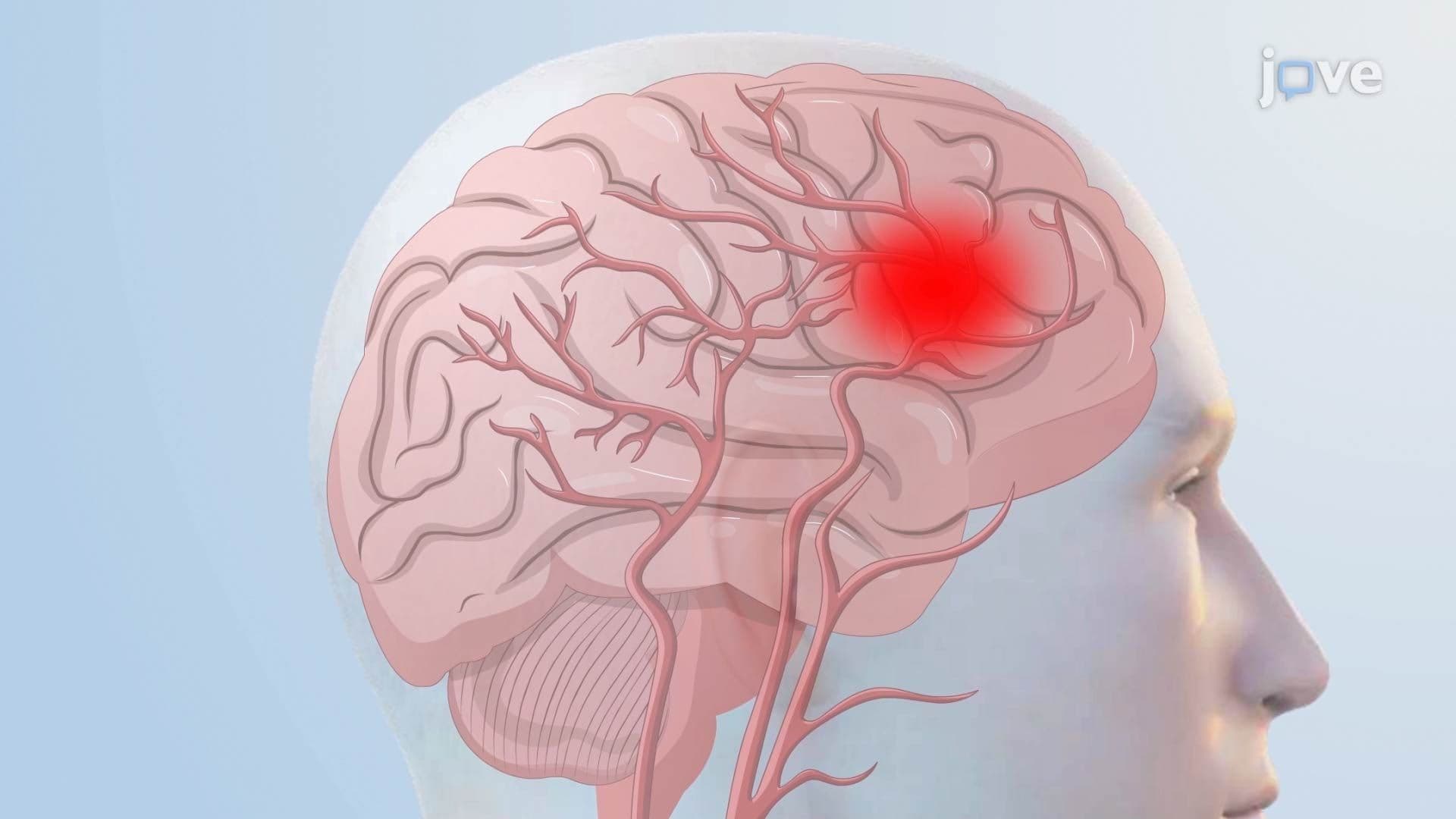
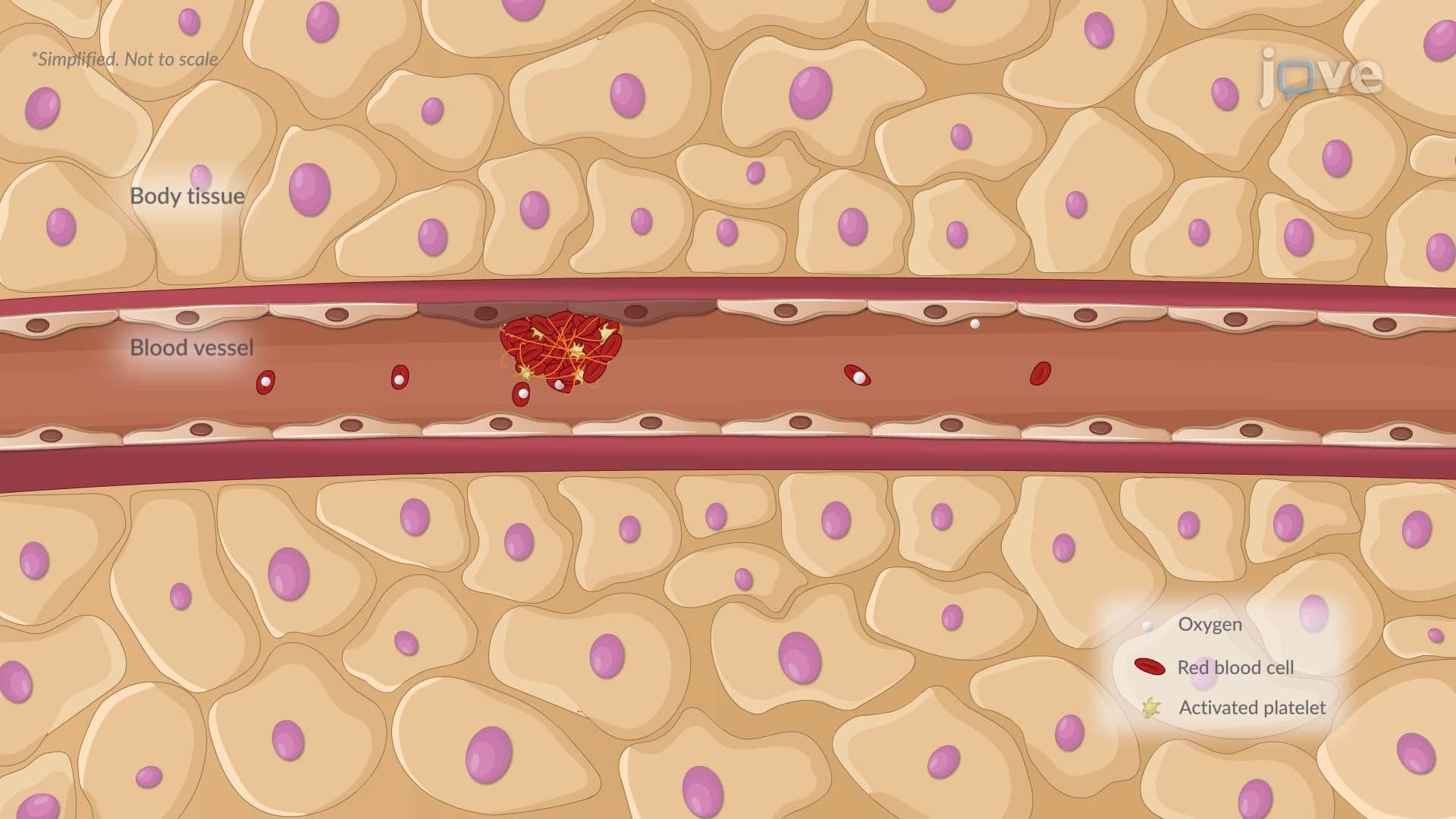
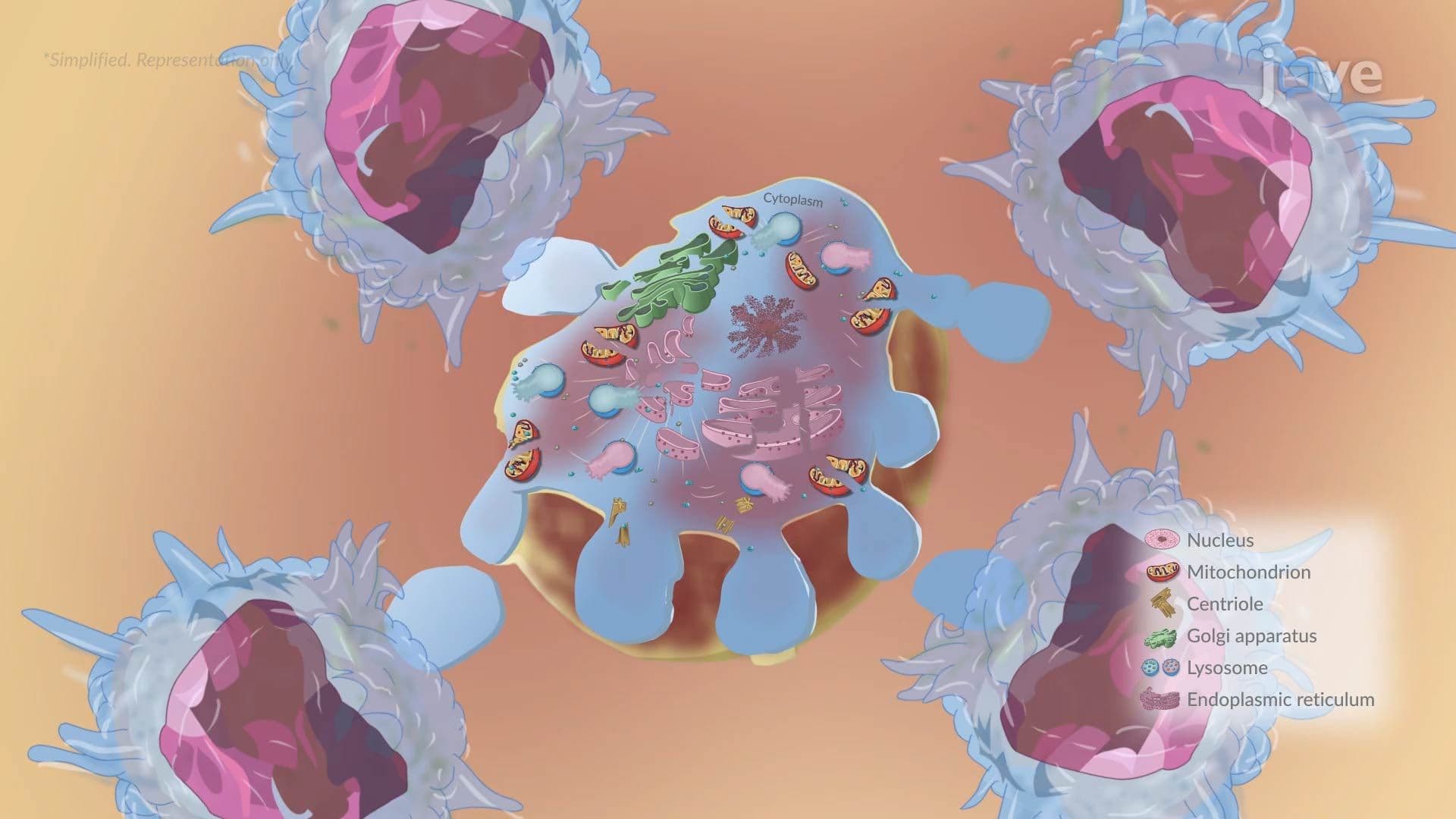
Healing I sits at the intersection of several major biological concepts: cellular injury and death, inflammation and repair, and hemodynamic disorders. When cells are injured beyond repair, the body's healing response determines whether function is restored or permanently lost. In AP Biology and college biology courses, students are often asked to connect these mechanisms to disease outcomes, for example, explaining why a stroke causes permanent neurological deficits or why liver disease can sometimes be reversible. Mastering Healing I basics builds the conceptual foundation needed to answer these higher-order questions confidently.
Related Micro-courses