Loading video…


 18 Concepts
 4.3K views

Video Summary: What Is Language of Pathophysiology Ll
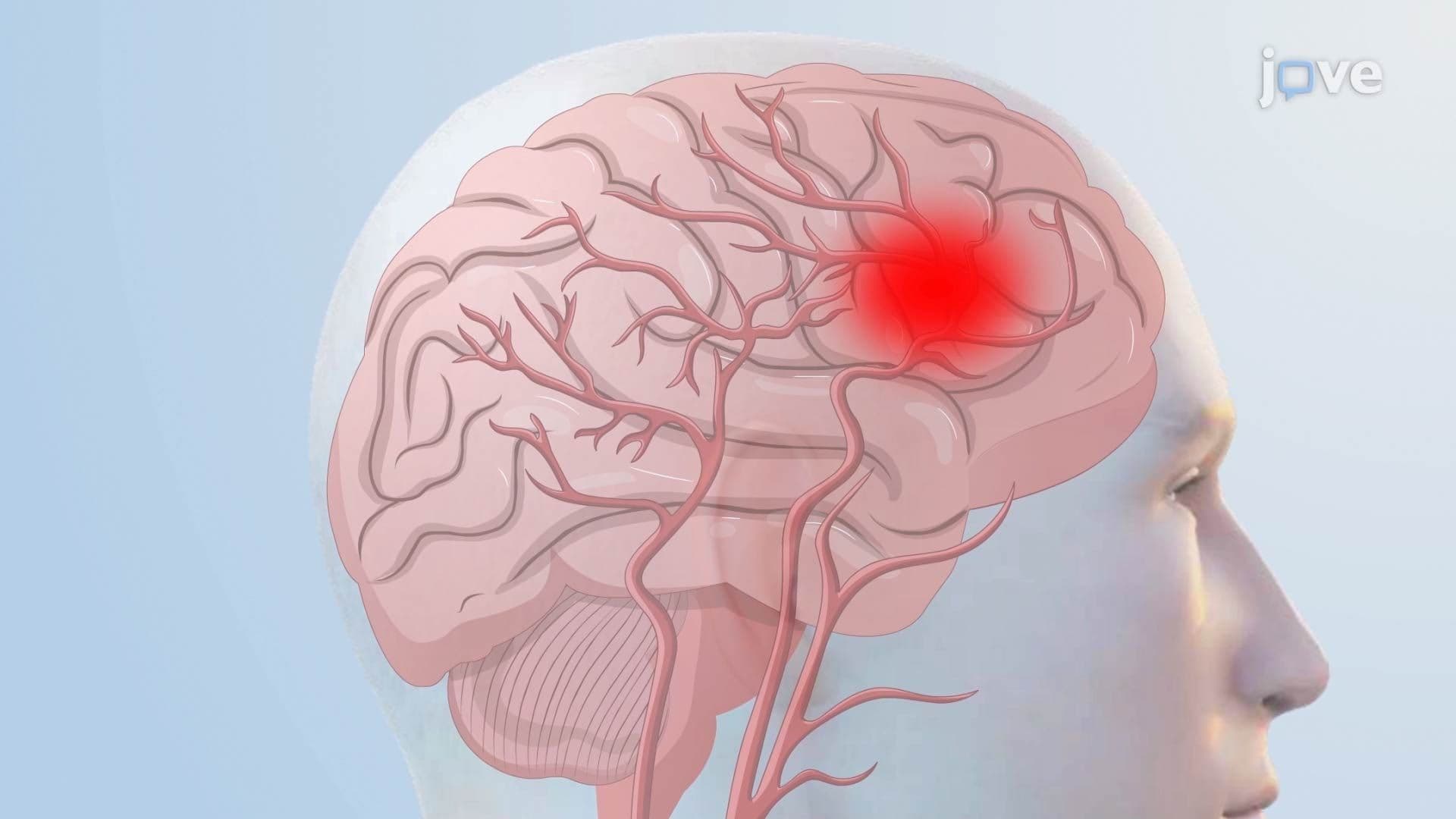
Did you know that the same disease can cause permanent damage in one patient and completely disappear in another? Understanding the language of pathophysiology ll reveals why. This advanced vocabulary, covering terms like remission, exacerbation, sequelae, and prognosis, explains how diseases evolve in the human body. For example, a US stroke patient may recover from the acute phase but develop lasting hemiplegia as a sequela. Watch the full video on JoVE Coach to master this concept with expert-led visuals and step-by-step explanations.
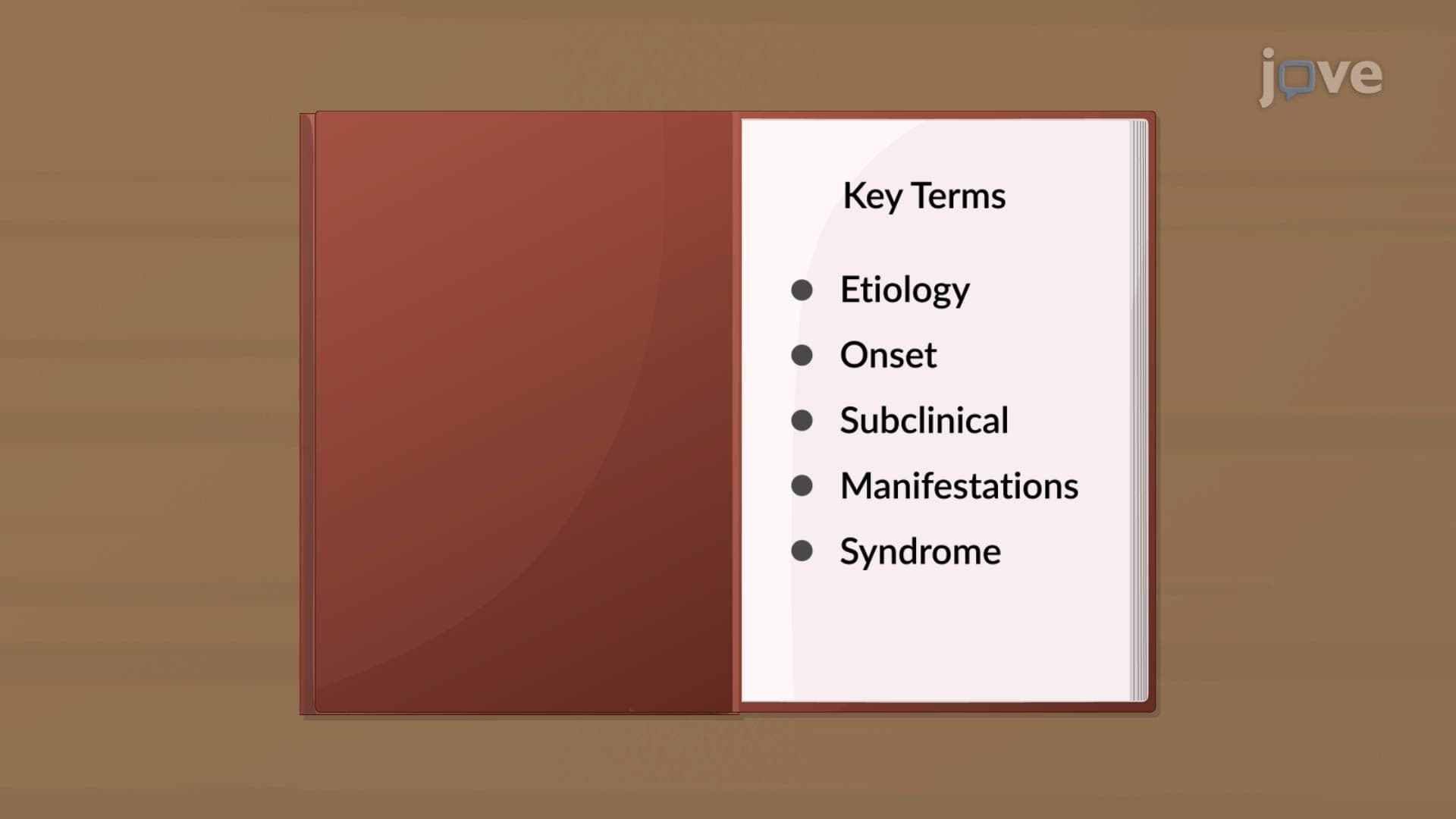
Medical professionals and scientists rely on precise language to communicate how diseases behave over time. The language of pathophysiology ll builds on foundational pathophysiology vocabulary by introducing terms that describe the trajectory of disease, how it starts, when it worsens, what it leaves behind, and how likely a patient is to recover. For high school and college students studying biology, anatomy, or pre-health sciences, mastering this vocabulary is not optional, it is the backbone of understanding every clinical concept that follows.
Two commonly confused terms in pathophysiology are precipitating factors and predisposing factors, and the distinction matters enormously in clinical reasoning.
A predisposing factor increases a person's vulnerability to disease before any symptoms appear. These are background conditions, genetic makeup, lifestyle choices, or environmental exposures accumulated over time. A classic US example is long-term cigarette smoking, which progressively damages arterial walls and elevates the risk of atherosclerosis, a major driver of heart attack and stroke.
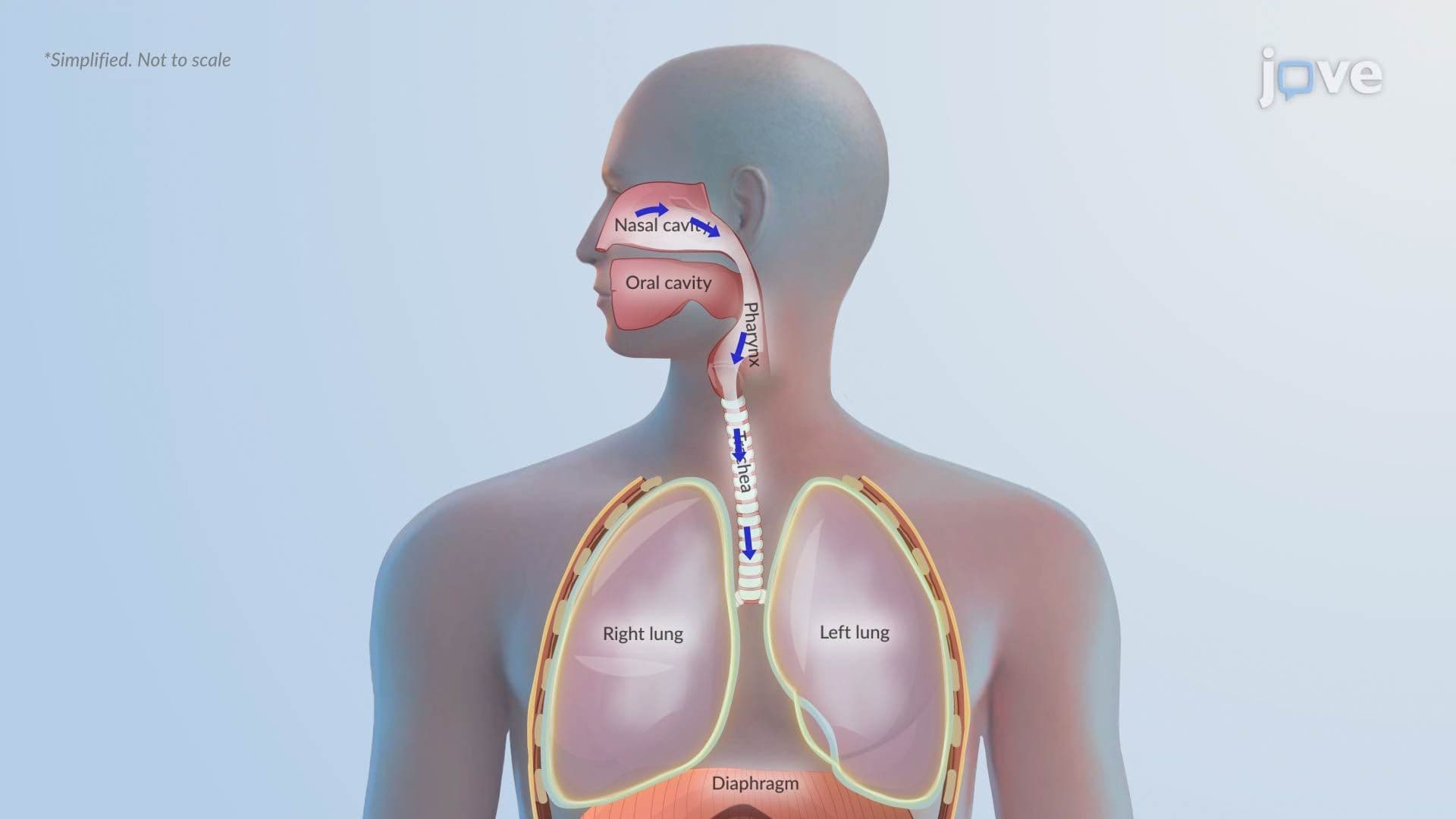
A precipitating factor, by contrast, is the specific trigger that sets off an acute episode in someone who is already vulnerable. In a patient with asthma, inhaling a specific allergen, such as mold spores common in humid US climates, can precipitate an acute attack within minutes. Think of predisposing factors as loading the gun and precipitating factors as pulling the trigger.
On exams like the MCAT or NCLEX, clinical vignettes frequently test whether students can distinguish between these two types of factors. Being able to identify both in a single patient scenario is a high-yield skill.
Many diseases do not follow a straight line, they fluctuate. Exacerbation describes a period when symptoms intensify. A patient with asthma experiencing sudden shortness of breath and wheezing during cold weather is undergoing an exacerbation. Remission, on the other hand, is a phase where symptoms lessen significantly or disappear entirely. This does not always mean the disease is cured, the underlying condition may still exist, even when the patient feels well.
This cycle is clinically significant in conditions widely treated across US healthcare systems, including multiple sclerosis, Crohn's disease, lupus, and rheumatoid arthritis. In college biology and AP courses, students are expected to explain why a patient in remission still requires ongoing monitoring or medication.
Understanding what happens after the main disease event is equally important. A complication is a secondary health problem that arises during the course of a disease, for example, heart failure developing after a myocardial infarction (heart attack), a leading cause of hospital readmission in the United States.
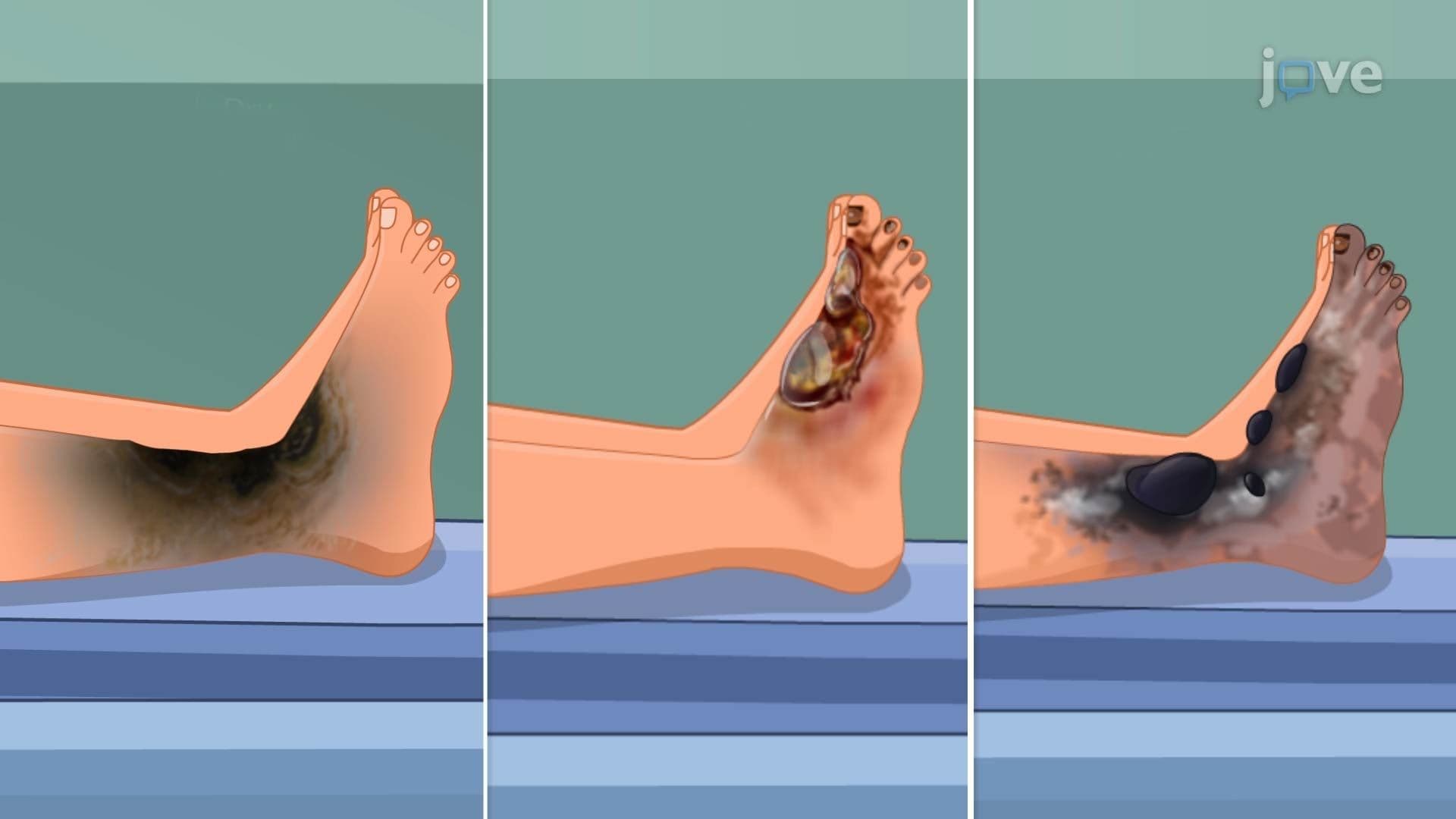
Sequelae are long-term effects that persist after the acute phase has resolved. A patient who survives a stroke may experience permanent hemiplegia, paralysis on one side of the body, as a sequela, even after the neurological emergency itself has passed. While complications occur during disease progression, sequelae are the lasting footprint left behind.
Prognosis ties these concepts together by describing the predicted course and likely outcome of a disease. Prognosis is influenced by disease stage, available treatments, patient health, and access to care. Early-stage breast cancer in the US, when detected through mammography screening, carries a significantly more favorable prognosis than late-stage disease, a fact that underscores the value of early detection programs. On HESI A2, TEAS, and college midterms in nursing and allied health programs, prognosis questions often require students to connect clinical findings with expected outcomes.
Related Micro-courses