Loading video…

 18 Concepts
 4.3K views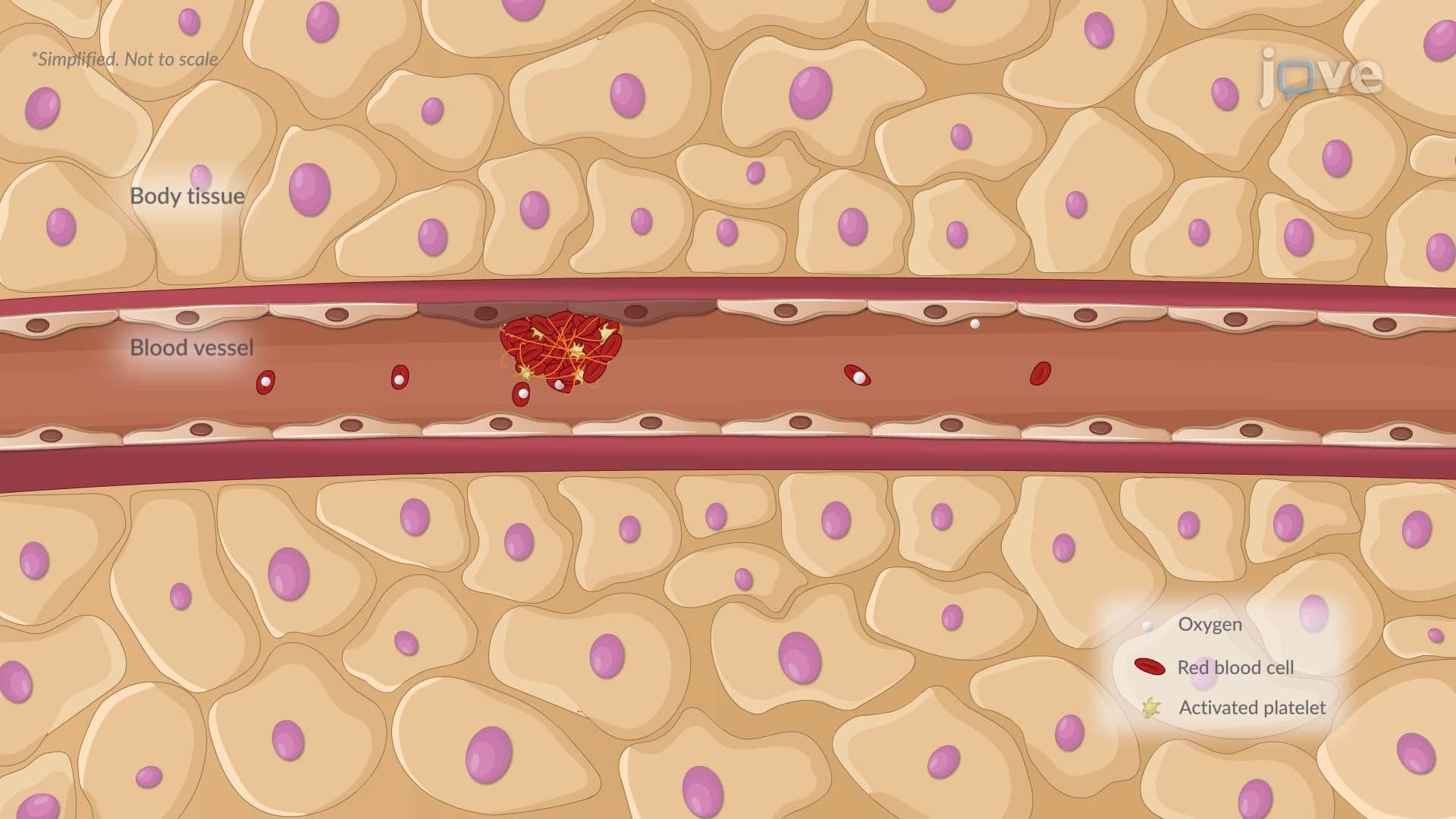

Video Summary: Classification of Cellular Injury Ii
Did you know a single blocked coronary artery can trigger a cascade of cellular destruction within minutes? The Classification of Cellular Injury II framework helps explain exactly how and why cells break down, covering hypoxic, chemical, physical, infectious, and immunologic damage. In the US, myocardial infarction alone affects nearly 800,000 people annually, making this knowledge critically relevant. Watch the full video on JoVE Coach to master this concept with expert-led visuals and step-by-step explanations.
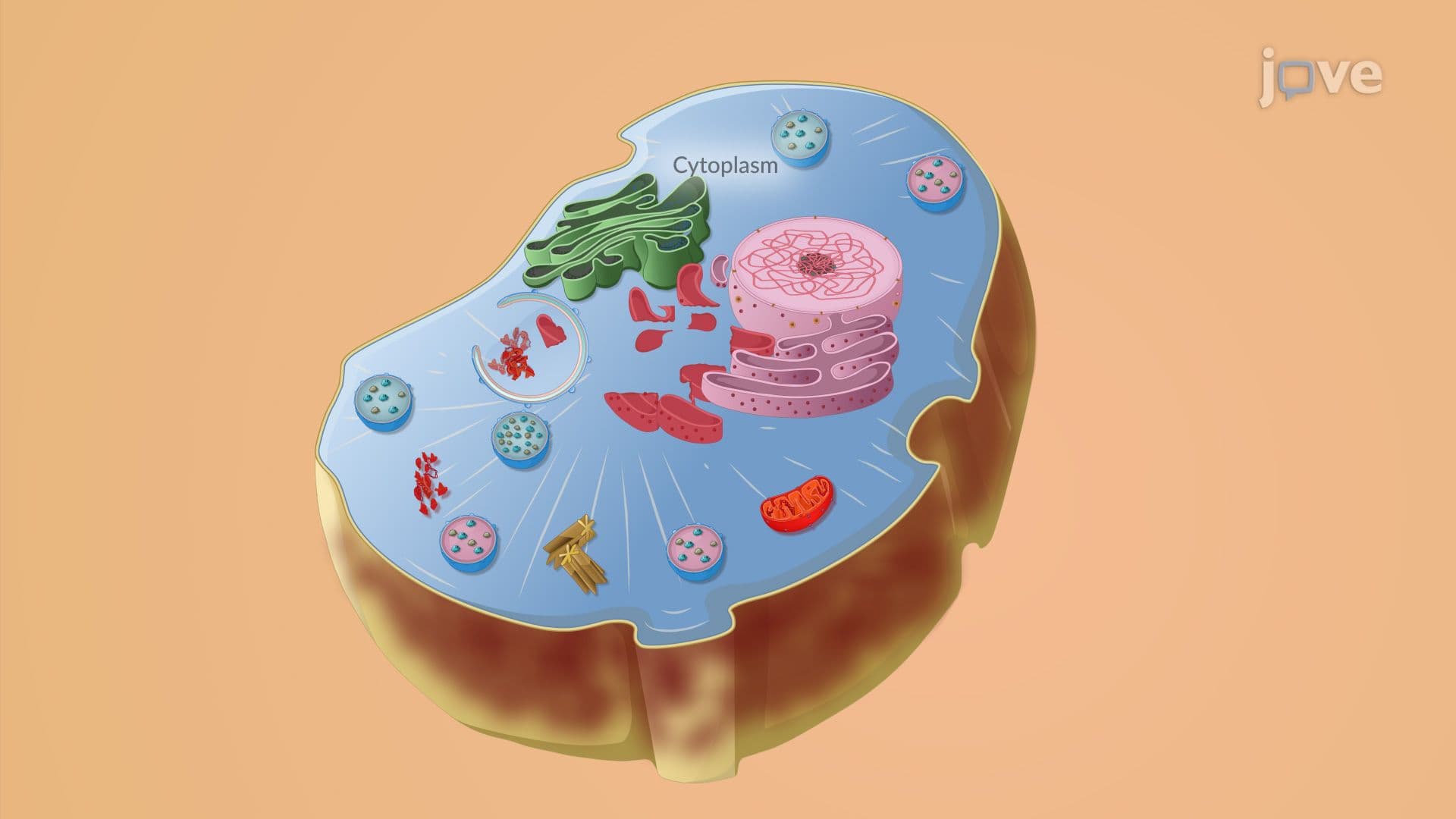
Every disease has a beginning, and that beginning is almost always at the cellular level. Classification of Cellular Injury II builds on foundational pathology by organizing the causes of cellular damage into five distinct etiological categories: hypoxic, chemical, physical, infectious, and immunologic. Understanding these categories is not just academic, it is the backbone of how clinicians diagnose disease, how researchers develop treatments, and how students succeed in courses ranging from AP Biology to college-level pathophysiology.
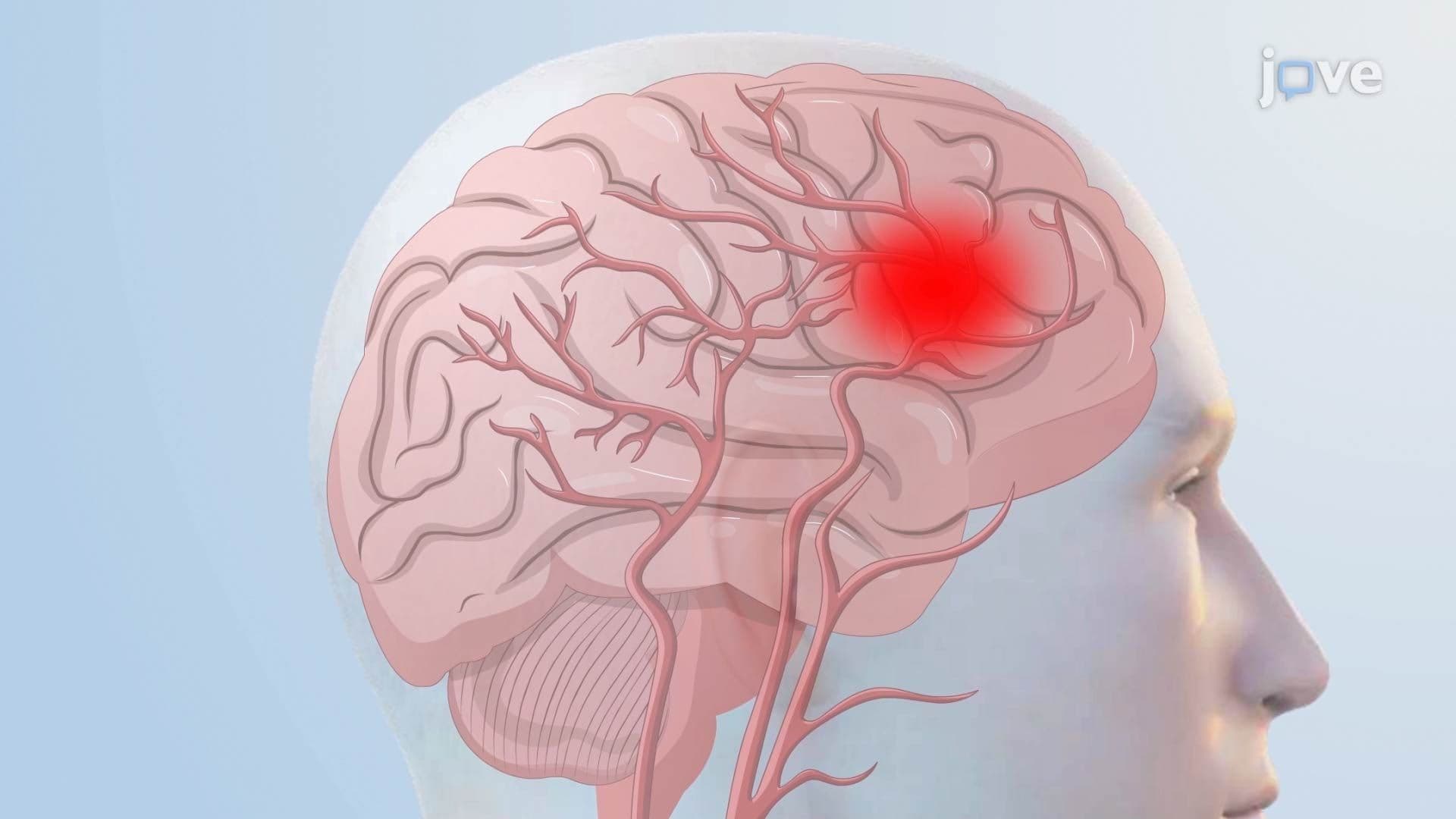
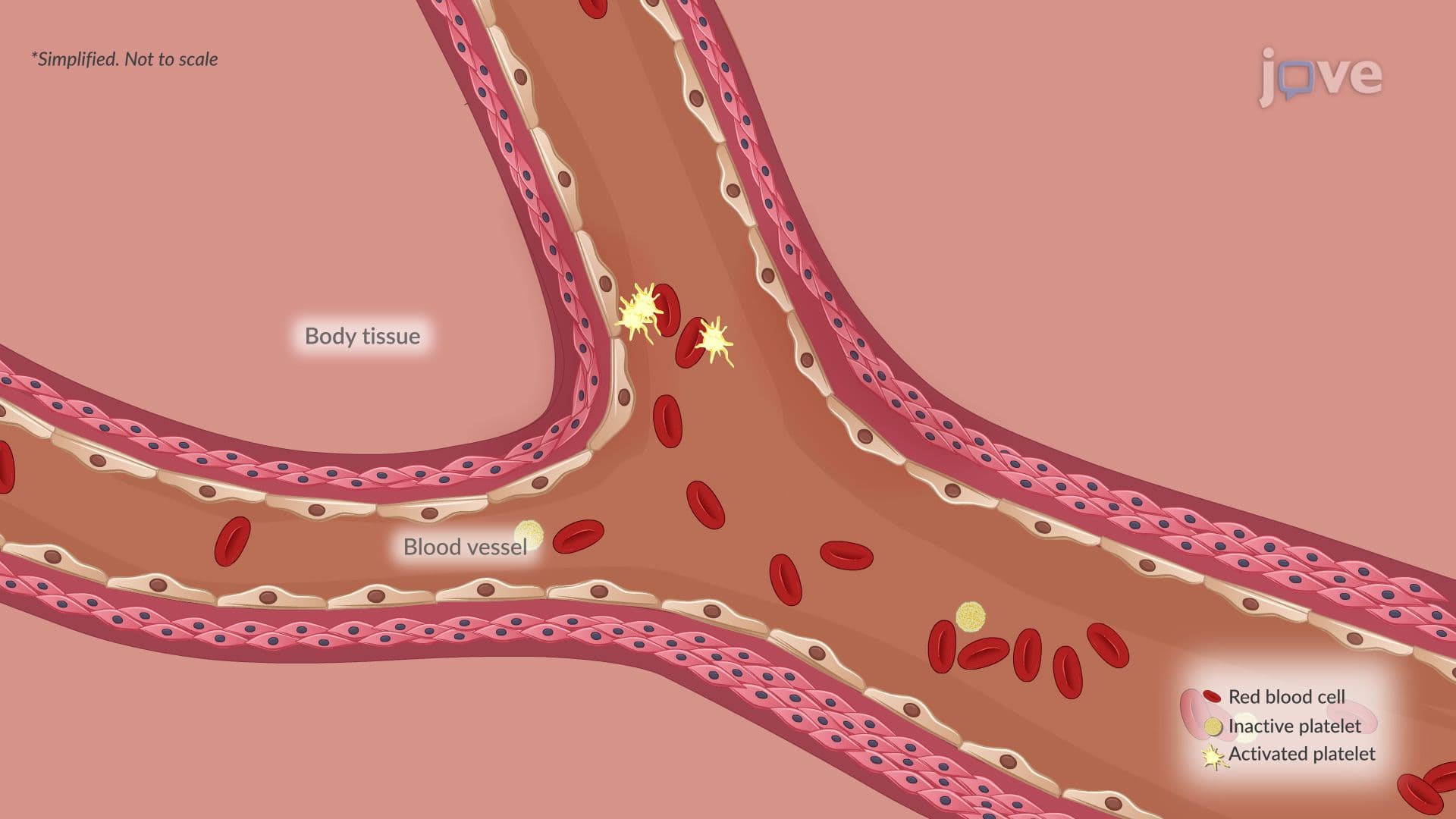
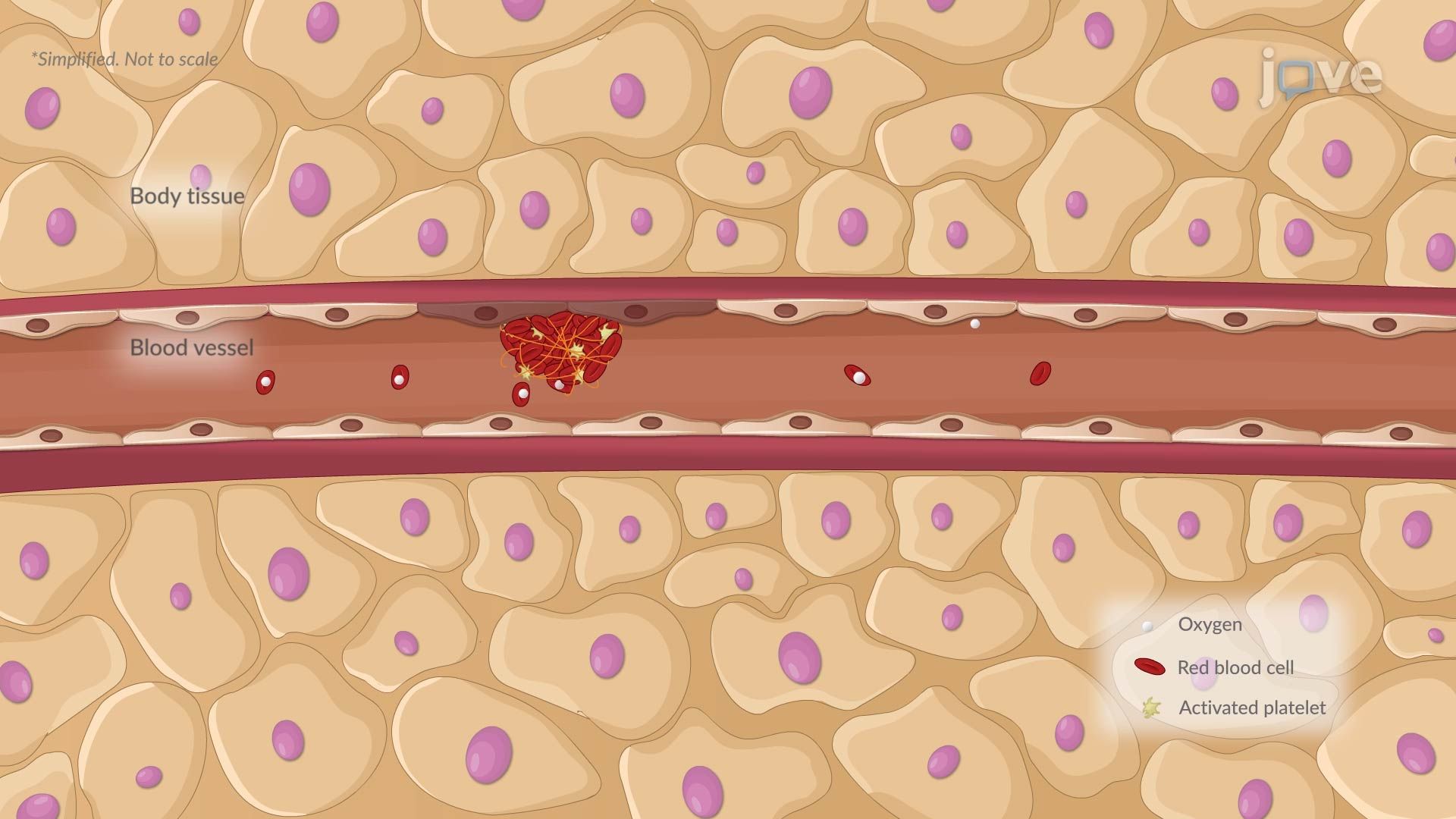
Hypoxic injury is arguably the most clinically significant category. When oxygen delivery to tissues falls, most often because a blood vessel is obstructed, cells cannot sustain their energy-dependent processes. A classic US example is coronary artery disease, where plaque buildup or a thrombus cuts off blood flow to the heart muscle, resulting in ischemia and, if prolonged, a myocardial infarction. This is the leading cause of death in the United States, making hypoxic injury a priority topic in both classrooms and clinics.
Chemical injury operates through two distinct pathways. Some agents damage cells directly upon contact, mercury and strong acids denature proteins and disrupt membranes at the site of exposure. Others act indirectly: acetaminophen (Tylenol), for instance, is safely metabolized at normal doses, but in overdose, its toxic byproduct NAPQI overwhelms the liver's detoxification capacity, causing hepatocellular death. This distinction between direct and indirect toxicity is a high-yield concept on the MCAT and in undergraduate pharmacology courses.
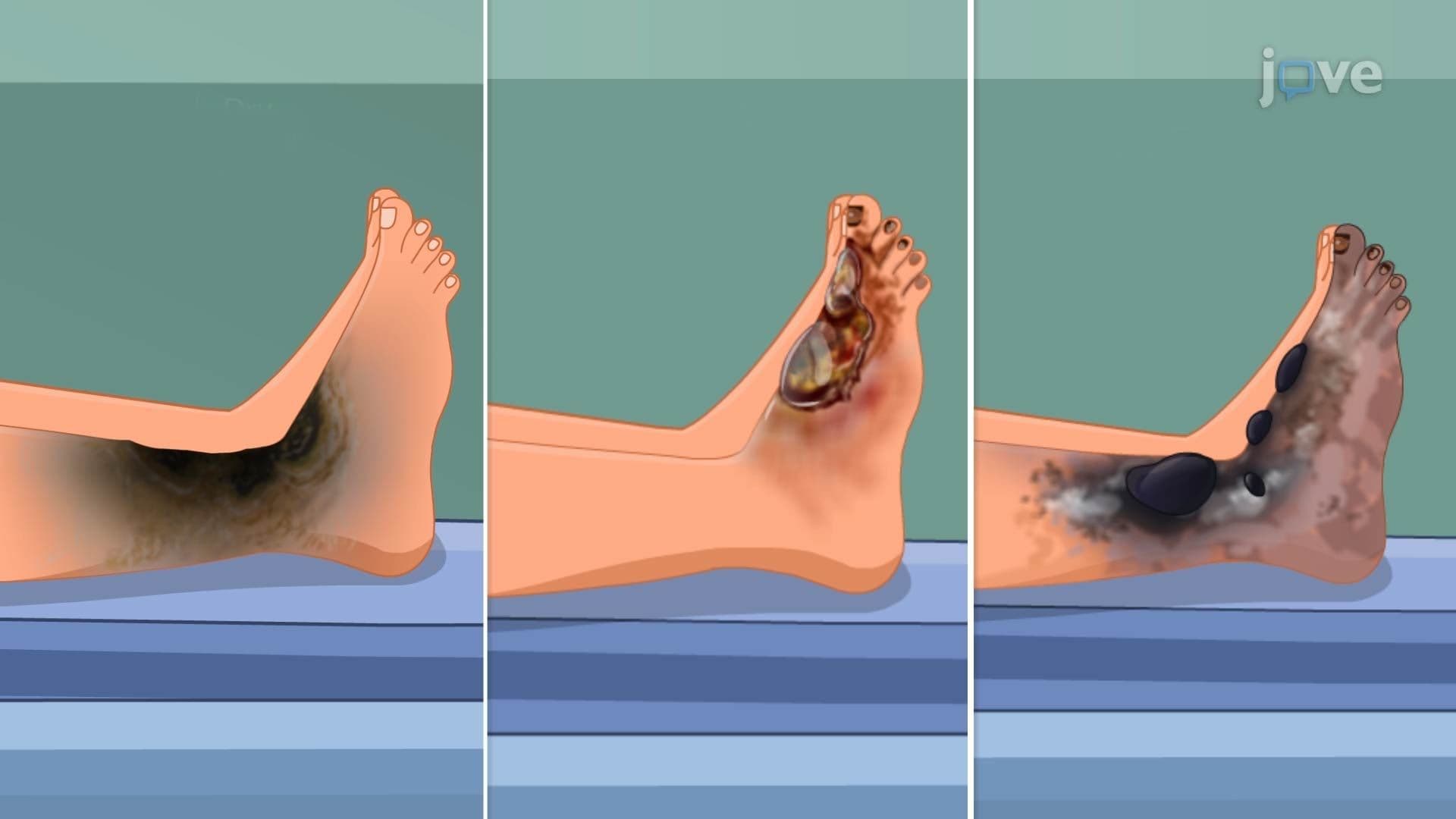
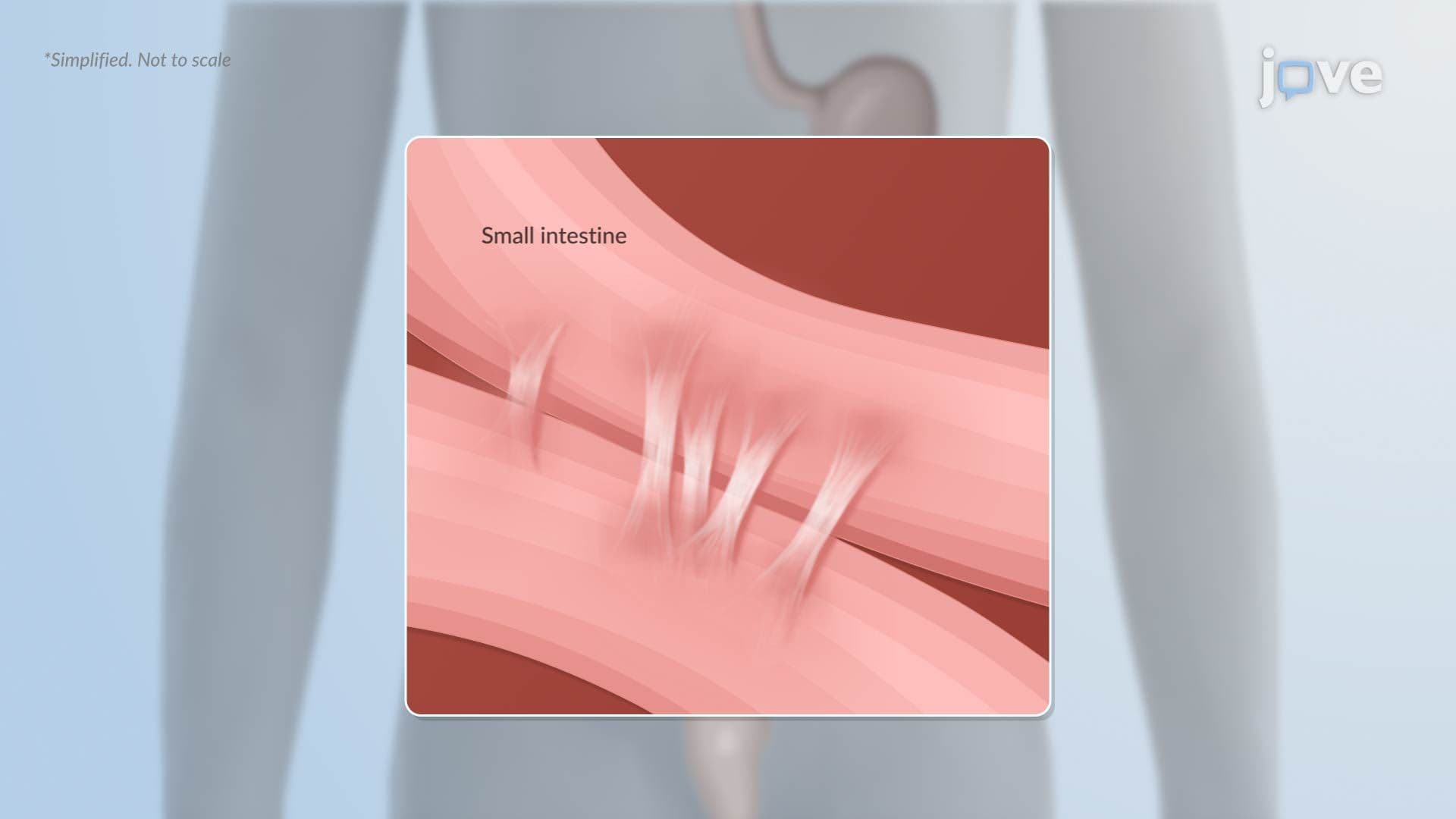
Physical injury encompasses mechanical trauma, thermal extremes, and radiation. A car accident causing blunt force trauma, severe frostbite in a winter emergency, or radiation exposure from cancer treatment, all mechanically or energetically disrupt cellular architecture. At the cellular level, these injuries can rupture membranes, denature proteins, or fragment DNA.
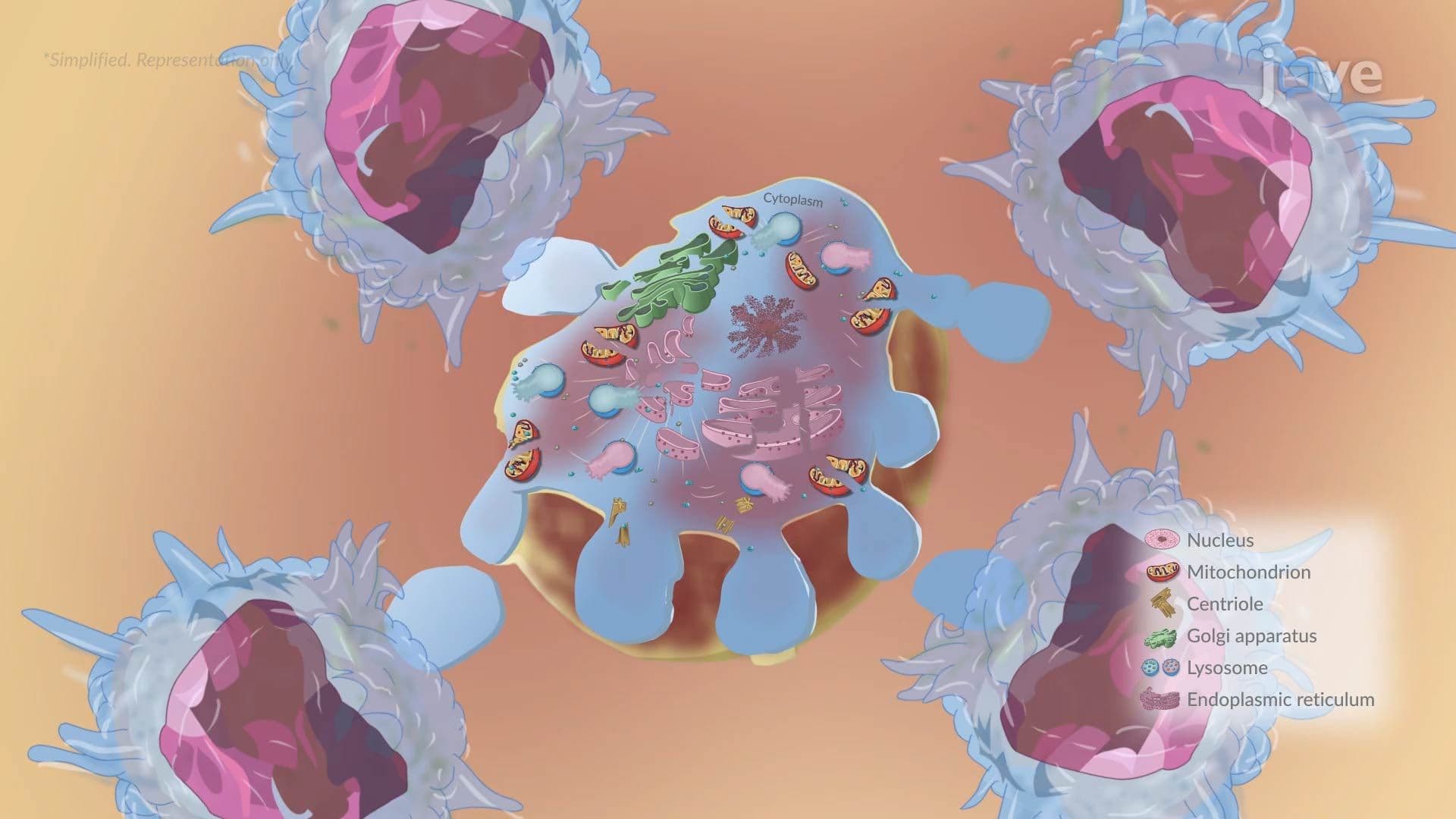
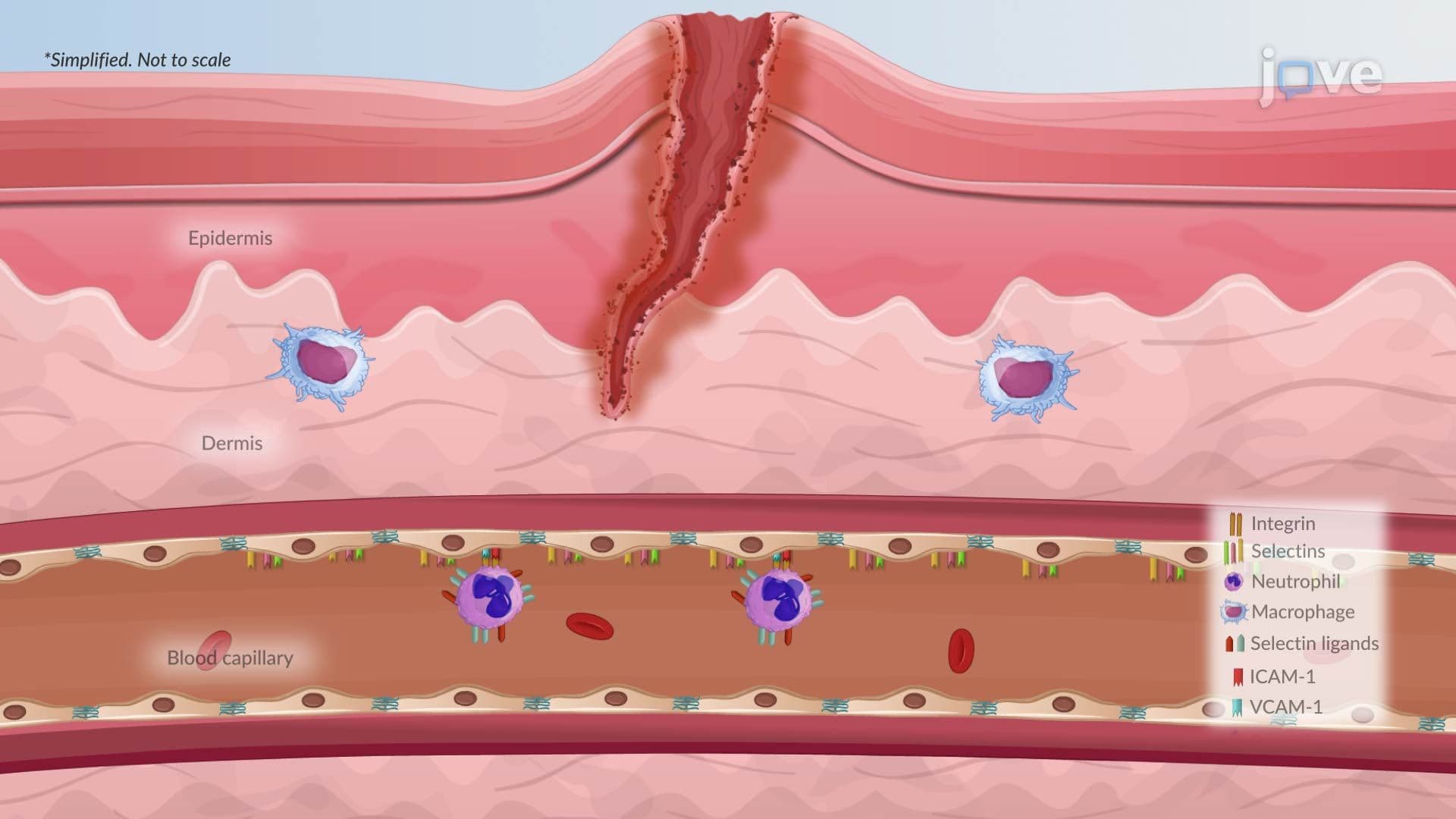
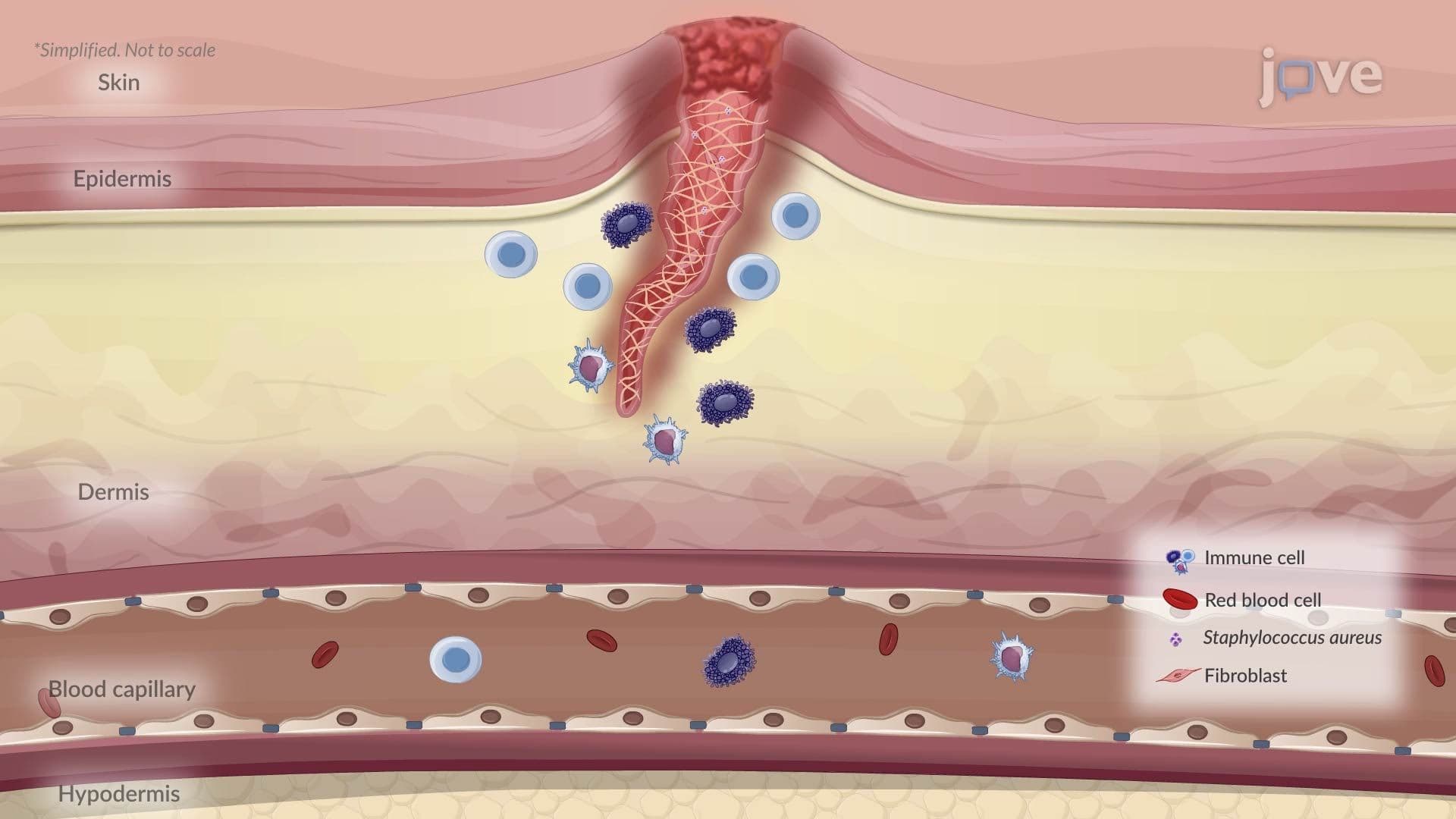
Infectious injury introduces a biological dimension. Pathogens, bacteria, viruses, fungi, and parasites, damage host cells through two overlapping mechanisms. Some produce toxins or directly invade and lyse cells (as seen with Staphylococcus aureus infections). Others trigger such a robust immune response that the resulting inflammation becomes destructive to surrounding healthy tissue. This dual nature of infectious injury helps explain why disease severity varies widely between individuals and infections.
Immunologic injury is particularly fascinating because the damage comes from within, from the body's own defense systems gone wrong. In allergic reactions, immune cells overrespond to harmless antigens. In autoimmune diseases like systemic lupus erythematosus (lupus), the immune system mistakenly targets the body's own tissues, causing chronic inflammation and organ damage. Lupus affects approximately 1.5 million Americans, with women of color disproportionately impacted, making it a compelling real-world example of immunologic cellular injury.
Understanding these five categories prepares students not only for AP Biology and college biology midterms, but also for the disease mechanisms and pathophysiology frameworks central to MCAT preparation. Connecting cellular injury to downstream processes, like inflammation and repair, cellular adaptation, and hemodynamic disorders, builds the integrated thinking that advanced science courses demand.
Related Micro-courses