Loading video…


 18 Concepts
 4.3K views

Video Summary: What Is Inflammation
Ever wonder why a sprained ankle turns red, swells up, and throbs with pain? That's inflammation doing exactly what it's designed to do. Inflammation is the body's frontline defense against injury, infection, and harmful exposures. From sunburns on a summer day to allergic reactions triggered by pollen, inflammation basics explain how living tissue fights back. Watch the full video on JoVE Coach to master this concept with expert-led visuals and step-by-step explanations.
Inflammation is one of the most fundamental concepts in biology and medicine, and one of the most misunderstood. While the word often carries a negative connotation, inflammation is actually a protective and necessary biological process. It is the body's rapid, coordinated response to tissue damage, foreign invasion, or chemical harm. Understanding inflammation basics is essential not just for biology class, but for any deeper study of disease mechanisms, pathology, and pathophysiology.
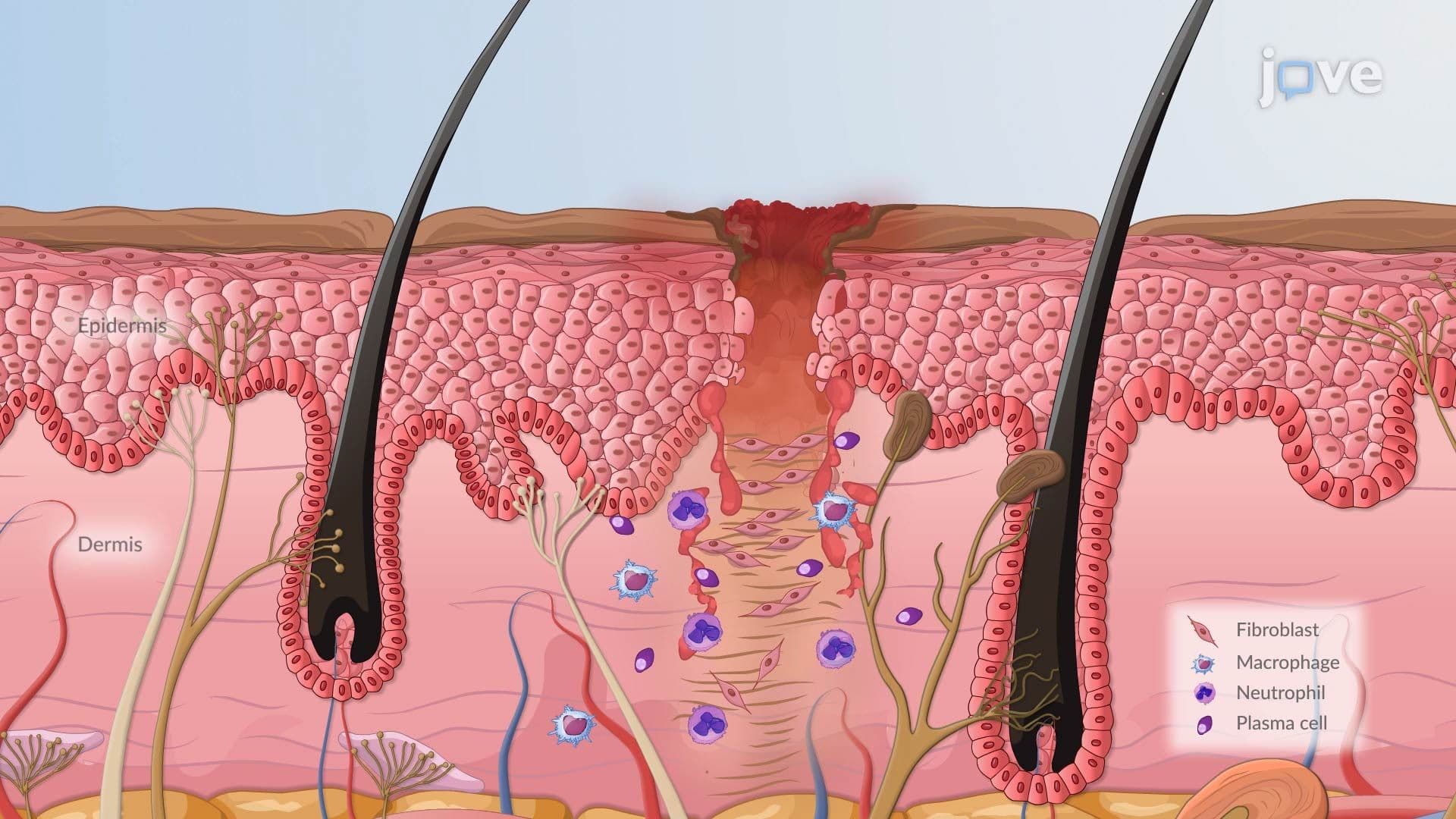
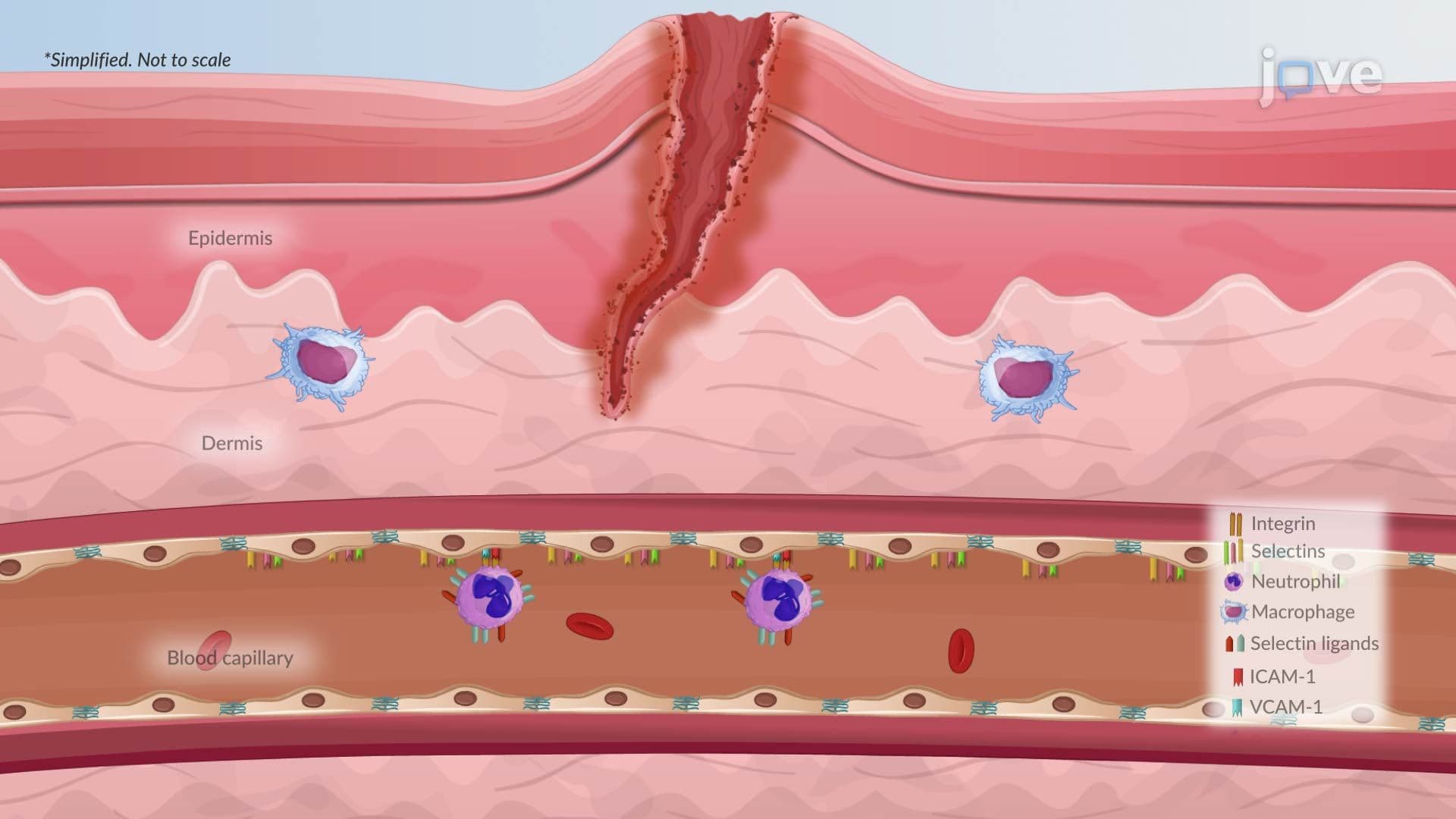
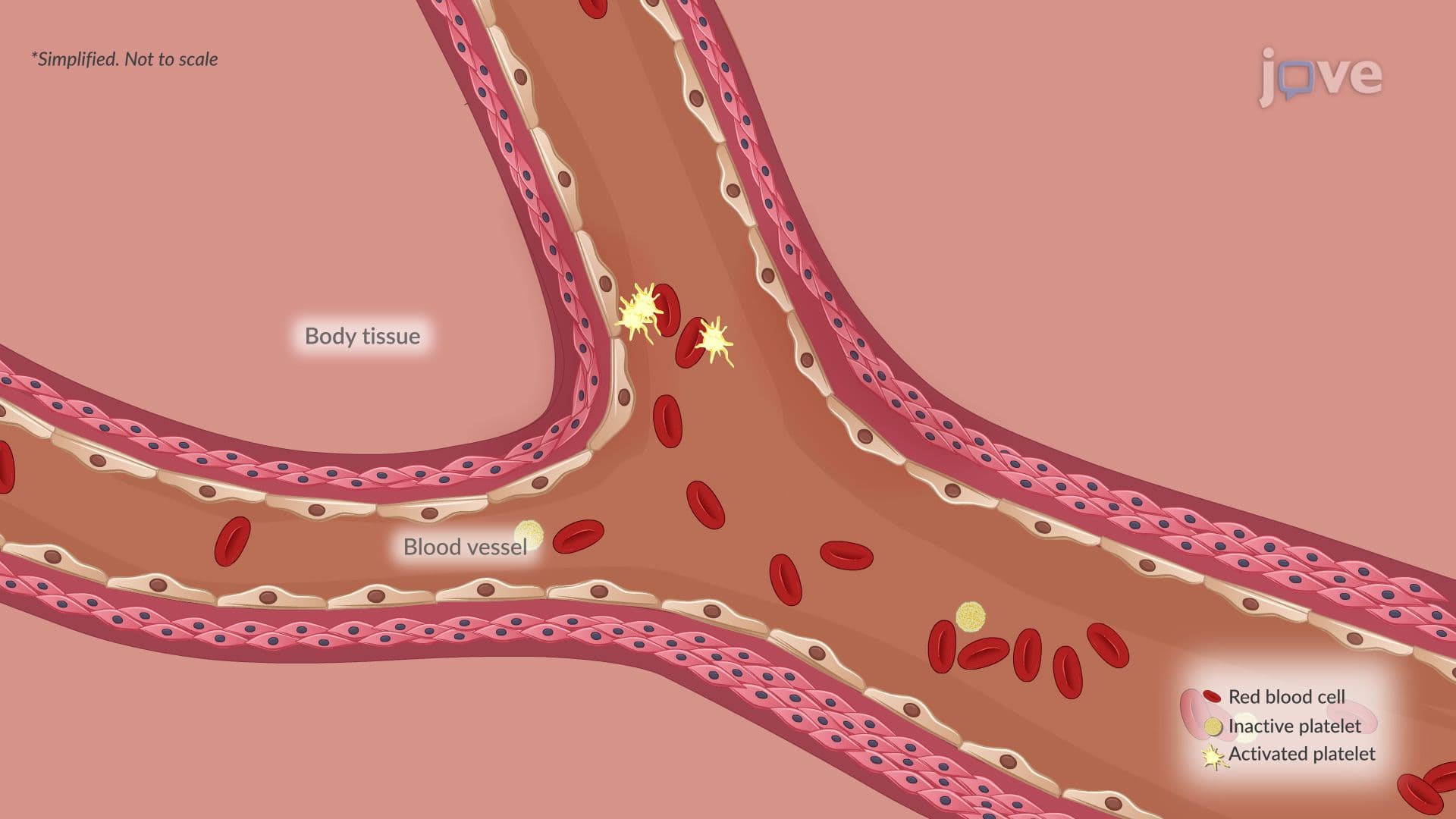
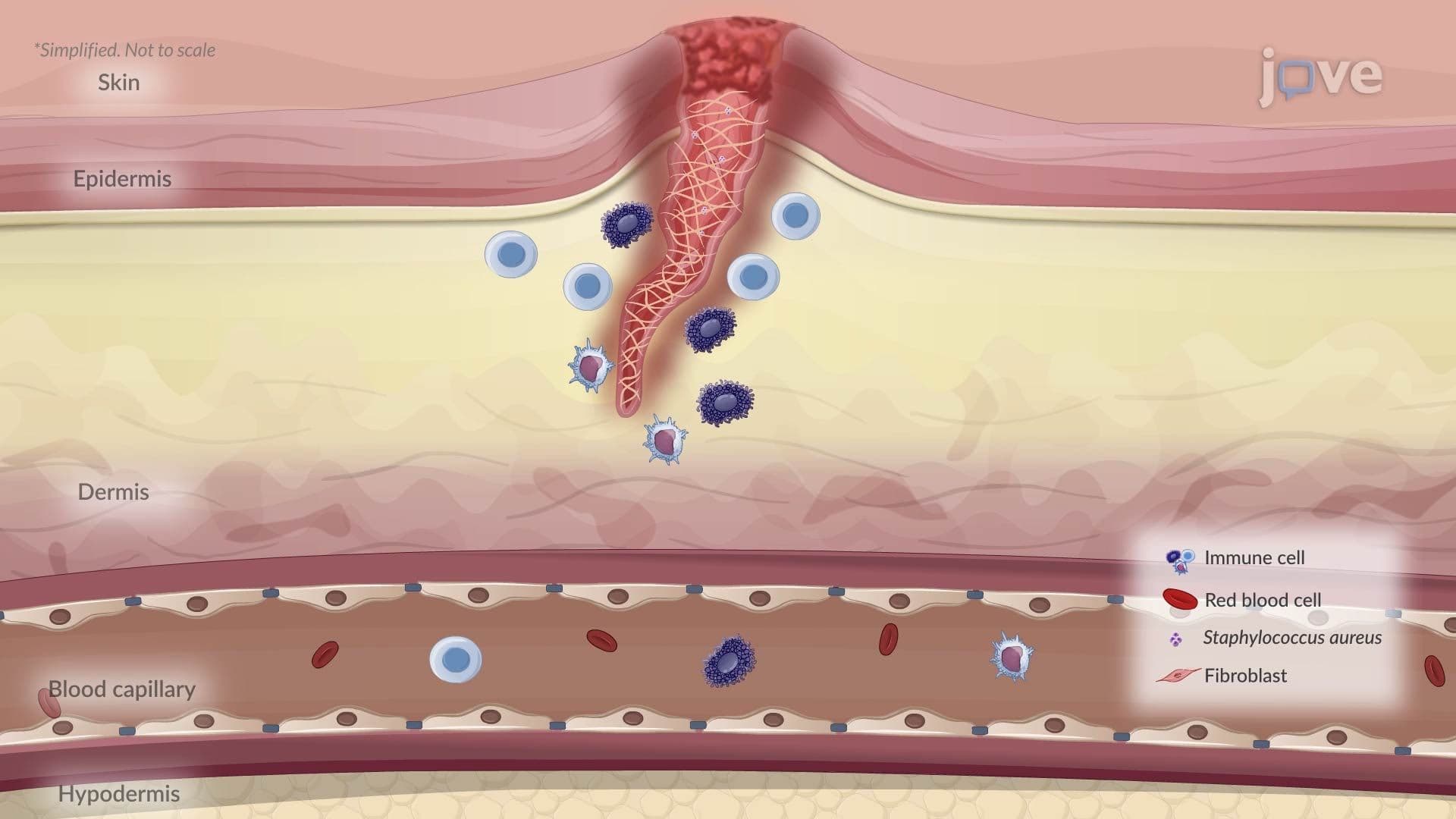
The five classic signs of inflammation, redness (rubor), heat (calor), swelling (tumor), pain (dolor), and loss of function (functio laesa), were first described by ancient physicians and remain clinically relevant today. Each sign has a physiological explanation. Redness and heat result from increased blood flow to the injured area. Swelling occurs as fluid and immune cells leak from blood vessels into surrounding tissue. Pain arises from chemical mediators like prostaglandins and bradykinin stimulating nerve endings. Together, these responses isolate damage, recruit immune cells, and begin the healing process.
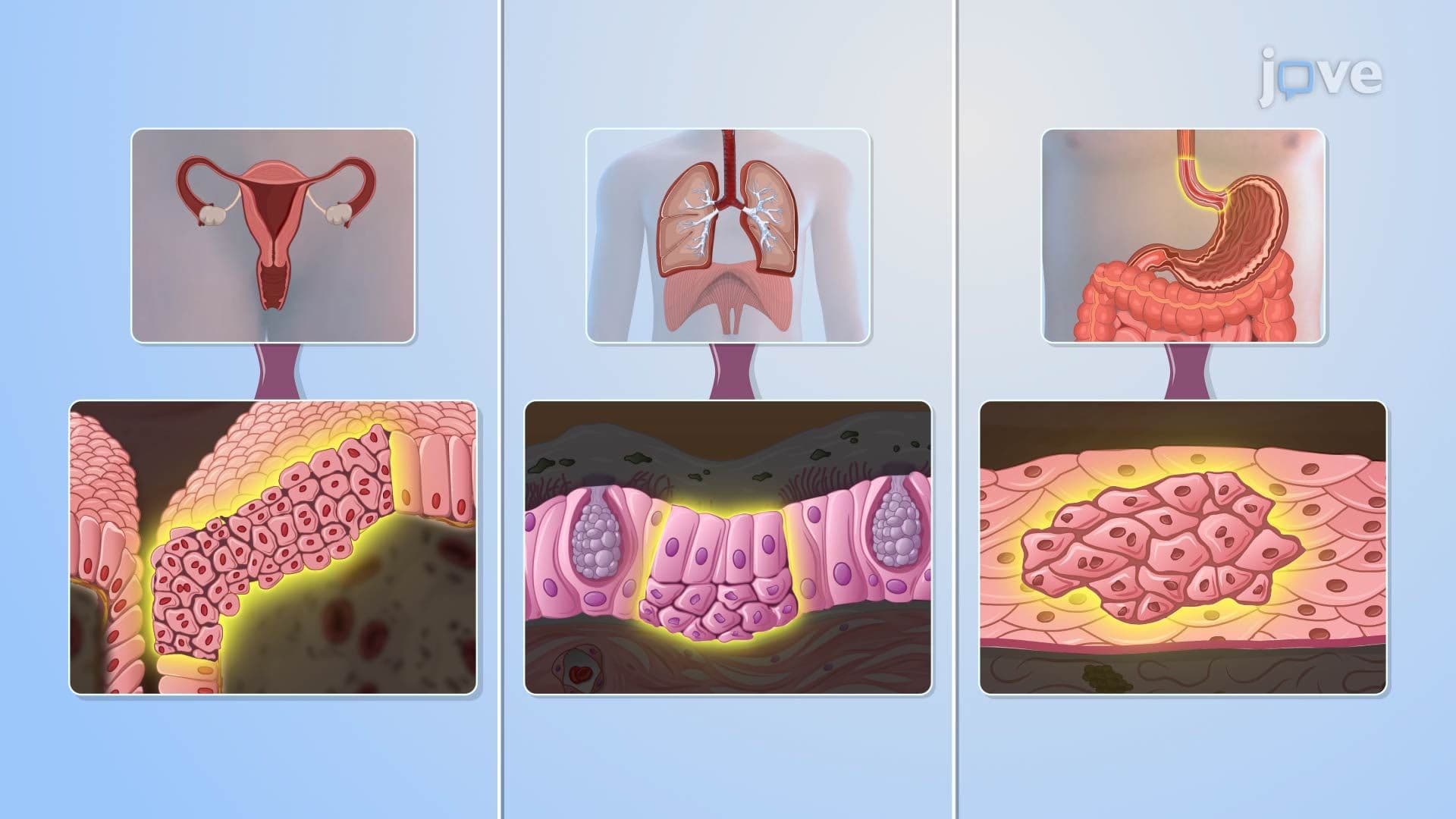
Inflammation can be triggered by a wide variety of stimuli, which is why it appears across so many medical conditions:
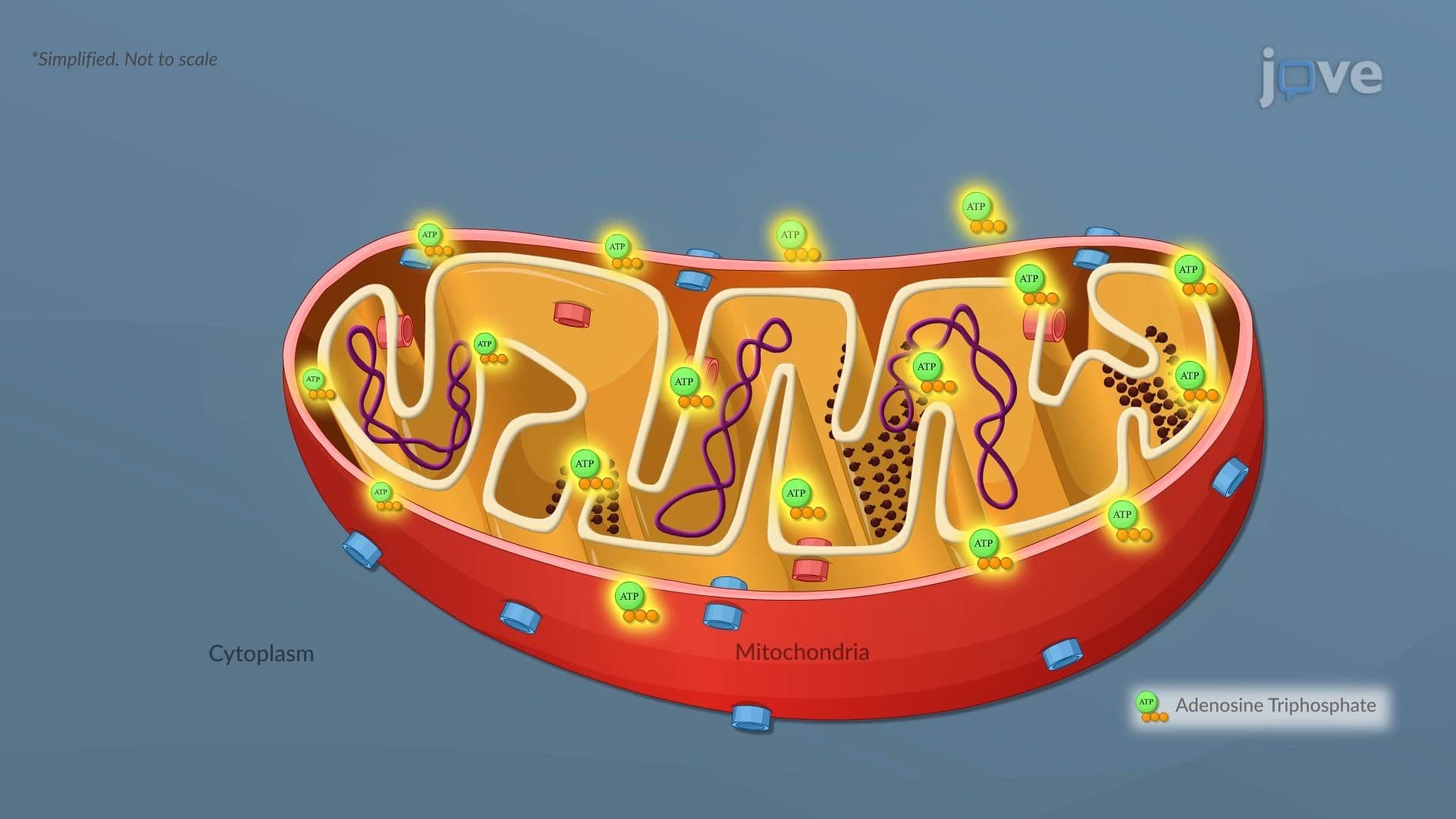
Students often ask: *What is the difference between pathology and pathophysiology?* Pathology studies the nature and causes of disease, while pathophysiology examines the functional changes that occur as disease develops. Inflammation sits squarely at the intersection of both. It is a mechanism by which cellular injury and death can escalate into full-scale disease, or alternatively, lead to tissue repair and recovery. Chronic inflammation, for example, underlies conditions like rheumatoid arthritis, atherosclerosis, and Crohn's disease.
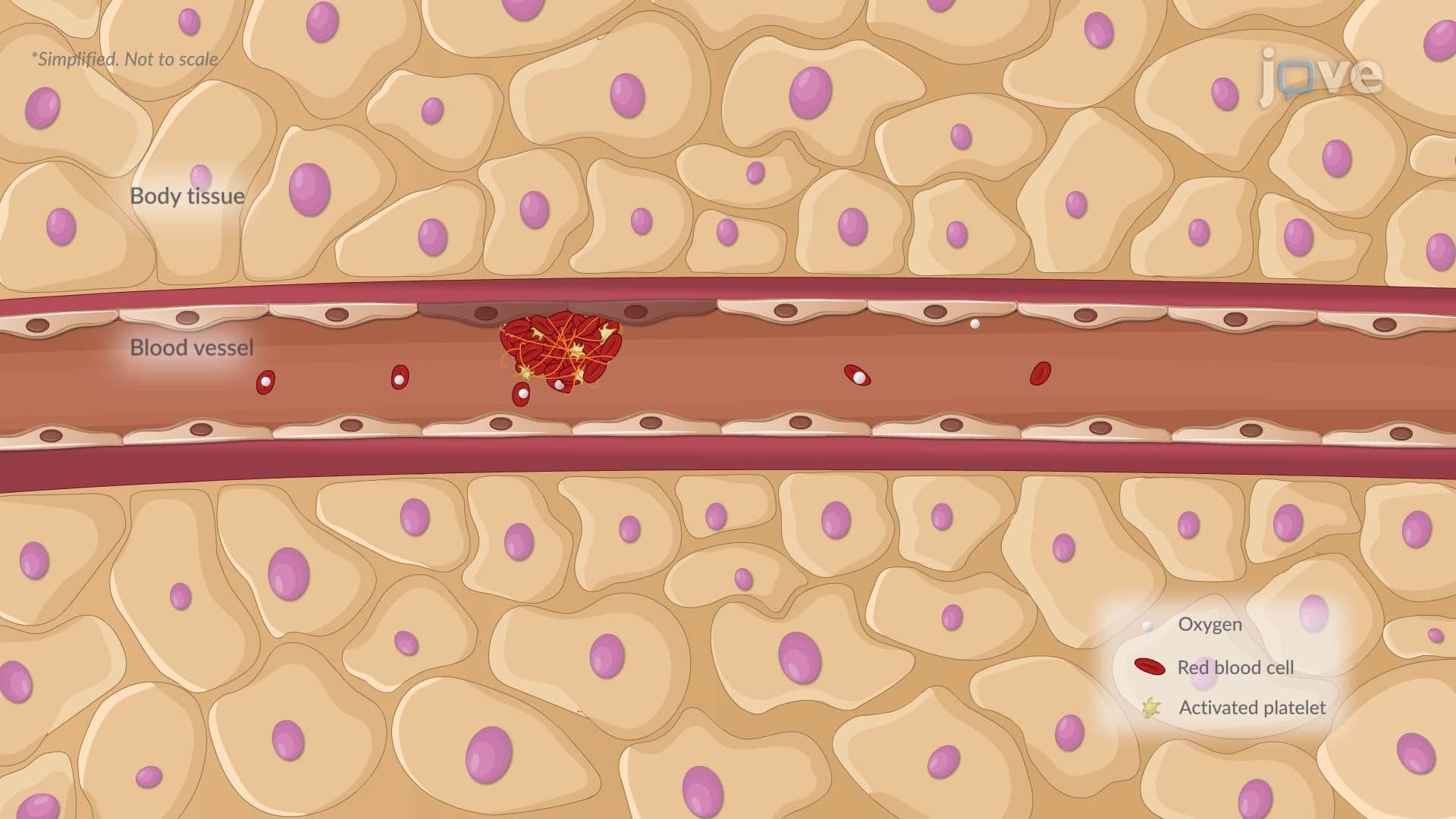
On AP Biology, the MCAT, and college-level pathophysiology midterms, inflammation is a high-yield topic. Questions frequently ask students to distinguish between acute and chronic inflammation, identify mediators like histamine and cytokines, or trace how the body responds to cellular injury step by step. Mastering this concept early creates a strong scaffold for understanding hemodynamic disorders, genetics and disease, and cellular adaptation, all interrelated topics in the study of how diseases develop.
Related Micro-courses