Loading video…


 27 Concepts
 4.7K views

Video Summary: What Is Diabetes Insipidus I
Imagine urinating 15 liters of water in a single day, that's what someone with diabetes insipidus experiences. Diabetes Insipidus I basics reveal a condition where the body either stops making antidiuretic hormone (ADH) or can't respond to it, causing extreme fluid loss and relentless thirst. At major US hospitals like Mayo Clinic, this diagnosis shapes critical fluid management decisions. Watch the full video on JoVE Coach to master this concept with expert-led visuals and step-by-step explanations.
Diabetes Insipidus I is not related to blood sugar, despite sharing a name with diabetes mellitus. Instead, it is a disorder of water regulation, a critical distinction that confuses many students. The condition is defined by two hallmark symptoms: polyuria (excessive urination, often 10-20 liters per day) and polydipsia (intense, unrelenting thirst). Understanding this condition requires a firm grasp of how the antidiuretic hormone (ADH), also called vasopressin, normally governs kidney function and fluid retention.
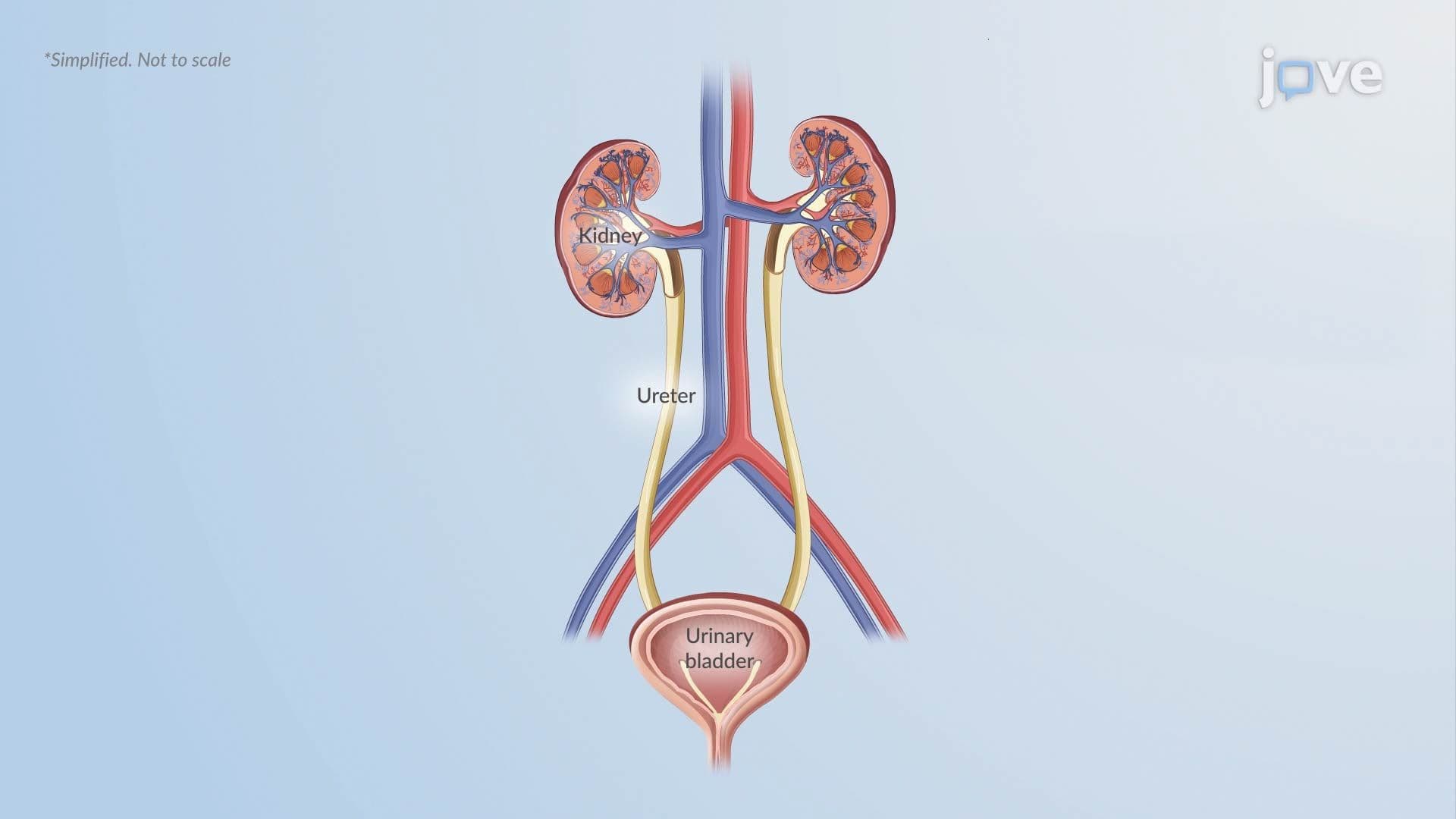
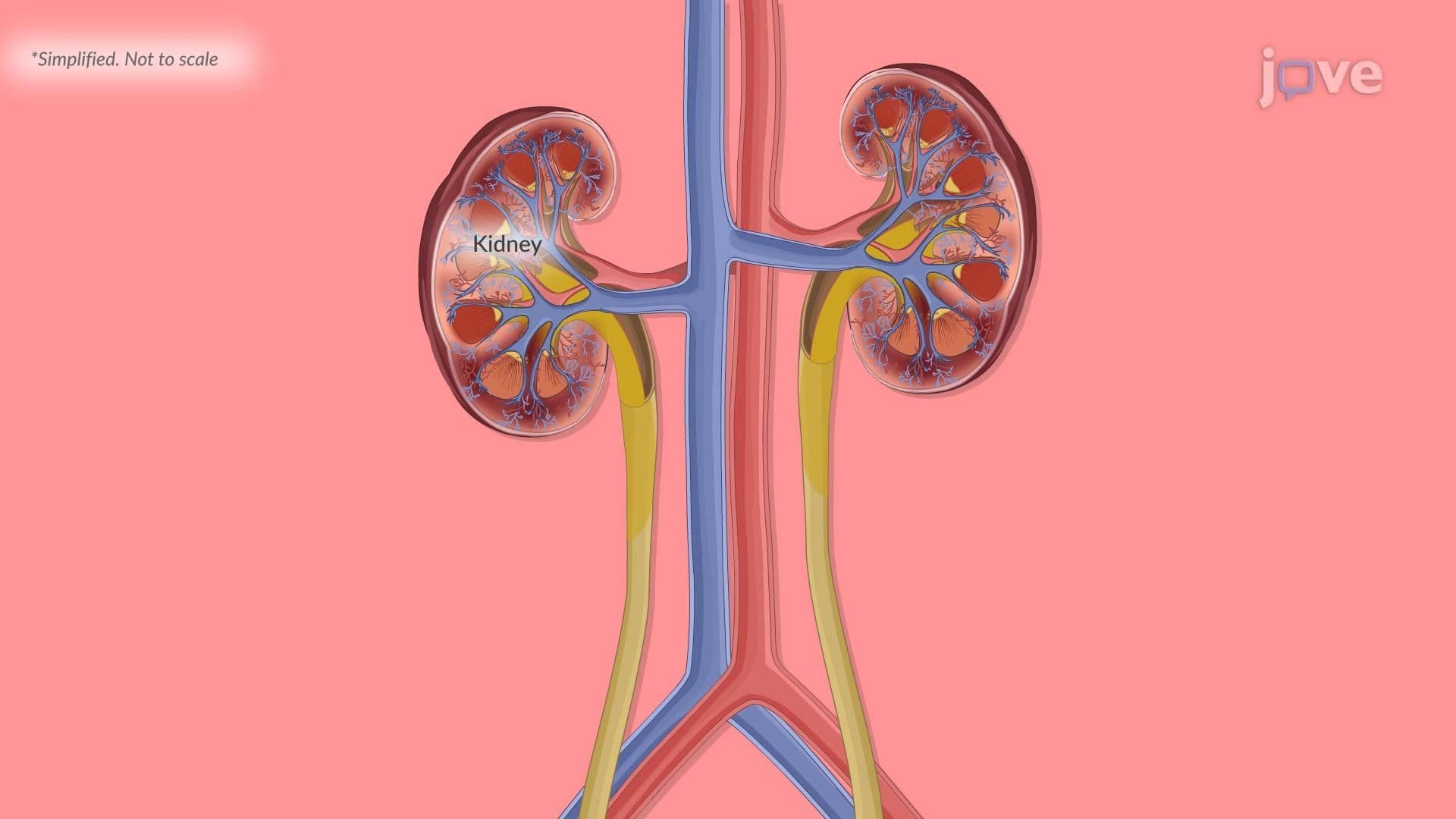
Under healthy conditions, the hypothalamus produces ADH, which is stored and released by the posterior pituitary gland. When the body is dehydrated or blood osmolality rises, ADH signals the kidneys, specifically the collecting ducts, to reabsorb water rather than excrete it. This keeps urine concentrated and the body hydrated. A functioning ADH pathway produces just 1-2 liters of urine daily. When this pathway is broken, either at the production end or the reception end, the kidneys lose their ability to concentrate urine, and fluid is lost rapidly.
Each type of DI stems from a different point of failure in the ADH system:
Clinically, DI presents as frequent urination that persists even during dehydration, a key differentiator from other causes of polyuria. Adults often report marked nocturia (waking at night to urinate), while children may present with enuresis (bedwetting). Severe thirst is prominent; when fluid intake can't keep up with loss, dangerous dehydration follows.
DI is typically diagnosed using a water deprivation test, followed by ADH (desmopressin) administration to distinguish central from nephrogenic types. This diagnostic framework connects DI to broader questions students encounter in courses on endocrine disorders, such as how are endocrine disorders diagnosed?, alongside conditions like adrenal insufficiency, Cushing's syndrome, hypothyroidism, and hyperthyroidism.
For AP Biology, college-level Anatomy & Physiology, and MCAT prep, DI is a model case study in negative feedback regulation and hormonal signaling. It illustrates what happens when homeostasis fails, a core concept across virtually every biology curriculum.
Related Micro-courses