Loading video…


 27 Concepts
 4.7K views

Video Summary: What Is Hyperosmolar Hyperglycemic State
Blood glucose exceeding 600 mg/dL, without ketones, sounds impossible, yet that's exactly what happens in Hyperosmolar Hyperglycemic State. This dangerous complication of type 2 diabetes causes severe dehydration and sky-high serum osmolality, landing thousands of older Americans in US emergency rooms every year. Unlike DKA, minimal ketoacidosis is present, making it uniquely dangerous. Watch the full video on JoVE Coach to master this concept with expert-led visuals and step-by-step explanations.
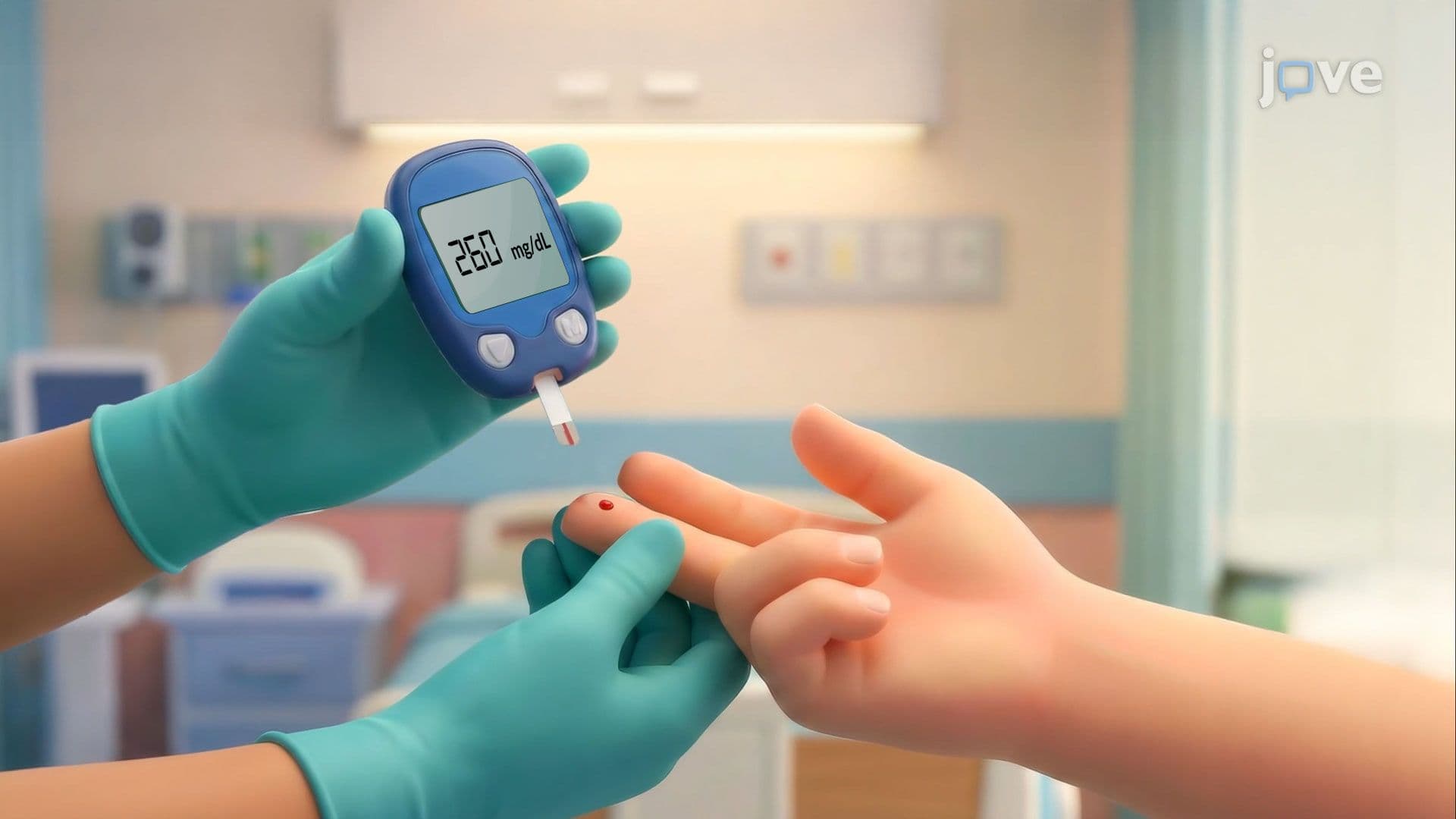
Hyperosmolar Hyperglycemic State (HHS) is one of the most severe acute complications of type 2 diabetes mellitus. It is defined by three hallmarks: blood glucose levels exceeding 600 mg/dL, a serum osmolality above 320 milliosmoles per kilogram (mOsm/kg), and the near-complete absence of ketoacidosis. While diabetic ketoacidosis (DKA) tends to appear in younger patients with type 1 diabetes, HHS most commonly strikes older adults, particularly those in nursing homes or with limited access to fluids, making it a critical topic in both clinical medicine and health science coursework.
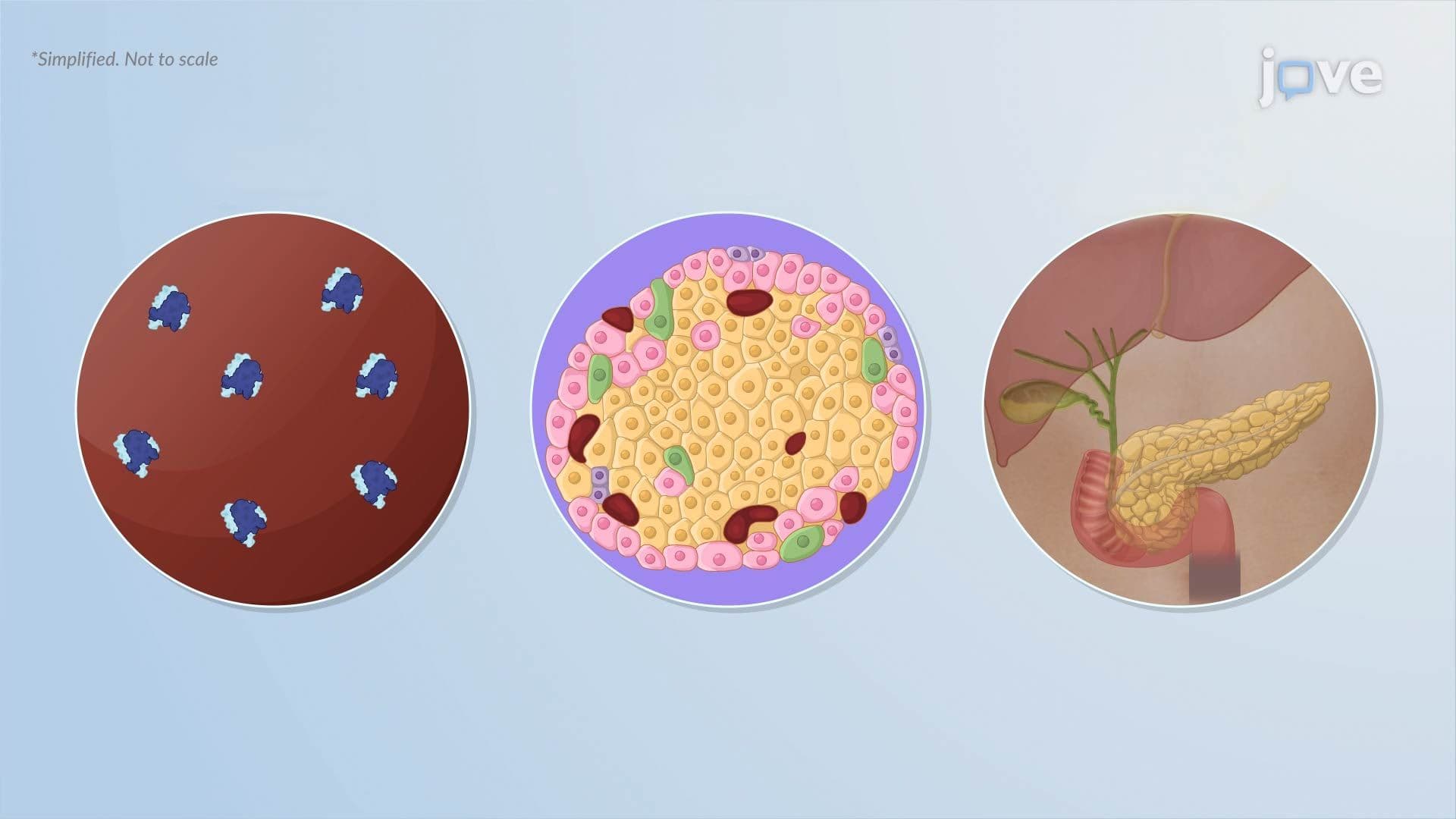
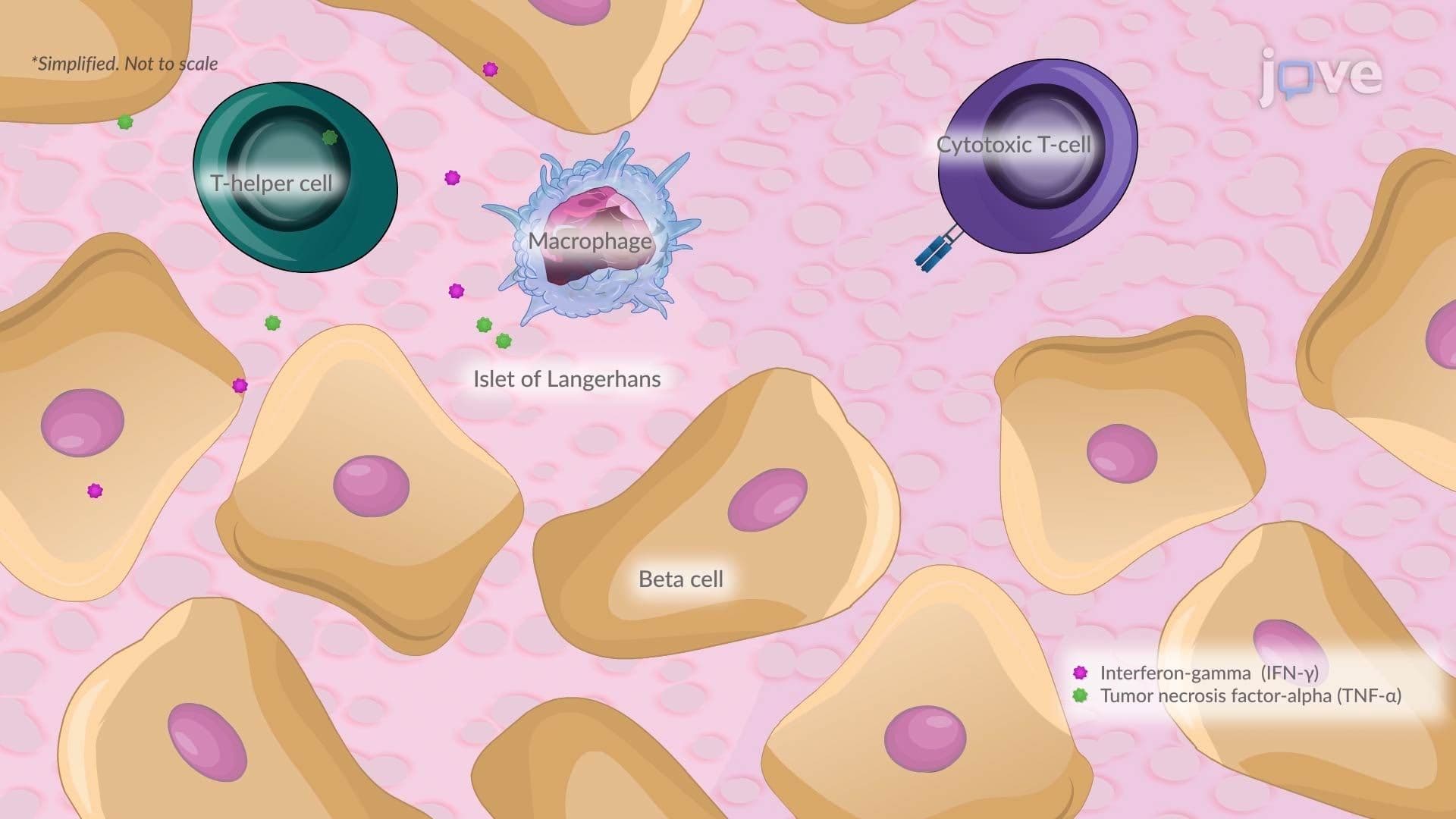
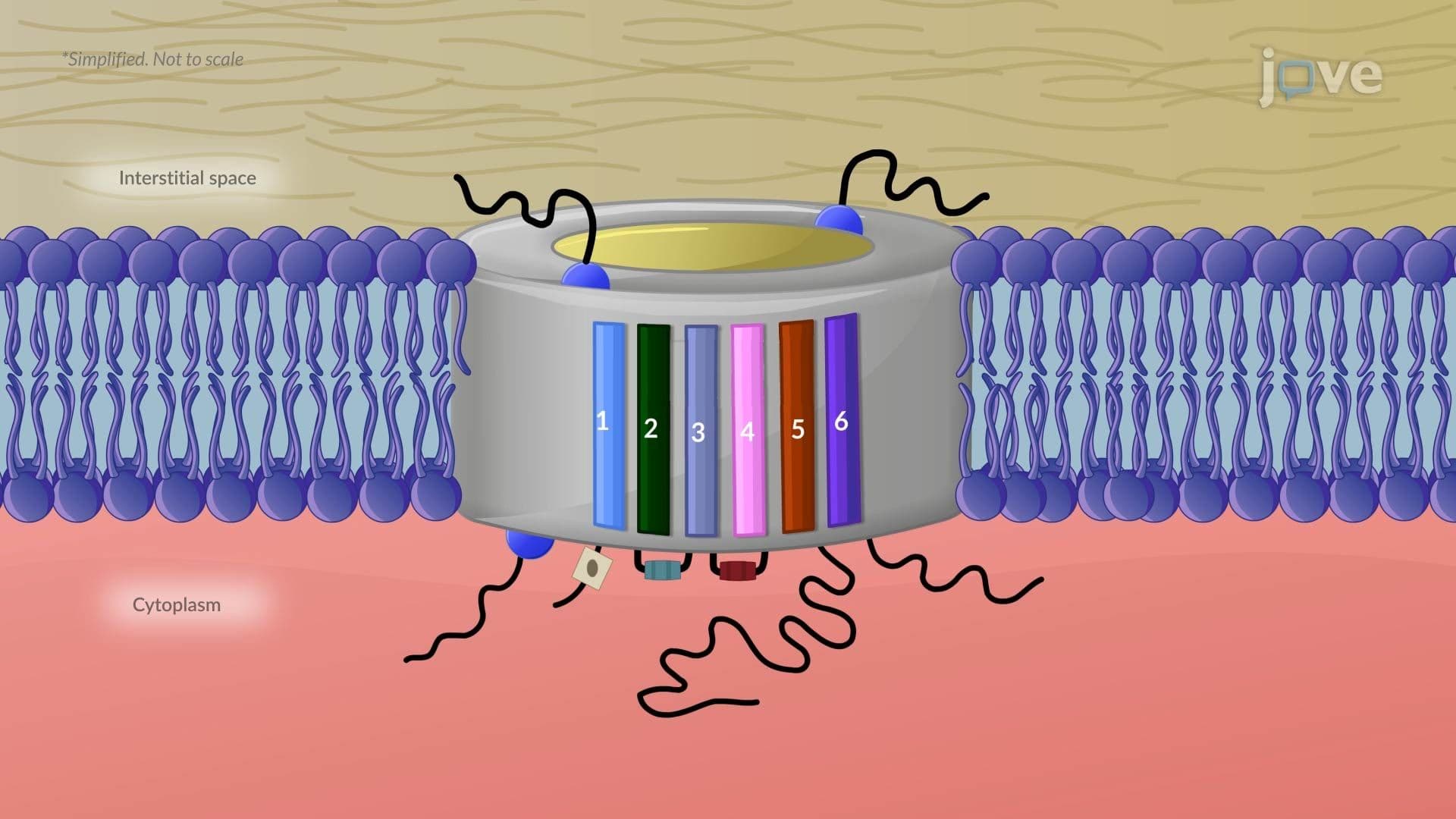
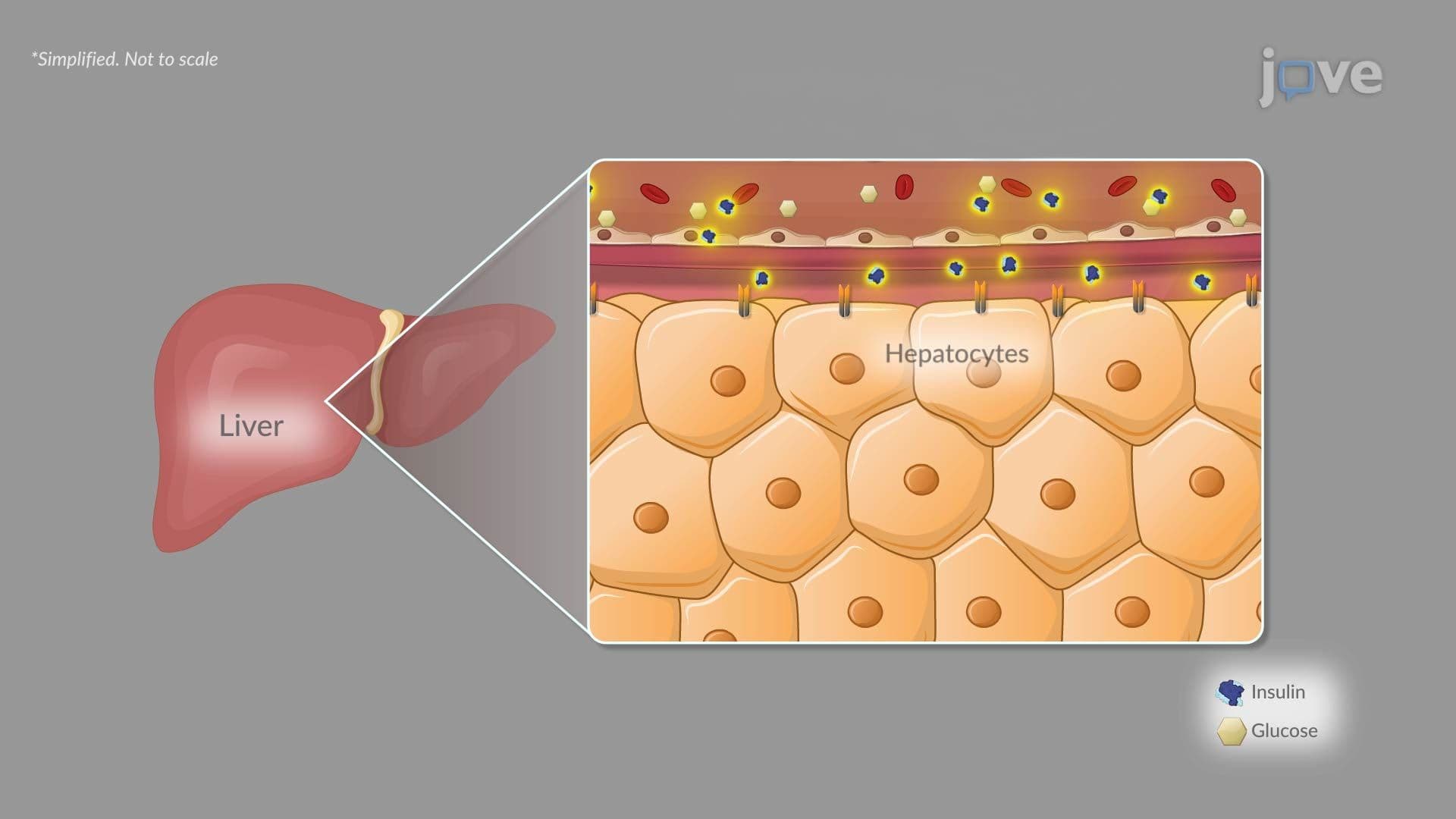
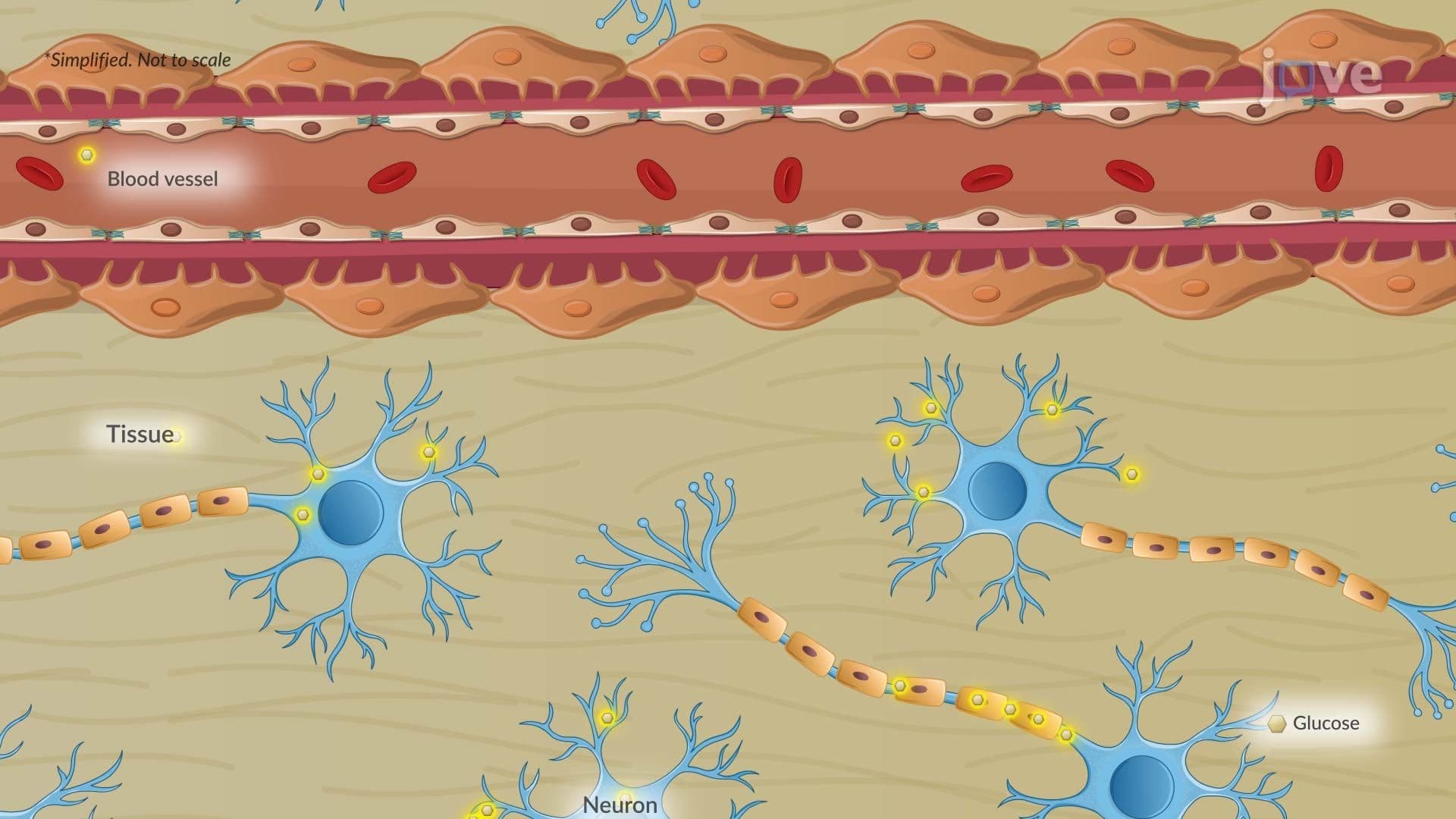
The root cause of HHS lies in severe insulin resistance combined with relative insulin deficiency. In type 2 diabetes, the pancreas still produces some insulin, enough to block the breakdown of fats into ketones (preventing ketoacidosis), but not nearly enough to drive glucose into cells or keep blood sugar under control.
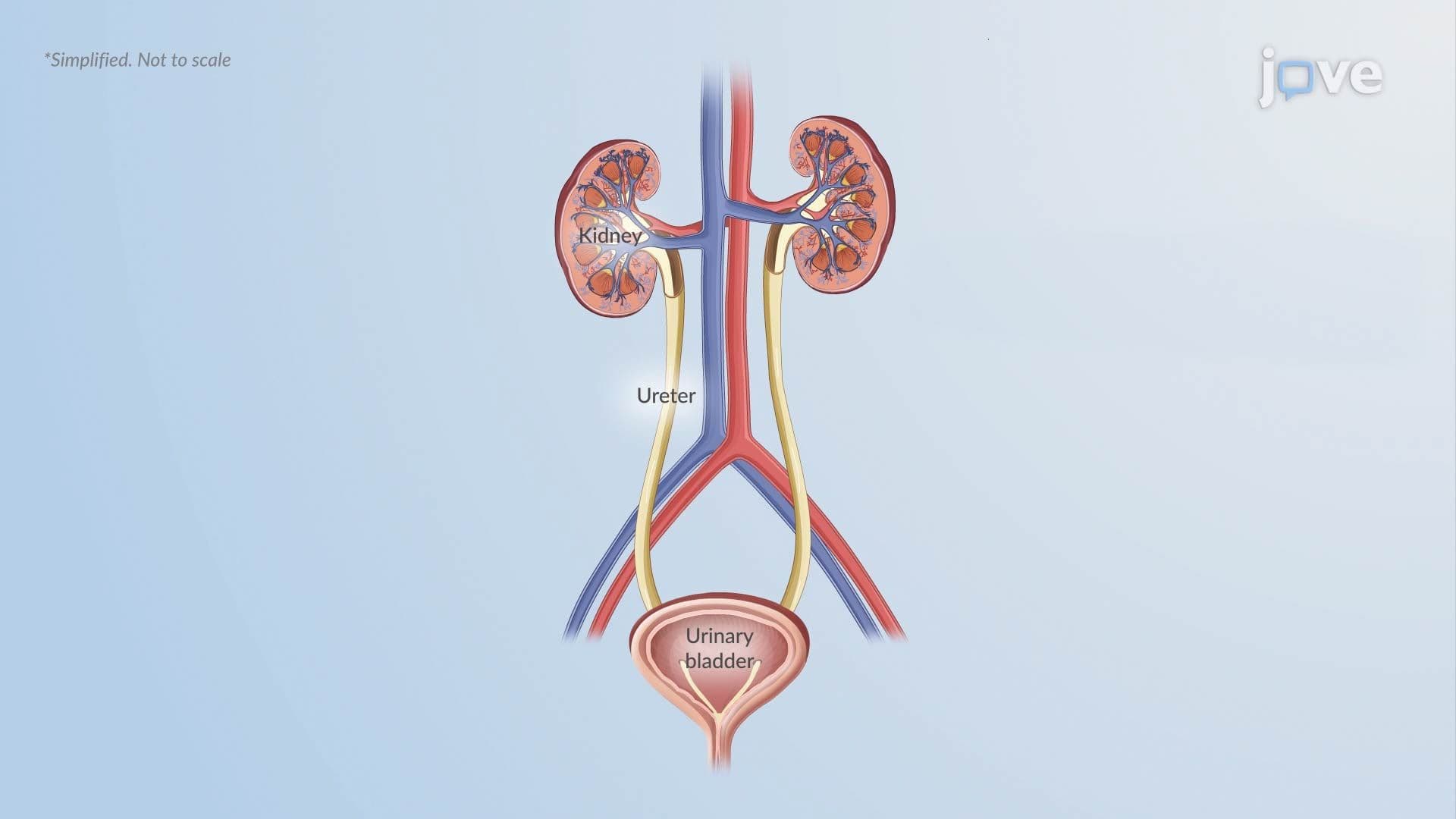
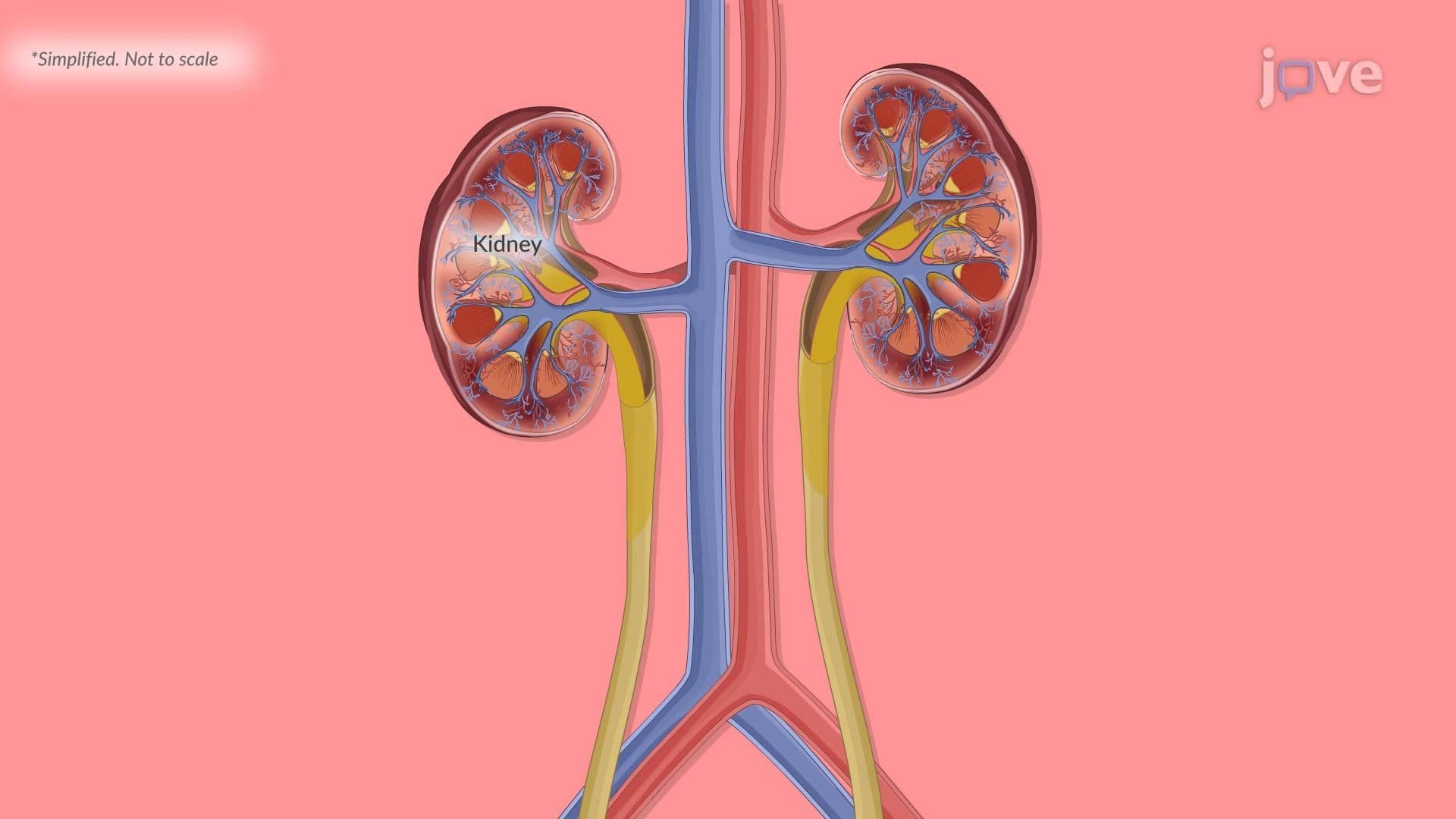
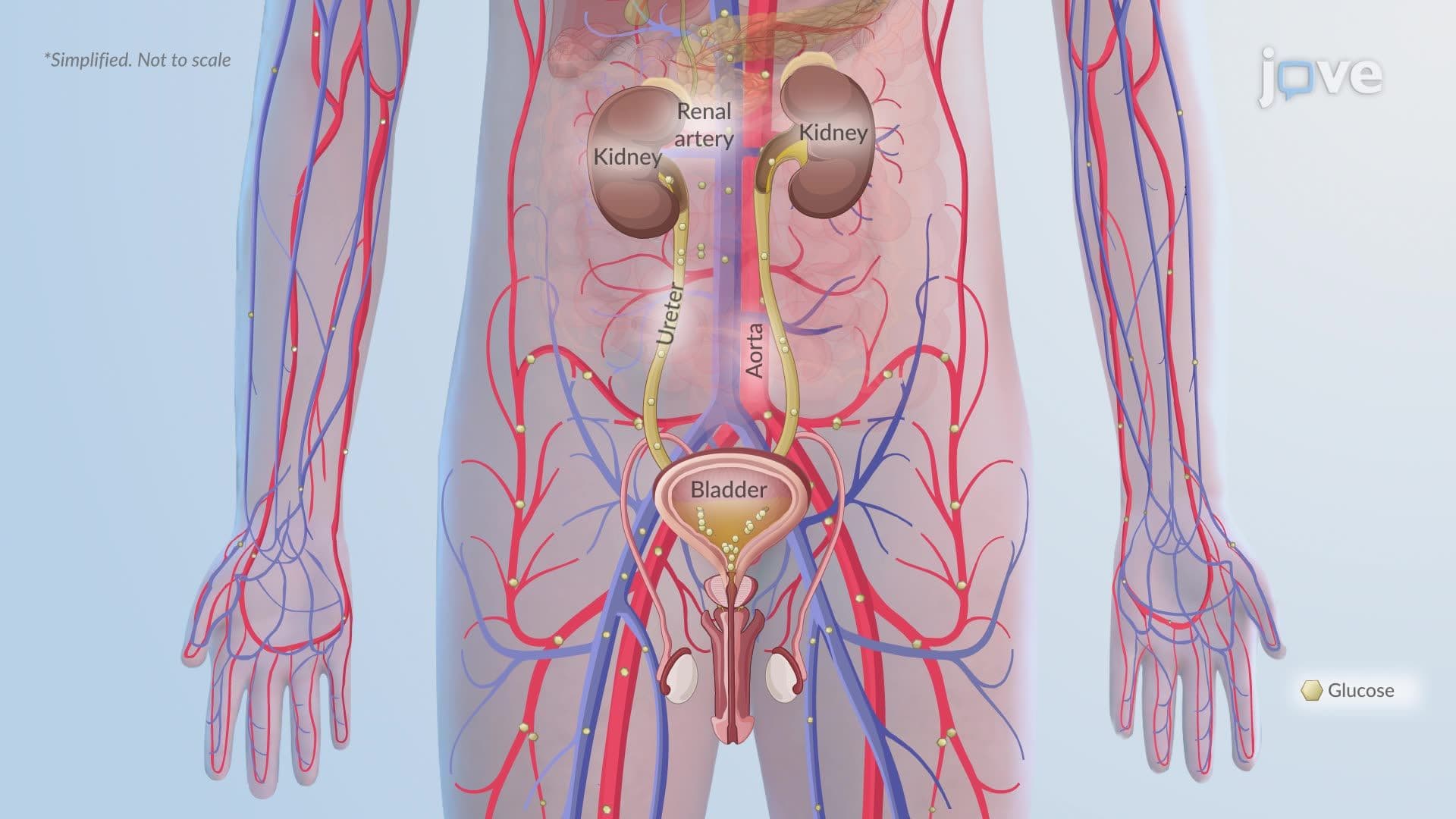
As blood glucose climbs above the kidney's reabsorption threshold (roughly 180 mg/dL), glucose spills into the urine. This triggers osmotic diuresis, the body loses enormous amounts of water and electrolytes through urine. The result is profound dehydration and a dangerous rise in serum osmolality, which reflects how concentrated the blood has become. Think of it like evaporating water from a saltwater solution: the salt gets more and more concentrated.
HHS rarely develops out of nowhere. It is almost always triggered by a stressor that tips a person with poorly controlled type 2 diabetes over the edge. Common precipitants include:
In clinical practice, emergency physicians in US hospitals often screen for these triggers when evaluating an HHS patient in the ICU, because treating the underlying cause is just as critical as correcting the hyperglycemia and dehydration.
One of the most tested distinctions in courses like AP Biology, college pathophysiology, and on exams like the MCAT and USMLE is the difference between HHS and diabetic ketoacidosis (DKA). Here's the key contrast:
| Feature | HHS | DKA | |---|---|---| | Blood glucose | >600 mg/dL | >250 mg/dL | | Ketones | Minimal/absent | Significantly elevated | | Serum osmolality | >320 mOsm/kg | Mildly elevated | | Acidosis | Absent | Present | | Typical patient | Older adult, type 2 | Younger, type 1 |
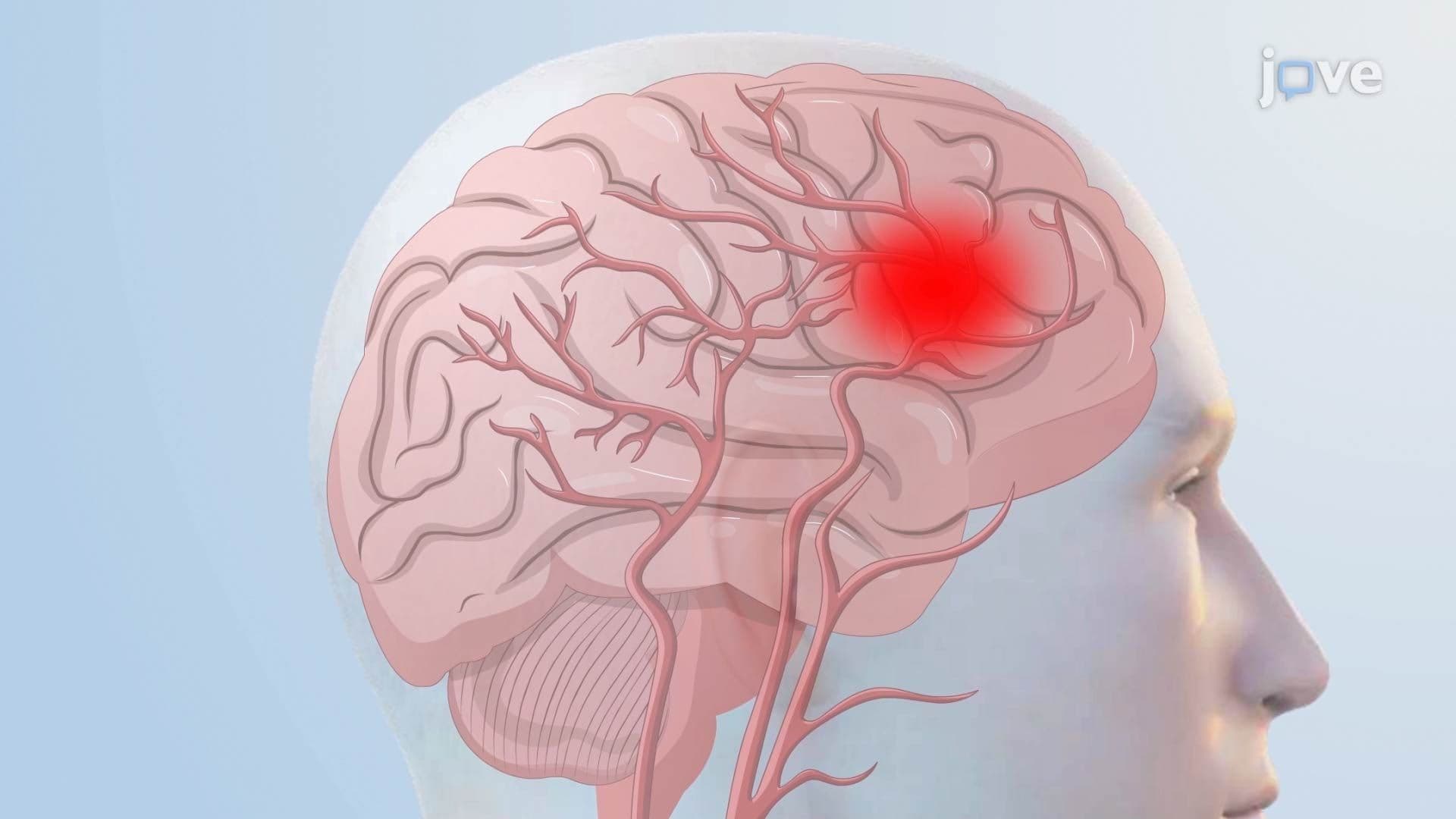
In HHS, enough insulin exists to suppress fat breakdown and ketogenesis, but not enough to normalize blood glucose. This is why understanding the partial insulin deficiency model is essential. Examiners on the MCAT and NCLEX frequently test whether students can identify which condition presents with altered mental status, absent ketones, and extreme hyperglycemia, that's HHS.
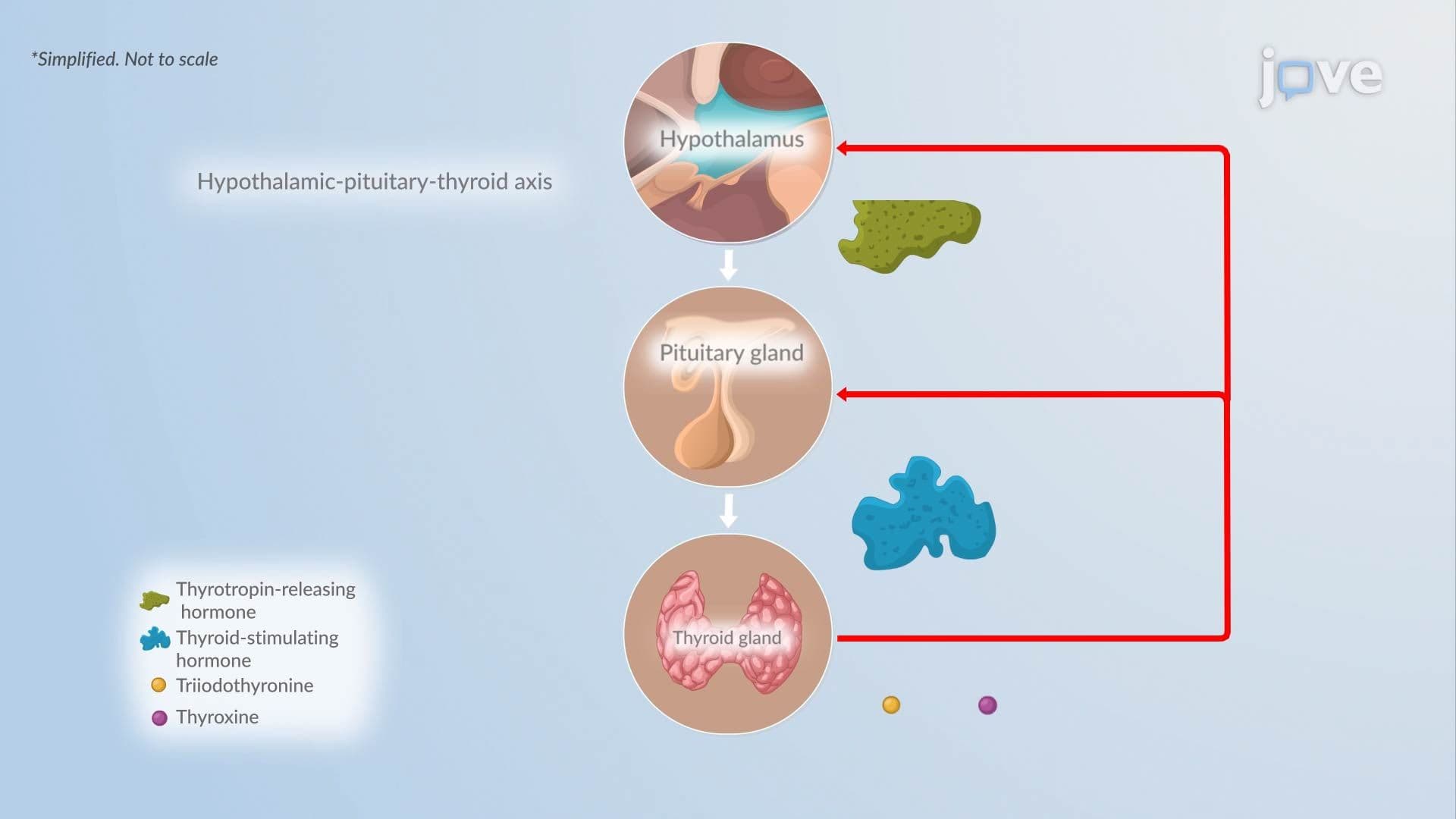
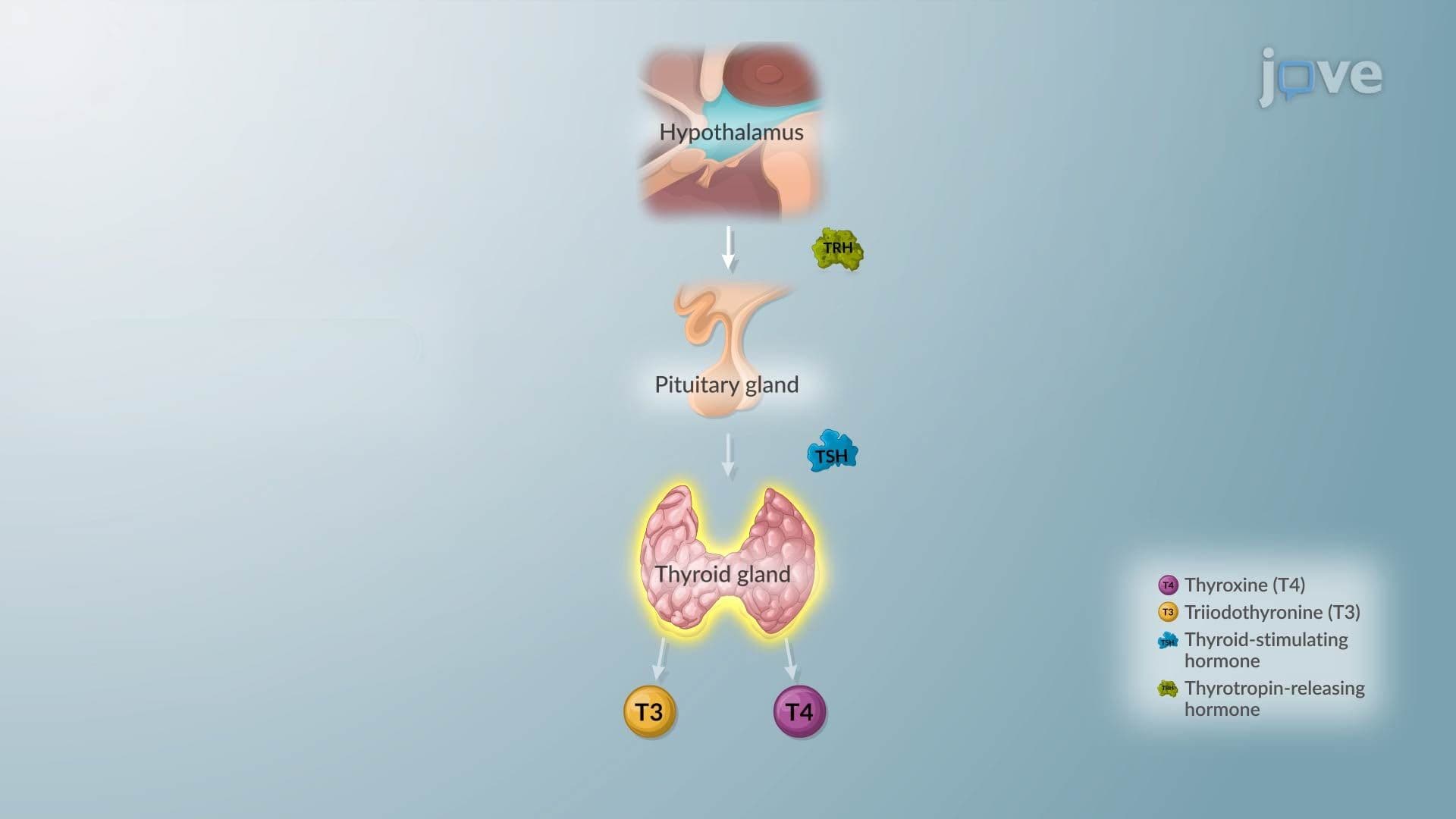
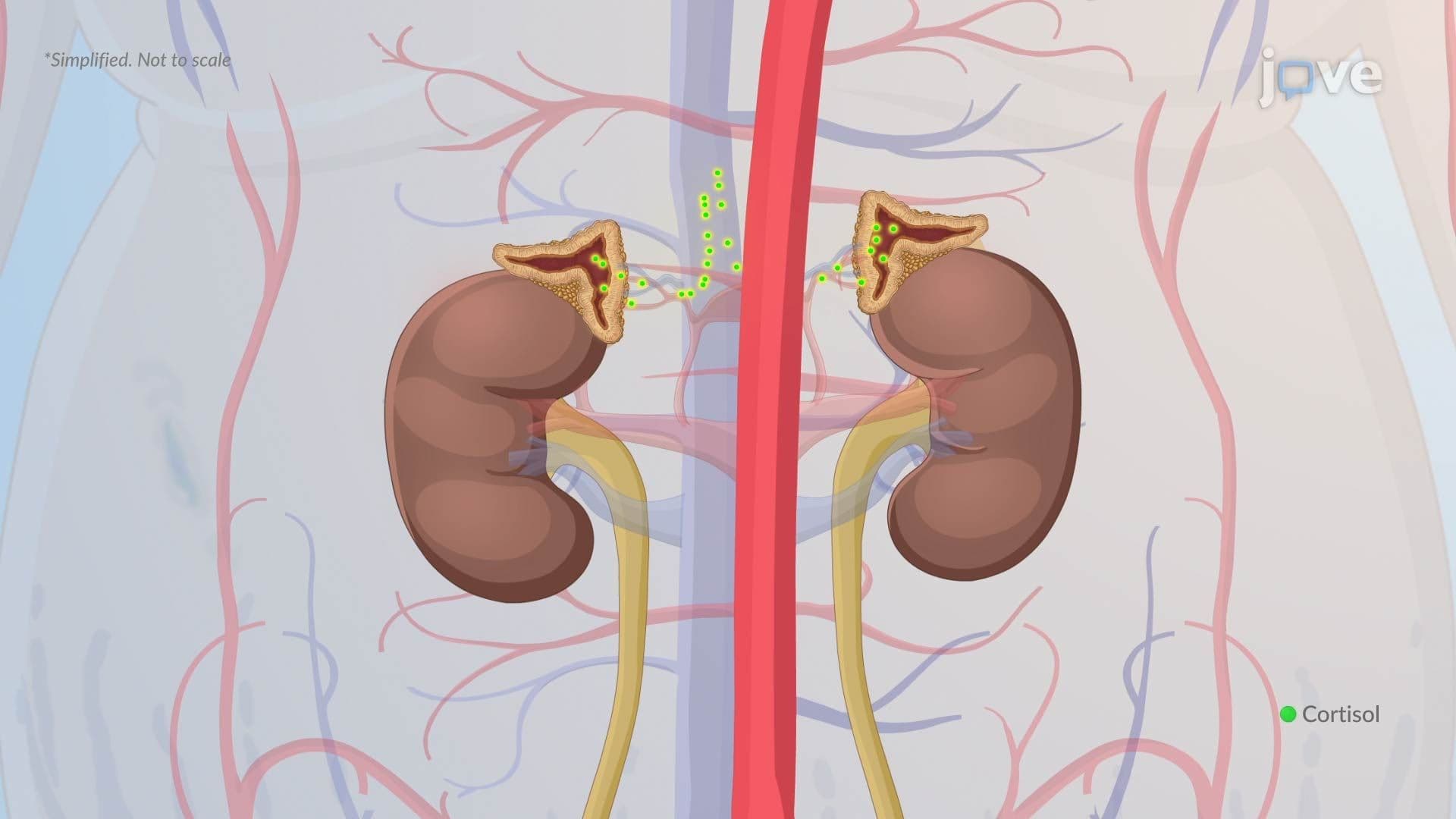
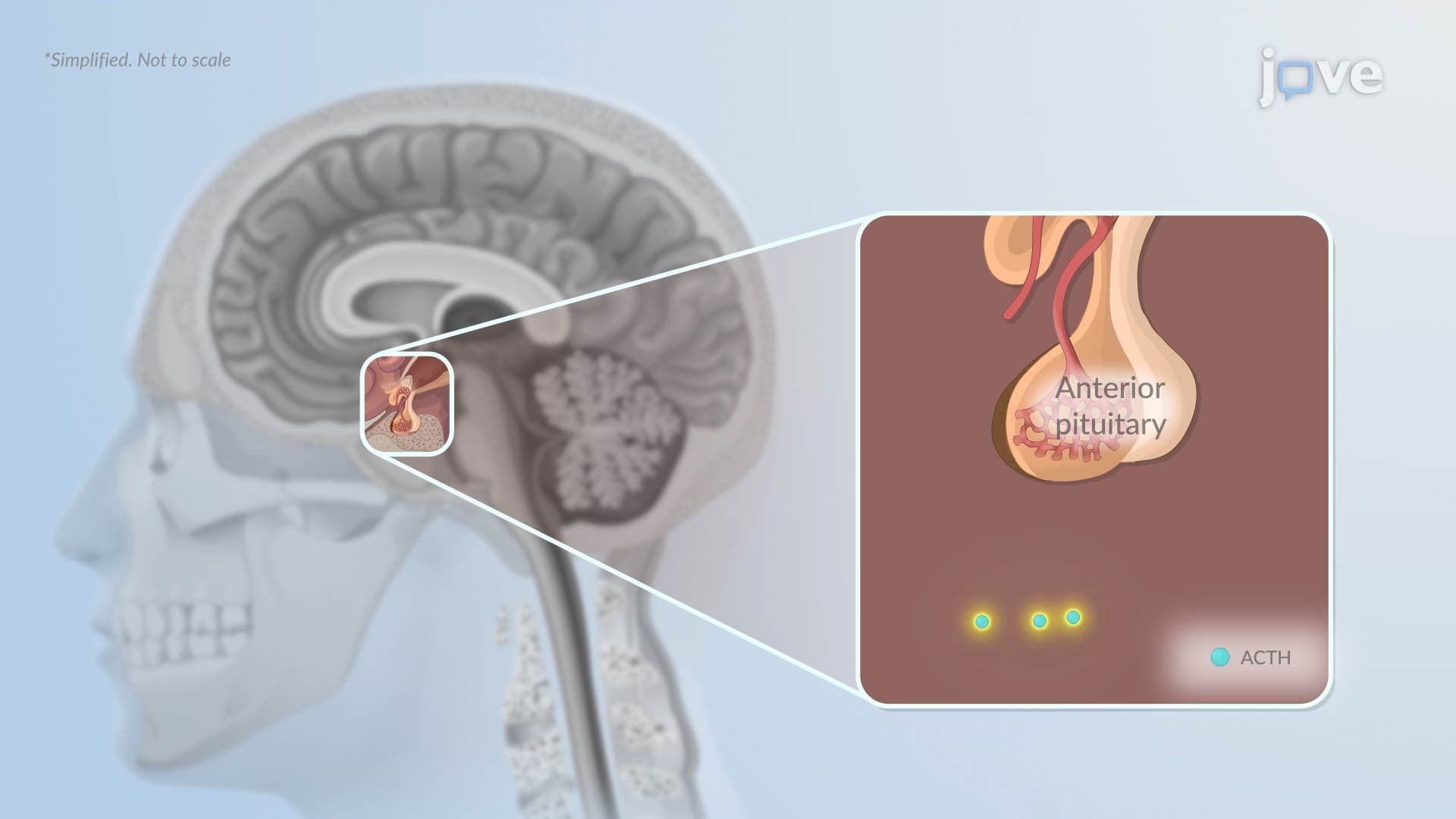
HHS does not exist in isolation. It sits within a larger landscape of endocrine system disorders involving hormonal imbalances and disrupted glucose regulation. Conditions like Cushing's syndrome (excess cortisol raises blood glucose), adrenal insufficiency, and even hypothyroidism can worsen insulin resistance or impair the body's stress response, increasing HHS risk. Understanding how these disorders interact helps students build a more complete picture of diabetes mellitus and the endocrine system, a high-yield area across college biology, anatomy and physiology courses, and standardized exams alike.
Related Micro-courses