Loading video…


 27 Concepts
 4.7K views

Video Summary: What are Complications of Diabetes Mellitus
Did you know that uncontrolled blood sugar can silently damage nearly every organ system in your body? Understanding the complications of diabetes mellitus is critical for anyone studying biology or health sciences. In the US, over 37 million people live with diabetes, making this one of the most clinically relevant topics in medicine. The complications of diabetes mellitus range from life-threatening emergencies like diabetic ketoacidosis to long-term damage affecting the eyes, kidneys, and heart. Watch the full video on JoVE Coach to master this concept with expert-led visuals and step-by-step explanations.
Diabetes mellitus is far more than a problem with blood sugar. When glucose levels remain uncontrolled, whether in type 1 or type 2 diabetes, the consequences ripple across virtually every organ system in the body. The complications of diabetes mellitus are broadly organized into two timelines: acute complications that can develop within hours to days, and chronic complications that accumulate silently over years. For students in AP Biology, college-level physiology, or anyone preparing for pre-health exams, understanding this distinction is foundational.
Diabetic ketoacidosis (DKA) is a metabolic emergency most associated with type 1 diabetes, where the near-complete absence of insulin forces the body to burn fat for energy. This process produces acidic ketone bodies, leading to a dangerous combination of high blood glucose, elevated ketones in the blood (ketonemia), and metabolic acidosis. However, DKA can also strike type 2 diabetic patients under severe physiological stress, for example, a college student with undiagnosed type 2 diabetes who develops a serious respiratory infection may present to an ER with full DKA.
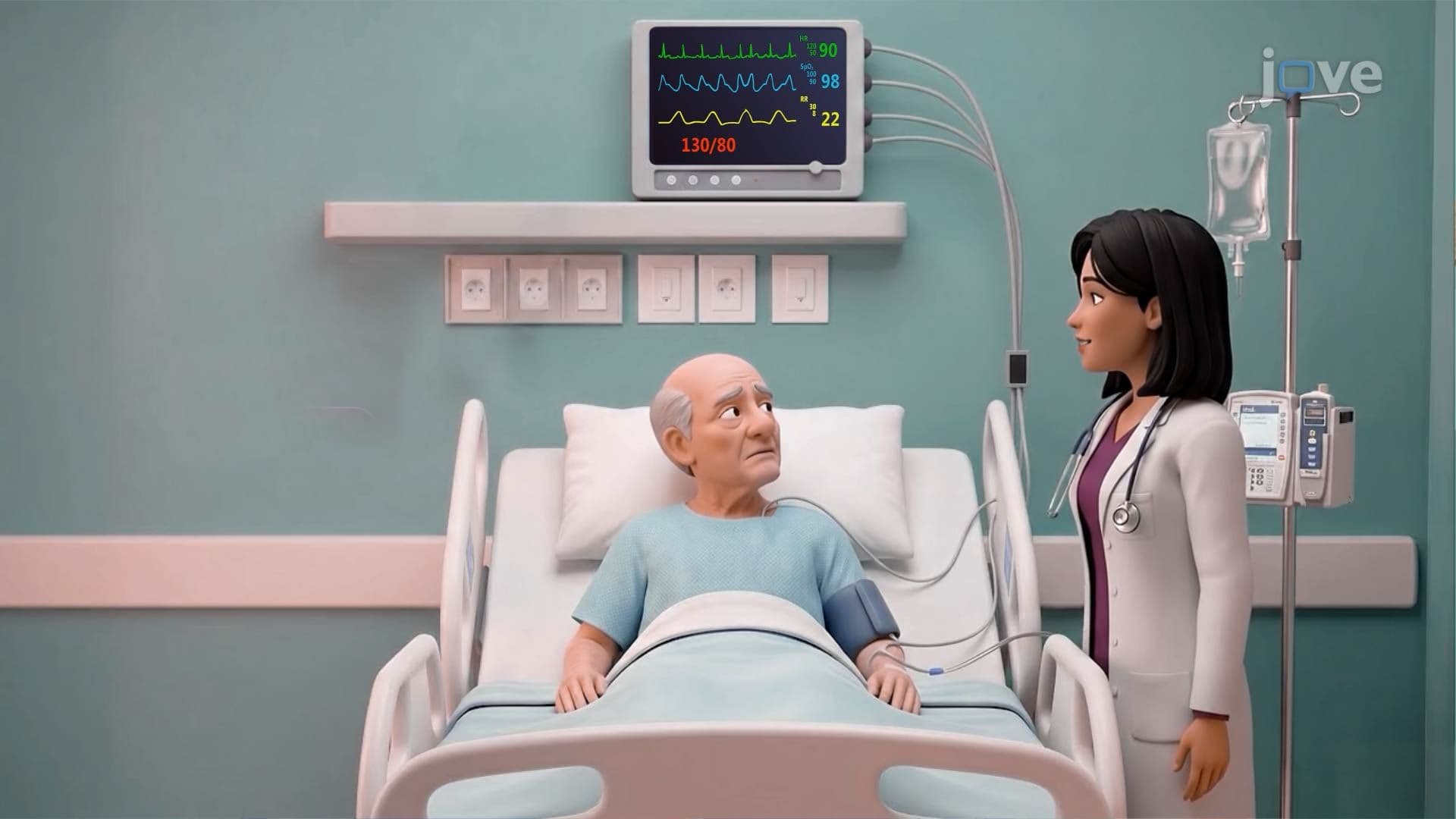
Hyperosmolar hyperglycemic state (HHS) is a different kind of emergency, primarily seen in type 2 diabetes. Here, enough residual insulin exists to prevent significant ketone production, but blood glucose climbs to extreme levels, sometimes above 600 mg/dL, causing the blood to become dangerously concentrated (high plasma osmolality). Dehydration is severe, and neurological symptoms like confusion and seizures are common. US emergency departments treat HHS most frequently in elderly patients with type 2 diabetes who have limited access to fluids.
Hypoglycemia rounds out the acute picture. It is not caused by the disease itself but by its treatment. Insulin injections and medications called insulin secretagogues (such as sulfonylureas) can overshoot the mark, dropping blood glucose too low. Athletes with diabetes, for instance, must carefully monitor glucose levels before, during, and after exercise to avoid hypoglycemic episodes.
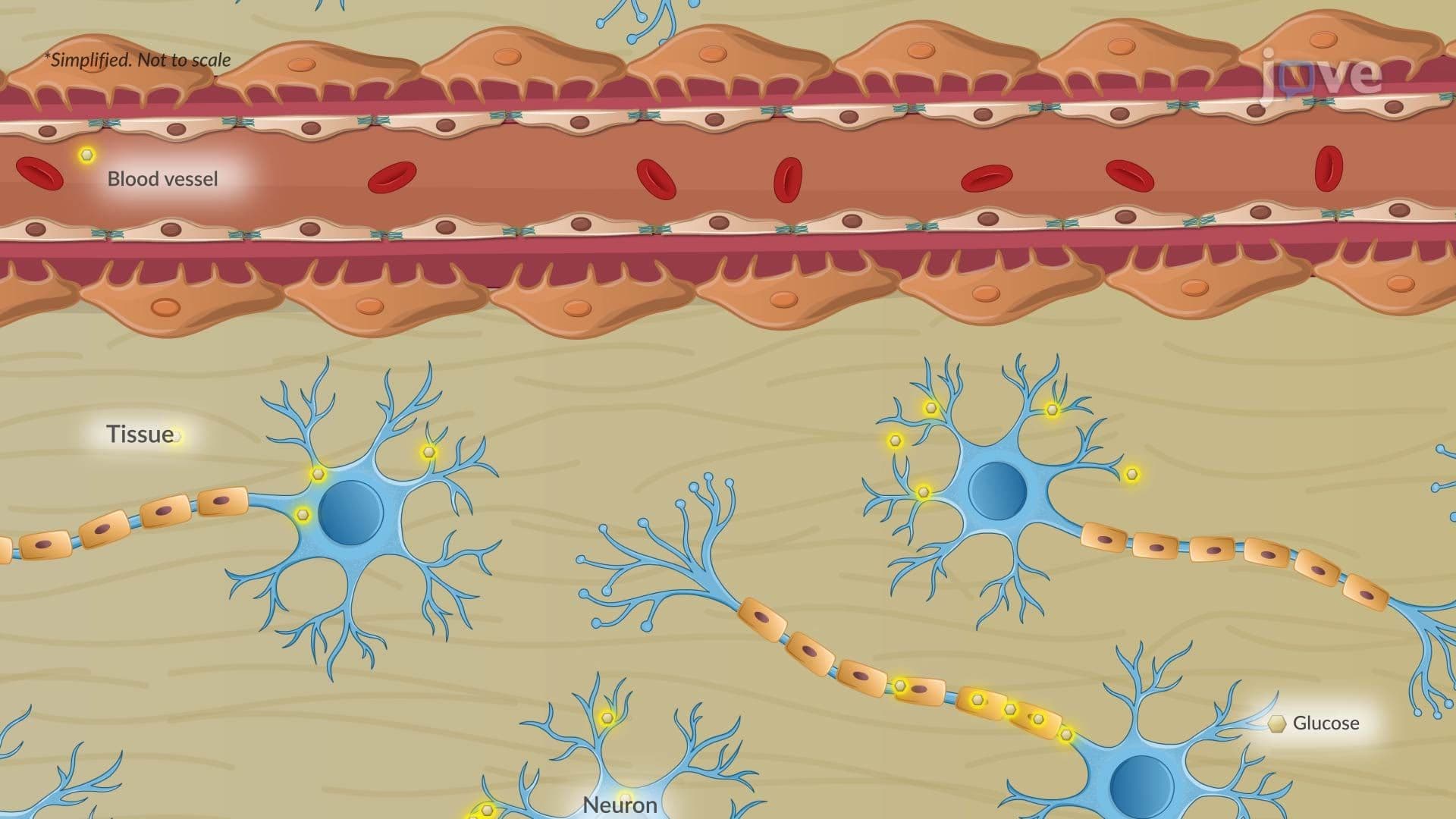
Sustained hyperglycemia is chemically corrosive to blood vessels and nerves. Over time, excess glucose glycates proteins, generates oxidative stress, and triggers inflammatory pathways that progressively destroy tissue. Two major categories emerge:
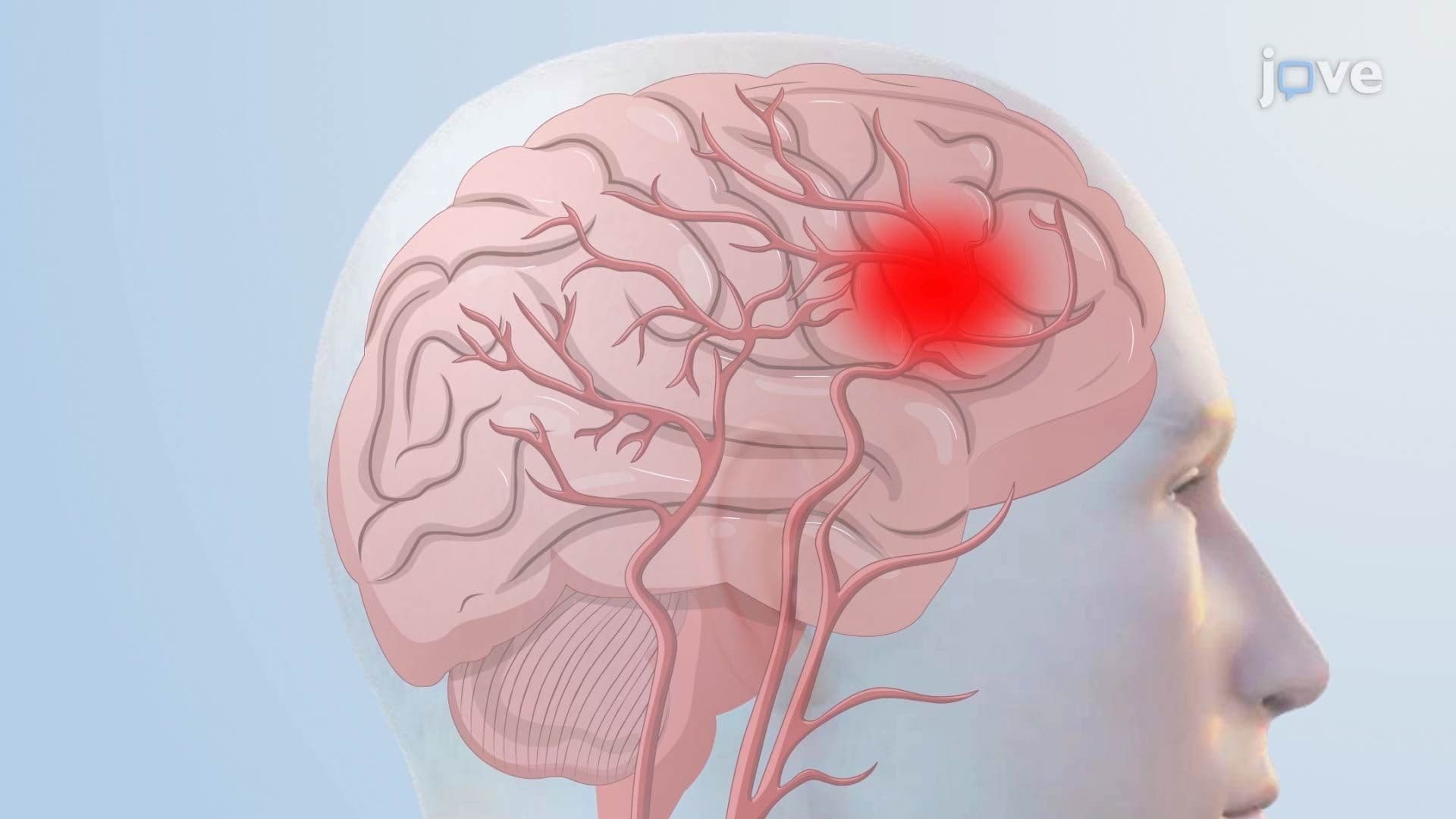
Macrovascular complications involve damage to large blood vessels. This raises the risk of coronary artery disease (heart attack), peripheral artery disease (poor circulation to the limbs), and stroke. The American Heart Association recognizes diabetes as one of the strongest independent risk factors for cardiovascular disease in the US population.
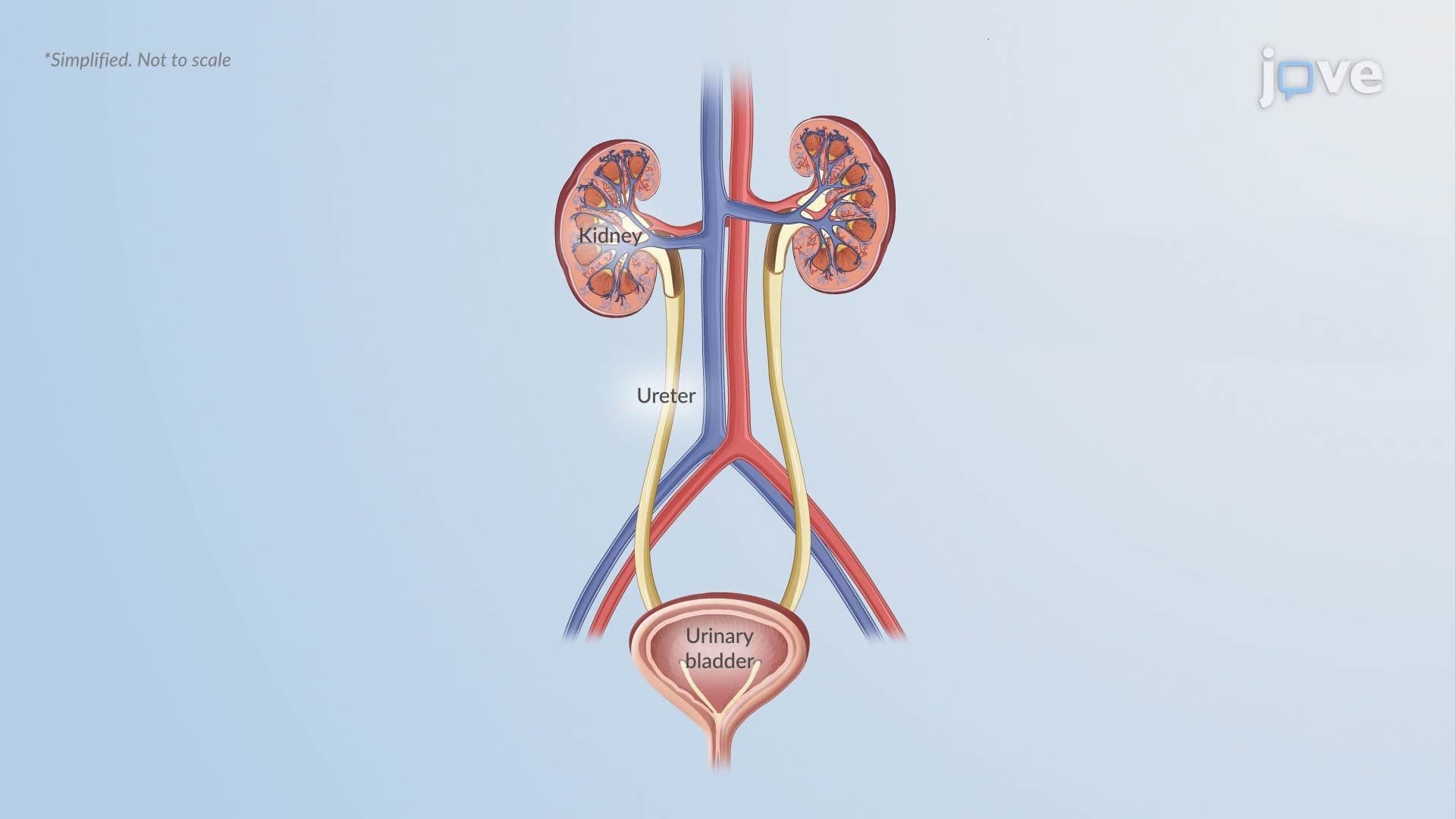
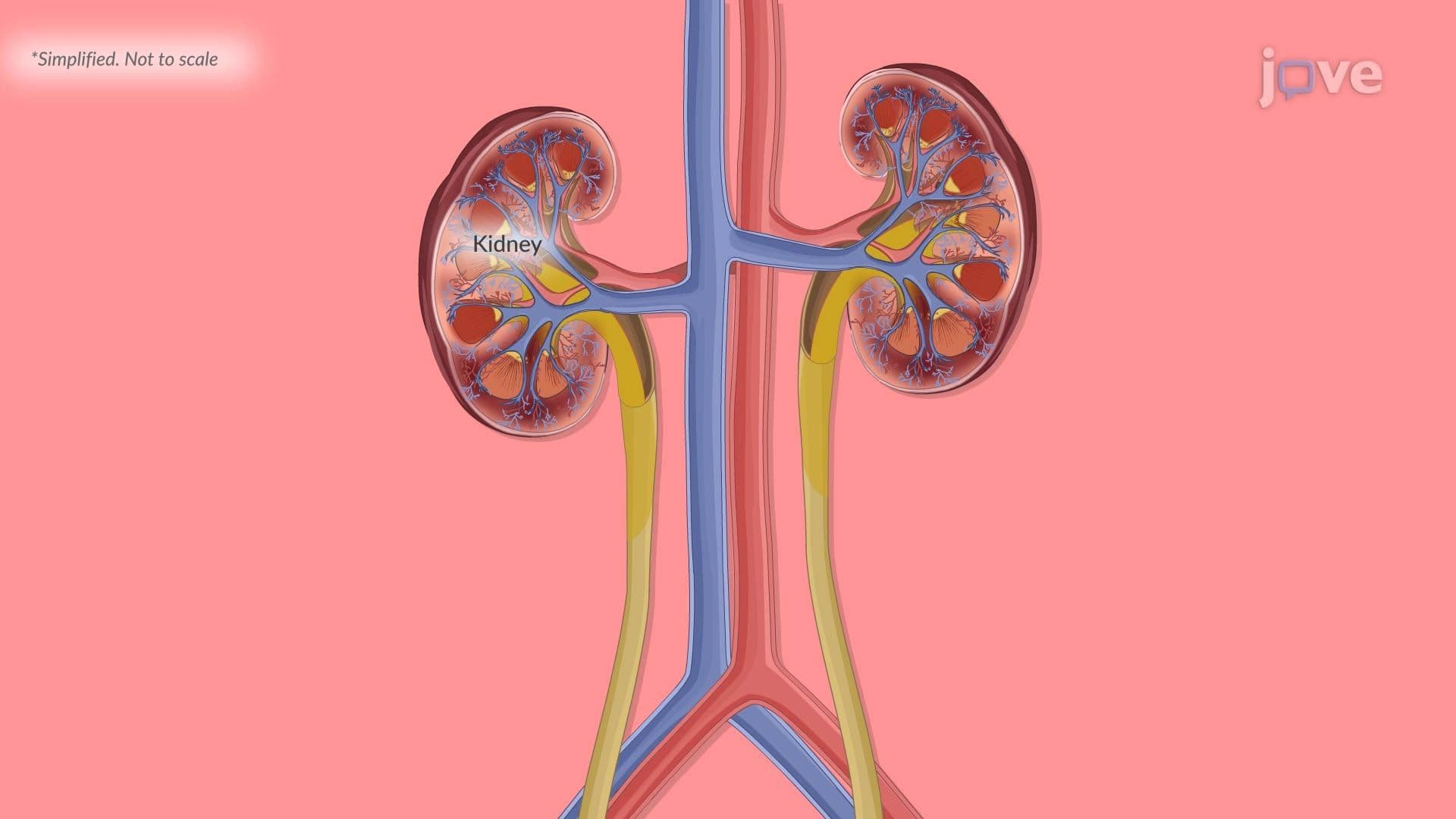
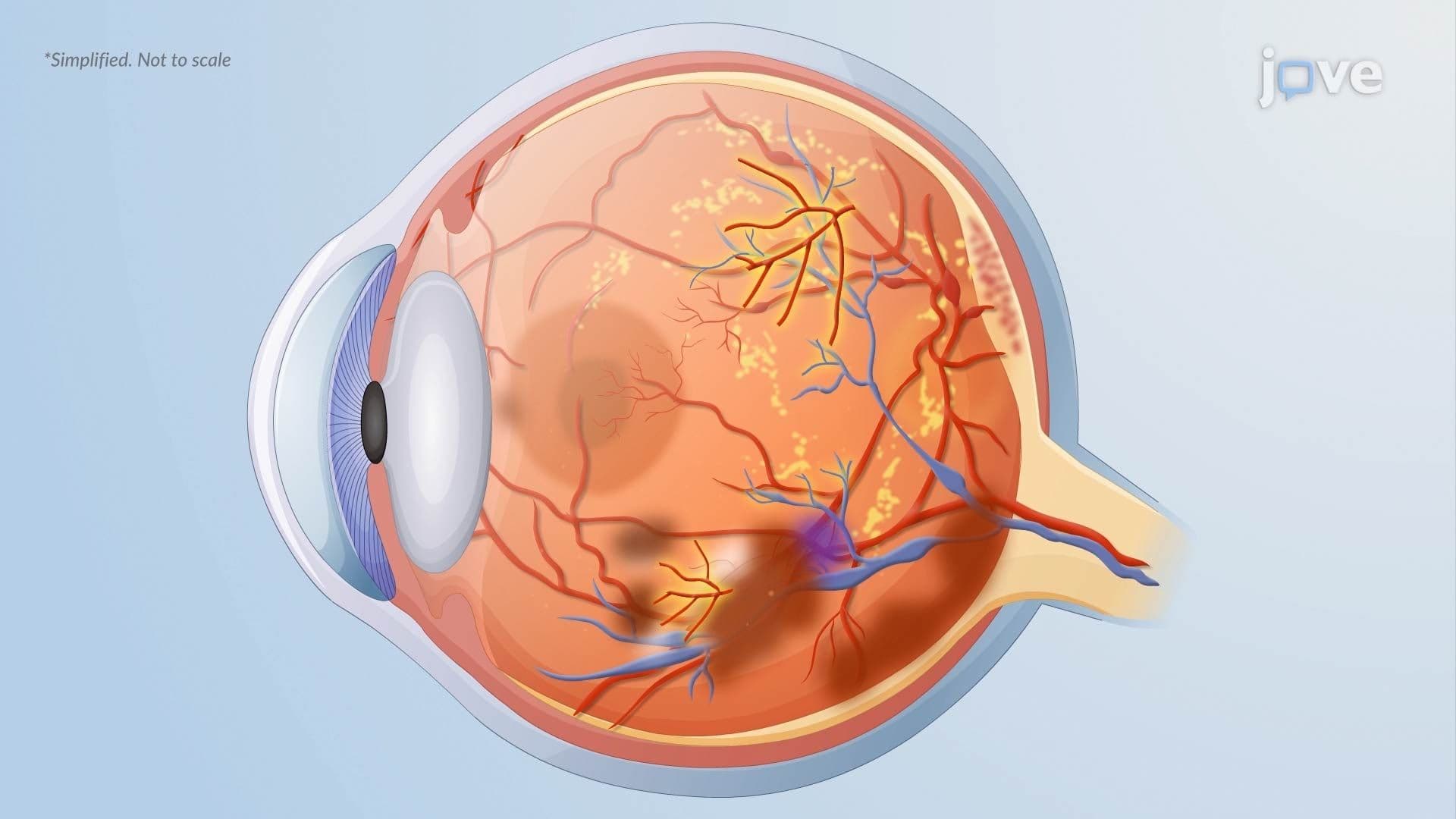
Microvascular complications target the small blood vessels and include three classic triad conditions:
On exams like the MCAT, USMLE Step 1, NCLEX, and AP Biology, questions about diabetes complications frequently appear in clinical vignette format. You may be asked to identify whether a patient scenario describes DKA versus HHS, or to explain why a diabetic patient develops chronic kidney disease. Understanding the underlying mechanism, not just the label, is what earns full credit. Connecting complications of diabetes mellitus to broader endocrine concepts like hormonal imbalances, adrenal insufficiency, or Cushing's syndrome (which can worsen insulin resistance) also demonstrates higher-order thinking that top scores require.
Related Micro-courses