Loading video…

 27 Concepts
 4.7K views

Video Summary: What Is Type Ii Diabetes I
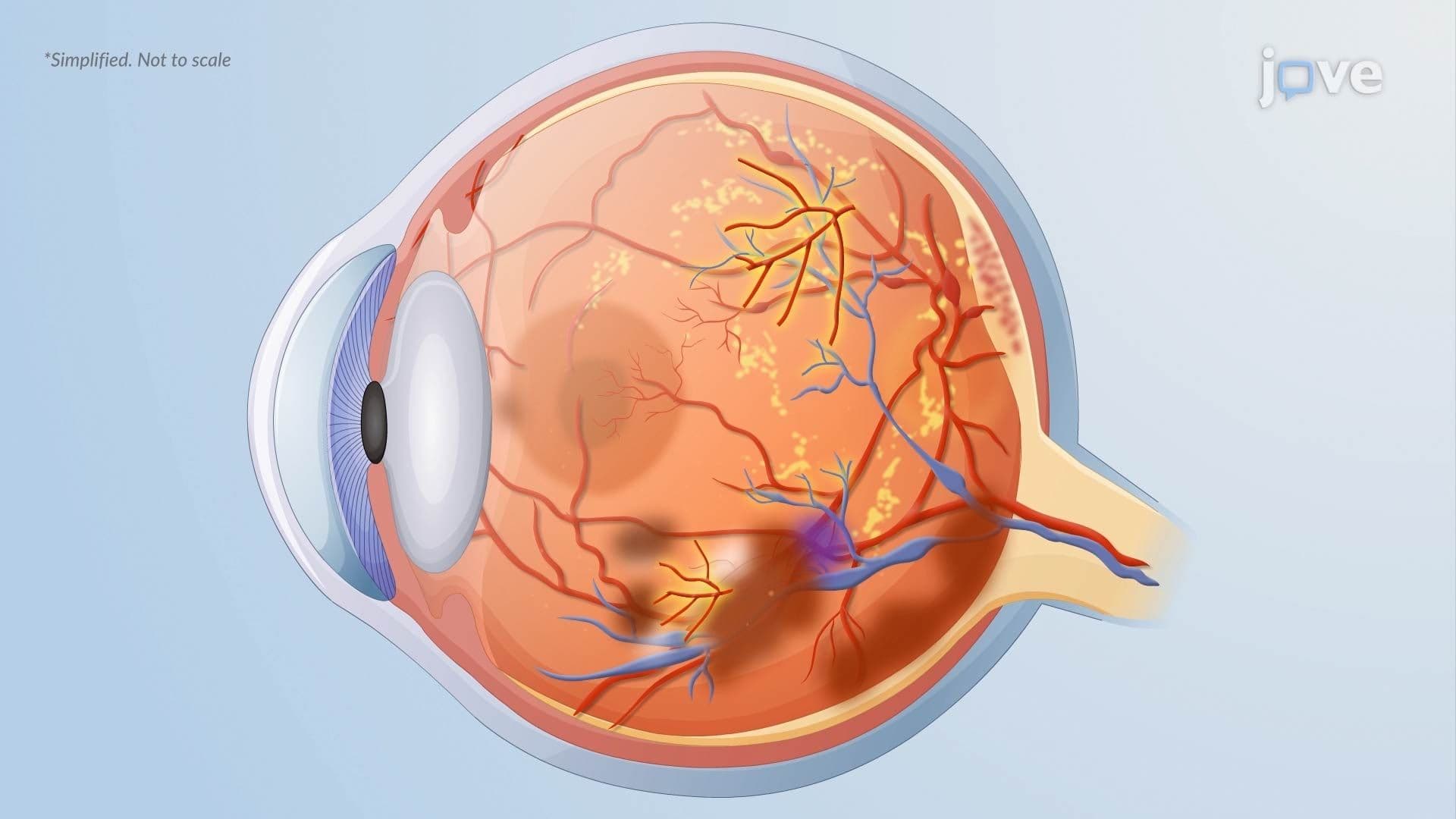
Nearly 38 million Americans live with diabetes, and most have Type II. Type II Diabetes I basics reveal a complex metabolic breakdown where cells stop responding to insulin and the pancreas gradually loses its ability to compensate. Genes like TCF7L2 and environmental factors like obesity team up to drive this chronic condition. Watch the full video on JoVE Coach to master this concept with expert-led visuals and step-by-step explanations.
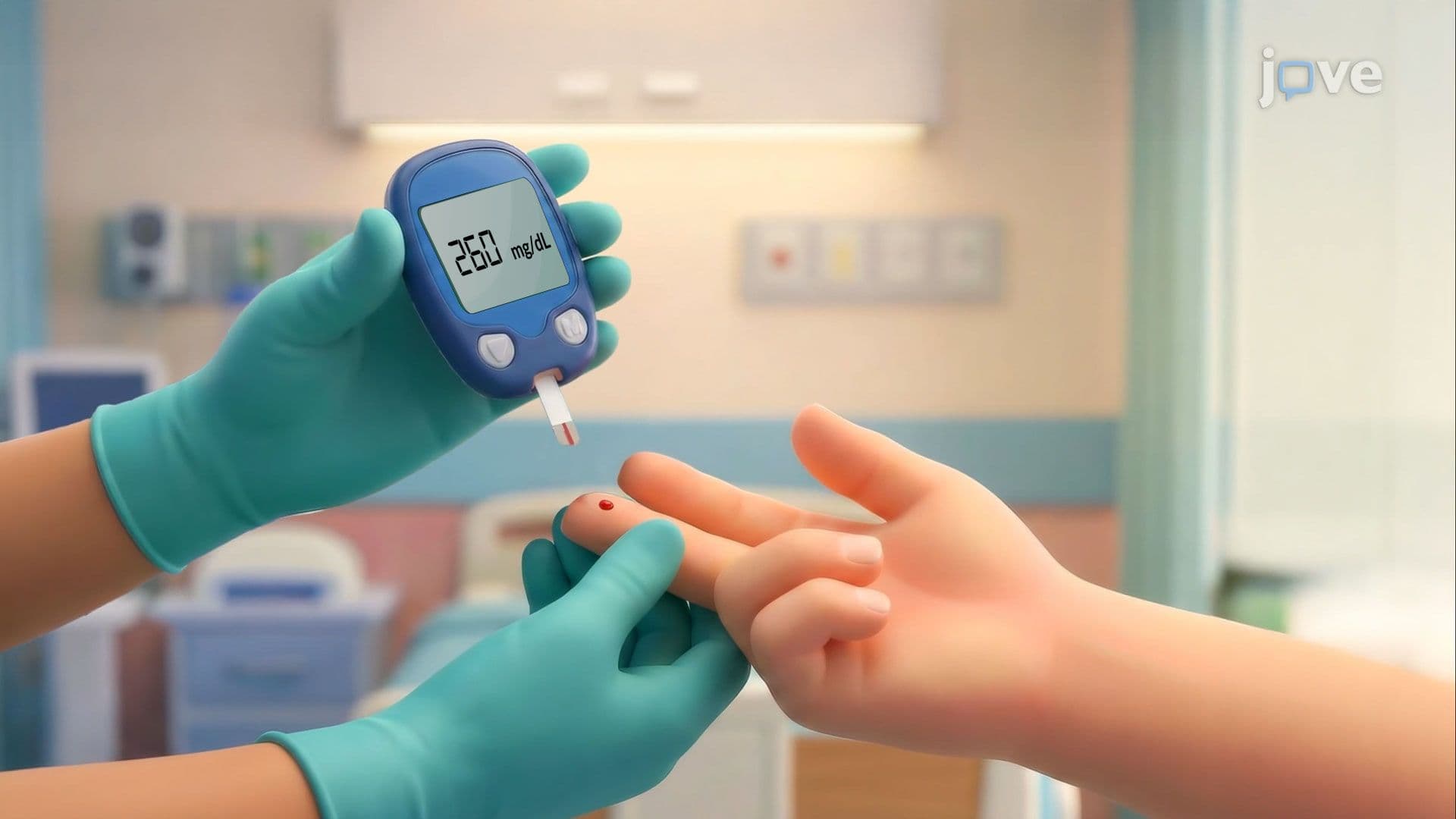
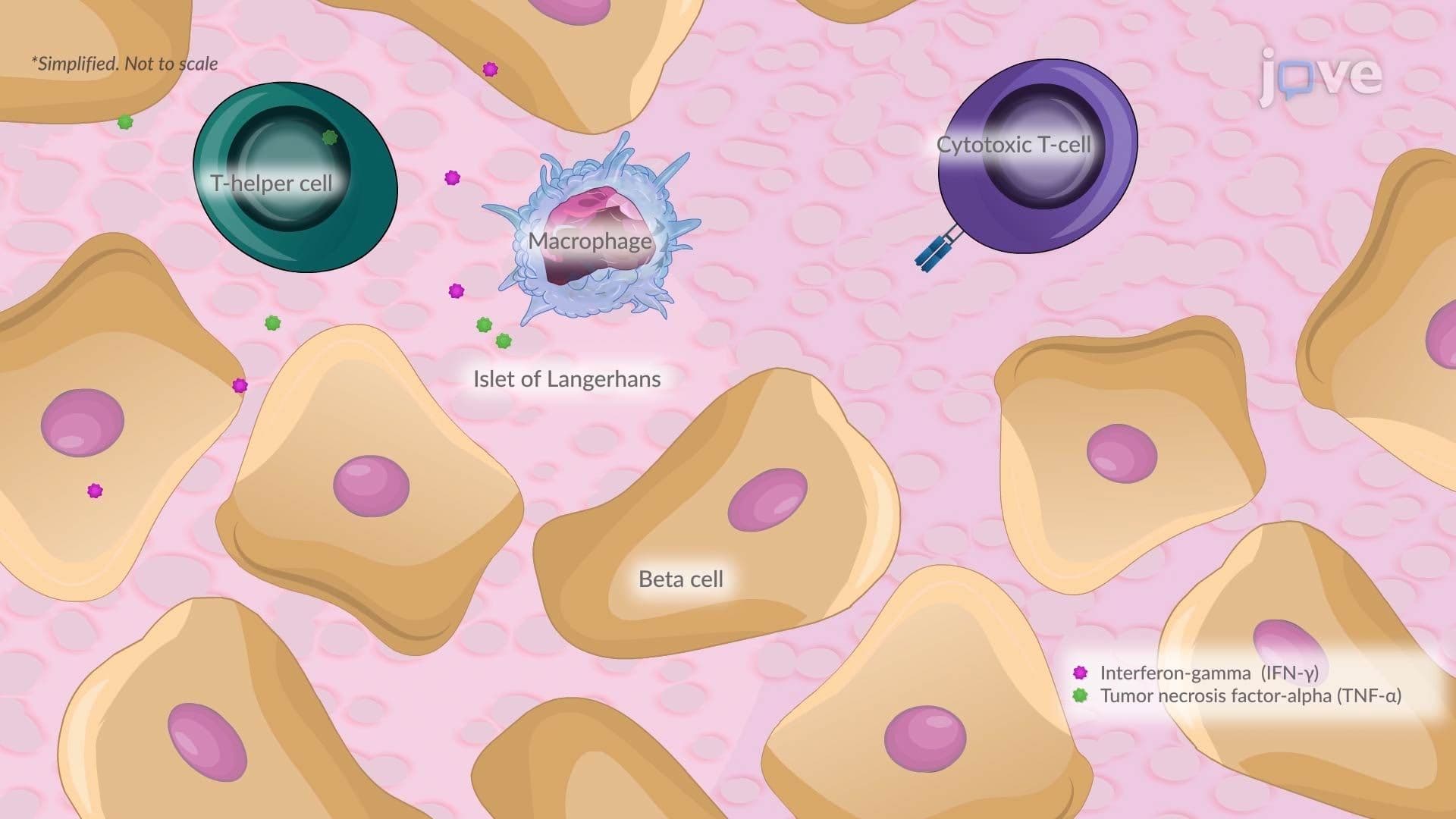
Type II Diabetes I is a chronic metabolic disease that develops when the body's cells become resistant to insulin and the pancreas can no longer produce enough of it to keep blood glucose levels in a healthy range. Unlike Type 1 diabetes, which is an autoimmune condition causing total insulin loss, Type II involves a gradual, progressive failure, making it both preventable and manageable at early stages. It is the most common form of diabetes mellitus in the United States, affecting tens of millions of adults and increasingly, adolescents.
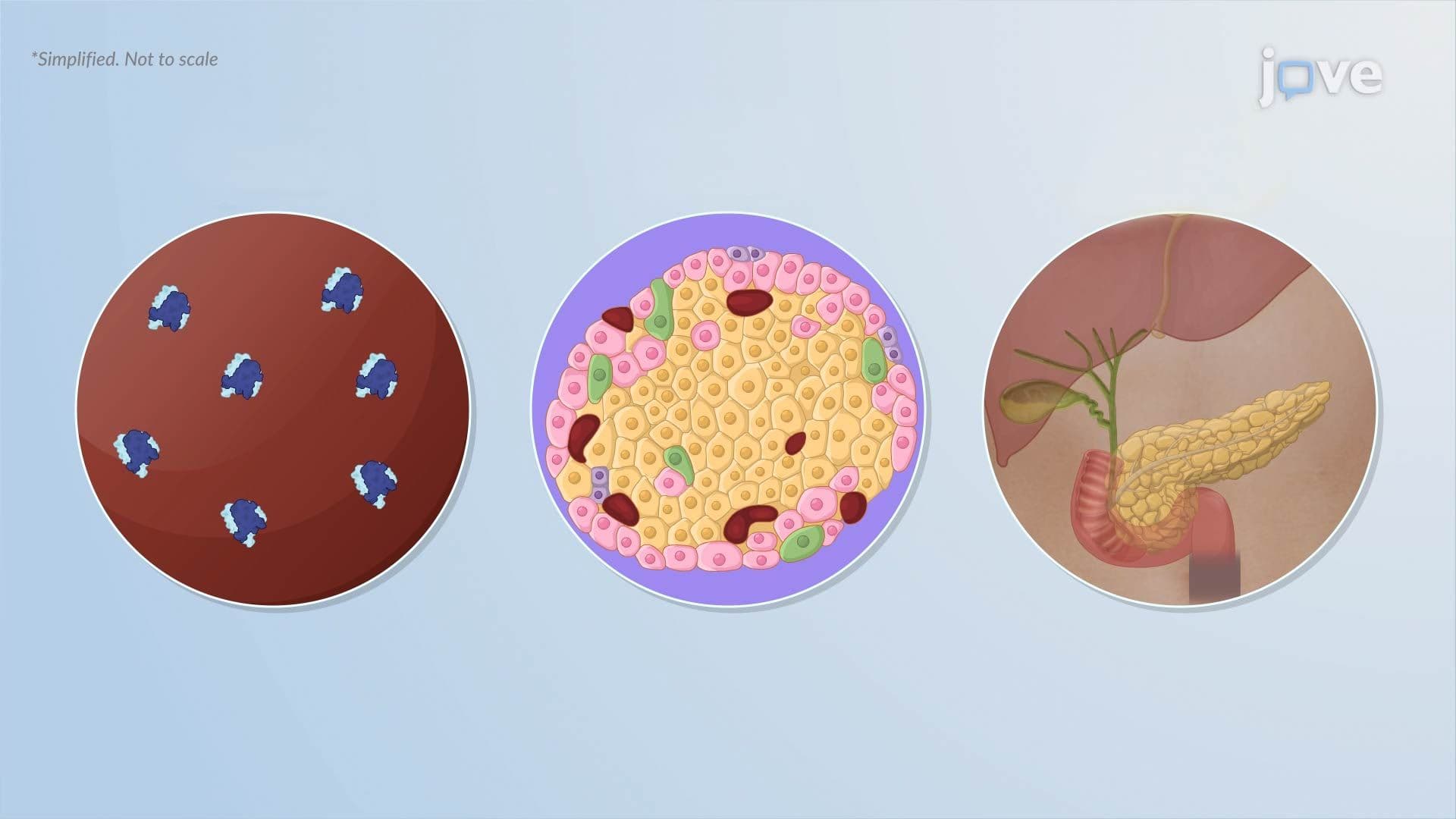
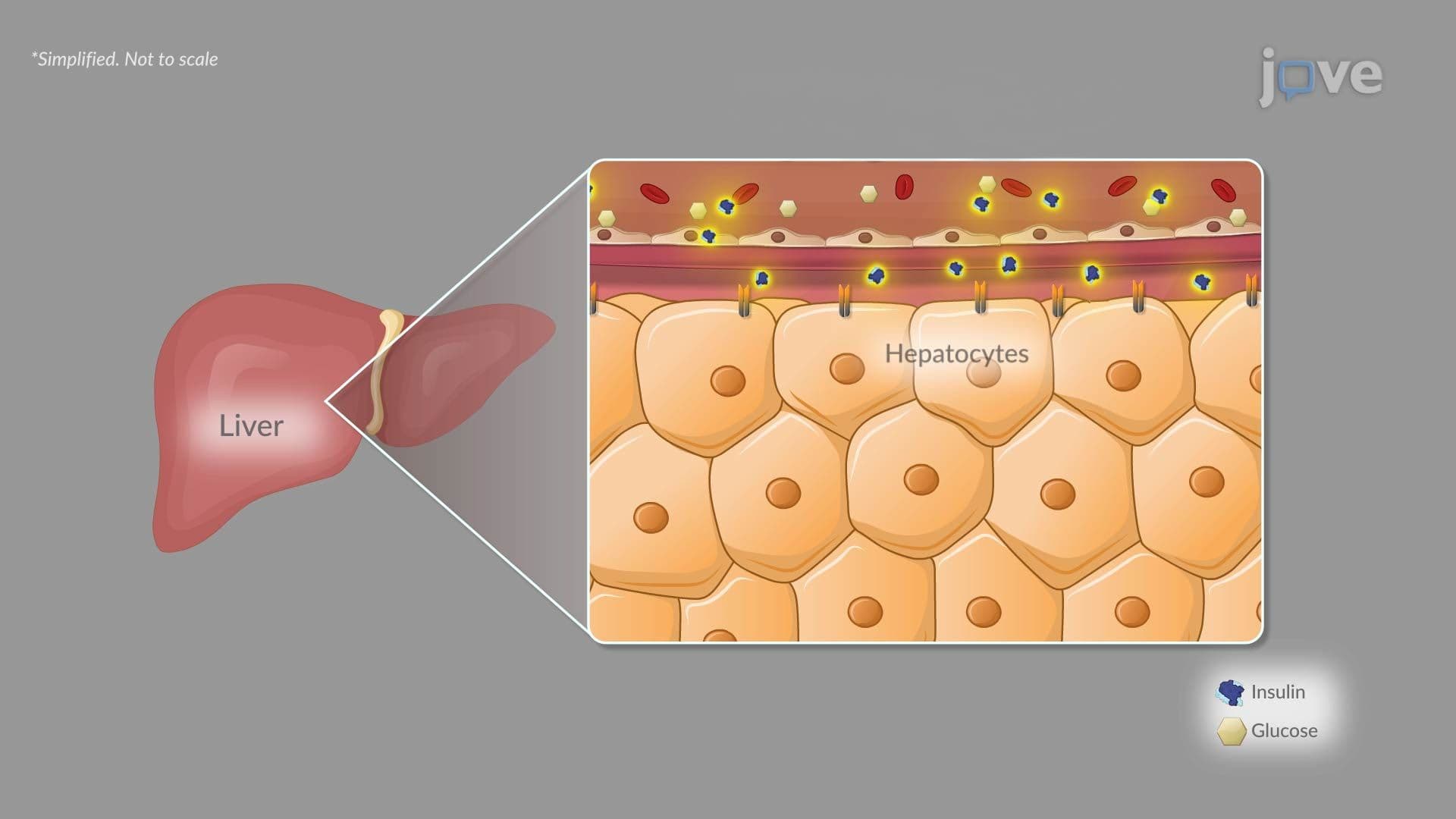
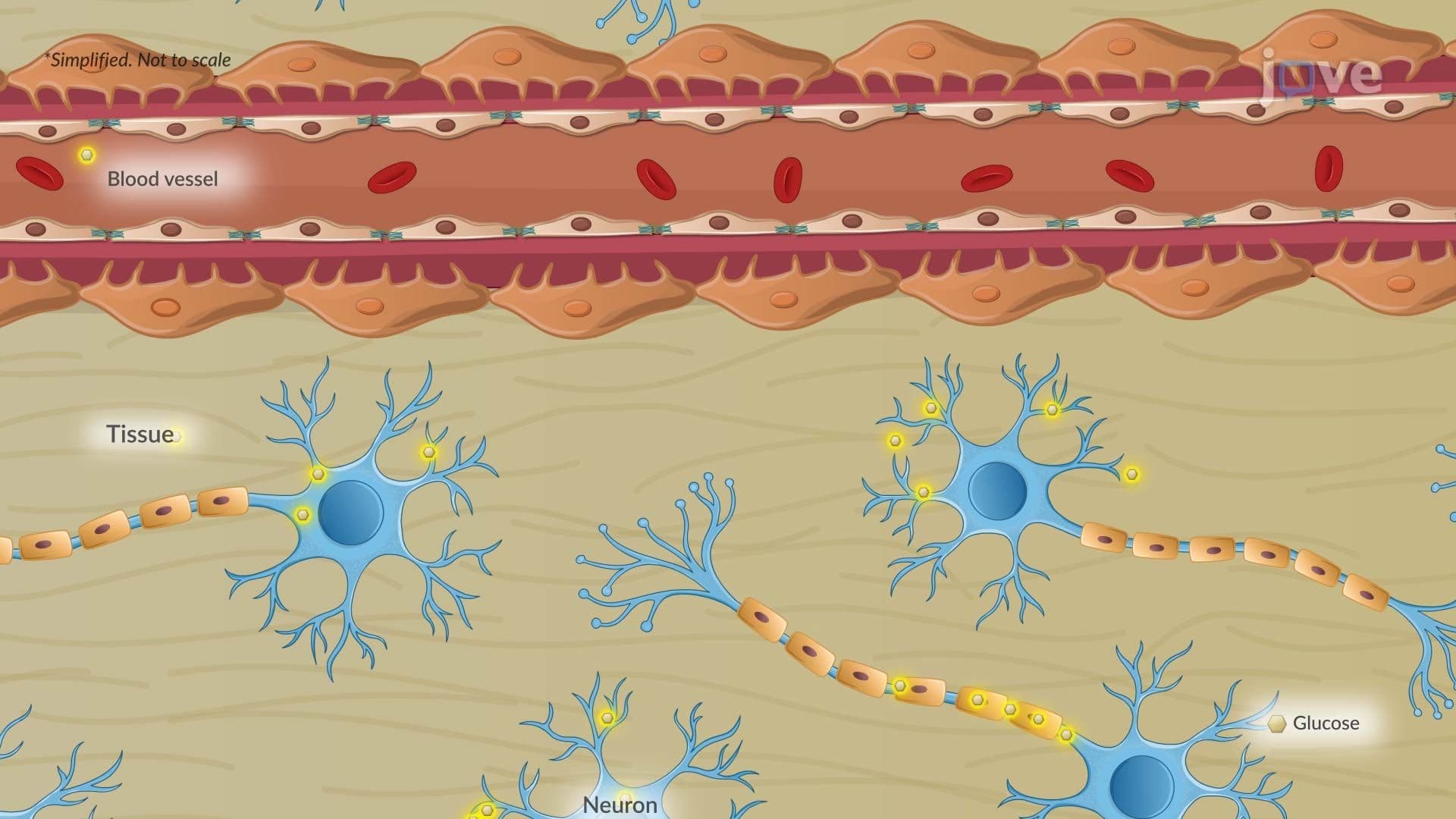
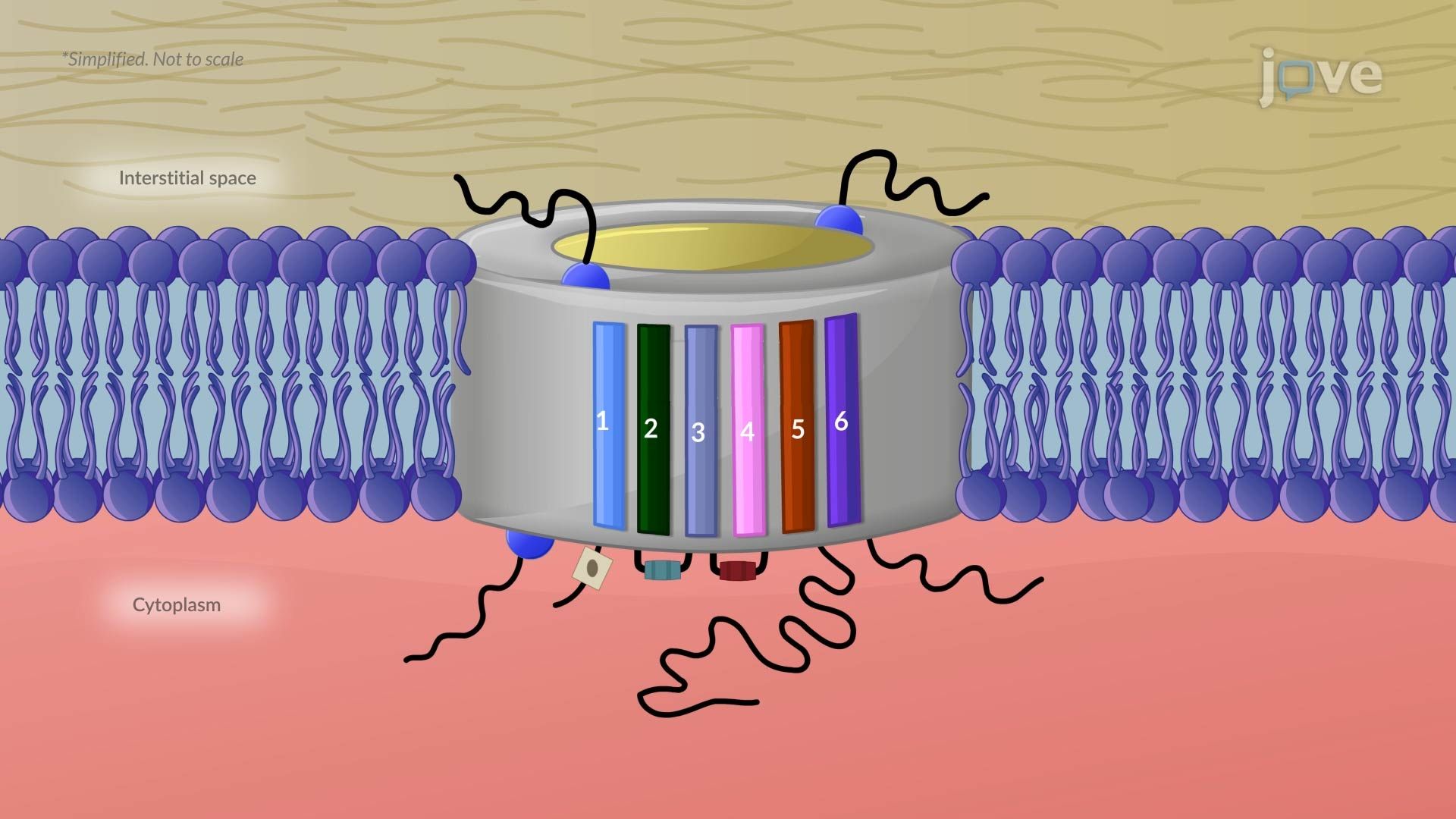
At the center of Type II Diabetes I are two interconnected defects. First, insulin resistance occurs when muscle, fat, and liver cells stop responding efficiently to insulin signals, so glucose cannot enter cells normally. Second, pancreatic beta cells initially try to compensate by producing more insulin, but over time they become exhausted and dysfunctional. This "two-hit" model, resistance followed by secretory failure, explains why blood glucose rises steadily and why the disease worsens without intervention. Understanding this mechanism is essential for AP Biology students and college-level physiology courses, where questions often ask you to trace the hormonal pathway from glucose intake to cellular response.
Genetic predisposition plays a significant role in Type II Diabetes I. Variants in genes such as TCF7L2 (which regulates insulin secretion), FTO (linked to obesity risk), and KCNQ1 (involved in beta cell function) increase susceptibility. Epigenetic modifications, chemical changes that switch genes on or off without altering DNA sequence, can impair metabolic regulation in response to diet and lifestyle. A compelling example is the KCNQ1 variant: individuals who carry it face a dramatically higher diabetes risk when they regularly consume high-fat diets, illustrating how nature and nurture interact. MCAT test-takers should recognize that epigenetics and gene-environment interactions are high-yield topics in the Biological and Biochemical Foundations section.
Several well-established risk factors increase the likelihood of developing Type II Diabetes I. These include advanced age (risk rises significantly after 45), family history, certain ethnic backgrounds (including Hispanic, Black, Asian American, and Native American populations, who face disproportionately higher rates in the US), central obesity, hypertension, physical inactivity, and a history of gestational diabetes. Obesity is particularly important because excess adipose tissue, especially visceral fat, drives chronic low-grade inflammation and oxidative stress, both of which worsen insulin resistance. In US clinical settings, the CDC's National Diabetes Prevention Program specifically targets these modifiable risk factors through structured lifestyle interventions. For students preparing for NCLEX or college health science midterms, being able to list and categorize these risk factors, modifiable versus non-modifiable, is a foundational competency.
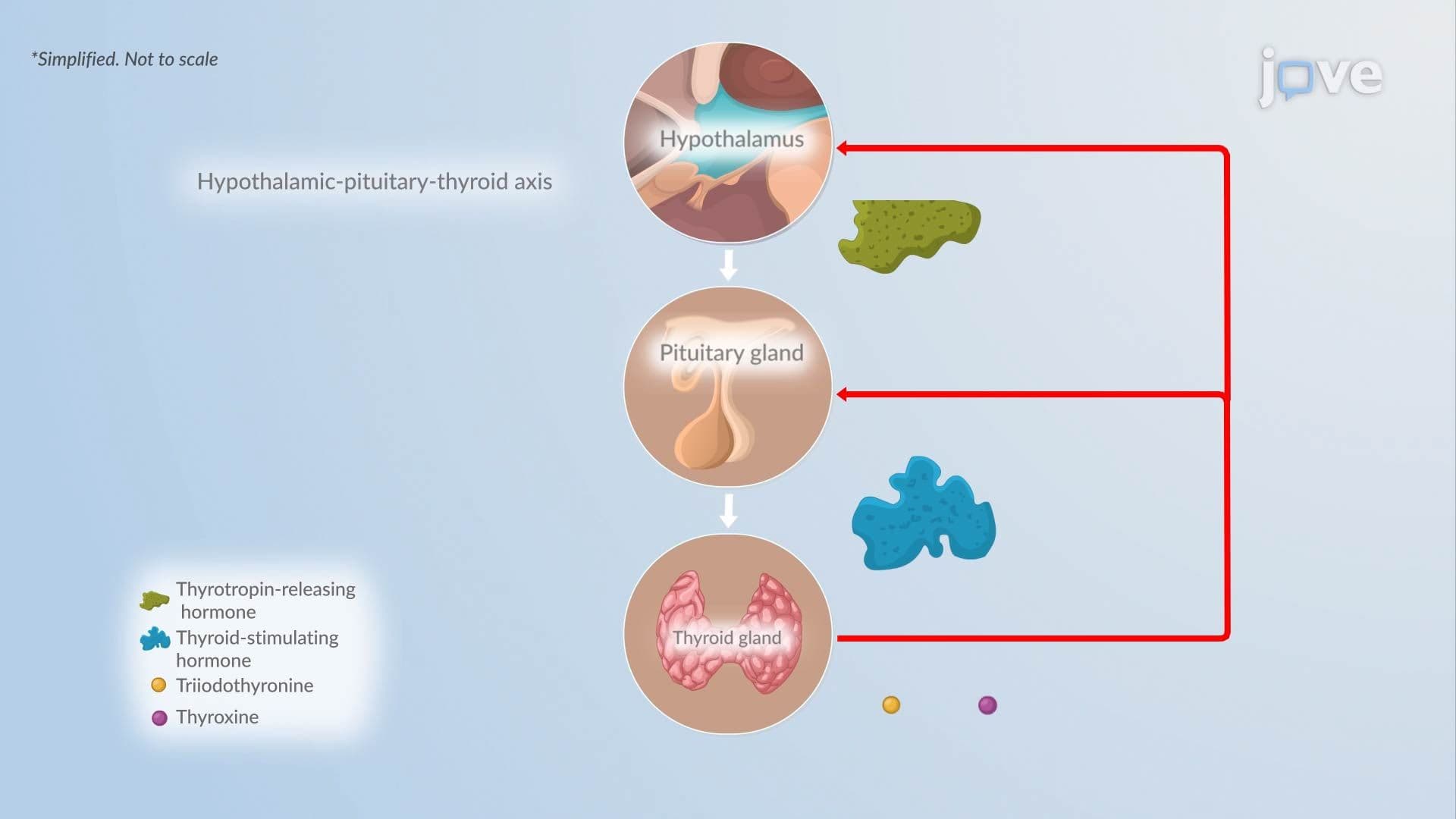
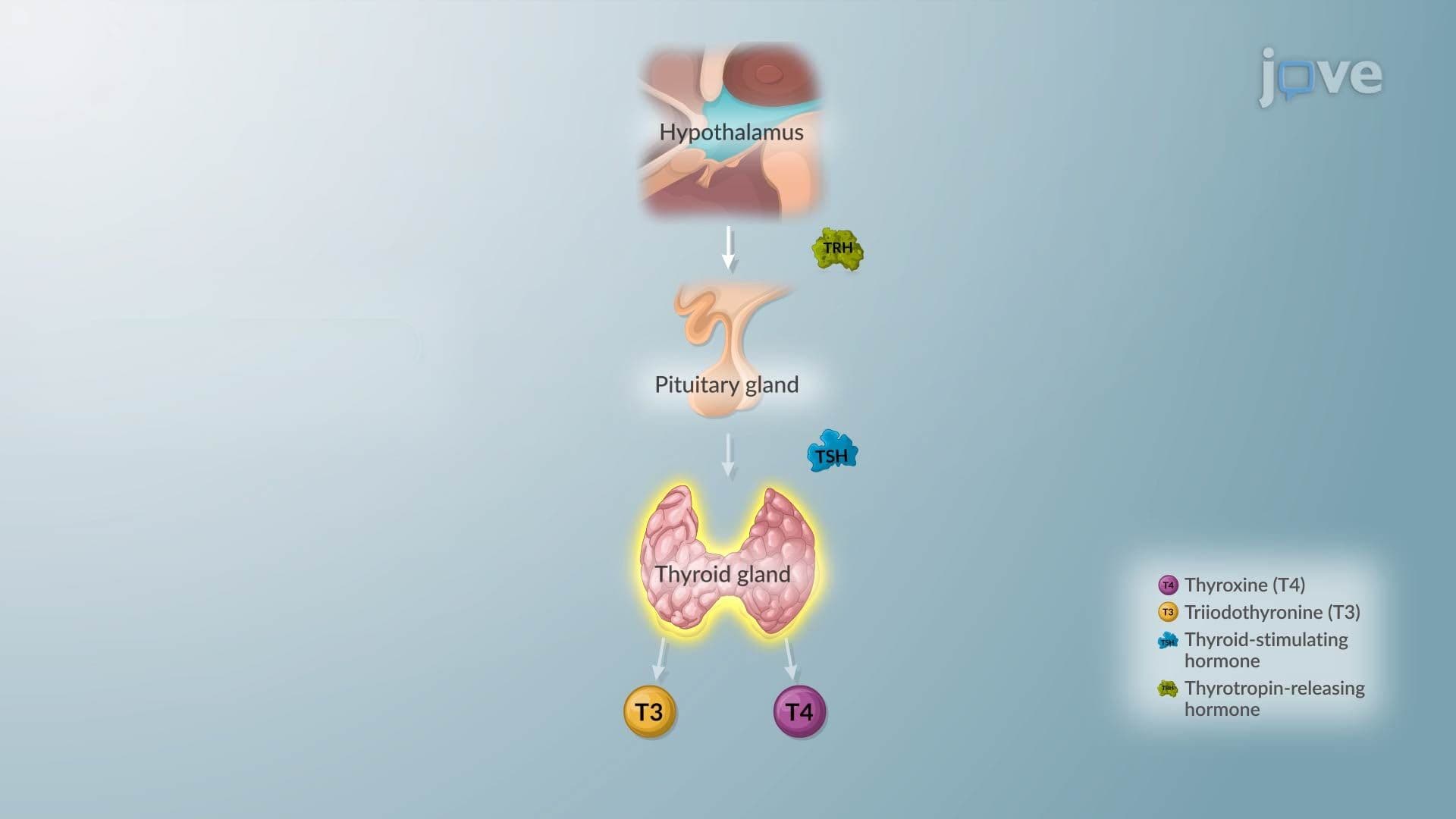
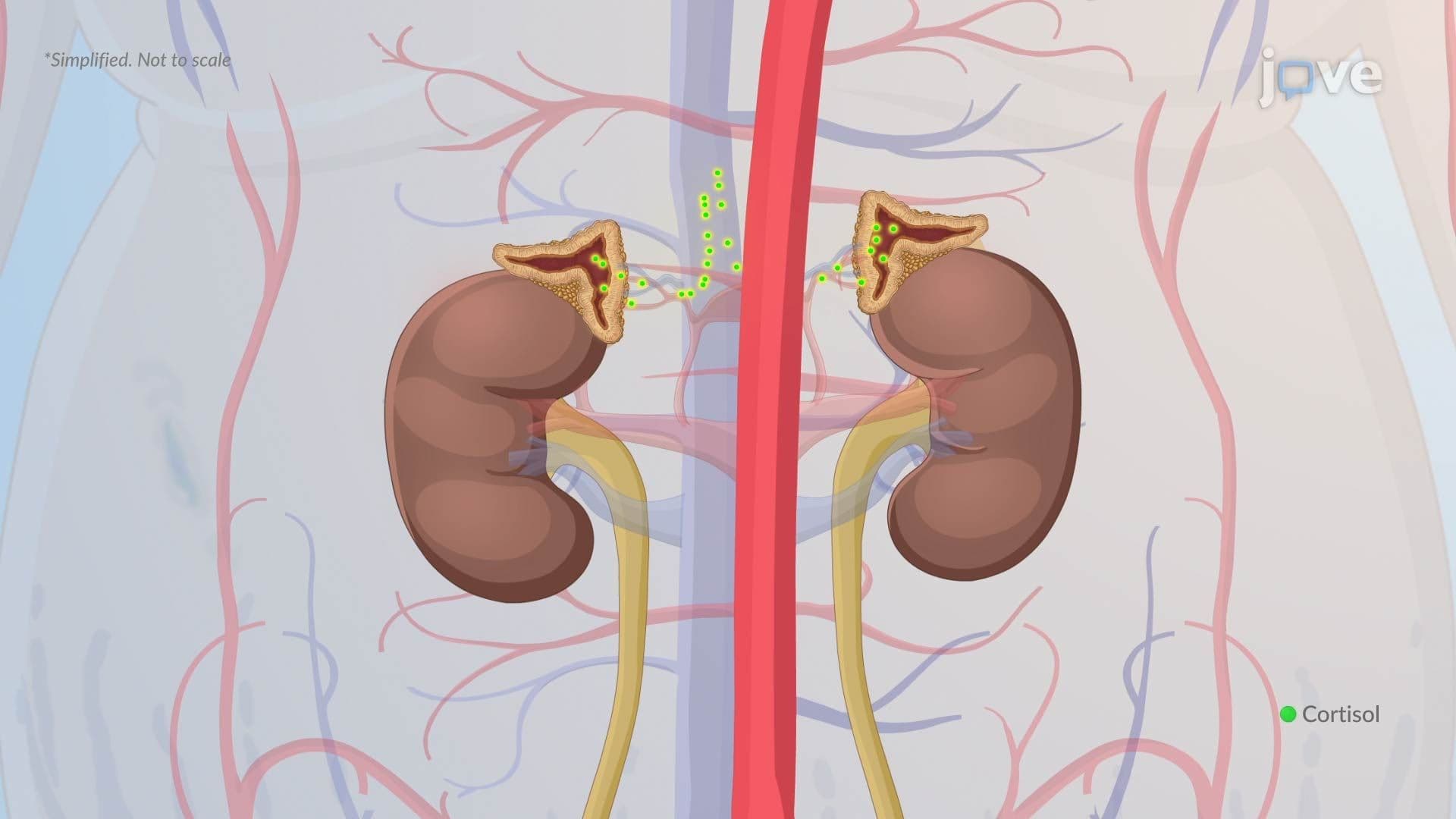
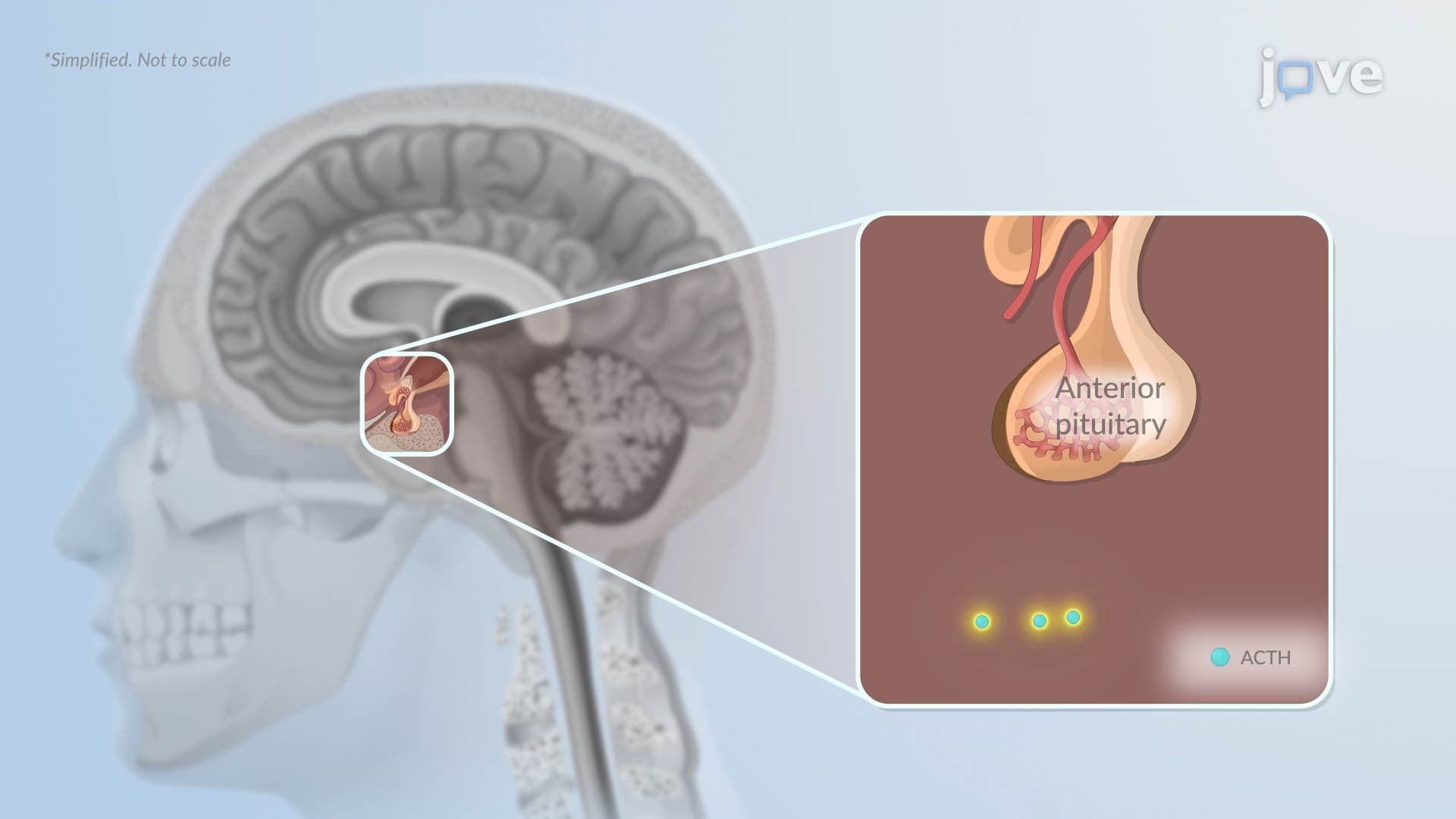
Type II Diabetes I belongs to a broader category of endocrine disorders characterized by hormonal imbalances. Just as hypothyroidism involves insufficient thyroid hormone and Cushing's syndrome results from excess cortisol, Type II Diabetes I represents a failure in the insulin-glucose axis of the endocrine system. Comparing these conditions helps students answer the common exam question: *"What causes endocrine system disorders?"* In each case, the answer involves disrupted hormone production, signaling, or receptor sensitivity, a unifying concept across AP Biology, college Anatomy and Physiology, and pre-med coursework.
Related Micro-courses