Loading subject page…

4,700 views

Video Summary: Clinical Manifestations in Type I Diabetes Iii
Did you know your body can start breaking down its own fat and muscle simply because cells can't access sugar? Understanding the clinical manifestations in Type I Diabetes III reveals exactly how this happens. When a teenager in Chicago presents with extreme thirst, rapid weight loss, and blurry vision, these are textbook signals of uncontrolled Type 1 diabetes. Watch the full video on JoVE Coach to master this concept with expert-led visuals and step-by-step explanations.
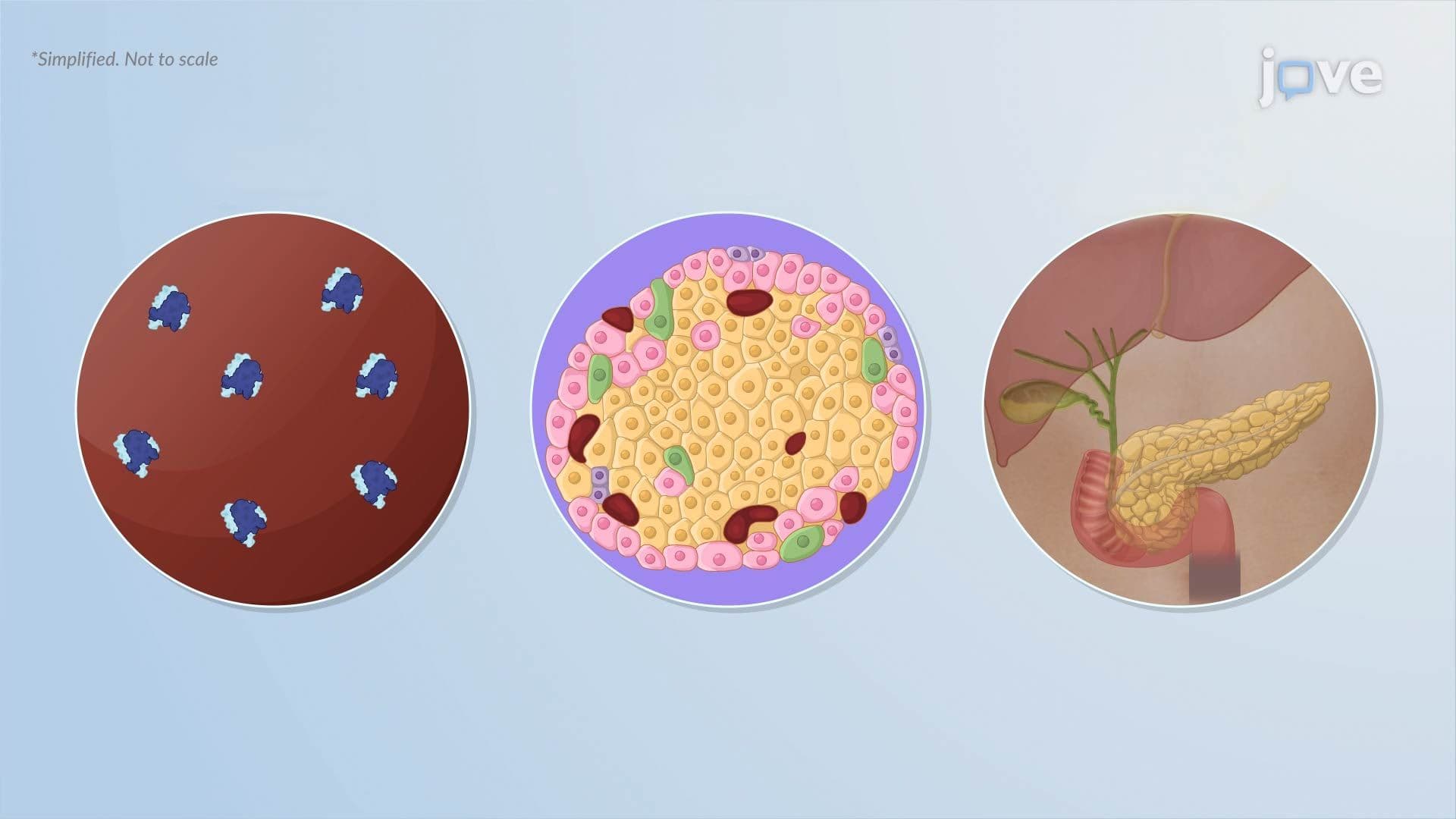
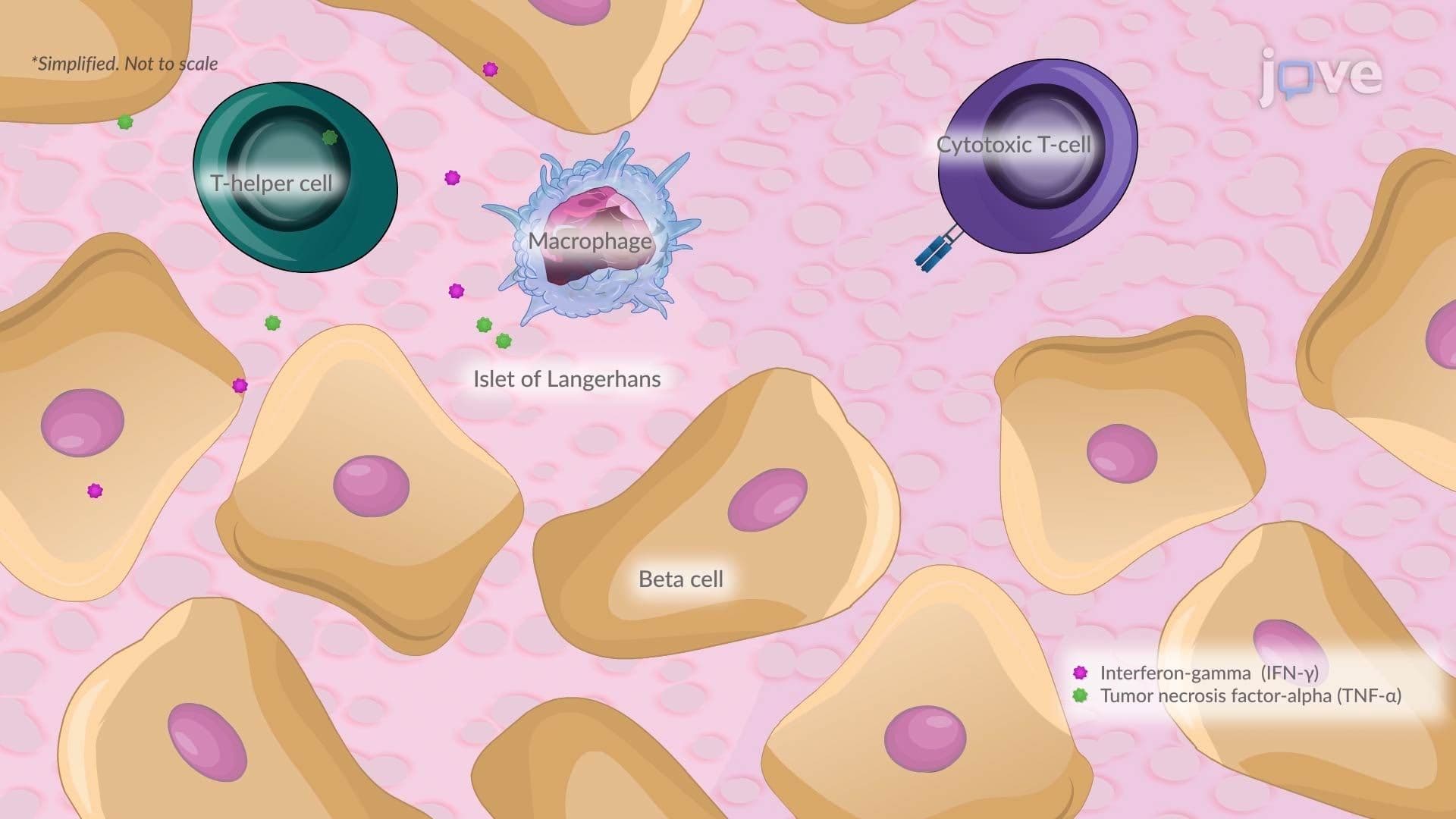
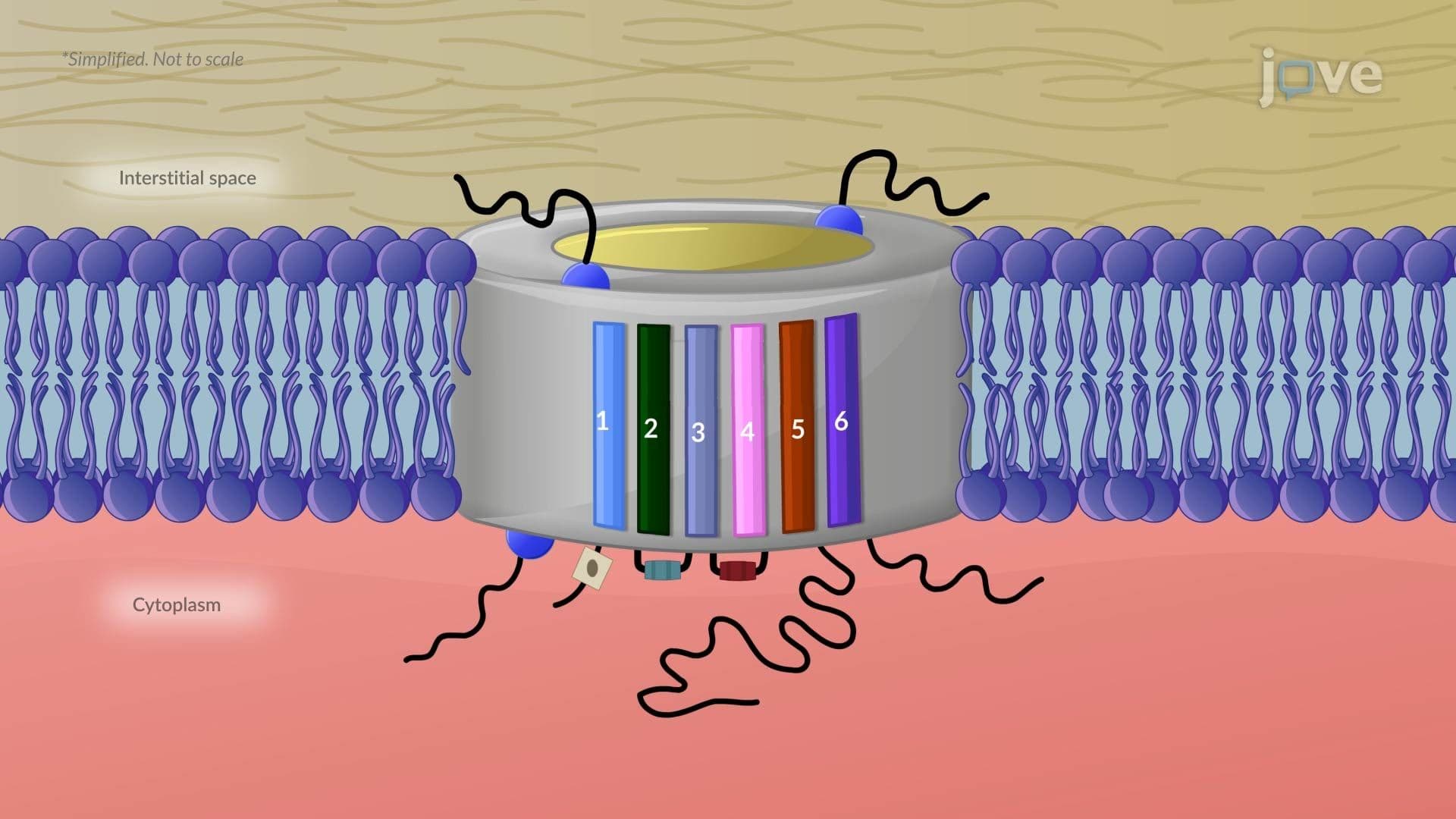
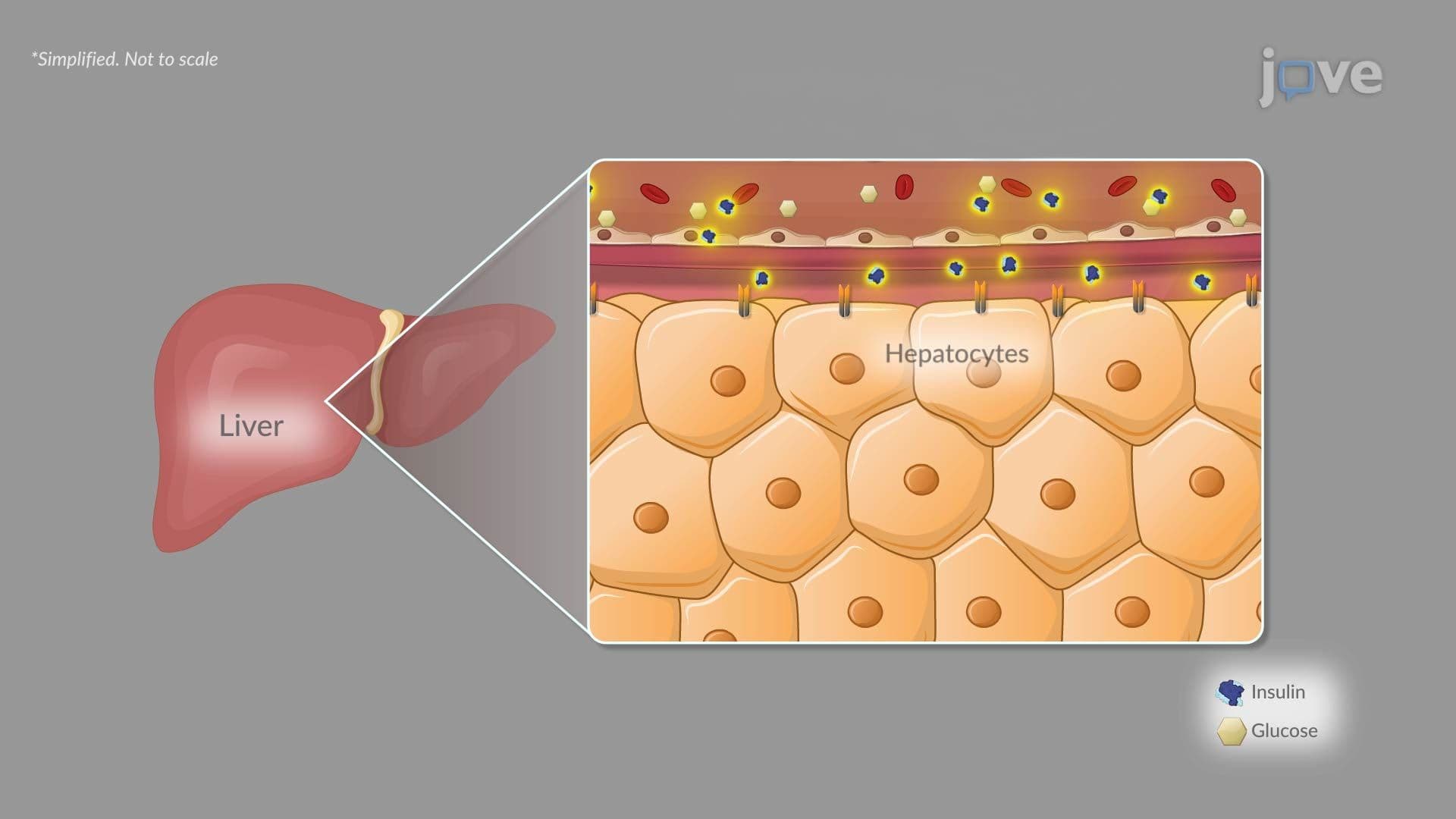
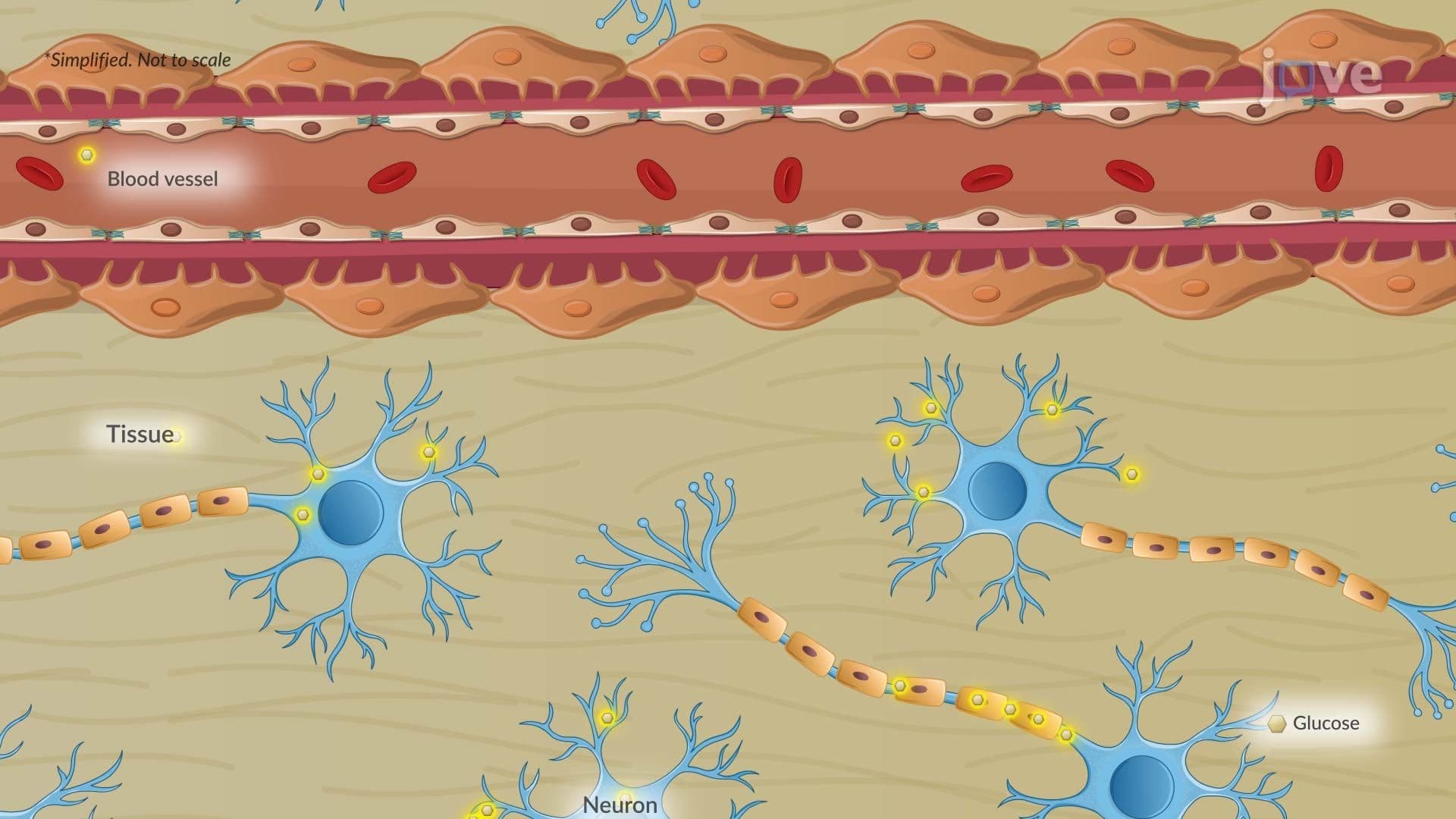
Type 1 diabetes mellitus is an autoimmune condition in which the immune system destroys the insulin-producing beta cells of the pancreatic islets of Langerhans. Without insulin, glucose cannot enter insulin-dependent tissues, primarily skeletal muscle and adipose tissue, no matter how much sugar circulates in the blood. The result is a body in a state of internal starvation, even when food is plentiful. The clinical manifestations of this process are predictable, progressive, and, if recognized early, manageable.
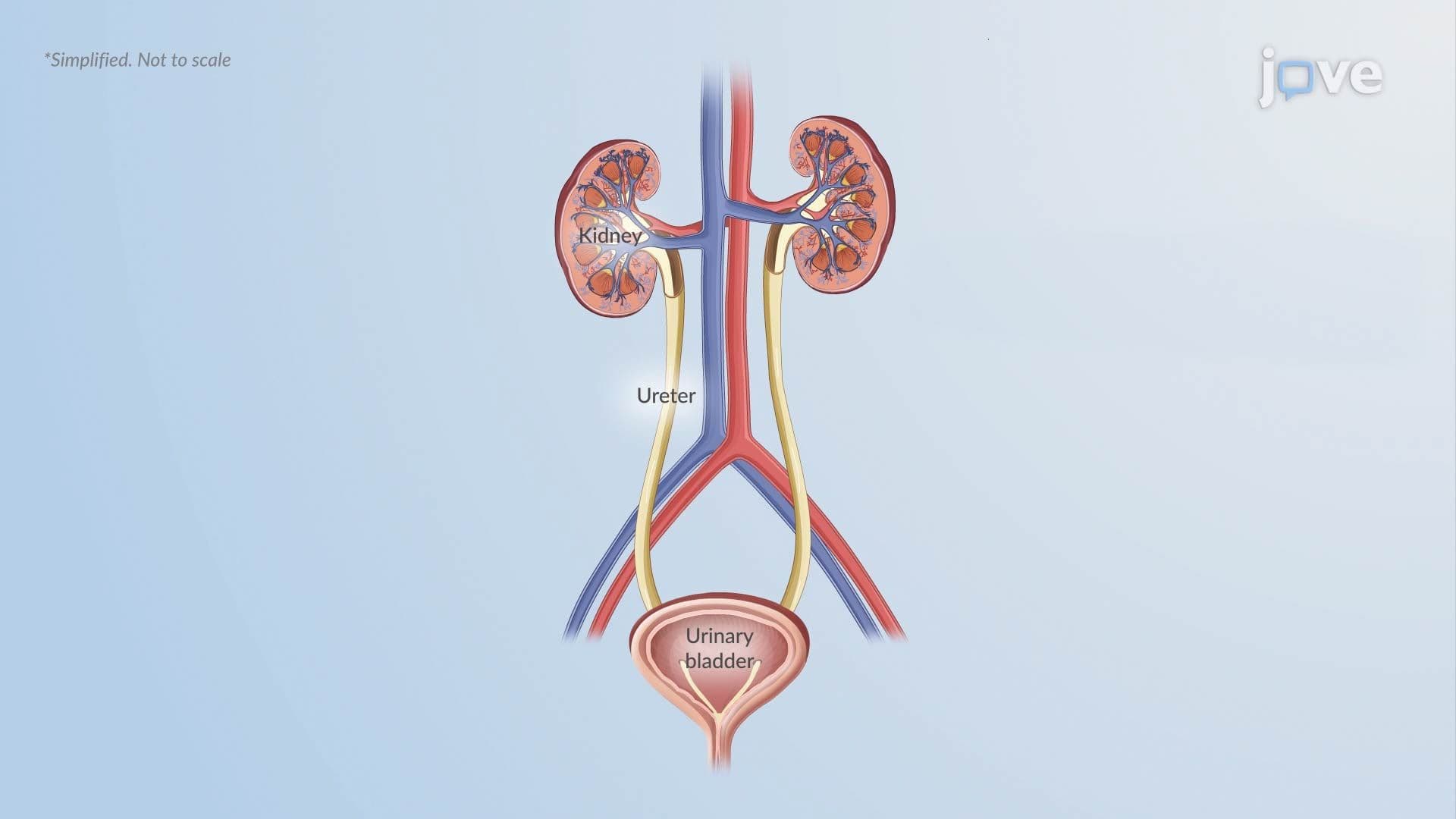
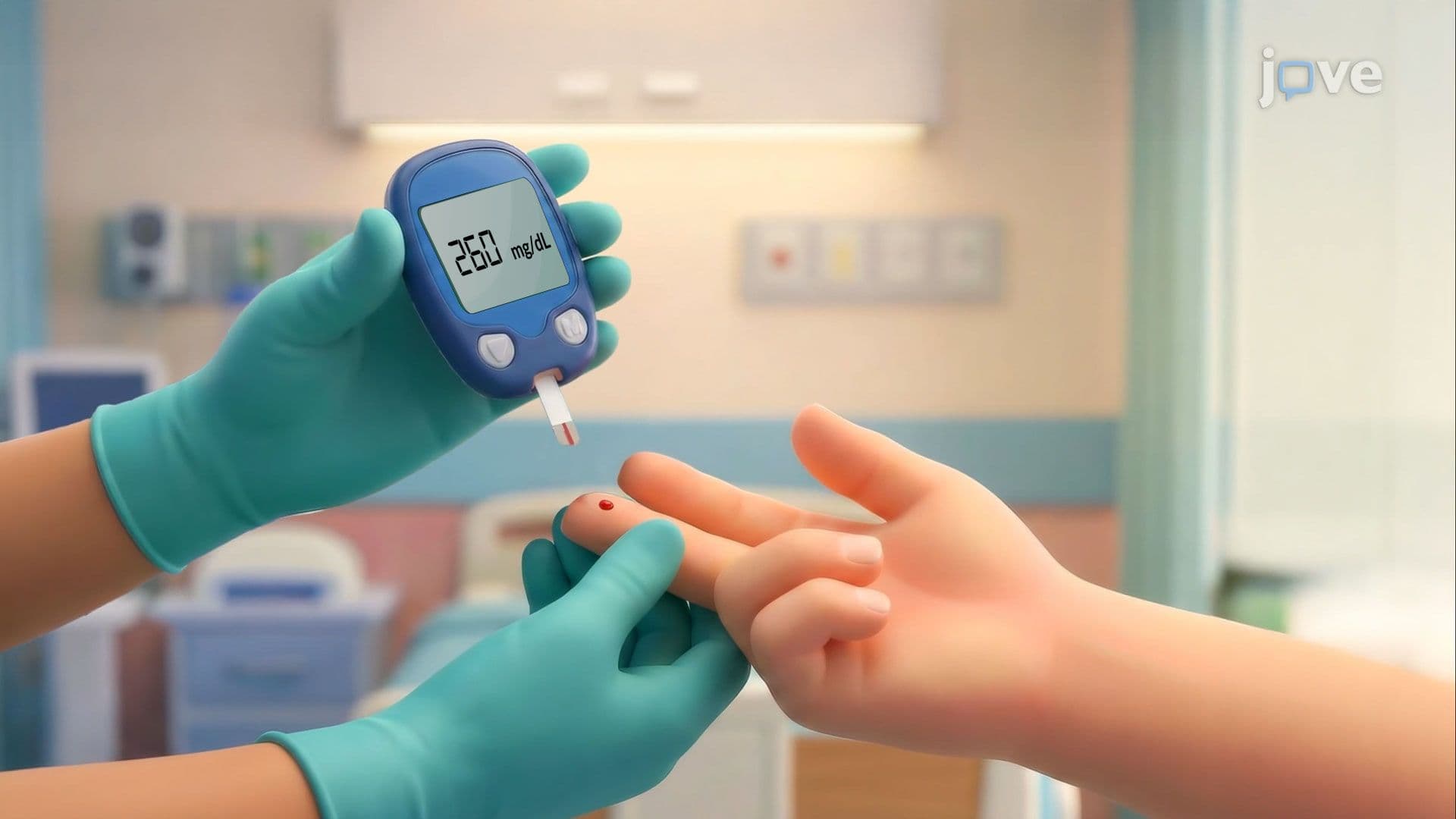
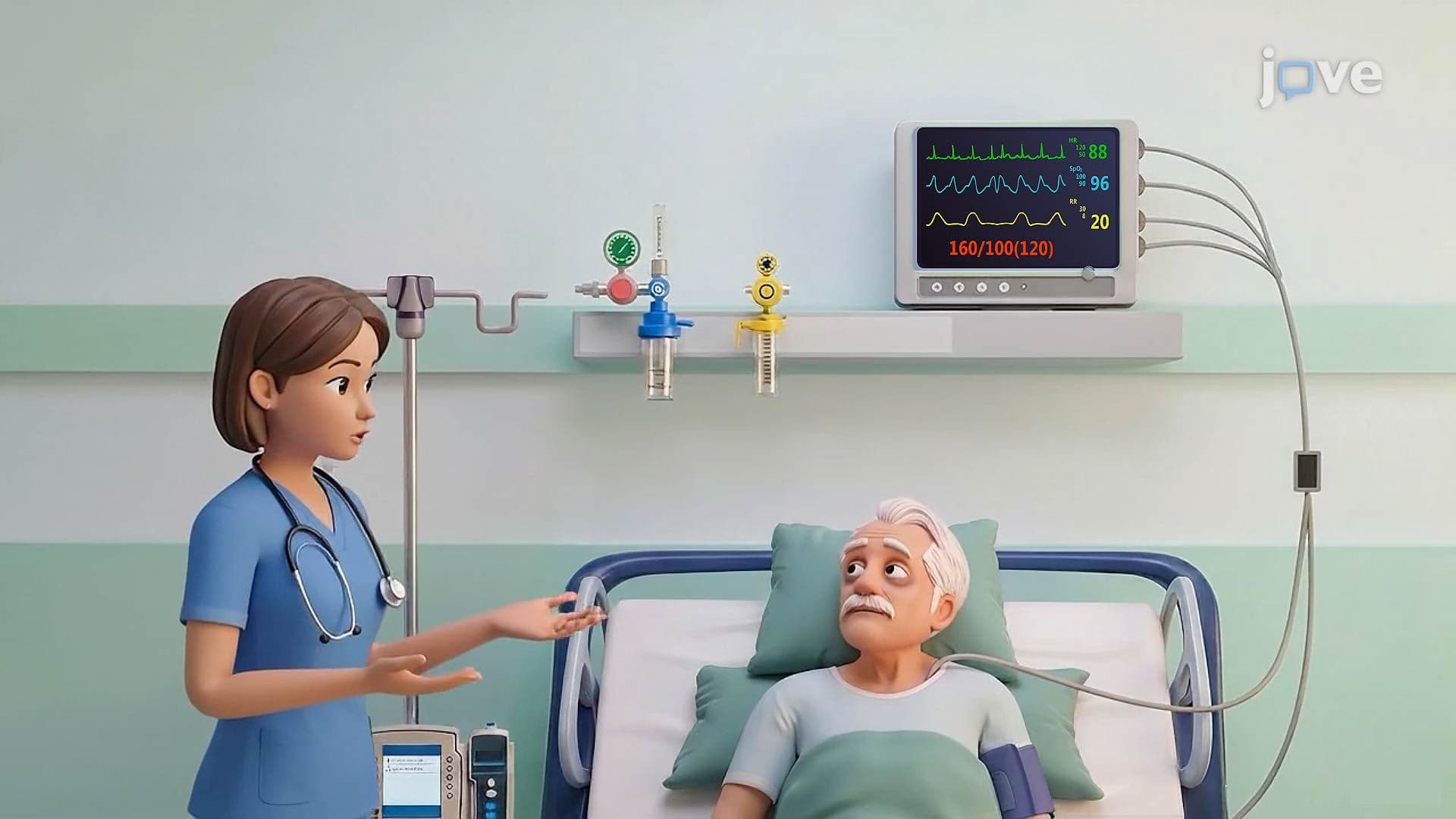
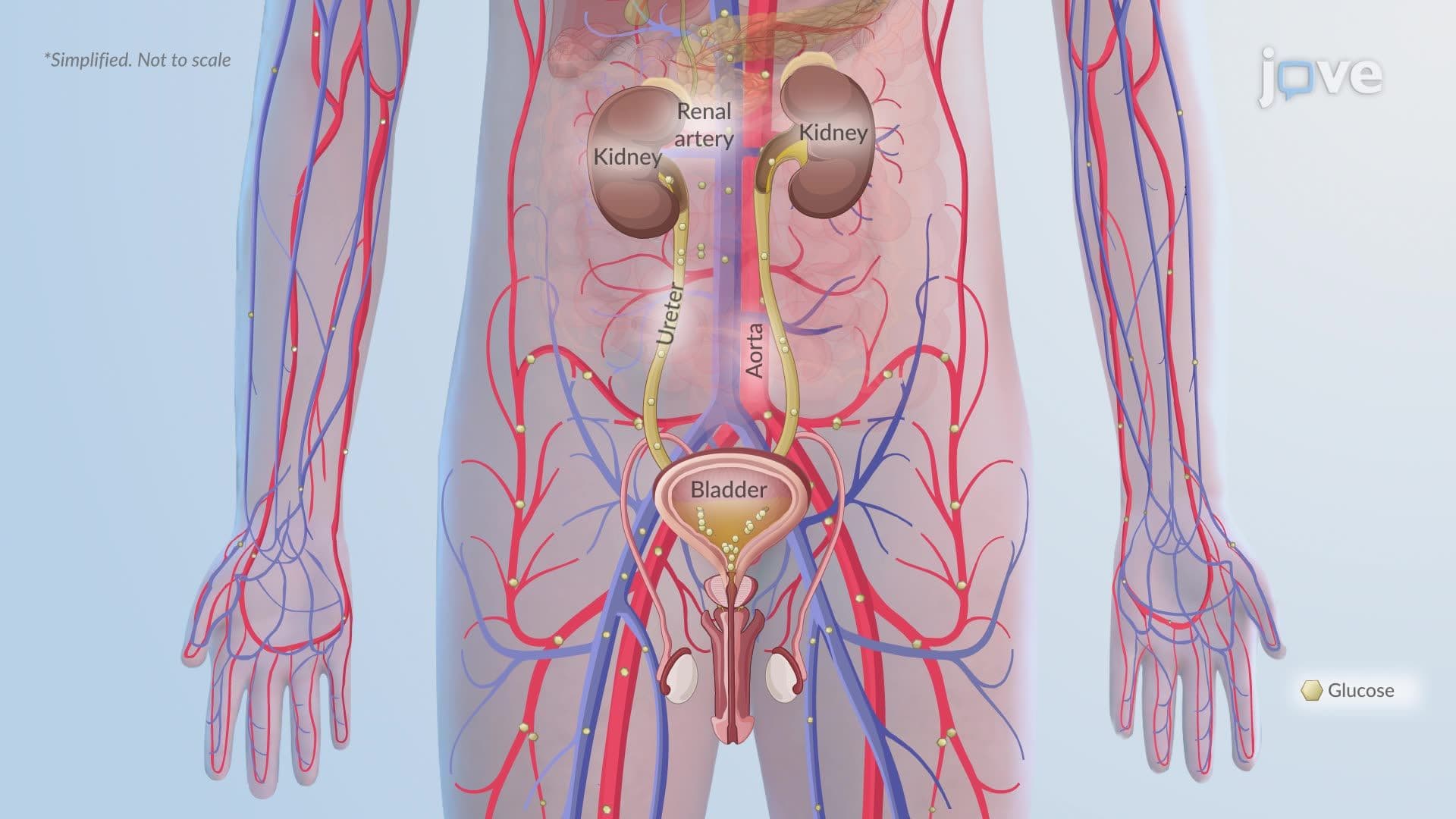
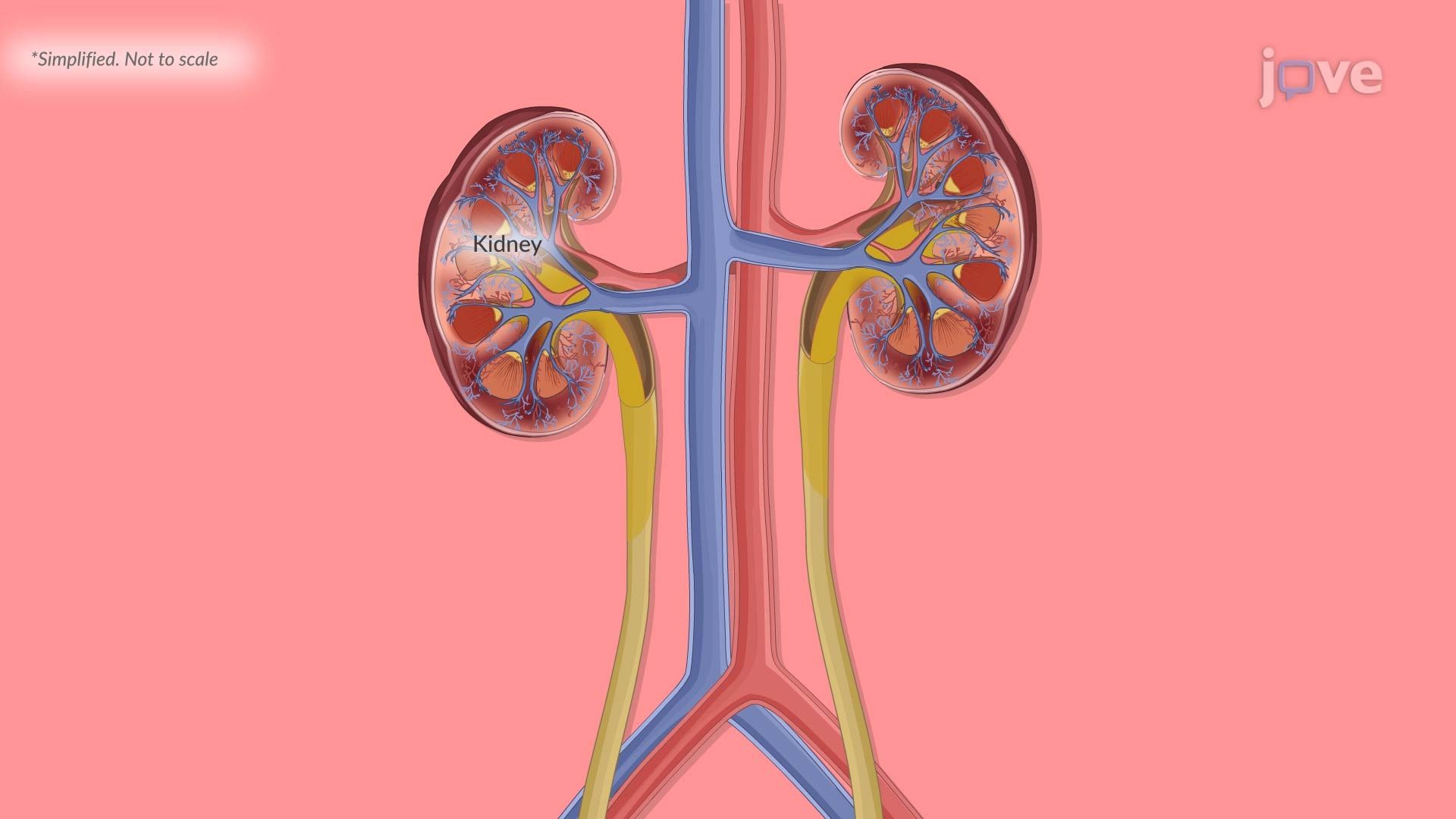
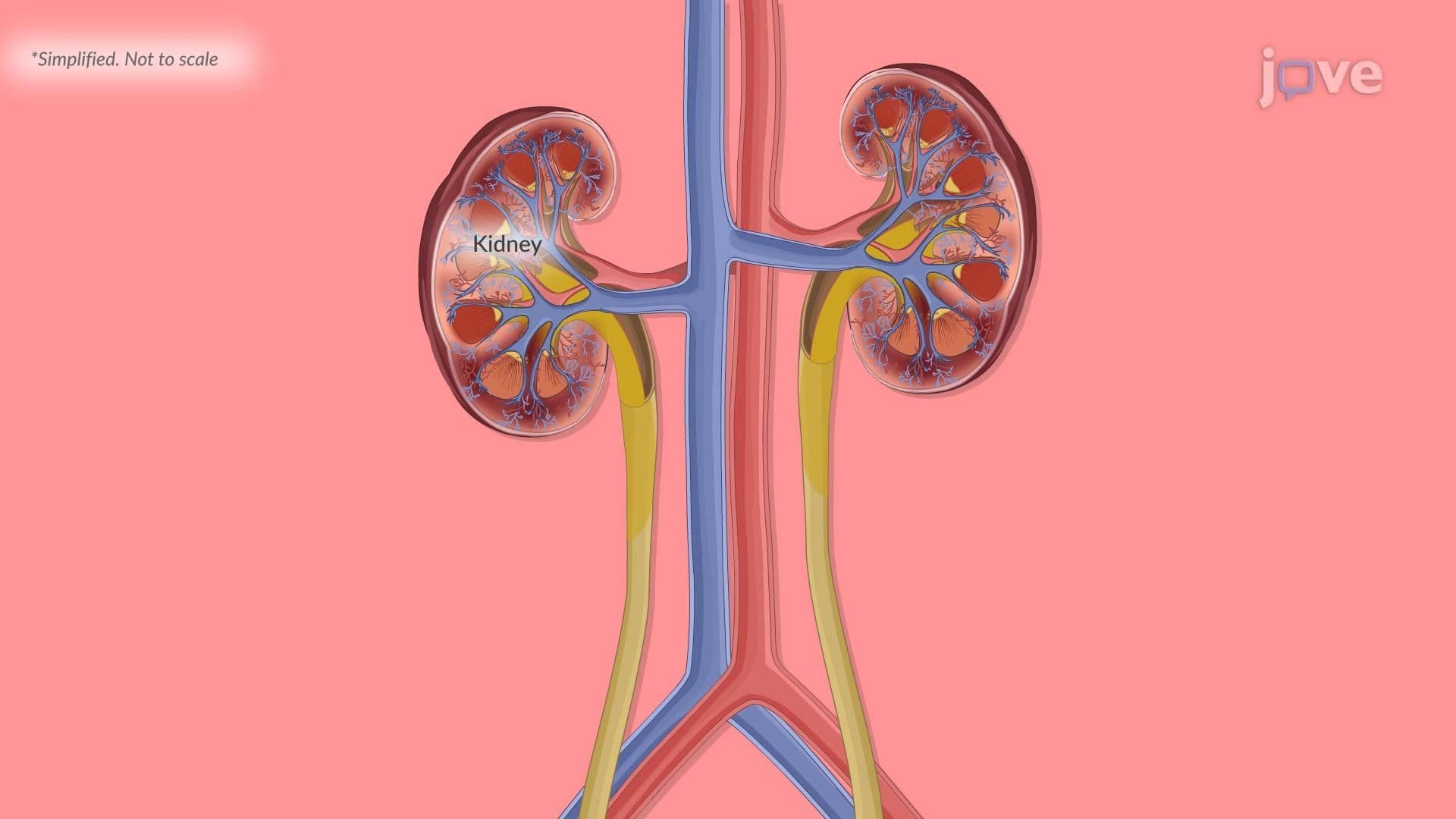
The three hallmark symptoms of Type 1 diabetes form a logical chain. When blood glucose exceeds approximately 180 mg/dL, the renal threshold, the kidneys can no longer fully reabsorb glucose from the filtrate. Glucose spills into the urine, a condition called glucosuria. Because glucose is an osmotically active molecule, it pulls water along with it, producing large volumes of dilute urine (polyuria). This fluid loss leads to dehydration, activating thirst centers in the hypothalamus and driving excessive fluid intake (polydipsia). Meanwhile, without insulin signaling, glucose-starved cells send hunger signals to the brain, triggering increased appetite (polyphagia), yet eating more does not resolve the problem, because the glucose still cannot enter cells.
This triad is so well established that U.S. clinical guidelines from the American Diabetes Association (ADA) include it as a key diagnostic indicator for diabetes mellitus.
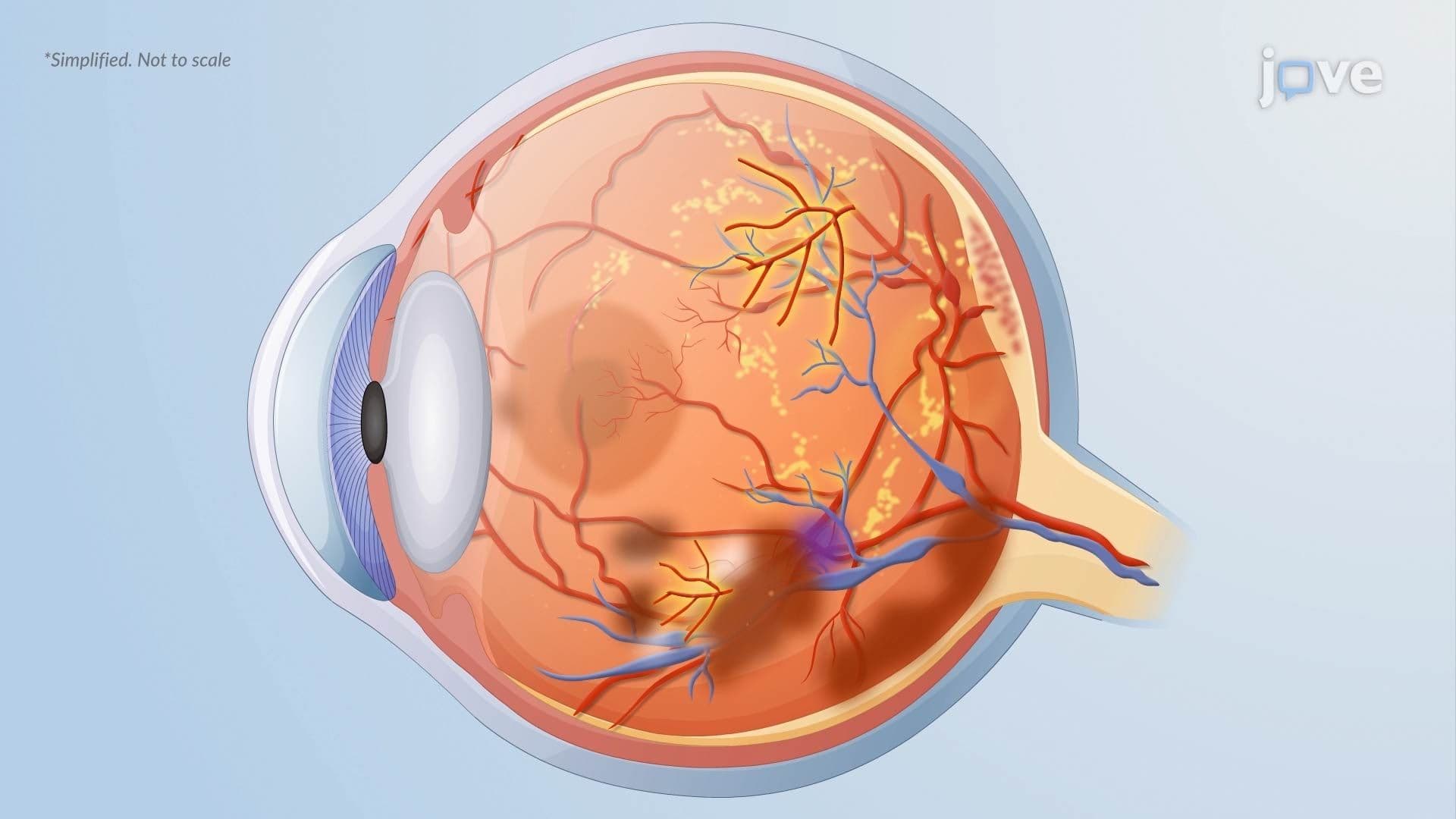
Several other symptoms emerge as the disease progresses. Unexplained weight loss occurs because the body catabolizes fat and protein for energy, mimicking starvation physiology. Blurred vision results from osmotic shifts in the lens of the eye, which temporarily changes its shape and focusing ability. Peripheral neuropathy, numbness or tingling in the hands or feet, reflects early nerve damage caused by prolonged glucose exposure. Chronic fatigue stems directly from cellular energy deficits. Dry or itchy skin and delayed wound healing are related to poor circulation and immune dysfunction, both of which are worsened by hyperglycemia. Itching of the external genitals may result from yeast or bacterial overgrowth fueled by glucose in the urine.
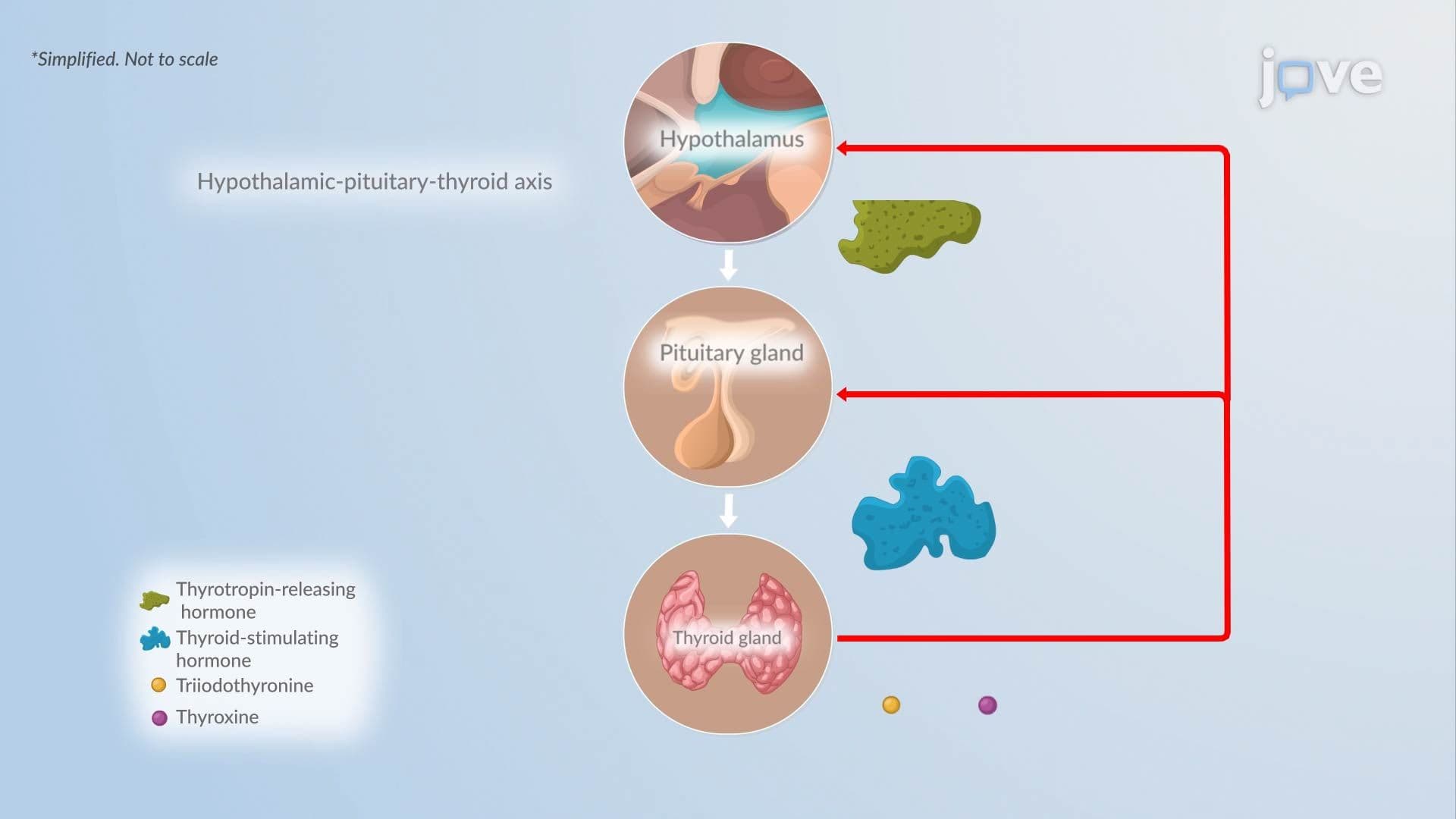
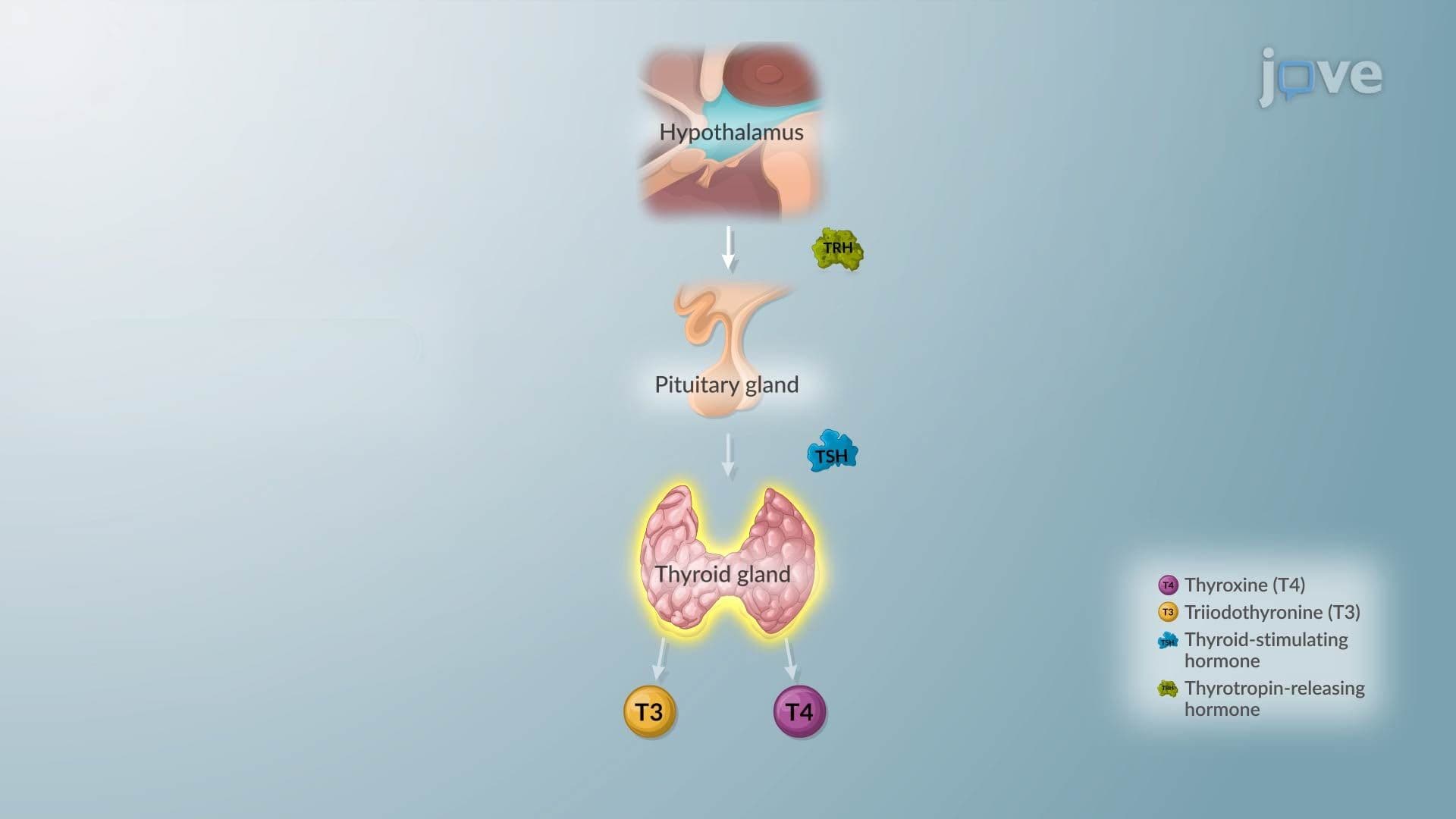
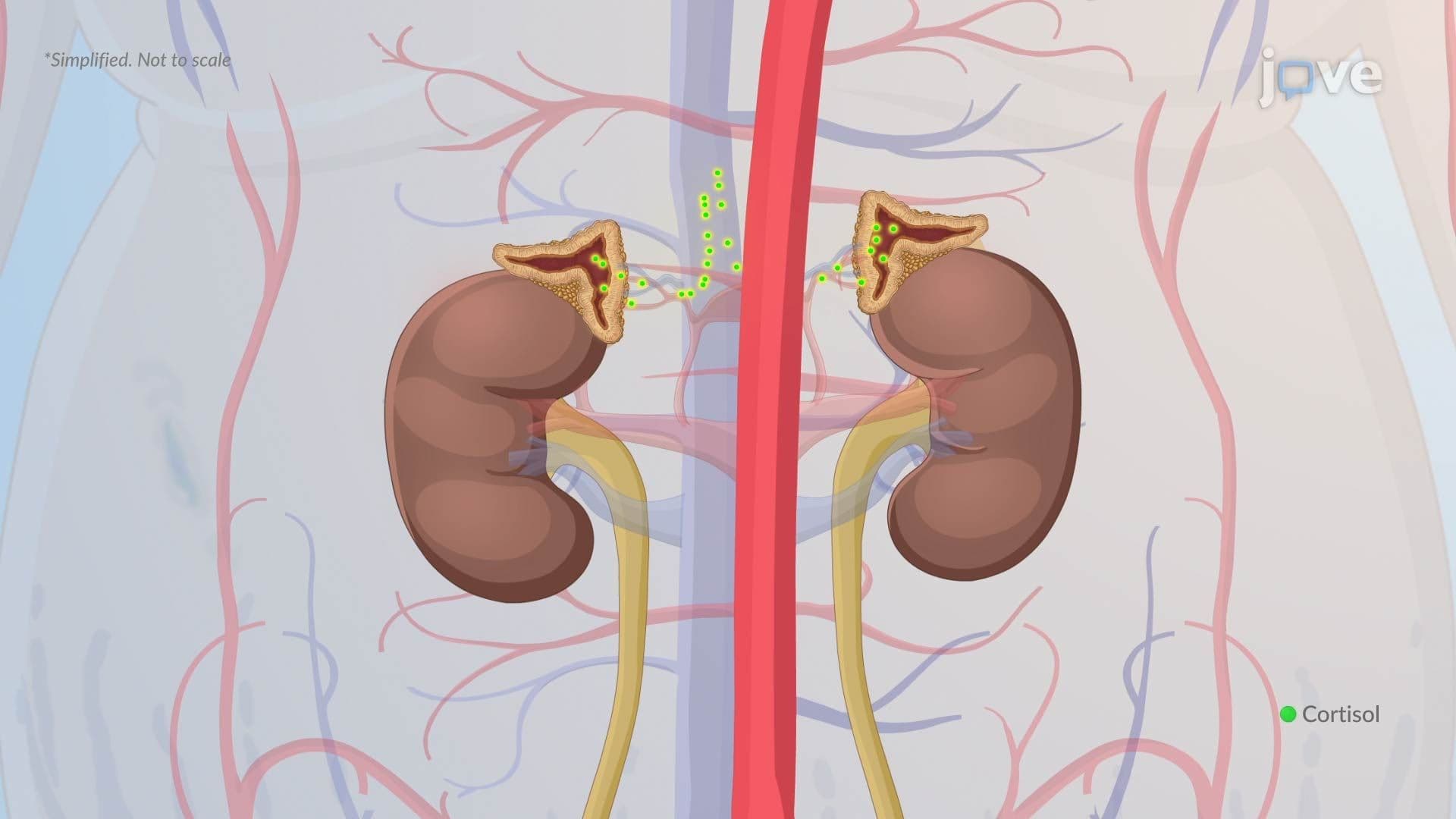
Type 1 diabetes does not exist in isolation. It belongs to a family of endocrine system disorders caused by hormonal imbalances. Like hypothyroidism, where insufficient thyroid hormone slows metabolism, or adrenal insufficiency, where low cortisol impairs stress response, diabetes mellitus involves a critical hormone (insulin) being absent or ineffective. Cushing's syndrome, by contrast, involves cortisol excess, which can actually worsen glucose regulation, demonstrating how interconnected the endocrine system is. Hyperthyroidism can accelerate metabolism and mimic some overlapping symptoms like weight loss and fatigue, making differential diagnosis essential.
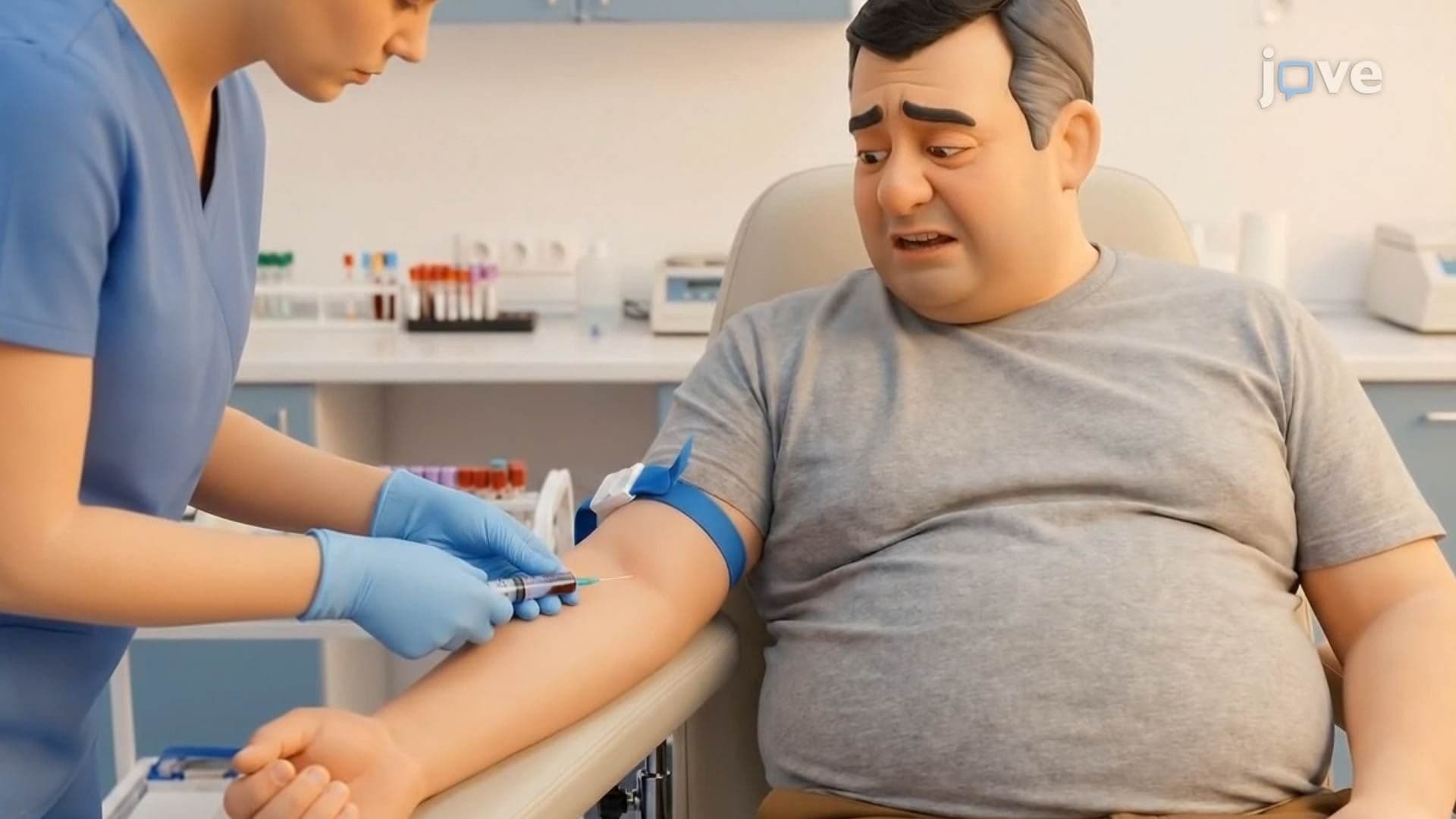
Understanding how endocrine disorders are diagnosed, through blood glucose tests, HbA1c levels, hormone panels, and clinical symptom evaluation, is a fundamental skill in medicine and health sciences.
For students in AP Biology, college-level anatomy and physiology, or those preparing for the MCAT, USMLE Step 1, or NCLEX, understanding the pathophysiology behind each symptom, not just memorizing the list, is what earns points. Exam questions frequently ask students to trace a symptom back to its mechanism: Why does polyuria cause polydipsia? Why does polyphagia persist despite eating? Grounding each answer in osmotic diuresis, insulin signaling, and cellular metabolism demonstrates the analytical thinking these exams reward.
Related Micro-courses