Loading video…

 27 Concepts
 4.7K views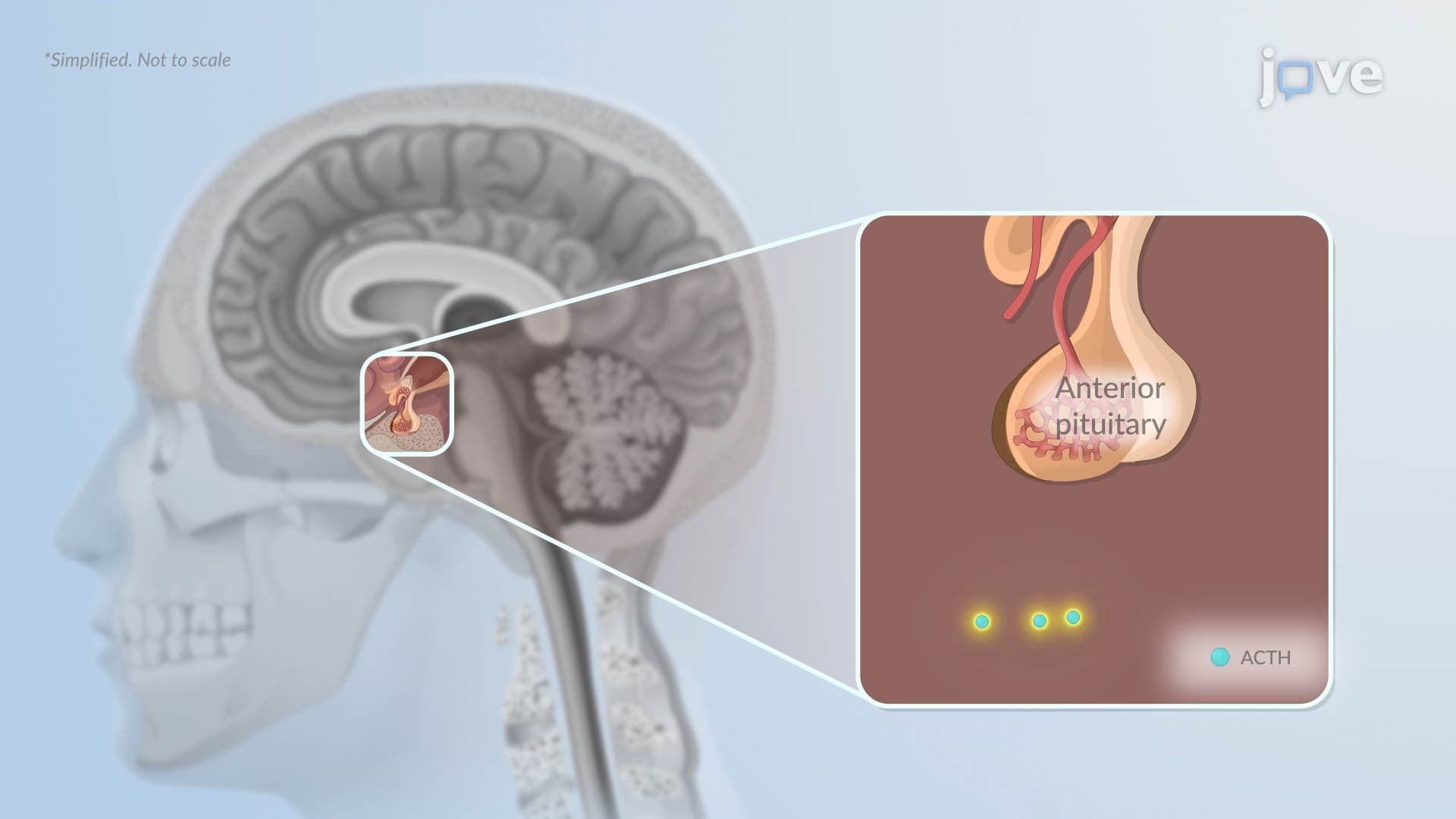

Video Summary: Pathophysiology in Cushing Syndrome Ii
Did you know your own stress hormone can turn against you? Understanding pathophysiology in Cushing syndrome II reveals how the HPA axis, the body's cortisol control system, breaks down in three distinct ways. Think of patients at Mayo Clinic diagnosed with pituitary tumors flooding their systems with ACTH. Explore Pathophysiology in Cushing Syndrome II basics to see how feedback loops fail. Watch the full video on JoVE Coach to master this concept with expert-led visuals and step-by-step explanations.
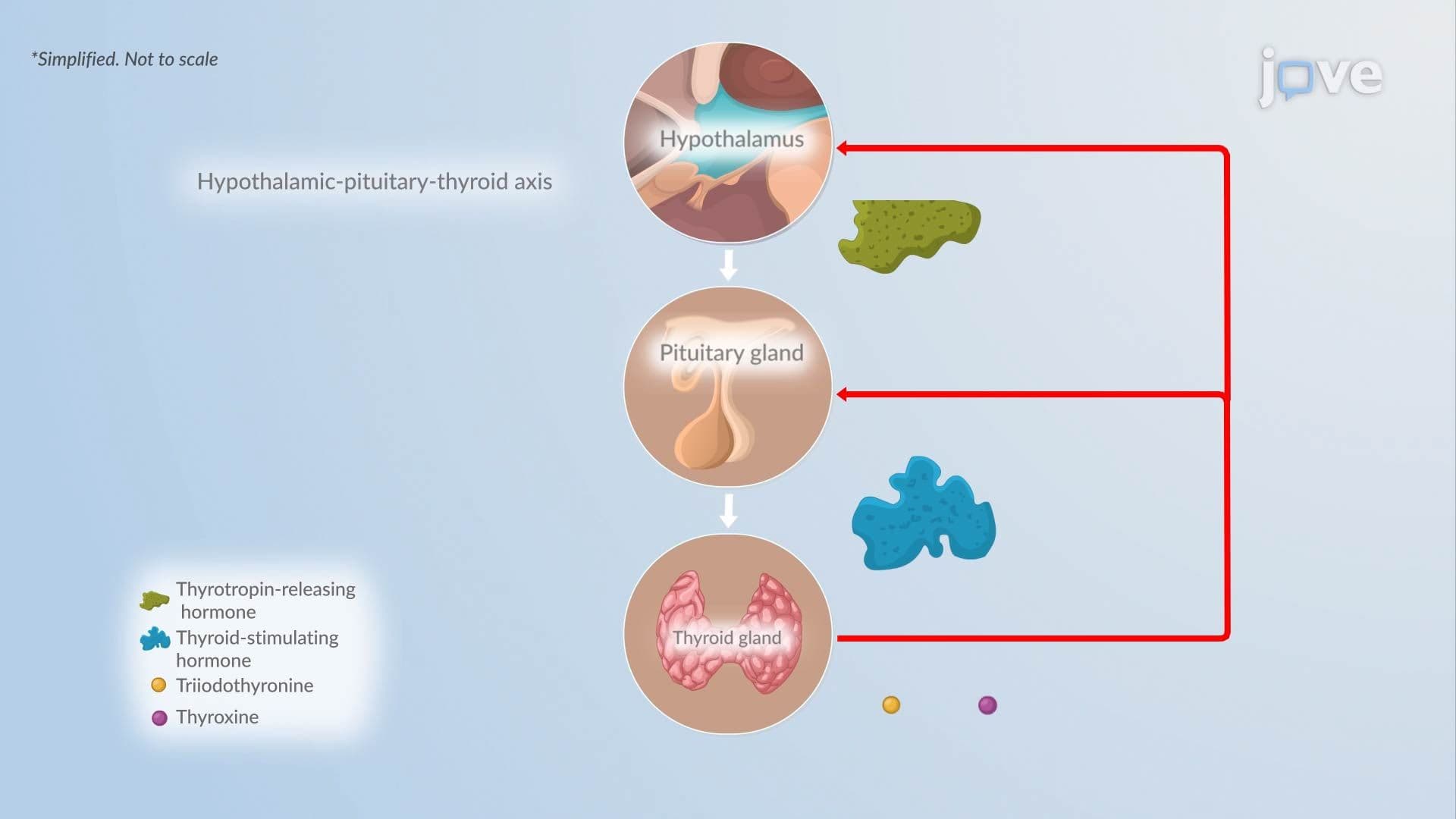
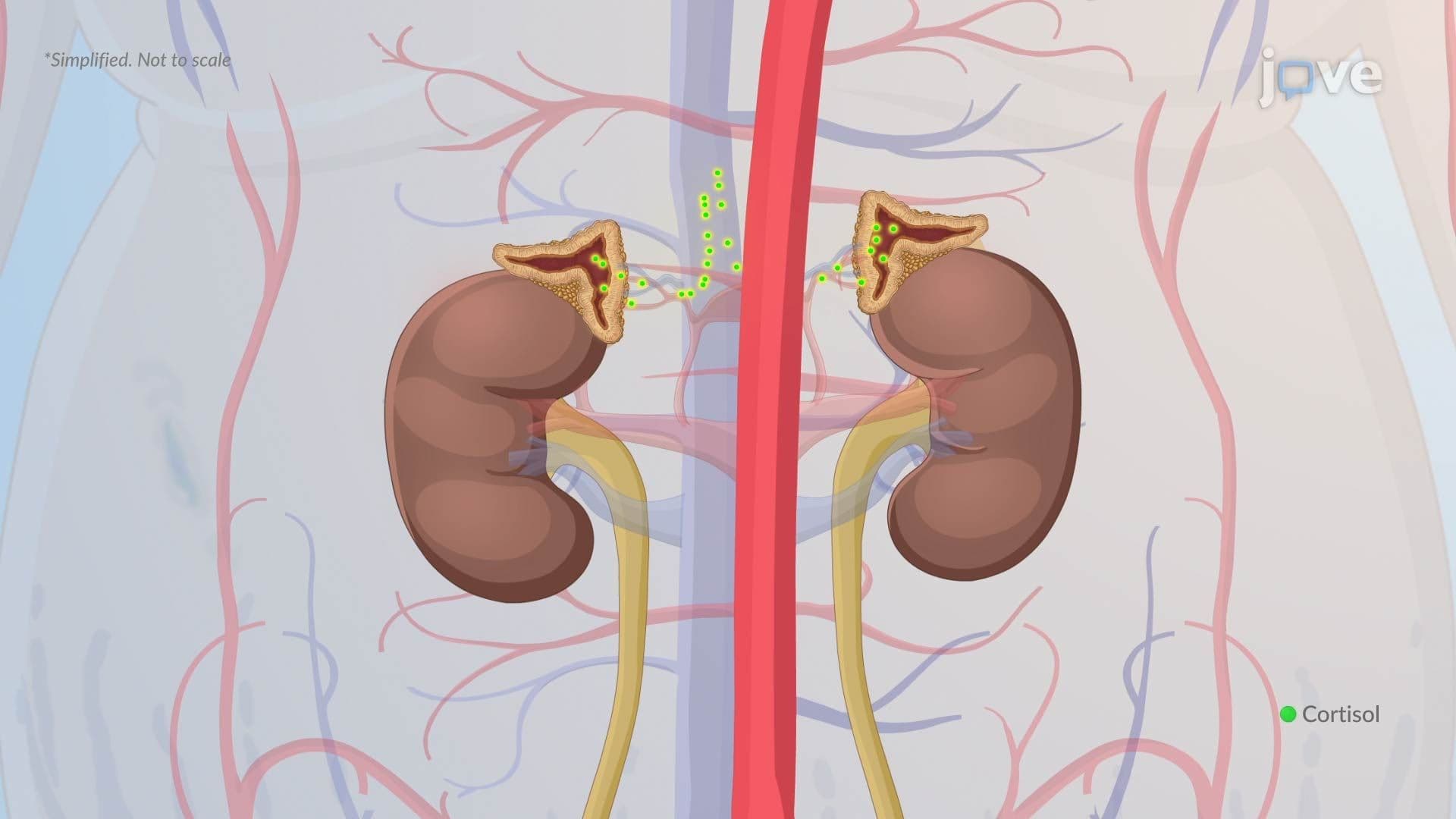
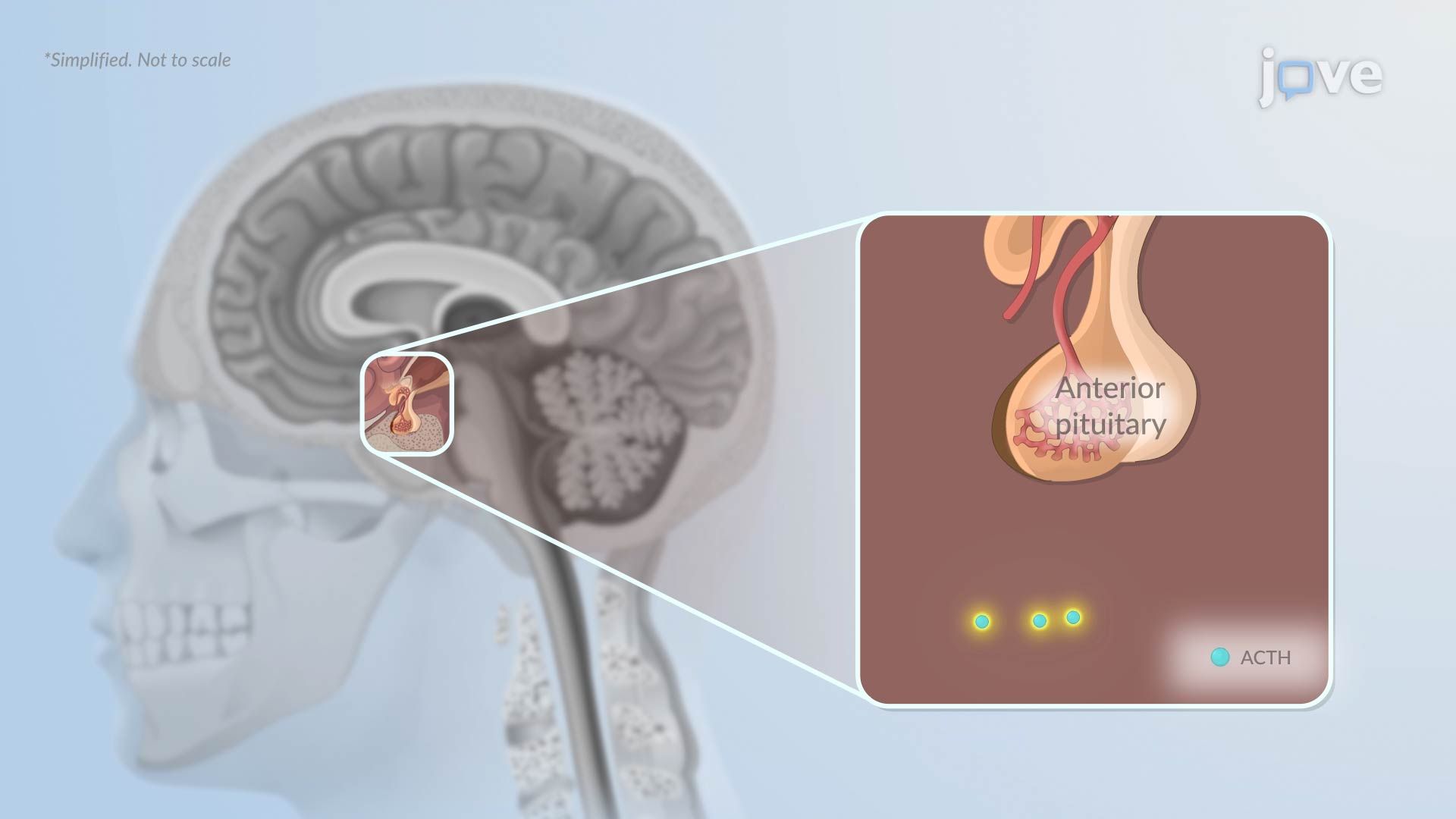
The human body is remarkably precise about cortisol. Under normal conditions, the hypothalamic-pituitary-adrenal (HPA) axis runs like a thermostat: when cortisol drops, the hypothalamus releases corticotropin-releasing hormone (CRH), prompting the anterior pituitary to secrete adrenocorticotropic hormone (ACTH), which drives the adrenal cortex, specifically the zona fasciculata, to produce cortisol. Once cortisol climbs high enough, it signals back to suppress both CRH and ACTH. This elegant negative feedback loop keeps cortisol within a healthy range. In Cushing syndrome, however, that thermostat breaks, and understanding exactly *how* it breaks is the core of this topic.
One of the most common real-world causes of Cushing syndrome in the US is long-term use of prescription corticosteroids, drugs like prednisone or dexamethasone prescribed for conditions such as rheumatoid arthritis, lupus, or asthma. When these synthetic steroids flood the bloodstream, the HPA axis reads them as cortisol and shuts down. CRH and ACTH plummet. The adrenal glands, starved of stimulation, can actually atrophy over time. This form is called exogenous Cushing syndrome, and it's a critical distinction on any clinical or board exam: the cortisol is high, but ACTH is suppressed.
Cushing's disease, a specific subtype, occurs when a benign pituitary adenoma autonomously overproduces ACTH. Unlike healthy pituitary cells, these tumor cells largely ignore the negative feedback signal from rising cortisol. The adrenal glands receive a relentless ACTH signal, chronically producing excess cortisol. This is one of the most tested scenarios on the MCAT and USMLE Step 1, where students must distinguish high cortisol + high ACTH with a *pituitary* source. In the US, neurosurgeons at academic medical centers like Johns Hopkins regularly perform transsphenoidal surgery to remove these tumors.
Perhaps the most dramatic form is ectopic ACTH syndrome, where a non-pituitary tumor, most often a small-cell lung carcinoma or a pancreatic neuroendocrine tumor, secretes ACTH completely outside the brain's regulatory loop. The pituitary has nothing to do with it. Because these tumors produce massive, unregulated ACTH, cortisol levels can climb even higher than in Cushing's disease, sometimes causing severe hypokalemia and muscle wasting. On AP Biology and college endocrinology midterms, identifying ectopic ACTH syndrome from a case vignette requires recognizing a high-ACTH, high-cortisol pattern with a confirmed *non-pituitary* tumor source.
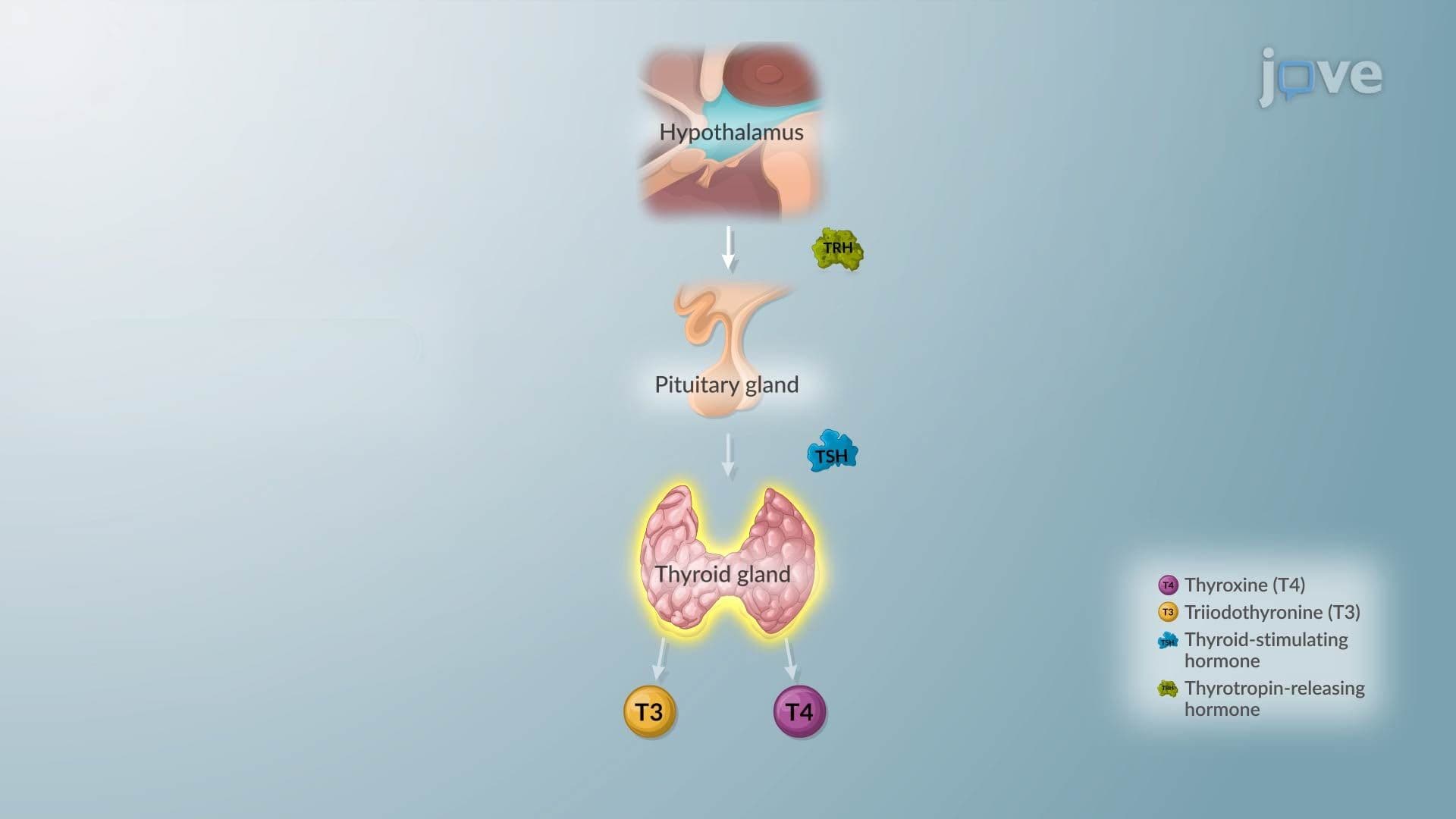
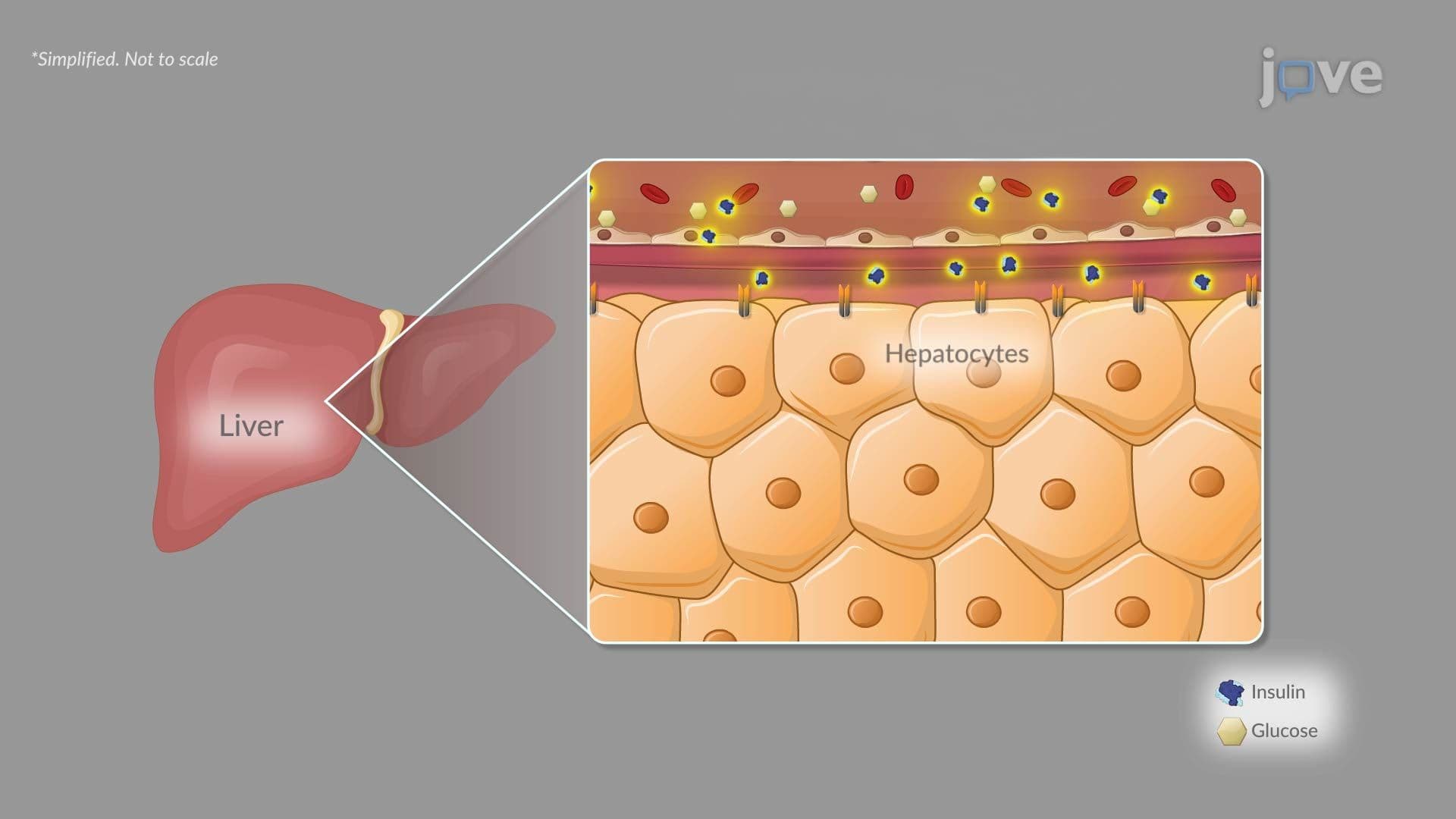
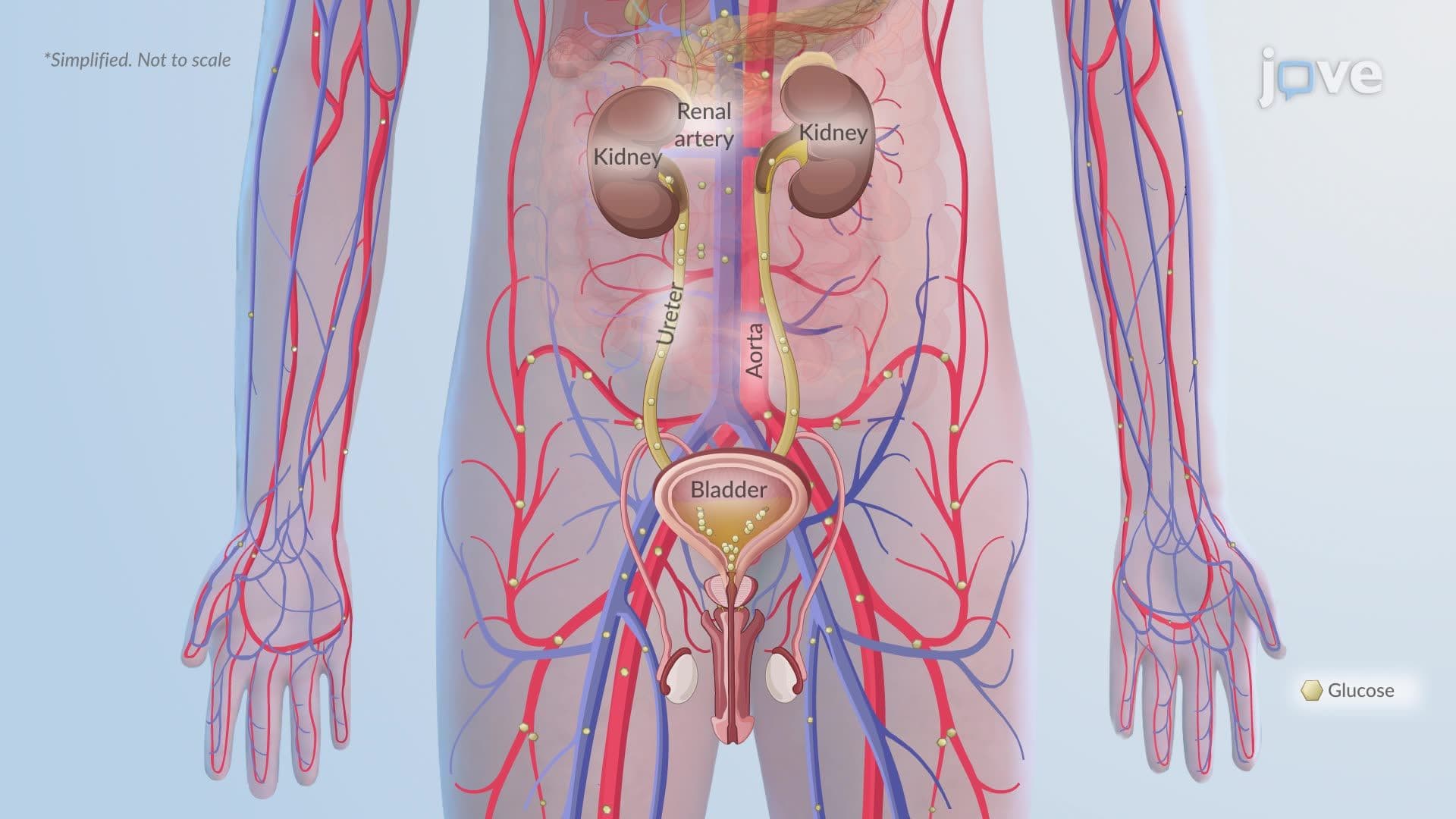
Excess cortisol doesn't exist in isolation. Chronic hypercortisolism disrupts glucose metabolism, leading to secondary diabetes mellitus, and suppresses the immune system, affects bone density, and dysregulates other hormonal axes. Students studying endocrine system disorders will notice thematic overlaps: adrenal insufficiency is essentially the opposite of Cushing syndrome, while conditions like hypothyroidism and hyperthyroidism share the same diagnostic principle of feedback loop disruption. Understanding Cushing syndrome deeply positions students to think systemically about all hormonal imbalances, a skill that pays dividends on AP exams, college physiology courses, and professional licensing exams like the NCLEX and HESI A2.
Related Micro-courses