Loading video…

 27 Concepts
 4.7K views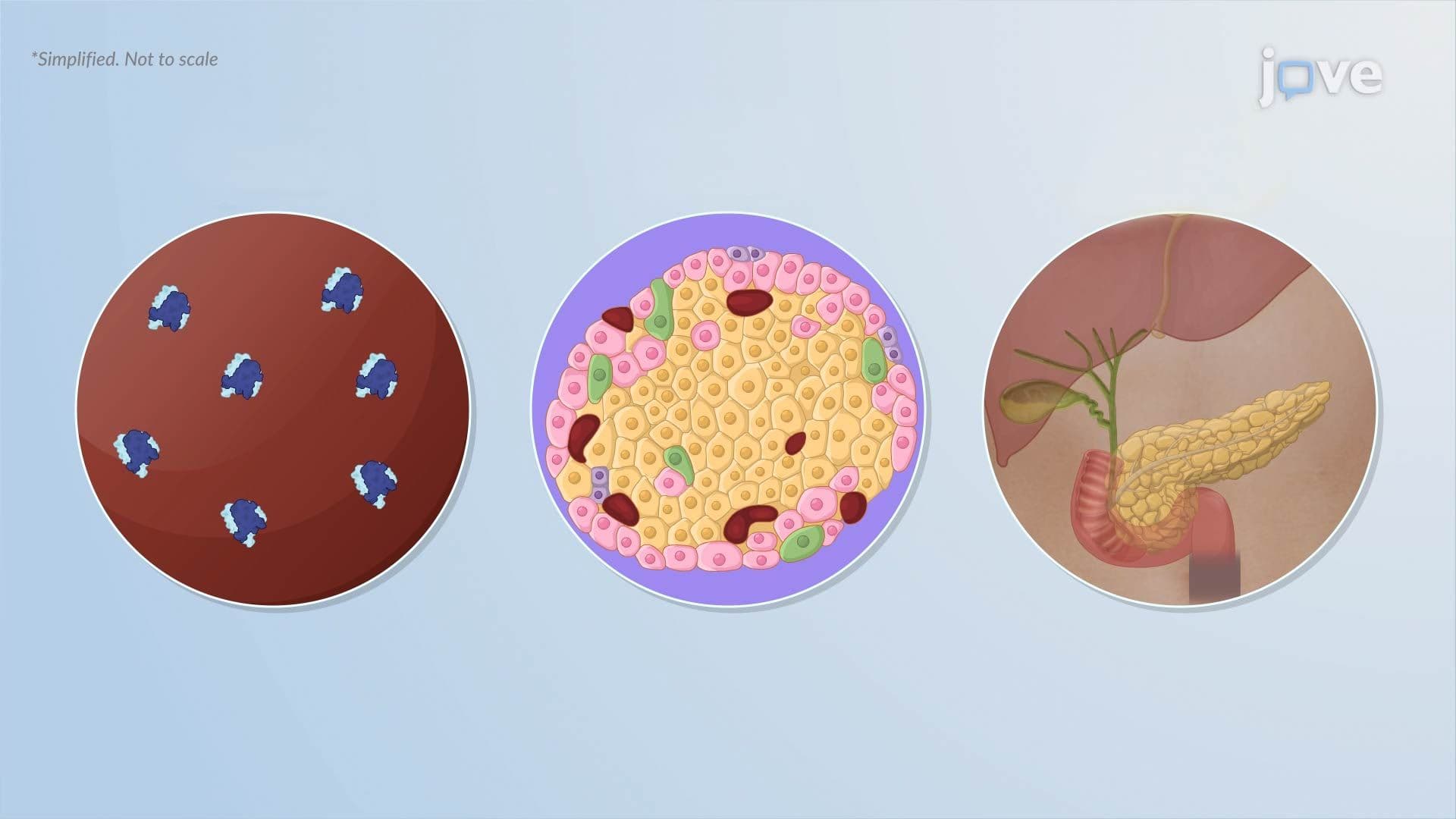

Video Summary: What Is Diabetes Mellitus
Nearly 38 million Americans live with diabetes mellitus, yet many don't fully understand what's happening inside their bodies. Diabetes mellitus basics start with one key idea: the body can't properly regulate blood glucose. Whether caused by autoimmune destruction of insulin-producing cells, insulin resistance, or pregnancy hormones, the result is chronic hyperglycemia. Watch the full video on JoVE Coach to master this concept with expert-led visuals and step-by-step explanations.
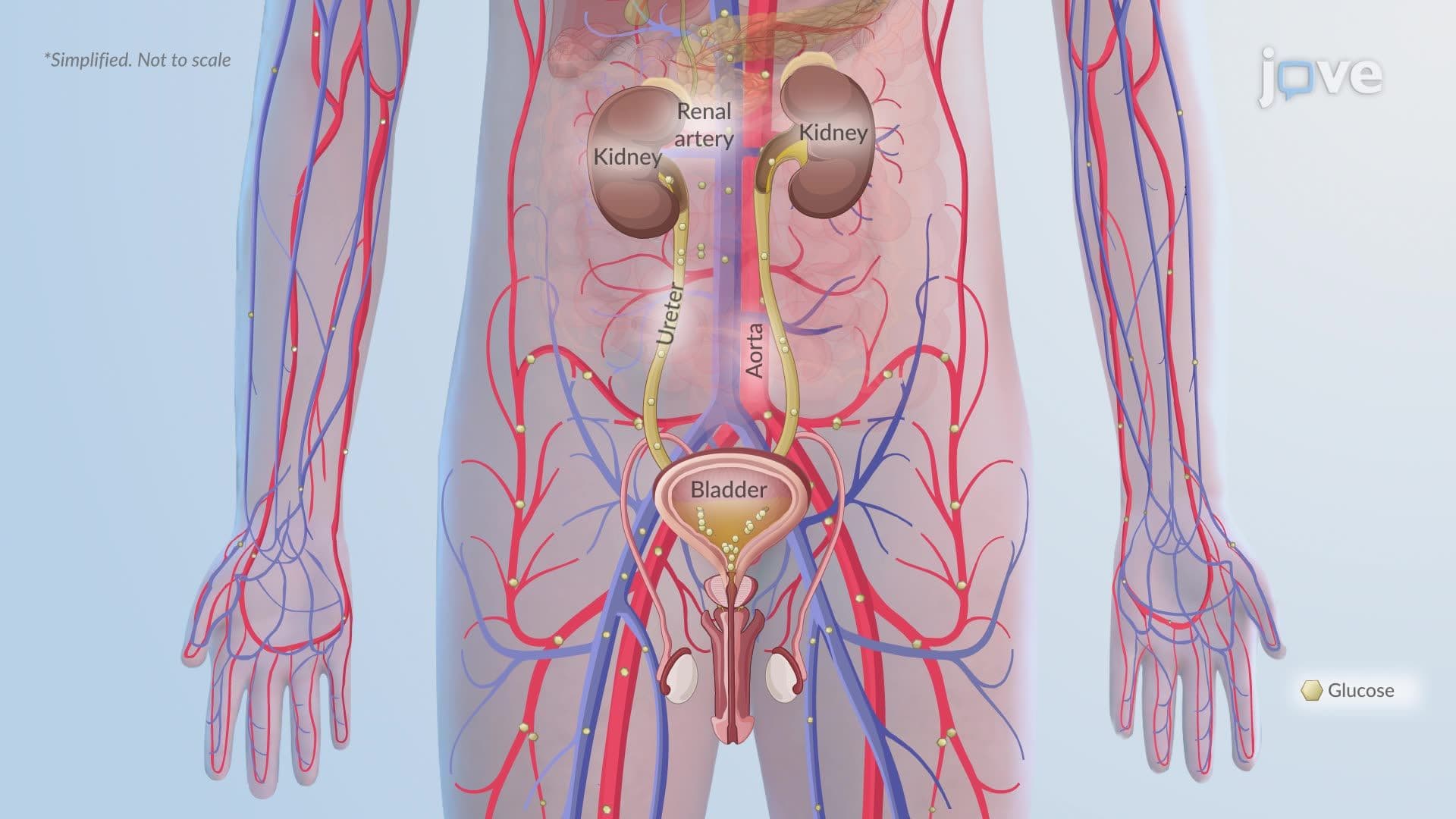
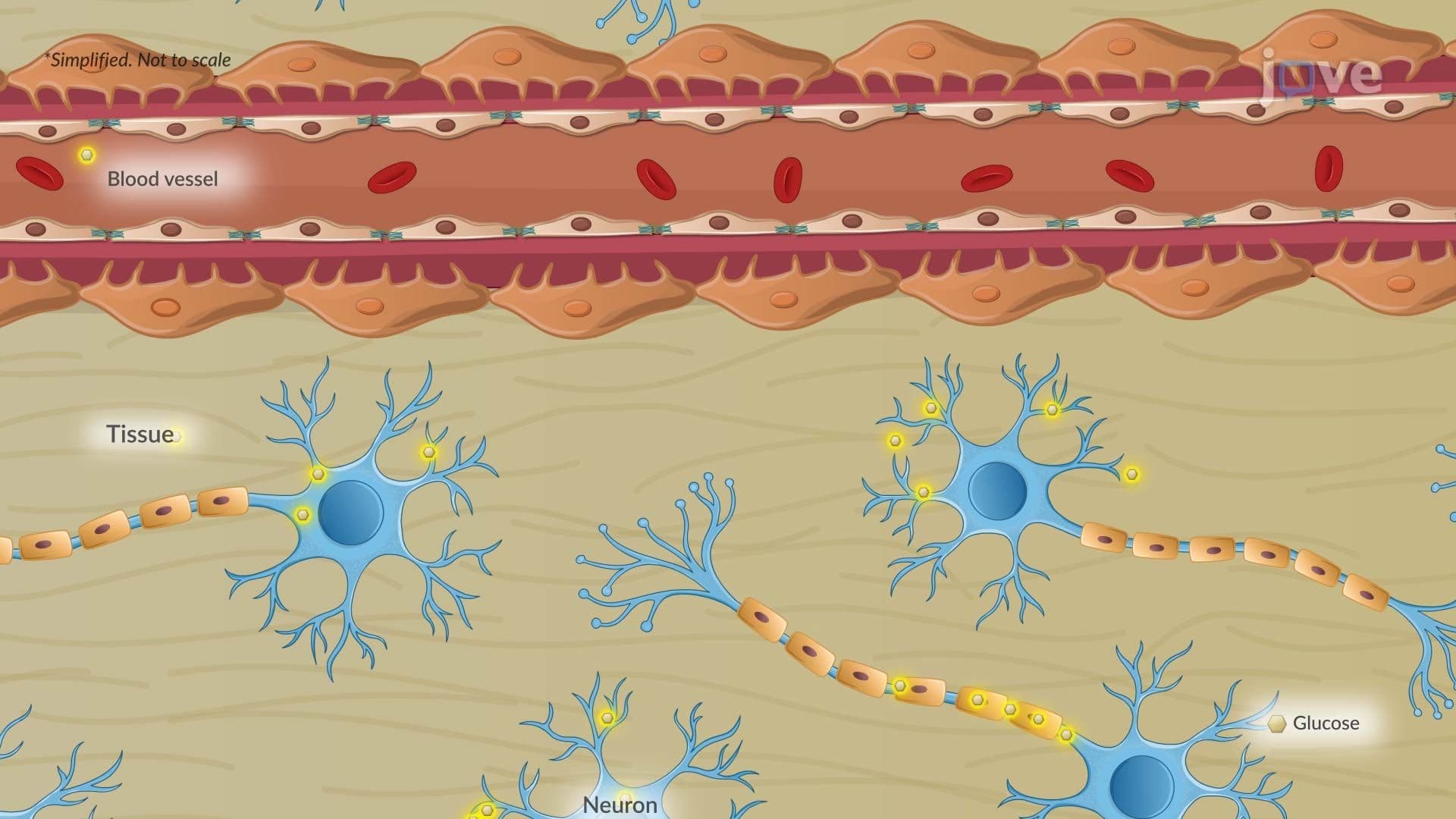
Diabetes mellitus is one of the most prevalent chronic diseases in the United States, affecting roughly 1 in 10 Americans according to the CDC. At its core, it is a metabolic disorder in which the body fails to maintain normal blood glucose levels, a state called homeostasis. The failure stems from problems with insulin, the hormone that acts as a biological "key," unlocking cells so glucose can enter and be used for energy. When that key is missing, broken, or ignored, glucose accumulates dangerously in the bloodstream, leading to hyperglycemia.
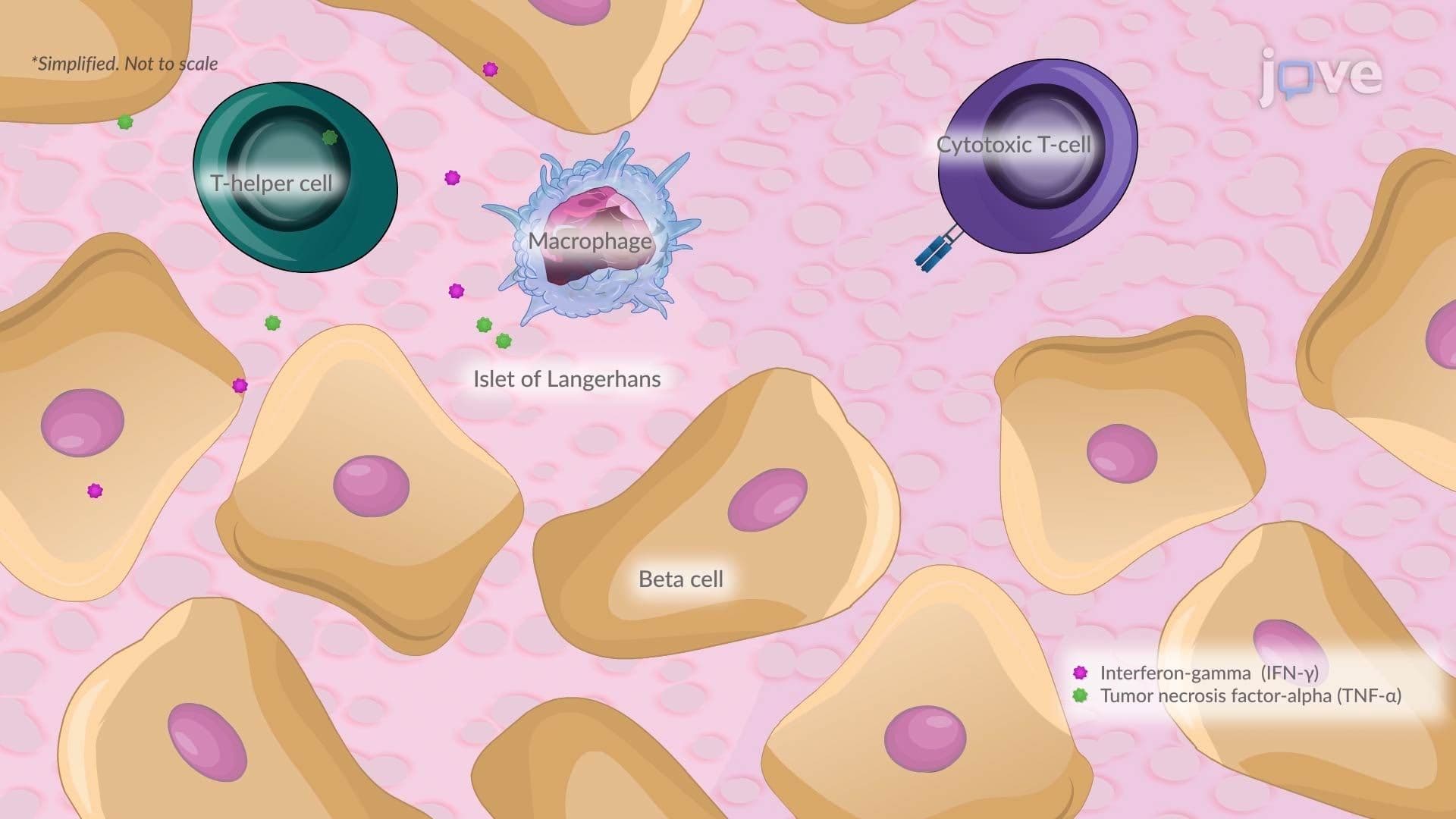
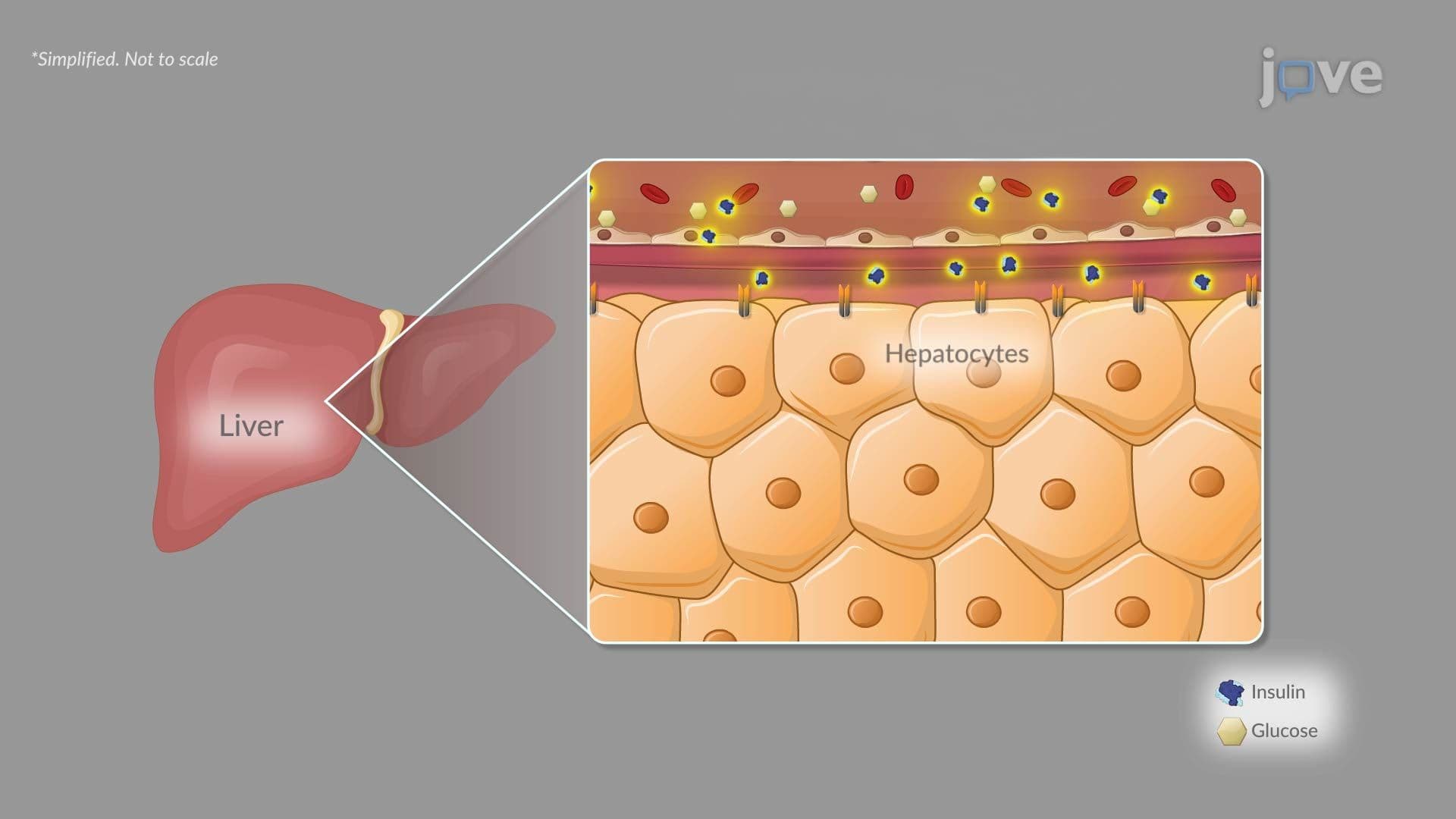
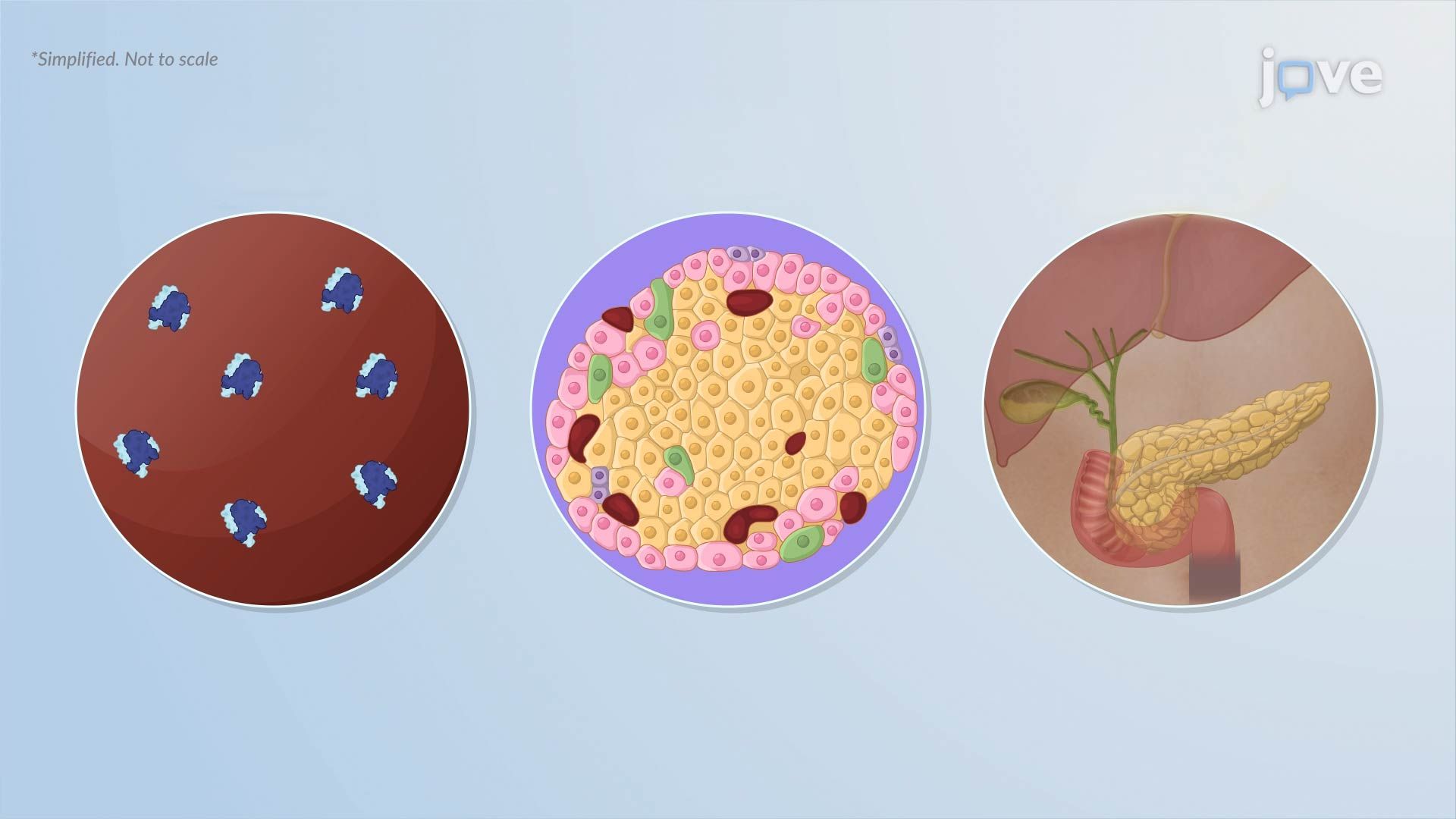
Insulin is produced by specialized beta cells located in clusters called the islets of Langerhans within the pancreas. After a meal, rising blood glucose triggers beta cells to release insulin into the bloodstream. Insulin then signals muscle, fat, and liver cells to absorb glucose, either burning it for energy or storing it as glycogen. This feedback system keeps blood sugar within a tight, healthy range. In diabetes mellitus, this system breaks down either because beta cells are destroyed, the pancreas underproduces insulin, or target cells stop responding to it effectively.
Understanding the three main forms of diabetes mellitus is critical for exams like the AP Biology exam, the MCAT, and college-level physiology courses.
Type 1 diabetes is an autoimmune condition in which the immune system mistakenly attacks and destroys the beta cells themselves. The result is an absolute deficiency of insulin, meaning the body produces virtually none. Individuals with Type 1 diabetes typically require lifelong insulin therapy. It most commonly appears during childhood or adolescence, though it can develop at any age.
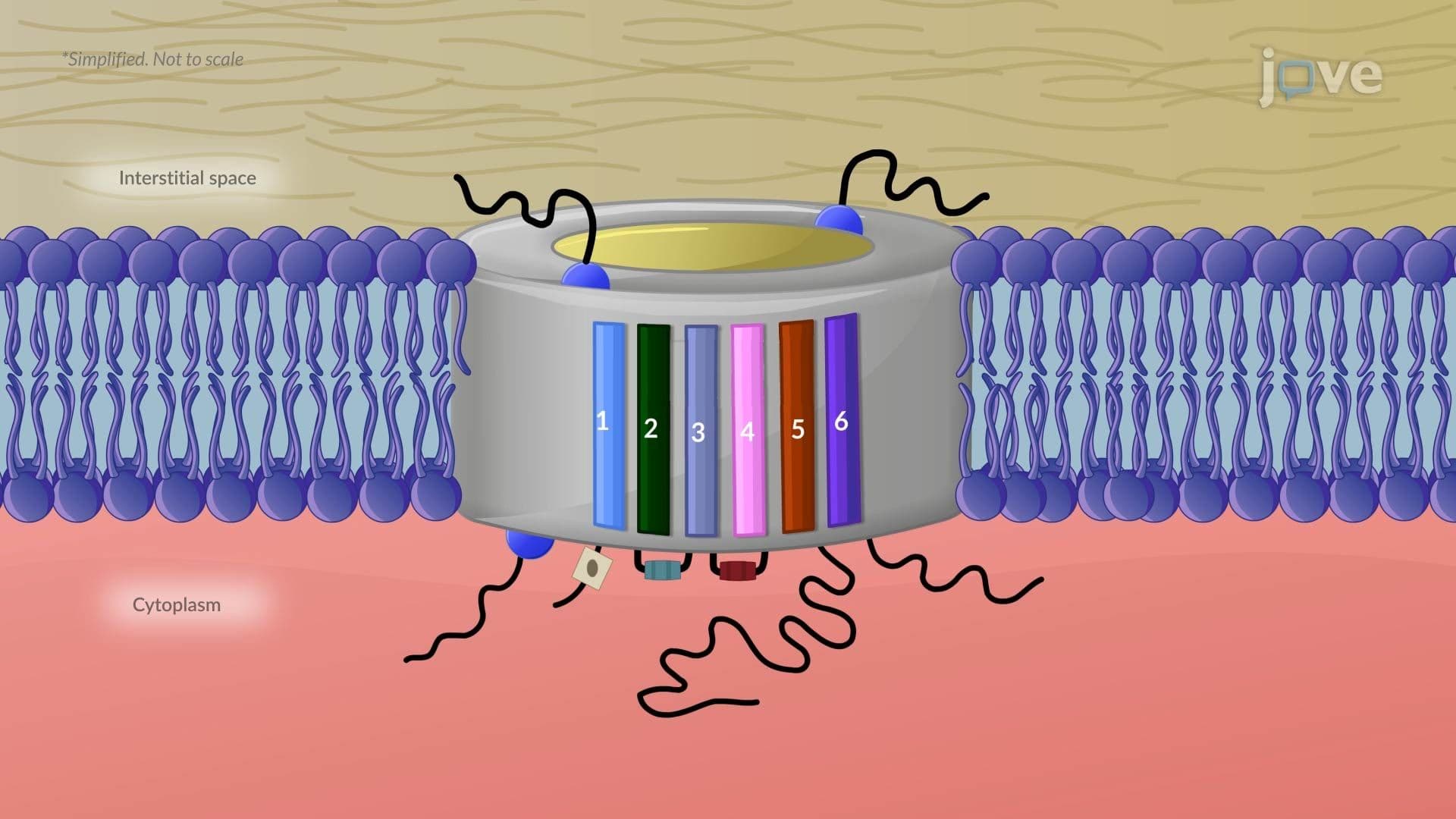
Type 2 diabetes is far more common, accounting for roughly 90-95% of all diagnosed cases in the US. It begins with insulin resistance, a condition in which cells in the muscles, fat, and liver don't respond well to insulin signals. To compensate, the pancreas works harder and secretes more insulin. Over time, however, beta cells become exhausted and production declines, resulting in chronically elevated blood glucose. Type 2 diabetes is strongly associated with obesity, sedentary behavior, and genetic predisposition. It is increasingly being diagnosed in American teenagers, making it highly relevant to high school biology and health curricula.
Gestational diabetes develops during pregnancy when placental hormones interfere with insulin signaling, creating a temporary state of insulin resistance. If the pancreas cannot compensate with increased output, blood glucose rises. It typically resolves after delivery, but it significantly raises the mother's lifetime risk of developing Type 2 diabetes.
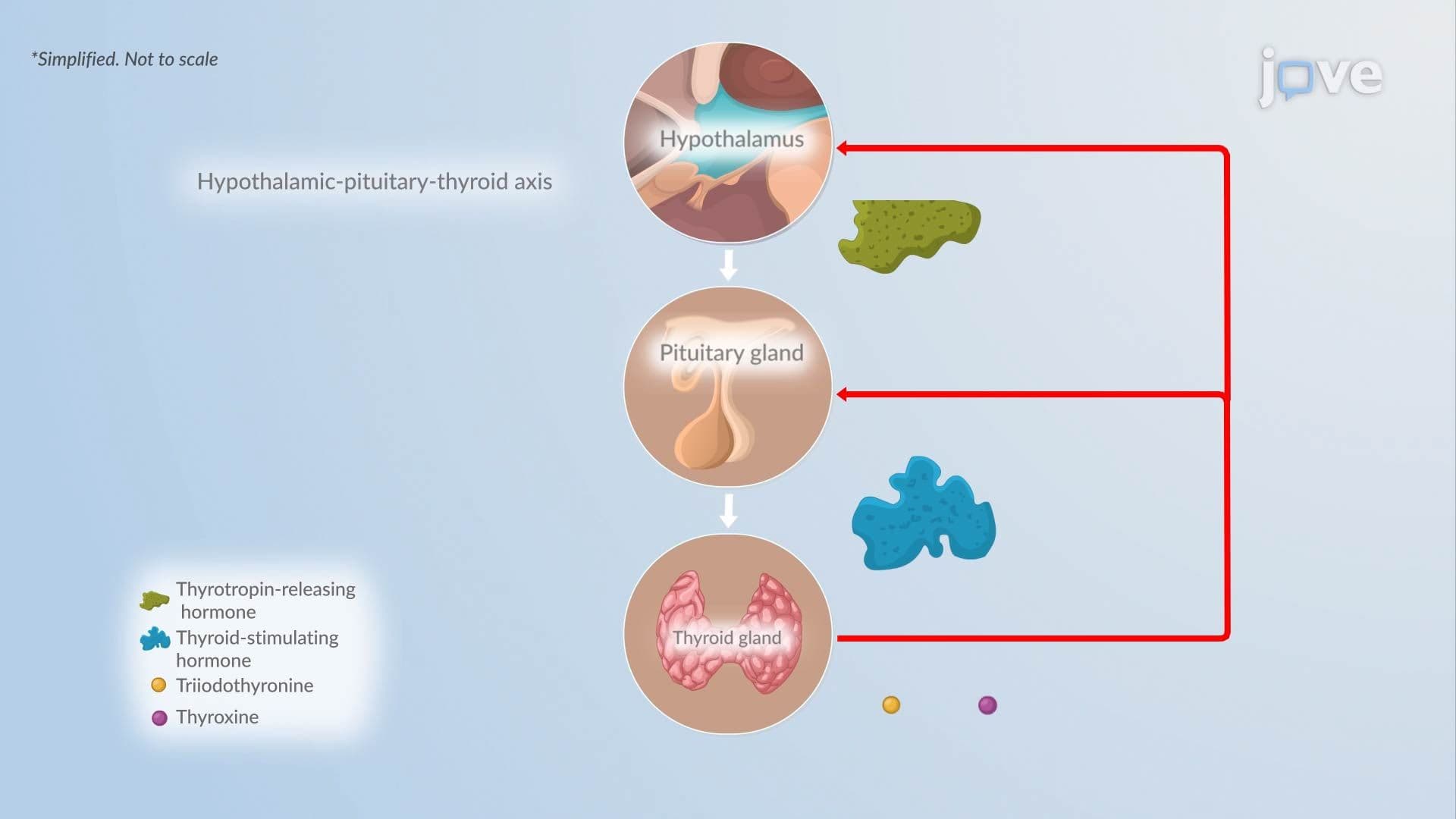
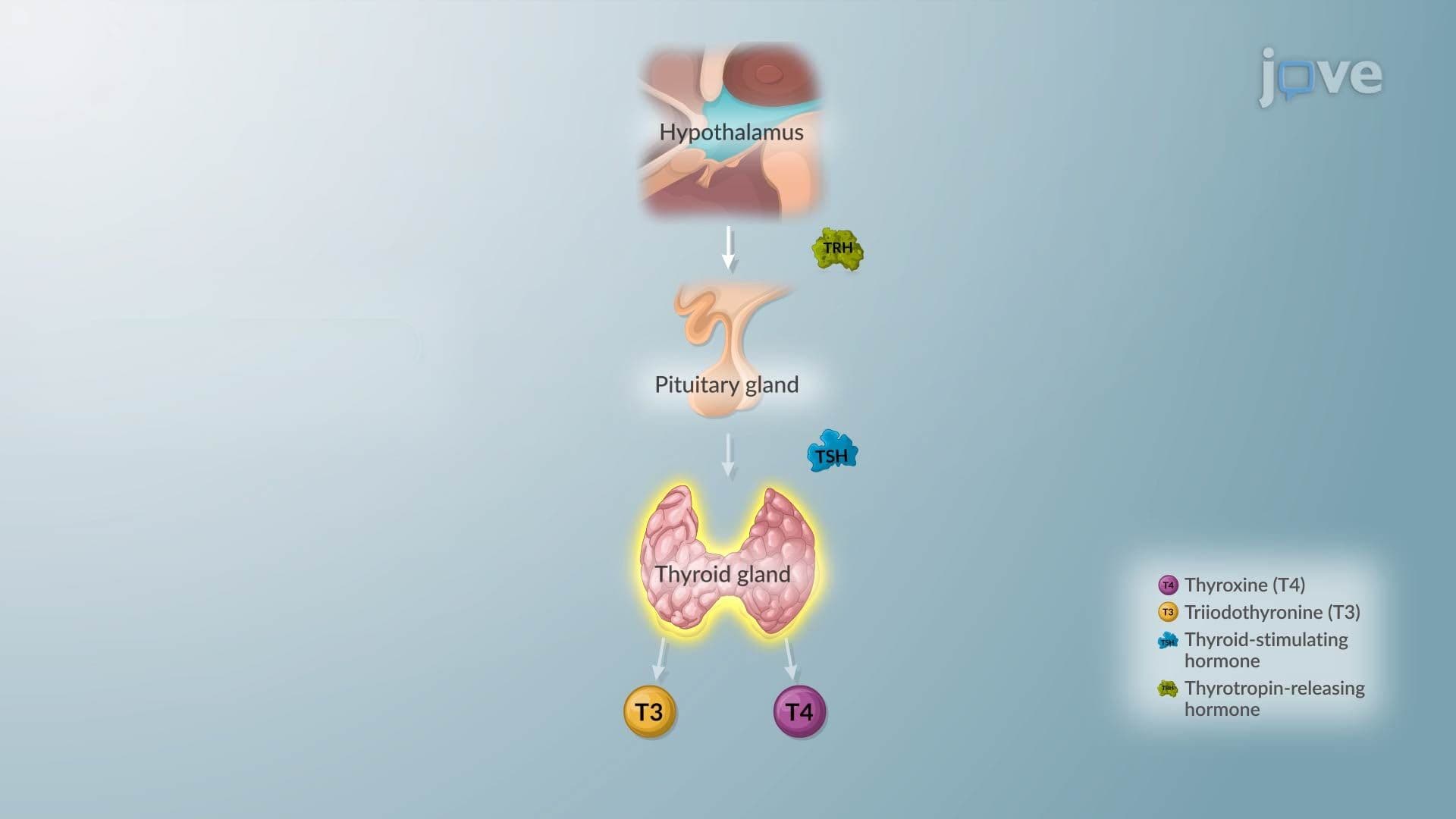
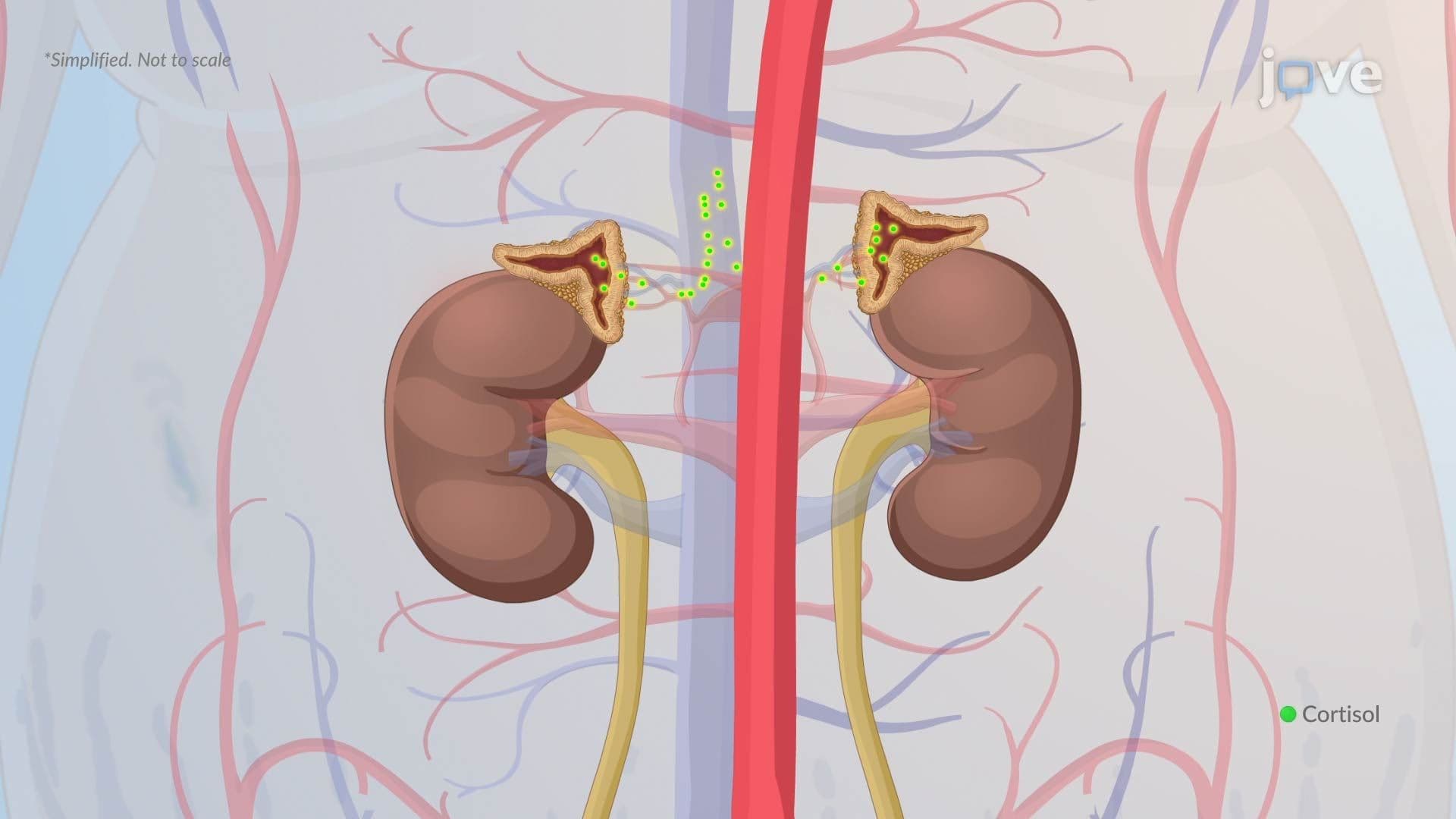
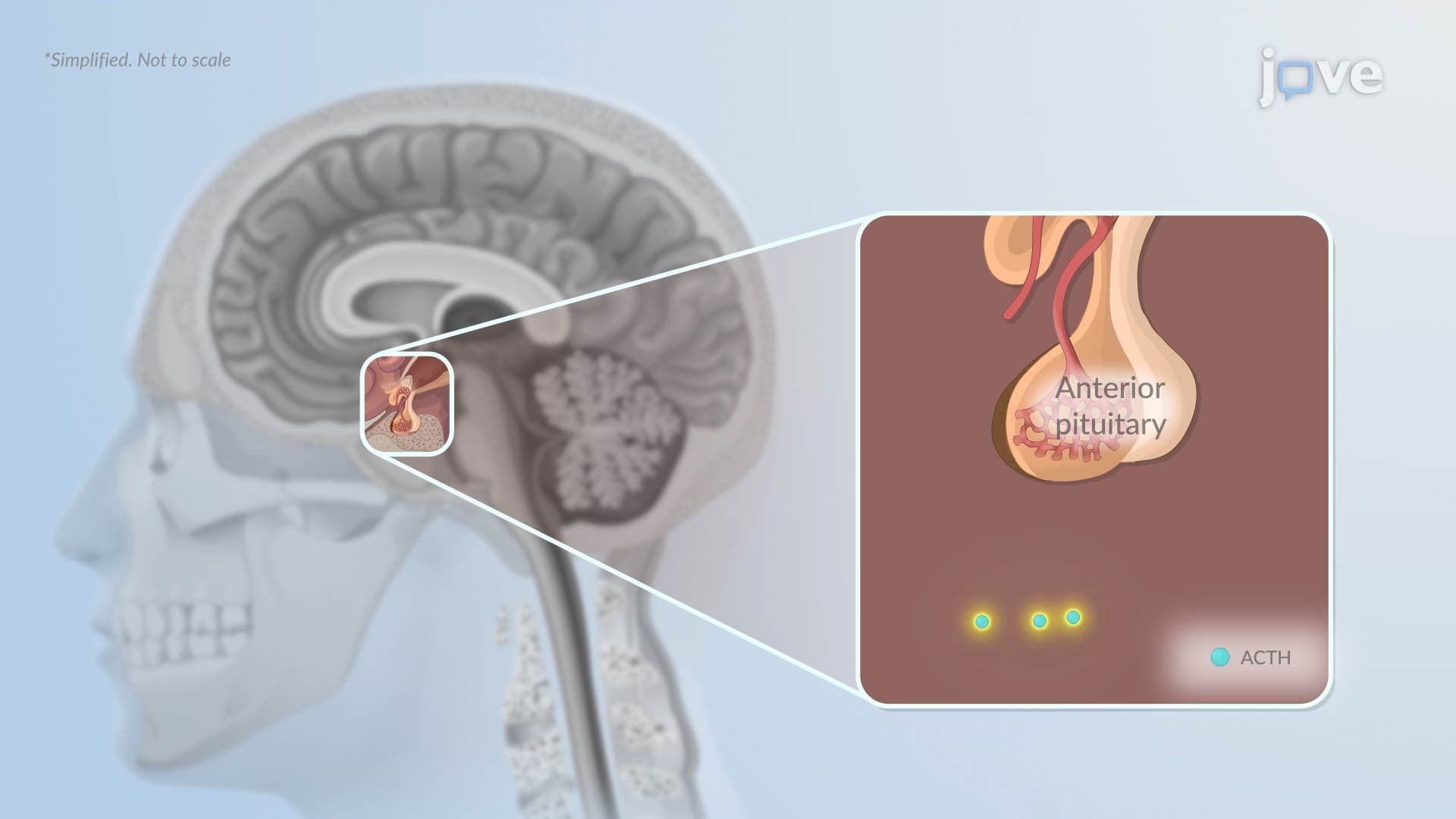
Diabetes mellitus does not exist in isolation, it is part of a broader category of endocrine system disorders caused by hormonal imbalances. Just as hypothyroidism results from insufficient thyroid hormone and Cushing's syndrome stems from excess cortisol, diabetes reflects a failure in pancreatic hormone regulation. Understanding these parallels helps students build a unified framework for endocrine pathophysiology, which is heavily tested on the MCAT, USMLE Step 1, and NCLEX-RN exams. Recognizing how disrupted feedback loops drive each disorder makes it easier to compare, contrast, and remember them across exam formats.
Related Micro-courses