Loading video…


 27 Concepts
 4.7K views

Video Summary: What Is Hypoglycemia
Did you know that a blood sugar drop can knock an athlete unconscious mid-game? Hypoglycemia, abnormally low blood glucose, typically below 70 mg/dL, is a critical concept in understanding metabolic and endocrine health. It's especially relevant for the nearly 8 million Americans using insulin daily. Understanding what is hypoglycemia helps explain why the body's hormonal defenses matter so much. Watch the full video on JoVE Coach to master this concept with expert-led visuals and step-by-step explanations.
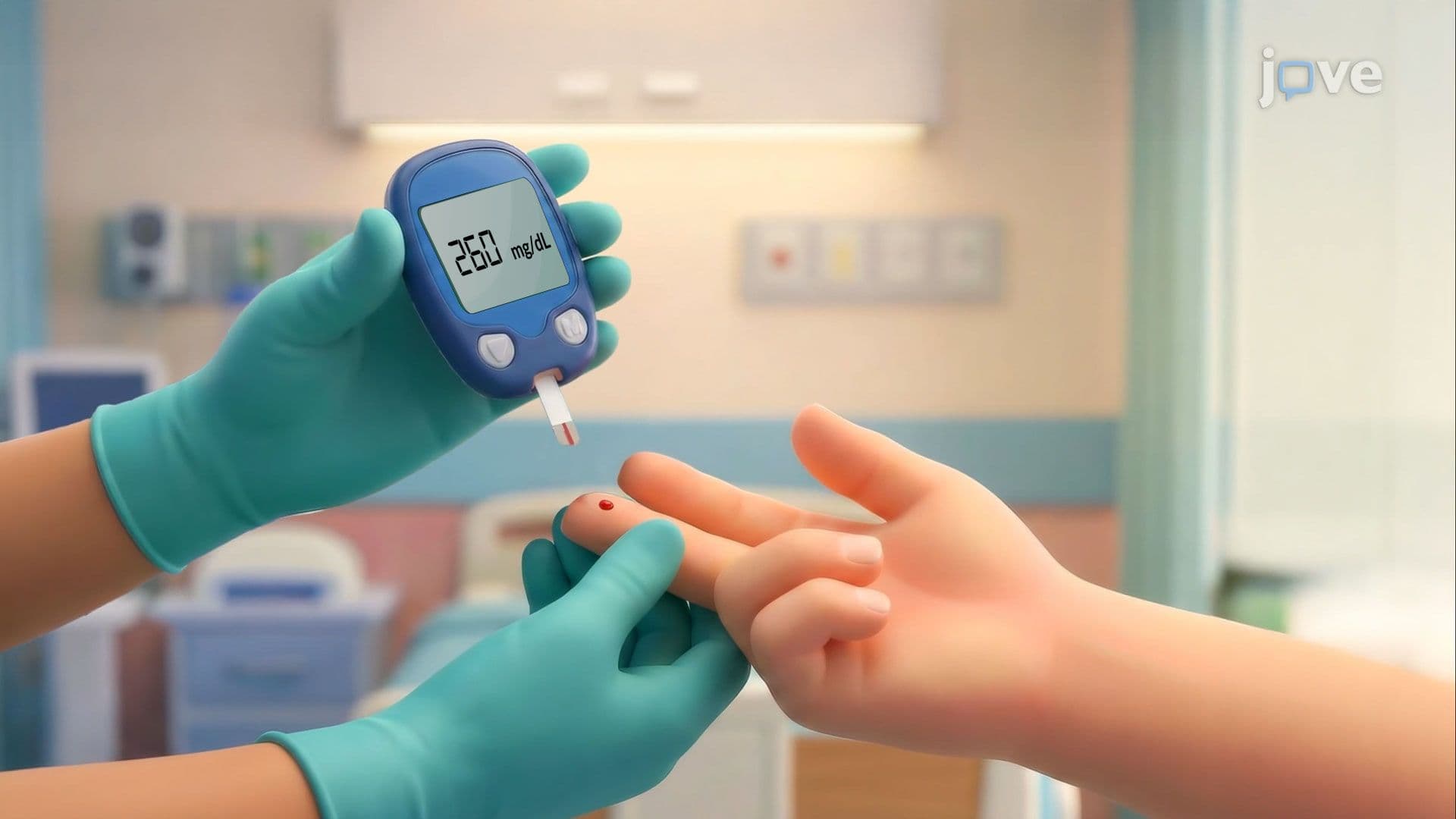
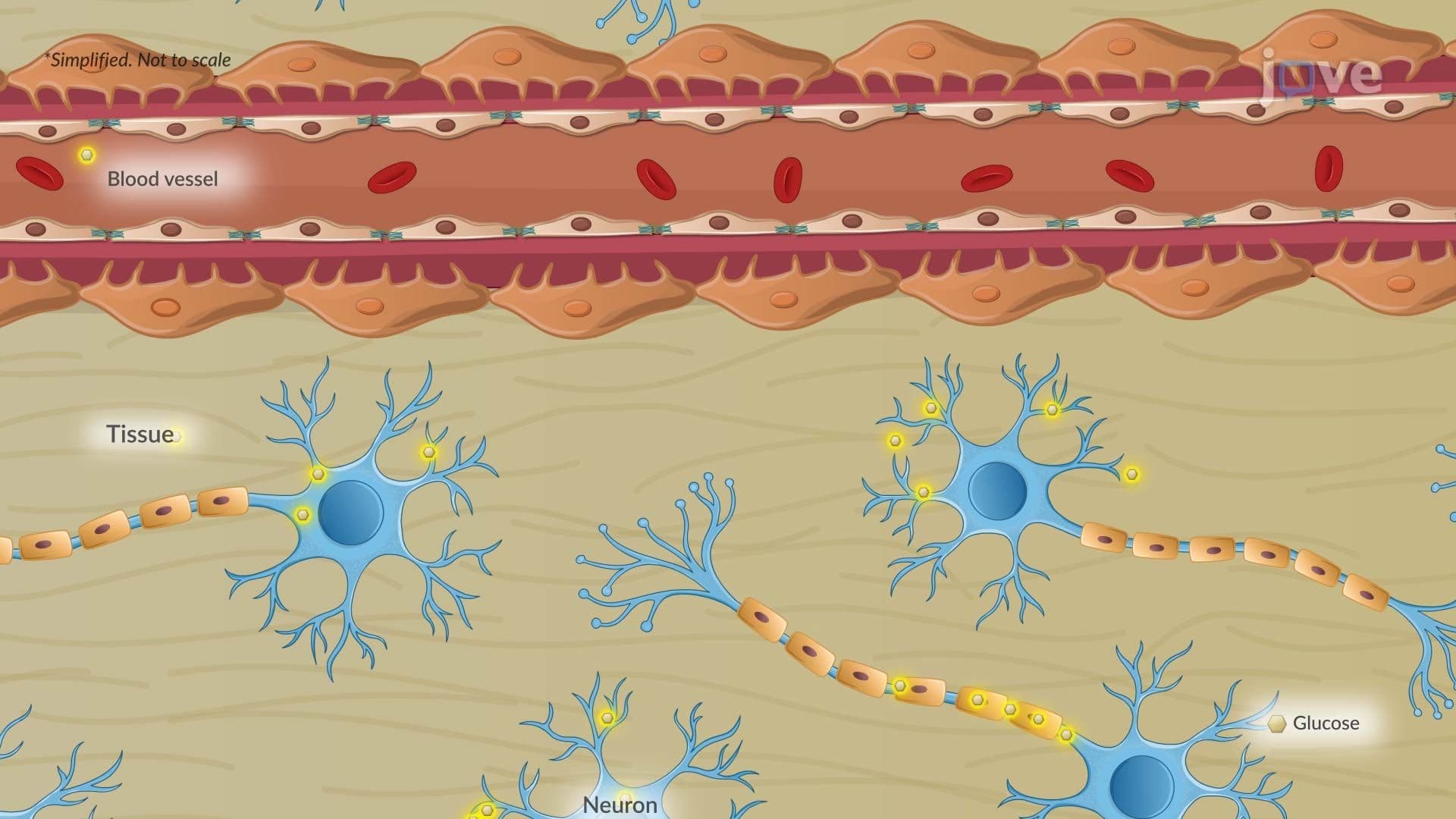
Hypoglycemia is defined as an abnormally low concentration of glucose in the blood, clinically established at a threshold below 70 milligrams per deciliter (mg/dL). While the condition is most commonly associated with diabetes mellitus, particularly type 1 diabetes, it represents a fundamental concept in endocrine physiology that appears across AP Biology, college-level anatomy and physiology courses, and standardized exams like the MCAT and NCLEX. Understanding hypoglycemia means understanding how tightly the human body regulates fuel availability for its organs, especially the brain, which depends almost exclusively on glucose for energy.
The core mechanism behind hypoglycemia is a mismatch between insulin activity and the body's actual glucose needs. In patients managing diabetes with exogenous insulin or insulin secretagogues, drugs that stimulate the pancreas to produce more insulin, this balance can tip dangerously. Common real-world triggers include injecting too much insulin, skipping or delaying meals, and engaging in vigorous physical activity without adjusting carbohydrate intake beforehand. For example, a college athlete with type 1 diabetes who runs a long practice without eating a pre-workout snack may experience a rapid glucose drop. These scenarios are frequently tested in nursing school exams like the HESI A2 and TEAS, where clinical application of pharmacology and endocrinology is emphasized.
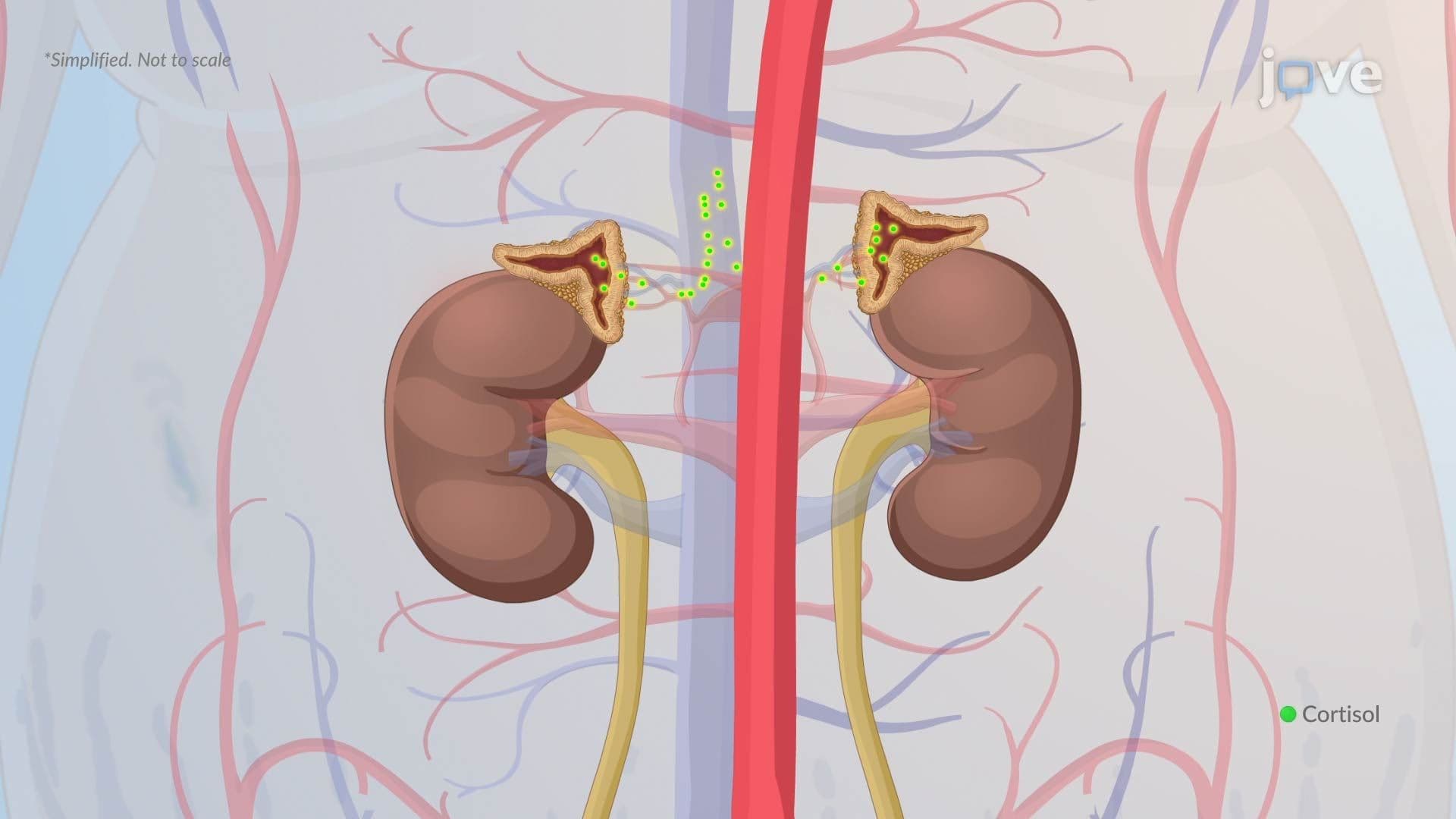
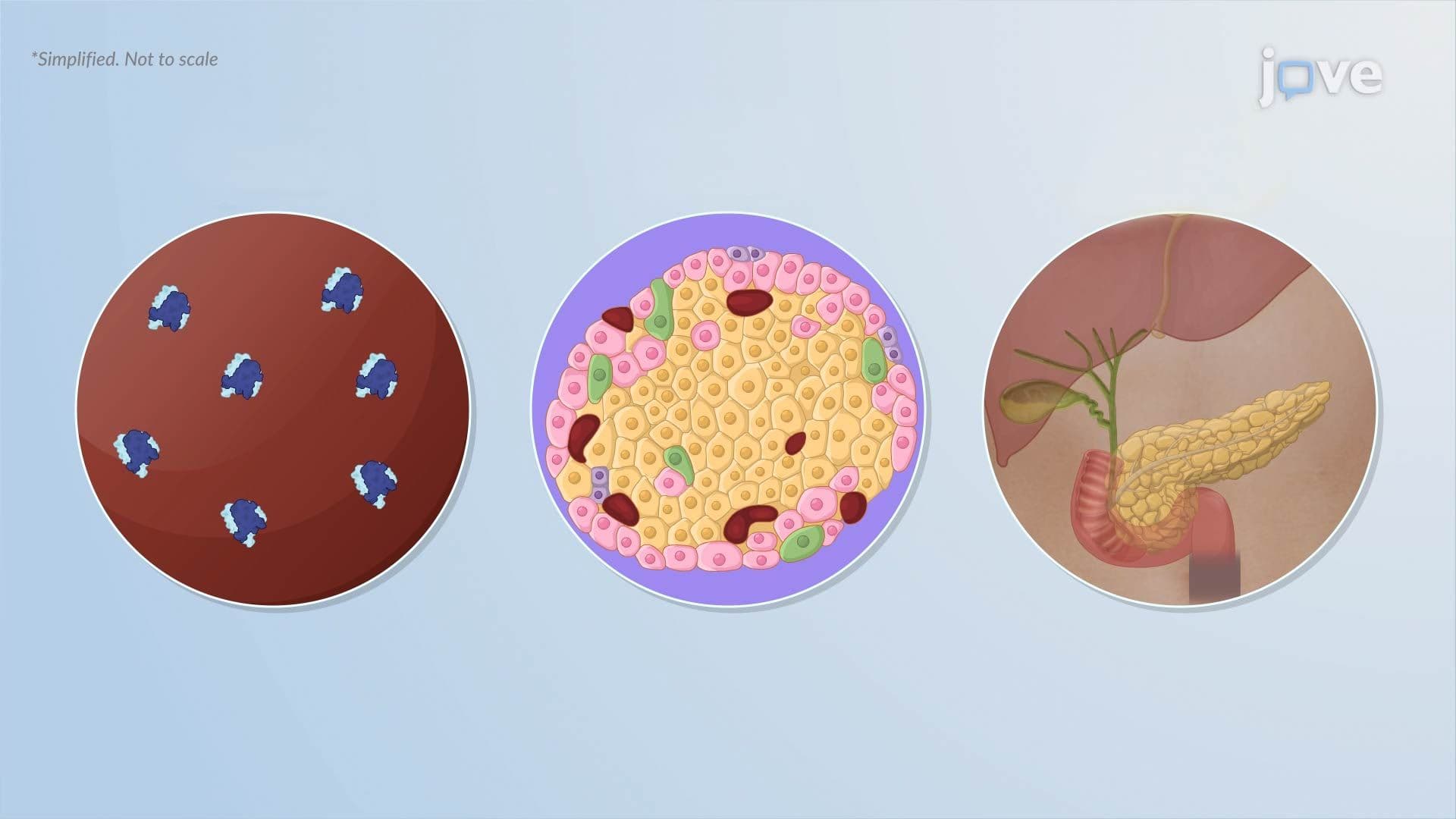
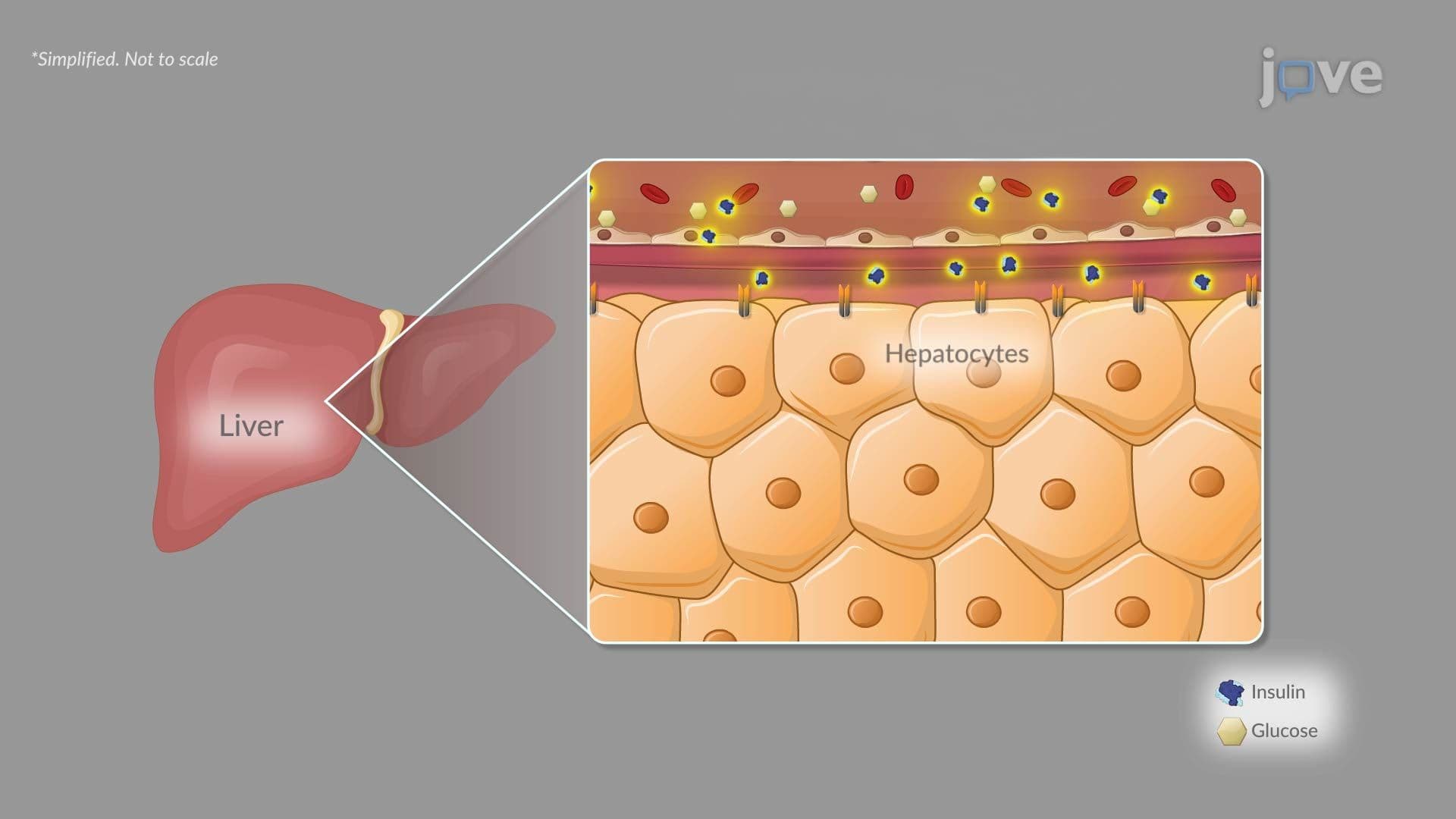
In a healthy individual, falling blood glucose levels trigger a well-coordinated hormonal response. The pancreas reduces insulin secretion, while counter-regulatory hormones, primarily glucagon (from pancreatic alpha cells) and epinephrine (from the adrenal medulla), rise sharply. Together, they stimulate hepatic glucose output (glycogenolysis and gluconeogenesis) and reduce peripheral glucose uptake, restoring normal blood sugar levels. This elegant feedback loop keeps blood glucose stable even during fasting or exercise. However, in people with long-standing type 1 diabetes or those on insulin therapy for type 2 diabetes, these defenses may become blunted. Elevated circulating insulin levels from an injection cannot be "turned off" the way endogenous insulin can, and glucagon responses often diminish over time, dramatically increasing the risk of severe, uncorrected hypoglycemia. This contrast is a high-yield comparison concept on the MCAT and in college-level endocrinology courses.
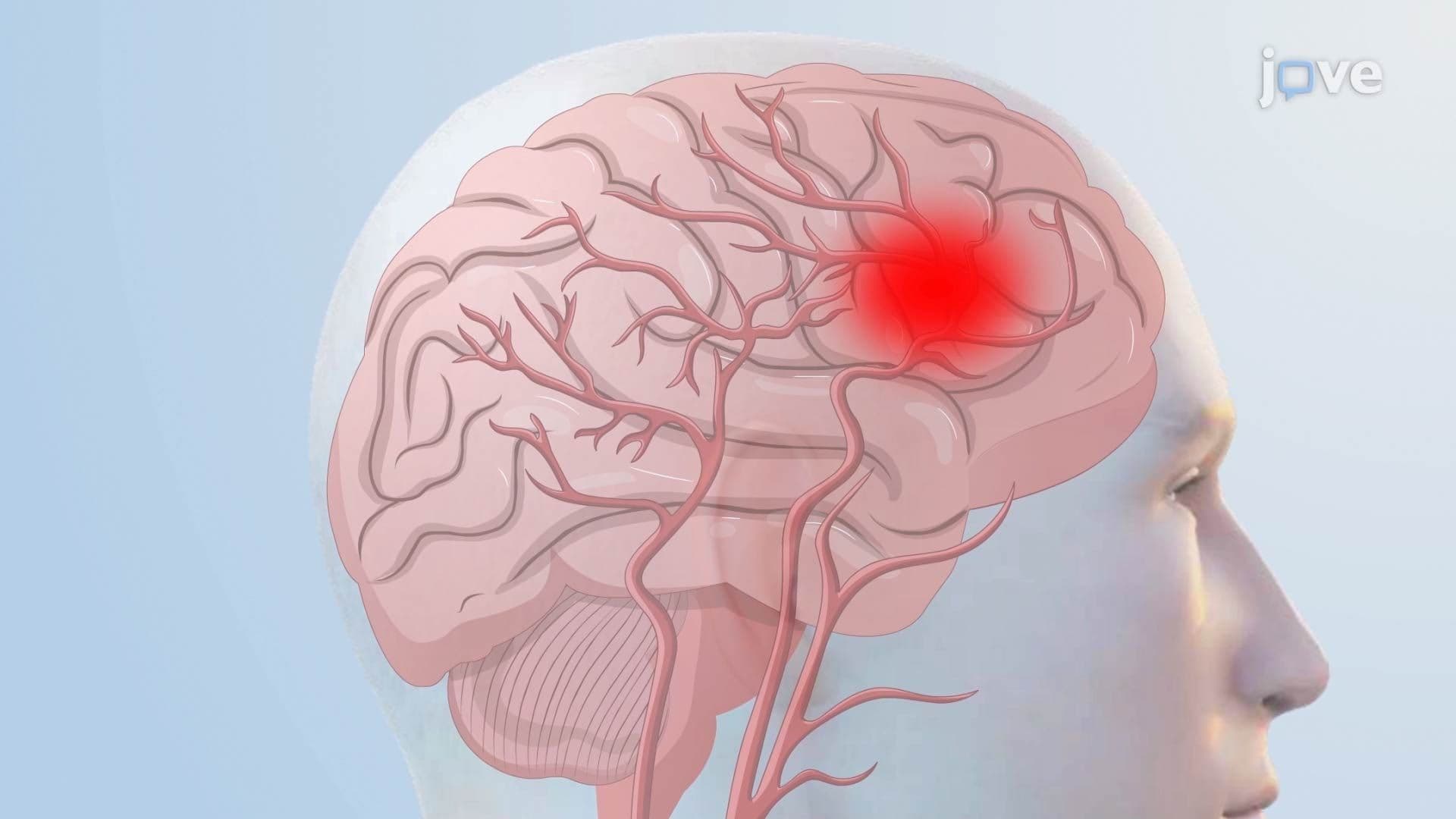
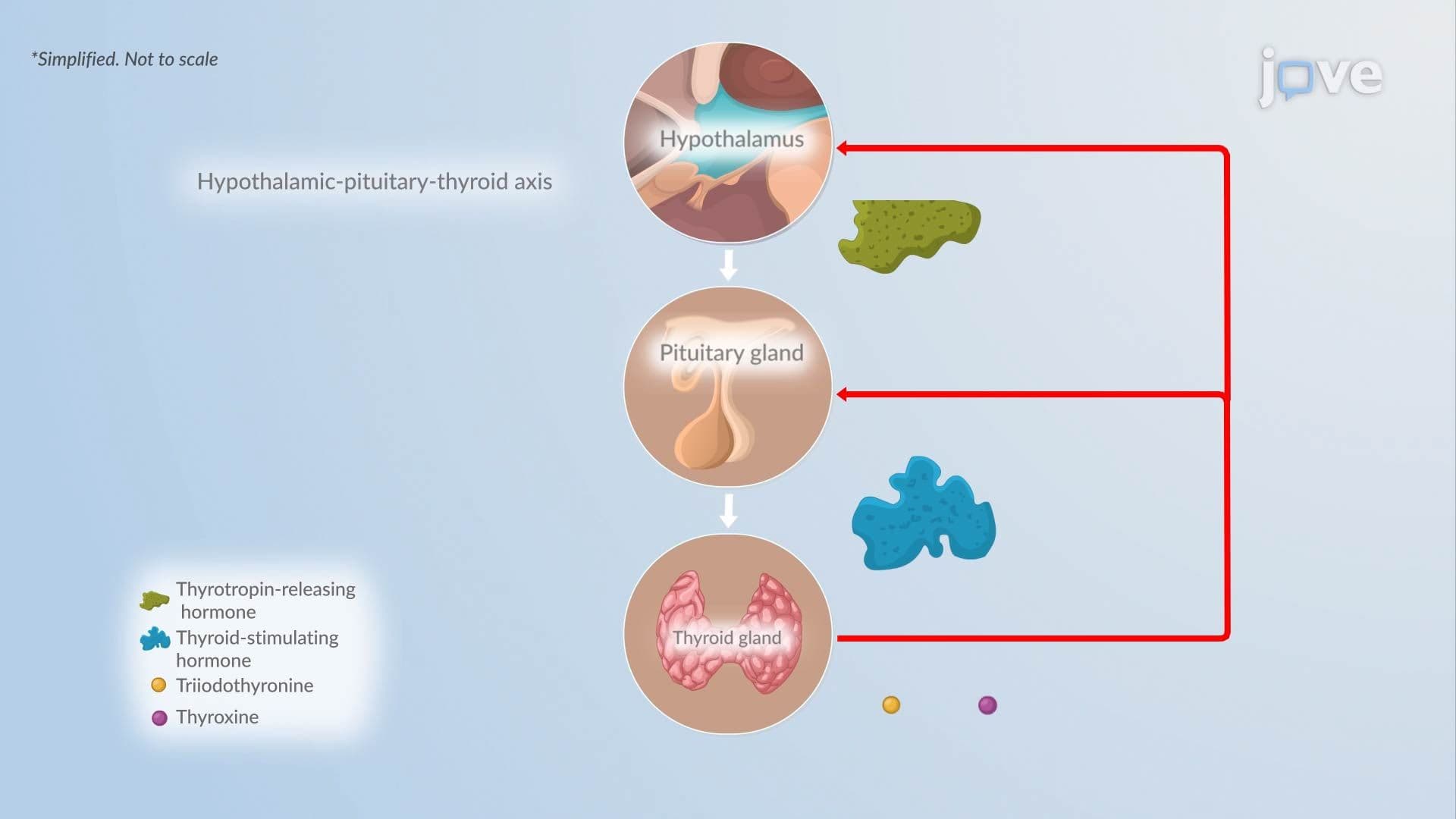
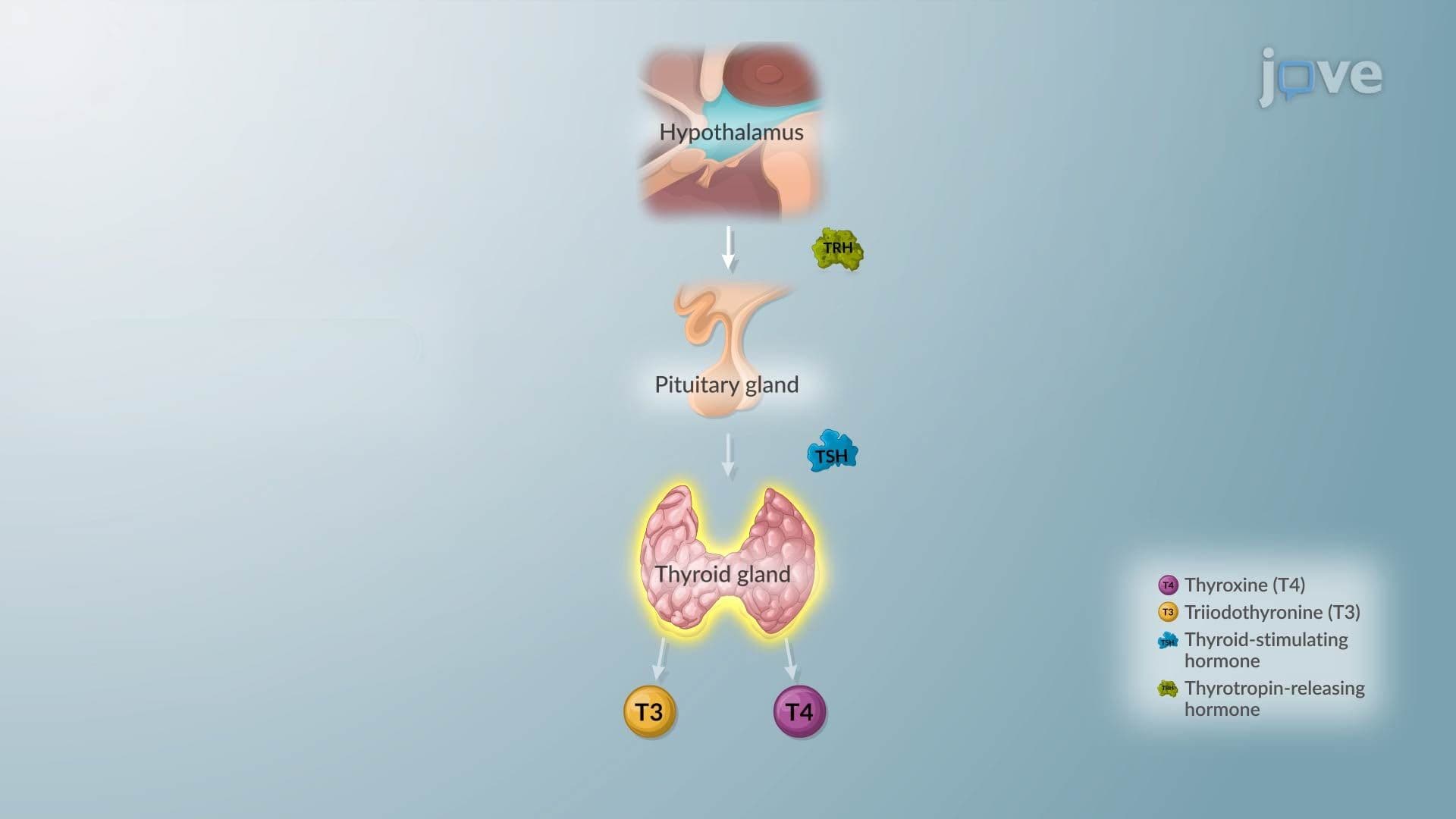
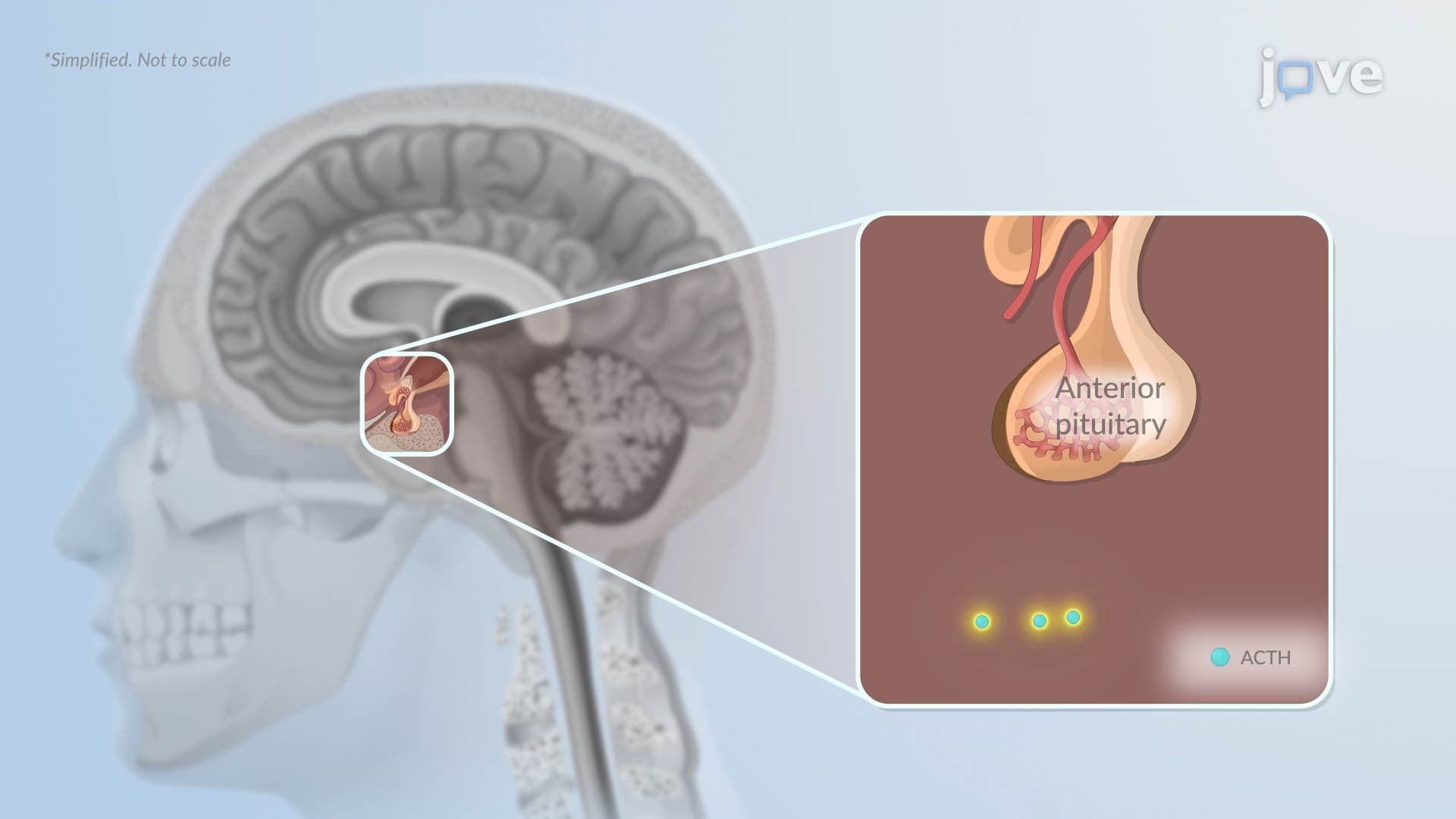
Hypoglycemia presents across a spectrum of severity. Early, mild symptoms are driven by the sympathoadrenal response, hunger, sweating, tremor, and rapid heart rate. As glucose falls further and the brain becomes starved of fuel, neuroglycopenic symptoms emerge: confusion, difficulty concentrating, slurred speech, and ultimately, seizures or coma in severe cases. It's worth noting that hypoglycemia doesn't occur in isolation as a topic. It connects directly to adrenal insufficiency (where cortisol, another counter-regulatory hormone, is deficient), hypothyroidism, and even Cushing's syndrome, all of which influence glucose homeostasis. AP Biology and college physiology students who understand hypoglycemia have a stronger foundation for analyzing other endocrine disorders, hormonal imbalances, and the broader question of how endocrine disorders are diagnosed and treated in clinical settings across the United States.
Related Micro-courses