Loading video…

 27 Concepts
 4.7K views

Video Summary: What Is Graves Disease I
Did you know your own immune system can accidentally hijack your thyroid and throw your entire metabolism into overdrive? Graves' Disease I basics explain exactly how this happens, your immune system produces rogue antibodies that force the thyroid into nonstop hormone production. In the US, it's the most common cause of hyperthyroidism, affecting roughly 1 in 200 Americans. Watch the full video on JoVE Coach to master this concept with expert-led visuals and step-by-step explanations.
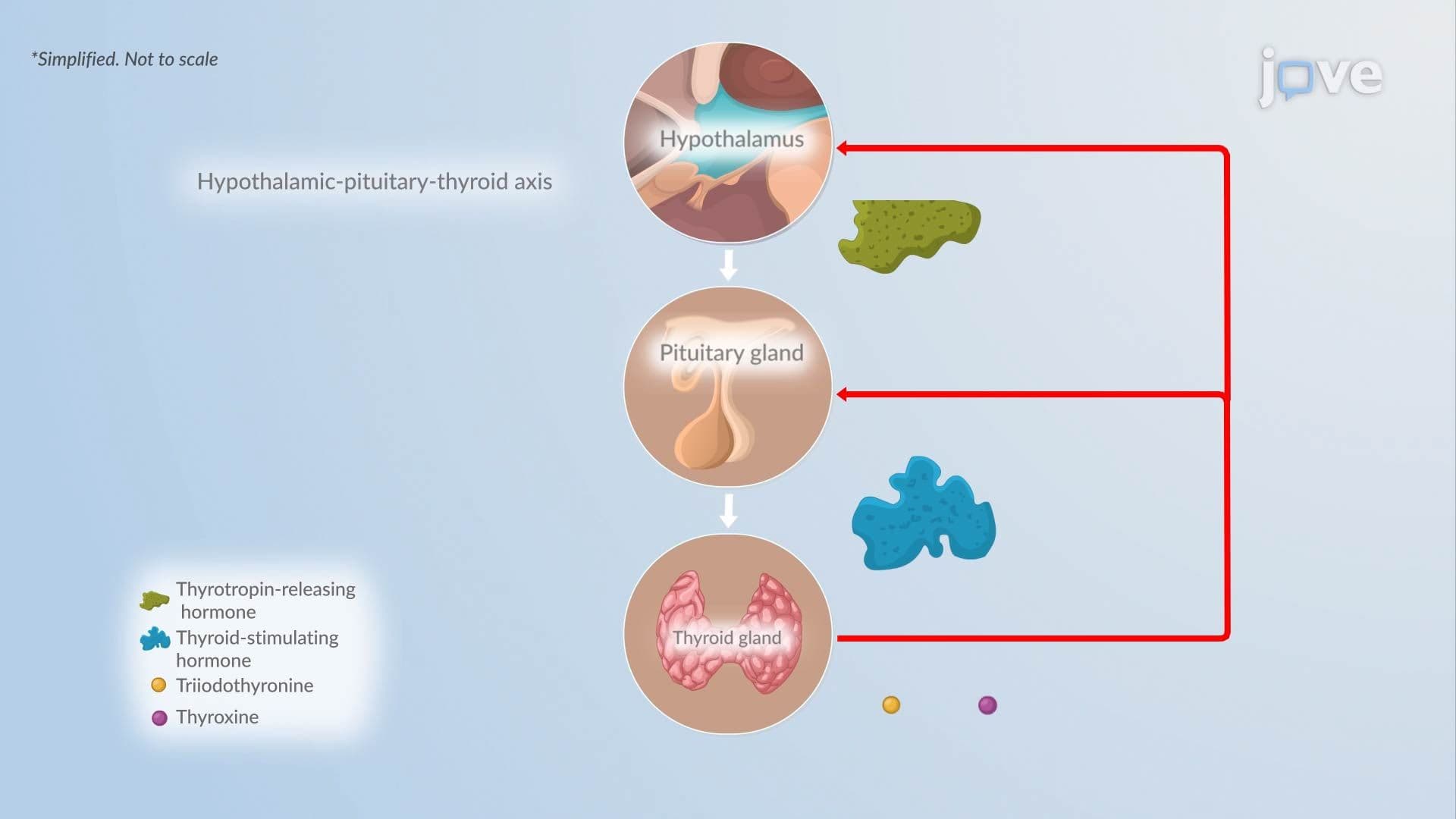
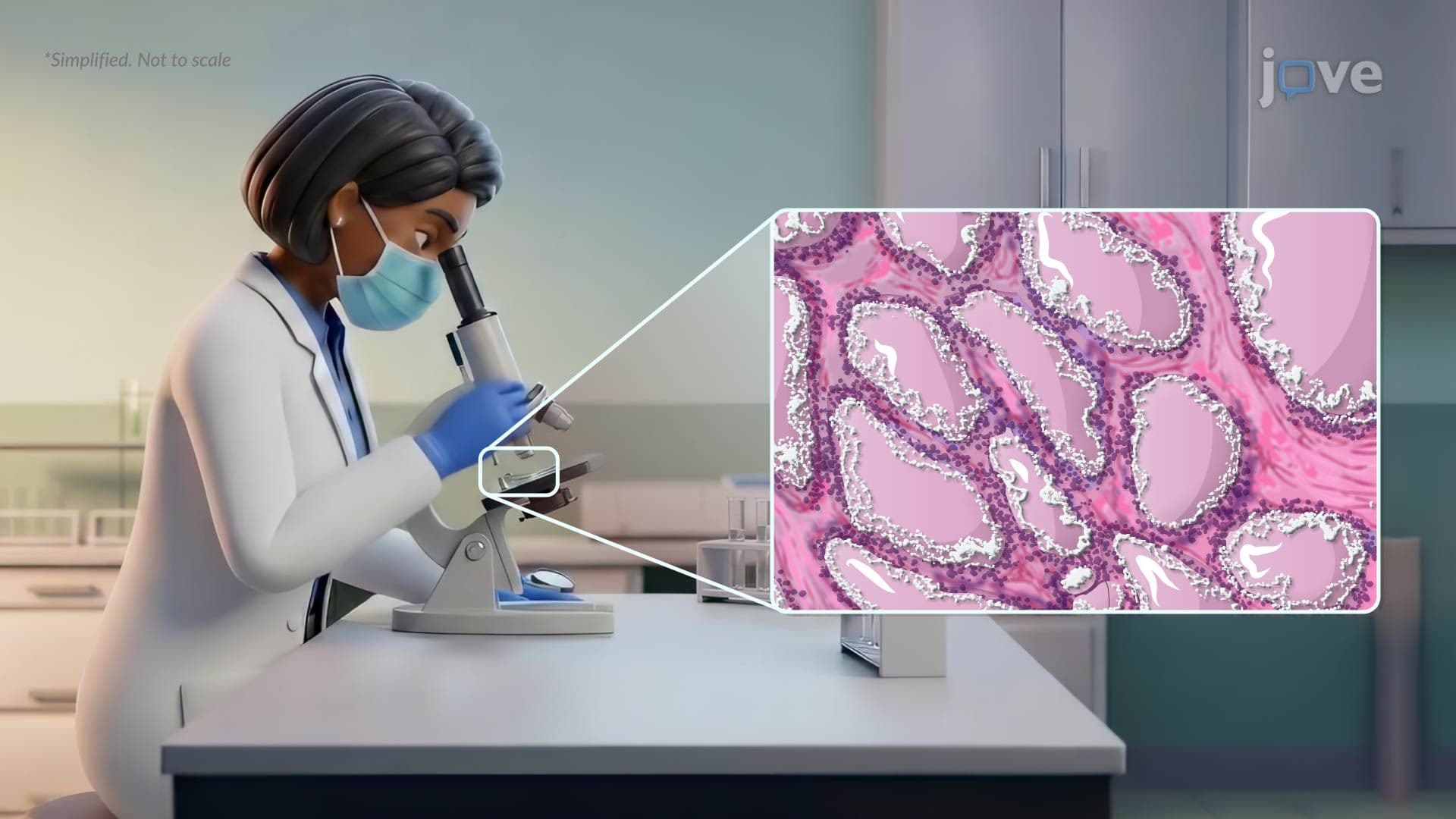
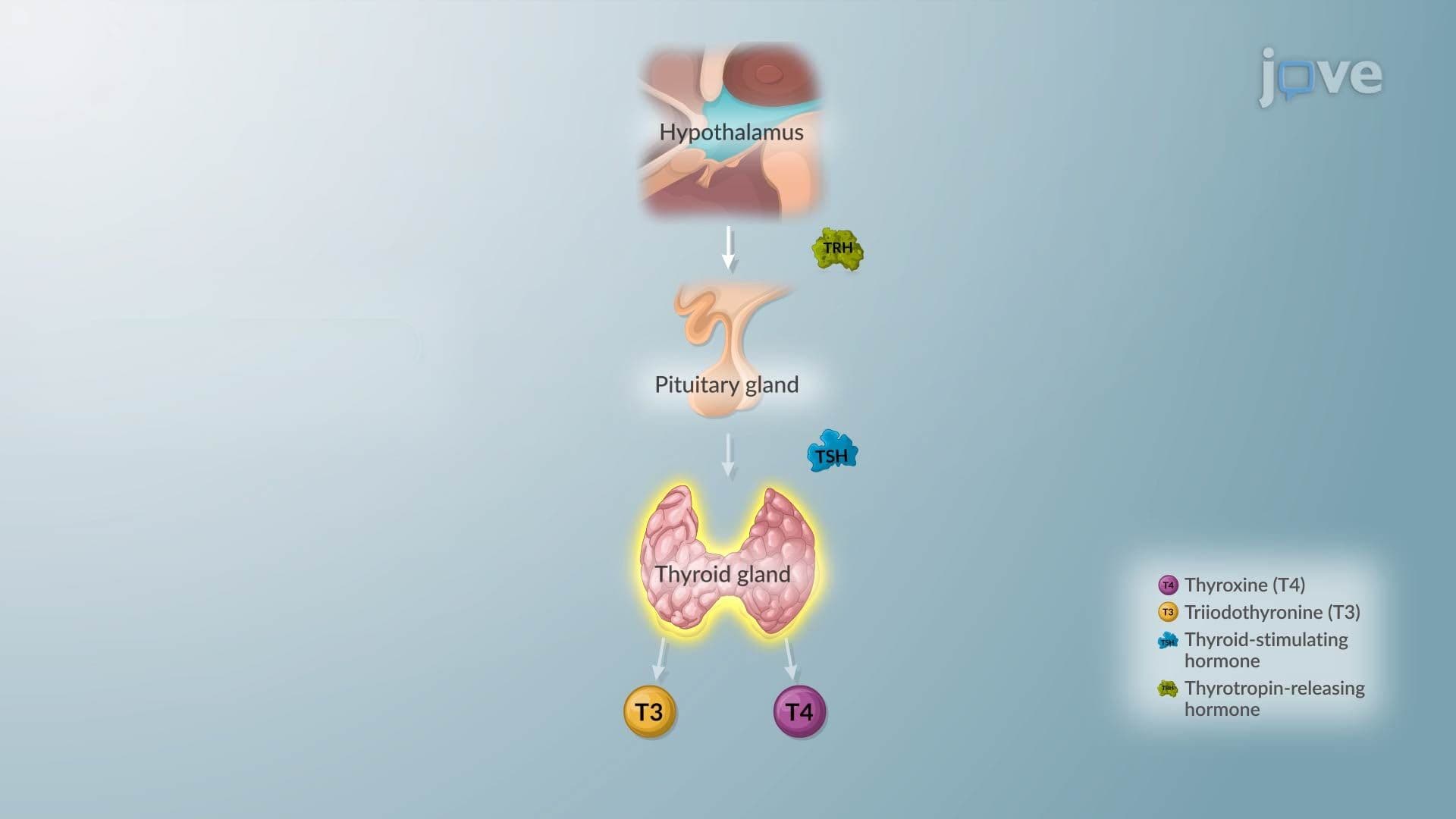
Graves' Disease I describes the foundational mechanisms behind one of the most clinically important autoimmune endocrine disorders in the United States. At its core, Graves' disease occurs when the immune system malfunctions and produces abnormal antibodies, called thyroid-stimulating immunoglobulins (TSIs), that mimic the hormone TSH (thyroid-stimulating hormone). Instead of regulating thyroid activity, these rogue antibodies lock onto TSH receptors on the thyroid gland and keep it in a state of constant, uncontrolled activation. The result is relentless overproduction of thyroid hormones T3 and T4, which accelerates virtually every metabolic process in the body.
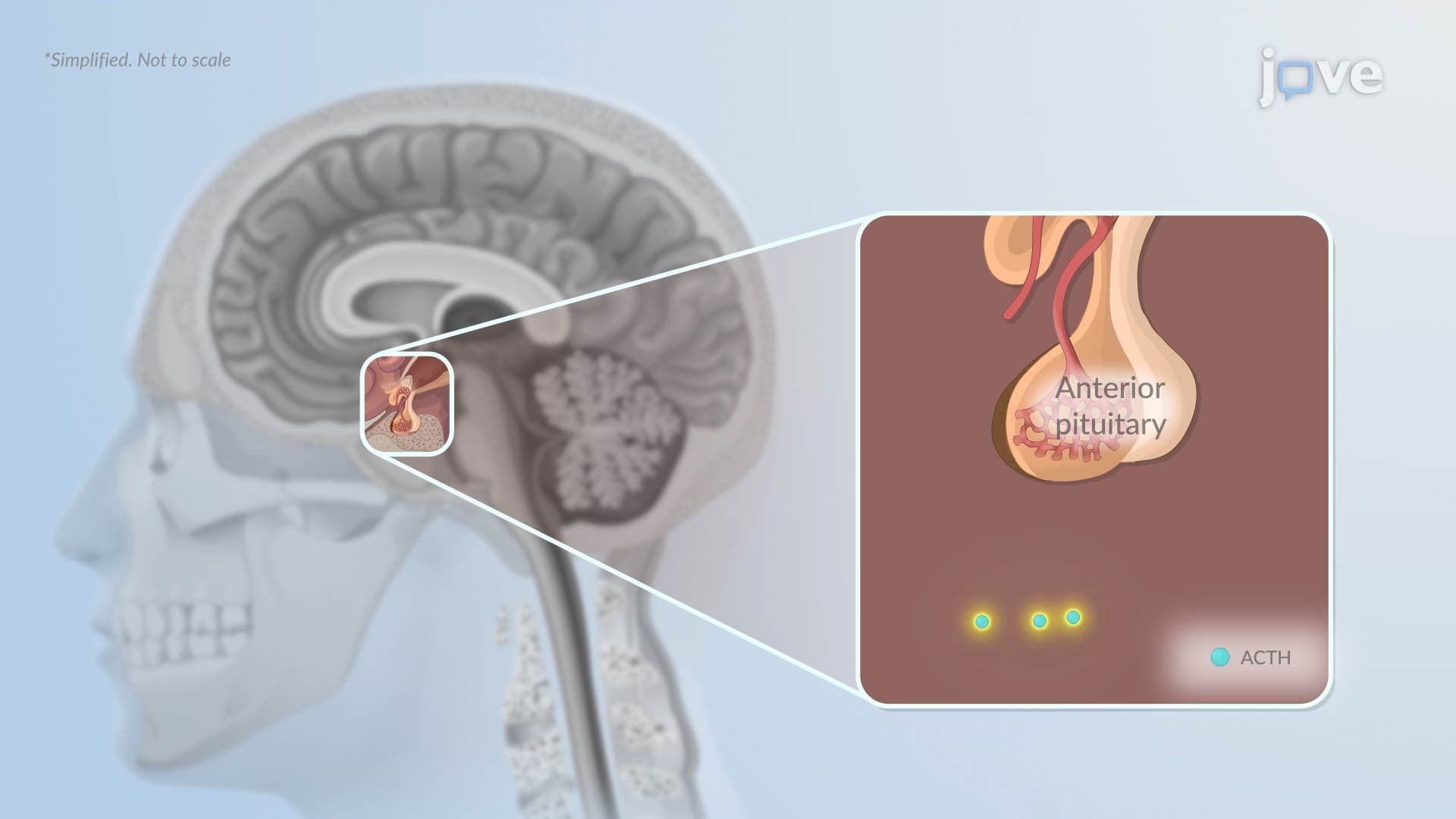
Under normal circumstances, TSH, released by the pituitary gland, tells the thyroid when to ramp up or slow down hormone production. In Graves' disease, TSIs bypass this feedback loop entirely. Because these immunoglobulins continuously stimulate TSH receptors, the thyroid never receives a "stop" signal. This is a textbook example of a loss of immune tolerance and is central to understanding what causes endocrine system disorders at a molecular level. For AP Biology and college-level physiology students, this distinction, antibody-driven stimulation versus normal hormone regulation, is a high-yield concept tested frequently on exams.
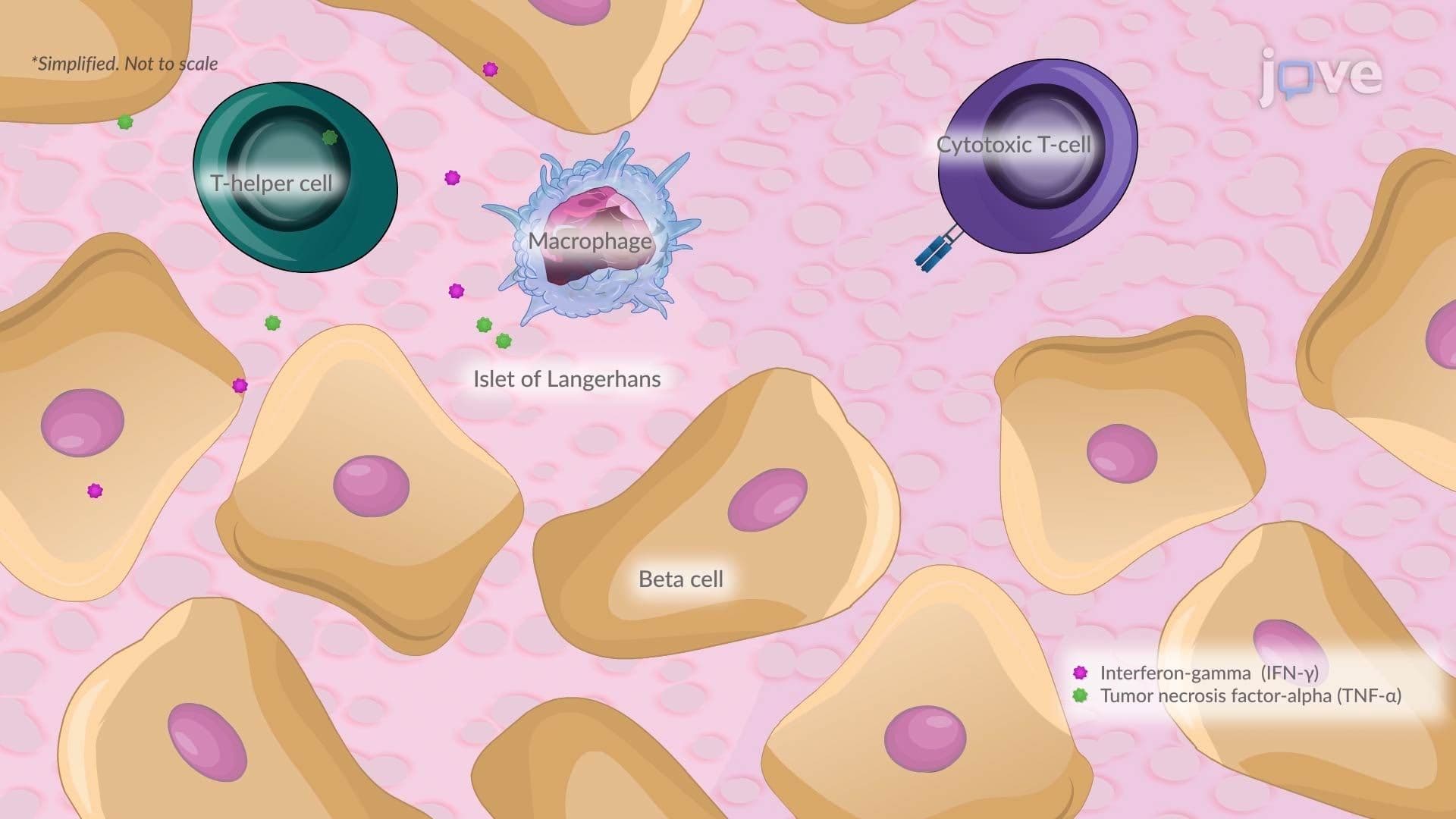
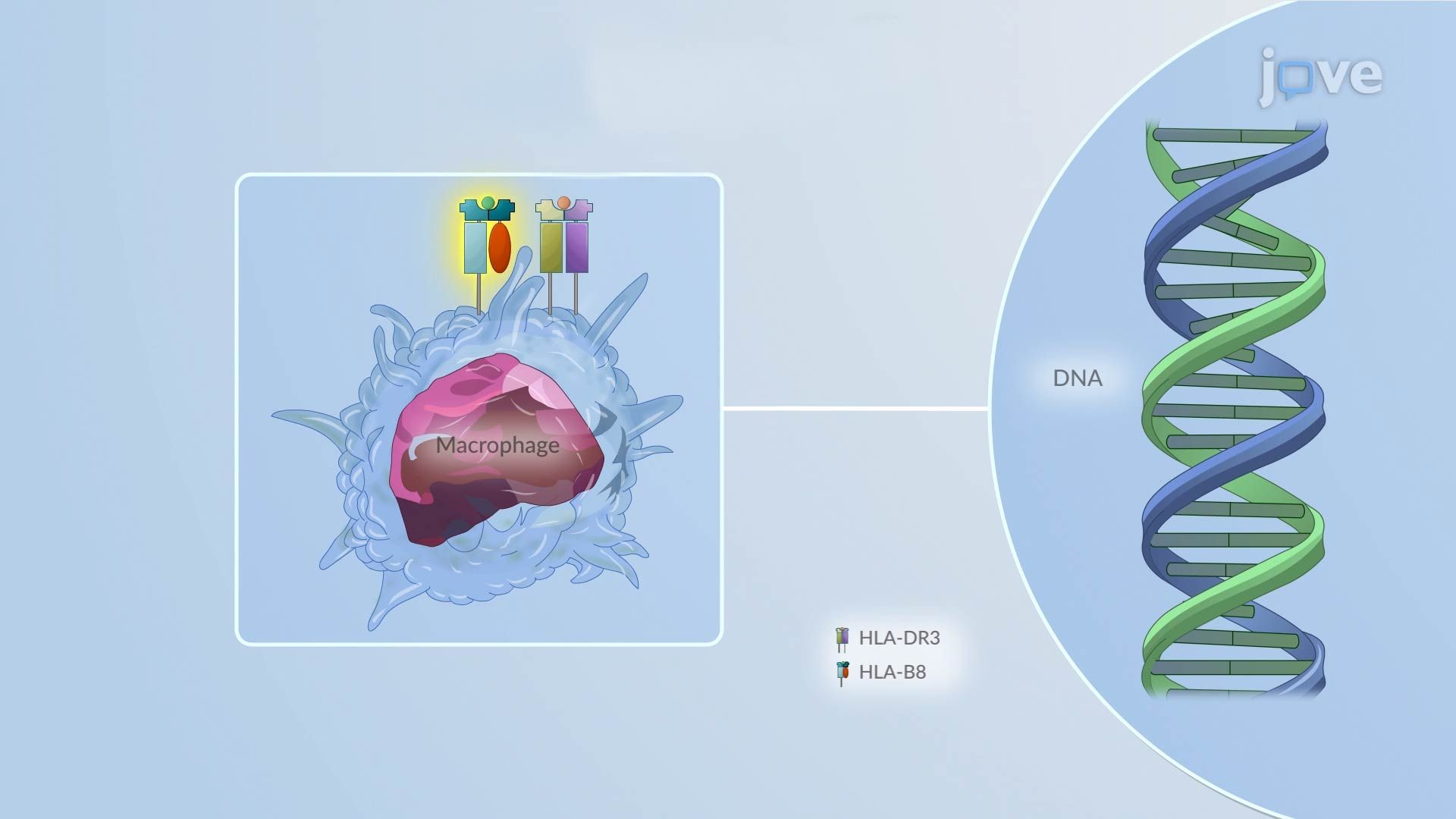
Graves' disease does not arise randomly. Research consistently points to a strong genetic component, particularly involving HLA (human leukocyte antigen) variants, specifically HLA-DR3 and HLA-B8. These genetic variants influence how the immune system presents thyroid proteins to T cells. When thyroid proteins are displayed in an altered way, autoreactive T cells, immune cells that mistakenly attack the body's own tissue, can be activated, triggering the full autoimmune cascade. Environmental factors amplify this risk considerably. Smoking is one of the most well-documented triggers, particularly for worsening ophthalmopathy. Chronic psychological stress, known to dysregulate immune responses, is another recognized contributor. This gene-environment interaction is a recurring theme in endocrine pathophysiology courses at US universities and on the MCAT.
The symptoms of Graves' disease reflect the body running at dangerously high speed. Patients typically experience unintentional weight loss despite a normal or increased appetite, rapid or irregular heartbeat (palpitations), heat intolerance, excessive sweating, anxiety, and menstrual irregularities in females. A visible or palpable goiter, an enlarged thyroid gland, is a hallmark physical finding. What truly sets Graves' disease apart from other causes of hyperthyroidism is Graves' ophthalmopathy: an inflammatory condition affecting the tissues around the eyes, leading to exophthalmos (bulging eyes) and periorbital edema. In the US, endocrinologists at major academic medical centers like the Mayo Clinic and Johns Hopkins routinely use TSI antibody testing alongside thyroid function panels to confirm a Graves' diagnosis. For students preparing for the USMLE Step 1, NCLEX, or college endocrinology midterms, being able to distinguish Graves' disease from other hormonal imbalances, such as toxic multinodular goiter or thyroiditis, is an essential clinical reasoning skill.
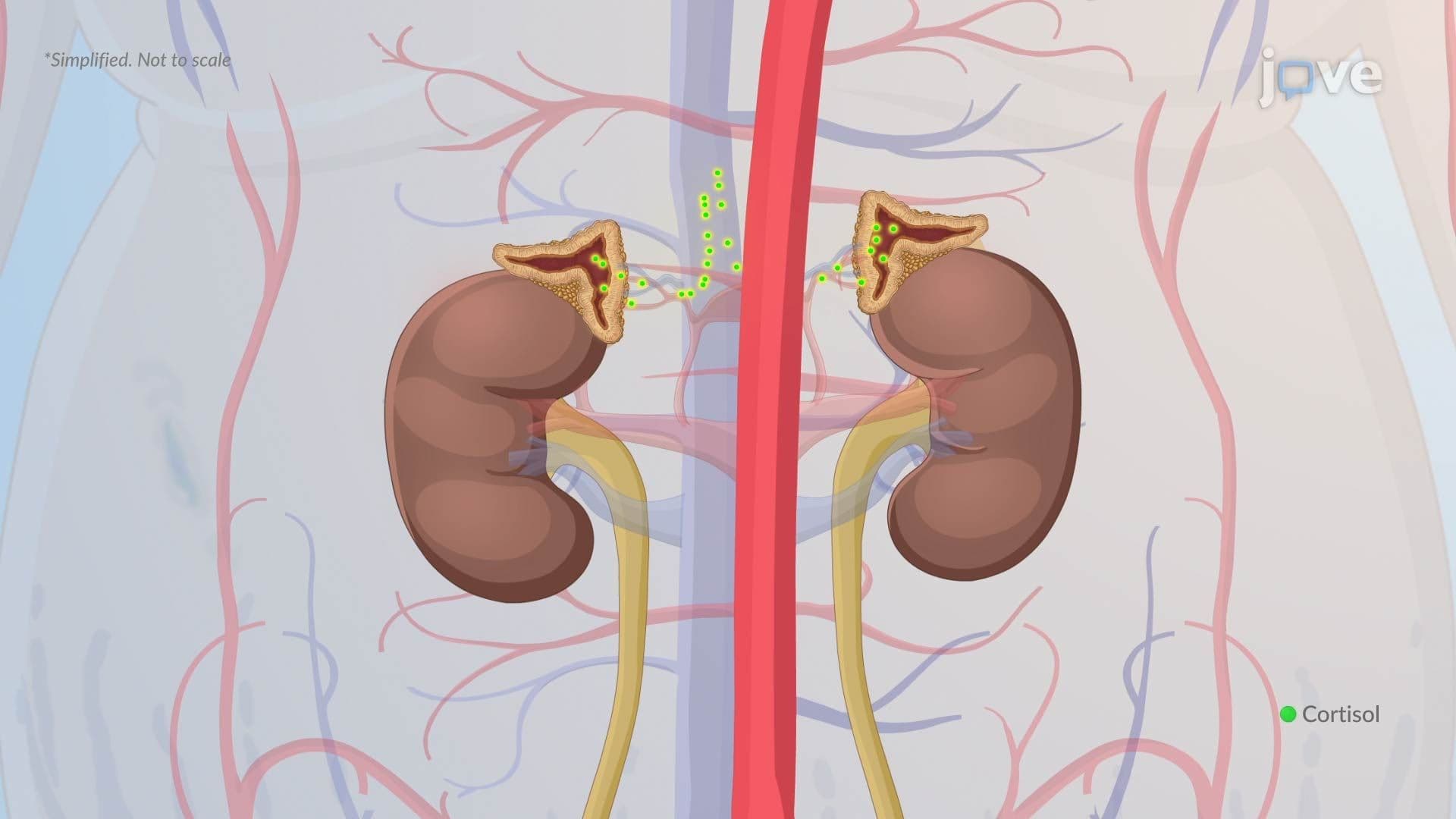
Understanding Graves' disease also builds a strong foundation for studying other endocrine system disorders. Like adrenal insufficiency, Cushing's syndrome, and certain presentations of diabetes mellitus, Graves' disease illustrates how a single dysregulated axis, in this case, the hypothalamic-pituitary-thyroid axis, can create widespread systemic effects. Recognizing these patterns across conditions sharpens your diagnostic thinking and strengthens your performance on standardized exams that test integrated endocrine physiology.
Related Micro-courses