Loading video…

 27 Concepts
 4.7K views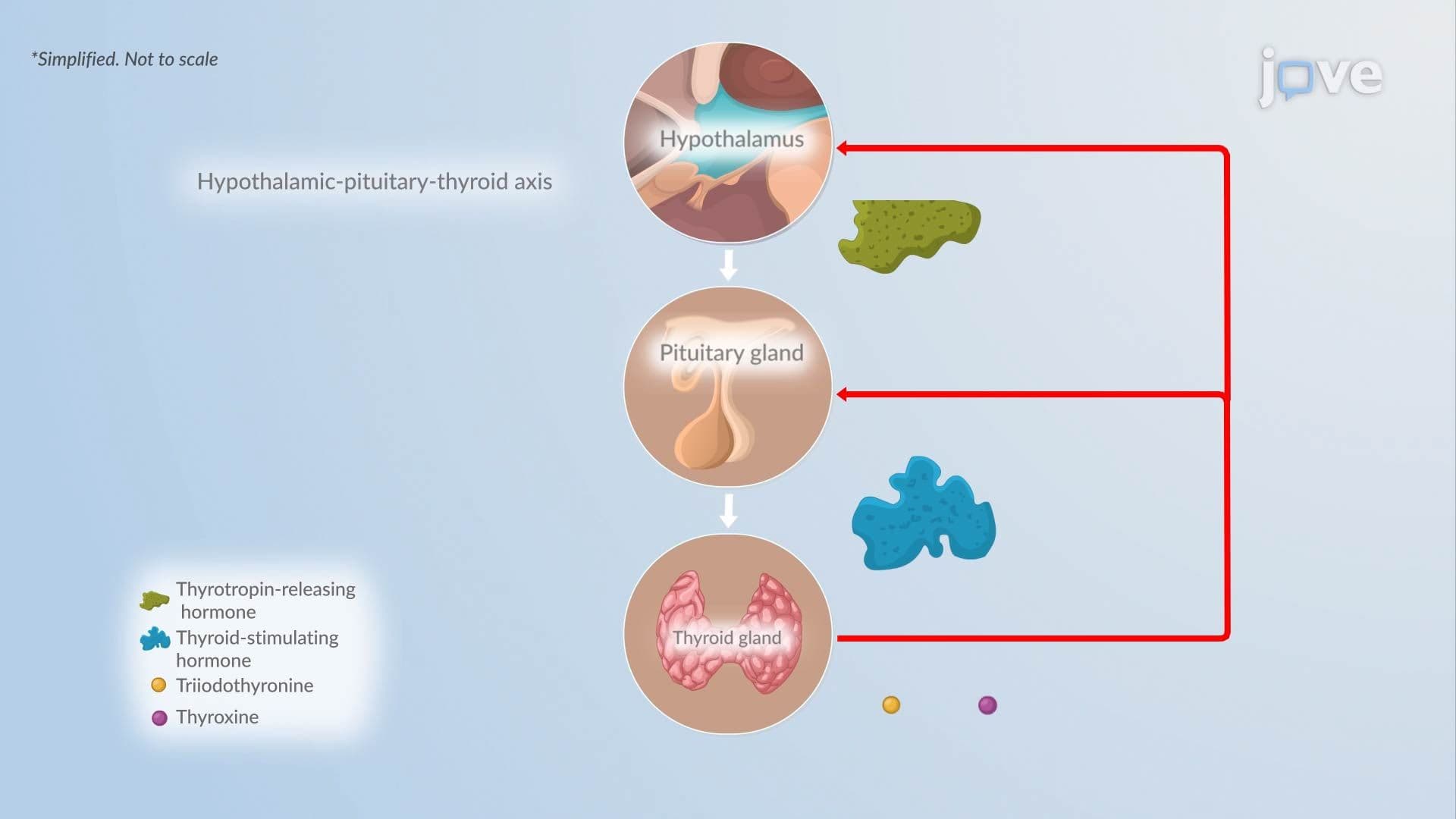

Video Summary: What Is Hyperthyroidism I
Did you know your thyroid can essentially push your body's "fast-forward" button? Hyperthyroidism I basics reveal how excess thyroid hormone production sends metabolism into overdrive, affecting everything from heart rate to body weight. At major US medical centers like Mayo Clinic, this condition is among the most commonly diagnosed endocrine disorders. Understanding What is Hyperthyroidism I helps explain symptoms like unexplained weight loss and rapid heartbeat. Watch the full video on JoVE Coach to master this concept with expert-led visuals and step-by-step explanations.
Hyperthyroidism I refers to the condition in which the thyroid gland produces excessive amounts of thyroid hormones, primarily triiodothyronine (T3) and thyroxine (T4), leading to a systemic acceleration of the body's metabolism. As a subset of a broader category called thyrotoxicosis, hyperthyroidism specifically originates from the thyroid gland itself rather than external hormone sources. It is one of the most clinically significant endocrine disorders studied in US high school biology, AP courses, and college-level anatomy and physiology.
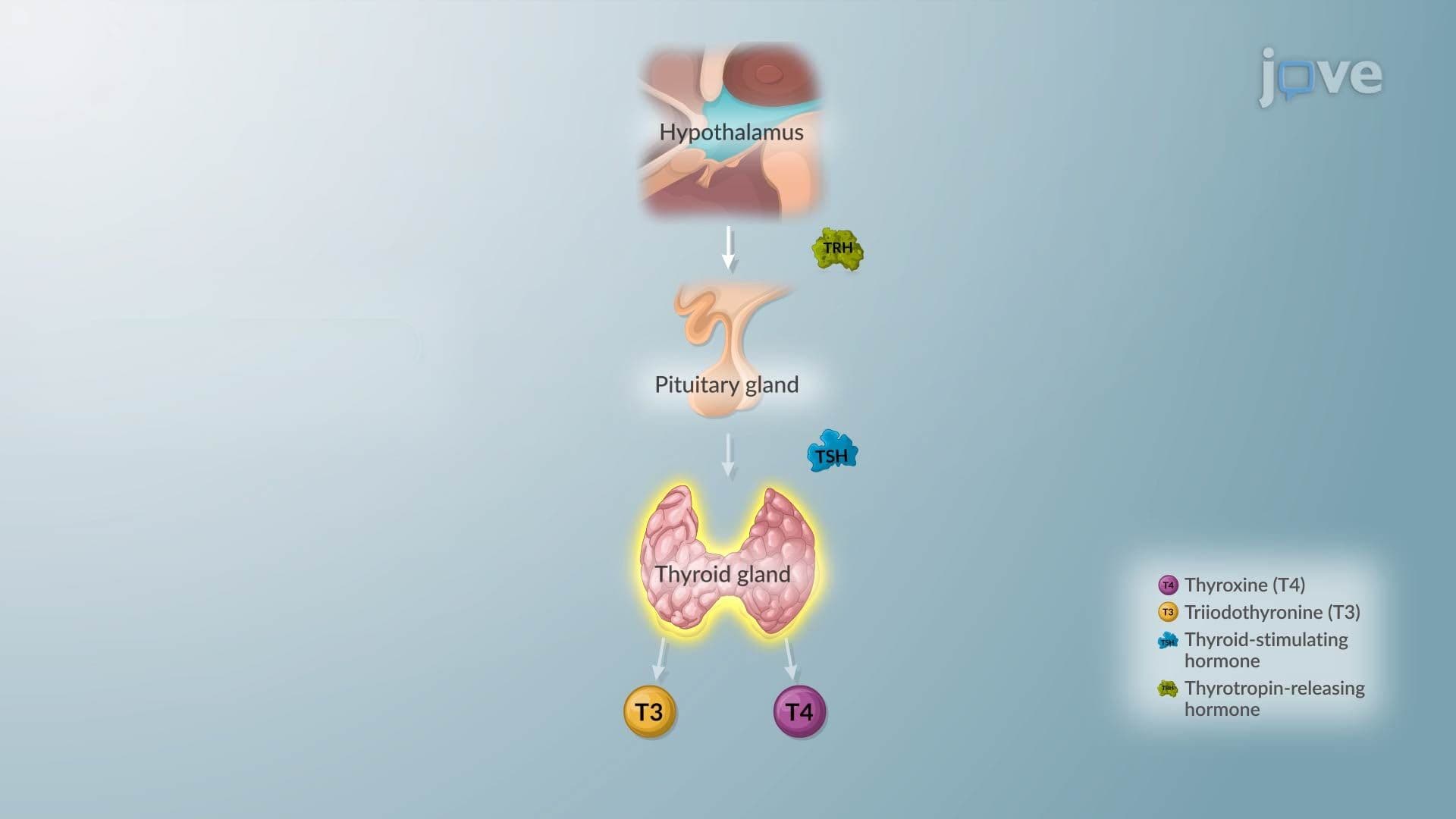
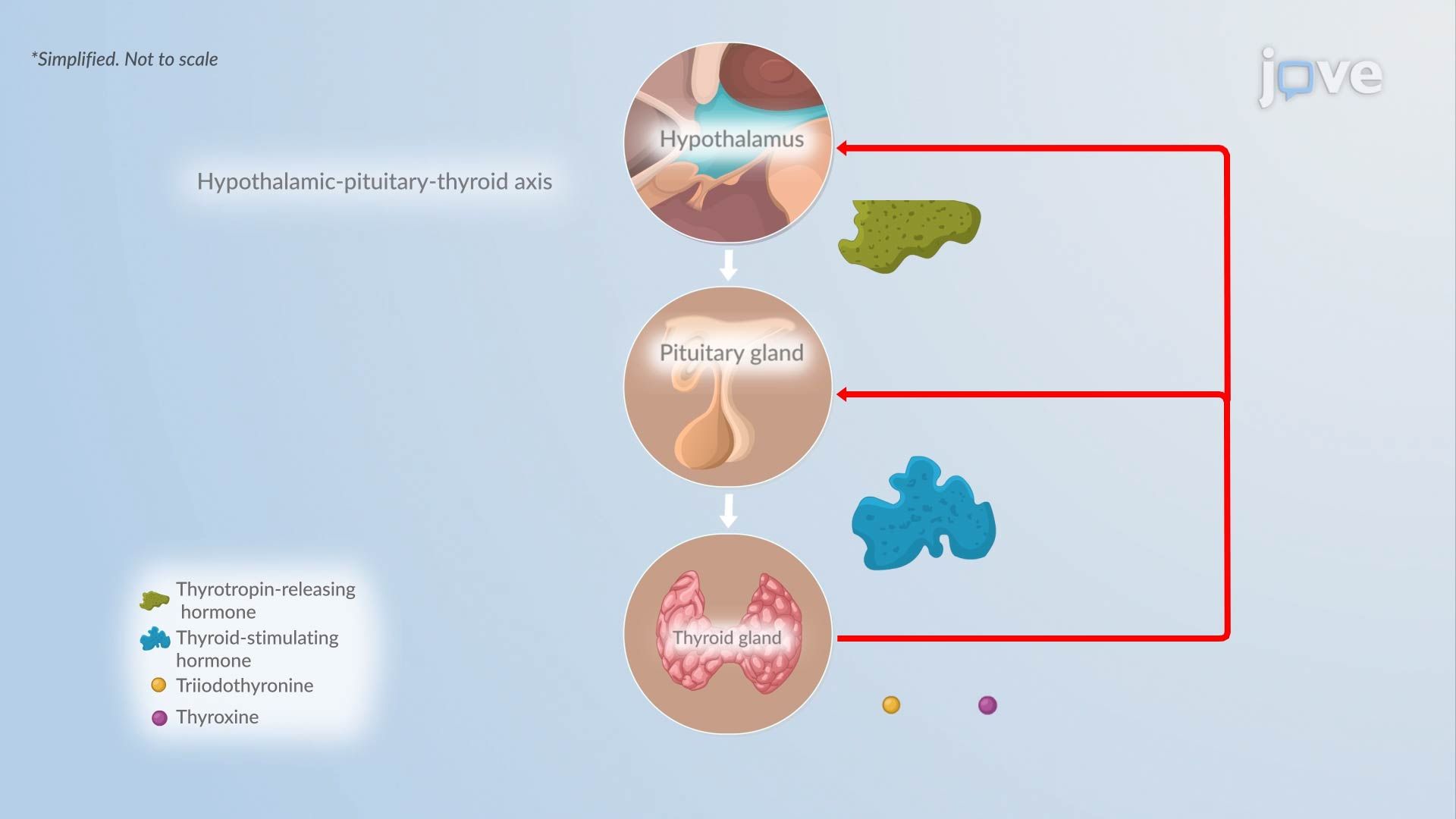
A hallmark of hyperthyroidism is a disrupted hormonal feedback loop. Under normal conditions, the pituitary gland releases thyroid-stimulating hormone (TSH) to prompt the thyroid into action. In hyperthyroidism, because the thyroid is already overproducing hormones, the pituitary responds by drastically reducing TSH output, dropping levels below 0.4 milli-international units per liter. Simultaneously, free T3 and free T4 levels climb above normal ranges. This inverse relationship between TSH and thyroid hormones is a core concept tested on the MCAT, USMLE Step 1, and NCLEX exams. Understanding this negative feedback mechanism is essential for interpreting thyroid function panels used in clinical settings across the US.
The most frequently encountered cause of hyperthyroidism in the United States is Graves' disease, an autoimmune disorder in which the immune system produces thyroid-stimulating immunoglobulins (TSIs). These antibodies mimic TSH and continuously stimulate the thyroid, resulting in unregulated hormone production. Graves' disease accounts for approximately 70-80% of all hyperthyroidism cases in the US and is especially prevalent among women aged 20-50. Other significant causes include toxic multinodular goiter, where multiple overactive nodules independently secrete hormones, and autonomously functioning thyroid adenomas, which are benign tumors that produce hormones without TSH signaling. Each of these causes follows a distinct pathophysiology that students in college endocrinology or pathophysiology courses are expected to differentiate.
Because thyroid hormones influence nearly every organ system, hyperthyroidism produces a wide array of symptoms. Patients typically experience unexplained weight loss despite a heightened appetite, a rapid or irregular heartbeat (tachycardia), heat intolerance, fine tremors in the hands, and visible enlargement of the thyroid gland known as a goiter. One of the most striking and unique findings is exophthalmos, a protrusion of the eyeballs seen almost exclusively in Graves' disease. This occurs because autoimmune activity triggers inflammation of orbital fibroblasts and adipocytes, causing swelling behind the eyes. This finding is often featured in USMLE clinical vignettes and is a high-yield detail for nursing students preparing for NCLEX exams.
Less commonly, hyperthyroidism results from TSH-secreting pituitary tumors, which bypass normal feedback regulation by continuously stimulating the thyroid. Another rare but exam-relevant cause is struma ovarii, an ovarian teratoma that contains functional thyroid tissue capable of producing ectopic thyroid hormones. These rarer causes highlight the complexity of the endocrine system and demonstrate how hormonal imbalances can arise from unexpected anatomical locations. Students who grasp these mechanisms will be better equipped to tackle complex multiple-choice questions in AP Biology, pre-med coursework, and standardized US medical licensing exams.
Related Micro-courses