Loading video…


 27 Concepts
 4.7K views

Video Summary: What Is Goiter
Your neck shouldn't visibly swell, but for millions of Americans, it does. Goiter basics begin with one surprising truth: the thyroid gland can enlarge for multiple, very different reasons, from immune attacks to iodine shortages. In the US, conditions like Graves' disease and Hashimoto's thyroiditis are leading culprits. What is Goiter, exactly, and why does it matter for your health? Watch the full video on JoVE Coach to master this concept with expert-led visuals and step-by-step explanations.
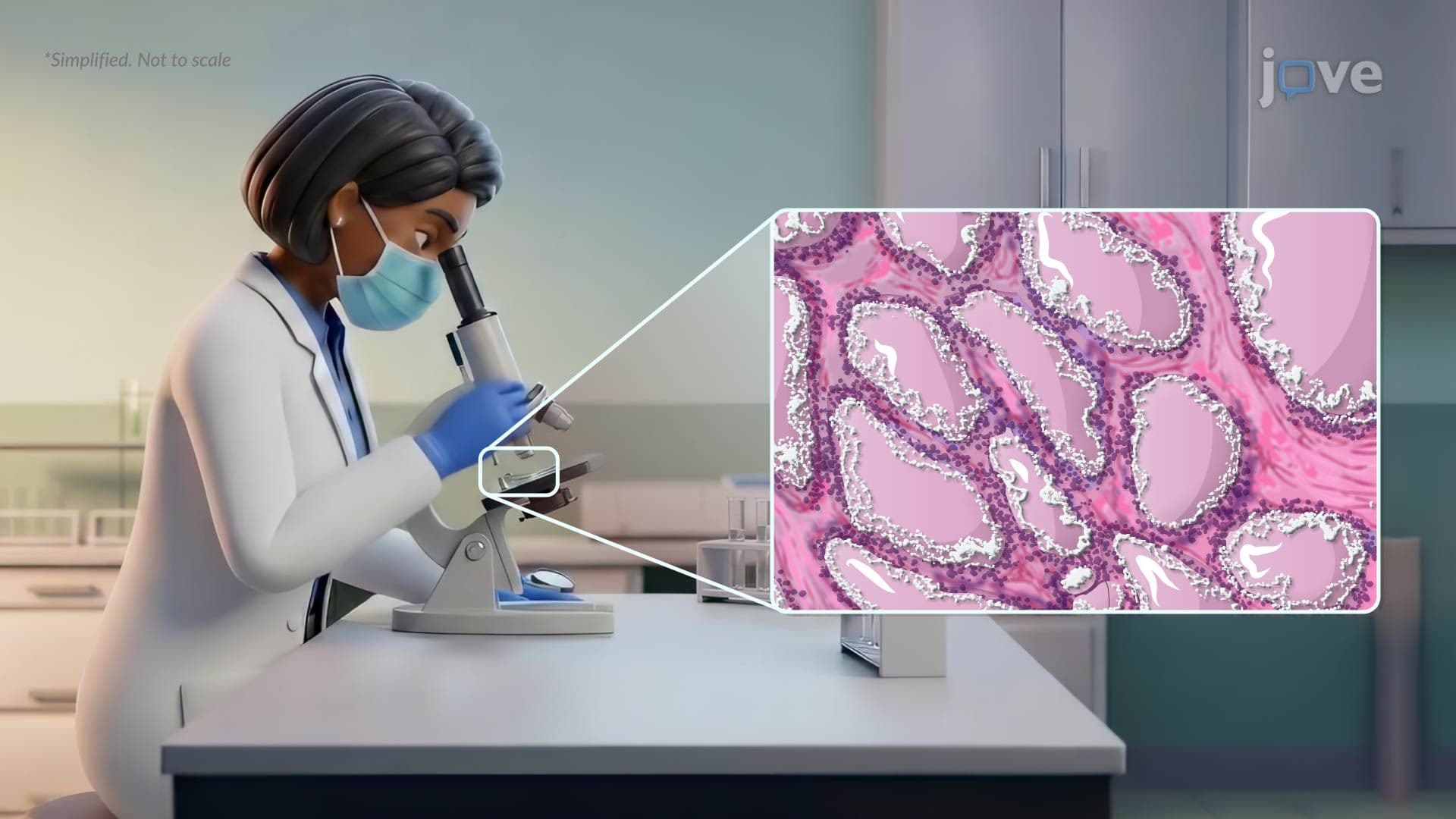
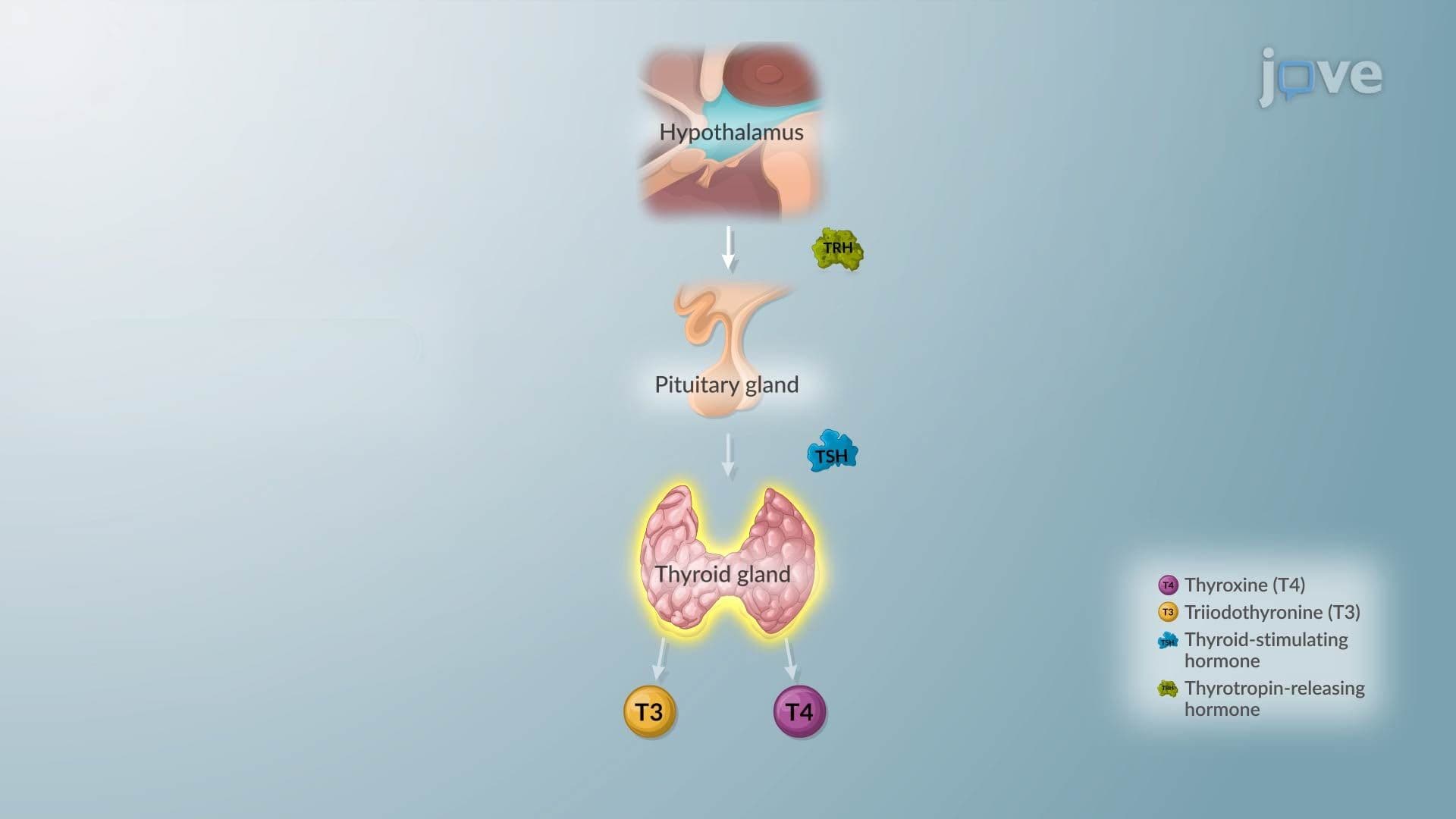
Goiter refers to any abnormal enlargement of the thyroid gland, the butterfly-shaped structure located at the front of the neck that produces hormones regulating metabolism, growth, and energy. Goiters can appear in two broad forms: a diffuse goiter, where the entire gland swells uniformly, or a nodular goiter, where one or more discrete lumps develop within the tissue. Understanding the distinction matters, because the type of goiter often points directly to its underlying cause, and to the hormonal state of the patient.
The causes of goiter fall into two major functional categories based on hormone levels.
In hyperthyroid goiters, the thyroid is overactive. The most recognizable US example is Graves' disease, an autoimmune condition in which the immune system produces proteins called thyroid-stimulating immunoglobulins (TSIs). These antibodies mimic TSH by binding directly to TSH receptors on thyroid cells, signaling the gland to produce excess thyroid hormone. The result is a goiter paired with elevated hormone levels, a hallmark of hyperthyroidism.
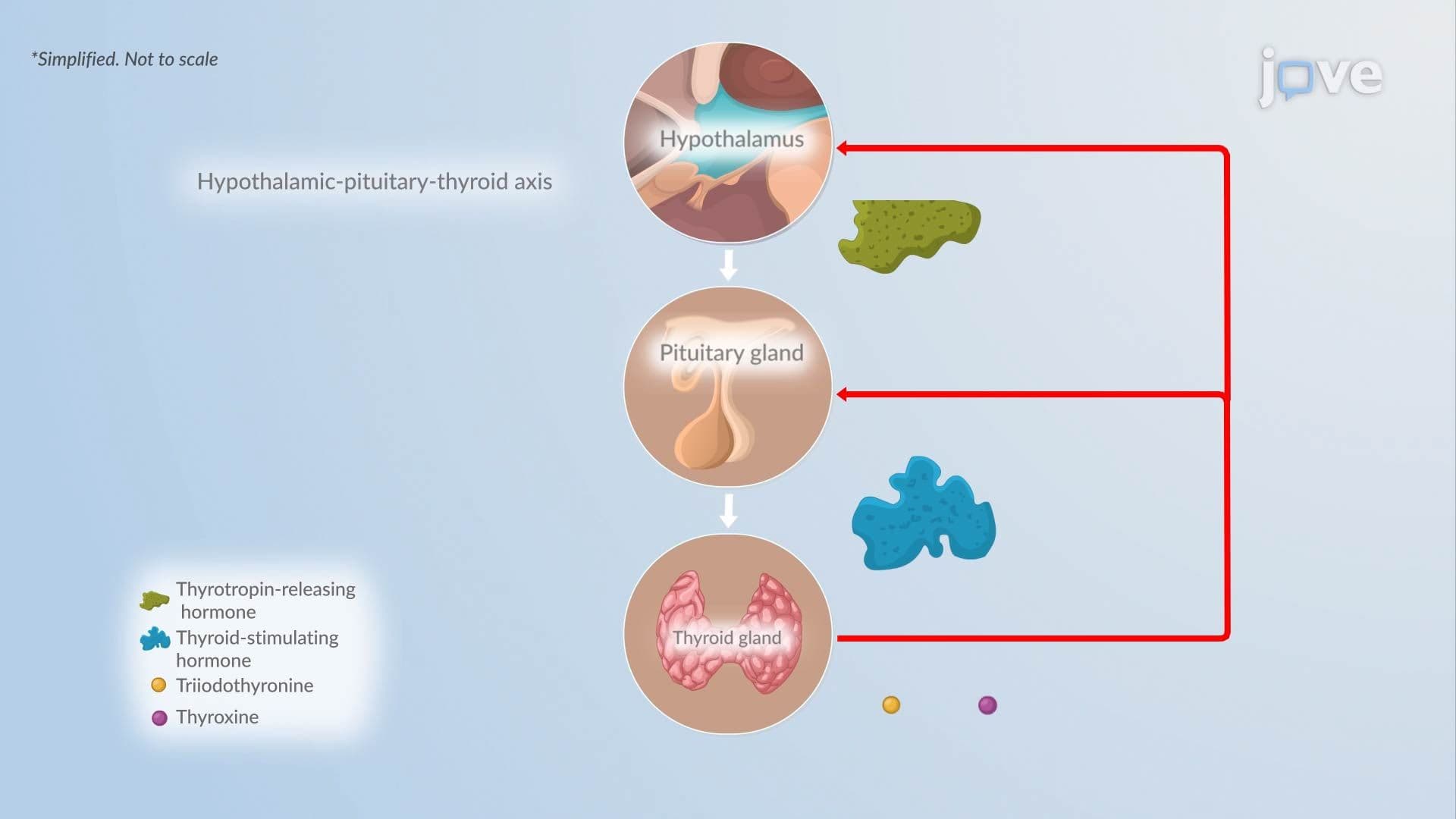
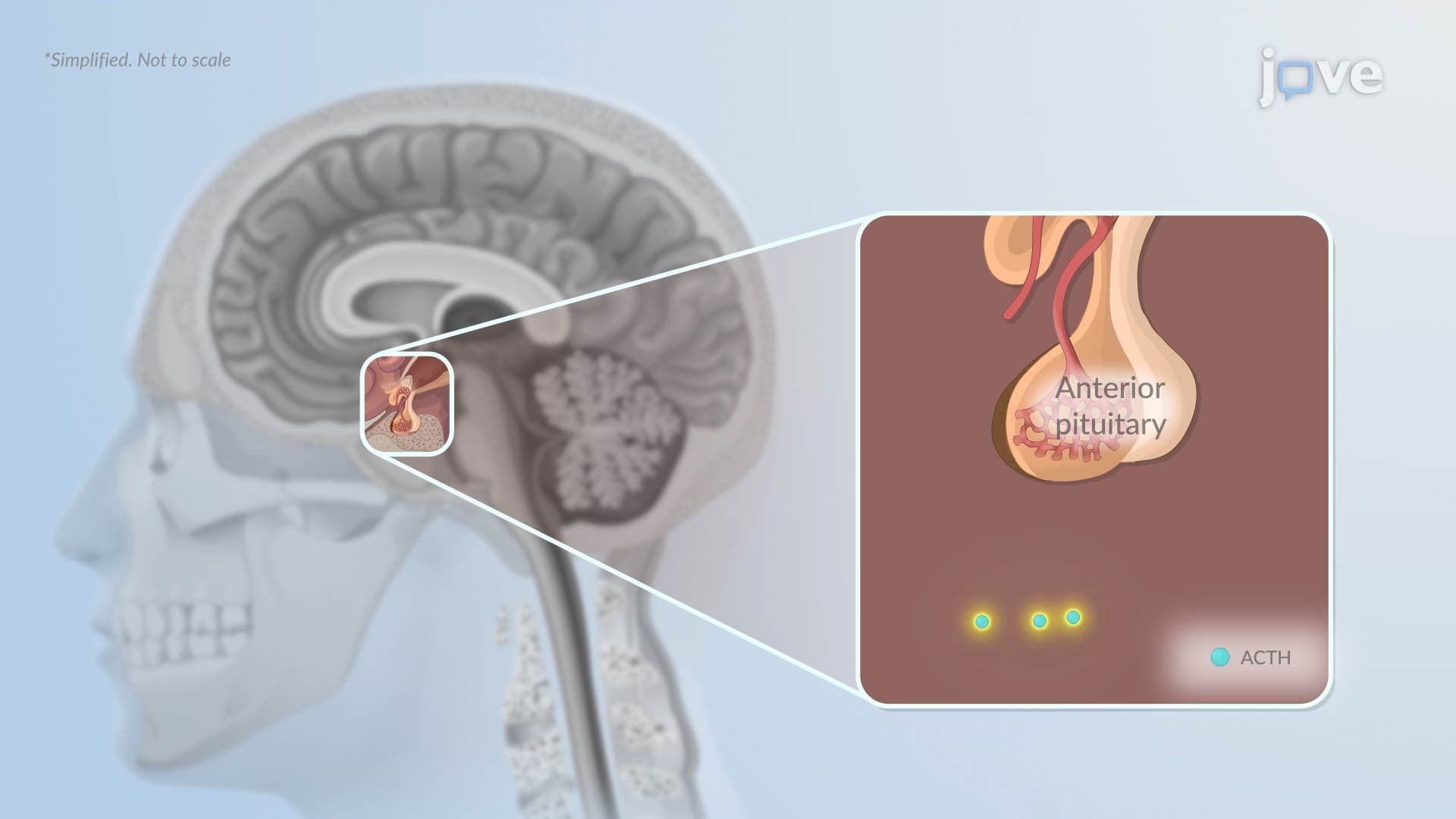
In hypothyroid goiters, the thyroid is underactive or struggling. Hashimoto's thyroiditis, the most common cause of hypothyroidism in the US, involves immune-mediated destruction of thyroid tissue. As the gland loses function, the pituitary gland responds by releasing more TSH in an attempt to stimulate hormone production. This sustained TSH elevation drives the thyroid to enlarge even as it underperforms. Certain medications, especially lithium (commonly prescribed for bipolar disorder), can also suppress thyroid hormone synthesis and trigger the same compensatory response. Additionally, genetic defects in hormone synthesis enzymes can cause congenital goiters present from birth.
Iodine deficiency, though less common in the US since the introduction of iodized salt, remains a global driver of diffuse goiter and is still relevant in AP Biology and MCAT content.
Goiter is not always a static condition. With prolonged stimulation, whether by TSH, autoantibodies, or iodine deficiency, diffuse goiters can gradually develop areas of nodular growth. Over time, some of these nodules may begin producing thyroid hormone independently, bypassing normal regulatory signals. This results in toxic multinodular goiter, a condition where the gland generates excess hormone autonomously. This progression illustrates a core principle in pathophysiology: chronic overstimulation of a tissue can lead to structural and functional remodeling.
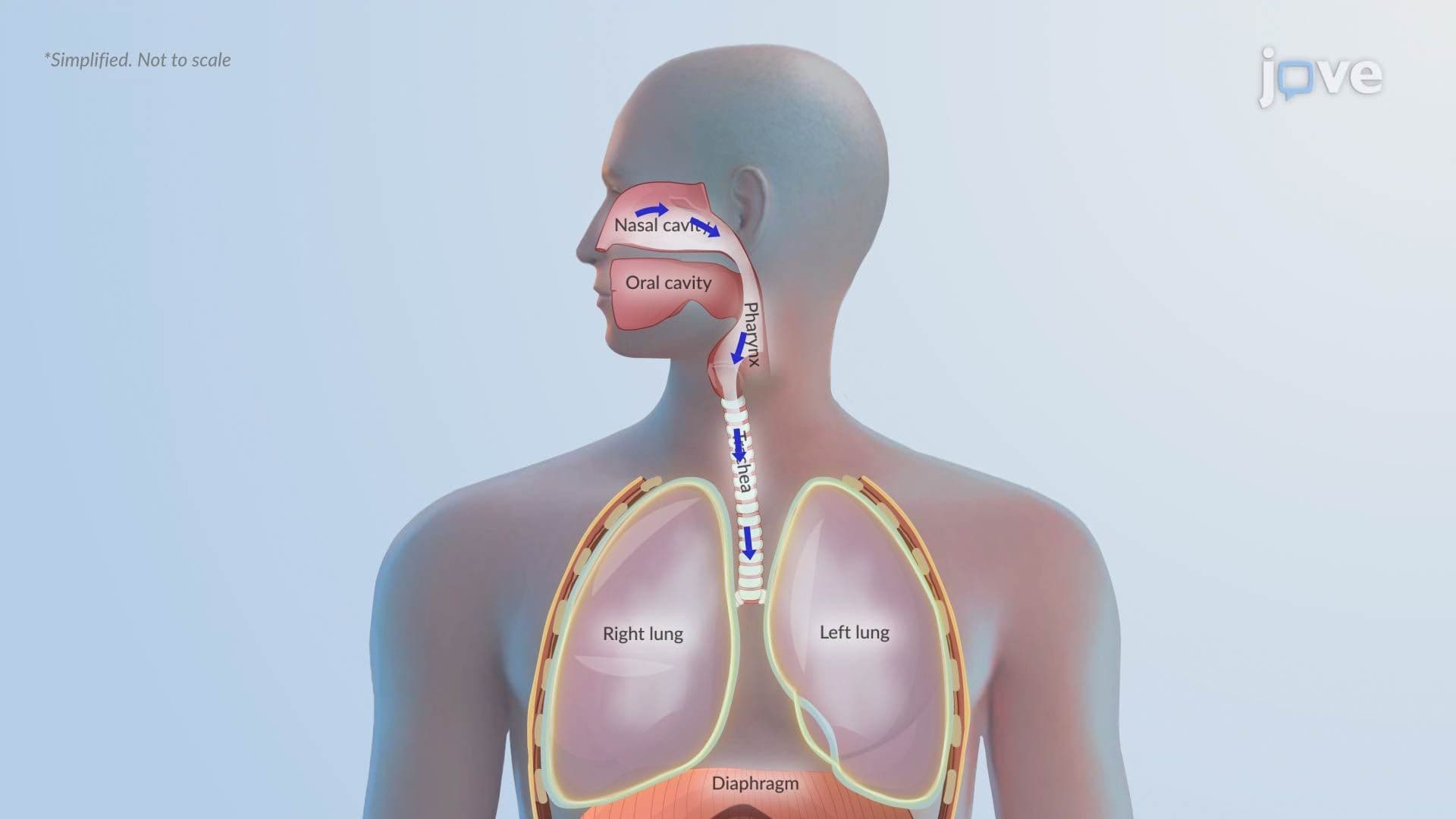
As a goiter grows larger, it can compress neighboring structures in the neck. Patients may experience difficulty swallowing, shortness of breath, a persistent cough, or a visible lump in the throat. In clinical settings across US hospitals, goiters are evaluated using thyroid function tests (measuring TSH, T3, and T4 levels), ultrasound imaging, and sometimes fine-needle aspiration biopsy to rule out malignancy in nodular forms.
For students in AP Biology, college Anatomy and Physiology, or those preparing for the MCAT or USMLE, goiter is a high-yield topic that connects endocrine feedback loops, immune system dysfunction, and clinical pharmacology, making it essential to master with both conceptual clarity and mechanistic depth.
Related Micro-courses