Loading subject page…

4,700 views


Video Summary: What Is Diabetic Ketoacidosis L
Every year, roughly 150,000 Americans are hospitalized for diabetic ketoacidosis, a crisis that can develop in under 24 hours. Diabetic Ketoacidosis L is a life-threatening complication triggered when the body produces almost no insulin, forcing it to break down fat for fuel and flood the bloodstream with acidic ketones. Understanding diabetic ketoacidosis L basics helps explain why blood pH crashes so dangerously fast. Watch the full video on JoVE Coach to master this concept with expert-led visuals and step-by-step explanations.
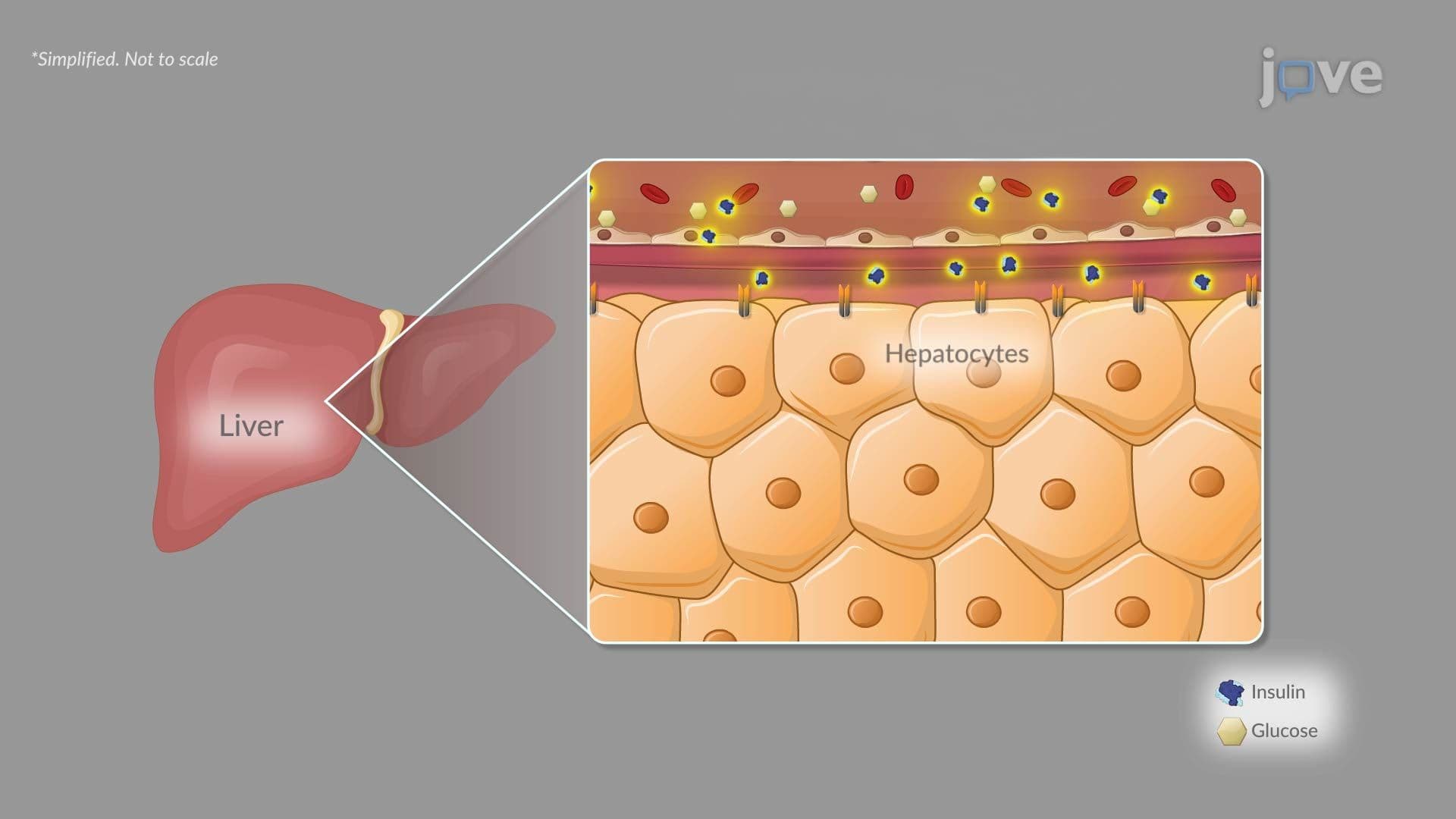
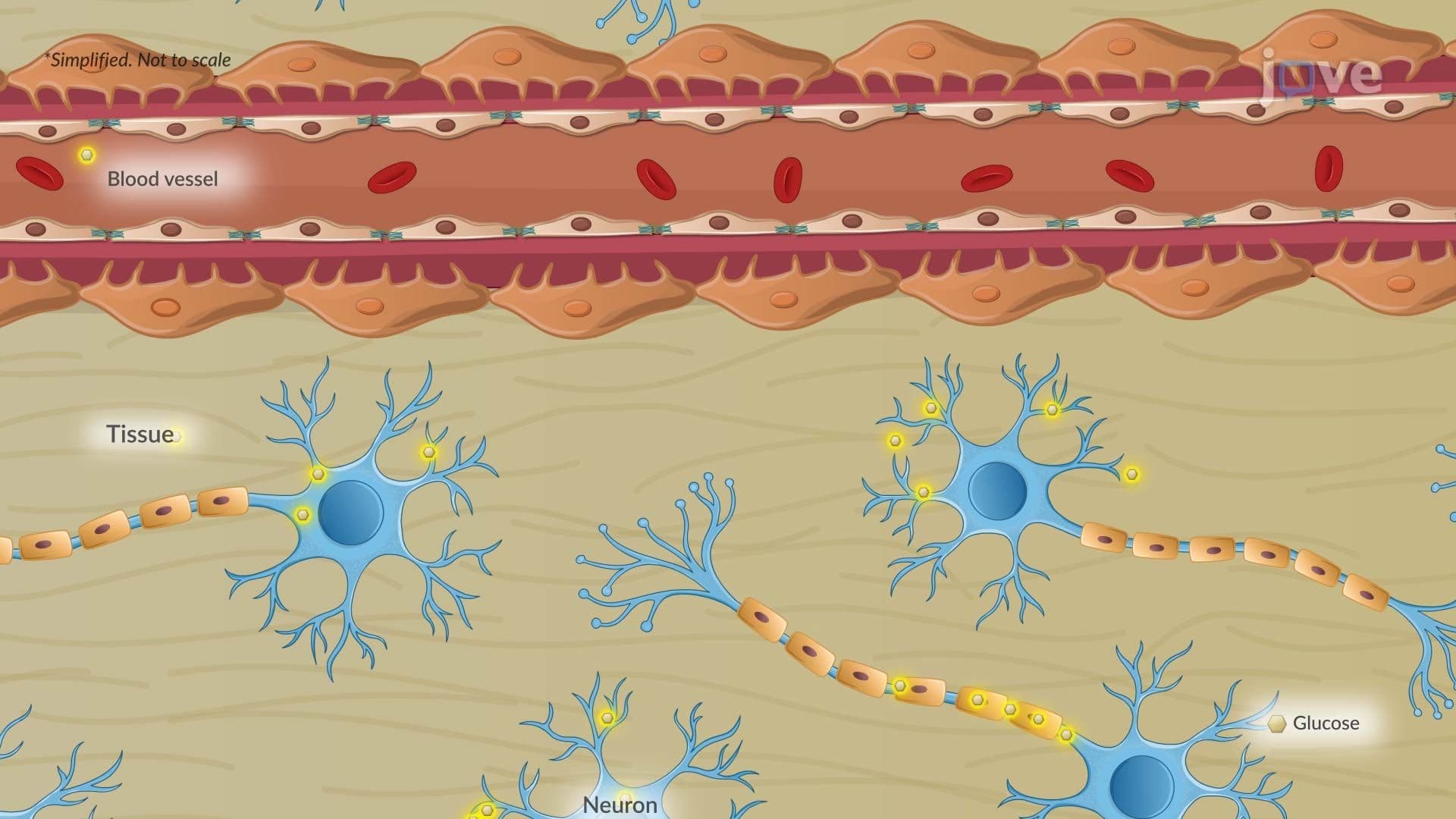
Diabetic Ketoacidosis L, commonly abbreviated as DKA, is one of the most dangerous acute complications of diabetes mellitus, particularly Type 1 diabetes. It occurs when the body has an insufficient supply of insulin, the hormone responsible for allowing glucose to enter cells for energy. Without insulin, cells essentially starve. In response, the body activates counterregulatory hormones, glucagon, catecholamines (like epinephrine), cortisol, and growth hormone, which accelerate fat breakdown. This produces fatty acids that the liver converts into ketone bodies, which are acidic compounds. As ketones accumulate in the blood faster than the body can neutralize them, blood pH drops, creating a state of metabolic acidosis.
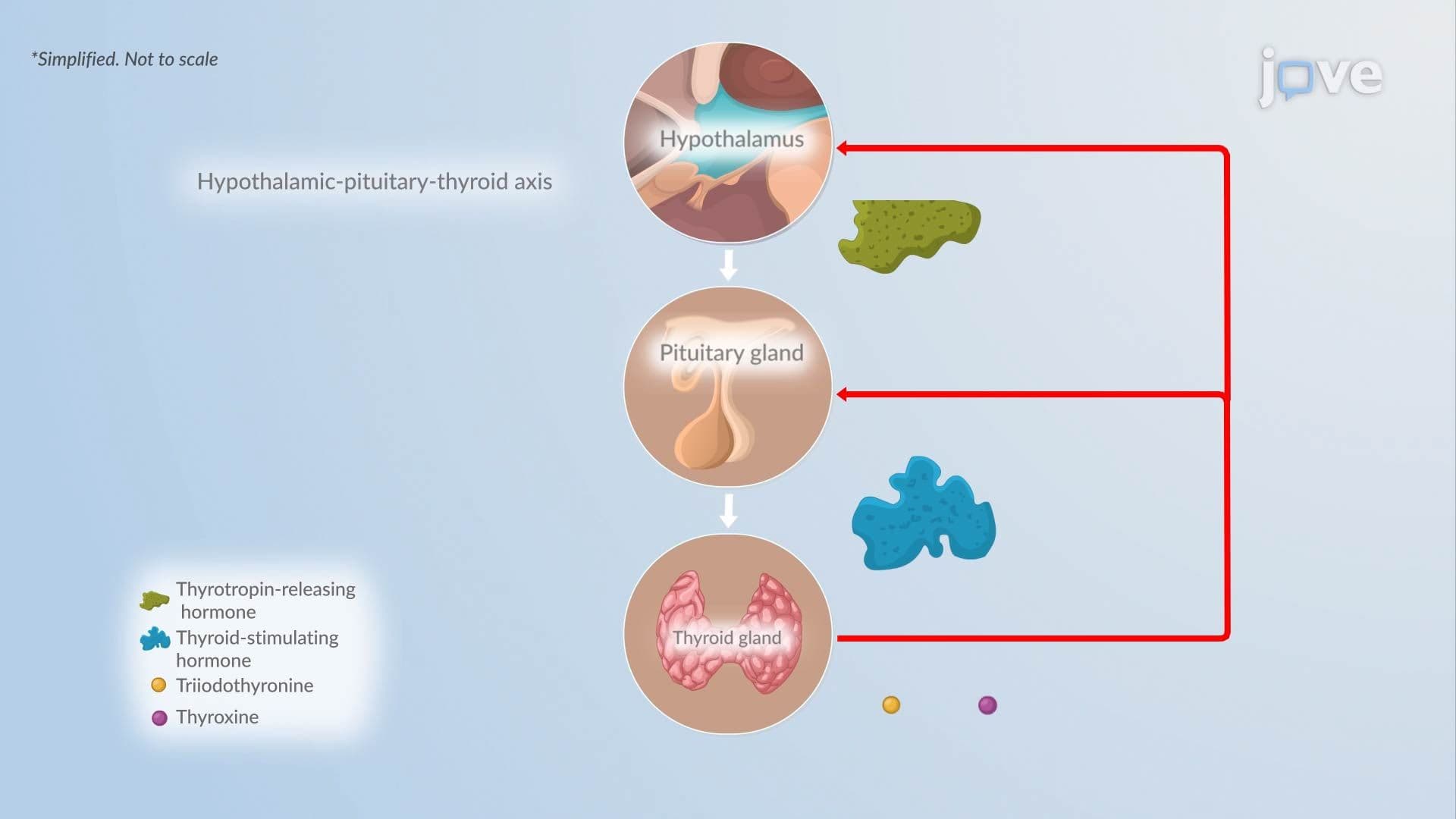
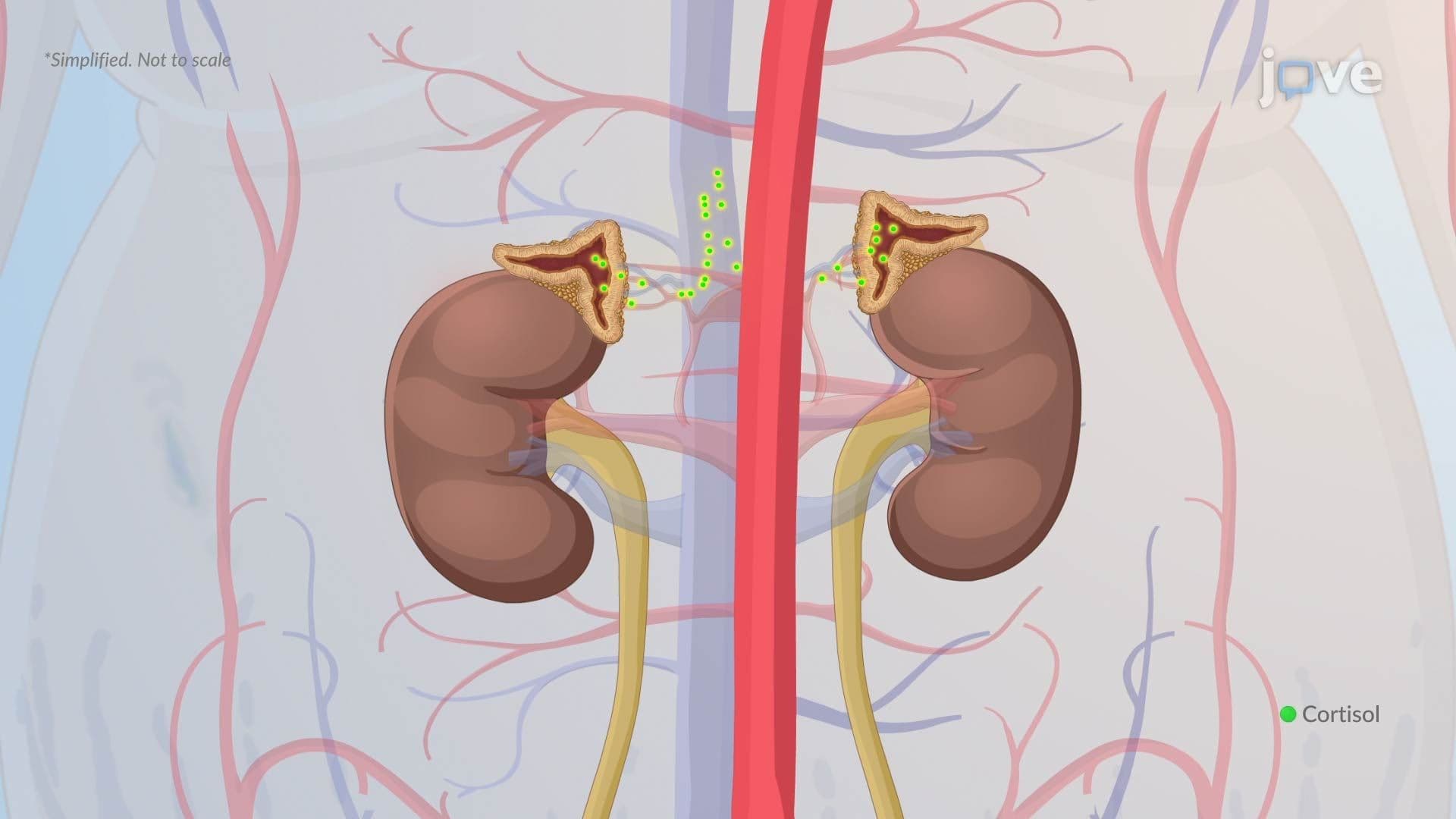
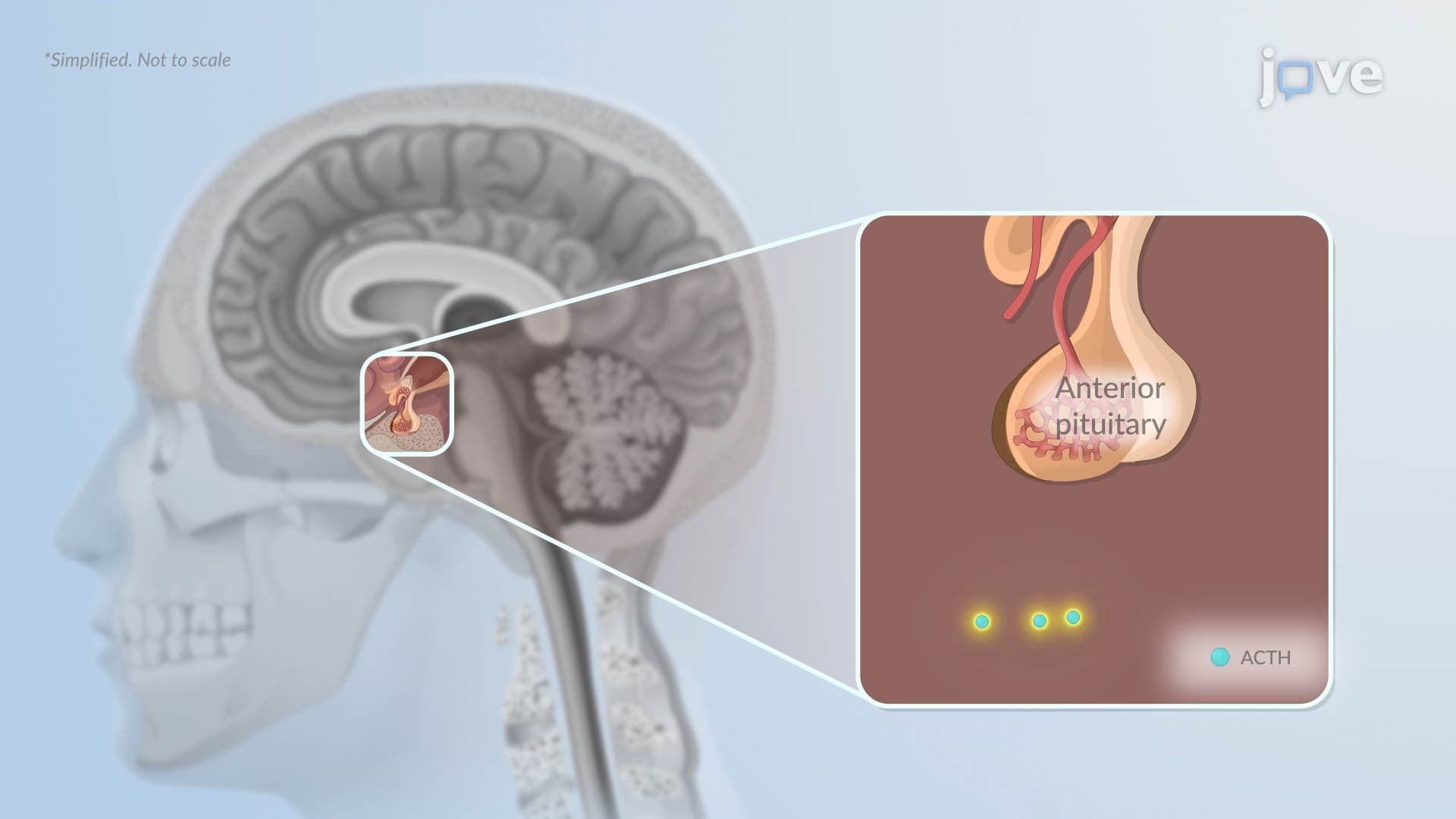
Understanding hormonal imbalances is central to grasping DKA. Glucagon, cortisol, and catecholamines all work in opposition to insulin. When insulin is absent or severely limited, these hormones go unchecked. Glucagon promotes glycogenolysis (breaking down stored glycogen) and gluconeogenesis (making new glucose), further spiking blood sugar levels. Meanwhile, catecholamines and cortisol stimulate lipolysis, the breakdown of fat stores into free fatty acids. This hormonal imbalance is similar to what occurs in other endocrine disorders like Cushing's syndrome, where excess cortisol disrupts glucose regulation, or adrenal insufficiency, where abnormal hormone levels destabilize metabolism. Recognizing this overlapping pattern helps students build a systems-level understanding of what causes endocrine system disorders.
Clinicians classify DKA into three levels based on how severely the acid-base balance has been disrupted, measured through blood pH and serum bicarbonate. Mild DKA shows a pH between 7.25 and 7.30 with bicarbonate between 15 and 18 mEq/L, the patient is acidotic but still relatively stable. Moderate DKA drops pH to the 7.00-7.24 range and bicarbonate to 10-15 mEq/L. Severe DKA, the most dangerous category, is marked by a pH below 7.00 and bicarbonate under 10 mEq/L. At this stage, normal cellular function is severely compromised. In U.S. emergency departments, these values guide immediate treatment decisions, including IV fluid replacement, insulin drips, and electrolyte correction. Students preparing for the MCAT or USMLE Step 1 will frequently encounter acid-base disturbance problems that draw directly on these thresholds.
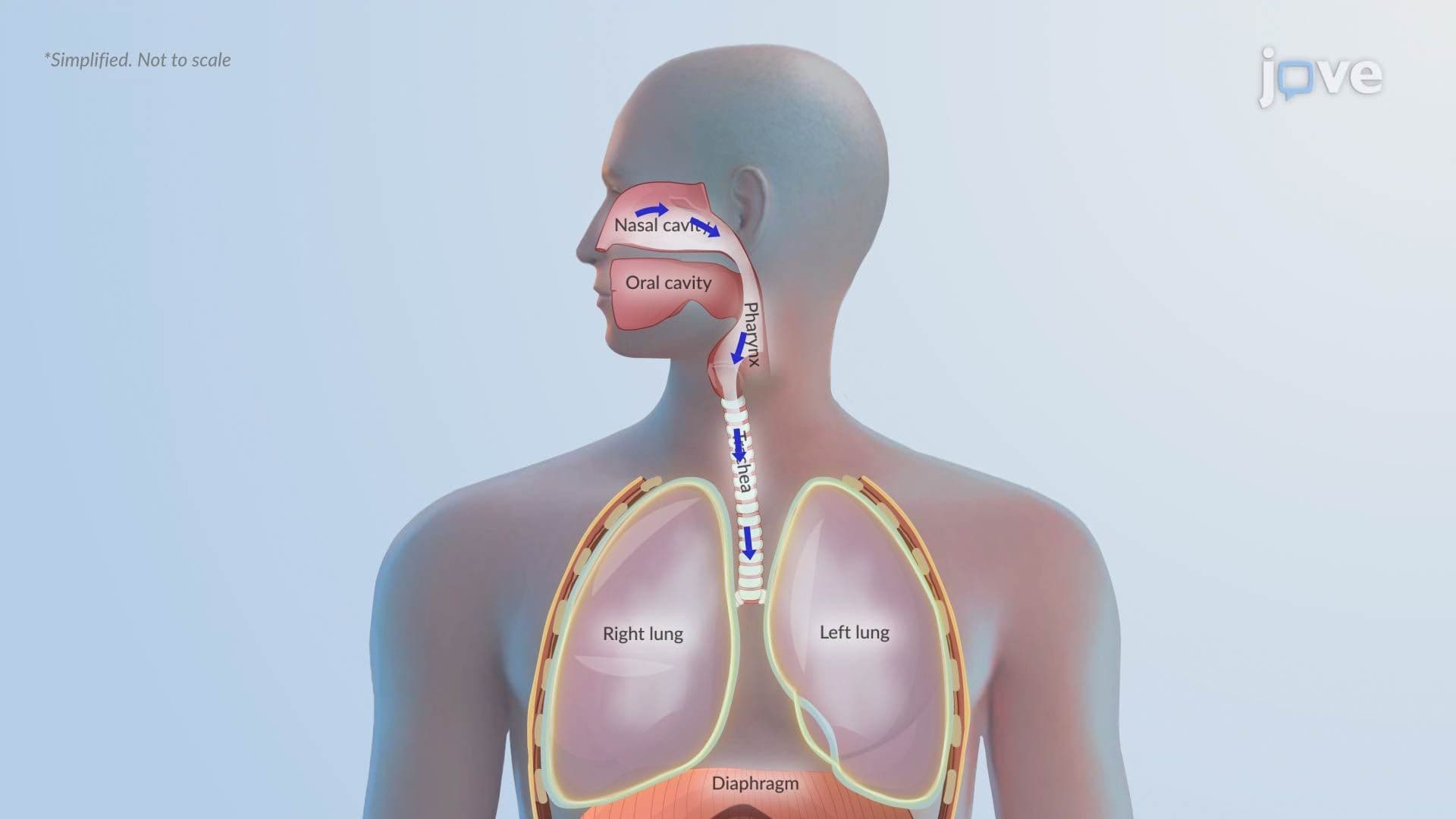
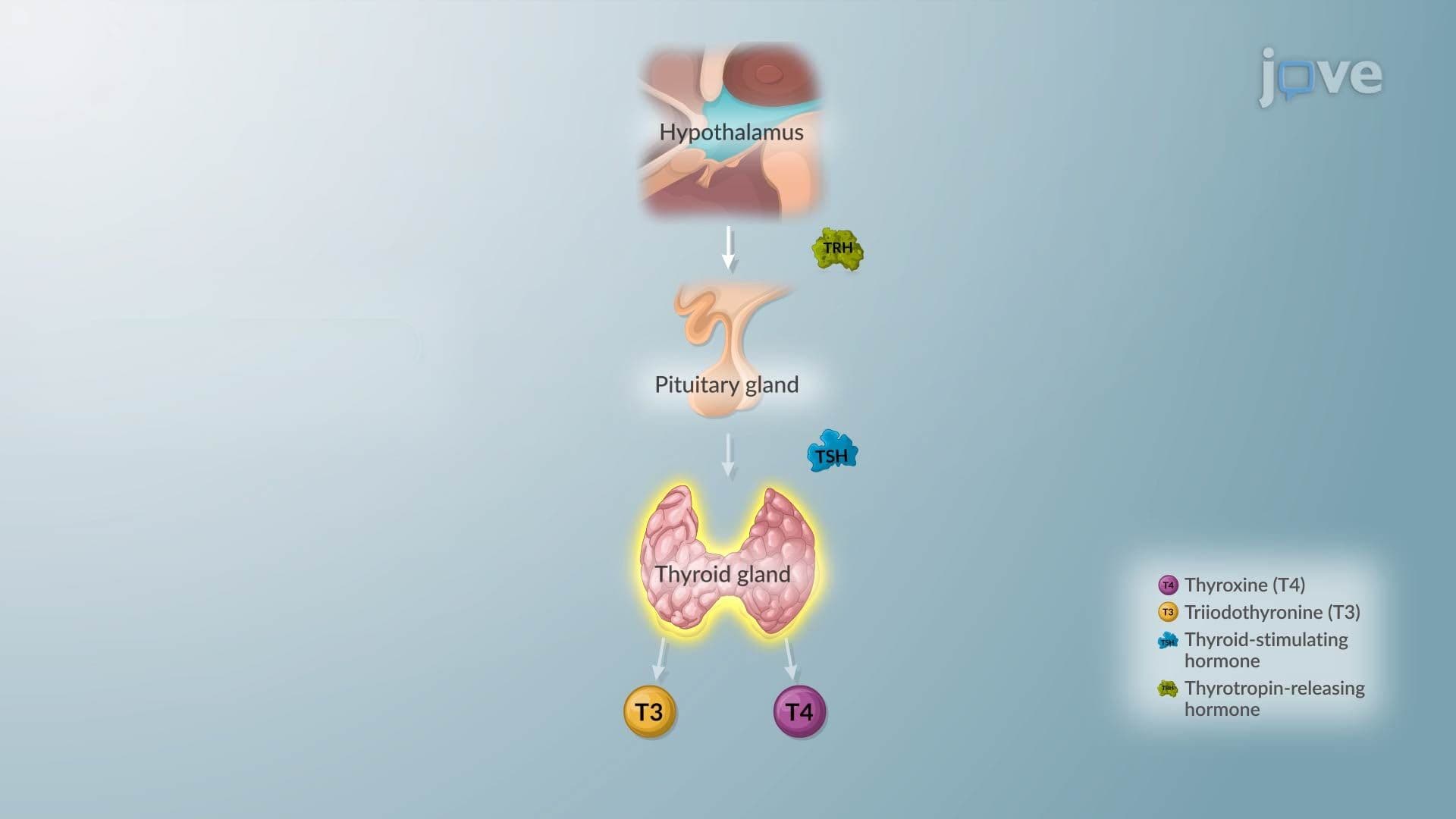
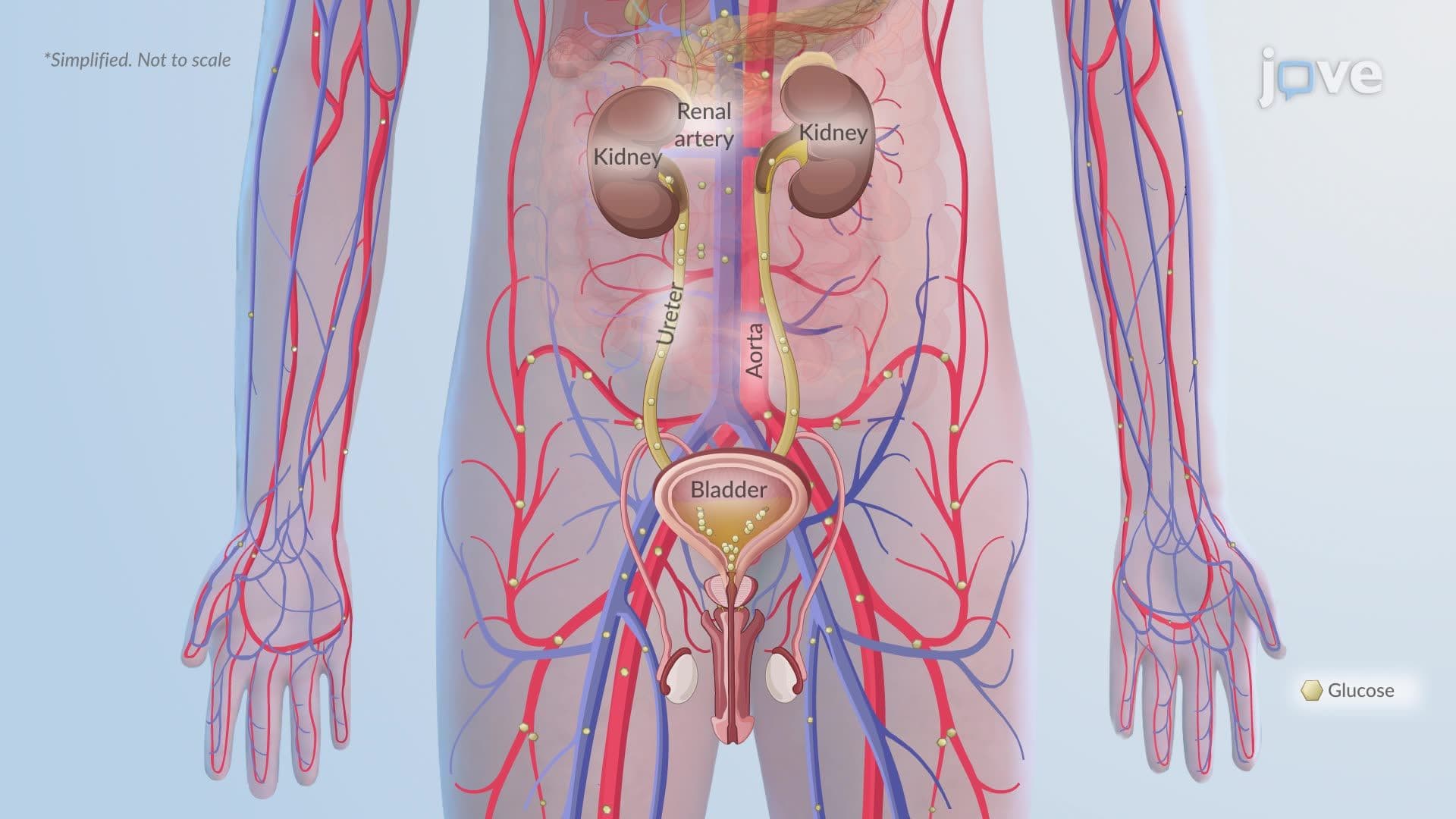
DKA typically develops within 24 hours in a Type 1 diabetic who lacks sufficient insulin, for example, after missing insulin doses or during a severe infection that spikes counterregulatory hormones. Early symptoms include polyuria (frequent urination), polydipsia (excessive thirst), and nocturia (nighttime urination), all driven by hyperglycemia pulling water out of the body through osmotic diuresis. As acidosis deepens and dehydration worsens, patients often develop abdominal pain and nausea. One of the most clinically recognizable signs is Kussmaul respirations, deep, labored, rapid breathing that the body uses to "blow off" carbon dioxide and raise blood pH. This respiratory compensation reflects the same physiological logic tested in AP Biology, college-level physiology courses, and NCLEX exam scenarios involving acid-base balance. Connecting DKA to related endocrine topics, like hypothyroidism, hyperthyroidism, and how endocrine disorders are diagnosed, gives students a broader framework for understanding how a single hormonal failure can cascade into a full-body emergency.
Related Micro-courses