Loading video…

 27 Concepts
 4.7K views

Video Summary: Pathophysiology in Diabetic Ketoacidosis Ll
Did you know your body can literally turn acidic from uncontrolled diabetes? Pathophysiology in Diabetic Ketoacidosis II breaks down how insulin deficiency triggers a dangerous chain reaction, from fat breakdown to toxic ketone buildup, that lands thousands of Americans in emergency rooms each year. Understanding this mechanism is critical for anyone studying endocrine disorders. Watch the full video on JoVE Coach to master this concept with expert-led visuals and step-by-step explanations.
Diabetic ketoacidosis (DKA) is one of the most serious acute complications of diabetes mellitus, responsible for over 500,000 hospital visits annually in the United States. Understanding its pathophysiology goes far beyond memorizing steps, it reveals how deeply interconnected the endocrine system, metabolism, and kidney function truly are. For high school and college students studying biology, physiology, or preparing for exams like the MCAT or AP Biology, mastering this cascade is both academically essential and clinically relevant.
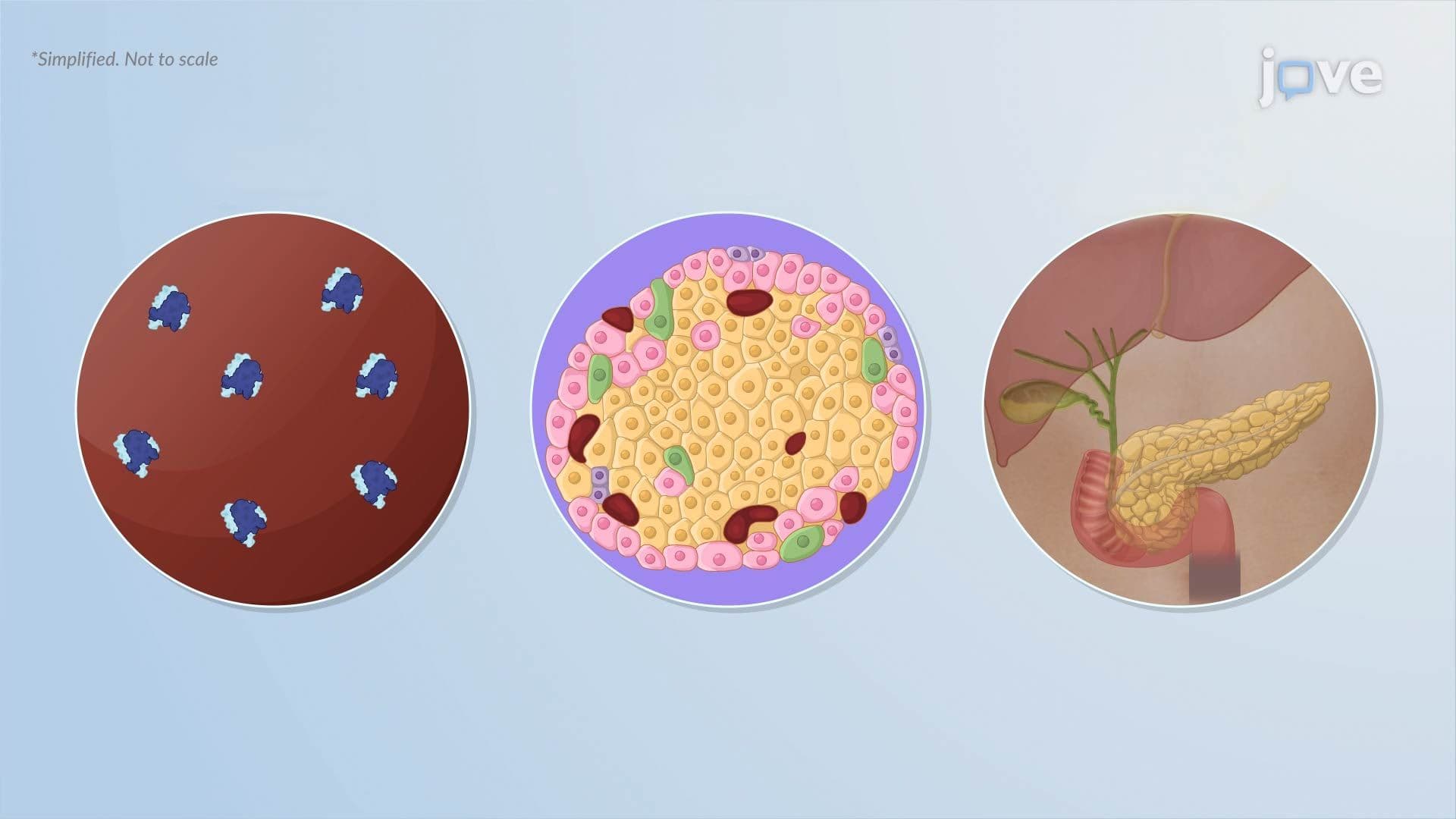
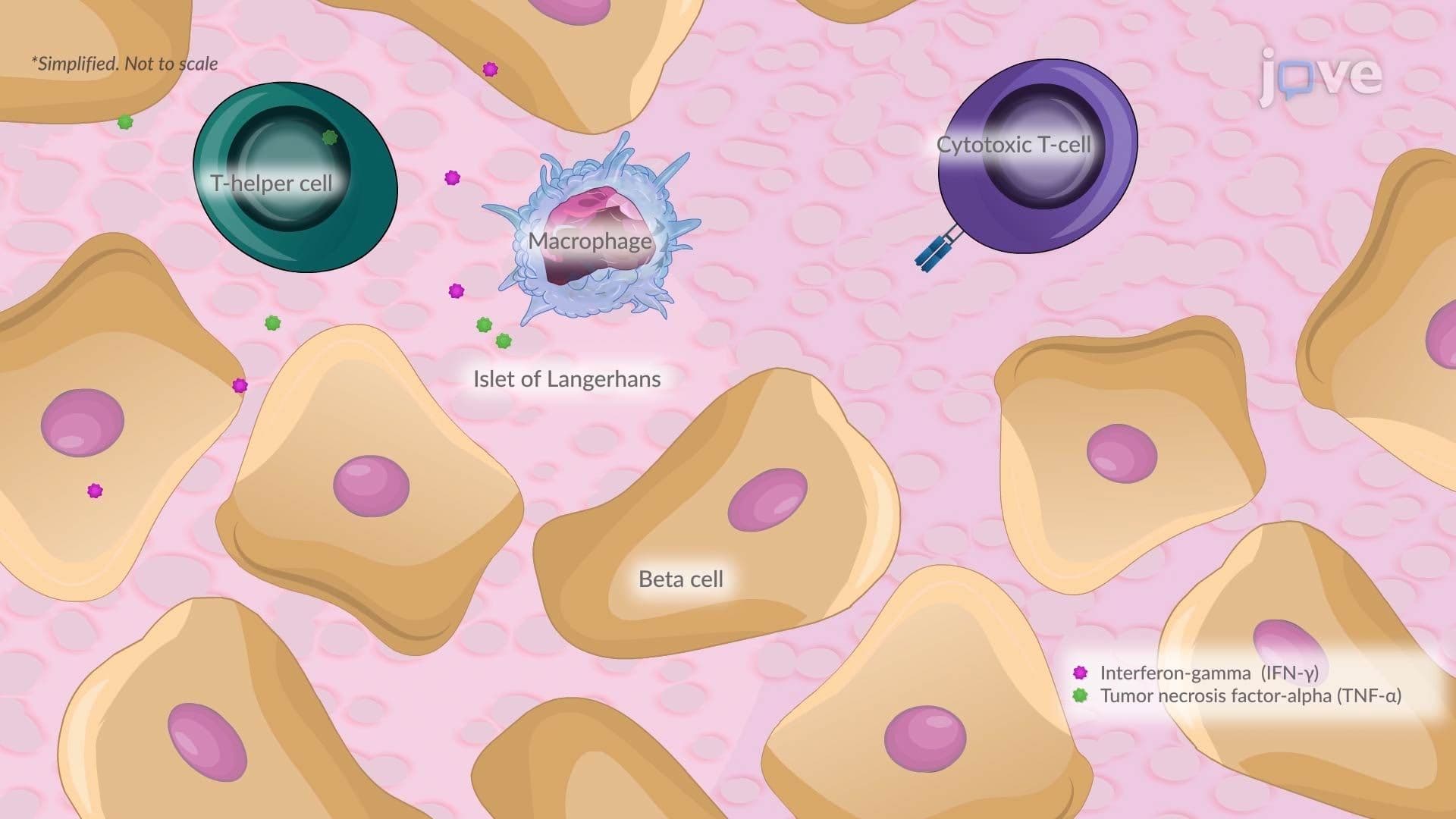
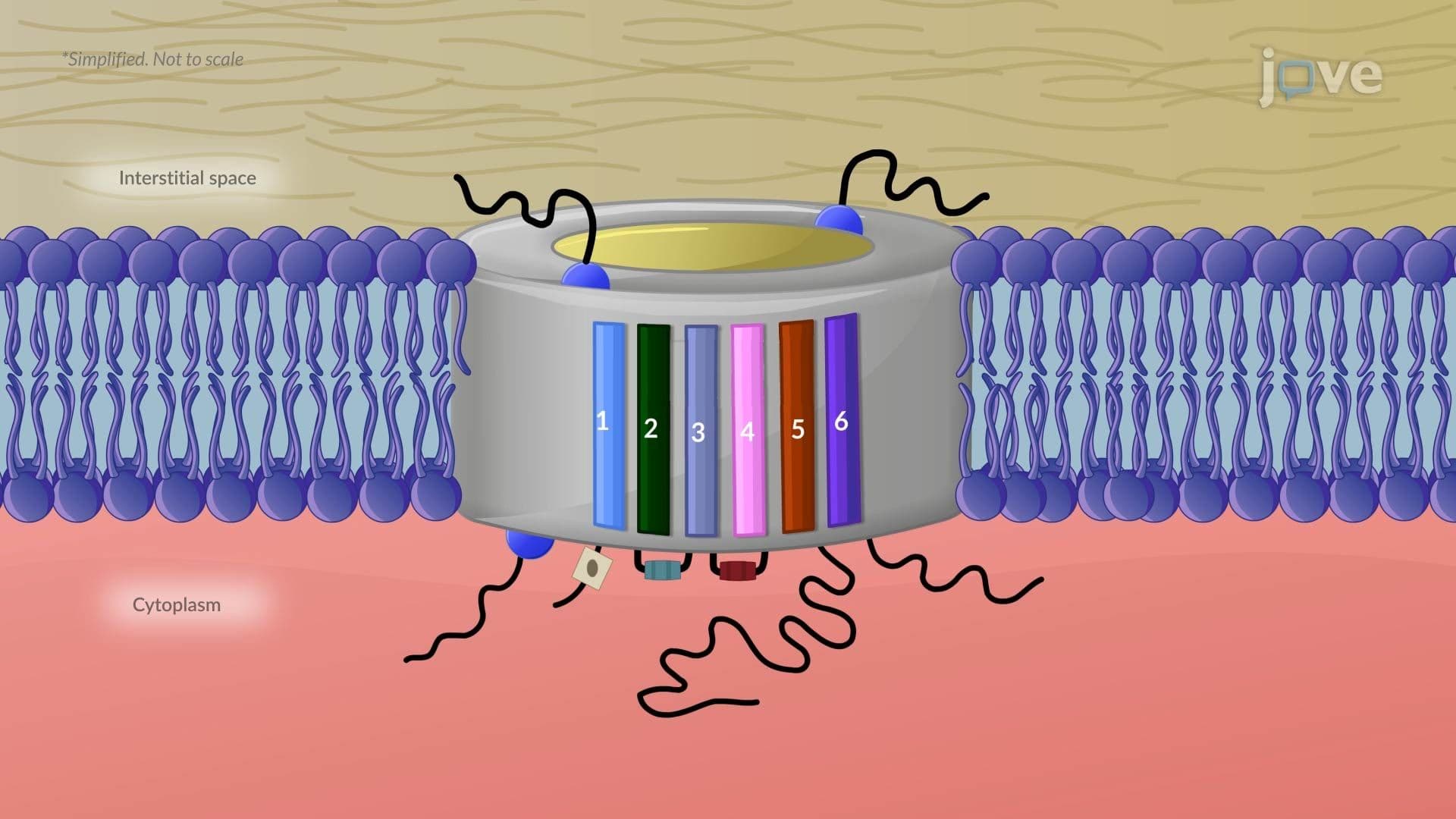
Everything begins with insulin deficiency. In Type 1 diabetes, the pancreatic beta cells are destroyed, usually by autoimmune attack, leaving virtually no insulin production. In Type 2 diabetes, severe physiological stressors such as pneumonia, sepsis, or a myocardial infarction can push a patient into a state of relative insulin deficiency where demand dramatically outpaces supply.
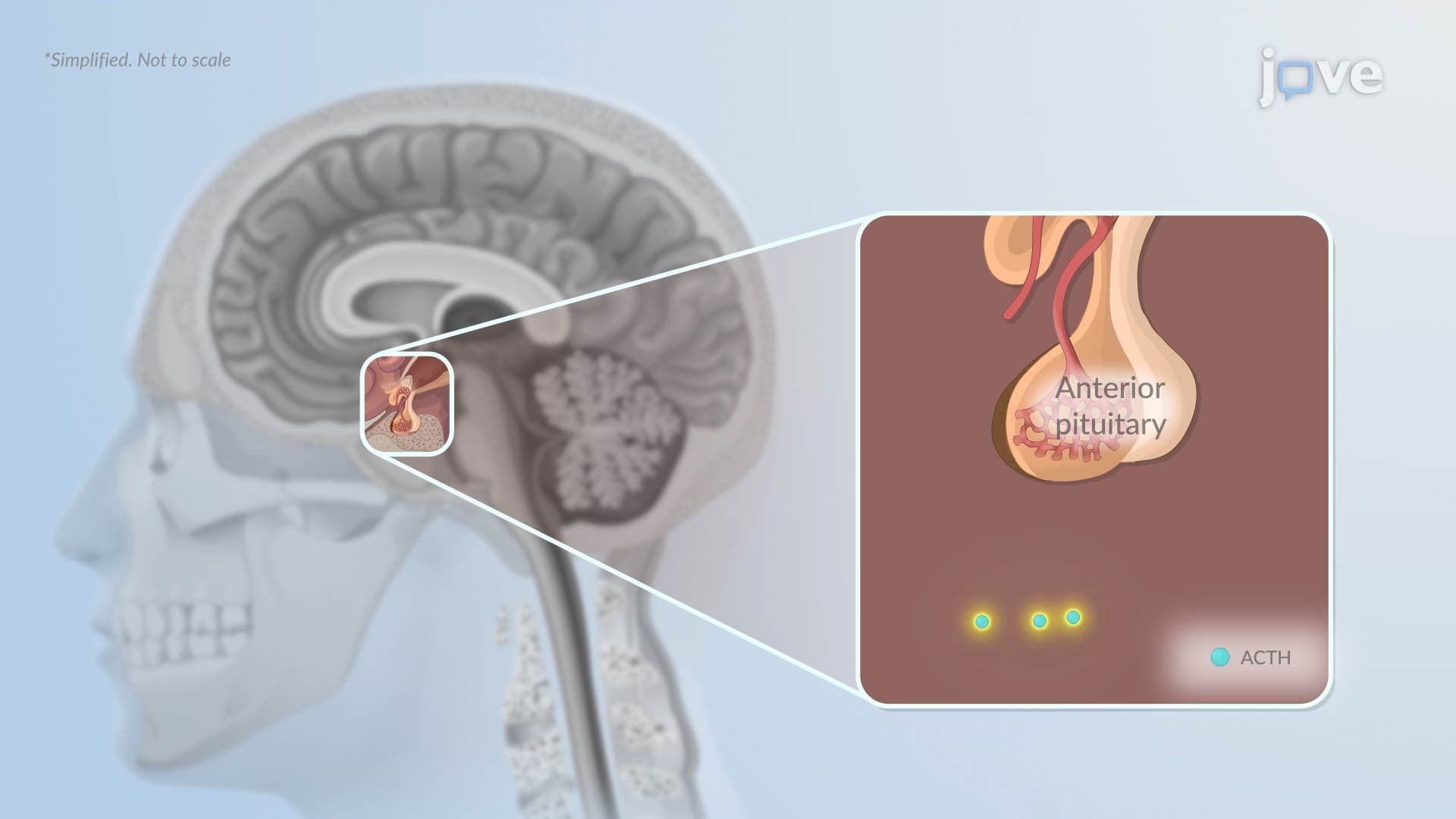
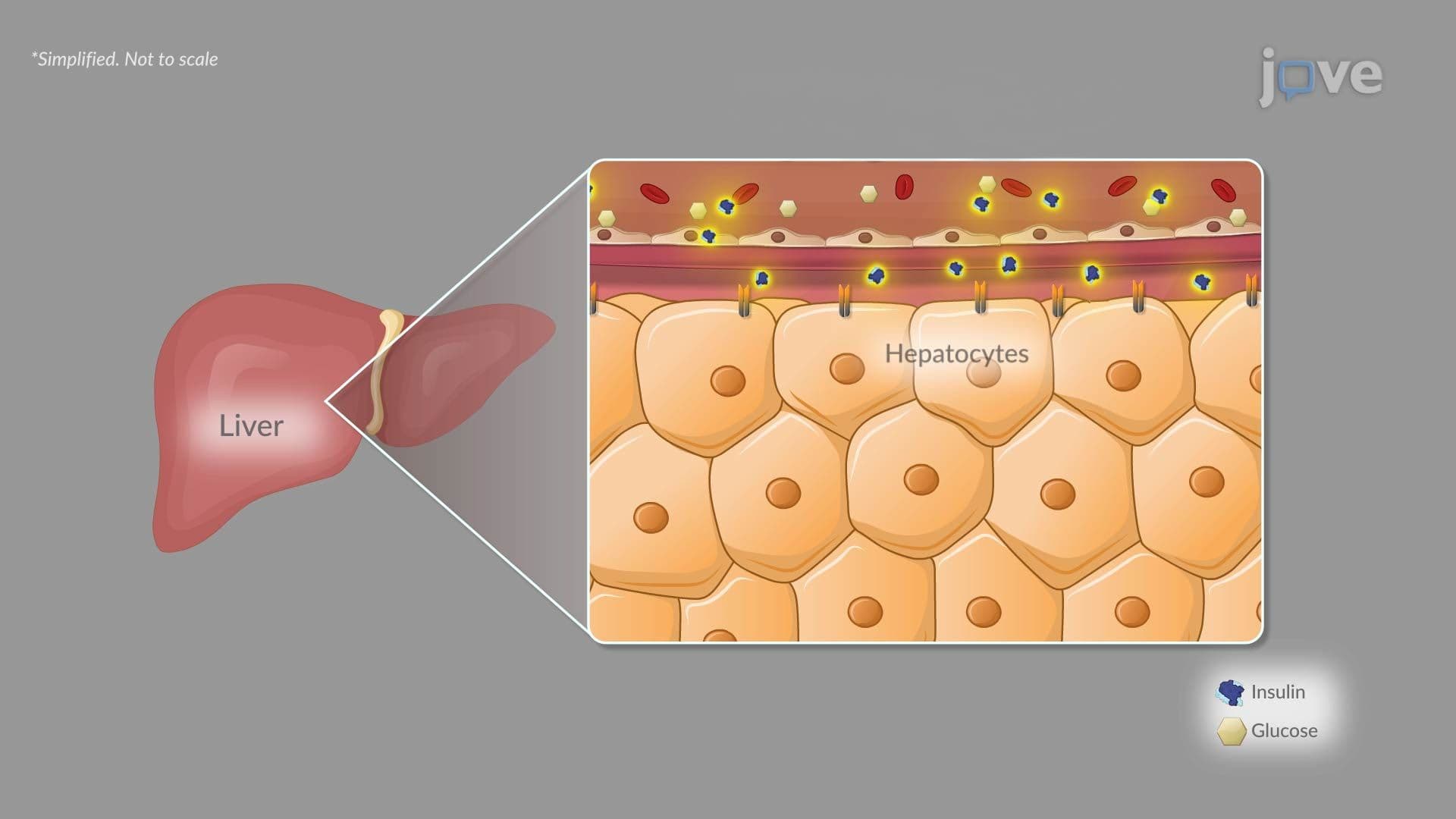
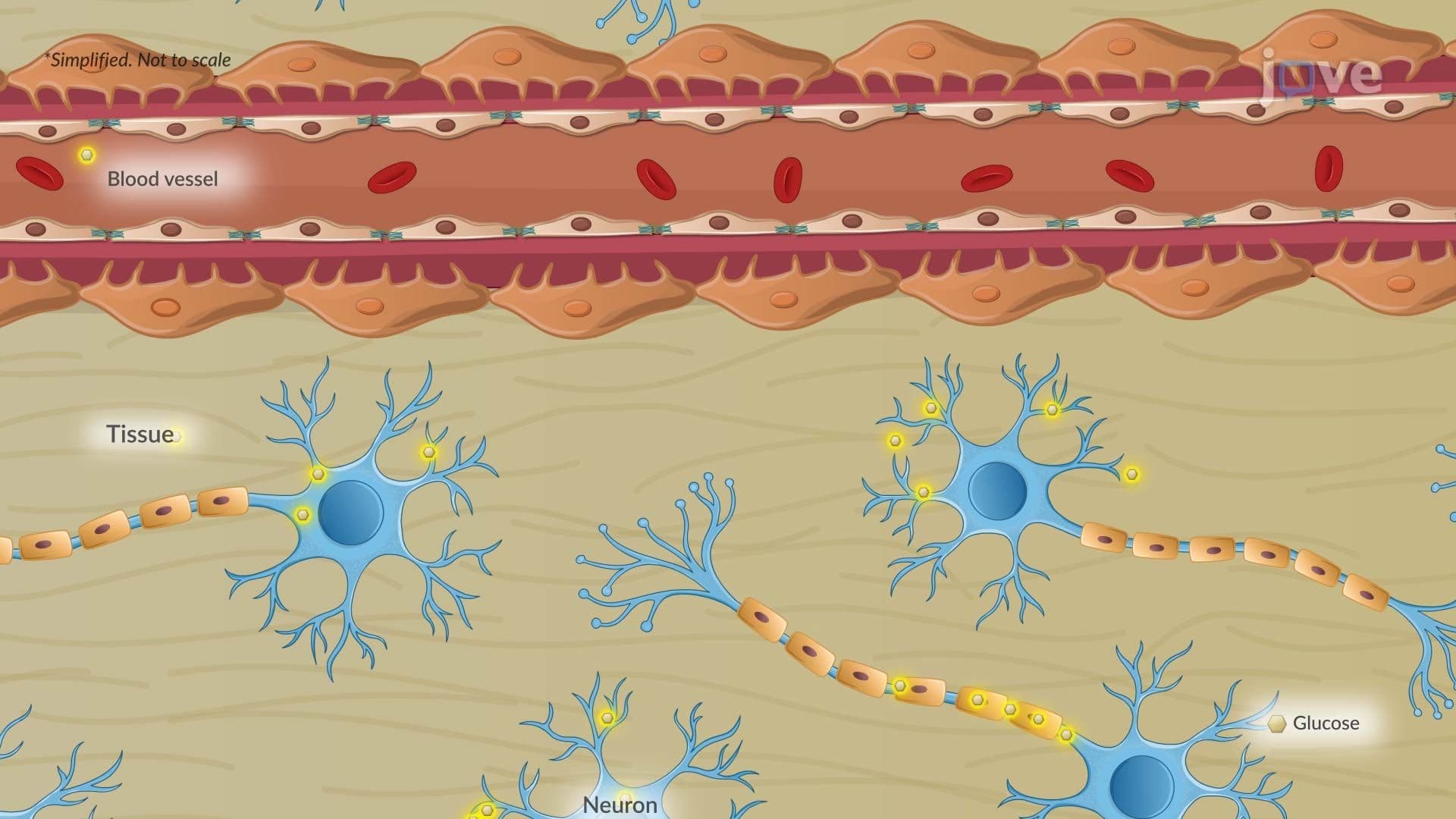
Without insulin, cells cannot take up glucose, so blood sugar climbs rapidly. The body interprets this as starvation and responds by releasing counterregulatory hormones, glucagon, cortisol, epinephrine, and growth hormone. These hormones actively promote gluconeogenesis (making new glucose from amino acids and lactate) and glycogenolysis (breaking down stored glycogen), flooding the bloodstream with even more glucose. This self-perpetuating hyperglycemia is a hallmark feature of DKA and connects directly to questions about hormonal imbalances seen on the USMLE and NCLEX.
Because glucose cannot enter cells, the body switches to fat as its primary fuel source, a process that becomes catastrophically unregulated in DKA. In the liver, fatty acids undergo beta-oxidation, producing large quantities of acetyl-CoA. Normally, acetyl-CoA enters the citric acid cycle, but in insulin-deficient states, this pathway is overwhelmed. Instead, acetyl-CoA is diverted into ketone body synthesis: acetoacetate, β-hydroxybutyrate, and acetone.
These ketones accumulate faster than the body can use or excrete them. As they build up in the blood, they dissociate and release hydrogen ions, dramatically lowering blood pH. This is metabolic acidosis, the body's buffering systems (bicarbonate, respiratory compensation via hyperventilation) are pushed to their limits. Students preparing for college-level biochemistry or AP Chemistry will recognize the acid-base chemistry underlying this process.
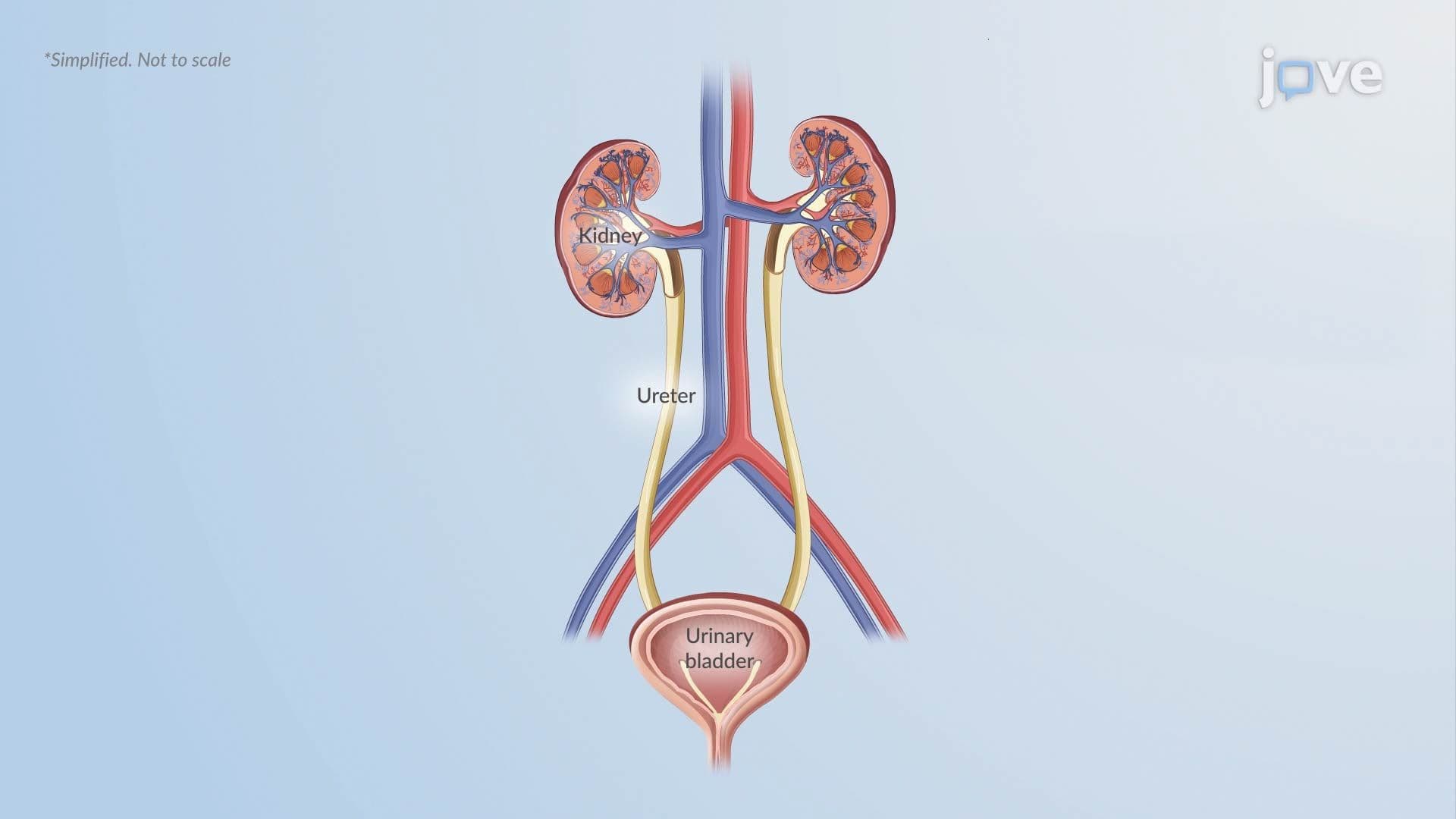
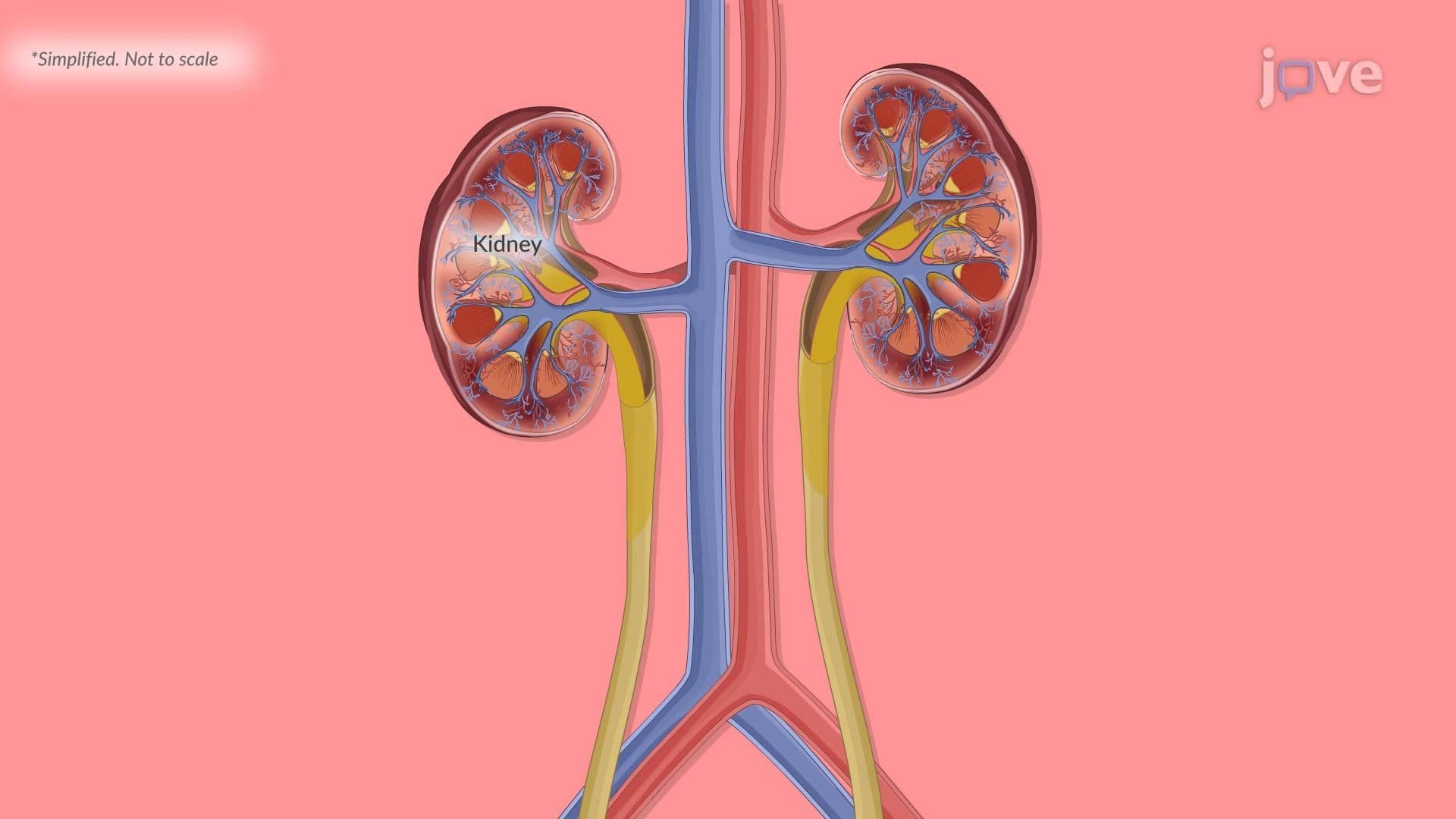
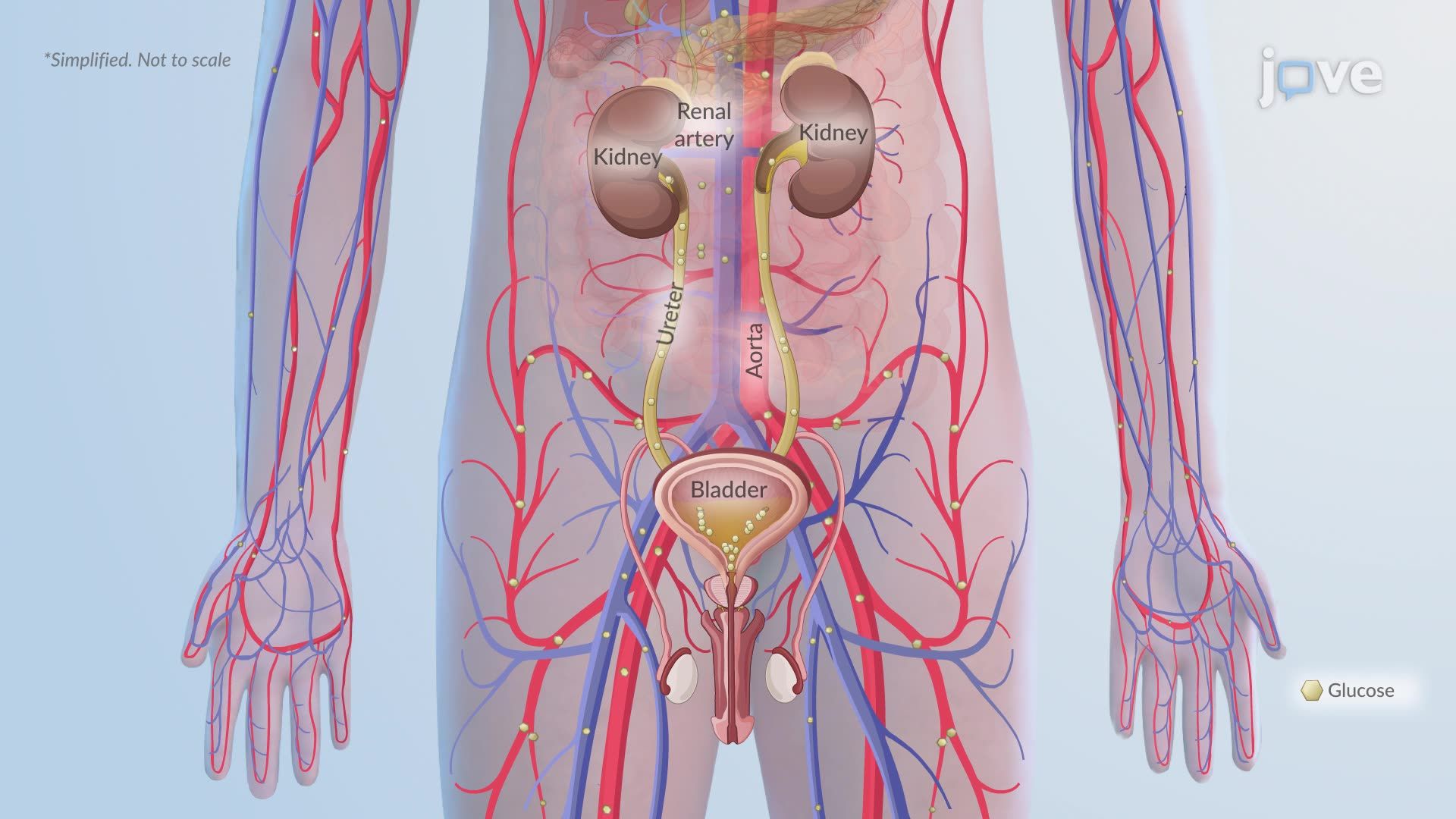
When blood glucose exceeds the renal threshold, approximately 180 mg/dL in healthy individuals, the kidneys can no longer reabsorb all the filtered glucose. Glucose spills into the urine, drawing water along with it through osmosis. This osmotic diuresis leads to profound dehydration and the loss of key electrolytes: sodium, potassium, chloride, and phosphate.
The potassium loss is particularly deceptive. Serum potassium may appear normal or even elevated initially because acidosis causes potassium to shift out of cells. However, total body potassium is severely depleted, a distinction that is frequently tested on NCLEX and HESI A2 exams and is critical in clinical management to prevent fatal cardiac arrhythmias during treatment.
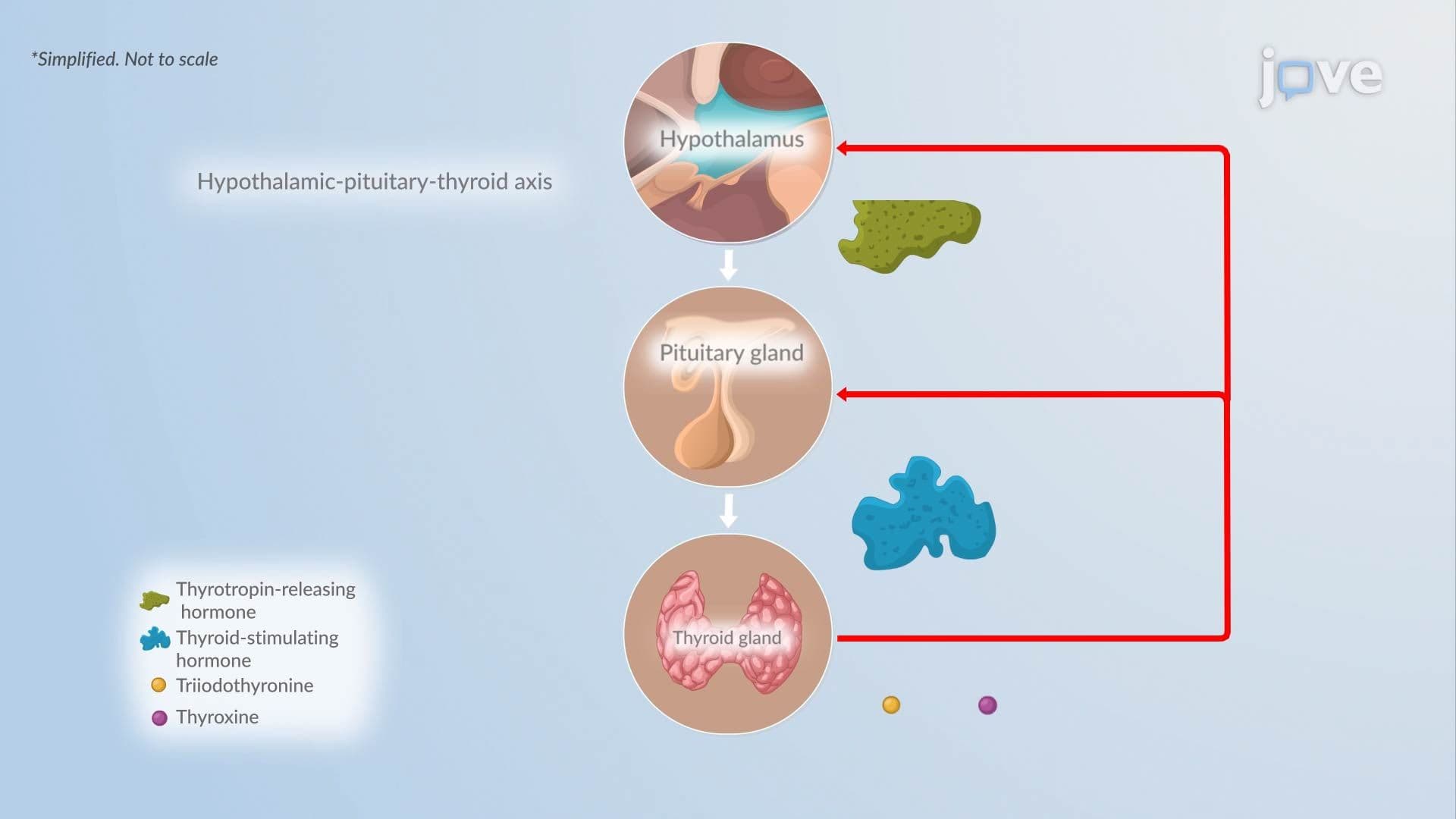
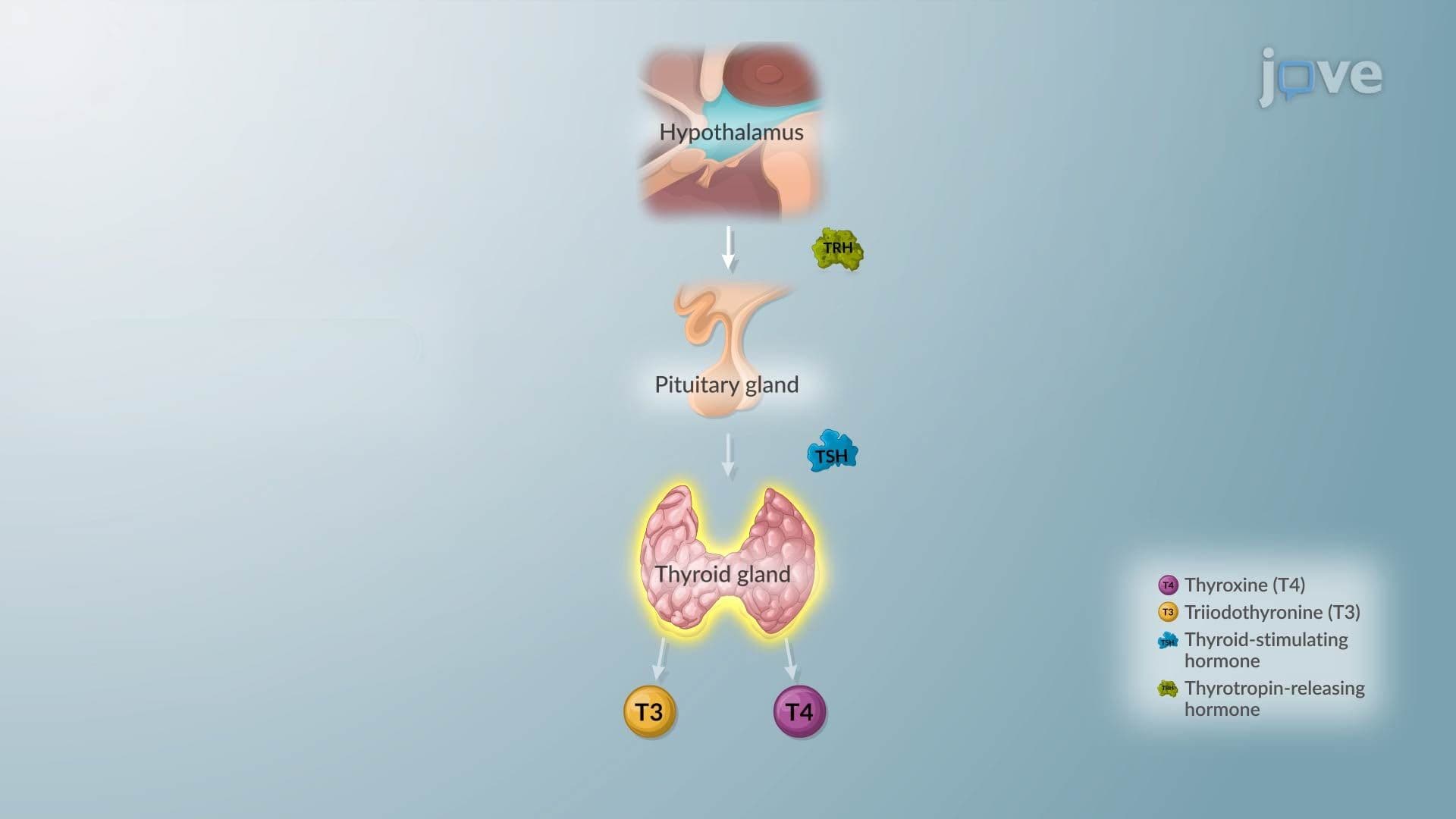
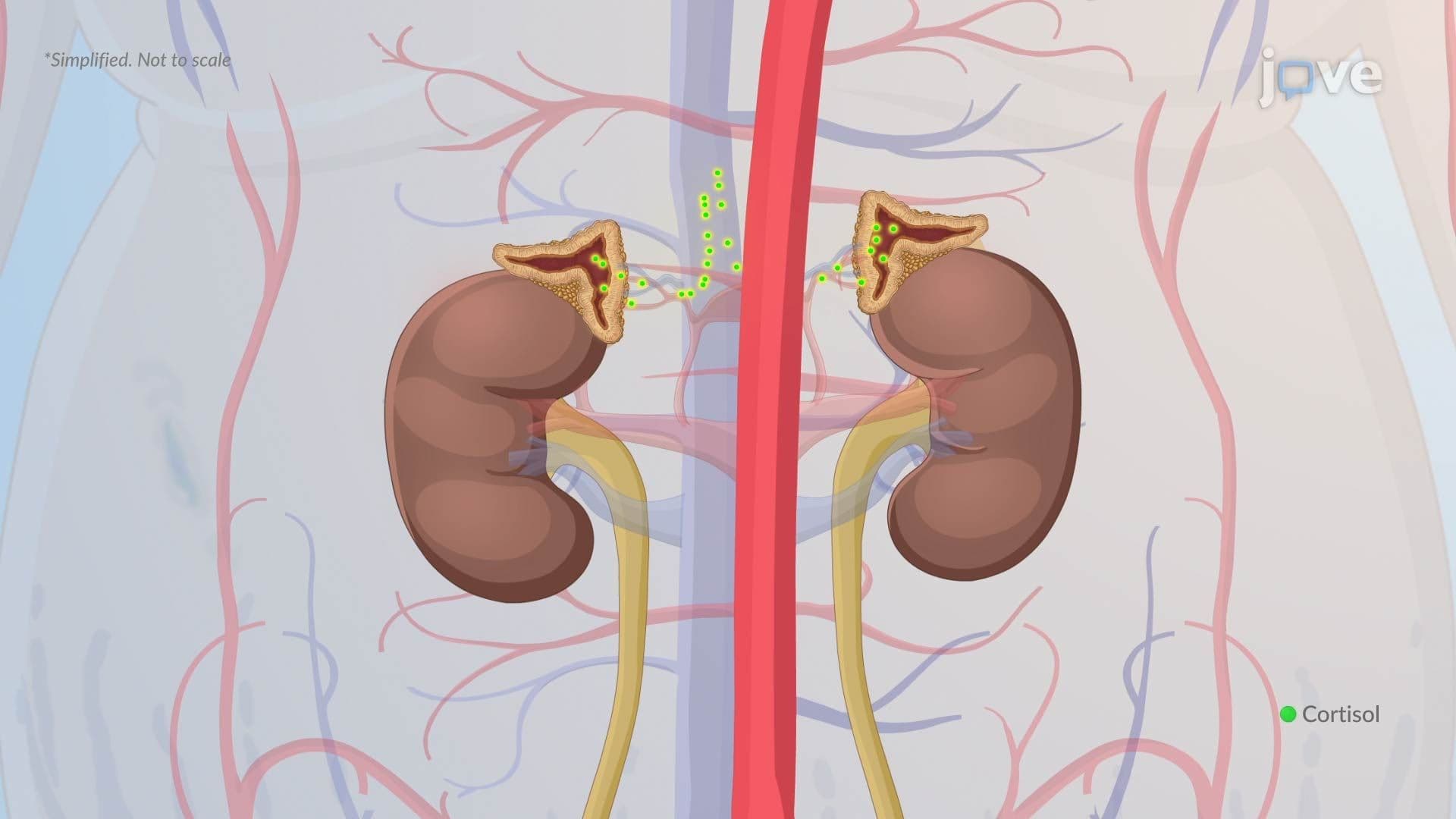
DKA does not exist in isolation. Conditions like Cushing's syndrome raise cortisol chronically, worsening insulin resistance. Adrenal insufficiency can complicate metabolic responses during a crisis. Hyperthyroidism accelerates metabolism and can exacerbate physiological stress. Even hypothyroidism may impair the body's ability to mount an appropriate recovery response. Understanding how endocrine disorders interact is essential for any student asking, "What causes endocrine system disorders?" or exploring how they are diagnosed and treated in clinical practice. DKA is a masterclass in how one hormonal failure cascades into a systemic emergency.
Related Micro-courses